When people think of dinosaurs, they often imagine a brief, dramatic moment in time: gigantic reptiles roaring across some prehistoric jungle before a single apocalyptic rock from space wipes them out. In reality, dinosaurs did not just pass through Earth’s history – they ruled it for an almost unimaginably long stretch. Compared to their reign, humans are not just newcomers; we barely register on the geological clock.
Once you start putting real numbers on their timeline, everything you learned in school suddenly feels too small. The age of dinosaurs spans so far back that your brain almost fights it, like trying to imagine the distance between galaxies while staring at a city street. Let’s unpack the eras, the extinctions, and the strange survivors, and you’ll see why saying they “dominated Earth” is almost an understatement.
The mind-bending headline number: about 165 million years of dominance
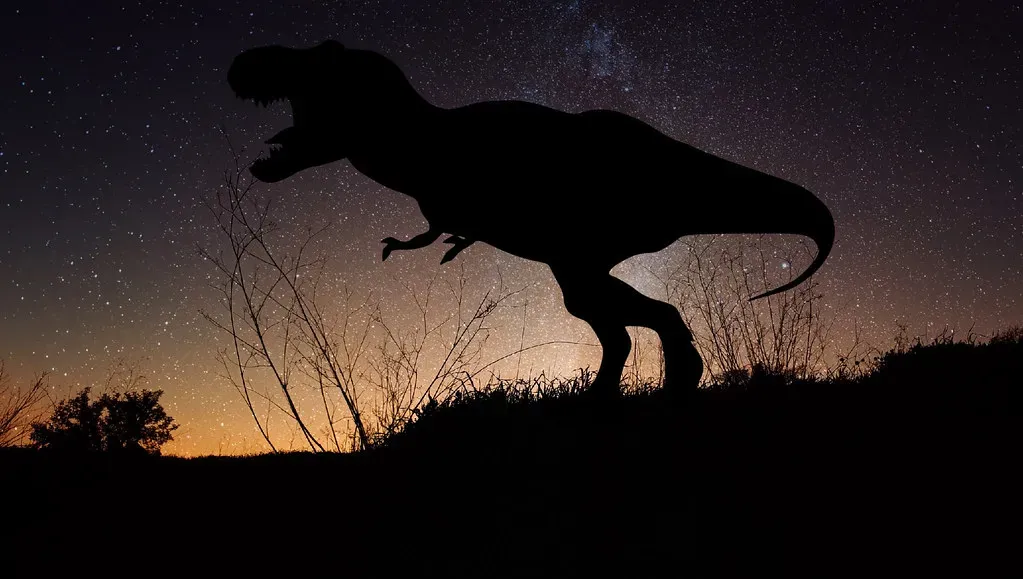
Dinosaurs as a recognizable group appeared in the Late Triassic period, roughly about 235 million years ago, and the non-bird dinosaurs disappeared around 66 million years ago with the famous asteroid impact. That means these animals dominated landscapes, food chains, and ecosystems for around 165 to 170 million years. To put that into perspective, our own species, Homo sapiens, has been around for only about three hundred thousand years or so, which is just a tiny sliver at the very end of the timeline.
If you compressed all 165 million dinosaur years into a single day, humans would show up in roughly the last few seconds before midnight. For the vast majority of that “day,” the world belonged to dinosaurs in one form or another: small, nimble forms in forests; massive, long-necked herbivores on floodplains; and horned or armored tanks roaming ancient river valleys. When you hear people casually say “dinosaurs lived a long time,” that smooth phrase hides a reality almost too large for our sense of time to handle.
Before the giants: the Triassic beginnings that almost no one talks about
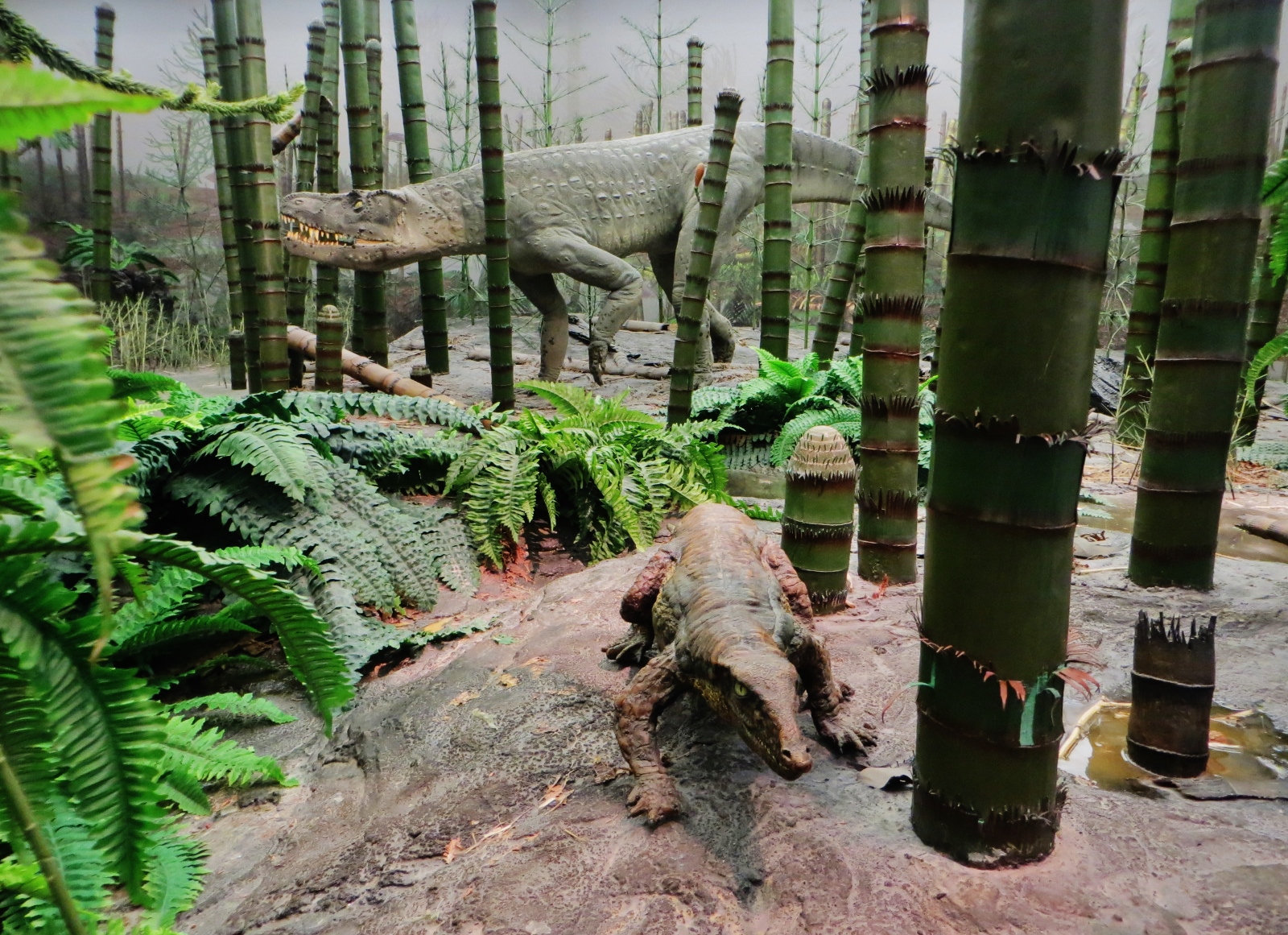
The story does not start with a roaring T. rex; it begins in the Late Triassic with animals that would barely look like “proper” dinosaurs to most of us. Early dinosaurs were generally small to medium-sized, lightly built, and sharing their world with many other reptile groups that, at first, overshadowed them. This was a time after the biggest mass extinction in Earth’s history, and ecosystems were still rebuilding, chaotic, and experimental in a biological sense.
It is easy to forget that dinosaurs were once underdogs, not inevitable rulers. For tens of millions of years, early dinosaurs competed with large crocodile-like predators and other strange archosaurs for space and resources. Their eventual rise was not written in the stars; it depended on environmental changes, extinctions, and a bit of luck. That early, scrappy chapter alone lasted longer than the entire existence of humanity so far.
The Jurassic and Cretaceous: peak dinosaur era stretched over obscene timescales
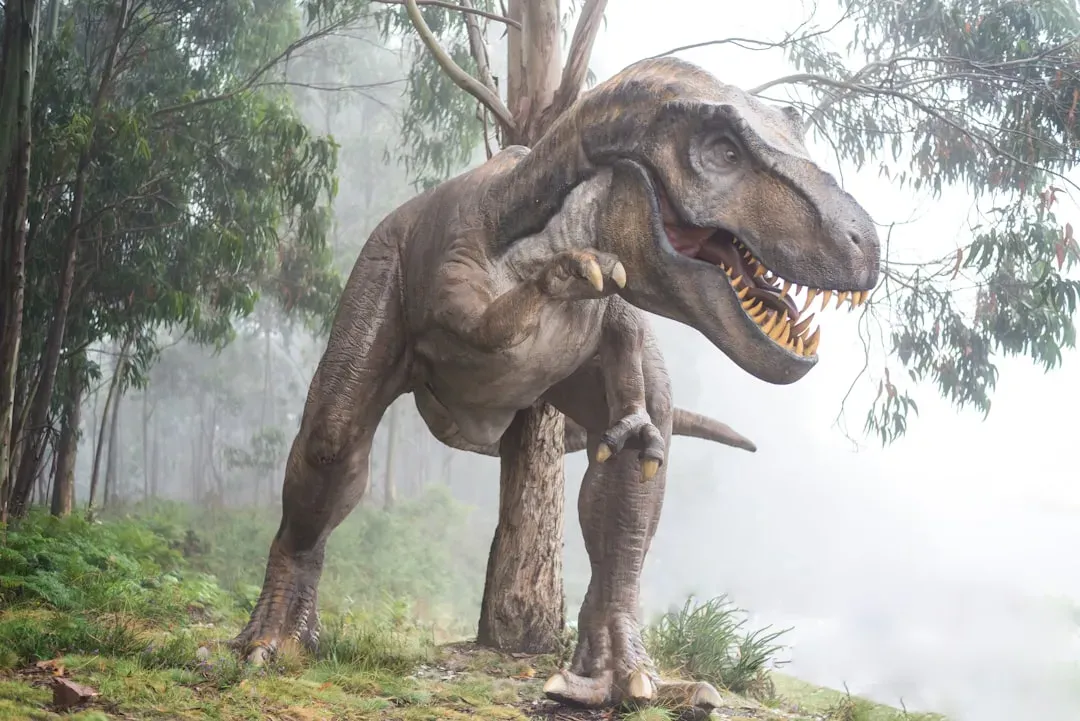
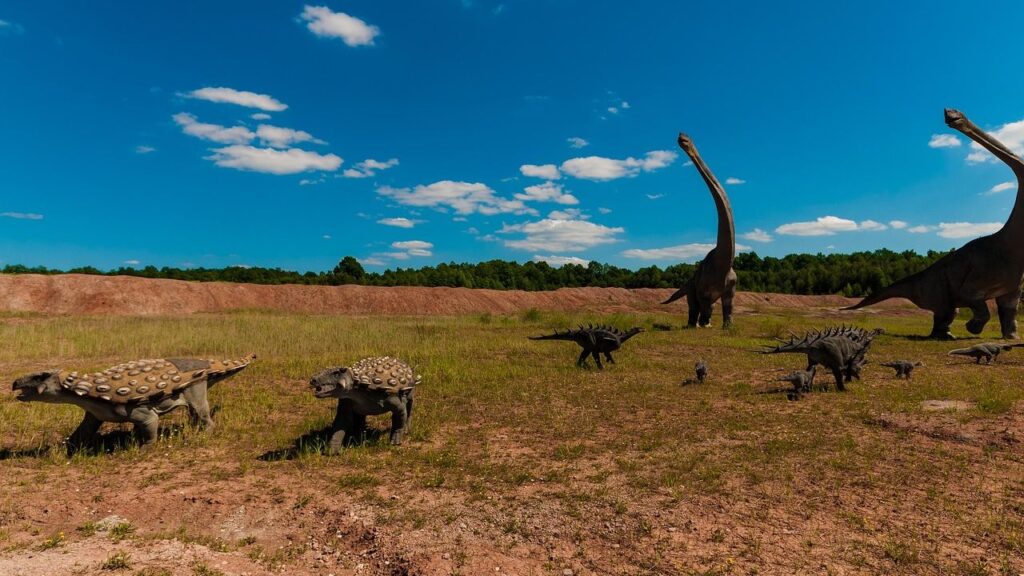
Most of the iconic dinosaurs people think of – the towering sauropods, stegosaurs, raptors, and the tyrannosaurids – really come into their own during the Jurassic and Cretaceous periods. That stretch alone covers something on the order of 135 million years, which is so long that entire dinosaur dynasties rose, diversified, and vanished while the broader dinosaur rule just kept rolling on. Species and entire families appeared, thrived, and disappeared while their relatives in other regions evolved into new and stranger forms.
Imagine civilizations on Earth rising and falling many thousands of times over, each time with totally different cultures, languages, and technologies – and yet all still counted as “human history.” That is what “dinosaur time” was like from the Jurassic through the Cretaceous: a constantly shifting cast of players in a show that never really stopped until the curtain finally dropped at the end of the Cretaceous. Viewing that reach of time as a single era flattens countless dramas of climate change, continental drift, and evolutionary arms races between predators and prey.
The shocking comparison: dinosaur time vs. human time
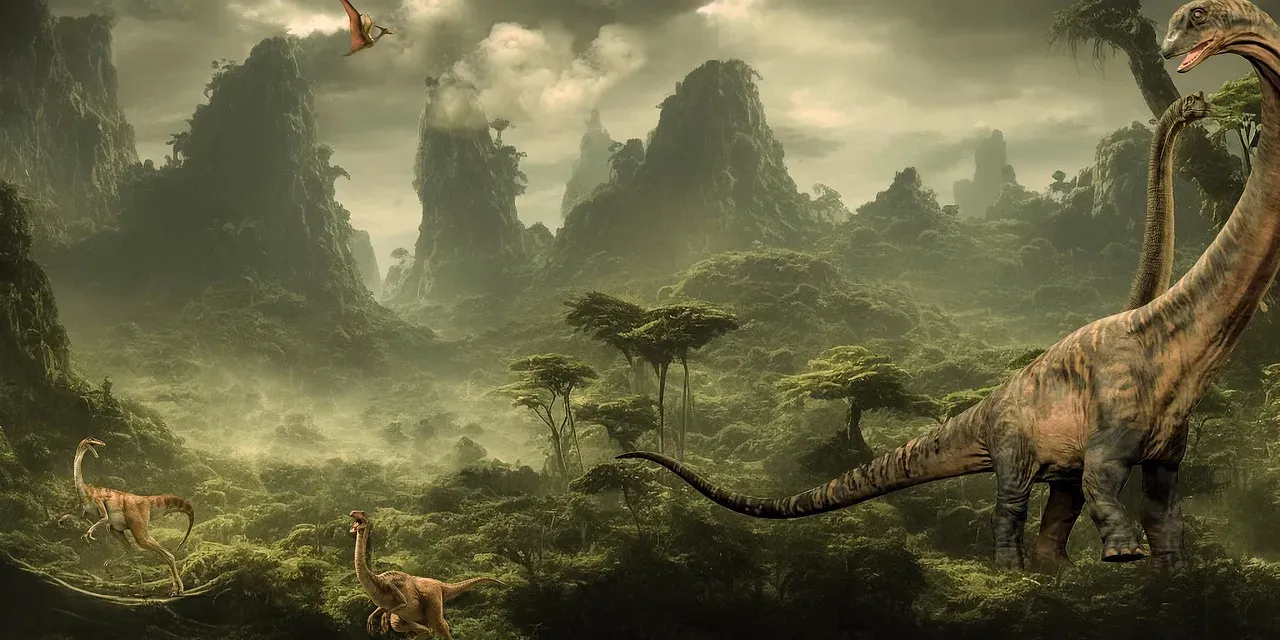
Here is where the numbers really make your head spin. If you look at the span from the first true dinosaurs to their mass extinction, you get roughly 165 million years. Compare that with human history in any meaningful sense: agriculture began about ten to twelve thousand years ago, and the entire stretch from ancient Mesopotamia to modern cities fits inside that window. The time between the invention of writing and the smartphone is microscopic next to the reign of dinosaurs.
Put another way, you could replay everything humans have done – every empire, every revolution, every scientific breakthrough – dozens upon dozens of times, and you still would not fill the duration of dinosaur dominance. Calling us “the dominant species” today is technically fair, but also slightly hilarious when you consider that our whole story so far would not even count as a brief experiment in the age of dinosaurs. We are not the unchallenged rulers of Earth; we are the latest guests at a party that has been going on for hundreds of millions of years.
Geological time breaks your intuition: why these numbers feel unreal
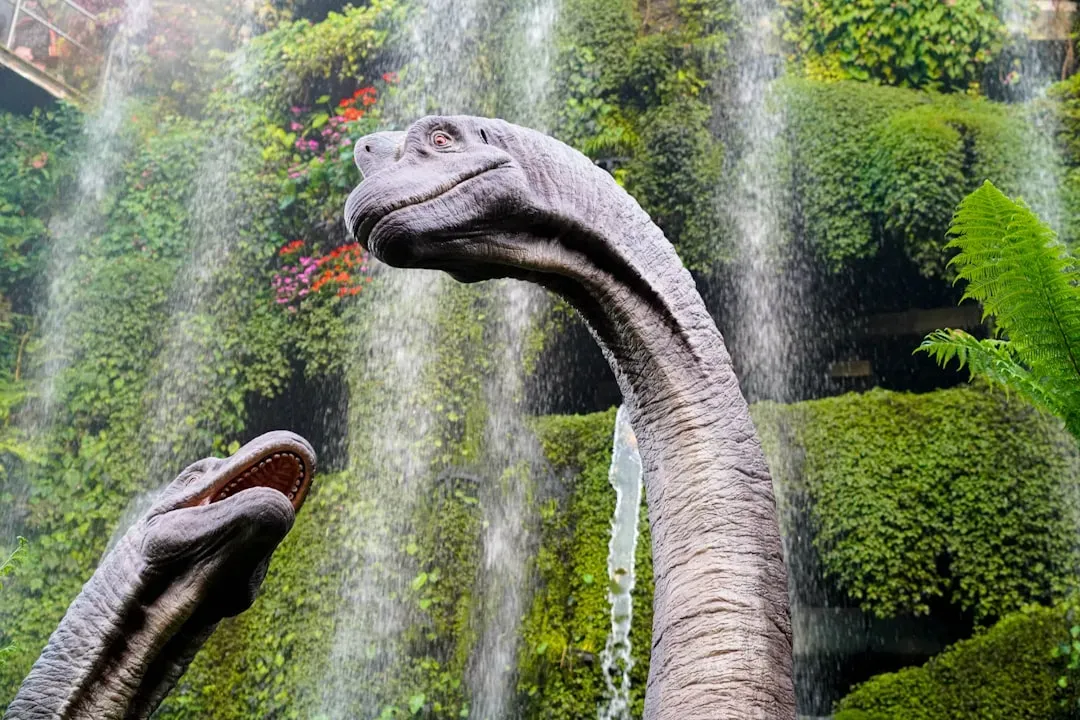
Part of the reason dinosaur timelines are hard to grasp is that our brains are wired for short spans: days, years, maybe a few generations. Geological time, with its millions of years, is so far beyond our lifestyles that it may as well be a different language. You hear phrases like “for tens of millions of years” and your mind files it right next to “a really long time,” blurring all the differences that matter scientifically.
A simple metaphor helps: imagine a three-hundred-page book representing Earth’s history. Dinosaurs walk onto the stage somewhere deep inside the book, and they dominate chapter after chapter, page after page, while ecosystems flip and continents drift. Humans are a tiny footnote in the last lines of the very last page. Thinking this way makes it painfully clear that dinosaurs were not just a brief stage act; they were the main cast for a staggeringly long portion of the story.
The end was sudden, but the build-up was not
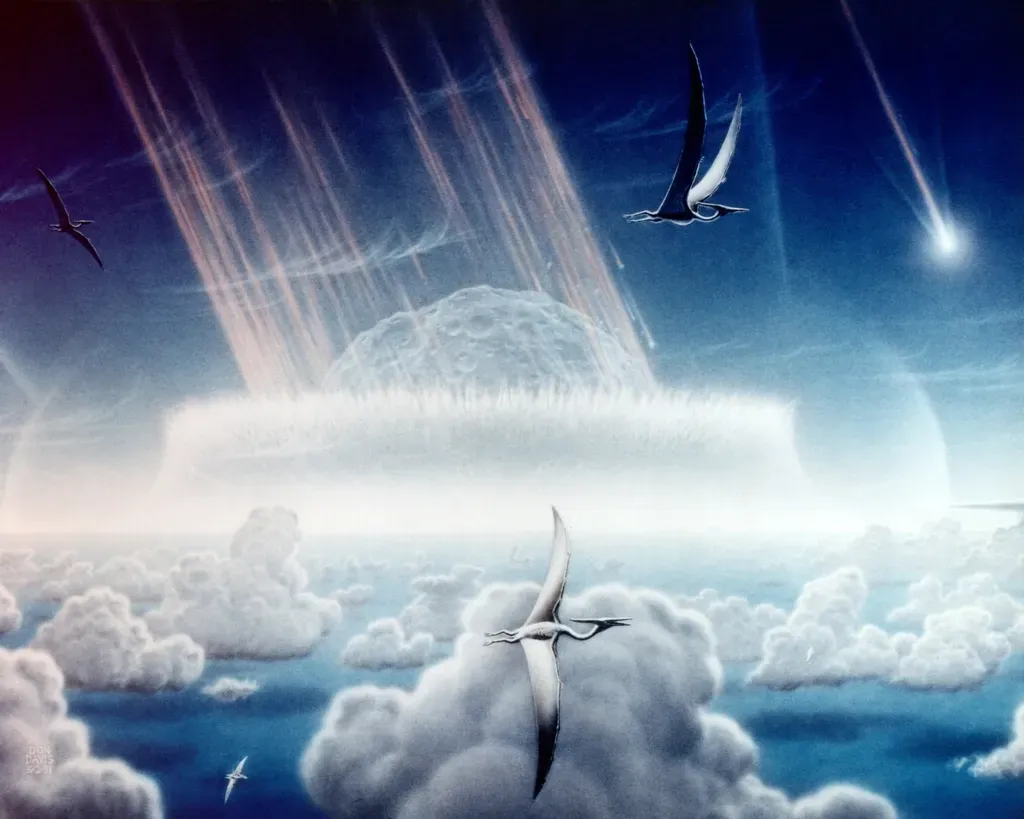
The dramatic ending – an asteroid hitting near what is now the Yucatán Peninsula and triggering a mass extinction around 66 million years ago – is, ironically, the most famous part of dinosaur history. From a geological perspective, that impact and its aftermath unfolded incredibly fast, on scales of years to thousands of years, compared with the millions that went before. Global firestorms, blocked sunlight, collapsing food chains, and long-term climate shifts hammered ecosystems that had been stable and diverse for ages.
But what often gets lost is that dinosaurs had already ridden out earlier environmental shifts, volcanic events, and continental breakups over tens of millions of years. Their final extinction was not simply “they got old and faded away”; it took a planetary-level catastrophe to end a reign that had proven remarkably robust. If anything, the shocking part is not that they died out, but that they lasted so long before anything managed to knock them off the throne.
The twist: dinosaurs never fully went away
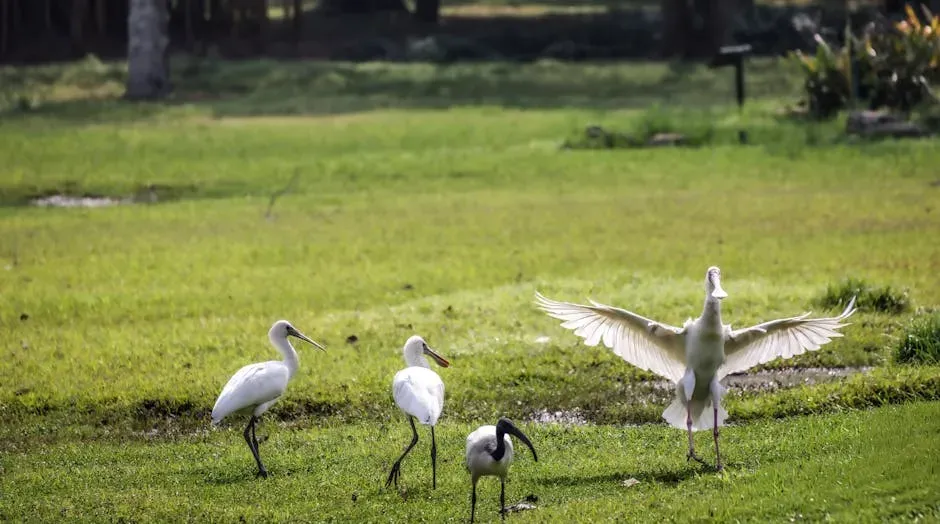
Here is the plot twist that still surprises people: birds are living dinosaurs. They are not just “distant relatives” but the direct descendants of one branch of theropod dinosaurs, carrying on that lineage right into the present. In that sense, dinosaurs did not completely vanish 66 million years ago; a specialized group of them survived and evolved into the mind-bending variety of birds we see now, from hummingbirds to ostriches.
That means if you count birds as dinosaurs, then their story does not stop at 66 million years ago at all – it runs continuously from the Late Triassic right up to the year 2026 and beyond. This stretches “dinosaur time” from around 235 million years ago straight through today, adding another 66 million years or so of survival after the major extinction event. The next time you watch pigeons fighting over a french fry, it is worth remembering you are watching the scrappy, urban side of an incredibly ancient dynasty.
Why their long rule matters for how we see ourselves
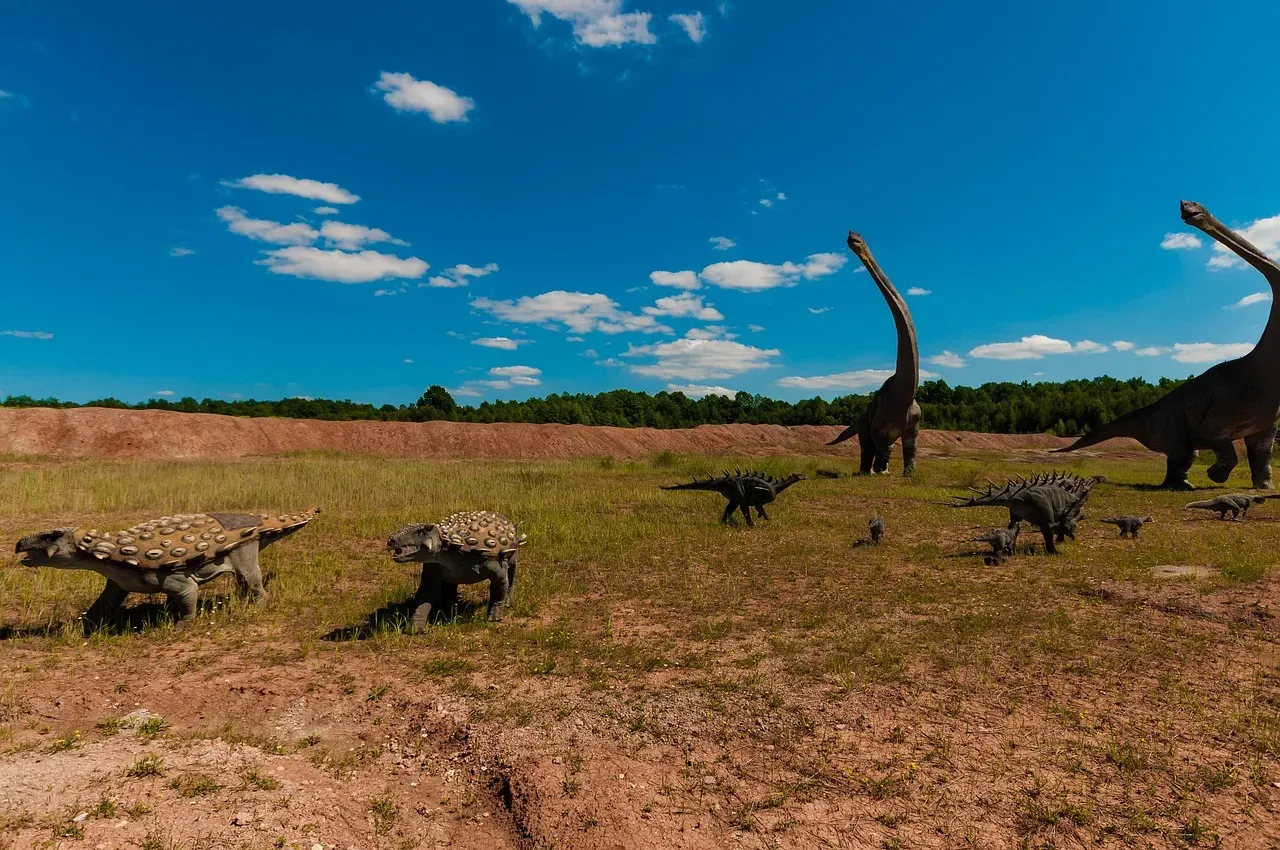
Once you absorb how long dinosaurs dominated Earth, it becomes much harder to see humans as the inevitable climax of evolution. Dinosaurs show that successful life forms can hold onto planetary dominance for unimaginably long periods without ever inventing cities, rockets, or the internet. Intelligence and technology are one path, but clearly not the only way to “win” in evolutionary terms, at least on long timescales. Robustness, adaptability, and the luck to avoid certain disasters mattered just as much for them as memory and engineering do for us.
Personally, I find that both humbling and oddly comforting. Humbling, because it reminds us that if our own story is cut short, Earth will almost certainly go on with new dominant species in our place, just as it did after the dinosaurs. Comforting, because it takes some pressure off the idea that humans are the universe’s final word on life. The dinosaurs had their immense, almost absurdly long chapter; we are only beginning ours, and whether it turns into a long saga or a brief flash depends largely on what we decide to do next.
Conclusion: the age of dinosaurs makes our era look like a trailer
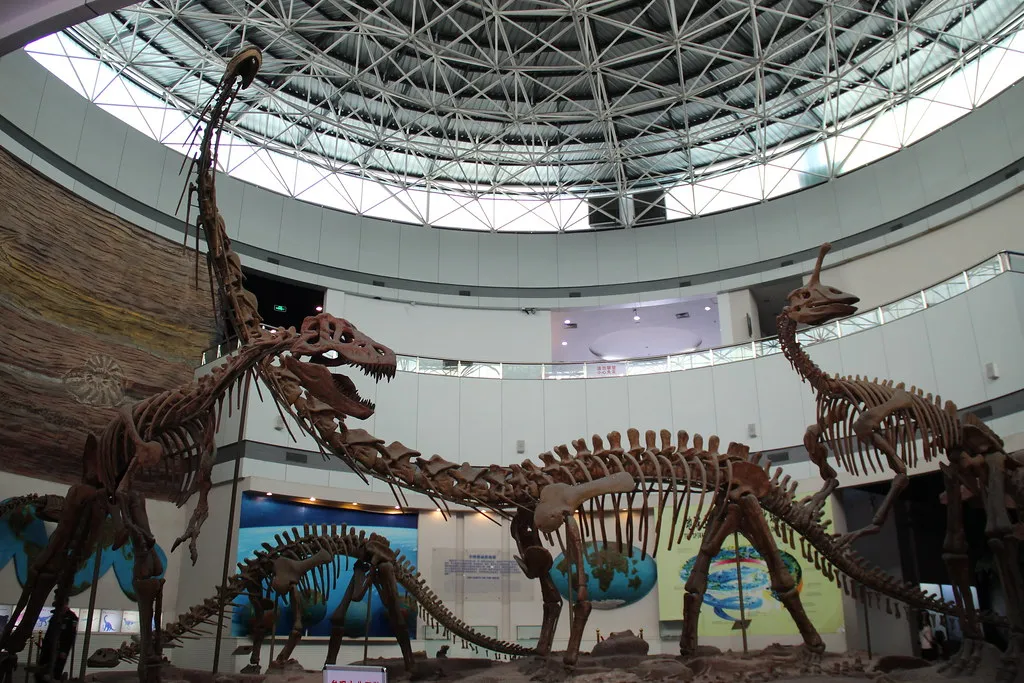
Looking at the numbers honestly, dinosaurs were not just a quirky prehistoric phase; they were the main event for nearly one hundred and seventy million years, and their bird descendants quietly extend that story into the present. By comparison, human history is a short teaser at the very end of the movie, loud and flashy but, so far, incredibly brief. In my view, we greatly overestimate our permanence and underestimate how routine it is, in Earth’s story, for dominant groups to be replaced after long, glorious runs.
If anything, the reign of the dinosaurs should scare us a little and ground us a lot. It proves that being on top for an epic length of time is no guarantee you will not vanish when conditions suddenly flip, and it shows that life will reinvent “dominance” again and again, with or without us. Maybe the smartest takeaway is not that we are special, but that we have a rare chance to choose how long our chapter runs. With an example like the dinosaurs behind us, how short are we really willing to let it be?