Close your eyes and think of a dinosaur. You probably hear that classic Hollywood roar in your head, stretched out and echoing like some ancient monster in a cave. It feels right, it feels big, it feels dramatic. But here’s the twist: there’s a very good chance real dinosaurs sounded a lot less like movie monsters and a lot more like the birds outside your window, the crocodile in a swamp, or even a low industrial hum you feel more than hear.
We will probably never know with total certainty what a Tyrannosaurus or a sauropod actually sounded like, but we’re no longer just guessing wildly. Fossils, modern animal biology, and some clever detective work are pulling the curtain back on the soundscape of the Mesozoic, and it is almost certainly not the roaring chaos Hollywood promised us. The reality is quieter, stranger, and honestly way more interesting.
The Hollywood Dinosaur Roar Is Basically Fantasy
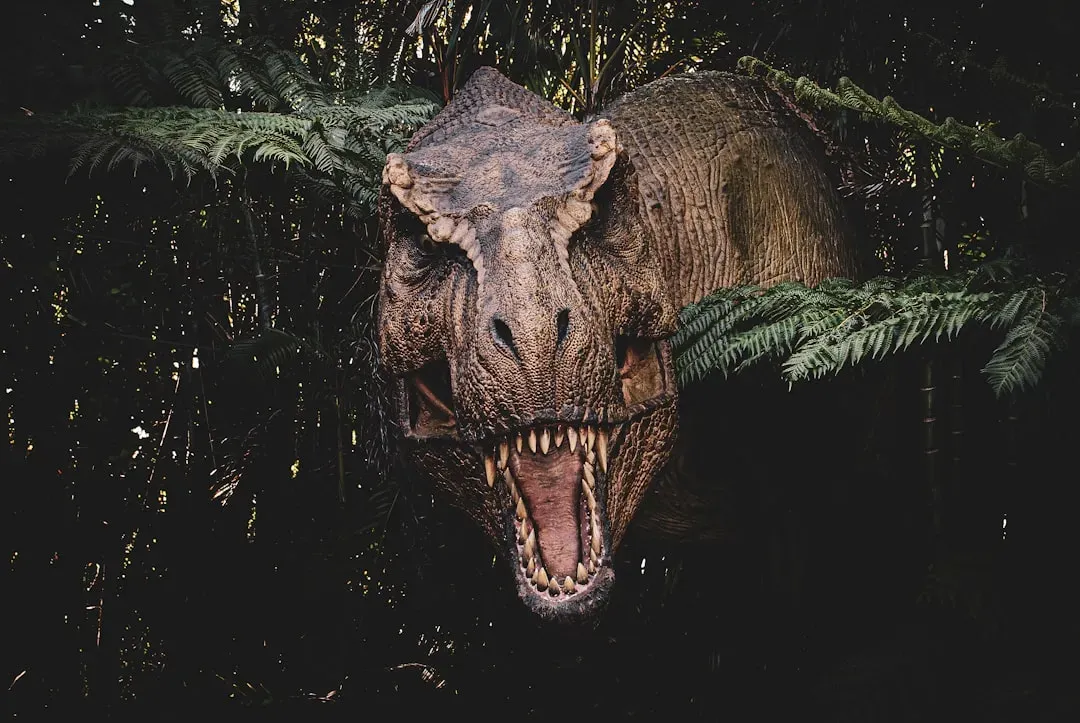
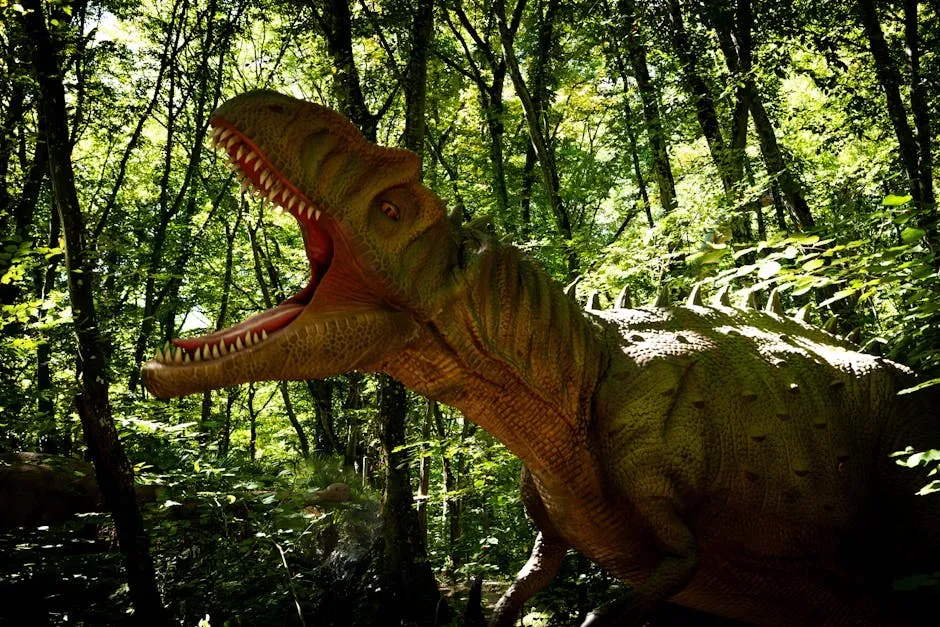
The iconic dinosaur roar you’ve heard in films is stitched together from modern animals: lions, tigers, elephants, alligators, even slowed-down bird calls. Sound designers layer, distort, and stretch these noises to create something that simply feels right for a giant predator. It works brilliantly for drama, but it tells us almost nothing about real dinosaur biology. The problem is, our brains quickly confuse cinematic tradition with reality; when you hear that sound often enough, it becomes your default mental image.
The catch is that there’s no fossil evidence for that classic long, continuous, lion-like roar in dinosaurs. Soft tissues that directly shape sound, like vocal cords, almost never fossilize, so movies just filled in the blanks with what we already know from big mammals. That’s convenient for storytelling, but it quietly smuggles in a big assumption: that dinosaurs sounded like giant cats instead of what they actually are most closely related to – birds and crocodilians. Once you realize that, the audio landscape shifts drastically.
Dinosaurs Were Closer to Birds and Crocodiles Than to Lions
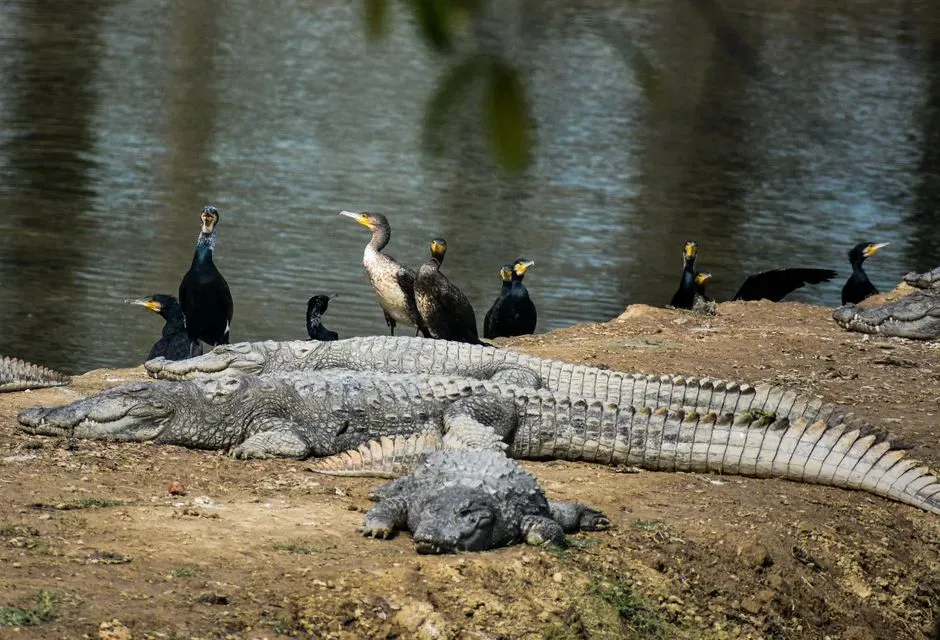
If you want to guess how an extinct animal sounded, you start by looking at its closest living relatives. Dinosaurs belong on the archosaur branch of the family tree, and their only surviving cousins today are birds and crocodilians. That alone should make us pause before we give them a mammal-style roar. Crocodiles bellow with deep, chest-vibrating calls, while birds cover an absurd range of sounds, from tiny chirps to eerie, booming notes you almost feel in your bones.
Think about how weird some birds already sound: ostriches hiss and boom, cassowaries make ultra-low calls that can vibrate your chest, and some ground birds drum, rattle, or snap their beaks. Crocodiles, on the other hand, produce low-frequency bellows that ripple water and send vibrations through the ground. If dinosaurs sat between or alongside these lineages, their vocal world likely mixed hisses, booms, grunts, honks, coos, and maybe percussive sounds, rather than endless roaring. That picture is less movie-friendly, but far more in line with evolutionary reality.
What Fossils Can (And Can’t) Tell Us About Dinosaur Voices
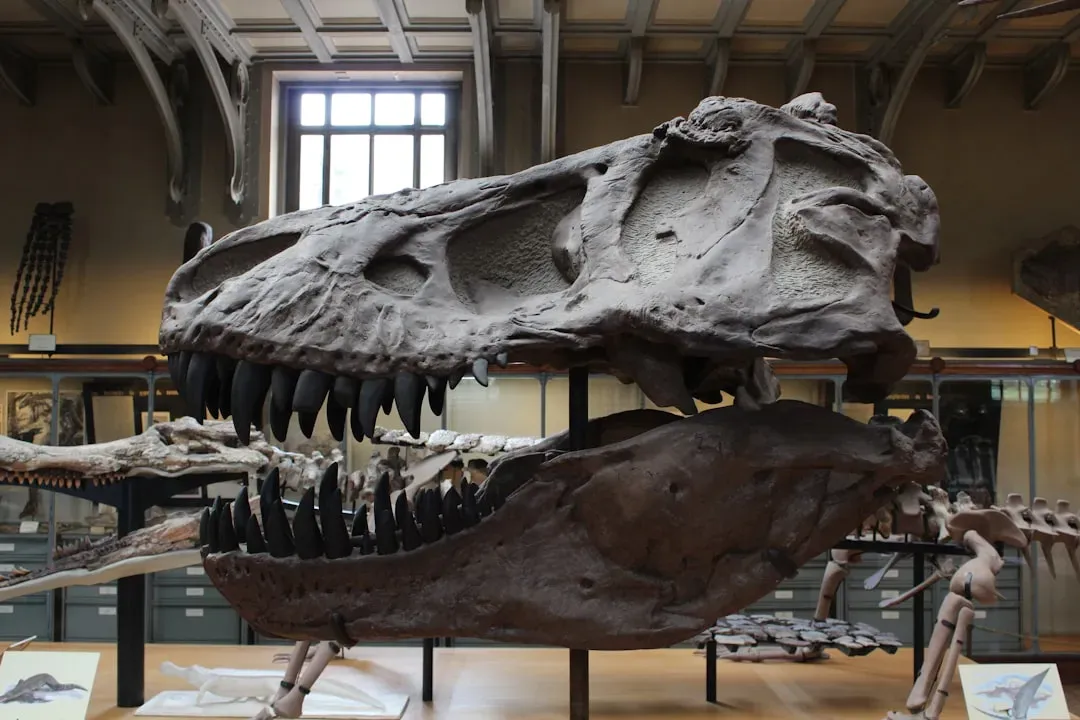
Fossils are mostly bones and impressions, which is a frustrating starting point when you’re trying to reconstruct sound. Vocal cords, air sacs, membranes – those delicate bits almost never survive. But bones still give us key clues: the size and shape of the skull, the cavities in the nose and throat, and even the structure of the inner ear can all hint at what kinds of frequencies an animal could make and hear. A big skull with long air passages can act like a built‑in amplifier or resonating chamber.
In some exceptional cases, we do find more specific evidence. Certain hadrosaur (duck‑billed dinosaur) skulls show complex hollow crests that connect to the nasal passages, basically functioning as giant wind instruments. Other fossils preserve the bony supports for air sacs or sinus systems that can shape sound. Still, even with these clues, we’re not listening to a recording; we’re reverse‑engineering a broken instrument without all the parts. That’s why serious scientists are careful and talk in terms of likely ranges and possibilities, not precise sound clips.
Duck‑Billed Dinosaurs Probably Honked and Boomed, Not Roared
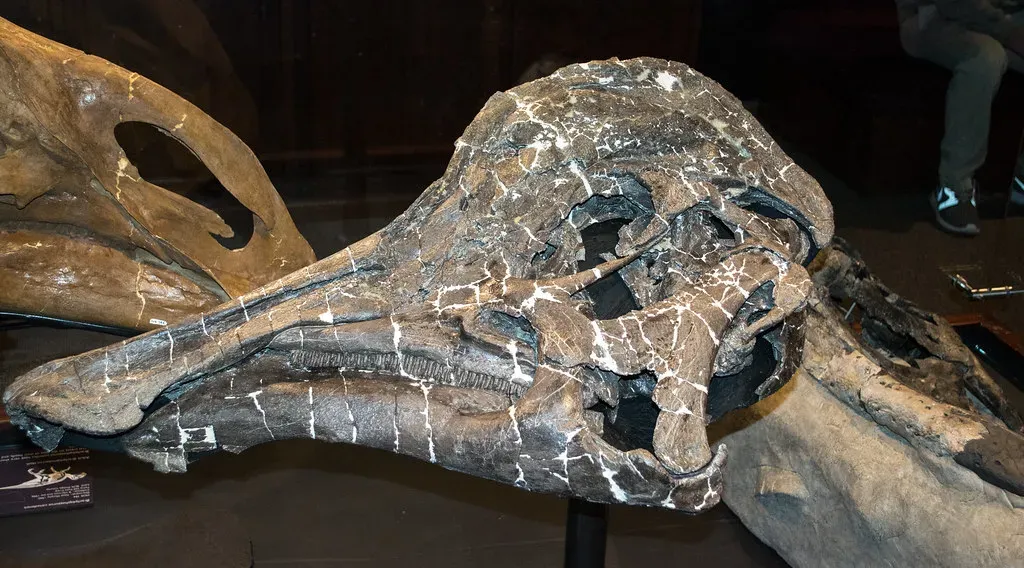
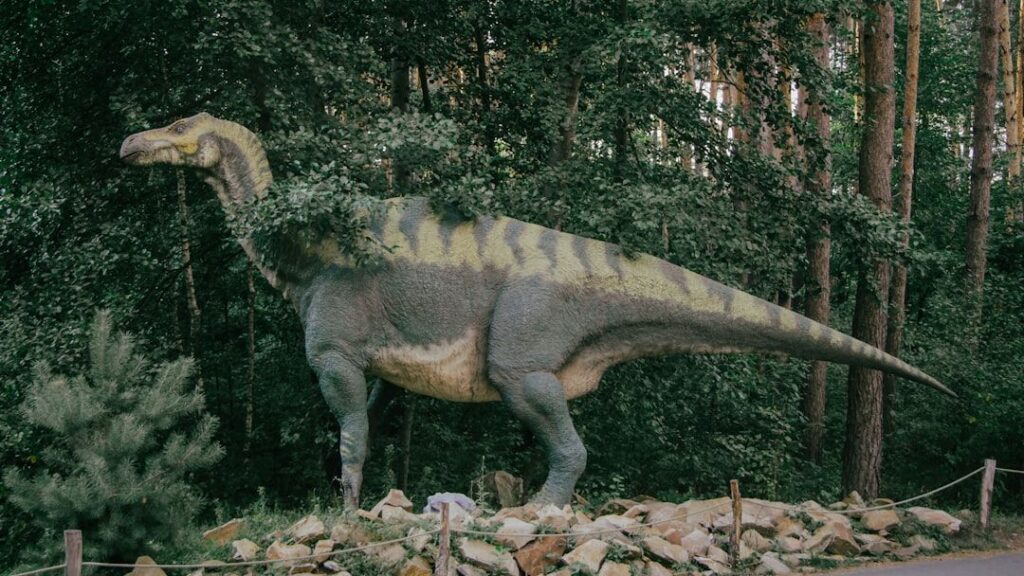
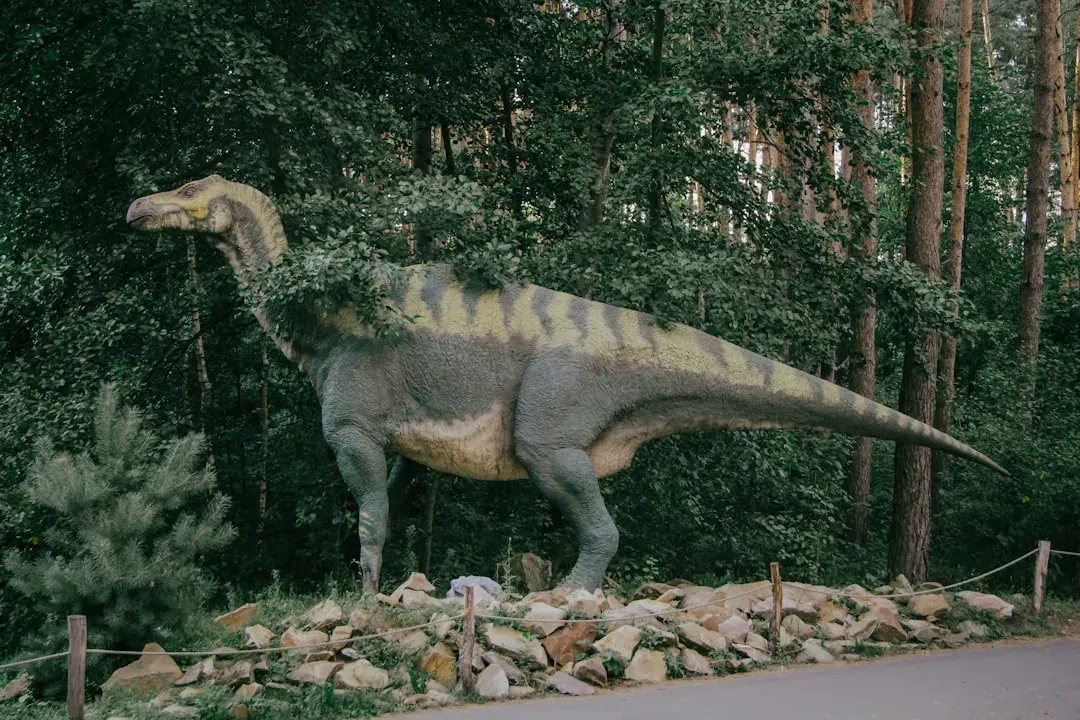
If there’s one group where we can talk about sound with a bit more confidence, it’s the hadrosaurs – the duck‑billed dinosaurs. Many of them had huge hollow crests on their heads, often intricately shaped tubes that connected to the nasal passages. When air moved through these tubes, the whole structure could act like a resonating chamber, something between a horn, a didgeridoo, and a pipe organ. Computer models of these crests suggest they could produce deep, resonant calls that carried over long distances.
Imagine a herd of these animals communicating across a floodplain with loud, low‑frequency honks and mournful booms rather than snarls. The sounds might have been surprisingly musical, with distinct pitches depending on crest size and shape. Some researchers have suggested these calls were useful for species recognition, mating displays, and keeping track of group members in dense vegetation. In a strange way, these dinosaurs might have turned their own skulls into built‑in brass instruments.
Big Predators Might Have Rumbled, Hissed, and Growled Quietly
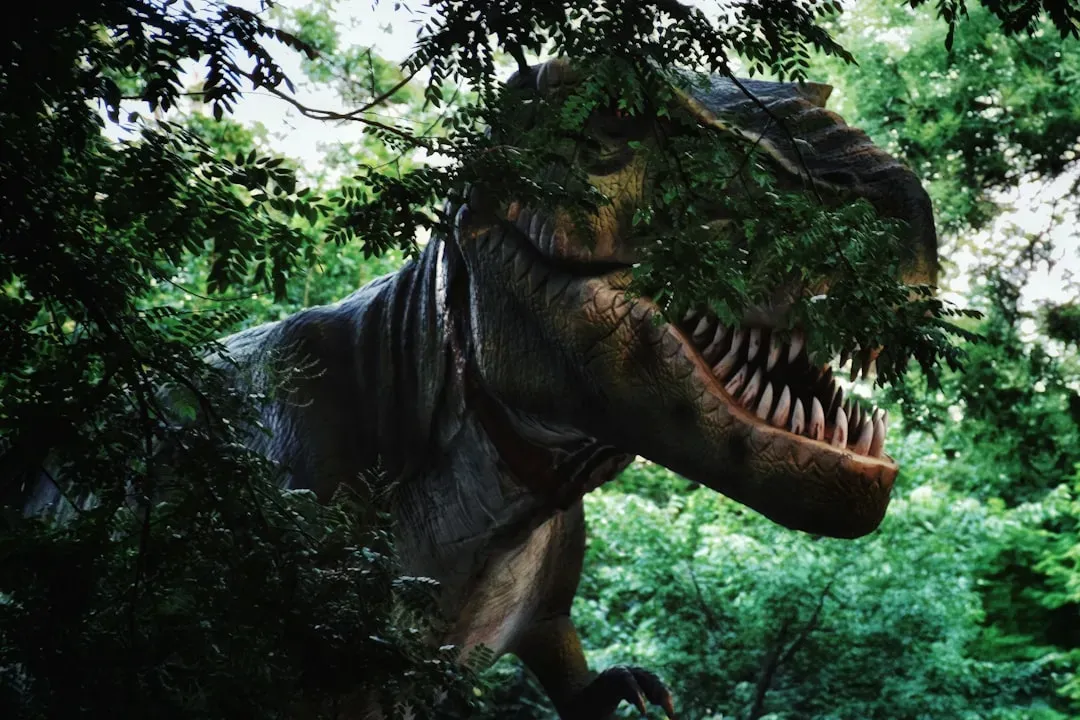
The terrifying, house‑shaking roar of a giant predator makes good cinema, but in nature, silence and subtlety are often more effective. Many large predators alive today, like big cats, can roar, yet they also rely heavily on quiet stalking and only vocalize at particular moments. For dinosaurs like Tyrannosaurus, the evidence points less toward theatrical roaring and more toward low, possibly infrasound‑like rumbles, hisses, and deep growls that were felt as much as heard. Some studies on related archosaurs have suggested that closed‑mouth vocalizations – think of a booming vibration from the throat and chest – were quite common.
Picture a tyrannosaur not as a constant screamer, but as a mostly silent hunter whose rare sounds were short, low pulses of energy. Those booms might have helped with communication over distance or within a group, while hisses and growls worked at close range. There is nothing in their anatomy that screams classic mammal roar, and plenty of reasons to think low‑frequency communication would be useful in dense forests or open plains. The real monster noise might have been more like standing near a subwoofer than hearing a lion at full blast.
Some Dinosaurs May Have Been Nearly Silent
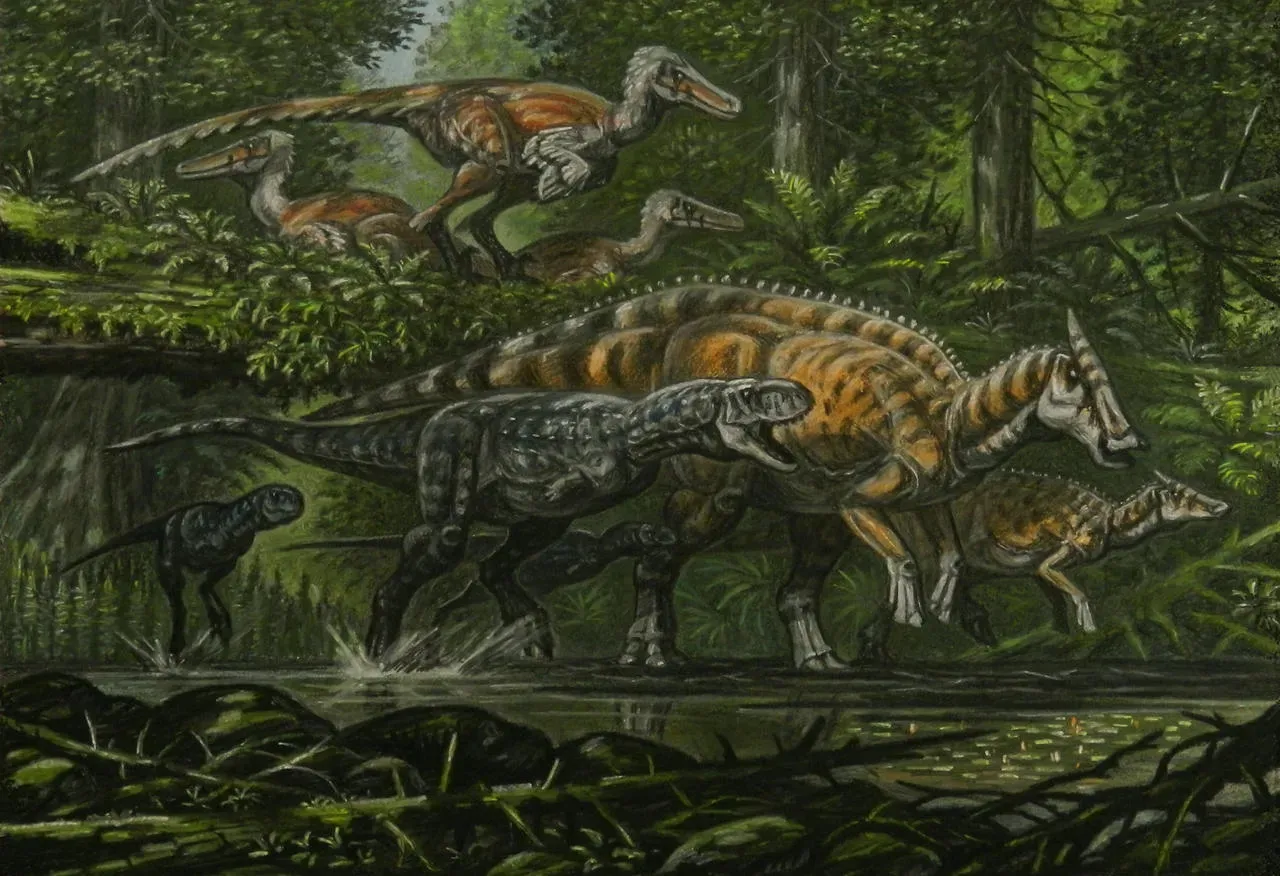
We love to imagine the Mesozoic as constantly loud, but there is a good chance many dinosaurs were relatively quiet most of the time. Not every animal needs to be vocal. Plenty of modern species communicate mostly using body language, coloration, smells, or vibrations on the ground. Many herbivorous dinosaurs, especially smaller or mid‑sized ones, might have only produced simple hisses, snorts, or soft contact calls. Think more along the lines of a goat’s mutter, a sheep’s bleat, or a heavy animal exhaling sharply when annoyed.
I sometimes picture a peaceful Cretaceous morning with insects buzzing, distant honks from hadrosaurs, the occasional croak from something near the water, and a huge sauropod walking by in complete silence except for the sound of its footsteps. The drama is still there, just not in a constant wall of noise. Silence can be a survival strategy too; making sound can attract both mates and predators, and evolution tends to punish those who advertise themselves too loudly in the wrong context.
Reptile Hisses, Bird Calls, and Croc Bellows Offer Realistic Models
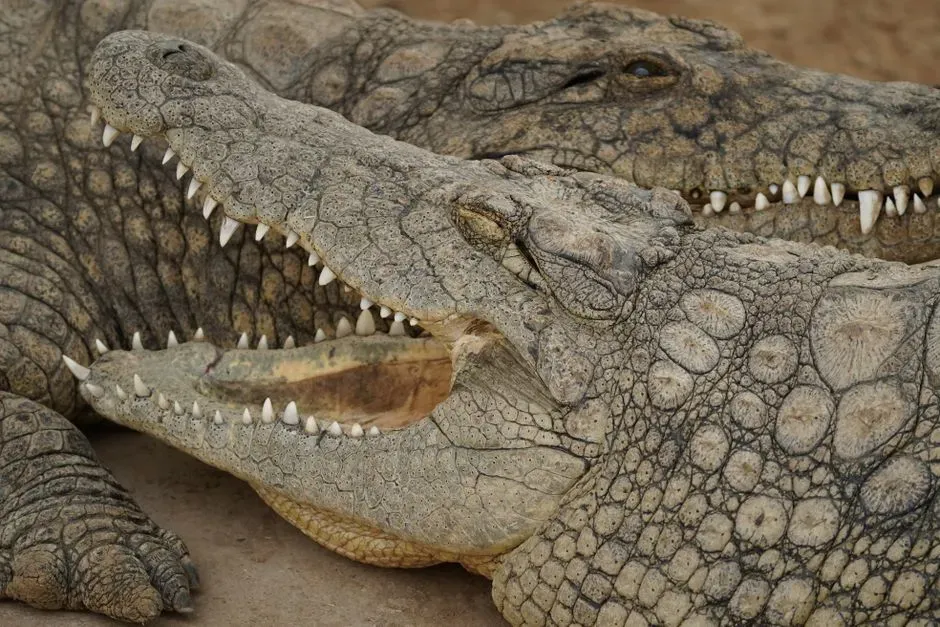
Because we will never have a direct audio recording of a dinosaur, we lean heavily on living analogues. Crocodilian bellows are especially intriguing: they involve air moving through the larynx and resonating in body cavities, producing deep, vibrating calls that can travel through both air and water. Some dinosaurs may have used similar mechanics, creating low booms that could roll across lakes or swamps. That kind of call is much closer to a subsonic thrum than a dramatic, roaring scream.
Birds give us the other half of the story. Many bird sounds are not just pretty songs; they’re complex communication tools used for territory, mating, warnings, and group coordination. Ground‑dwelling birds and large flightless birds, in particular, produce sounds that feel very dinosaur‑like: booming emu calls, cassowary rumbles, trumpeting cranes. Mix those with reptile hisses, croc bellows, and the occasional snapping jaw or slapping tail, and you start to get a soundscape that feels alien yet plausible. It is less about one perfect noise and more about a whole toolkit of sounds, each with a purpose.
The Soundscape of the Mesozoic Was Probably Deeply Strange
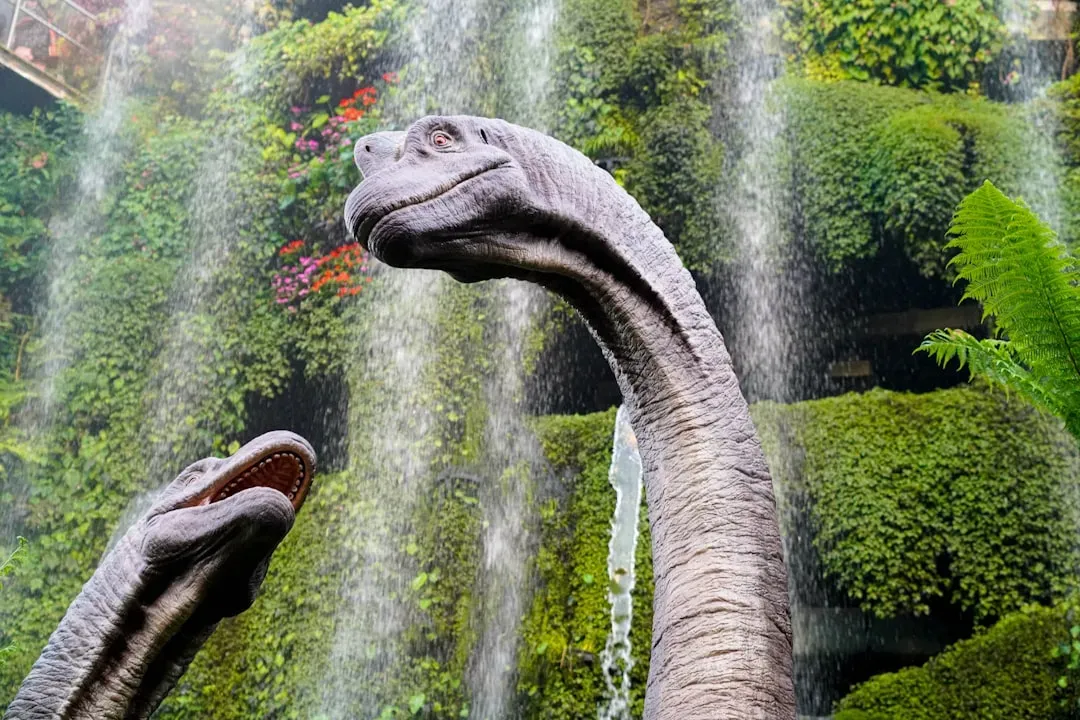
When I imagine the age of dinosaurs now, I don’t hear a chorus of roars. I hear layers: low booms from hadrosaurs echoing over wetlands, sharp barks or honks from smaller herbivores, croc‑like bellows near rivers, insect swarms humming constantly in the background, and occasional predatory rumbles that you feel in your chest before you consciously register them. It would have been familiar in some ways – animals making noise to find mates, defend territory, and warn each other – but the exact tones and textures would have felt uncannily different to human ears.
Our modern ears are tuned to a world dominated by mammals, birds, and our own machines. The Mesozoic mixed different ingredients, especially more reptiles and early birds and entirely different ecosystems. Even if you stood in a Cretaceous forest with all your modern hearing intact, there’s a good chance you’d misread or misjudge many sounds, the way travelers misinterpret animal calls in an unfamiliar jungle today. That otherness is part of the appeal: the real dinosaur soundscape was probably less like a monster movie and more like a strange, living orchestra we’d struggle to decode.
Why It Matters That Dinosaurs Didn’t Roar Like in the Movies
It might be tempting to shrug and say, who cares what they sounded like as long as the movie is fun? But getting dinosaur sounds closer to reality changes how we imagine them as living, breathing animals rather than as fantasy monsters. A tyrannosaur that communicates in low rumbles and subtle hisses feels more like a complex predator with a social life, not just a jump scare machine. A duck‑billed dinosaur trumpeting through its skull crest becomes a dynamic herd animal with a rich communication system, not just background scenery.
For me, the biggest shift is emotional: when we trade the over‑the‑top Hollywood roar for something grounded in evidence, dinosaurs become weirder and more relatable at the same time. They stop being generic beasts and start feeling like real creatures occupying specific niches, with behaviors, signals, and social rules. That’s far more exciting than any canned studio sound effect. In the end, would you really rather cling to a fake roar when the truth is almost certainly stranger, quieter, and more mind‑bending?
Conclusion: The Real Dinosaur Voices Are Stranger Than Fiction
I’ll be honest: the first time I realized the classic dinosaur roar was probably nonsense, it felt a bit like finding out a childhood magic trick was rigged. But the more I sat with it, the more fascinating it became. The idea that tyrannosaurs might have rumbled like bass speakers, that hadrosaurs turned their own skulls into wind instruments, and that many dinosaurs likely kept their voices low and strategic makes the Mesozoic feel richer, not poorer. We lose a tidy cinematic trope, but we gain a much stranger and more textured reality.
If anything, Hollywood’s roaring monsters now feel flat to me, like watching a silent movie that someone awkwardly dubbed later with the same recycled sound. Real dinosaurs almost certainly lived in a world of honks, booms, rumbles, hisses, and maybe even gentle coos and grunts, layered into a soundscape we’d barely recognize. Accepting that uncertainty – and leaning into the evidence we do have – isn’t a buzzkill; it’s an invitation to imagine smarter. So next time a movie dinosaur roars, will you still hear a monster, or will you picture the lost, weirder voices of the real animals behind the myth?