
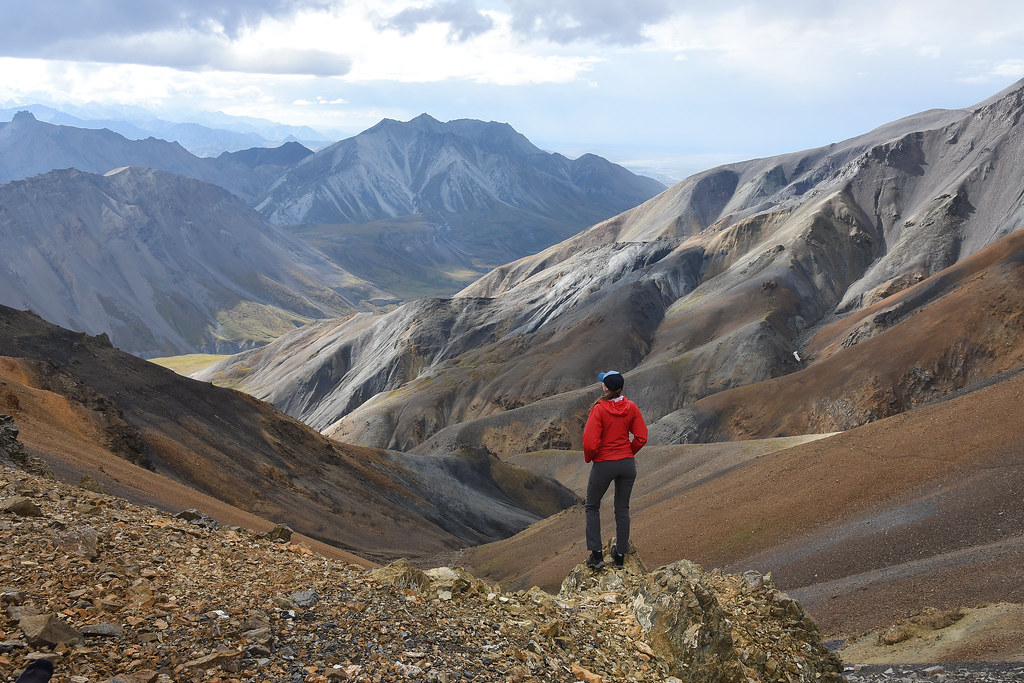
Most people visit national parks for the view. They come for a canyon rim at sunset, a waterfall trail, or a stretch of desert that photographs well on a phone screen. Few of them realize that the rock beneath their boots, or the cliff face just off the trail, might be holding the remains of an animal that died somewhere between 66 million and 210 million years ago.
That gap between what visitors expect to see and what is actually there is bigger than most people assume. Dinosaur bones and tracks have turned up in places as different as an Alaskan wilderness and a Texas desert, often within a few feet of a well-worn footpath. Understanding where to look, and why park staff get nervous when someone reaches out to touch a rock, changes the way a hike feels entirely.
Dinosaur National Monument, Utah And Colorado
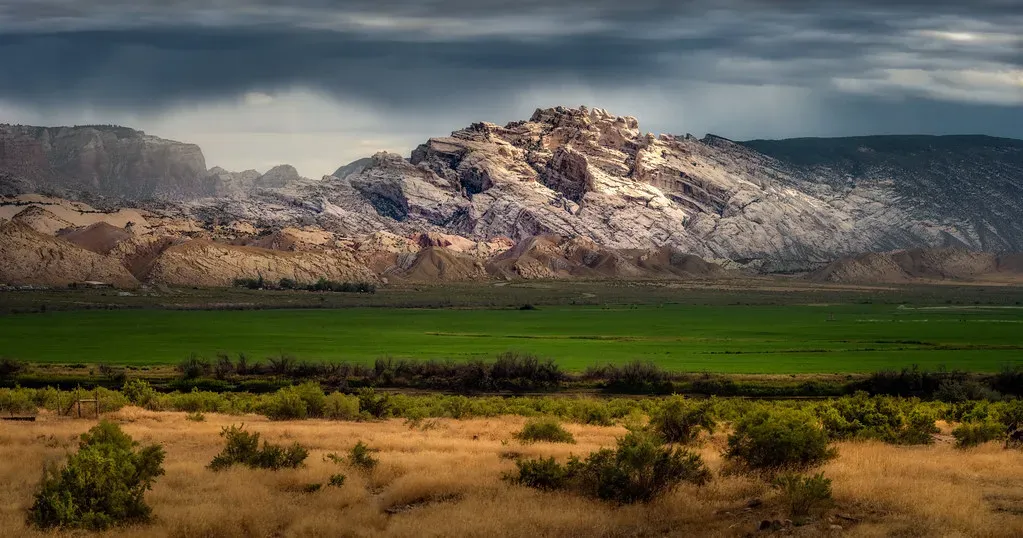
The name gives this one away, yet even here, most visitors underestimate what they are looking at. This monument’s exceptional quarry features a dense concentration of bones from a variety of prehistoric species, and visitors can see more than 1,500 fossils at the site’s Quarry Exhibit Hall, most of them still partially embedded in the rock. The park sits within a major chunk of the Morrison formation, an expansive sedimentary rock unit considered the most productive source of near-complete dinosaur skeletons in North America.
What surprises people more is how much lies beyond the exhibit hall itself. The Fossil Discovery Trail is a 1.2-mile one-way hike that leads to several dinosaur bone fragments exposed in the Morrison Formation in their natural state, unexcavated. In January 2026, that ongoing story got a fresh chapter when construction crews digging up an old parking lot near the famous Quarry Wall uncovered new fossils, with the park paleontologist noting a high likelihood of finding material tied to the original early twentieth century excavations. The dig eventually produced the bones of a large, long-necked dinosaur believed to be a diplodocus, a common fossil from the late Jurassic period found in that bone bed, with about 20 feet of the animal collected so far.
Petrified Forest National Park, Arizona
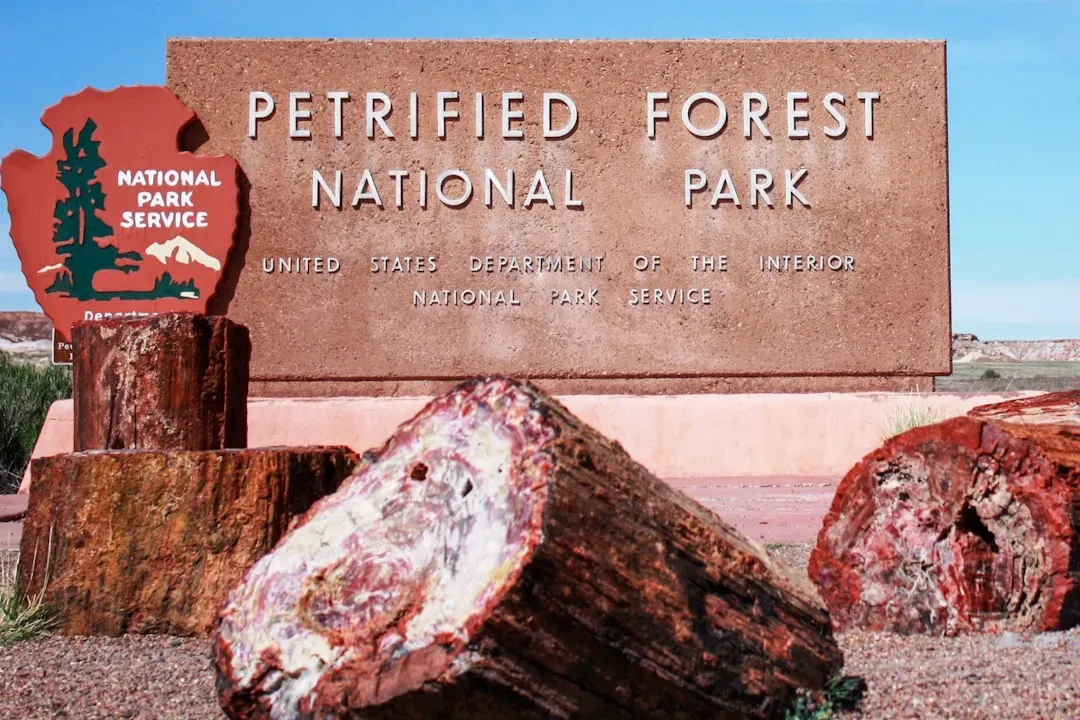
People drive through Petrified Forest expecting colorful logs, not dinosaurs, and that expectation is not entirely wrong. This park has most of the few Triassic dinosaur body fossils in the National Park Service, though its Triassic dinosaurs were “supporting players” in an ecosystem dominated by crocodile-like phytosaurs, armored aetosaurs, and giant amphibians. That framing matters because it means the dinosaurs here were small, easy to miss, and far outnumbered by stranger looking Triassic reptiles.
One of the clearest examples is a single bone that rewrote part of the story. A femur of the early dinosaur Chindesaurus was discovered at Petrified Forest National Park. Meanwhile, beyond the petrified trees, visitors can see fossils of animals and plants from the Late Triassic period, over 200 million years ago, including early dinosaurs. Someone walking the Blue Mesa or Crystal Forest trails, eyes fixed on the crystal studded logs, could pass within arm’s reach of a Triassic dinosaur fossil and never know it.
Big Bend National Park, Texas
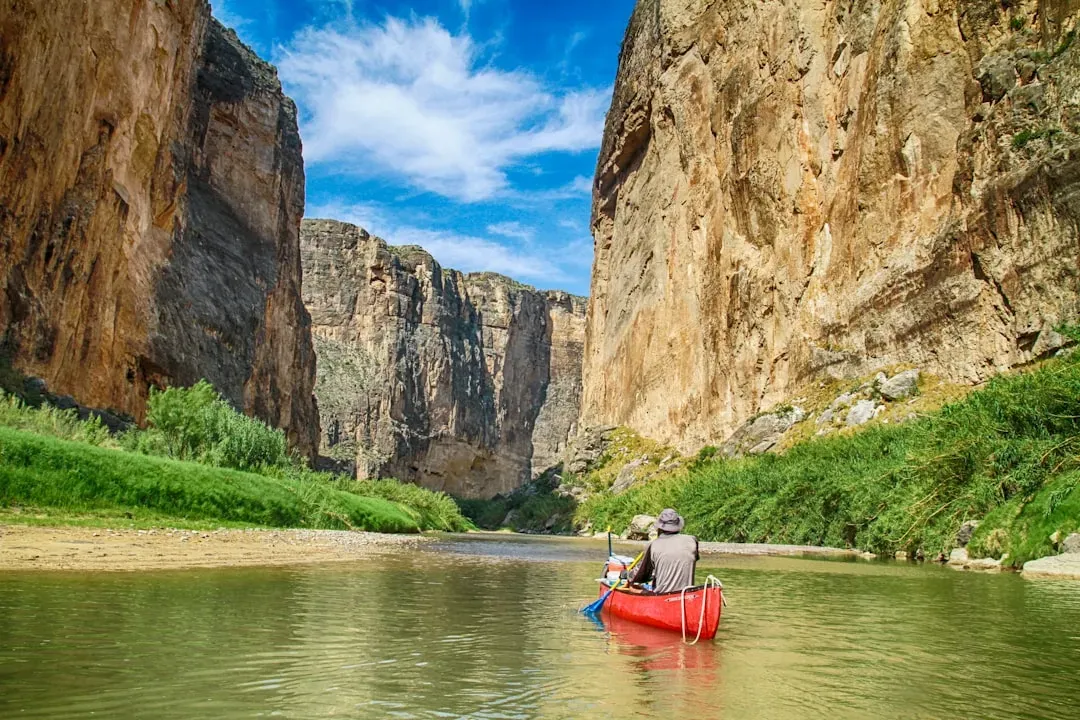
Big Bend is one of the least crowded major parks in the lower forty eight, which is part of why so much fossil material there stays quietly unnoticed. It holds the most extensive Cretaceous dinosaur fossil record in the National Park Service, where rocks from the Late Cretaceous have yielded tyrannosaurs, horned dinosaurs, hadrosaurs, and the giant sauropod Alamosaurus, many of which have only been documented in the past few decades. One of the newer stars of that record is Bravoceratops, one of the newest dinosaurs described from Big Bend National Park, whose skull can be seen at the park’s Fossil Discovery Exhibit.
The park is also home to something even stranger flying overhead of these dinosaurs. A specimen discovered at Big Bend by a research student in 1971 measured a whopping 18 feet long with a 36 to 39 foot wingspan, known as Quetzalcoatlus northropi, one of the largest flying creatures ever known to have existed. Along many of the park’s hiking trails, fossil ammonites, oysters, snails and clams can be seen, and visitors are asked to take only photos so everyone can enjoy these treasures. There is even a trap for the overeager: a common pseudofossil in Big Bend is the “dinosaur egg,” a rounded limestone cobble that can sometimes appear to have tiny bones inside, despite never having been part of any animal at all.
Zion National Park, Utah
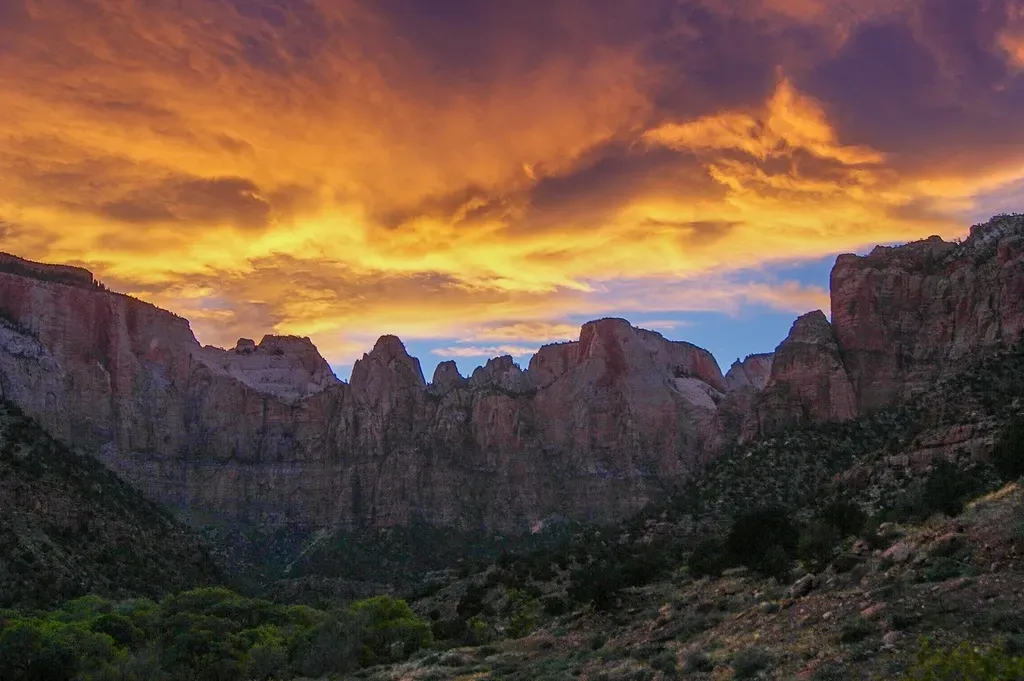
Zion draws crowds for its slot canyons and the Narrows, not its paleontology, which is exactly why its dinosaur record hides in plain sight. Perhaps the park’s most impressive fossil evidence is dinosaur track imprints and casts, with survey data documenting dozens of Moenave and Kayenta Formation fossils preserved in situ, including Eubrontes and Grallator trackways associated with theropod dinosaurs. These are not fenced off museum pieces. They sit exposed in canyon rock that thousands of hikers walk past every season.
Some of the tracks belong to animals far larger than the small three toed predators most commonly preserved. Fossilized dinosaur footprints from sauropods have been found in the rock near the Left Fork of North Creek. A broader survey effort confirmed just how widespread this record is, with researchers having located and documented dozens of dinosaur tracksites in Zion Canyon, primarily in the Early Jurassic age Moenave and Kayenta Formations. A person soaking in the view of the Virgin River rarely thinks to look down at the stone beneath their feet, yet that is precisely where much of this evidence sits.
Arches National Park, Utah
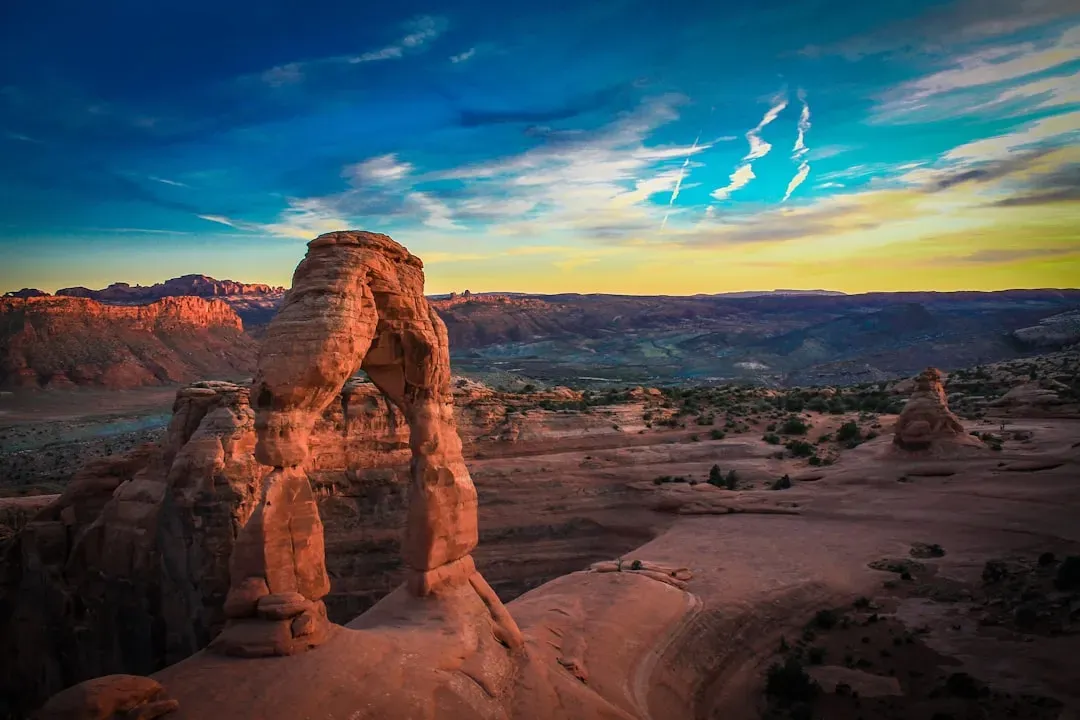
Arches is built around its sandstone formations, and it turns out those same formations preserve a quieter dinosaur story. Many tracksites have been found in Lower Mesozoic strata at Arches, including in the Moenkopi, Chinle, Wingate, and Kayenta Formations and the Navajo Sandstone. Most visitors photographing Delicate Arch have no idea that the rock layers around them belong to the same geological sequence that has produced dinosaur evidence elsewhere on the Colorado Plateau.
One find in particular stood out to researchers working in the park. One noteworthy discovery in Arches was a portion of a dinosaur skeleton in the Kayenta Formation, the first dinosaur body fossil found in the Kayenta of Utah, currently under study and thought to belong to a theropod similar to Dilophosaurus. The park’s younger rock layers add to the picture too, since Arches and Capitol Reef National Parks in Utah, along with Colorado National Monument, also contain fossiliferous exposures of the Morrison Formation. None of this is signposted along the popular loop trails, which is exactly the point.
Denali National Park And Preserve, Alaska
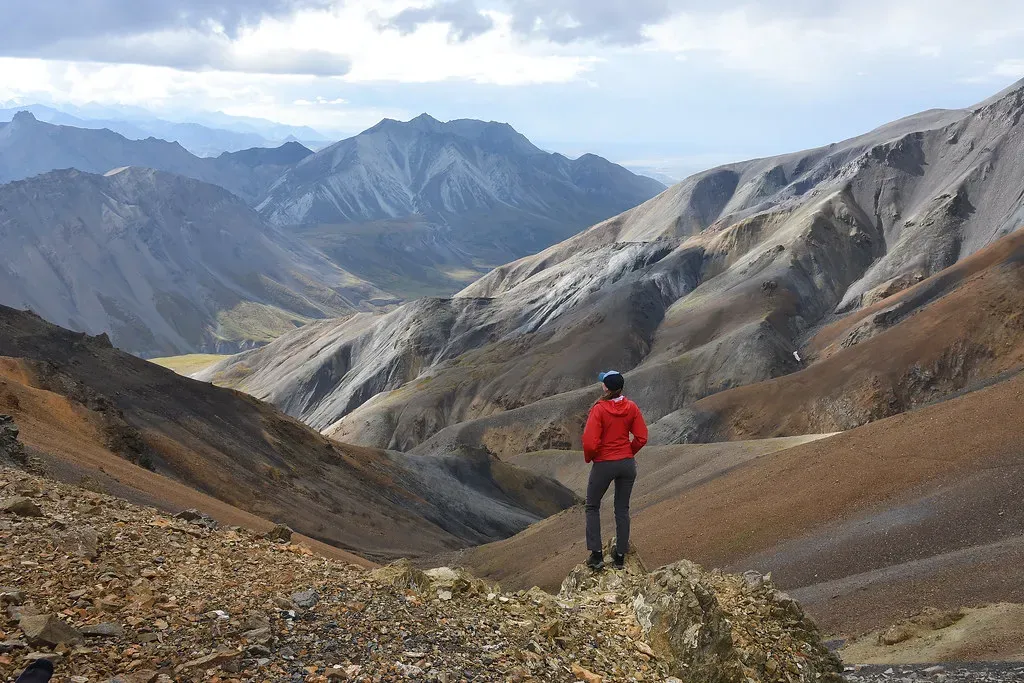
Of every park on this list, Denali is the one that catches people most off guard. Alaska simply does not fit the mental image most people carry of dinosaur country, and for a long time it was not considered one either. Denali National Park and Preserve was not known for its dinosaurs until 2005, when a college student found a fossilized footprint not far from a park road.
What followed changed how paleontologists thought about the far north entirely. Since then, hundreds of tracks left behind by dinosaurs, pterosaurs, and prehistoric birds have been pointed out by visitors and staff alike. That record now stretches far enough that the geographic span of NPS dinosaur discoveries reaches from Big Bend National Park in Texas up to Denali National Park and Preserve in Alaska. A visitor riding the park bus toward Wonder Lake, scanning the horizon for grizzlies, is standing in one of the more unlikely dinosaur landscapes in the entire park system.
Why Rangers Ask You Not To Touch What You Find
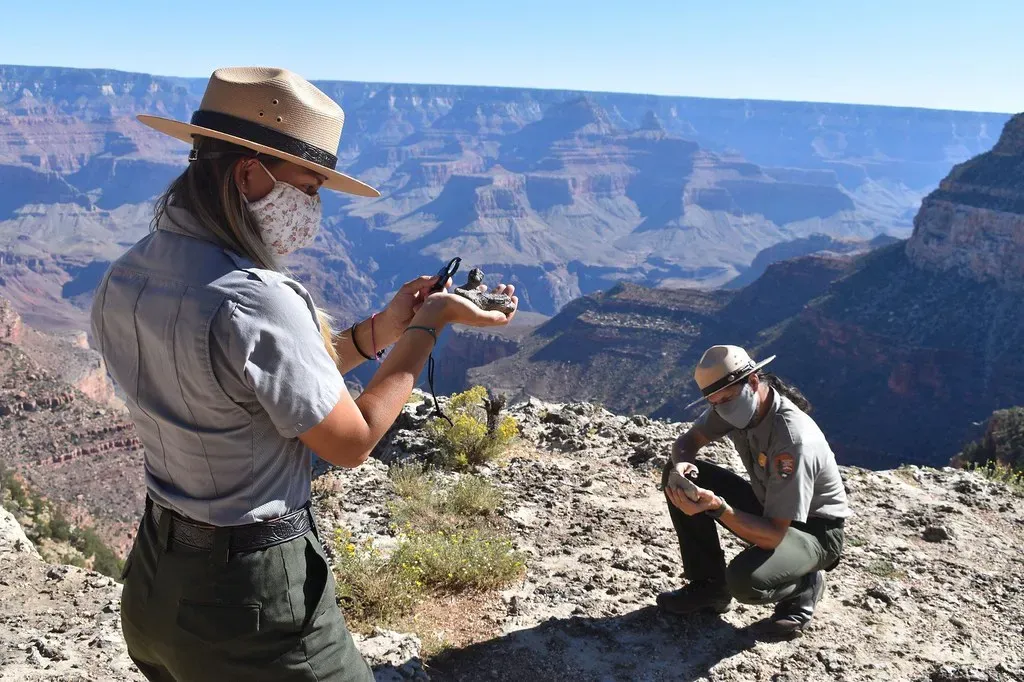
The instinct to run a hand across an exposed bone or track is understandable. It feels ancient and almost unbelievable up close, and touching something often feels like the only way to make it real. Rangers discourage it for a reason grounded in simple, hard math: fossils and paleontological sites are irreplaceable and nonrenewable, invaluable to science as our only evidence of the history of life on Earth, and a single fossil may be the only evidence of the existence of an entire species.
That is also why the rules are not just suggestions. Collecting fossils for recreational, commercial, or educational use is prohibited in all units of the National Park System, the same way collecting rocks and other natural and cultural objects is prohibited. The stakes of ignoring that are already visible on the ground, since the process of fossilization is slow going and extremely rare, and once a fossil is gone it can never be replaced, with fossil theft and casual collecting in national parks having already led to the loss of invaluable scientific information. Looking, photographing, and leaving everything exactly where it lies is not an arbitrary courtesy. It is the only way these sites survive long enough for scientists, and future visitors, to keep learning from them.
A Different Way To Look At The Ground
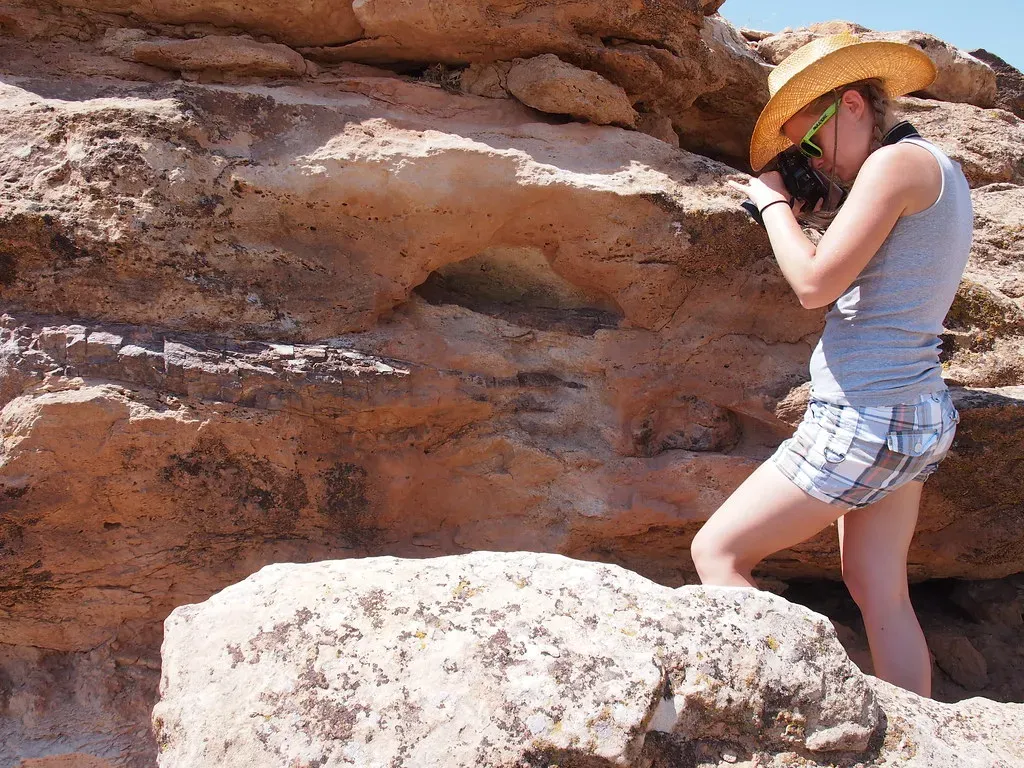
It is easy to treat a national park as scenery, something to be photographed and moved past. The parks in this list suggest a slightly different habit worth building: slow down occasionally and look at the rock itself, not just the landscape it forms. The dinosaurs are not hidden away in some remote corner reserved for specialists. They are often sitting a few feet from the main trail, in plain sight, waiting for someone to notice.
My honest take, after digging into how these sites are managed, is that the “do not touch” rule deserves more respect than it usually gets. It is not park bureaucracy for its own sake. It is one of the few protections standing between a 150 million year old bone and a future where it simply is not there anymore. The next time a trail sign near a rock face asks for nothing more than a look and a photograph, that small ask is doing more work than it seems.