
Imagine walking through a forest where trees are as tall as skyscrapers but have no true leaves, where the ground is a tangled mat of waist‑high moss‑like carpets and bizarre spiky stems, and not a single flower, fruit, or blade of grass exists anywhere. That alien landscape is not from a sci‑fi movie; it is what large parts of Earth actually looked like hundreds of millions of years ago. Prehistoric plants did not just look different from modern ones – they built entire worlds that would feel almost unrecognizable under our feet.
When we talk about ancient life, we usually obsess over dinosaurs and giant reptiles, but the plants quietly rewrote the planet long before any T. rex took a step. Early forests reshaped the atmosphere, altered global climate, and even set the stage for coal, oil, and the oxygen we breathe today. To really understand how strange prehistoric Earth was, you have to start with the plants – and how wildly unlike today’s greenery they truly were.
The First Land Plants: Tiny, Simple, And Shockingly Brave
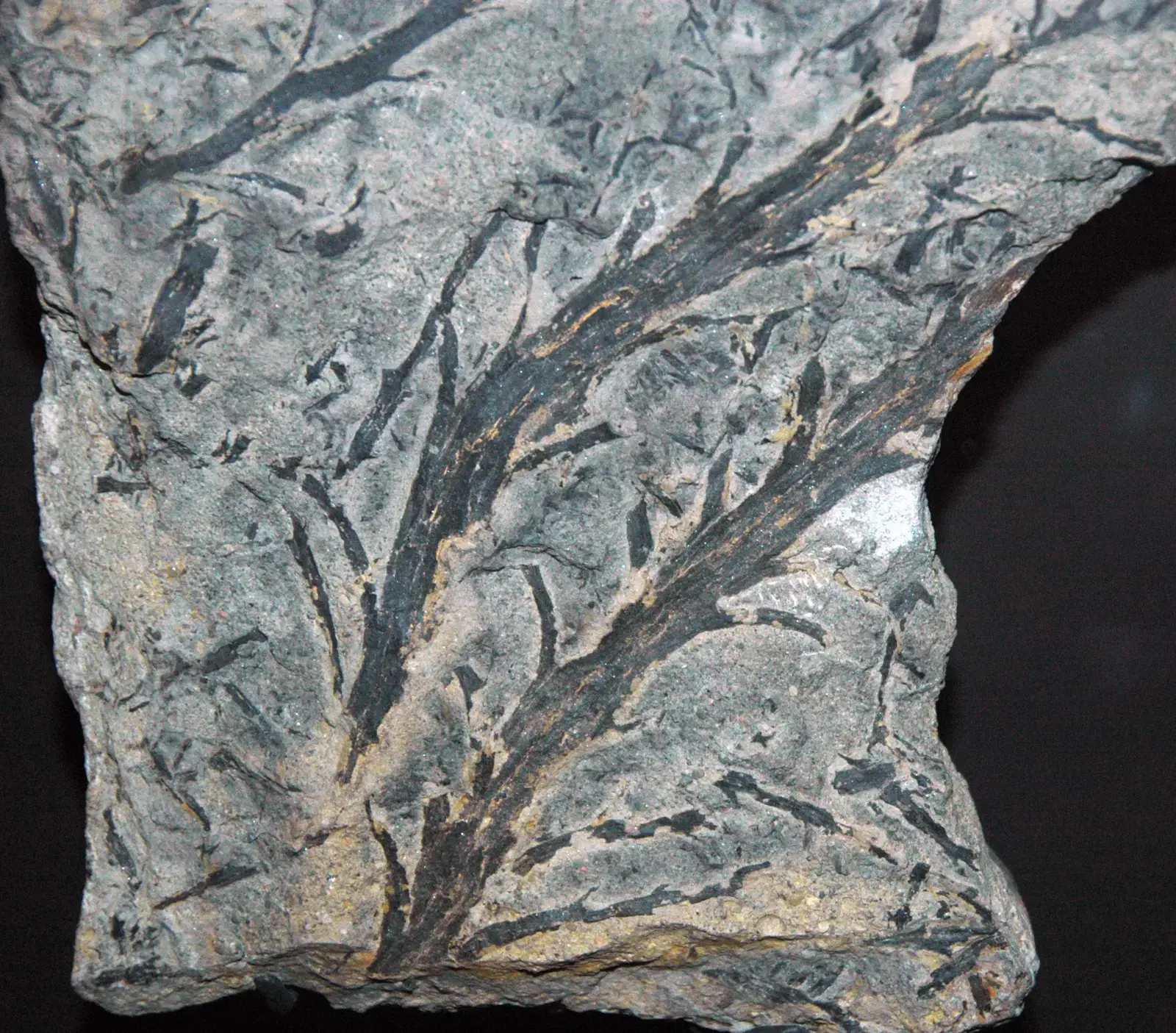
It is hard to overstate how radical the move from water to land really was. The very first land plants, way back in the Ordovician and Silurian periods, were tiny, simple, and looked more like little green films or low mats than anything we would call a plant today. No trees, no stems towering above your head – just small, flat, branching structures clinging to damp ground and rocks, a bit like dark green crusts or miniature moss lawns hugging the shoreline.
These early pioneers probably had no true roots, no complex veins, and certainly no flowers. To survive, they had to deal with brutal sunlight, desiccating air, and the constant risk of drying out, something their aquatic ancestors never had to face. So they hugged moist habitats, stayed small, and spread through spores carried by wind and water. It sounds unimpressive, but these little green risk‑takers cracked open an empty continent and laid the groundwork for every forest that followed.
Worlds Without Flowers: A Planet Before Petals, Fruits, Or Grass
Walk outside today and it is almost impossible to find a view that does not include flowering plants: trees with blossoms, grasses in lawns, crops, weeds, even houseplants. In the age of the dinosaurs and long before, though, flowers simply did not exist. For most of plant history, Earth was dominated by algae, mosses, ferns, and later seed plants like conifers and cycads, all of them completely flowerless and fruitless. No petals, no colorful blooms, no apples, roses, or dandelions.
Instead of the bright, insect‑tempting flowers we are used to, prehistoric plants relied on much simpler strategies. Many released vast clouds of spores or pollen into the air or water, hoping some would land in the right spot by chance. Without flowers or fruits, ancient plant ecosystems would have looked muted, mostly green, brown, and gray, with fewer of the intense reds, pinks, and purples that catch our eye today. It is a sobering thought: for hundreds of millions of years, Earth was lush and vibrant – but almost completely without the floral show we now take for granted.
The Age Of Giant Spore Forests: When Trees Were Weird Towers
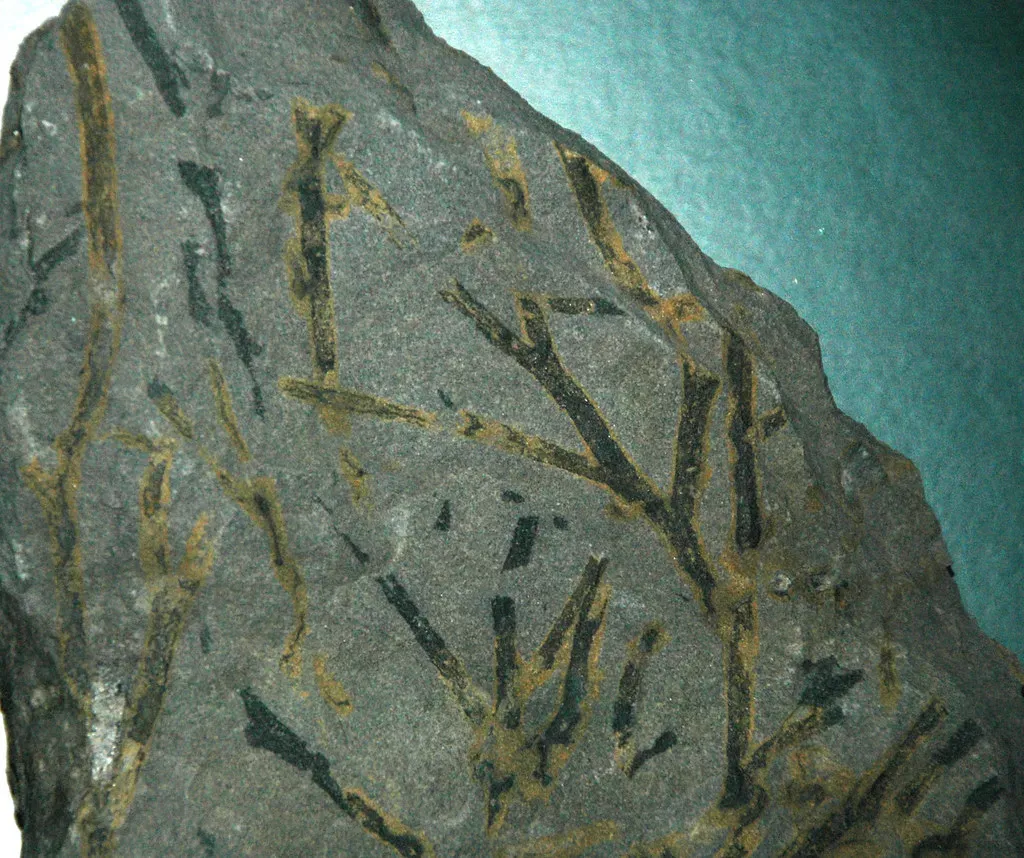
One of the strangest chapters in plant history is the time when forests were ruled not by familiar trees, but by enormous spore‑producing plants that do not exist anymore. In the Late Devonian and early Carboniferous periods, some plants grew into towering columns taller than modern houses, yet they had no flowers, no seeds, and often not even the kind of woody trunks we recognize in trees today. Think of them as overgrown, structurally clever ferns and relatives, turned into sky‑reaching towers with bulbous tops and spiky crowns.
These giants formed dense swamps and marshy forests, especially in equatorial regions, creating gloomy, humid worlds where the sunlight filtered through strange, umbrella‑like canopies. Instead of producing seeds, they showered their surroundings with countless spores, filling the air with dust‑like clouds that must have changed how it felt to breathe and see in those forests. When you look at fossils of these extinct tree forms, the impression is almost unsettling: they seem more like living architecture than anything you would casually call a tree today.
No True Roots, No True Leaves: Early Plants Rewrote The Rules Of Being A Plant
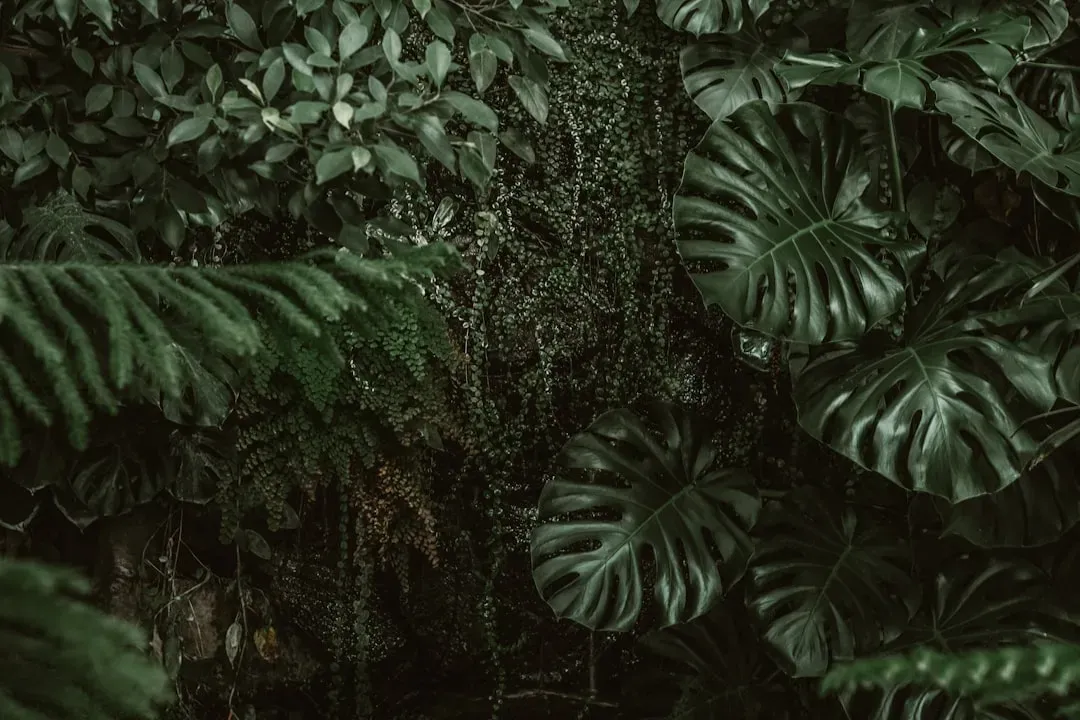
One of the most surprising differences between prehistoric plants and modern ones is how many basic features we now consider essential simply did not exist at first. Early land plants often lacked true roots, relying instead on simple filaments to anchor themselves and absorb water from the soil surface. Many also lacked true leaves with complex veins, using flattened, simple structures or even just photosynthetic stems to capture sunlight.
Over time, plants invented these now‑familiar features in a stepwise, experimental way. Veins in leaves evolved to shuttle water and nutrients more efficiently, while deep roots let plants dig into drier, tougher soils and pull up resources from below. But during much of that evolutionary trial‑and‑error phase, plants looked half‑finished to our modern eyes – more like living prototypes than the well‑designed leaves and root systems we see around us. It is a reminder that what we think of as “normal” plant anatomy is actually a late, refined solution, not the default setting of life on land.
Strange Reproduction: Spores, Cones, And A World Before Pollinators
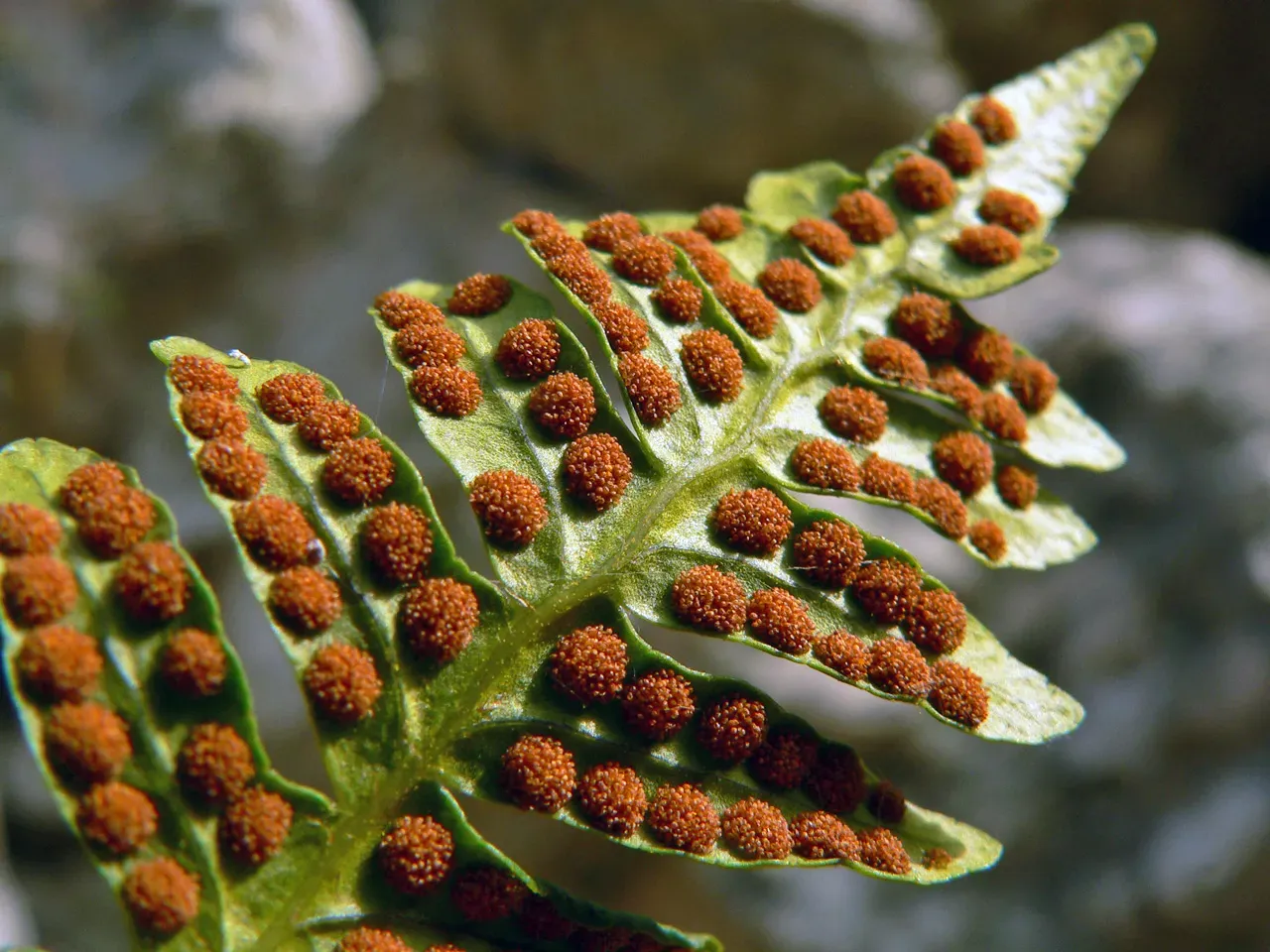
Today, we are used to bees visiting flowers, birds sipping nectar, and butterflies fluttering through gardens. That whole pollinator‑based system is relatively new on the geological clock. For vast stretches of time, prehistoric plants reproduced using methods that seem clumsy but were astonishingly successful: releasing spores or pollen into air and water with no targeted delivery. Ferns, mosses, and many early trees relied on two‑stage life cycles, with tiny, often fragile stages living on damp ground, easily missed by the naked eye.
Later, seed plants like conifers developed cones, protective structures that housed and guarded their reproductive cells, but still depended heavily on wind to do the work. Picture forests where reproduction is a quiet, invisible storm of dust‑like particles swirling through the air, not a buzzing party of bees and blossoms. In that world, plants did not need to be colorful, scented, or attractive; they just had to be prolific. It is almost ironic that the lush romance we now associate with flowers came centuries of millions of years after these brutally efficient, almost mechanical reproductive strategies had already conquered the planet.
Planet‑Builders: How Prehistoric Plants Reshaped Air, Soil, And Climate
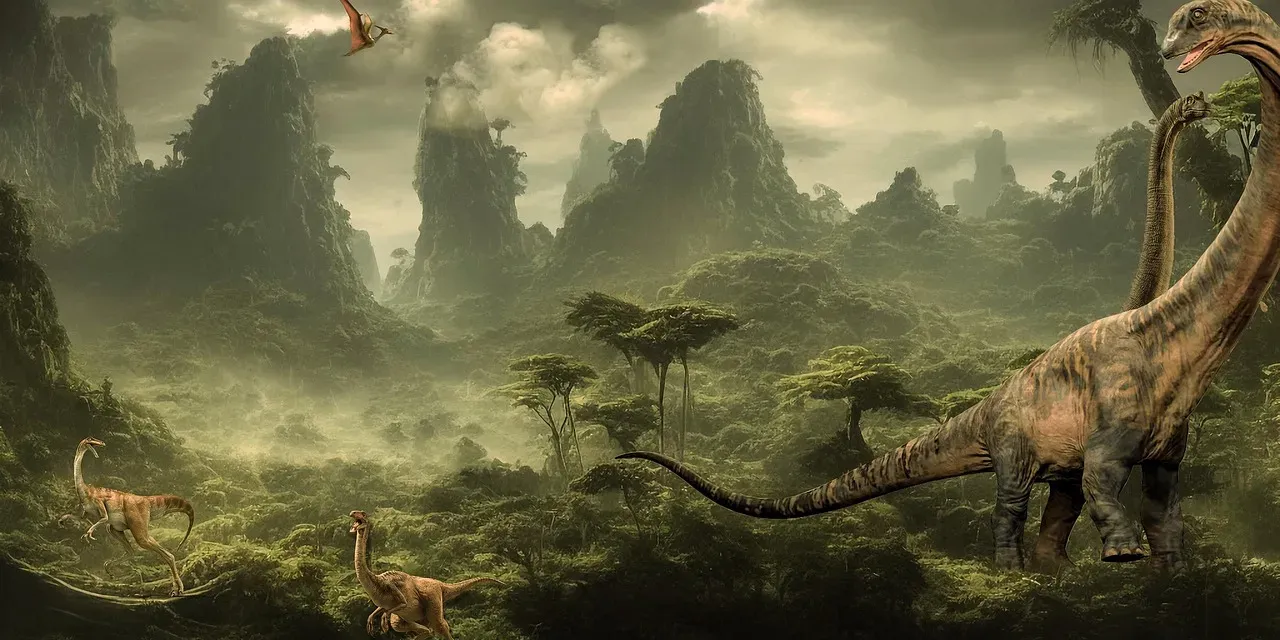
If you could measure Earth’s air before and after plants colonized land, the difference would be staggering. Early marine photosynthesizers had already started pumping oxygen into the atmosphere, but the rise of large land plants accelerated that process dramatically. Vast forests pulled in carbon dioxide and released oxygen, slowly shifting the balance of gases and, at some points in deep time, raising oxygen levels far higher than today’s. That shift did not just make the air breathable for larger animals; it literally opened the door for giant insects and other organisms that relied on abundant oxygen.
At the same time, roots and decaying plant matter kicked off the creation of true soils, breaking down rock and mixing in organic material. Ancient swamp forests that fell, rotted, and were buried over millions of years became the coal seams that fueled the industrial era much later. In other words, the planet we live on now – its breathable air, fertile soils, and even its fossil fuels – are all legacy gifts from prehistoric plants that looked nothing like the oaks, palms, and daisies we recognize today. They were not just background scenery; they were the original planetary engineers.
The flip side of that planet‑building power was their ability to alter climate on a massive scale. By pulling carbon dioxide out of the atmosphere, prehistoric forests may have helped trigger global cooling events, even contributing to ancient ice ages. Imagine plants unintentionally overdoing their own climate control, drawing so much carbon down into buried biomass that the world tipped into colder conditions. That idea is still being studied and debated, but it drives home an important point: weird, long‑gone plants had effects that ripple right through to our modern climate story.
Extinction And Replacement: Entire Plant Worlds That Simply Disappeared
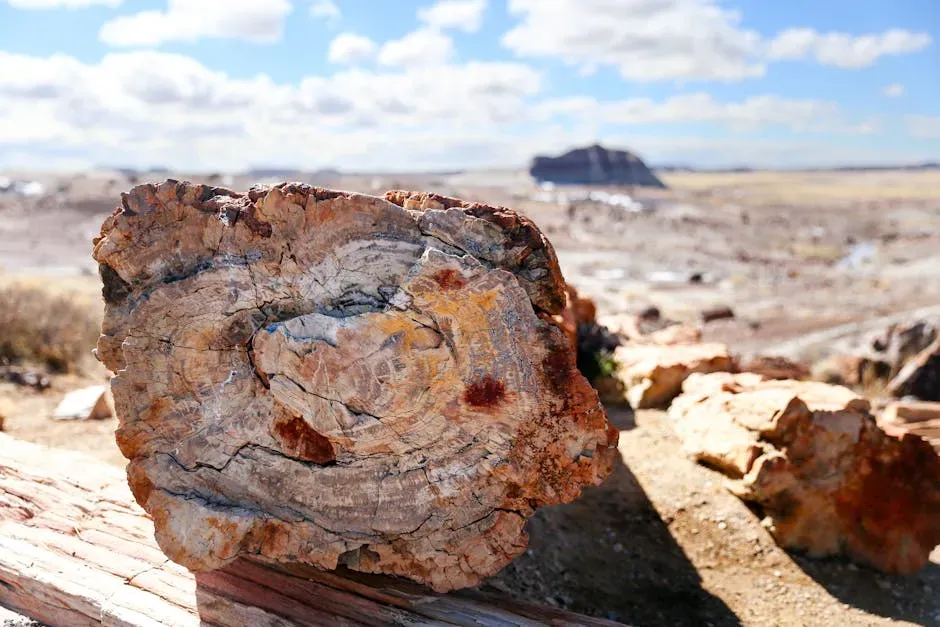
One of the most haunting things about prehistoric plants is how many entire ecosystems vanished and were replaced by fundamentally different kinds of vegetation. The giant spore forests that built much of our coal did not just shrink; they largely disappeared, replaced by different kinds of seed plants as climates and continents shifted. Later, many ancient plant lineages that dominated during the age of dinosaurs were gradually pushed aside when flowering plants exploded in diversity, transforming landscapes yet again.
When you walk through a modern forest, it might feel timeless, but in the context of deep time it is more like the latest temporary makeover. Entire categories of bizarre trunks, fronds, cones, and reproductive strategies have come and gone, leaving only fossil impressions to hint at how alien those worlds once were. That constant cycle of extinction and replacement is a quiet reminder that our current plant diversity is just one chapter in a much longer, more chaotic story. It makes today’s greenery, as familiar as it seems, feel a little more fragile and a lot less permanent.
Why Ancient Plants Still Matter: A Personal Take On A Very Non‑Human Story
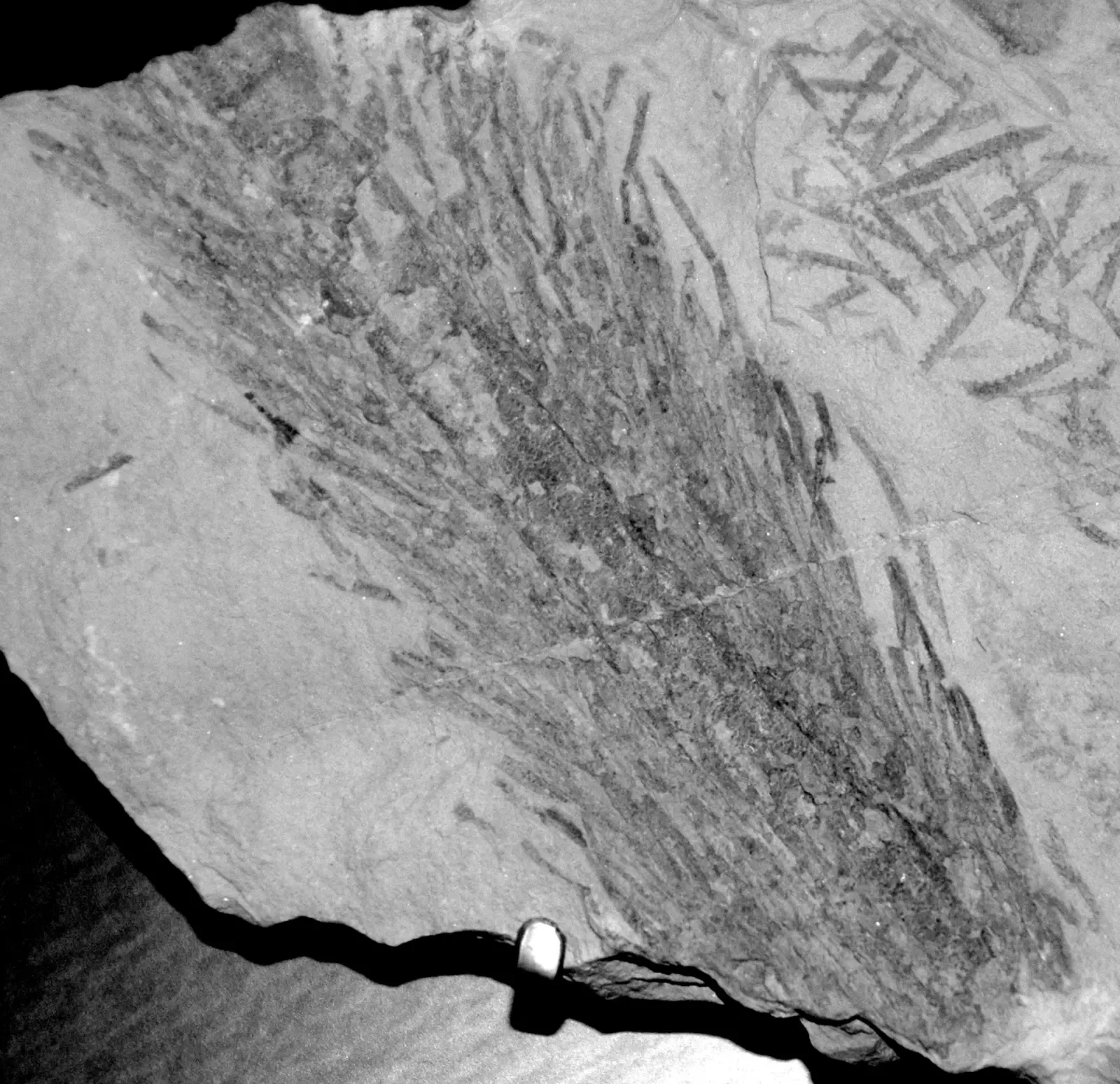
I think one of the biggest mistakes we make is treating prehistoric plants as background props for dinosaurs instead of the main characters they often were. When I first looked at reconstructions of Devonian or Carboniferous landscapes, what struck me was how emotionally unsettling they felt – like standing in a dream where the rules are almost right but not quite. No flowers, no grass, no familiar tree shapes, just ranks of strange vertical stems and feathery crowns under a dim, heavy sky. It drove home the idea that Earth has worn many faces, and the one we know is only one of many possible versions.
To me, that realization is both humbling and oddly comforting. Humbling, because it shows how temporary our “normal” really is; comforting, because it means life is wildly inventive and resilient, capable of reinventing the planet over and over again. Prehistoric plants were not just weird for the sake of being weird – they were experiments that built the foundation for everything we see today, from forests to food crops to the oxygen in our lungs. The next time you step outside and see a flower, a blade of grass, or a pine tree, it is worth pausing to ask yourself: how different would this world look if those ancient, alien forests had never taken root?