If you grew up thinking the asteroid that wiped out the dinosaurs was the ultimate doomsday event, the truth is both more terrifying and more fascinating. As bad as that moment was, it was not the worst thing life on Earth has ever survived. Our planet’s past is littered with disasters so intense that the dinosaur extinction almost looks like a bad season finale compared to a total series reboot.
Over billions of years, Earth has been frozen solid, baked, choked, poisoned, and starved. Whole ecosystems have vanished, oceans have turned into chemical death traps, and the vast majority of species have disappeared in the blink of a geological eye. Let’s walk through six times when extinction hit even harder than the event that ended the age of Tyrannosaurus, and see what those ancient cataclysms can tell us about just how fragile – and stubborn – life really is.
The Ordovician–Silurian Die-Off: When Icy Seas Turned Deadly
Imagine a world almost entirely ruled by oceans, full of trilobites, strange armored fish, and eerie coral forests. Around 443 million years ago, that world was slammed by a one–two punch of climate chaos that wiped out roughly about one half to two thirds of marine species. The catastrophe began when global temperatures plunged, ice sheets grew over what is now Gondwana, and sea levels dropped dramatically, shrinking the shallow coastal seas where most life thrived.
As those oceans retreated, vast habitats simply vanished, like someone draining a giant global aquarium. Creatures that were perfectly adapted to stable, shallow waters suddenly found themselves stranded, chilled, or without food. Then, as the climate swung back and the ice melted, seas rose again, but the chemistry and temperature of the water had changed so fast that many survivors could not keep up. Compared to the dinosaur‑killing asteroid, which was brutal but quick, this extinction was a drawn‑out squeeze, a slow suffocation of entire ecosystems pushed beyond their limits by rapid climate whiplash.
The Late Devonian Collapse: The Long, Slow Death of Ancient Reefs
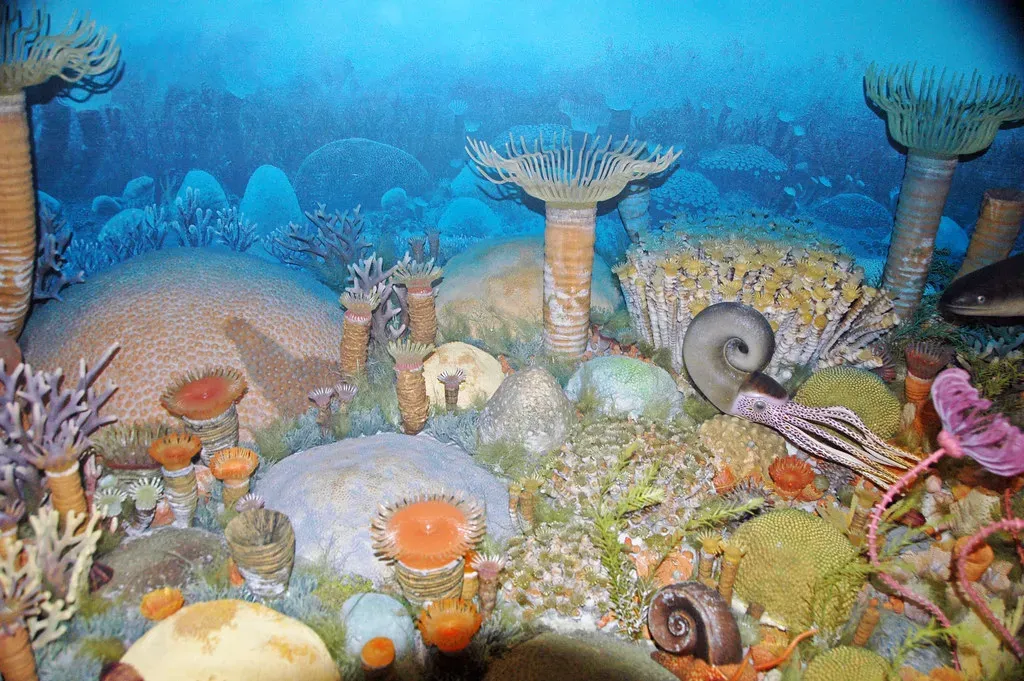
Roughly 372 to 359 million years ago, life was experimenting with something radical: complex fish, giant coral reef systems, and the first forests starting to creep onto land. Instead of one single dramatic bang, the Late Devonian extinction was more like a long series of punches that kept landing over millions of years. Coral reefs, which had covered huge stretches of the seafloor, began to fail and never truly returned to their former glory.
A mix of factors likely drove this slow-motion disaster: changes in sea level, climate shifts, and massive nutrient runoff from newly formed soils as plants colonized land. That nutrient surge may have triggered low-oxygen “dead zones” in the oceans, snuffing out animals that needed well-oxygenated water. The end result was devastating: many major groups of reef builders and large armored fish were wiped out. Compared to the dinosaur extinction, which wiped out one iconic branch of life but left others flourishing, the Late Devonian subtly rewired entire marine ecosystems from top to bottom, erasing whole styles of life that never came back.
The Permian–Triassic “Great Dying”: Earth’s Worst Day, Period
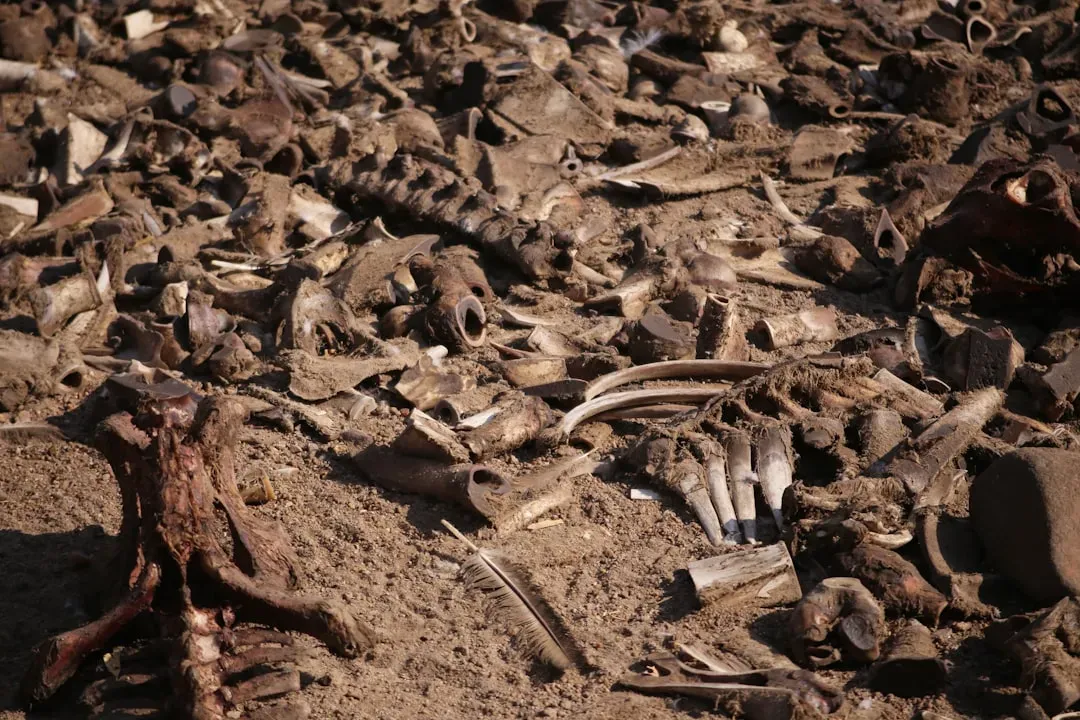
About 252 million years ago, Earth went through something so extreme that calling it an extinction almost feels too gentle. The Permian–Triassic event, often nicknamed the Great Dying, likely wiped out the vast majority of marine species and most land species as well. Picture forests collapsing, oceans turning toxic, insects disappearing, and even microbial communities reeling. If the dinosaur extinction was a colossal disaster movie, this was the full reset button.
The main suspect is colossal volcanic activity in what is now Siberia, unleashing huge amounts of greenhouse gases, ash, and toxic compounds. That triggered runaway global warming, ocean acidification, and widespread oxygen loss in the seas. On land, heat stress, wildfires, and collapsing food webs finished the job. Recovery from the Great Dying took millions of years, and evolution had to essentially rebuild large, complex ecosystems from near-scratch. By comparison, the dinosaur-killing event looks almost modest: awful, yes, but nowhere near the near-total planetary reboot that marked the end of the Permian.
The Triassic–Jurassic Upheaval: Clearing the Stage for the Dinosaurs
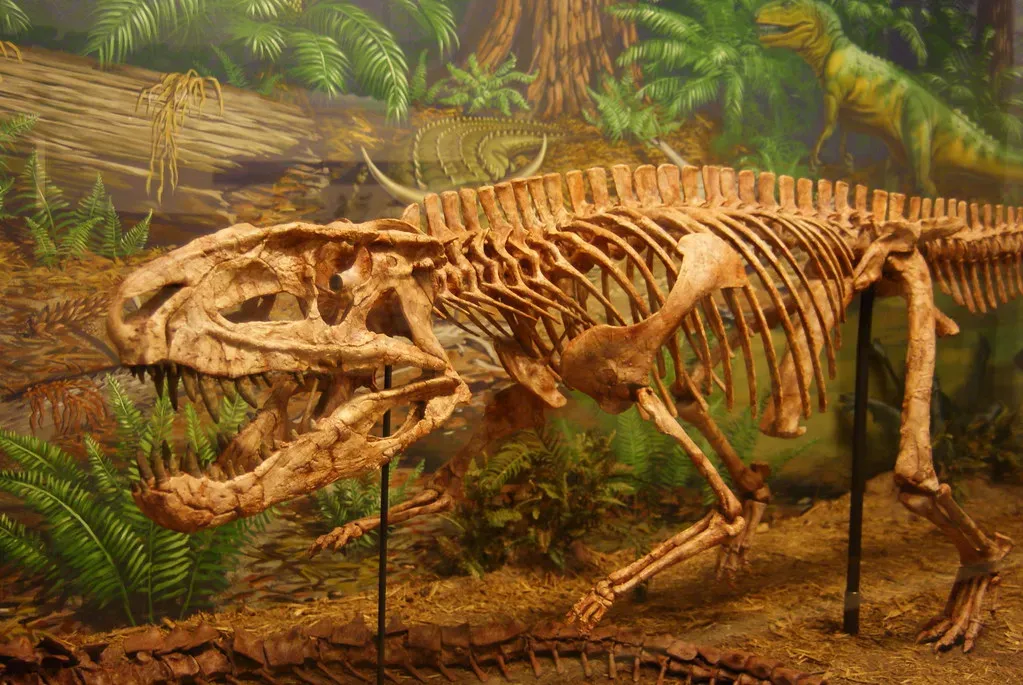
Long before the asteroid that took them out, the ancestors of dinosaurs got a gigantic, brutal assist from another mass extinction. Around 201 million years ago, at the Triassic–Jurassic boundary, Earth was cracking apart as the supercontinent Pangaea began to split. Vast volcanic eruptions poured lava and greenhouse gases into the atmosphere, driving rapid global warming, climate swings, and ocean acidification. Many dominant reptile groups, especially large non-dinosaur competitors, collapsed during this turmoil.
This extinction was not as total as the Great Dying, but it was still worse than the dinosaur-ending event in one critical sense: it cleared ecosystems so thoroughly that it opened the door for dinosaurs to rise to global dominance. Large amphibians, many early reptiles, and marine creatures like certain ammonoids suffered heavy losses. In a twisted way, the catastrophe created an evolutionary vacuum that dinosaurs filled with shocking speed. Without that earlier, harsher purge, the later asteroid might have hit a very different cast of characters.
The End-Guadalupian Crisis: A Forgotten Catastrophe Before the “Great Dying”
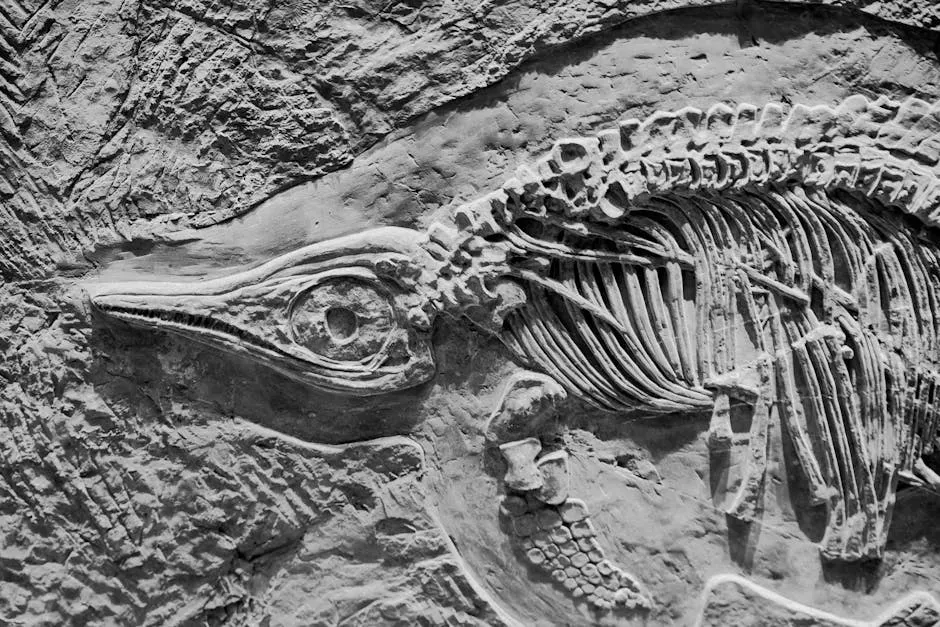
One of the more unsettling realizations in modern paleontology is that the Great Dying at the end of the Permian was probably not a single, isolated apocalypse. About 8 million years earlier, during the middle Permian (the Guadalupian), Earth went through another major extinction that used to fly under the radar. This event dismantled important reef ecosystems and hammered marine life, especially organisms that relied on stable, oxygen-rich shallow seas.
Again, massive volcanic activity seems to be involved, pointing to a grim pattern: pulses of lava, gases, and climate disruption that repeatedly stressed life before the final knockout blow at the end of the Permian. For me, this is one of the most chilling parts of Earth’s story. It suggests that mass extinctions can come in waves, each one weakening ecosystems and reducing resilience. Compared to the relatively single-shot trauma that ended the dinosaurs, the Permian world was being ground down over time, and the end‑Guadalupian crisis was a brutal warning shot that life did not escape.
The End-Ediacaran Disruption: When Strange Early Life Suddenly Vanished
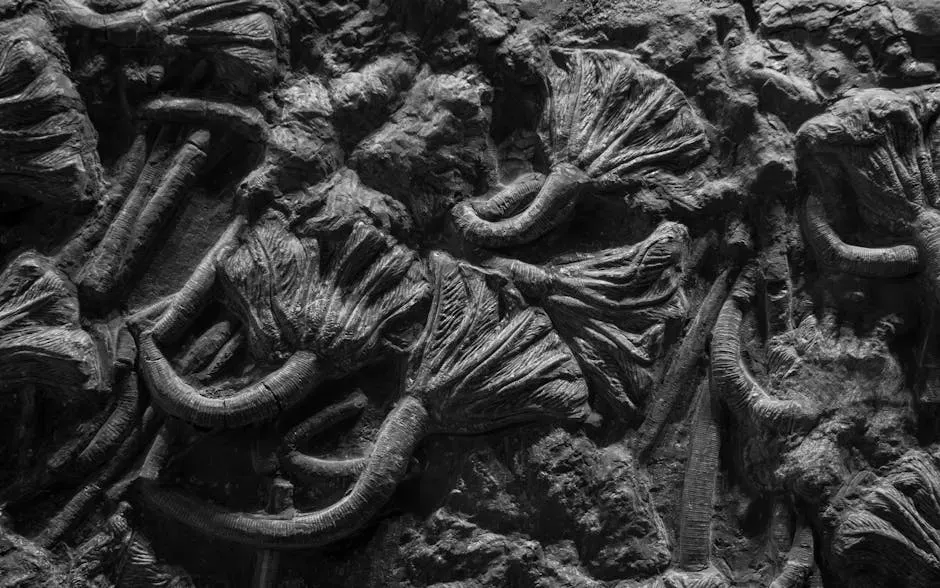
Before animals with shells, bones, and teeth took over, there was a softer, stranger world in the late Precambrian, over 540 million years ago. The Ediacaran biota were bizarre, quilted, soft-bodied organisms that do not look much like anything alive today. Then, around the transition into the Cambrian period, many of these forms disappear from the fossil record in what increasingly looks like a major extinction event, even though the details are still debated.
Possible triggers include changes in oxygen levels, shifts in ocean chemistry, or the rise of newly evolved animals that grazed, burrowed, and maybe even hunted in ways that disrupted those older communities. In other words, the rules of the game changed, and many of the original players could not keep up. While we know far less about this extinction than about the dinosaur event, what makes it arguably worse is its fundamental impact: it seems to have closed the book on an entire style of multicellular life and cleared the way for the animal-dominated ecosystems we know today. The dinosaurs, by contrast, were one incredible chapter in a book that continued; the Ediacaran world feels more like another book that was abruptly taken off the shelf forever.
Conclusion: Extinction as a Harsh Editor of Life’s Story
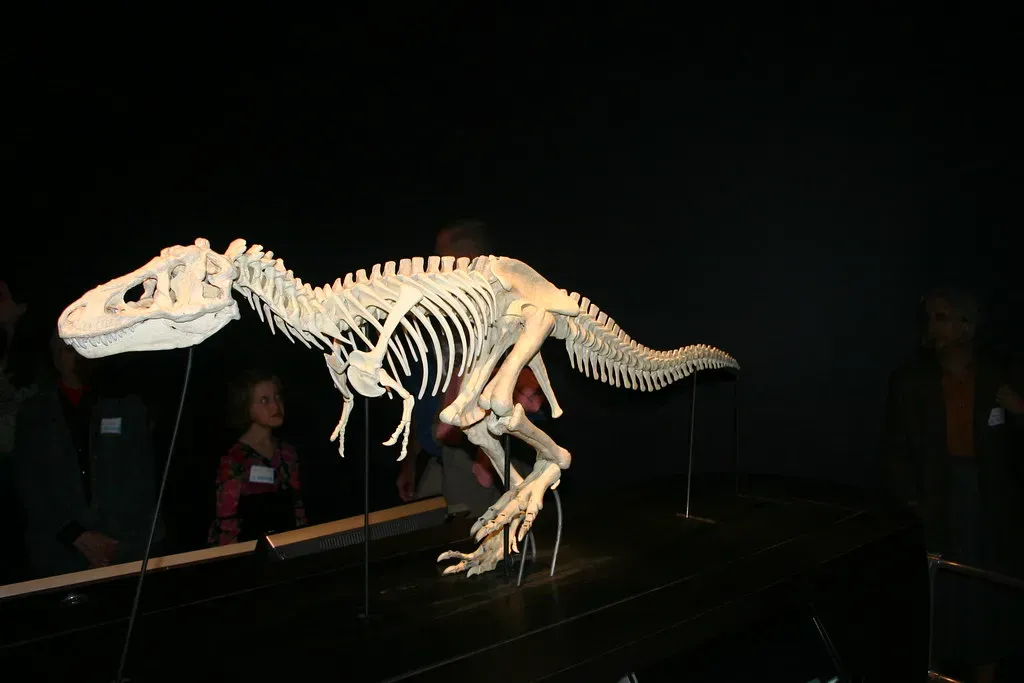
Looking across these six cataclysms, the asteroid that killed the dinosaurs starts to seem like just one dramatic twist in a much darker, longer narrative. Time and again, Earth has shown that it can become wildly hostile to complex life, whether by freezing, overheating, suffocating oceans, or rewriting the chemistry of the air and sea. My personal take is that the truly frightening part is not any single event, but the pattern: life gets ambitious, ecosystems grow complex, and then a combination of geology and climate pulls the rug out from under them.
At the same time, there is something almost defiant in the way life repeatedly crawls back from the brink, reinventing itself after each disaster. Dinosaurs followed one extinction; mammals followed another; we are just the latest beneficiaries of earlier, harsher die-offs. That should make us a bit humbler about our place in the story, and a lot more cautious about pushing our own planet toward rapid change. If Earth’s past extinctions teach us anything, it is that the planet always survives, but the cast of characters can change completely. When you think about that, the real question becomes uncomfortably personal: in the long run, are we going to be part of the next reboot, or part of what disappears?