
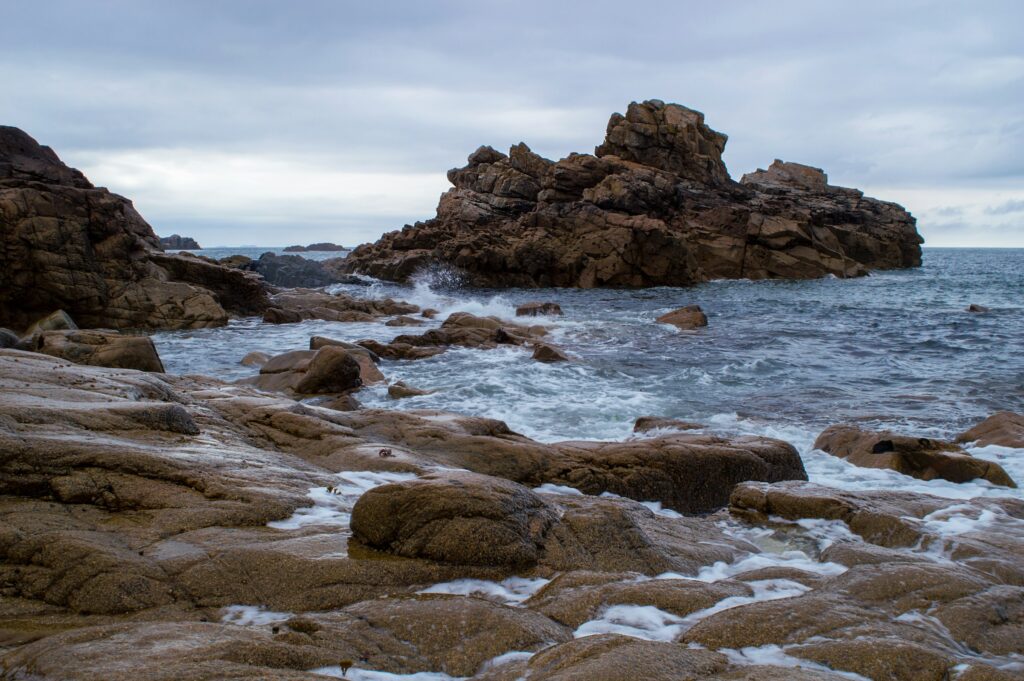
Picture standing on a rocky shoreline hundreds of millions of years ago. The waves look familiar, the wind still tastes like salt, but everything beneath the surface is utterly alien – and in many ways, much more dangerous than anything that swims today. Instead of sleek sharks and dolphins, you’d have seen giant armored fish, scissor‑jawed reptiles, and invertebrates the size of cars cruising through dim, murky waters loaded with sulfur and low in oxygen.
Our modern seas can feel intimidating, but prehistoric oceans were shaped by chemistry and creatures that pushed life to extremes. Temperatures spiked, oxygen crashed, continents shifted, and entire ecosystems were wiped out again and again. Each reset gave rise to something stranger, faster, and often far more terrifying. Once you see how hostile those ancient waters really were, the modern ocean starts to look almost gentle by comparison.
Oceans Without Oxygen: The Ancient Seas That Could Suffocate You
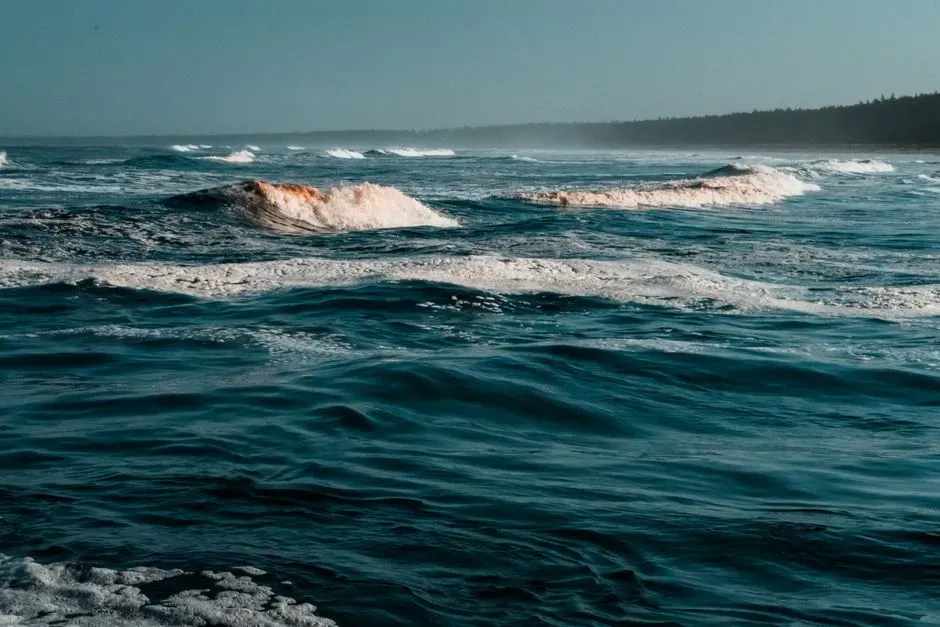
One of the most shocking things about many prehistoric oceans is how often they were starved of oxygen. Today, the vast majority of the upper ocean holds enough oxygen to support fish, whales, and complex food webs, but in deep time there were long intervals when huge parts of the sea turned into suffocating “dead zones.” During some mass extinction events, such as the end‑Permian, low‑oxygen and even completely oxygen‑free waters spread over large areas of the seafloor, turning it into a graveyard coated with dark, stinking mud.
If you were somehow dropped into those waters, you might not notice anything wrong at first glance – the surface could look deceptively calm and normal. But deeper down, the water would shift from blue to greenish and then to inky black, loaded with hydrogen sulfide, a toxic gas that smells like rotten eggs and can kill most complex life. Many modern dead zones near polluted coasts are tiny echoes of this, but ancient anoxic oceans were on a planetary scale, creating conditions where only specialized microbes thrived and anything more complex struggled to survive. That is a level of environmental terror we almost never see today.
Monster Arthropods and Alien Invertebrates: The Cambrian and Ordovician Freak Show
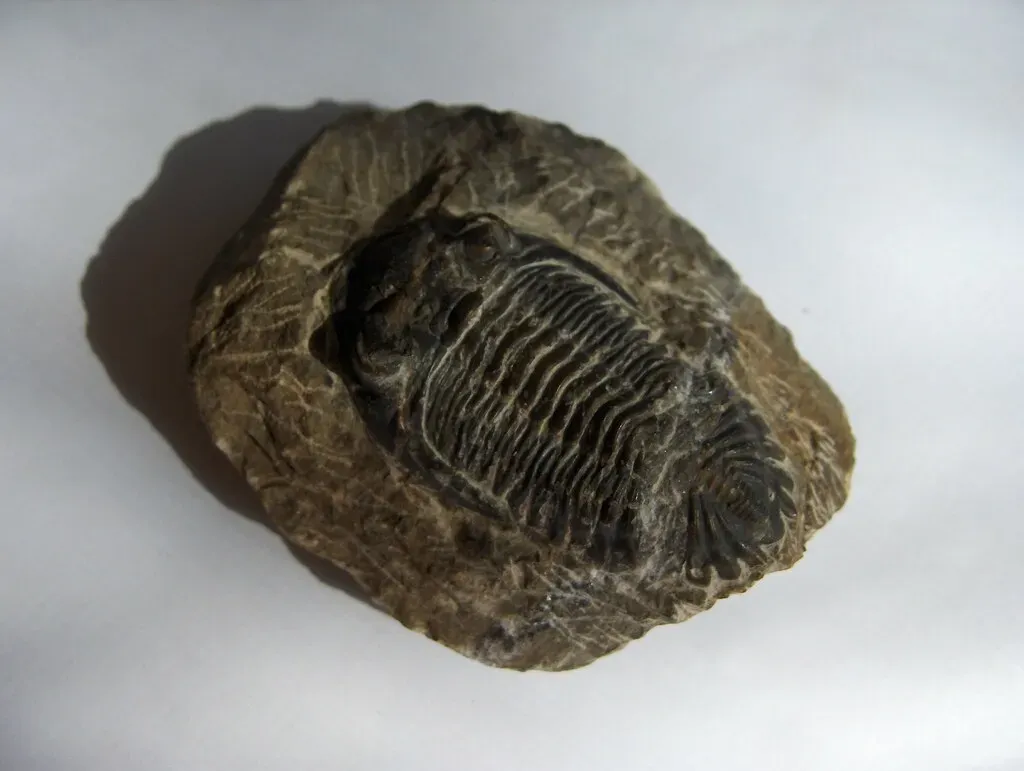
Long before fish or marine reptiles showed up, the earliest complex oceans were ruled by arthropods and other invertebrates that looked like they’d escaped from science fiction concept art. In the Cambrian and Ordovician periods, the seas were crowded with trilobites in endless shapes and sizes, some spiky, some smooth, carpeting the seafloor like living shields. Above them cruised predators like large anomalocaridids, with grasping frontal appendages and circular, tooth‑lined mouths that would have shredded soft‑bodied prey in seconds.
These ecosystems were terrifying because nothing had ever seen anything like these predators before; evolution was improvising in every direction. Imagine snorkeling over a reef where the top hunter is neither fish nor reptile, but a segmented, swimming arthropod longer than your leg, scanning for movement with compound eyes and snapping at anything that twitched. Even the “plants” were strange: early algae and sponge‑like communities building the first reef structures. Compared with the graceful, familiar silhouettes of today’s dolphins and rays, these early animals were raw experiments – jagged, armored, and unpredictable, with survival strategies no modern swimmer would be ready for.
Armored Fish and Jawed Nightmares: The Devonian Age of Fishes
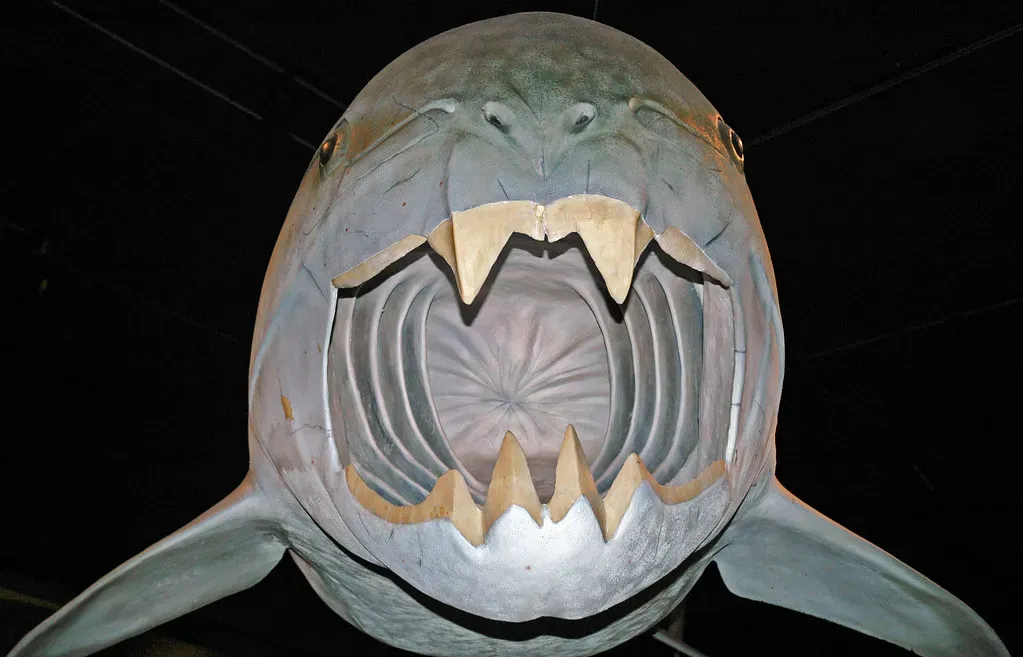
By the Devonian, often called the Age of Fishes, the oceans had upgraded their horror roster from arthropod freaks to heavily armed vertebrates. Early jawed fishes appeared, including placoderms, which were covered in bony armor plates like living tanks. The most infamous of these, such as giant placoderms, could reach lengths comparable to a small car and had razor‑sharp jaw plates capable of slicing through bone and armor with unbelievable force. Swimming near one would feel like sharing the water with a slow‑moving guillotine.
What makes this era especially unsettling is that many lineages were still experimental and extremely well‑armed. Instead of the streamlined elegance of most modern fish, you had clunky, brutal designs built for crushing, tearing, and ambush. The reefs of the time, assembled by corals and sponges, were full of nooks and shadows where predators could lurk, while smaller jawless fishes and early sharks darted around them. If today’s oceans sometimes feel dangerous because of sharks, imagine a world where the top predator is a plated, broad‑headed brute with no natural enemies and a bite that could shear you in half like a tin can.
Reptiles Take the Plunge: Jurassic and Cretaceous Seas Full of Super‑Predators
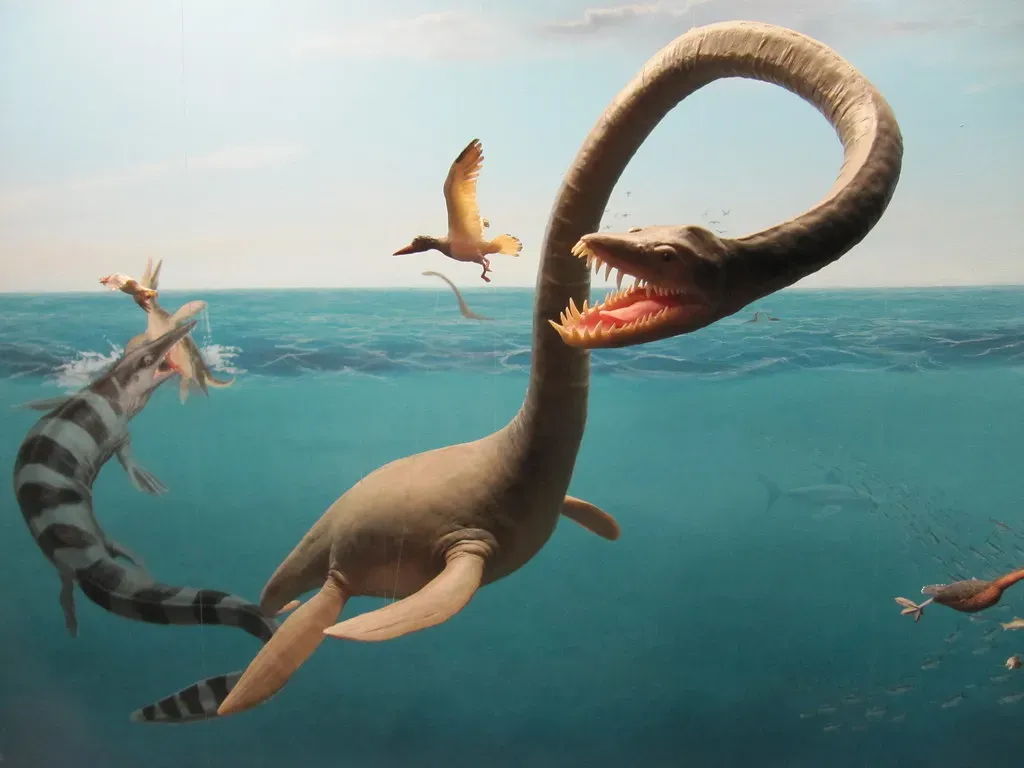
Once large reptiles invaded the oceans, things escalated into true nightmare territory. In the Jurassic and Cretaceous, many seas were dominated by marine reptiles like long‑necked plesiosaurs, powerful short‑necked pliosaurs, and streamlined mosasaurs. Some of these animals were longer than a bus, with massive heads packed with conical, bone‑crushing teeth. Unlike most modern sharks, which can seem cautious or curious, these reptiles were likely fast, warm‑blooded, and highly active hunters tuned for aggressive pursuits.
Swimming in those waters would have been like dropping into a sea ruled by multiple apex predators at once, all with different hunting styles. Long‑necked forms could snake their heads into schools of fish or among ammonites, while broad‑headed pliosaurs could launch explosive attacks from below, targeting anything that cast a shadow. Mosasaurs, with their powerful tails and double‑hinged jaws, might chase you down like an underwater crocodile‑meets‑komodo‑dragon hybrid. Our modern oceans do have large predators, but rarely with so many heavily armed giants sharing the same hunting grounds at the same time.
Ammonites, Giant Squid‑Relatives, and the Terror of Tentacles
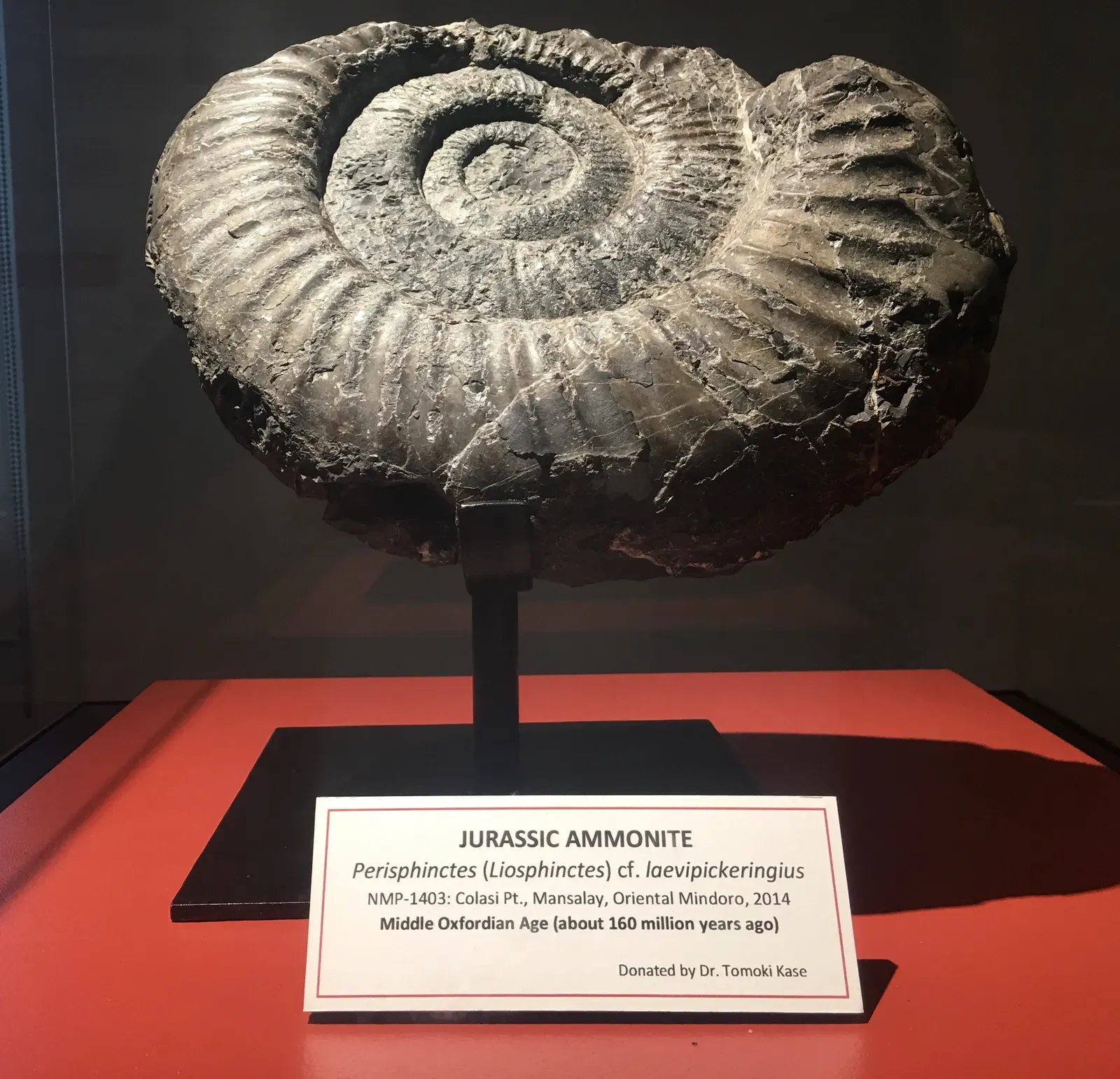
Not all ancient ocean nightmares wore bones; many had shells and tentacles instead. Coiled‑shell cephalopods like ammonites were everywhere in Mesozoic seas, spiraling through the water column like swirling galaxies made of stone and flesh. Alongside them swam straight‑shelled forms and early relatives of squid and octopus, some of which grew to enormous sizes. A murky, storm‑churned Cretaceous bay might have held lurking tentacles below you, attached to a creature strong enough to drag struggling prey into the gloom.
The unsettling part is that cephalopods are already some of the smartest invertebrates alive today, capable of problem‑solving and complex hunting tactics. Scale that up, imagine them in oceans with fewer human disturbances and more gigantic prey, and you start to glimpse just how intense those encounters might have been. While fully understanding the exact behavior of those ancient tentacled hunters is tricky, the combination of sharp beaks, sucker‑lined arms, and often formidable size would make a midnight swim in those waters a genuinely dangerous idea. Modern giant squids are eerie enough; their prehistoric cousins lived in seas packed with large, vulnerable targets and far fewer safe hiding places.
Mass Extinctions: When the Oceans Turned Against Everything Living in Them
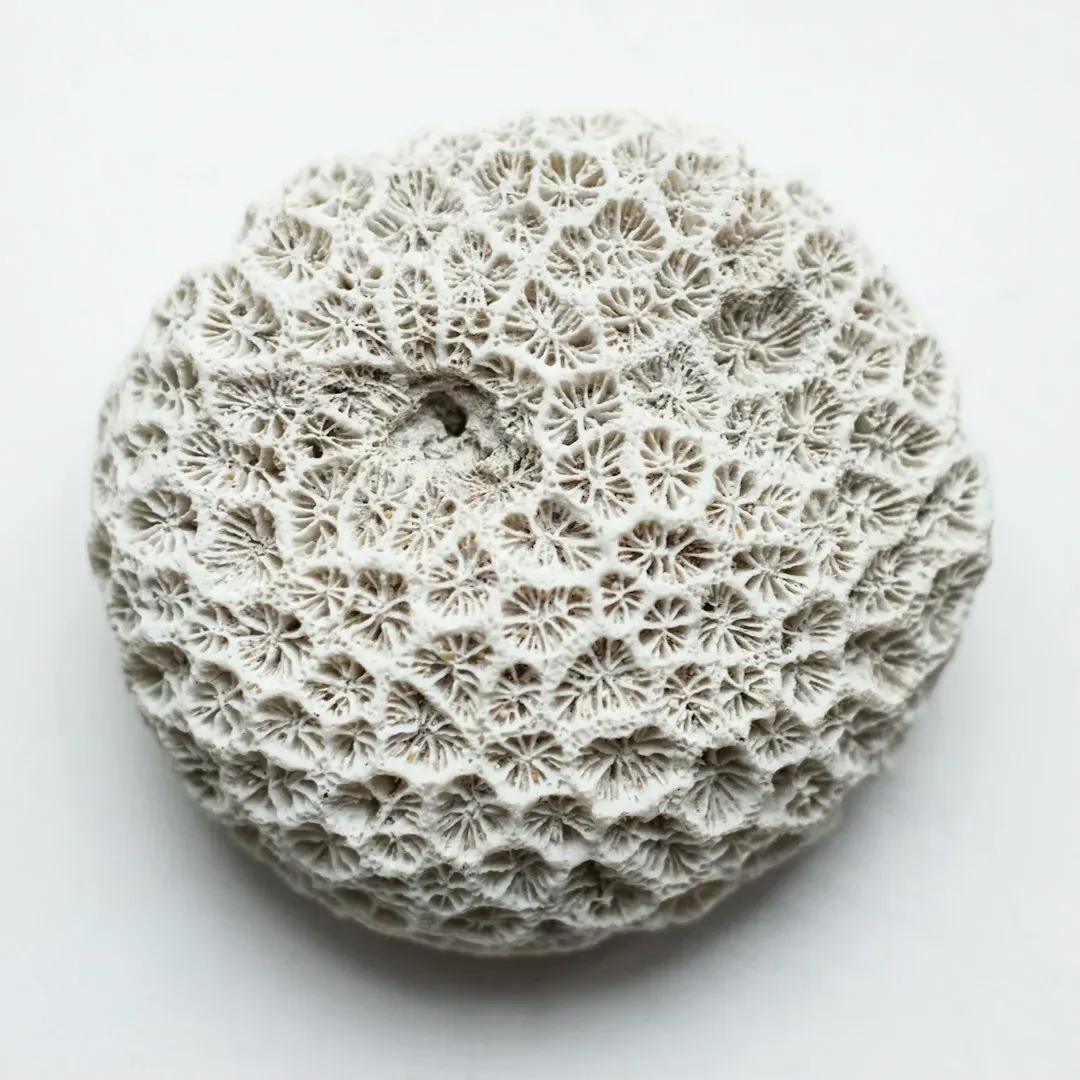
One of the most frightening realities of prehistoric oceans is how often they completely collapsed. Several times in Earth’s history, rapid climate shifts, volcanic outbursts, changing sea levels, and sometimes space impacts combined to wreck marine ecosystems almost overnight in geologic terms. During the end‑Permian event, often called the Great Dying, the vast majority of marine species were wiped out, from delicate corals to massive predators. Imagine entire coastlines going silent, reefs dissolving, and the open ocean turning from bustling to nearly barren in just a short slice of deep time.
When oceans destabilized, they often became hotter, more acidic, and more stagnant all at once, especially in deeper basins. The water could heat up far beyond anything modern coral reefs can tolerate, while acidity ate away at shells and skeletons and low oxygen strangled complex life from the seafloor up. Compared with that, today’s oceans – as stressed as they are by human activity – still maintain richer, more stable food webs in most places. The sheer violence and speed with which ancient oceans sometimes turned deadly for almost everything living in them is a reminder that the sea itself can be the most terrifying monster of all.
Why Today’s Oceans Feel Safer – But Are Still Haunted by the Past
It might sound strange to call modern oceans “safer,” especially when people worry about sharks, storms, and deep‑sea mysteries. But stack up what exists today against the combination of low oxygen, toxic chemistry, and super‑predators of the past, and our seas begin to look comparatively tame. We no longer share the water with bus‑length armored fish, bus‑sized marine reptiles, or sprawling anoxic basins covering huge portions of the seafloor. Large, actively hunting marine reptiles, in particular, are simply gone, and nothing has quite replaced their mix of size, speed, and ferocity.
That said, the echoes of those ancient oceans are still with us. Modern sharks trace their ancestry to early cartilaginous fishes that survived multiple extinction pulses, and many marine invertebrates still carry body plans honed during ancient evolutionary arms races. Even some of today’s expanding coastal dead zones are like faint, human‑driven replays of the much larger anoxic events of prehistory. So while we can be grateful we do not have to navigate seas ruled by armored jaws and colossal reptiles, the deep history written in the rocks is a warning of what oceans are capable of when pushed too far.
Conclusion: The Ocean Used to Be a Battlefield, Not a Blue Playground
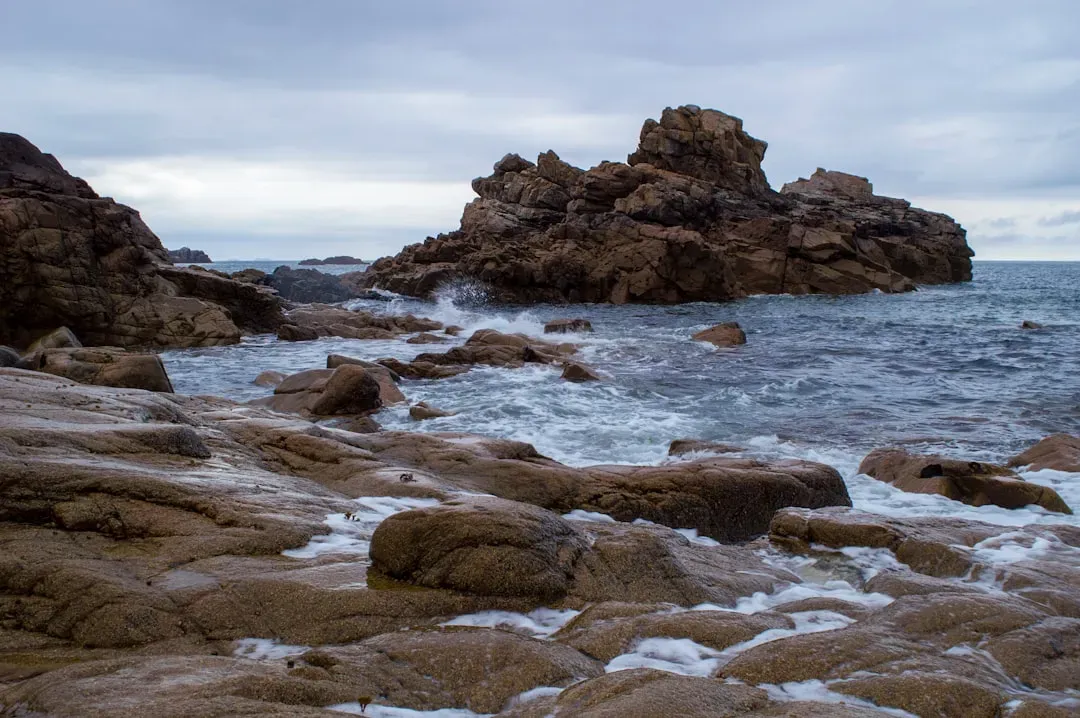
When you put all of this together – toxic chemistry, oxygen‑starved depths, swarms of experimental arthropods, armored fishes with bone‑crushing bites, reptilian super‑predators, and tentacled hunters – it is hard not to see prehistoric oceans as fundamentally more terrifying than anything we swim in now. Our modern seas can absolutely be dangerous, but they also offer relatively stable oxygen levels, fewer giant, hyper‑armed reptiles, and ecosystems that, for the moment, still mostly function. In my view, if you had to choose a time to learn to surf, you would be insane to pick the Devonian or the Cretaceous over the present.
At the same time, those ancient horrors are not just cool monsters from a distant past; they are a reminder that oceans can flip from vibrant to lethal when climate and chemistry are pushed beyond their limits. What scares me most is not the idea of meeting a giant placoderm or mosasaur, but the possibility that we might be nudging our own oceans toward a smaller, slower catastrophe. The past shows us how bad it can get when the sea turns hostile – the question now is whether we are paying enough attention to avoid making our own age look terrifying in the fossil record. Would you really bet that humans could handle the kind of oceans life barely survived before?