Think about the last time you were at a concert, a club, a wedding, or even a kid’s birthday party. The moment the beat dropped, strangers started moving in sync without saying a word. No memo. No meeting. Just bodies and brains falling into step together. That strange, almost magical pull you feel when a rhythm kicks in is not a modern invention at all – it might be one of the oldest tricks human beings ever used to become “us” instead of just a bunch of individuals.
Anthropologists and neuroscientists are increasingly converging on a bold, almost romantic idea: long before we had written laws, organized religion, or even complex language, we had rhythm. People drummed on logs, clapped hands, stamped feet, and hummed simple patterns. Those shared beats did something powerful inside the brain, lining up our internal timing and emotions. In a world where survival depended on cooperation, that kind of built‑in synchronizing tool was priceless. Let’s dig into why music, especially rhythm, might be humanity’s oldest social superpower.
Rhythm Is Everywhere in the Human Body
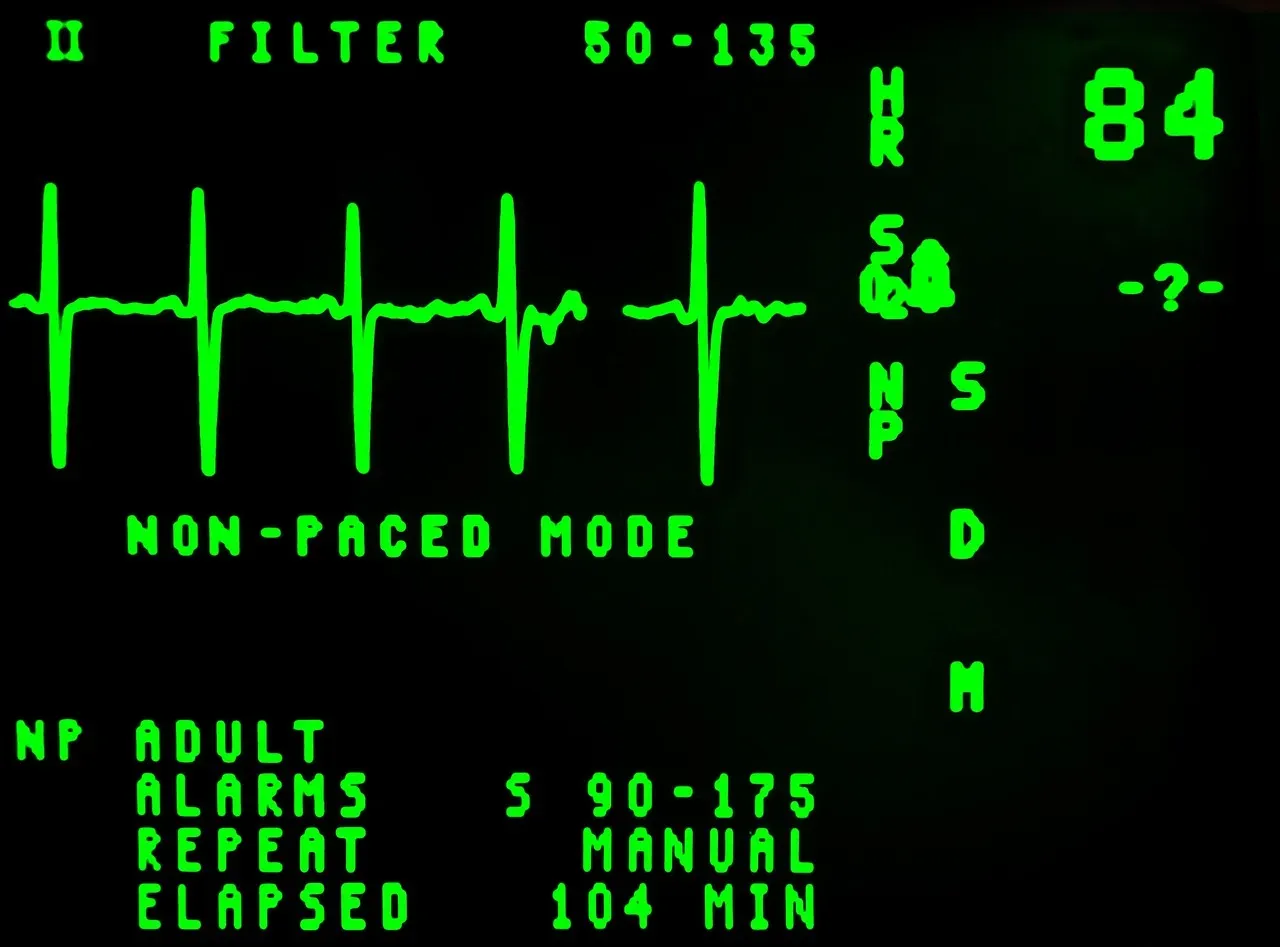
Before we ever hear a drum, we live inside rhythm. Your heart pulses in repeating cycles, your lungs follow a steady inhale‑exhale pattern, and your brain waves oscillate in organized frequencies. Even walking is a patterned, rhythmic act, with each step landing in a rough internal tempo. From that perspective, it almost feels obvious that an animal built out of rhythms would latch onto external rhythms too.
Anthropologists point out that early humans would have been intensely tuned to natural cycles: sunrise and sunset, tides, seasons, the repeating calls of animals, and the sounds of rain or footsteps. When people started tapping, clapping, or chanting together, they were essentially playing with extensions of bodily and environmental rhythms. It did not require complex tools or advanced language to do this, just a body and a sense of timing. That simplicity is crucial if we are thinking about music as something that could have emerged independently all over the world.
Music Shows Up in Every Culture We Know
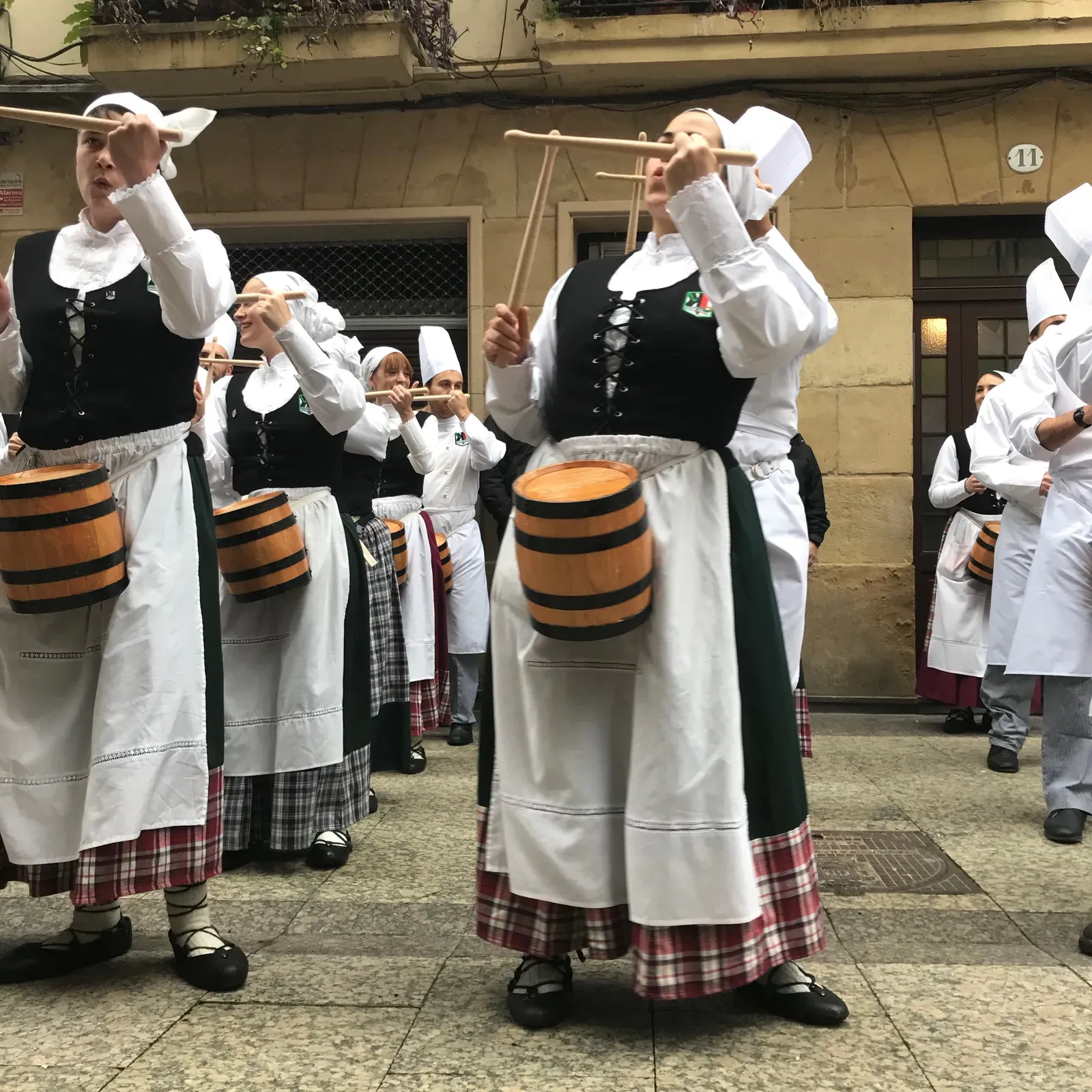
Across continents and centuries, there is one pattern that keeps showing up: wherever there are humans, there is something we would recognize as music. Hunter‑gatherer groups, agricultural societies, ancient empires, island communities – all have some form of singing, drumming, or instrumental playing. The specific instruments, scales, and styles might differ wildly, but the presence of rhythm and coordinated sound is almost universal.
This cross‑cultural consistency makes it hard to argue that music is just a random hobby or a luxurious ornament tacked onto life. If completely separate societies, without contact, all ended up creating music, it strongly hints that there is something deeply useful or deeply pleasurable about it for Homo sapiens. In anthropology, when a behavior appears everywhere, even in radically different environments, that often suggests an evolved function. Music may not just be entertainment. It may be a built‑in feature of how humans do “togetherness.”
Rhythmic Synchrony Literally Aligns Brains
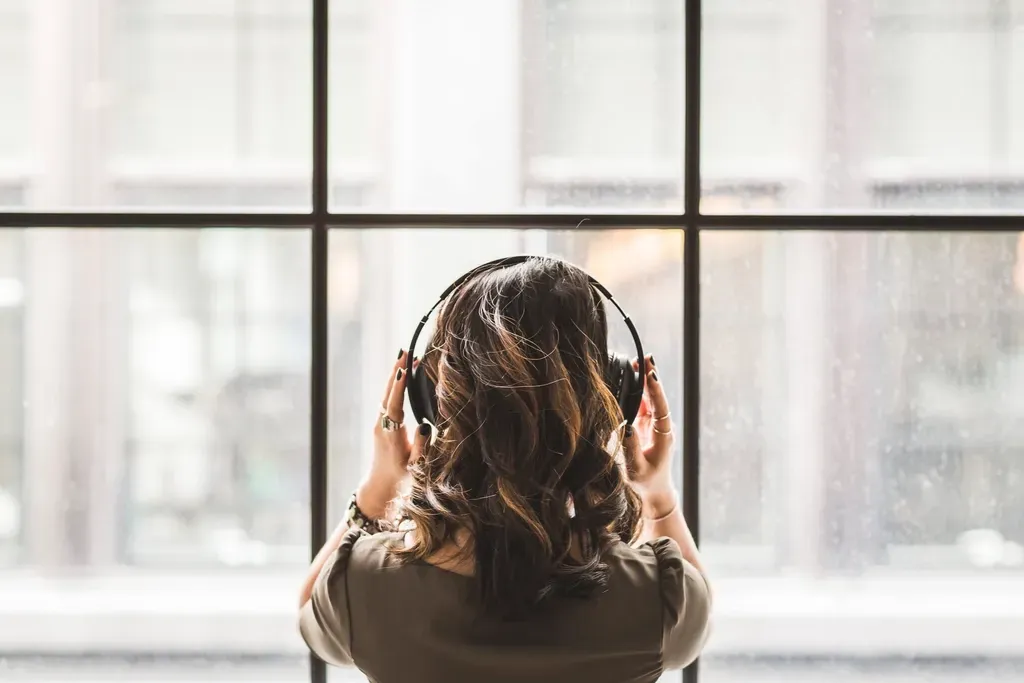
Modern brain imaging has provided a stunning piece of the puzzle: when people move in time together, their brain activity tends to become more synchronized. You can see this when choirs sing, drummers play together, or even when people simply tap along to a metronome in a shared space. Certain brain regions involved in timing, attention, and social processing start to show similar patterns of activation across people.
This synchronization is not just a cute scientific footnote. Shared rhythm appears to increase feelings of connection, trust, and empathy. In lab experiments, people who have just marched, clapped, or sung in sync are more willing to cooperate, share resources, or help each other. That effect shows up even when the shared activity is simple and meaningless on the surface. The beat, not the content, is doing a lot of the heavy lifting.
From Survival Strategy to Social Glue
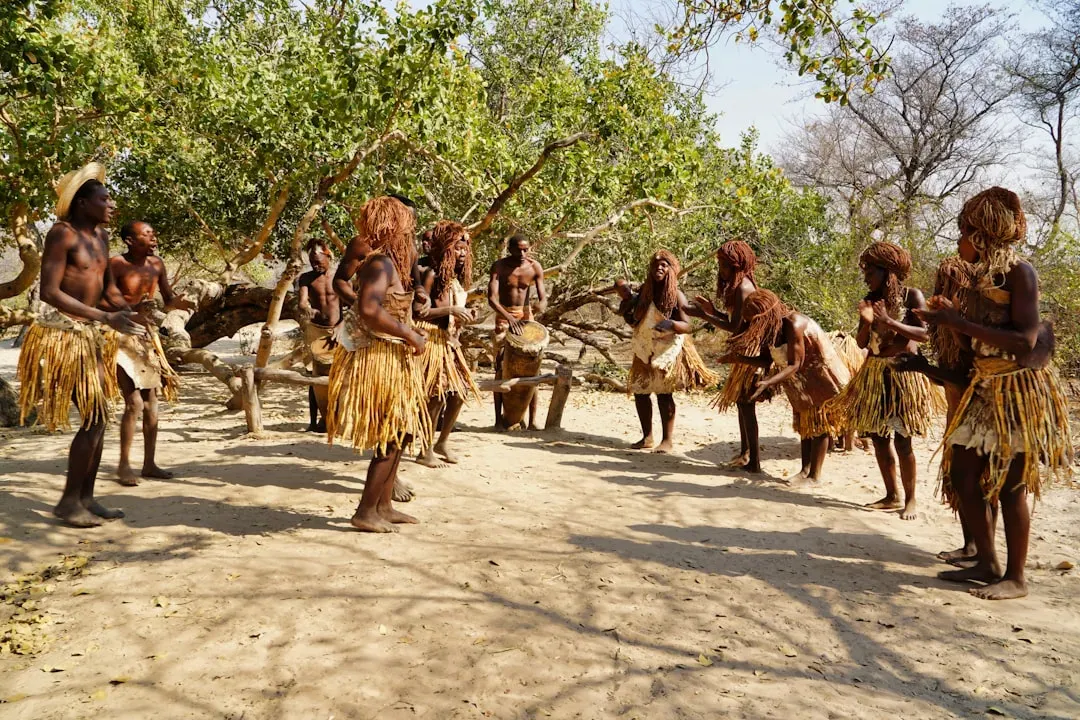
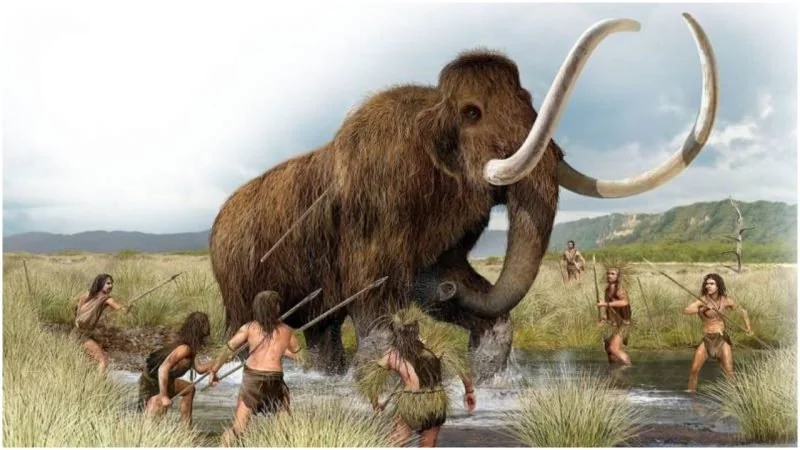
If you imagine early human groups trying to survive predators, hunt large animals, move camp, or defend territory, the value of coordinated action is obvious. A hunting party that can move silently and strike together at the right moment stands a better chance than a scattered crowd of individuals. Rhythm – whether through drumming, chanting, or synchronized stepping – is a cheap and powerful way to get bodies to move as a unit.
Over time, that same rhythmic coordination probably took on deeper emotional shades. It is not just that people moved together; they also started to feel together. Ritual dances, war chants, mourning songs, and celebration rhythms likely transformed bare survival tasks into emotionally charged events that glued the group. In a harsh world, having a tribe that feels tightly bonded can be the difference between life and death. In that sense, rhythm was not just a soundtrack to human evolution – it was part of the engine.
Music May Have Preceded Complex Language
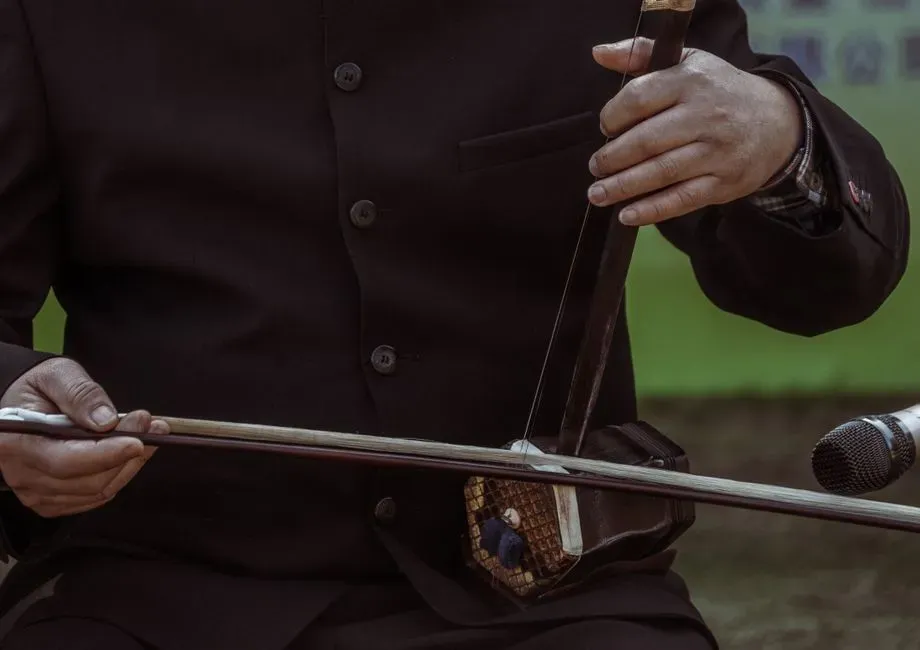
There is a provocative idea in evolutionary anthropology that early human communication might have been more song‑like than word‑like. Before we had long, precise sentences, we may have had melodic, rhythmic vocalizations that carried emotional meaning rather than detailed information. Think about how a baby responds to tone and rhythm in a caregiver’s voice long before it understands actual words.
This view suggests that music‑like communication could have been a kind of training ground for the brain systems that later supported language. Shared rhythms and chants could coordinate group behavior and emotions, even if the content was vague. Over generations, as cognitive capacities expanded, those musical structures may have become more segmented and symbolic, giving rise to the complex languages we use today. If that is even partly true, then music is not a by‑product of language. It is more like an older sibling.
I remember realizing this when a friend’s toddler could “sing” along to a tune well before she could form clear sentences. The melody was ragged, but the timing was shockingly accurate. Her brain seemed to grab onto rhythm first, like it was the most natural handle in the world. Watching that, it felt less and less strange to imagine that our ancestors might have relied heavily on musical patterns long before fluent speech was the norm.
Rituals, Religion, and the Power of Shared Beat
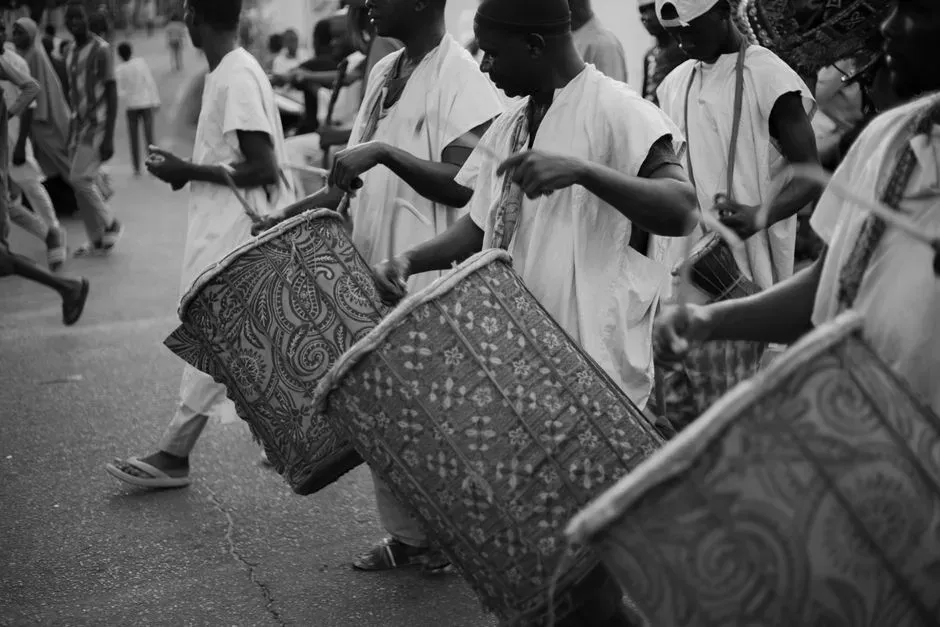
When you look at religious and ceremonial practices around the world, rhythm is practically a constant character on stage. Drums in processions, chants in temples, hymns in churches, call‑and‑response songs in spiritual gatherings – these are not accidental decorations. They are technologies for synchronizing attention, emotion, and movement across crowds of people who might not know each other personally.
Anthropologists often argue that rituals do more than express beliefs; they construct social reality. The shared rhythmic elements of rituals can make a group feel like a single organism for a moment, dissolving the edges between “me” and “us.” That feeling is powerful, even addictive. It helps explain why people keep returning to musical gatherings, sacred or secular, even when they are exhausting or time‑consuming. Evolutionarily speaking, a tool that keeps reinforcing group identity again and again is a very effective piece of cultural kit.
Why Dancing With Strangers Feels So Intimate
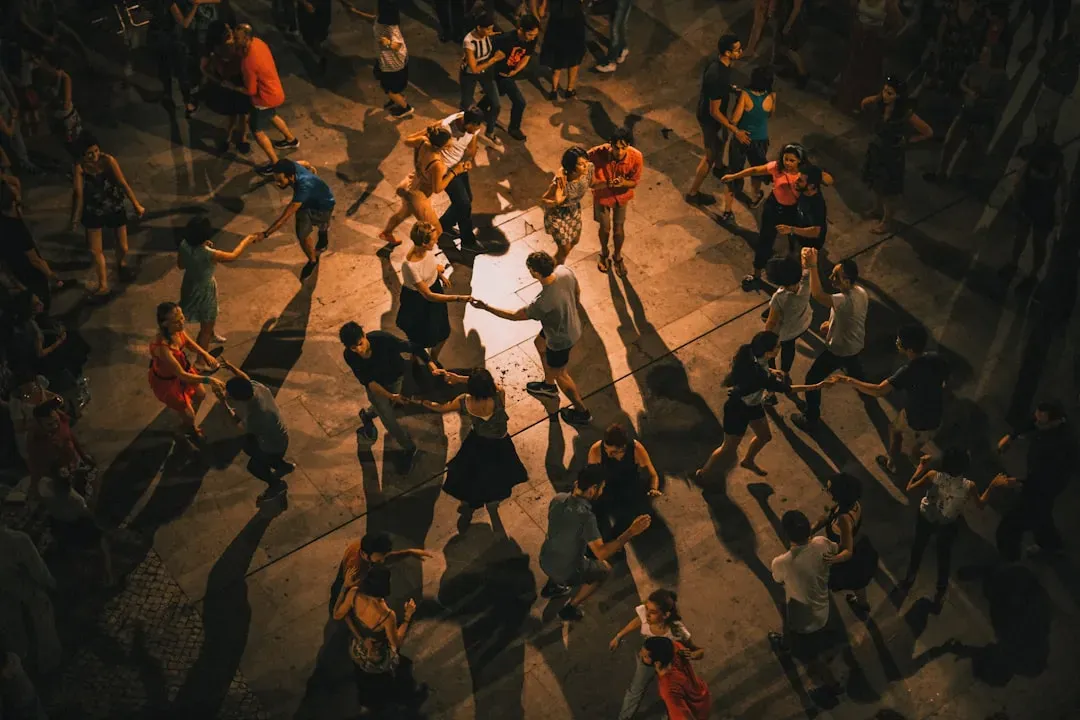
If you have ever danced with strangers at a festival or club and, for a second, felt unbelievably close to them, you have experienced the social trick that rhythm plays. Moving in sync, even without speaking, can create a weirdly fast sense of familiarity. It is like your body decides you are on the same team and informs your brain afterward. From a bonding perspective, that is incredibly efficient.
Studies support this intuition: groups that engage in synchronized movement tend to rate each other as more likable, trustworthy, and similar, even when they have never met before. This is one of the reasons group exercise classes, marching bands, flash mobs, and fan chants in stadiums feel so emotionally charged. They convert a collection of individuals into a temporary tribe, using nothing but organized sound and movement. In an evolutionary landscape full of uncertainty and threats, that kind of instant tribe‑making ability would be gold.
Modern Life Still Runs on Ancient Beats
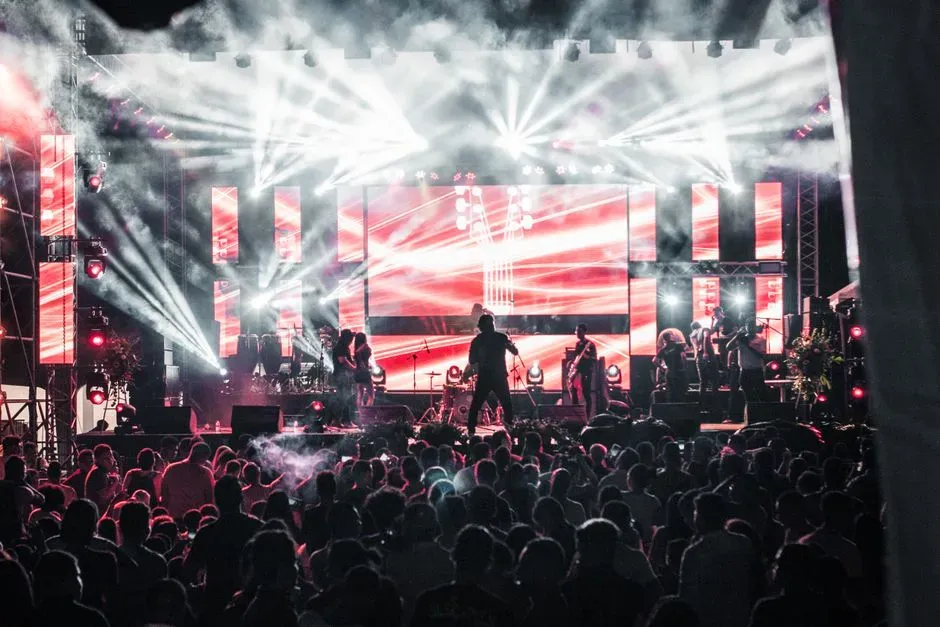
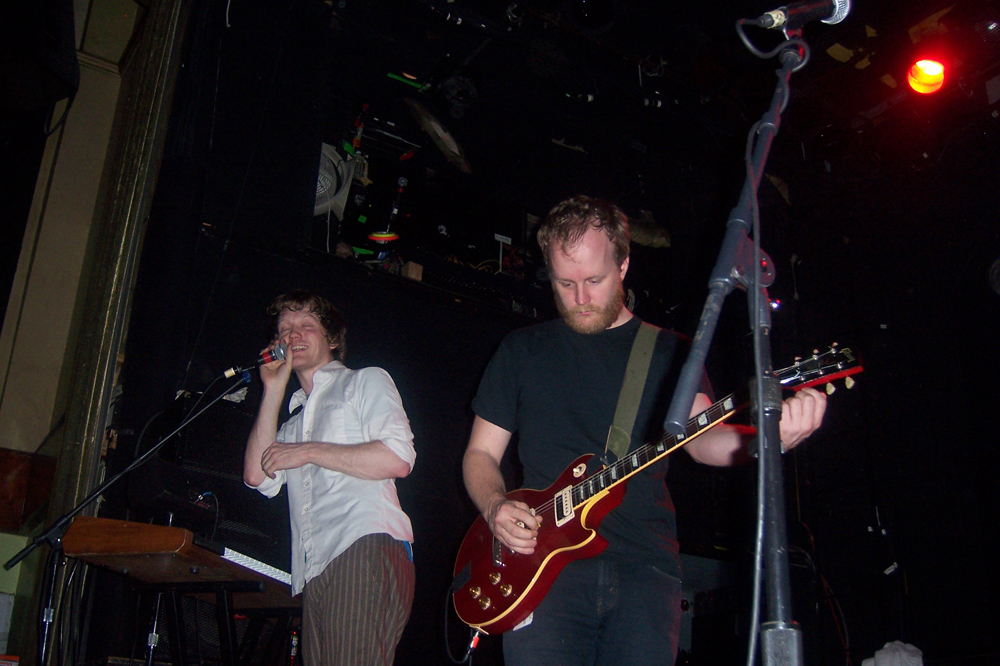
Even in a world of streaming services, noise‑canceling headphones, and hyper‑personalized playlists, the old pattern keeps resurfacing: we still crave shared rhythm. People pay good money to stand for hours in crowded venues, singing along to the same chorus. Online, coordinated dance trends sweep through social platforms, getting millions of strangers copying the same moves to the same beat. It is almost funny how high‑tech the medium has become while the underlying behavior is so ancient.
From an anthropological point of view, this is a quiet but strong confirmation that rhythm is not just background decoration in human life. It remains one of our favorite ways to feel connected in a fragmented world. We might justify going to a concert because we love the artist, but the raw, almost electric feeling of hundreds or thousands of people moving together to the same rhythm is doing subtler work. It reassures us, on a deep animal level, that we are not alone, that there are others whose bodies pulse in time with ours.
Conclusion: Rhythm as Humanity’s Oldest Love Language
When you put the pieces together – the universality of music, the body’s built‑in rhythms, the brain’s tendency to synchronize, the role of ritual and coordinated movement – it is hard not to see rhythm as one of the earliest and strongest forms of human social glue. I think we seriously underestimate it when we treat music as a nice extra, a kind of cultural dessert. The evidence coming from anthropology and neuroscience makes it far more plausible that rhythm was baked into the main course of human evolution.
My own opinion is that rhythm deserves to sit alongside language, fire, and tools in the story we tell about what made us who we are. Long before we were arguing about politics or philosophy, we were stamping our feet around a fire, clapping in time, humming patterns that made our nervous systems line up. In that sense, music is not just art; it is an ancient social technology that taught us how to be a “we.” Next time you find yourself absent‑mindedly tapping along with a stranger on the subway or singing with a crowd, it might be worth asking: is this just a song, or is this the oldest love language our species ever invented?