Every kid learns the same fun fact: dinosaur means terrible lizard. It sounds cool, a little scary, and simple enough to stick in your head forever. The problem is, it is also deeply misleading. For more than a century and a half, this catchy phrase has quietly warped how children picture dinosaurs and how adults casually talk about them.
Once you start pulling on the thread, the whole idea unravels. Dinosaurs were not simply giant lizards stomping around like oversized iguanas with anger issues. They were stranger, more diverse, and in many cases far closer to birds than to any reptile kids have ever seen at the zoo. The phrase terrible lizard is like calling a jet plane a noisy bicycle: not completely random, but wrong in just enough ways to mess up your mental picture.
A Name Born in the 1800s… and Stuck in the 1900s
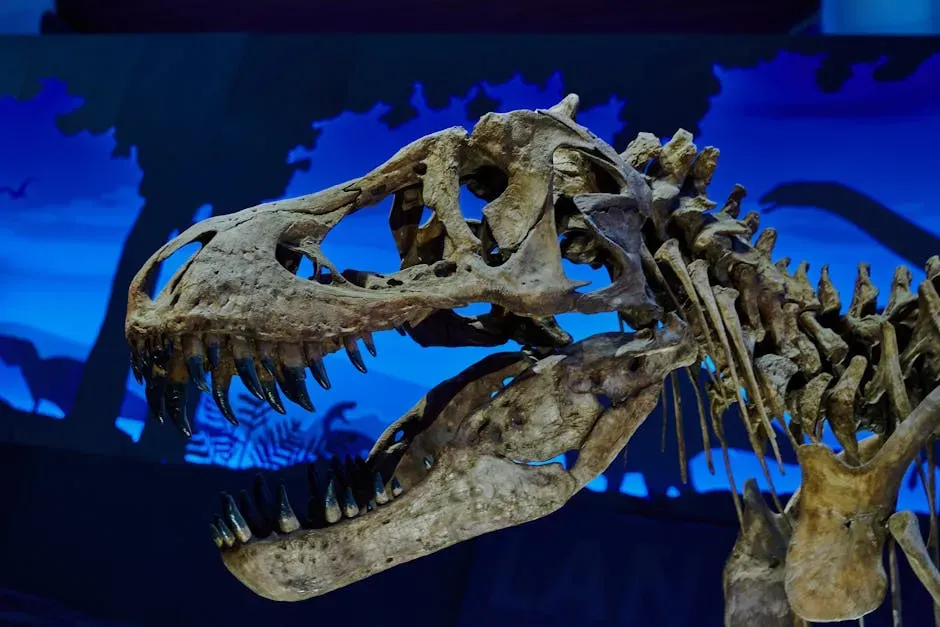
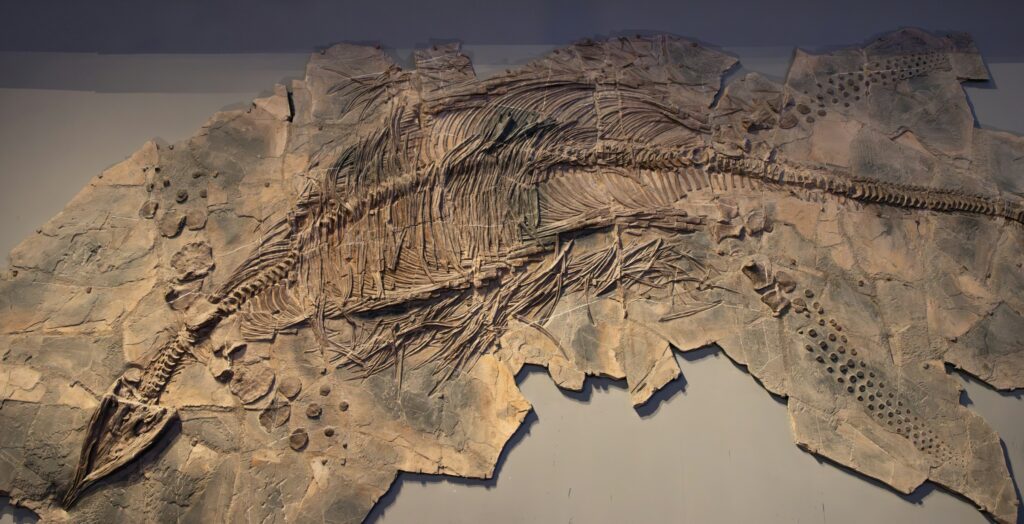
The phrase dinosaur was coined in the mid nineteenth century, when early fossil hunters were trying to make sense of enormous bones turning up in quarries and cliffs. They reached for the language they had at hand: Greek roots that loosely translated to something like terrible or fearfully great lizard. At the time, it made sense, because these creatures were first understood as huge, reptilian monsters that fit neatly into a lizard-shaped box.
The issue is that science did not stop in the 1840s, but the translation in children’s books pretty much did. As discoveries piled up, paleontologists started to see dinosaurs not as oversized lizards, but as a distinct group with their own body plans, lifestyles, and evolutionary history. The name stayed, however, and terrible lizard became a catchy one-line explanation that everyone kept repeating, long after it stopped matching what scientists actually believed.
No, Dinosaurs Were Not Just Big Lizards
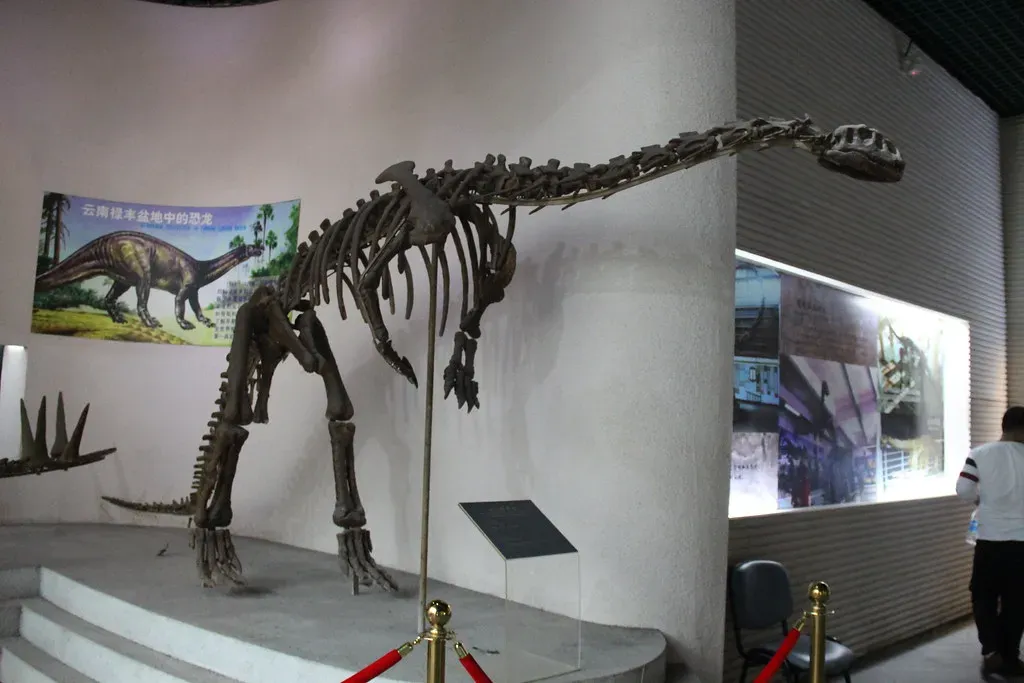
Lizards today are part of a group called lepidosaurs, which includes things like geckos, skinks, and monitor lizards. Dinosaurs belong to a completely different branch of the reptile family tree: the archosaurs, which also include crocodiles and birds. So while both lizards and dinosaurs fall under the broad reptile umbrella, they are separated by hundreds of millions of years of evolution and very different anatomical blueprints.
When we tell kids that dinosaurs were terrible lizards, we invite them to imagine a blown-up version of the lizards on their garden fence. That picture is wrong from head to tail. Dinosaurs had unique hip structures, different ankle joints, and a fully upright posture that set them apart from the sprawling, sideways walk of most lizards. Calling them lizards is like calling whales giant fish: close enough to confuse you, far enough off to keep you from really understanding what they are.
The Word Terrible Twists How Kids Imagine These Animals
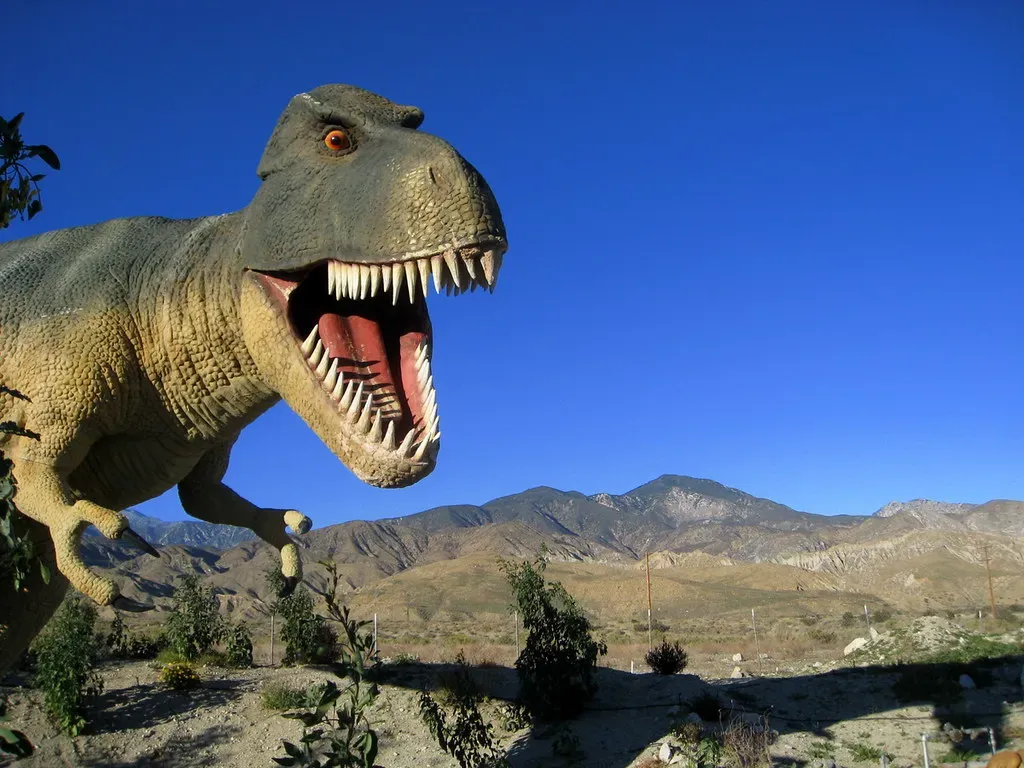
The terrible in terrible lizard does not exactly help either. In the original sense, it meant something more like awesome in size or fearfully great rather than morally bad. But that nuance has completely vanished in everyday speech. To a modern child, terrible is what you call a boring cartoon episode or a burnt pizza, which makes dinosaurs sound like villains by default.
That framing matters more than we like to admit. If your very first label for an animal is terrible lizard, you start from fear and disgust instead of curiosity and wonder. The creatures that once ruled the planet become caricatures of rage and destruction, rather than complex animals that hunted, nested, grew, aged, and adapted. It is a tiny linguistic twist with a big emotional punch, and it makes it harder to see dinosaurs as real, living organisms rather than movie monsters.
How the Terrible Lizard Myth Warped Dinosaur Art and Toys
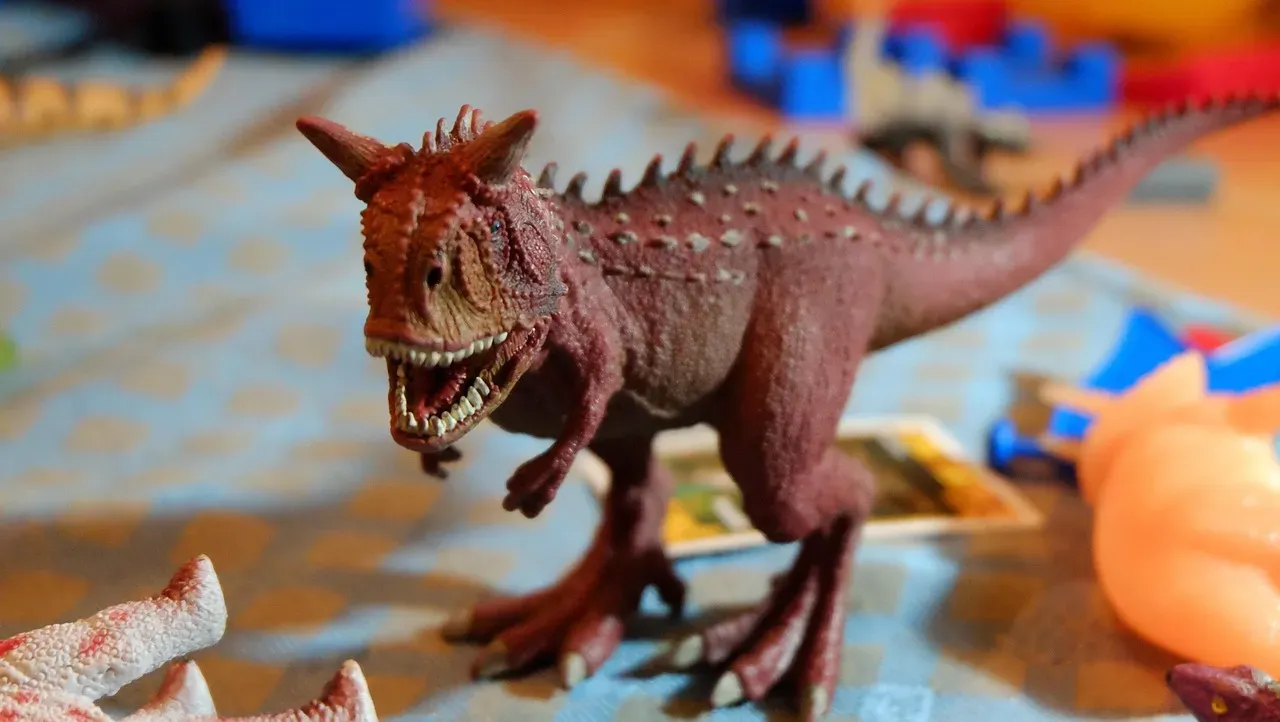
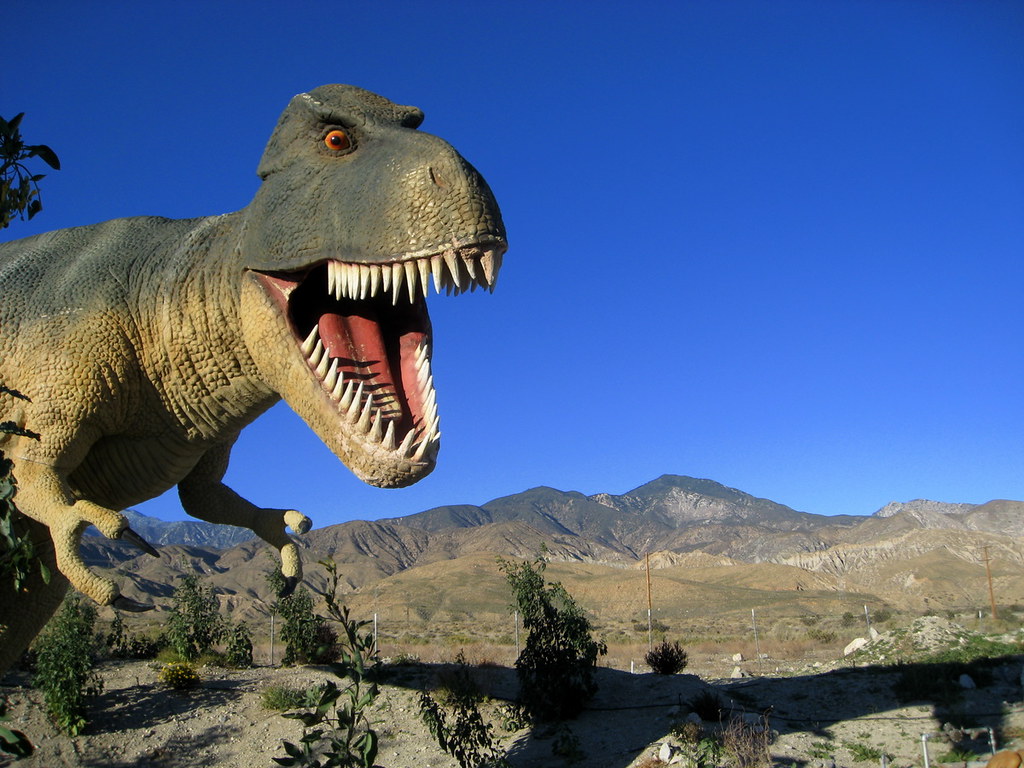
Walk down a toy aisle or flip through older dinosaur picture books, and you can see the shadow of terrible lizard everywhere. Dinosaurs are often shown as cold-blooded, tail-dragging, scaly brutes with blank, reptilian faces. They lumber instead of sprinting, growl instead of calling, and basically exist just to chomp things. This look comes straight from the early, lizard-obsessed view of dinosaurs, not from modern research.
Today, evidence suggests many dinosaurs were agile, active, and in several cases feathery or fuzzy rather than just scaly. Theropod dinosaurs – the group that includes famous names like Tyrannosaurus and Velociraptor – are now understood to be close relatives of birds, not modern lizards. Yet toy shelves are still packed with smooth, crocodile-skinned raptors that bear more resemblance to a plastic dragon than to anything that ever stalked the Cretaceous. The terrible lizard label keeps dragging the visual culture of dinosaurs backward.
Birds, Not Lizards, Are the Living Dinosaurs
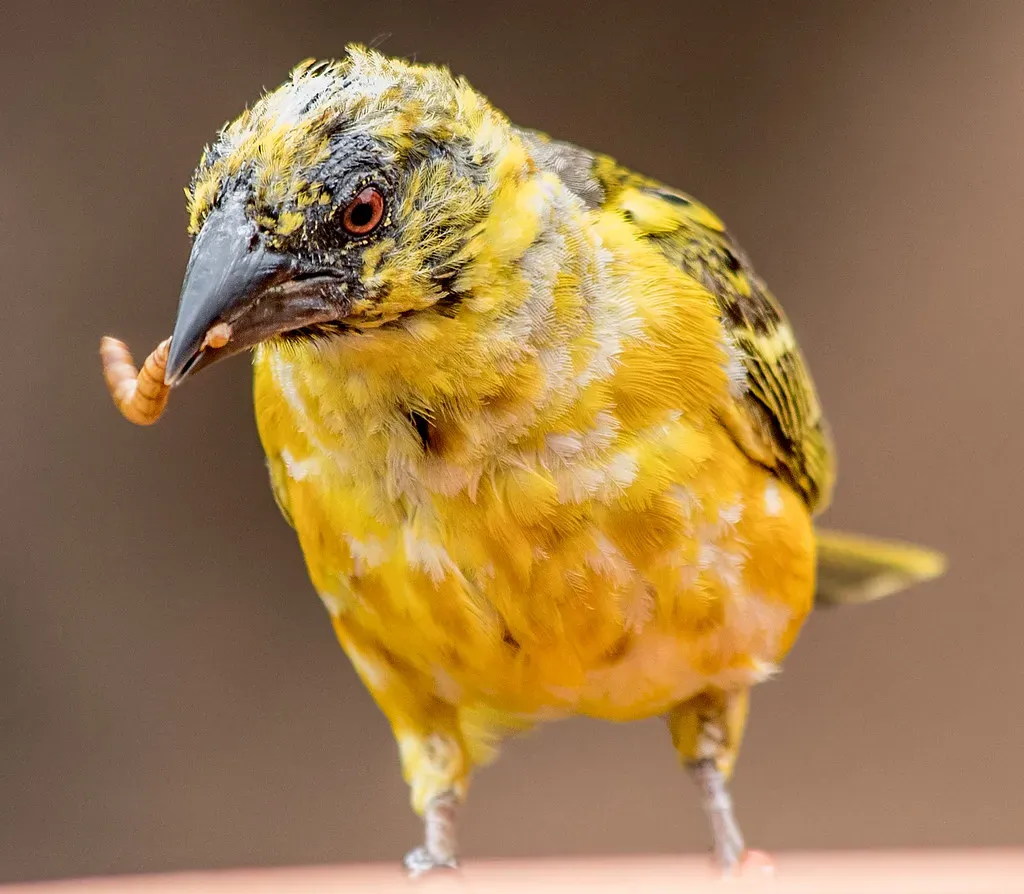
Here is the twist that really exposes how off the translation is: scientifically speaking, birds are dinosaurs. Not in a poetic or symbolic way, but in a straightforward, family-tree sense. If you follow the evolutionary branches down, a sparrow is more closely related to Tyrannosaurus rex than a lizard ever was. That sounds wild until you realize the skeleton of a chicken and a small theropod dinosaur look surprisingly similar in all the important places.
When kids hear terrible lizard, they are steered toward the wrong living analogies. They look at iguanas and dragons in pop culture instead of pigeons and ostriches. That means they miss one of the most mind-bending ideas in modern biology: dinosaurs did not all vanish. Some of them took to the air and are still chirping outside bedroom windows. The phrase terrible lizard hides that connection, turning one of the coolest facts in science into a missed opportunity.
A Simple Translation That Oversimplified a Whole World
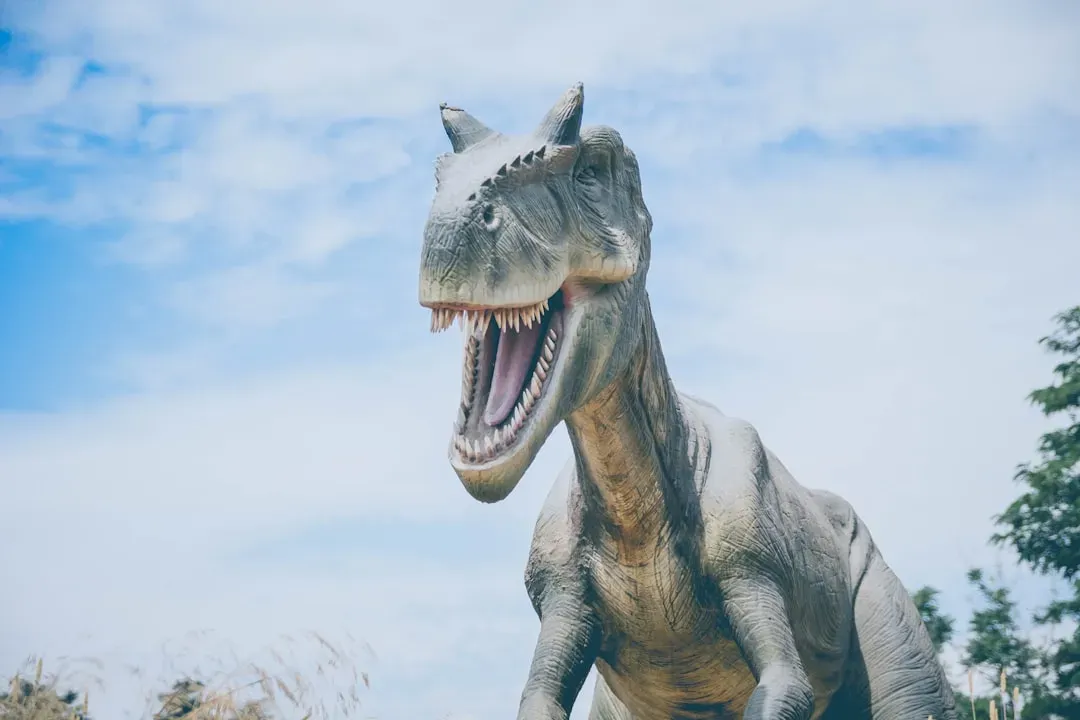
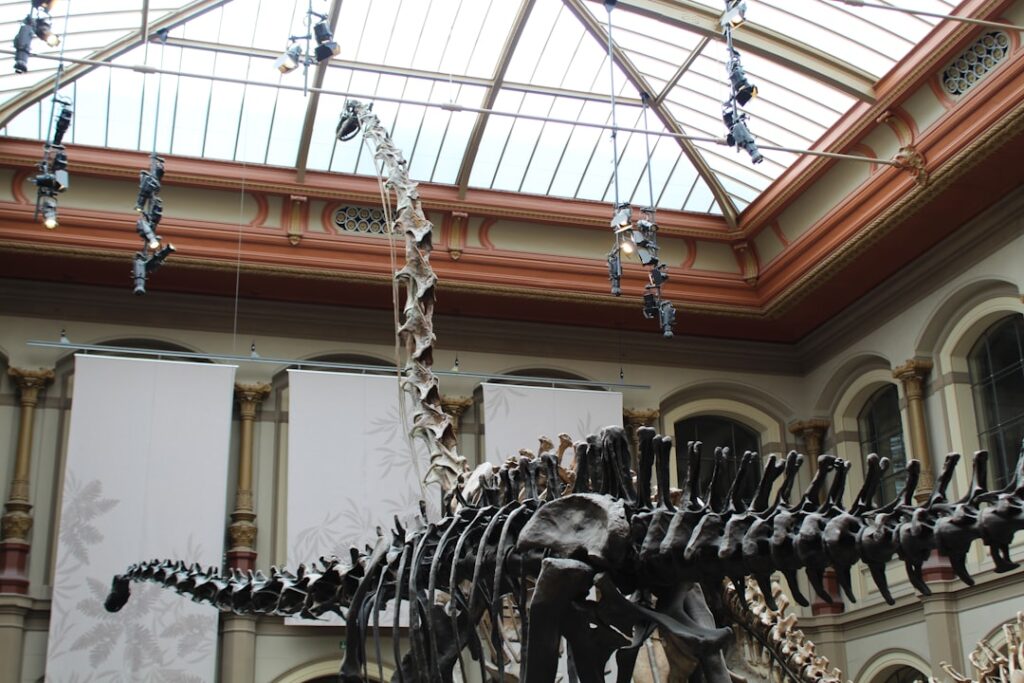
Language always trims reality down to something that fits in a sentence, but terrible lizard trims too much. It reduces a wildly diverse group of animals – from long-necked sauropods to horned ceratopsians to swift, birdlike hunters – to one blurry image: angry, scaly reptile. That is like describing the entire history of mammals as large, furry things that squeak. Technically not impossible, but practically useless if you want to understand anything real.
The damage is not that people know the wrong Greek roots; almost nobody cares about that. The damage is that this easy phrase becomes a mental shortcut we never challenge. It makes it seem as though we already know what dinosaurs were, so there is nothing left to question. In a world where science keeps revealing dinosaurs as stranger, smarter, and more varied than we imagined, clinging to terrible lizard feels less like tradition and more like a stubborn refusal to update the story.
Why It Is Time to Retire the Phrase for the Next Generation

There is a whole new wave of dinosaur research focused on growth patterns, social behavior, coloration, and even soft tissues, and kids deserve a language that reflects that richness. Instead of terrible lizard, we could talk about ancient reptiles that are closer to birds than to any lizard at the pet store. We could describe dinosaurs as planet-shaping animals that filled almost every ecological role long before humans appeared. That kind of framing opens doors, instead of slamming them shut with a single outdated phrase.
Personally, I think holding onto terrible lizard now does more harm than good. It keeps kids stuck in a smoky, brownish movie version of prehistory instead of inviting them into the weird, colorful, bird-filled reality that scientists are uncovering. If we want the next generation to appreciate how science evolves, we should be brave enough to admit when an old idea has outlived its usefulness. Maybe the real act of respect for these animals is to stop calling them terrible and start calling them what they truly were: some of the most extraordinary creatures life has ever produced.
Conclusion: Changing the Name Changes the Story
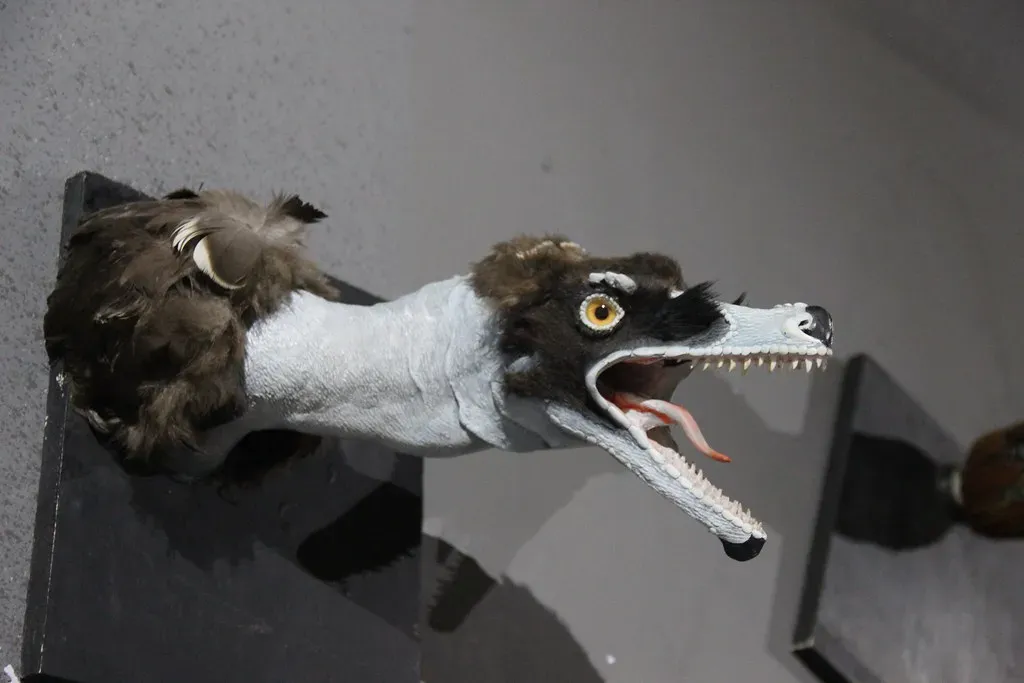
Names are emotional shortcuts, and terrible lizard has been quietly steering our feelings about dinosaurs for more than a century and a half. It nudges children to see them as monstrous reptiles, not as complex animals, and it pulls our imaginations toward scaly lizards instead of feathered, birdlike creatures that blur the line between past and present. For an idea so simple it fits on a lunchbox, it has done a surprisingly thorough job of flattening one of the most fascinating chapters in Earth’s history.
In my view, we owe it to both science and kids to retire the phrase or at least constantly challenge it. Let the fossils be strange, let the birds be dinosaurs, and let go of the comforting but wrong picture of giant, angry lizards. If the words we use can trap whole worlds of meaning, they can also set them free – and dinosaurs deserve nothing less than that kind of jailbreak. When you hear a crow calling outside your window, does terrible lizard really feel like the story you still want to tell?