
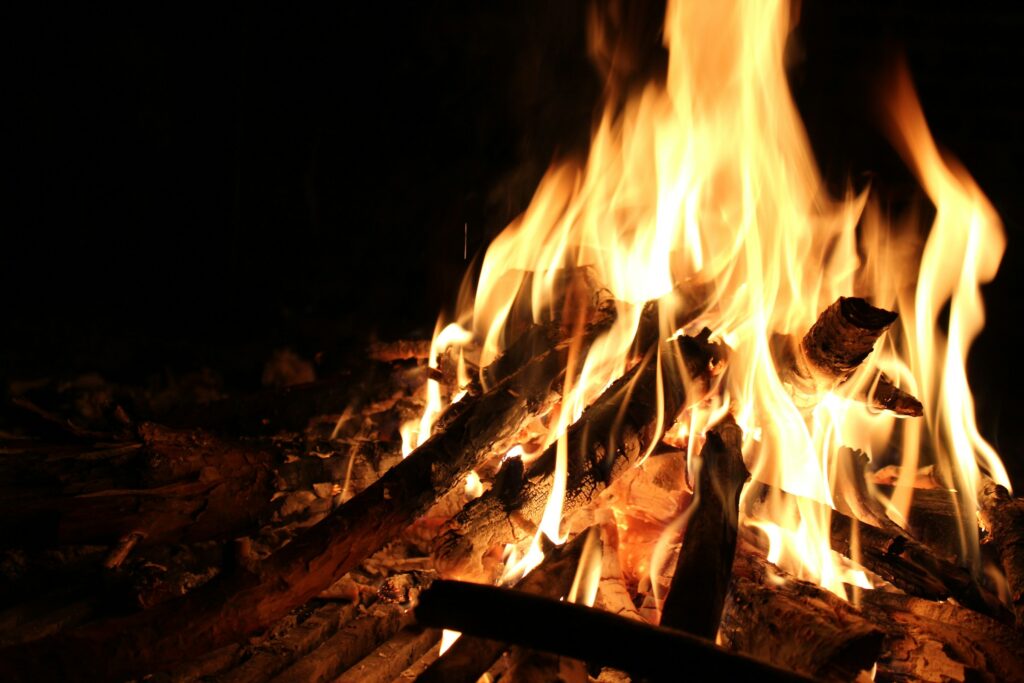
Imagine watching lightning strike a dry hillside and seeing the world suddenly explode into light, heat, and terror. For early humans, fire was not just a tool waiting to be picked up; it was a dangerous, unpredictable force that could kill as easily as it could warm. The fact that our ancestors not only survived fire but eventually bent it to their will is one of the most dramatic plot twists in our entire species’ story.
What makes the tale even more gripping is how much we still do not know for sure. Archaeologists are piecing together scattered traces of ancient hearths, burned bones, and charred tools, while anthropologists try to reconstruct what it must have felt like to sit around the very first controlled flames. The evidence is messy, the dates are debated, and yet a clear pattern emerges: once humans learned to master fire, nothing about our bodies, our brains, or our societies was ever the same again.
The Wild Fire Before the Hearth: Living in a World of Lightning and Lava
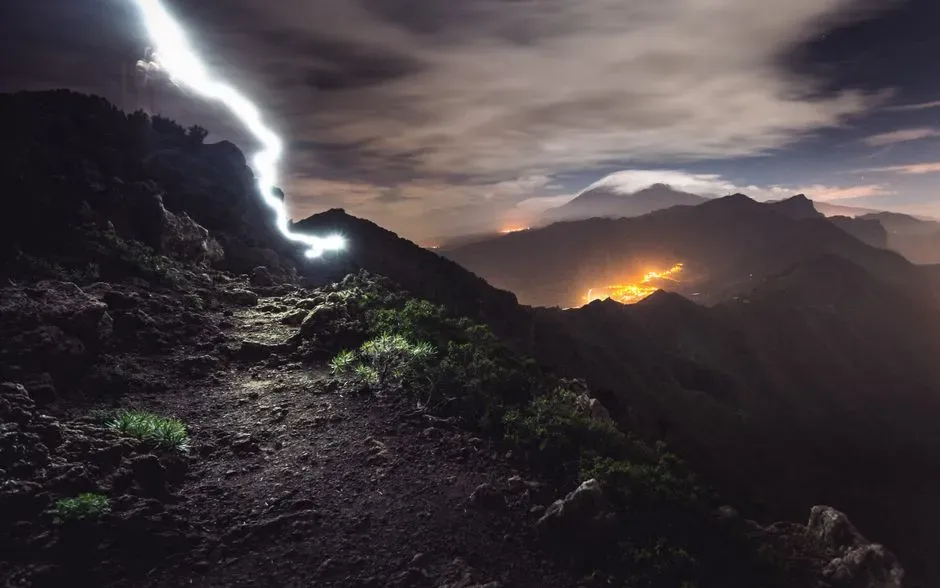
Long before any human could strike a spark on purpose, fire was already shaping landscapes and lives. Natural fires came from lightning, volcanic eruptions, and even spontaneous combustion in dry, packed vegetation. For early hominins, these blazes were both a catastrophe and an opportunity: they drove animals into the open, cleared thick brush, and left behind roasted plants and carcasses that were easier to chew and digest.
At first, our ancestors were probably more like cautious scavengers of fire than its masters. They might have crept in after a wildfire passed, grabbing half-burned sticks or feeding on animals that had been cooked accidentally. You can picture small groups staying on the edges of burned zones, drawn by the warmth and the smell of cooked meat, yet ready to flee if the flames suddenly flared up again. In that world, fire was a rare, temporary gift from the sky or the earth, and if it went out, you simply had to wait for the next storm or eruption.
From Fear to Curiosity: The First Steps Toward Keeping a Flame Alive
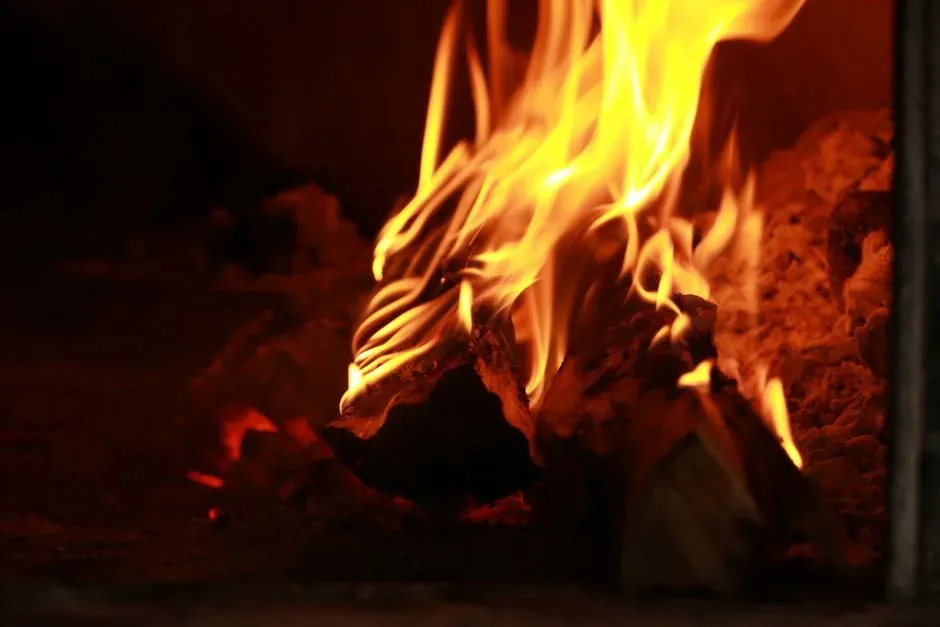
The real turning point was not when someone first created fire from scratch, but when groups learned to keep a natural flame burning for longer than a day or a night. This shift from fear to cautious curiosity probably took countless small experiments: adding different kinds of wood, learning which materials smoldered rather than flared, and discovering that buried embers could be revived hours later with a little breath and tinder. It was less a single heroic moment and more a slow, communal education in how fire behaves.
Early controlled fires were likely fragile, constantly at risk of going out in rain, wind, or simple neglect. People may have guarded embers the way we guard passwords and bank cards today, assigning someone to “watch the fire” as a serious responsibility. Over time, small practices – carrying glowing coals in bark or bone containers, sheltering flames in rock overhangs, piling fuel before nightfall – turned into shared traditions. The line between successfully using fire and losing it must have been razor thin, and that constant tension probably made control of fire feel almost magical.
Archaeological Clues: How We Know Early Humans Were Using Fire on Purpose
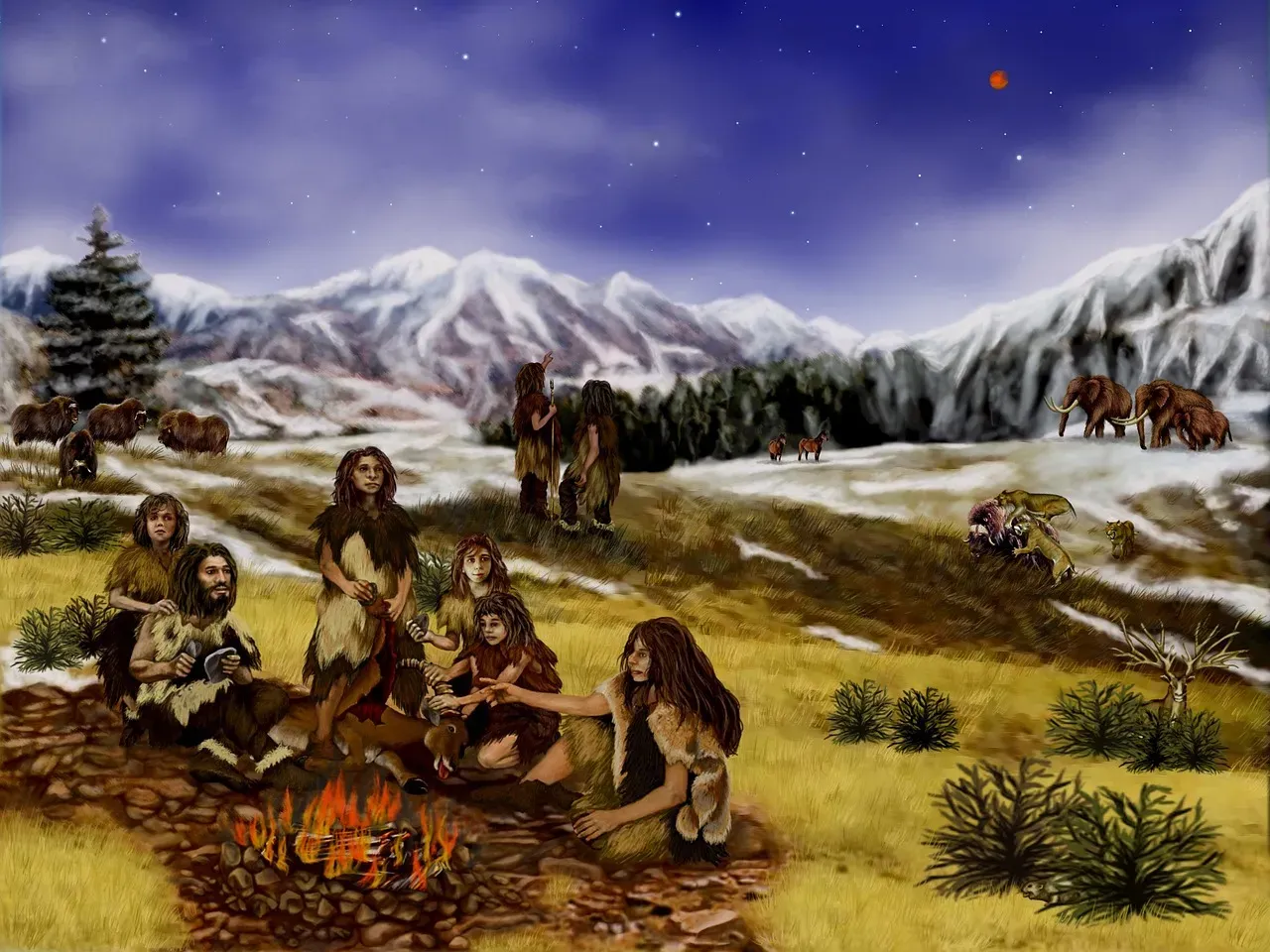
For scientists, the hardest part of this story is proving that ancient fire was truly controlled rather than just a leftover from a natural blaze. Ash and charcoal can form in lightning fires just as easily as in campfires, so researchers look for patterns: repeated layers of burned material in the same spot, stones reddened by prolonged heating, or animal bones and tools clustered tightly around darkened patches of earth. When these clues come together, they start to look less like chance and more like deliberate activity.
Some sites show concentrated hearth-like features where burned bones, stone tools, and ash appear together in what looks like a living area rather than a random forest fire zone. Other evidence comes from microscopic changes in soil minerals that only occur when temperatures are carefully maintained over time, not just blasted once by a passing flame. Even then, debates rage about how old these controlled fires really are and which species were responsible. The story is still being written, and every new find has the potential to push the origins of fire control earlier than we imagined.
Cooking and the Human Body: How Fire Rewired Our Teeth, Guts, and Brains
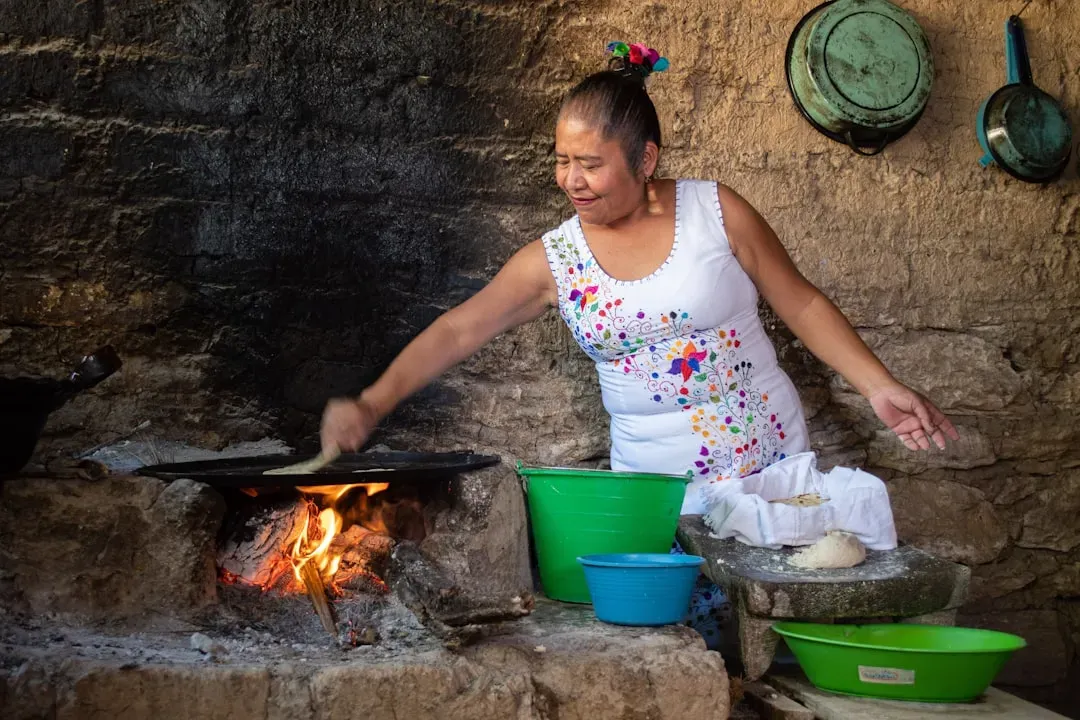
Once fire moved from a rare survival aid to a regular part of daily life, it started reshaping our bodies from the inside out. Cooking breaks down tough fibers, softens meat, and kills many pathogens, making food easier to chew and digest. Over long spans of time, this may have reduced the need for huge jaws, thick tooth enamel, and extremely long intestines, freeing up energy for other uses – especially the energetically hungry human brain.
Some scientists argue that the habitual use of cooked food helped support larger brains while allowing bodies and faces to become more gracile, or fine-boned, compared with earlier hominins. Even if the exact timeline is still argued over, it is hard to ignore how much cooking changes a person’s daily energy budget. Think of it like pre-processing your fuel: instead of spending hours tearing at raw roots or gnawing on sinewy meat, your digestive system gets a head start, and you can invest the saved effort into movement, social interaction, toolmaking, or childcare. Fire, in that sense, was not just a kitchen appliance; it was a biological game changer.
Firelight and Storytelling: Nights That Changed Human Minds
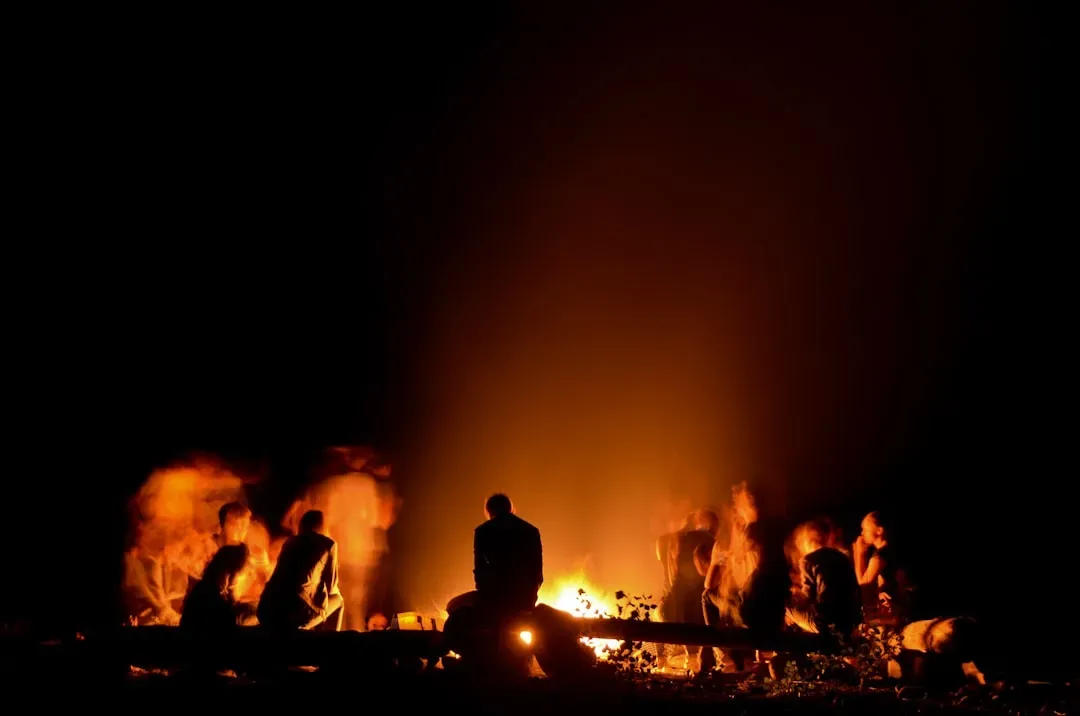
One of the most underrated changes that came with controlled fire was what happened to the night. Before campfires, darkness likely meant huddling quietly and cautiously, with little room for complex social gatherings once the sun went down. A steady flame extended the day, drawing people into a shared circle of light where conversation, planning, teaching, and storytelling could flourish in a way that simply is not possible while foraging alone in the dark.
Under firelight, the human mind had room to wander beyond immediate survival. People could recount the day’s hunt, teach youngsters how to recognize tracks, or replay dangerous encounters and turn them into cautionary tales. Over generations, this probably helped encode group knowledge, reinforce social bonds, and encourage imagination. If you have ever sat around a campfire and felt how easily stories spill out, you have tasted a very old human habit: the flame as both heater and stage, turning cold, empty nights into warm theaters of memory and myth.
Weapons, Landscapes, and Power: Fire as a Tool for Shaping the World
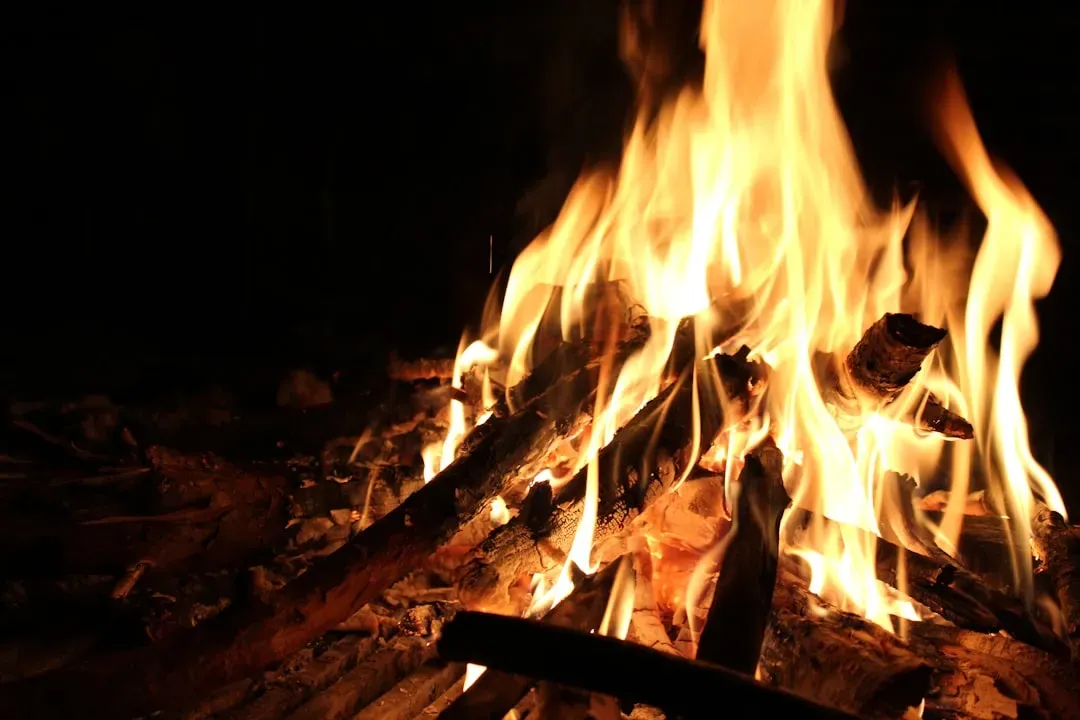
As humans became more confident with fire, they stopped just reacting to the environment and started actively rewriting it. Controlled burning could flush game from hiding, clear pathways through dense vegetation, and encourage the growth of certain plants that thrive after low-intensity fires. In some regions, early people likely used fire to create mosaic landscapes – patches of open ground, fresh regrowth, and older forest – that attracted different animals at different times.
Fire also transformed tools and weapons. Heating certain types of stone before knapping them makes them easier to shape and more predictable when struck, while fire-hardening wooden spear tips increases their durability. These are not wild, accidental effects; they require observation, experimentation, and shared technical knowledge. With each new trick, fire became less a dangerous outsider and more an integrated partner in human technology, a kind of invisible co-inventor that expanded what was possible in hunting, building, and crafting.
New Dangers, New Rules: How Fire Forced Early Humans to Cooperate
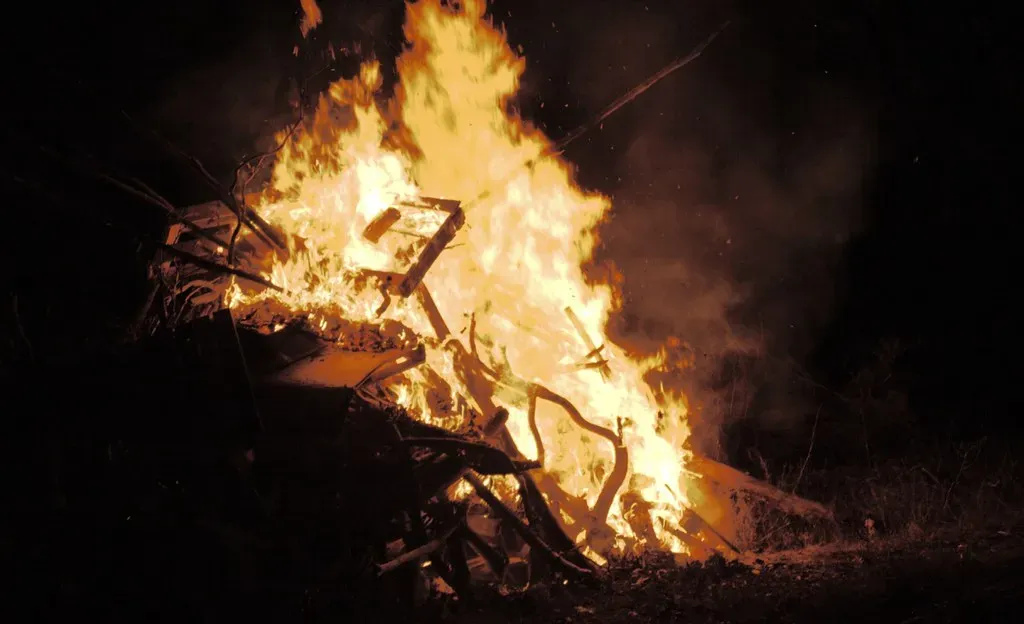
For all its benefits, fire also came with serious risks that could not be ignored. Uncontrolled burns could destroy shelters, scare away prey, or even kill group members, turning a precious resource into a disaster within minutes. This meant that any group that wanted to keep using fire had to develop shared norms and unspoken rules – where to build a hearth, how to dispose of embers, who adds fuel, and when flames should be allowed to die down.
In this way, fire almost demanded social organization. You cannot maintain a flame if everyone acts purely on impulse; someone has to watch it, others must gather fuel, and children need to be taught what not to touch. Over time, this likely encouraged more stable roles and responsibilities within groups. It also turned fire into a marker of identity and territory: a hearth was not just a practical feature, but a sign that “this space is ours” and that a particular group had mastered a skill that set them apart from animals and from less experienced neighboring bands.
From Hearth to Planet: How Fire Set Humanity on a One-Way Path
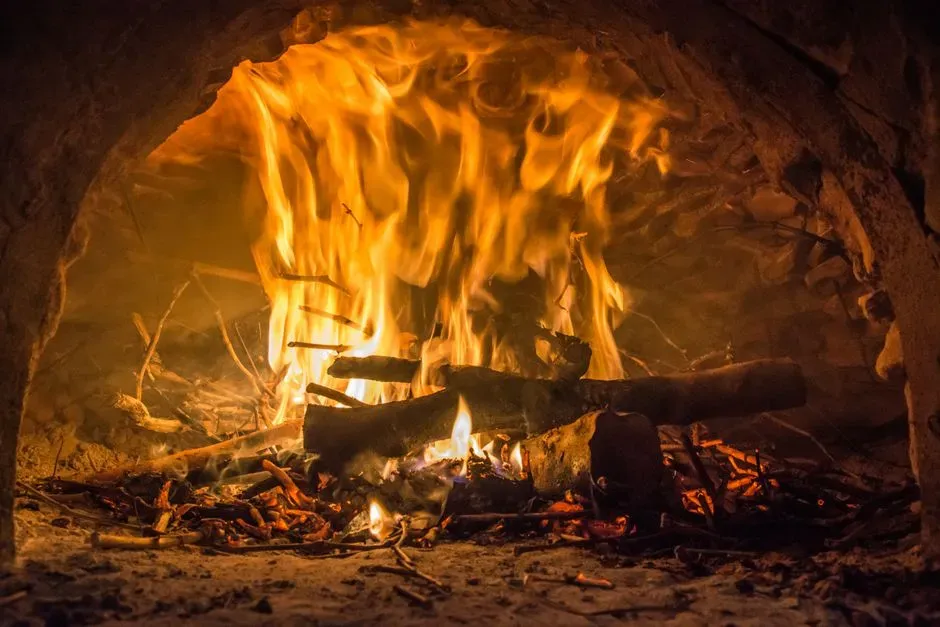
Once humans learned to control fire, there was no real going back. The same basic skills that let our ancestors tend a small campfire eventually underpinned charcoal production, kilns for pottery and metalworking, and later furnaces and engines. In a very long arc, that first trembling success at keeping a coal alive in damp weather leads straight to the industrial chimneys and power plants that define so much of the modern world.
That trajectory comes with a hard truth: fire lifted us, but it also locked us into a risky relationship with combustion. My personal view is that mastering fire was the best and worst thing we ever did at the same time. It gave us warmth, cooked meals, art, night-time stories, and the ability to shape landscapes and materials – but it also set us on a path toward environmental damage and dependence on burning fuels. When you trace the line from a prehistoric hearth to today’s climate challenges, the story of fire stops being just a triumph and becomes a warning as well. The question now is whether we are finally wise enough to keep the metaphorical flame without burning down our only home – would you have guessed that humanity’s greatest superpower started with someone nervously feeding a stick into a wild, borrowed blaze?