
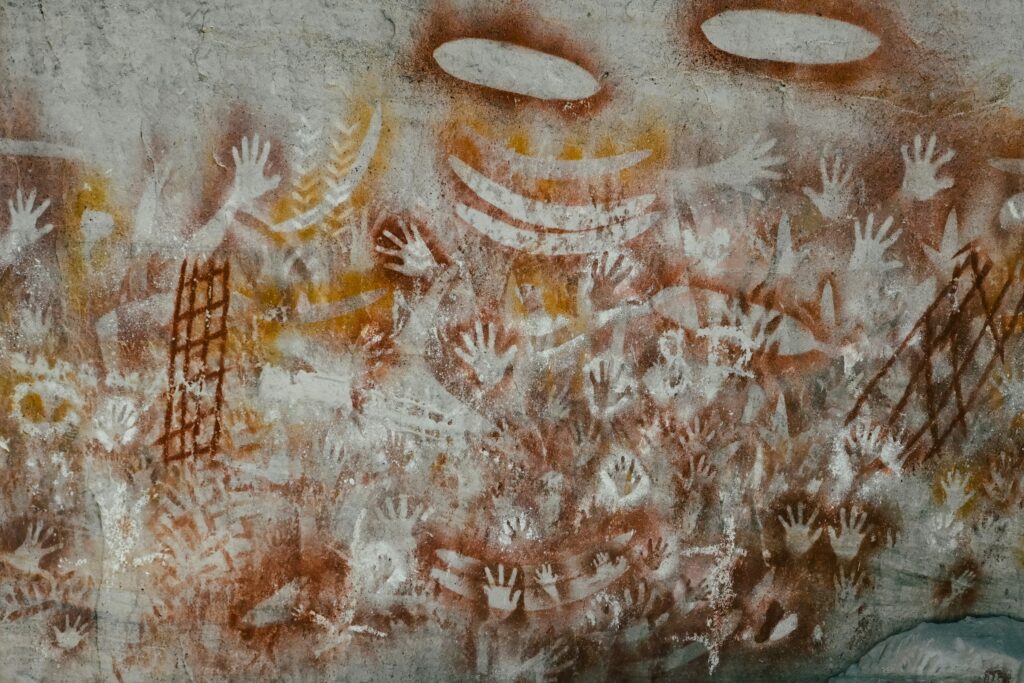
For a long time, the stereotype of prehistoric people was painfully simple: rough, survival-obsessed, and mostly concerned with not getting eaten. Art, in that old story, was a rare luxury or a clumsy warm‑up act before “real” civilization finally arrived. But the closer scientists look at Ice Age caves, ancient tools, and forgotten graves, the more that old image falls apart.
What is emerging instead is a deeply unsettling and inspiring idea: people living tens of thousands of years ago were not just capable of art, they were obsessed with it. They planned it, argued with it, perfected it, and even used it to think about time, identity, and the invisible world. Once you see what they left behind, it becomes very hard to keep pretending that creativity is a modern invention.
Cave walls as ancient galleries, not random doodles
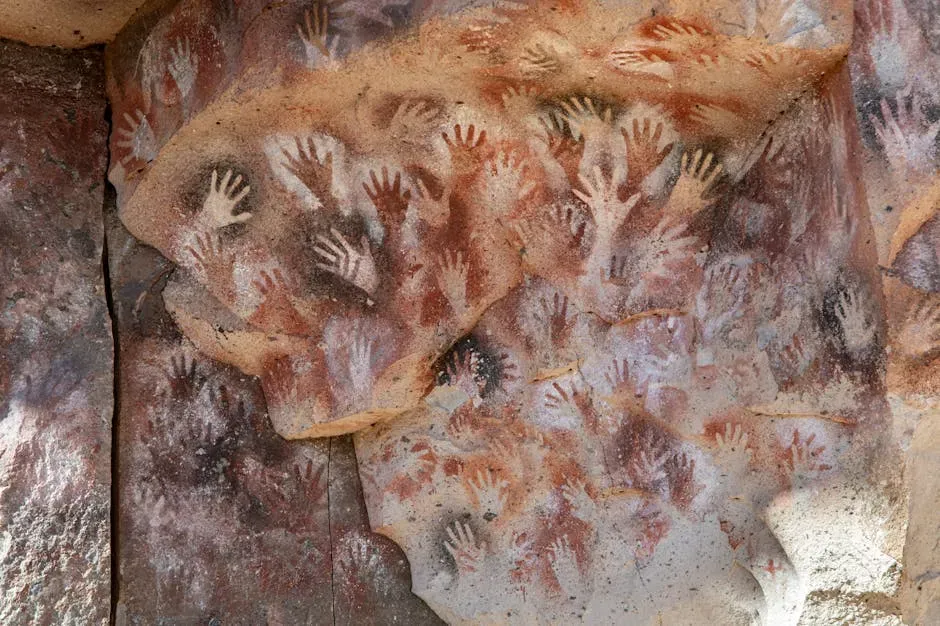
Stand in a Paleolithic cave (even a virtual reconstruction) and you do not feel like you are in front of random scribbles; it feels more like stepping into a carefully curated gallery. The positioning of animals, the way bodies overlap, and the use of natural rock bulges to suggest movement all point to deliberate composition. These were not people absentmindedly scratching lines while waiting for dinner; they were arranging scenes with real visual intelligence.
Many caves show evidence that artists came back again and again, sometimes over thousands of years, adding new images, reworking old ones, and even respecting earlier compositions as if they were sacred. That kind of continuity suggests shared traditions, maybe even unspoken rules about where you were allowed to paint and what belonged together. It is hard not to see the echoes of a modern gallery wall, where new exhibitions still carefully respond to old masterpieces.
Shading, perspective, and motion: skills we thought were “modern”
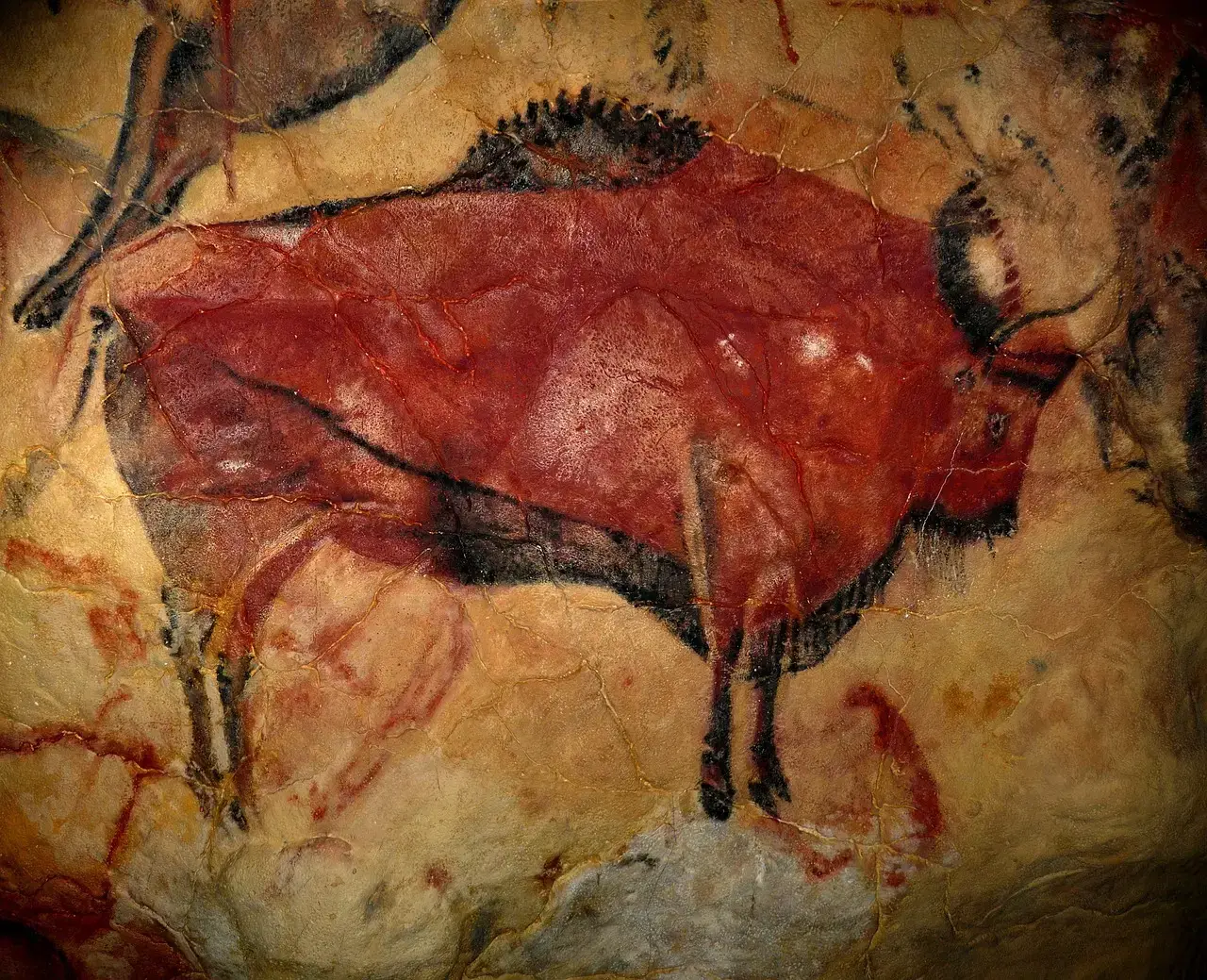
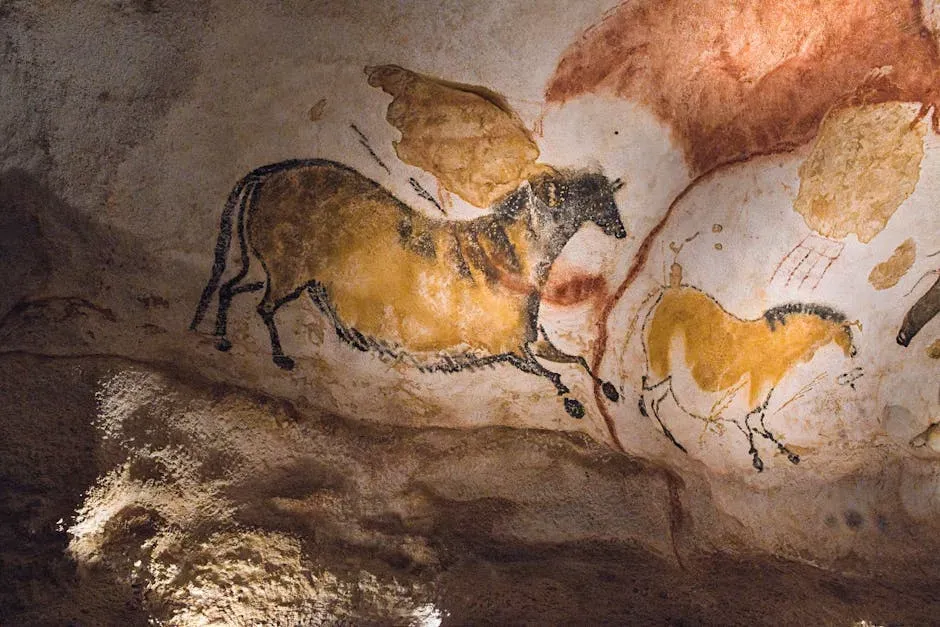
If you look closely at Ice Age animal paintings, you start to notice tricks that any art teacher would recognize as advanced. Some bison and horses are shown with careful shading to suggest volume, their bodies fuller where the pigment is denser, their limbs fading into the rock. Artists often used the uneven surface of cave walls to make bellies swell or heads protrude, turning rock formations into 3D features of the animal itself.
There are even clever experiments with movement and sequence: multiple legs on the same animal, for instance, may be attempts to show running, a kind of proto-animation. Early humans were not simply recording “a bison” or “a horse”; they were thinking hard about how to show what a body does through time. Those choices feel a lot less like basic survival notes and a lot more like visual problem‑solving on the level of a modern illustrator or animator.
Portable art: jewelry, figurines, and personal style
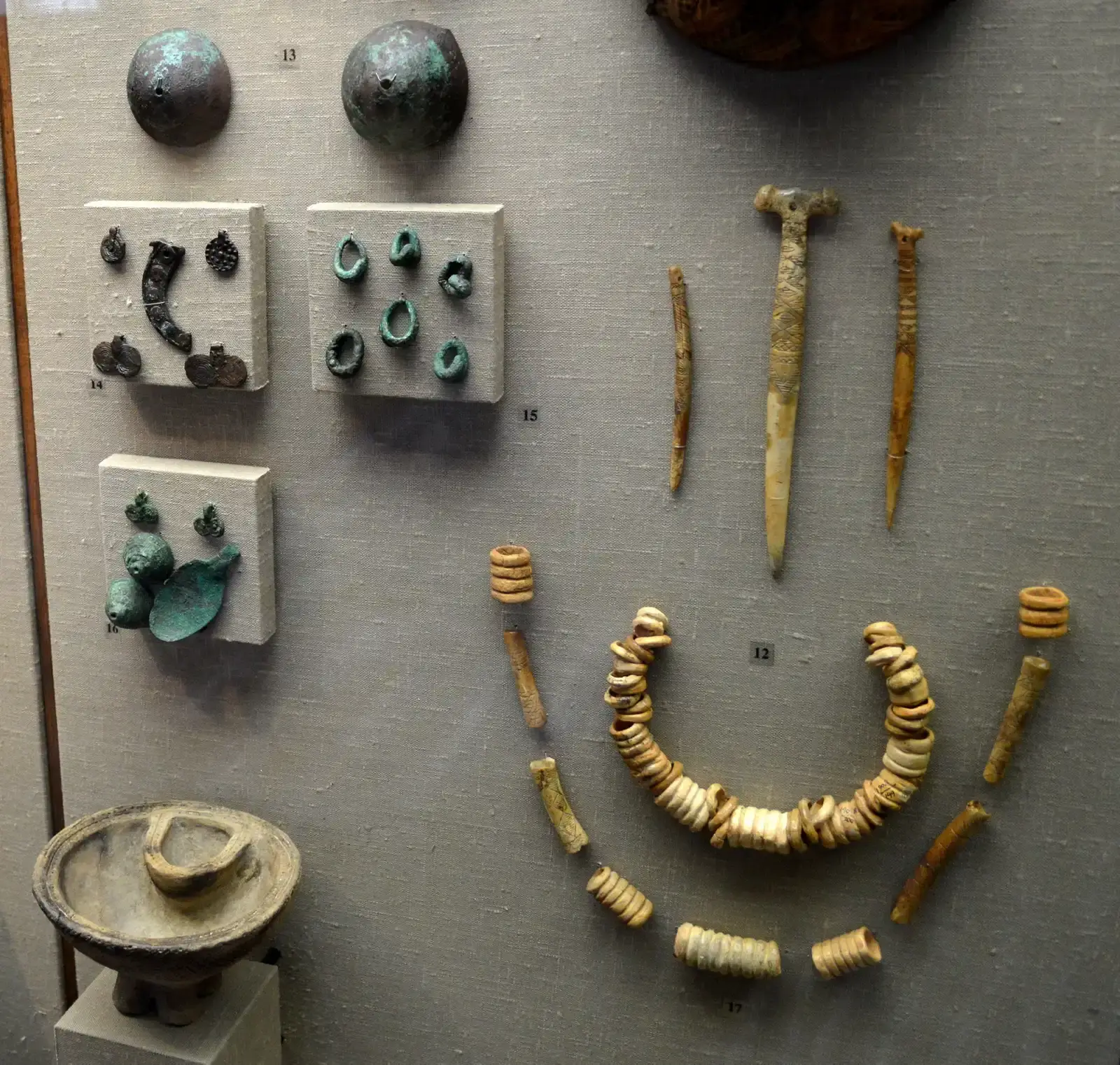
Art did not stay on the cave wall. Archaeologists have uncovered carved figurines, carefully shaped animal and human forms, and intricate beads and pendants made from teeth, shells, bone, and stone. Making these objects took time, patience, and a level of precision that you do not waste on something you do not care about. To me, that screams personal meaning, status, or identity rather than idle decoration.
What is even more striking is that these objects sometimes travel far from the source of their raw materials, suggesting that people valued them enough to carry or trade them over long distances. If you have ever worn a necklace that meant more to you than the material it was made from, you already understand this impulse. Prehistoric people, in their own way, were doing the same thing: using objects to say who they were, what mattered, and how they wanted to be seen.
Symbols, signs, and the birth of abstract thinking
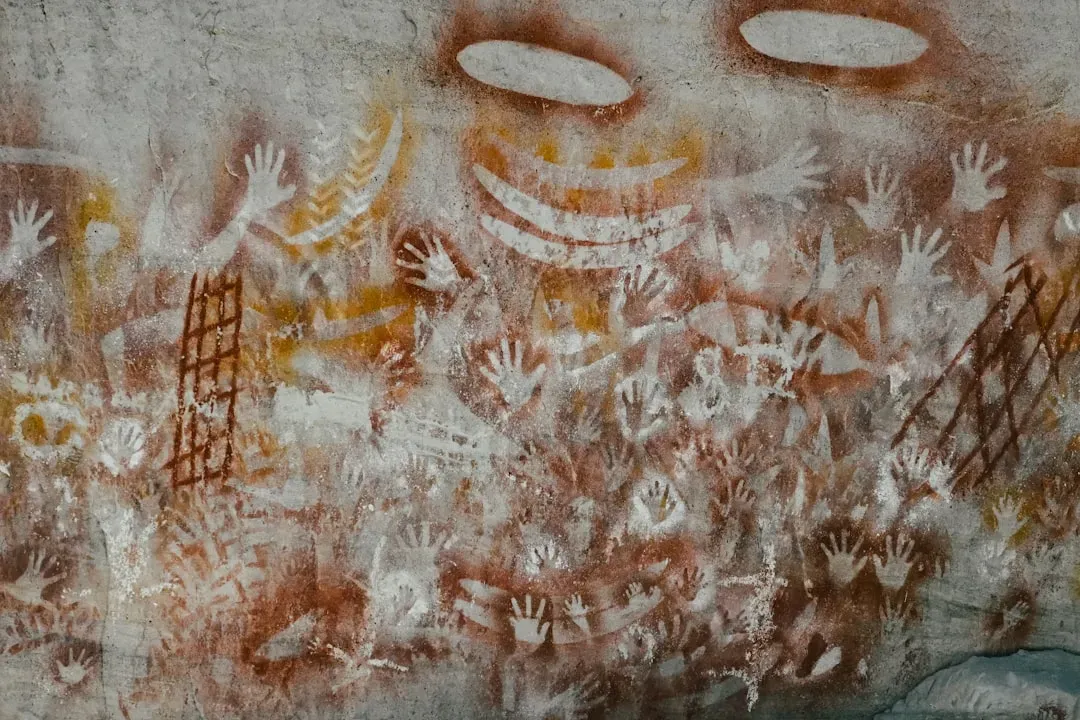
Alongside lifelike animals, cave walls are covered with mysterious signs: dots, lines, ladders, hand stencils, and repeating geometric shapes. These marks are not obviously pictures of anything in the real world, which suggests they are symbols, part of a shared visual language that probably meant something specific to the people who made them. That is a huge deal, because symbolic systems blur the boundary between “art” and “writing‑in‑progress.”
Some researchers have noticed patterns in how and where these symbols appear, hinting that they might have been used to keep track of seasons, herds, or important events. Even when the interpretations are cautious, the core fact is clear: prehistoric artists were not only painting what they saw, they were encoding ideas that went beyond immediate experience. That taste for abstraction, for turning thoughts into marks, sits at the root of everything from emojis to algebra.
Body art, performance, and art you cannot hang on a wall
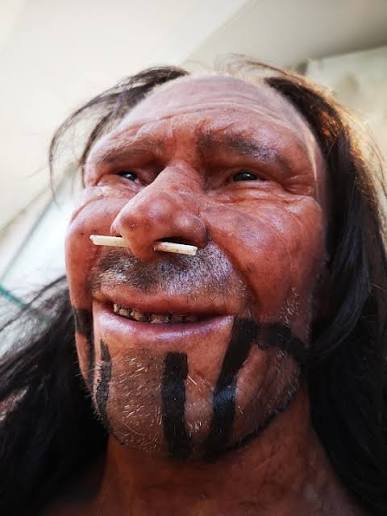
We tend to privilege art that survives: stone, bone, pigment on rock. But there are strong clues that prehistoric creativity showed up on skin, hair, and clothing too. Pigments like ochre were often ground and mixed in ways that make sense for body painting, and some burials preserve hints of dyed textiles or beads sewn into garments. It is not hard to imagine gatherings where bodies themselves became living canvases, shifting and glowing by firelight.
Think about what that means for the kind of art we can never fully see today: songs, dances, rituals that combined movement, color, and sound in powerful ways. A cave painting might be just the backdrop to an entire performance tradition, much like a stage set for a play we will never fully reconstruct. The more you imagine that layered experience, the harder it is to maintain the idea that these communities lacked sophistication or a rich artistic life.
Graves as emotional masterpieces
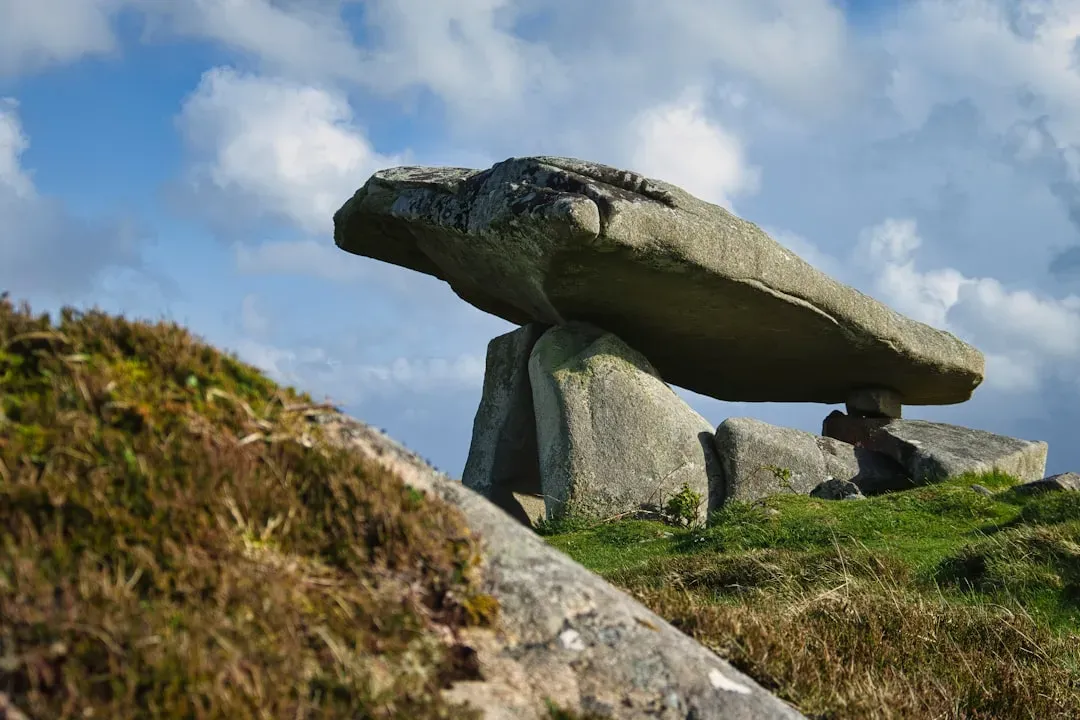
Some of the most moving evidence of prehistoric artistry comes from graves. Bodies have been found laid to rest with careful arrangements of beads, pigments, tools, and ornaments, as if the mourners were composing a final portrait in objects. The choice to cover someone with vivid red ochre, or to surround a child with hundreds of painstakingly shaped beads, is as much an artistic decision as anything on a cave wall.
These burials show something we often underestimate in “primitive” people: a willingness to invest enormous time and effort into beauty and symbolism for a moment that offers no material payoff. That is art at its most human, where grief and creativity blur. When I read about these graves, I do not see cold, calculated survival strategists; I see communities that loved deeply enough to turn farewell into a kind of sculpture.
Shared styles and networks of creativity
Another underappreciated clue to prehistoric artistic sophistication is style itself. Certain ways of drawing animals, shaping figurines, or arranging patterns of dots show up across wide regions, sometimes separated by hundreds of miles. That suggests not just isolated artists, but networks of people who shared ideas, copied each other, and maybe even debated what “looked right.” In other words, there was taste, trend, and tradition long before social media.
At the same time, local variations appear, like regional accents in the visual language. One group might favor certain animals or poses, while another leans into different motifs or color choices. This mix of shared conventions and local flair feels remarkably familiar, like recognizing the difference between street art in two different cities today. Creativity has always traveled, always morphed, and prehistoric artists were clearly part of that same restless, experimental current.
Rethinking what “advanced” really means
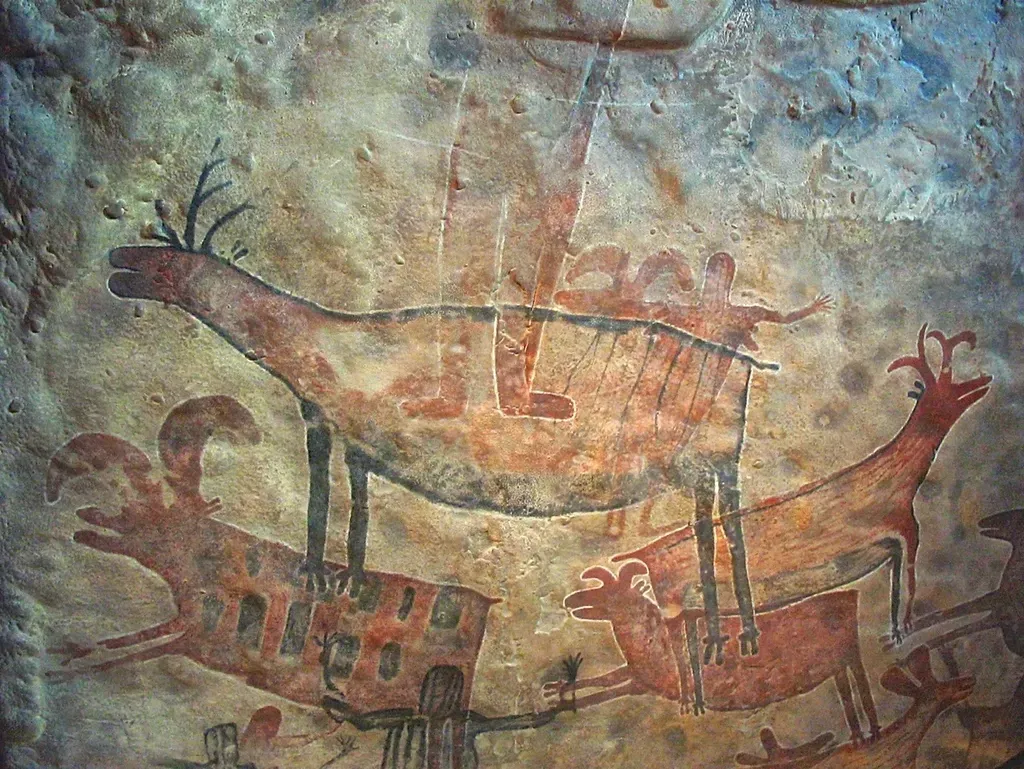
When you put all this together – the complex cave compositions, the technical skill, the symbolic systems, the jewelry, the body art, the emotional burials, and the shared styles – it becomes hard not to reach a blunt conclusion: prehistoric humans were far more artistic, intentional, and aesthetically driven than earlier generations of scholars were willing to admit. They were not waiting around for civilization to hand them permission to create; they were already using art to process fear, joy, identity, and the mystery of being alive.
In my view, the real surprise is not how advanced their art was, but how stubbornly we clung to the idea that they were simple in the first place. That bias says more about us than about them. Maybe the honest takeaway is this: the human brain has been aching to make art for a very long time, and our ancestors were already running with that impulse in ways we are only beginning to understand. The next time you walk past a gallery or scroll through digital fan art, it might be worth remembering that you are looking at a very old habit, one that started in the flicker of firelight on stone and never really stopped. Who knew the so‑called cave people were carrying more of our creative DNA than most of us ever gave them credit for?