
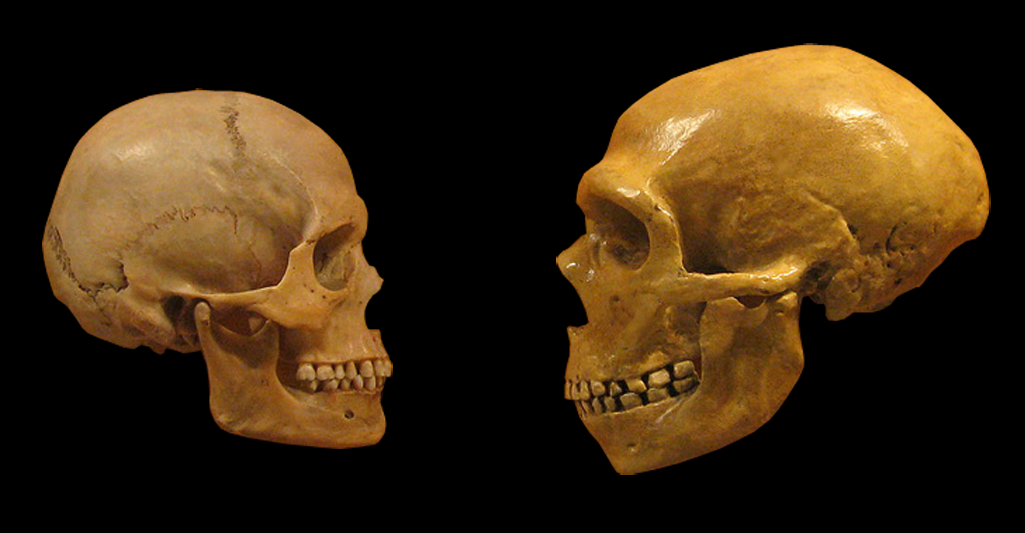
For a long time, Neanderthals were treated like the punchline of human evolution: shaggy cavemen, grunting in the shadows before we clever modern humans showed up. Then our ability to read ancient DNA exploded, and suddenly that story fell apart. The more we sequenced, the more it looked like we had wildly underestimated these relatives of ours.
What geneticists have uncovered in the last couple of decades has flipped the script from “primitive dead end” to “intimate branch of our own family tree, still living inside our genomes.” Neanderthals are no longer just fossils in a museum case; they are literally part of our biology, our health, and our story. Once you see what the DNA actually shows, you can’t go back to the old stereotypes – and honestly, it makes our own species look a lot more complicated.
Neanderthals Are Not “Them” – They Are Literally Part of Us
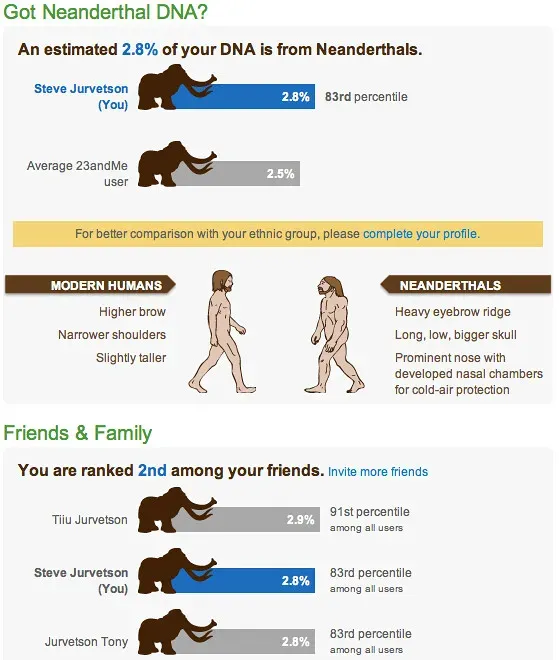
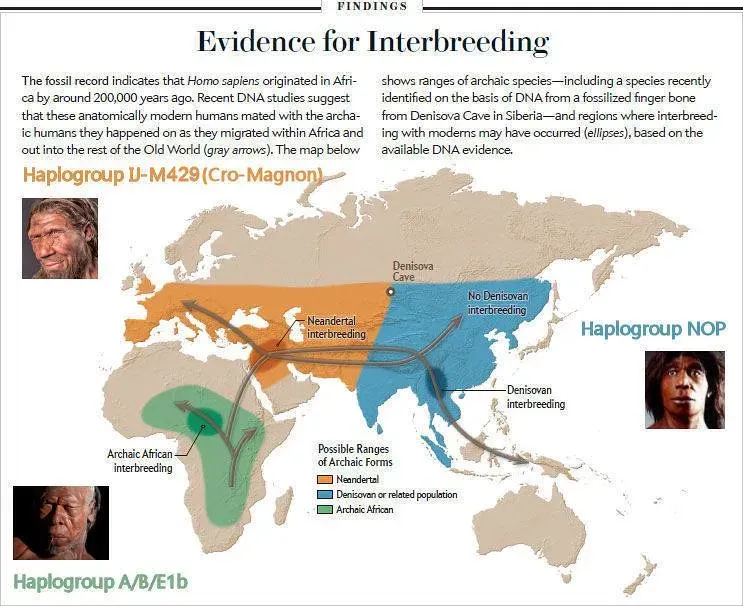
One of the most shocking revelations from DNA analysis is brutally simple: many modern humans carry Neanderthal genes. If you have ancestry from Europe, Asia, or parts of the Americas, a small but real slice of your DNA likely comes from Neanderthals. That means our species did not completely replace them; we met them, lived alongside them, and had children together often enough that traces of those encounters are still detectable tens of thousands of years later.
This completely destroyed the old, clean story of a single modern human wave sweeping across the world and replacing every other hominin. Instead, humans look more like a braided river than a straight line, with different branches meeting, separating, and mixing again. I remember the first time I learned this and thought: at some point in the distant past, a Neanderthal was simply someone’s partner, someone’s parent, someone’s neighbor. That small mental shift – from aliens to relatives – changes everything about how we talk about “us” and “them.”
Neanderthal DNA Still Shapes Our Bodies and Health Today
Neanderthal DNA is not just some dusty genetic signature that scientists obsess over; some of it is quietly steering your health right now. Certain stretches of Neanderthal ancestry in living people are linked with how our immune system responds to infections, how our skin reacts to sunlight, and even how we process fats and sugars. In some cases, those ancient genes may have helped our ancestors survive new environments; in other cases, they seem to increase risks for modern conditions that never existed in the Ice Age.
Researchers have connected some Neanderthal-derived variants to things like skin tone, hair texture, sleep patterns, and susceptibility to allergies or autoimmune diseases. It is a bit like discovering that a distant relative left you a strange inheritance: some parts are helpful, some are annoying, and some only matter under certain circumstances. When people talk casually about Neanderthals as if they were a totally separate “other,” they miss the uncomfortable truth – our own health is partly built on their legacy.
They Were Smart, Skilled, and Far from the Stereotypical Brutes
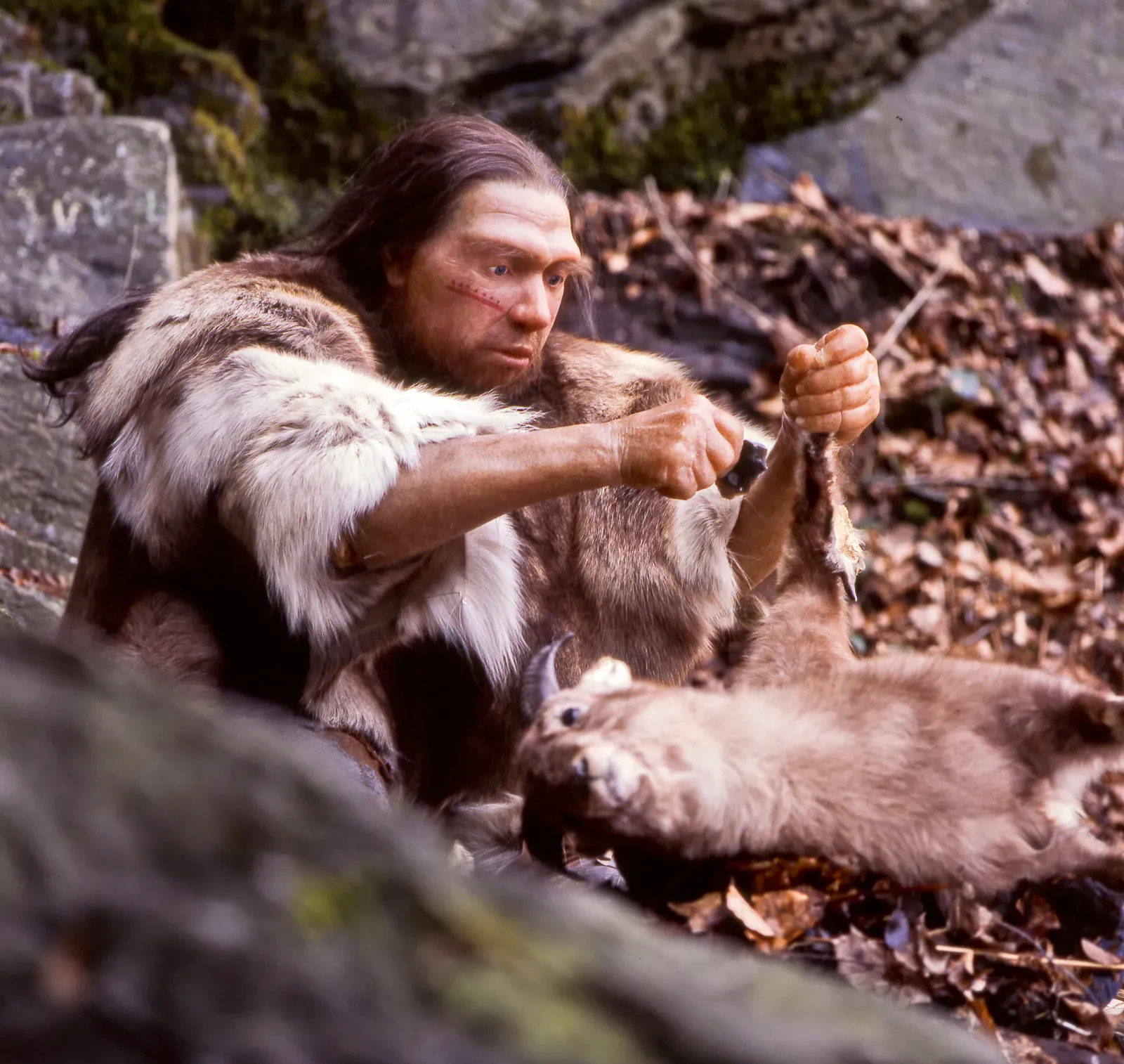
DNA analysis did something subtle but powerful: it confirmed that Neanderthals and modern humans shared a very recent common ancestor, which pushed researchers to look harder at what Neanderthals could actually do. The deeper scientists dug into both genetics and archaeology, the more sophisticated Neanderthals started to look. Evidence of controlled fire, complex stone tools, the use of adhesives, and careful butchering of animals all paint a picture of a species that could plan, learn, and teach.
Their brains were at least as large as ours on average, just arranged a bit differently. Genetic work on genes related to brain development, language, and cognition shows broad overlap with modern humans, not some glaring gap you might expect if they were truly “less evolved.” The old cartoon image of a Neanderthal dragging a club around is not just wrong; it says more about our arrogance than their abilities. In a harsh Ice Age environment, surviving for hundreds of thousands of years without agriculture or modern tools required serious intelligence and cultural knowledge.
Neanderthals May Have Had Language and Culture Closer to Ours Than We Like to Admit
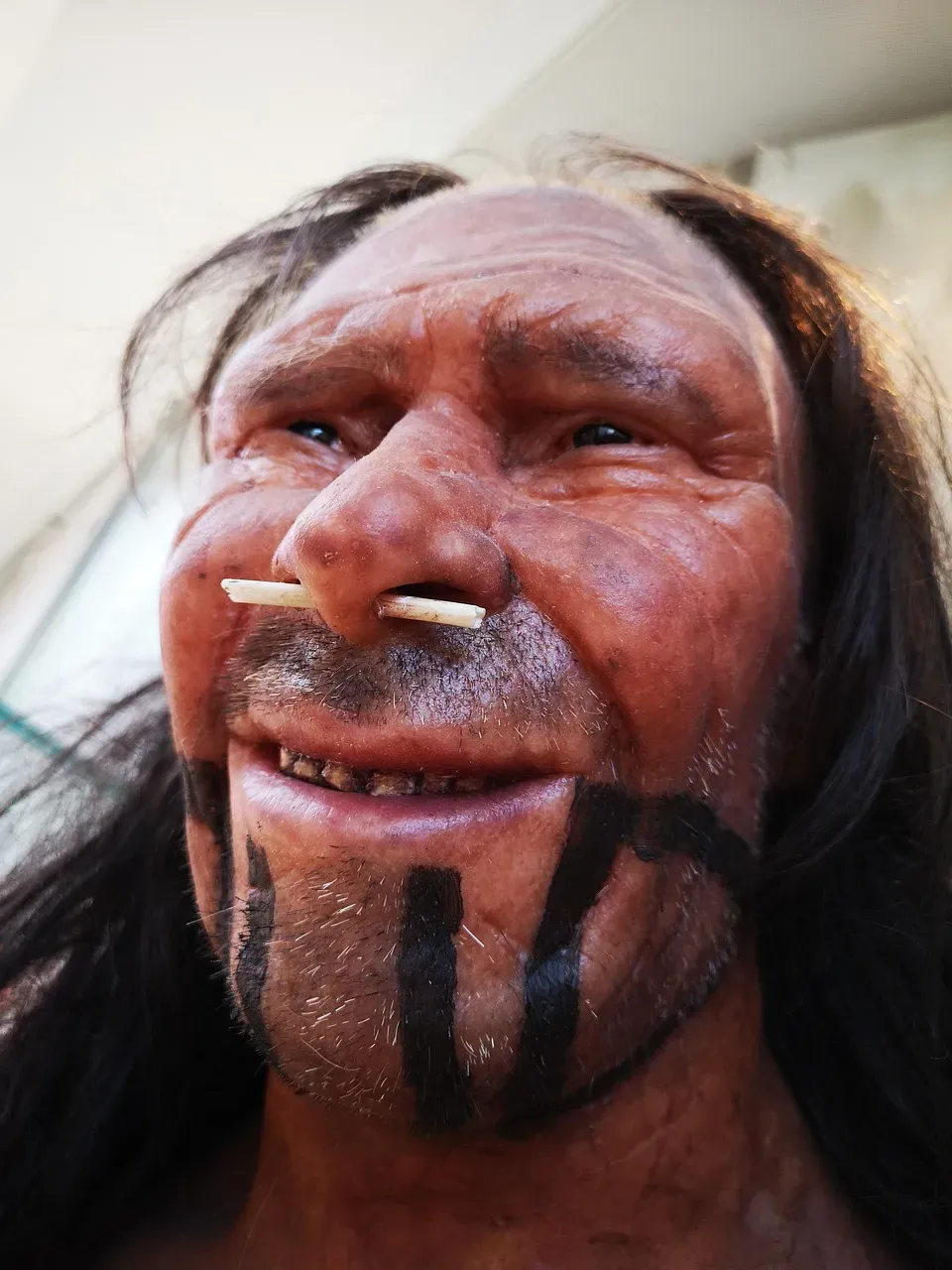
DNA alone cannot record a spoken sentence, but it can tell us what was biologically possible. Genes linked to speech and language, like those involved in the development of vocal structures and neural circuits, do not show a clean, dramatic split between Neanderthals and us. Combined with fossil evidence for a vocal tract capable of producing a range of sounds, the genetic data supports the idea that Neanderthals could communicate in ways far richer than a series of grunts.
On top of that, archaeological finds – pigments, carved objects, possible personal ornaments, and burial practices – are now interpreted differently in light of the genetic closeness. When you know these were not an alien species but close cousins who could interbreed with us, it becomes harder to dismiss their behaviors as meaningless. Personally, I find it more plausible that they had traditions, stories, and shared knowledge than that they were wordless automatons. The more their DNA looks like ours, the less comfortable it is to draw a sharp cultural boundary.
Interbreeding Wasn’t a Rare Fluke; It Was a Repeated Part of Our History
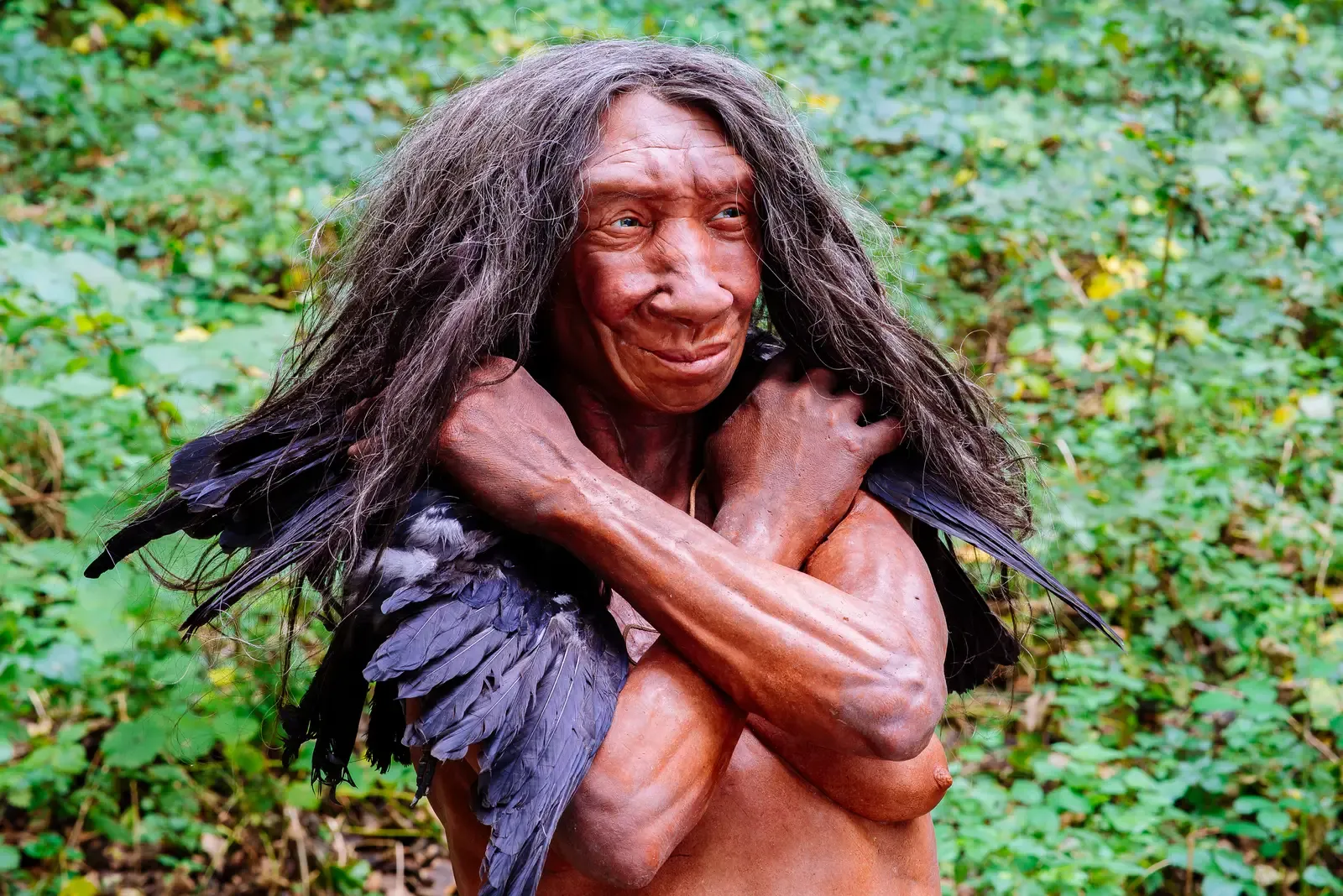
When the first hints of Neanderthal ancestry in modern genomes appeared, some people assumed it might be a tiny one-off event. As more ancient DNA from different times and places has been sequenced, a different pattern has emerged: contact between Neanderthals and modern humans happened multiple times and likely in multiple regions. There were waves of encounters, not a single brief episode that barely mattered.
This changes the tone of the conversation from a sensational “humans and Neanderthals had sex” headline to a more realistic picture of long-term coexistence and interaction. For many generations, in some regions, Neanderthals and modern humans were simply part of each other’s human landscape, meeting at rivers, following the same herds, and sometimes joining families. It makes the past feel much less like a clean takeover and more like a messy, human story full of alliances, rivalries, and relationships we will never fully reconstruct.
One fascinating twist is that the amount and kind of Neanderthal DNA in different modern populations is not identical. People with primarily African ancestry tend to have much less Neanderthal ancestry, while many groups with ancestry outside Africa carry more. That pattern lines up with migrations out of Africa and into regions where Neanderthals had lived for hundreds of thousands of years. It is as if the landscape itself was already genetically occupied, and incoming humans ended up merging with that legacy rather than wiping it clean.
Some Neanderthal Genes Helped Us Thrive – Others Became a Modern Liability
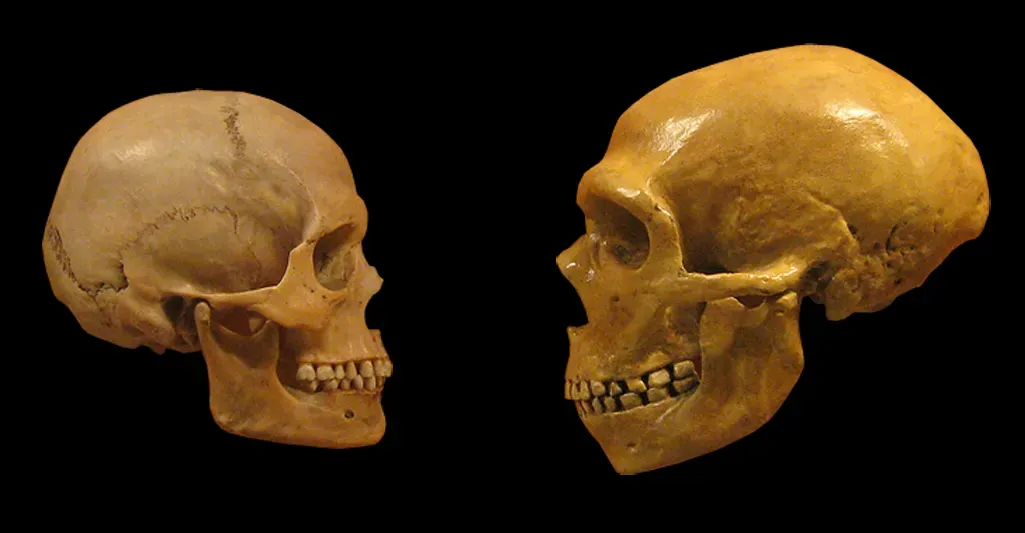
Natural selection did not treat all Neanderthal DNA equally once it entered modern human populations. Some Neanderthal-derived segments appear to have been favored, especially those tied to immunity and adaptation to cold or to new pathogens. If you picture early modern humans stepping into Eurasia, where Neanderthals had already adapted to local climates and diseases, it makes sense that borrowing some of their genetic solutions would have been a shortcut to survival.
On the flip side, other Neanderthal variants seem to have been slowly weeded out, especially in parts of the genome involved in reproduction, brain development, or where incompatibilities likely caused problems. Some pieces linger on and now show correlations with anxiety, depression, addiction risk, autoimmune conditions, or even how our bodies respond to viruses. The cruel irony is that genes that once might have had advantages in cold, harsh environments can become liabilities in modern life with indoor heating, processed food, and twenty-four-seven stress. Our Neanderthal inheritance is a reminder that evolution is not about perfection; it is about trade-offs that only make sense in a specific time and place.
Ancient DNA Turned Neanderthals from Static Fossils into Dynamic Individuals
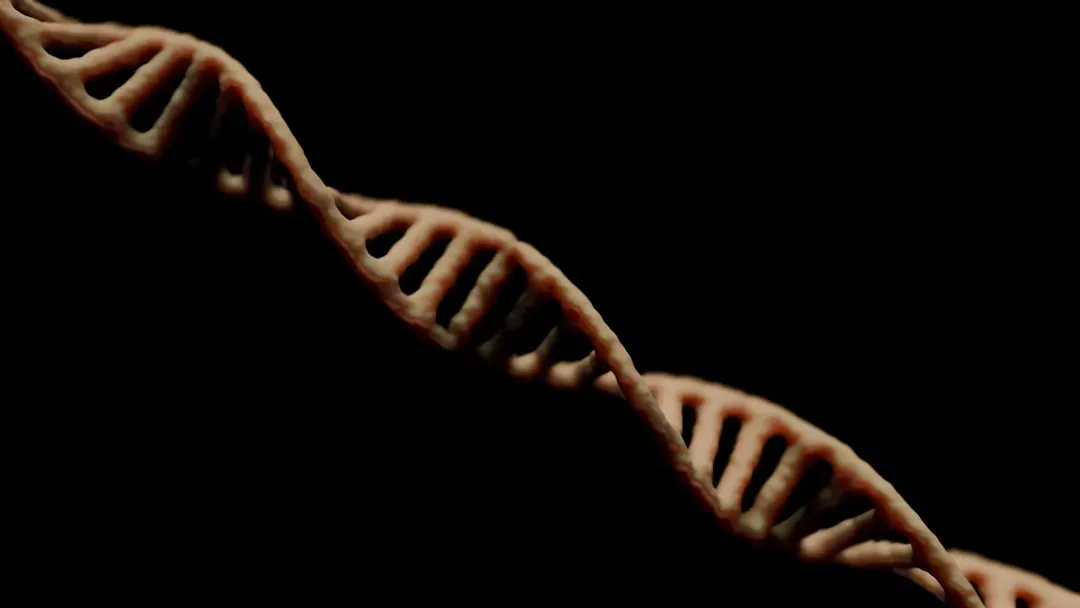
Before ancient DNA, Neanderthals were mostly skulls and bones in museums and black-and-white drawings in old textbooks. Sequencing their genomes turned those bones into individuals with family relationships, migrations, and even hints of personal histories. Scientists have identified Neanderthal parents and children buried in the same areas, reconstructed population bottlenecks, and traced how small and isolated some Neanderthal groups became near the end of their existence.
There is something strangely intimate about reading that a specific Neanderthal woman had parents who were closely related, or that another lived in a group with very limited genetic diversity. It turns evolution from a dry diagram into a story of small bands of people trying to survive in rough conditions, sometimes cut off from others. For me, that shift – from anonymous “type specimens” to communities of real, vulnerable individuals – is one of the most powerful legacies of DNA analysis. It forces us to admit that Neanderthals were not background characters; they were protagonists in their own right.
Conclusion: Neanderthals Force Us to Rethink What It Means to Be Human
When you put all the DNA evidence together, the most radical change is not about Neanderthals at all; it is about us. We used to comfort ourselves with a tidy story in which Homo sapiens was clearly superior, clearly separate, and inevitably destined to win. Ancient DNA has shredded that narrative. Instead, we see a world where humans were many, closely related, and often intertwined, where survival was not guaranteed and “modern” was just one variation among several.
My opinion is that clinging to the old caricature of Neanderthals says more about our insecurity than about the science. The genetic data tells us they were intelligent, adaptable, and close enough to us to form families together, and yet they still vanished as a distinct population. That should humble us, not flatter us. If a robust, cold-adapted, tool-making hominin that thrived for hundreds of millennia can disappear, our own permanence looks a lot less certain. Maybe the real question is not what made us better than Neanderthals, but whether we are any wiser at using the power we inherited from a shared, fragile past – what do you think our ancient cousins would say if they could see what their distant descendants have done with the world?