
Music can freeze you in your tracks. One note changes, a voice suddenly soars, a harmony lands just right, and your skin erupts in goosebumps. It feels strangely intimate, almost like someone just whispered something meaningful directly to you, even if you are alone with your headphones on. That moment of chills is not random or mystical; it is your ancient brain, honed over millions of years of social living, lighting up as if something surprisingly good just happened between you and another human. When I first read that the brain treats certain musical twists a lot like unexpected kindness or approval from other people, it instantly clicked with my own experiences. That drop in a song that makes you feel understood, that choir that lifts you right when you need it most, feels less like a sound and more like a social event happening inside your head. The fascinating part is that evolutionary science suggests this is exactly what is going on: your brain is hijacking systems built for social survival and using them to turn sound into deeply emotional meaning.
Why chills from music feel so strangely personal
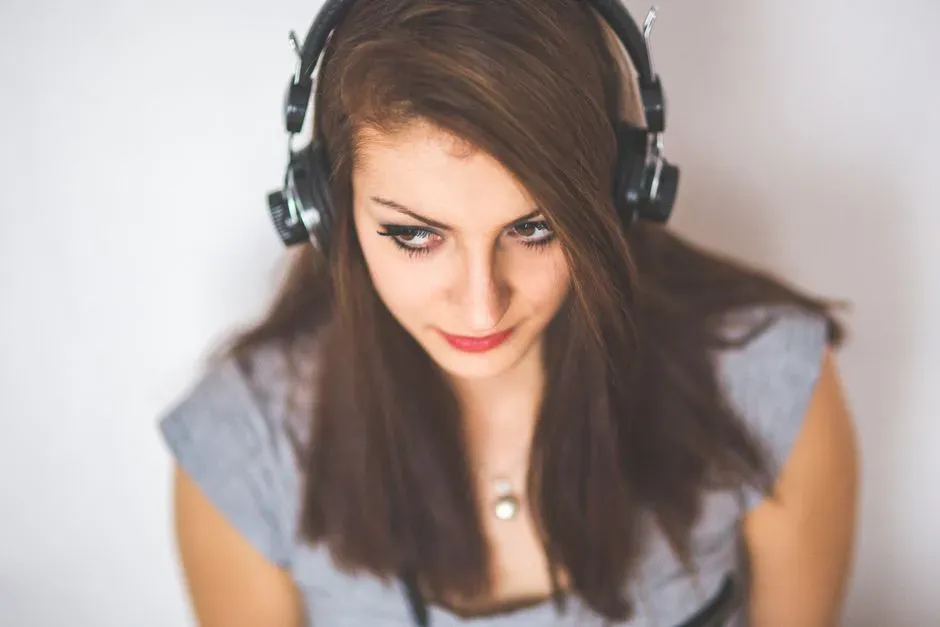
Think about the last time a song gave you chills: it probably was not just background noise. Maybe the lyrics echoed something you were going through, or a melody hit you right at the moment you needed comfort or release. That bodily reaction can feel almost embarrassingly intimate, like a secret conversation that nobody else in the room knows is happening. The weird thing is that nothing “real” is happening around you – no one is hugging you, no one is praising you, nothing tangible is changing. From an evolutionary perspective, that privacy is an illusion. Under the skull, your brain is responding as if another person just did something surprising and emotionally rewarding – like offering unexpected support or showing you that you belong. The same reward circuits and emotional systems that evolved to keep track of social bonds, group safety, and status are firing in response to a sound pattern. Your chills, in that sense, are a glitchy but beautiful side effect of a social brain applying ancient rules to modern music.
The ancient social wiring behind our musical highs

Humans are extreme social animals; for most of our history, surviving meant reading other people constantly and accurately. Our ancestors evolved brain systems that were hypersensitive to social cues: shifts in tone of voice, sudden quiet, changes in group mood, and tiny facial expressions. Missing a warning in someone’s voice or a subtle sign of anger or care could literally make the difference between life and death. So our brains became very good at detecting unexpected but beneficial social signals – things like approval, acceptance, or shared emotion. Music, especially modern structured music, plugs directly into this system. When a singer slightly cracks their voice on a note, or a choir suddenly swells, your brain interprets these acoustic changes using tools built to decode human voices and emotional tones. A rising pitch might echo excitement, a gentle vibrato might hint at vulnerability, and a sudden dynamic shift can resemble a change in emotional intensity in a conversation. Over time, as we built more complex musical traditions, we unintentionally shaped sound to tug at exactly those circuits that once just helped us survive other humans.
Surprise plus reward: the brain’s recipe for musical chills

One of the most consistent ingredients in the “chills” response is surprise. Songs that move you often build up expectations – a steady chord pattern, a familiar melody – and then break them in a way that feels unexpectedly right. That twist could be an unexpected harmony, a delayed drop, a sudden key change, or a note held longer than you thought it would be. Your brain had a prediction about what would happen next, and the song sidesteps it in a way that feels better than what you imagined. This is extremely similar to what happens with social rewards. If you expect someone to ignore you and they instead show you warmth, or you brace for criticism and get praise, your brain gets a strong reward signal. The mismatch between expectation and outcome makes the good feeling more intense. In neural terms, this is often tied to activity in reward pathways that respond to positive prediction errors – moments when reality turns out better than your brain’s forecast. In music, the “better than expected” twist in a sound pattern can trigger that same kind of rewarding jolt, which we experience in our bodies as tingles, goosebumps, or a sudden lift in the chest.
Why certain sounds mimic emotional voices

Human voices carry an enormous amount of emotional information, even without words. A trembling tone can signal sadness or fear, a sharp and sudden rise can show anger or urgency, and a warm, steady voice can feel safe and caring. Over millions of years, our brains got very fast and very efficient at mapping these acoustic features to emotional states. This ability let our ancestors quickly decide who to trust, who to comfort, and when to run. Our sensitivity to pitch shifts, timbre, vibrato, and timing is not an optional add-on; it is deeply baked into how we connect with others. Music, especially singing and expressive instruments like strings, often exaggerates or stylizes exactly those features. A haunting violin line can feel like a human cry stretched out and beautified. A soulful vocal run mimics the kind of unpredictability and nuance you hear when someone is on the edge of tears or laughter. When a song leans hard into these voice-like qualities, the brain’s social-emotional systems may treat them as emotionally loaded signals rather than just pleasant noise. That is one reason why some specific notes or performances feel like someone is not just performing for you, but actually revealing something to you.
From campfire rhythms to stadium anthems: how bonding shaped musical emotion

Long before recording studios and streaming apps, early humans were probably making rhythm and melody around fires, during rituals, and in tight groups. Coordinated sound – clapping, chanting, drumming, group singing – is a powerful way to synchronize bodies and minds. When people move, breathe, and vocalize together in time, they often feel closer, more aligned, and more trusting. This kind of shared rhythmic experience would have helped cement group identity and cooperation, which are huge advantages for a small, vulnerable species. Over generations, cultures leaned into this effect and developed musical structures that powerfully strengthen social bonds: call-and-response chants, lullabies, war songs, religious hymns, and celebratory dances. The chills you feel when a crowd sings the same chorus at a concert, or when a national anthem swells in a stadium, are not just about personal taste. They are your ancient wiring reacting to a signal that says, in effect, you are part of something bigger and safer than yourself. That same machinery, once used to hold bands of hunter-gatherers together, now fires when a stadium full of strangers belts out the same lines.
Why some people get chills and others rarely do
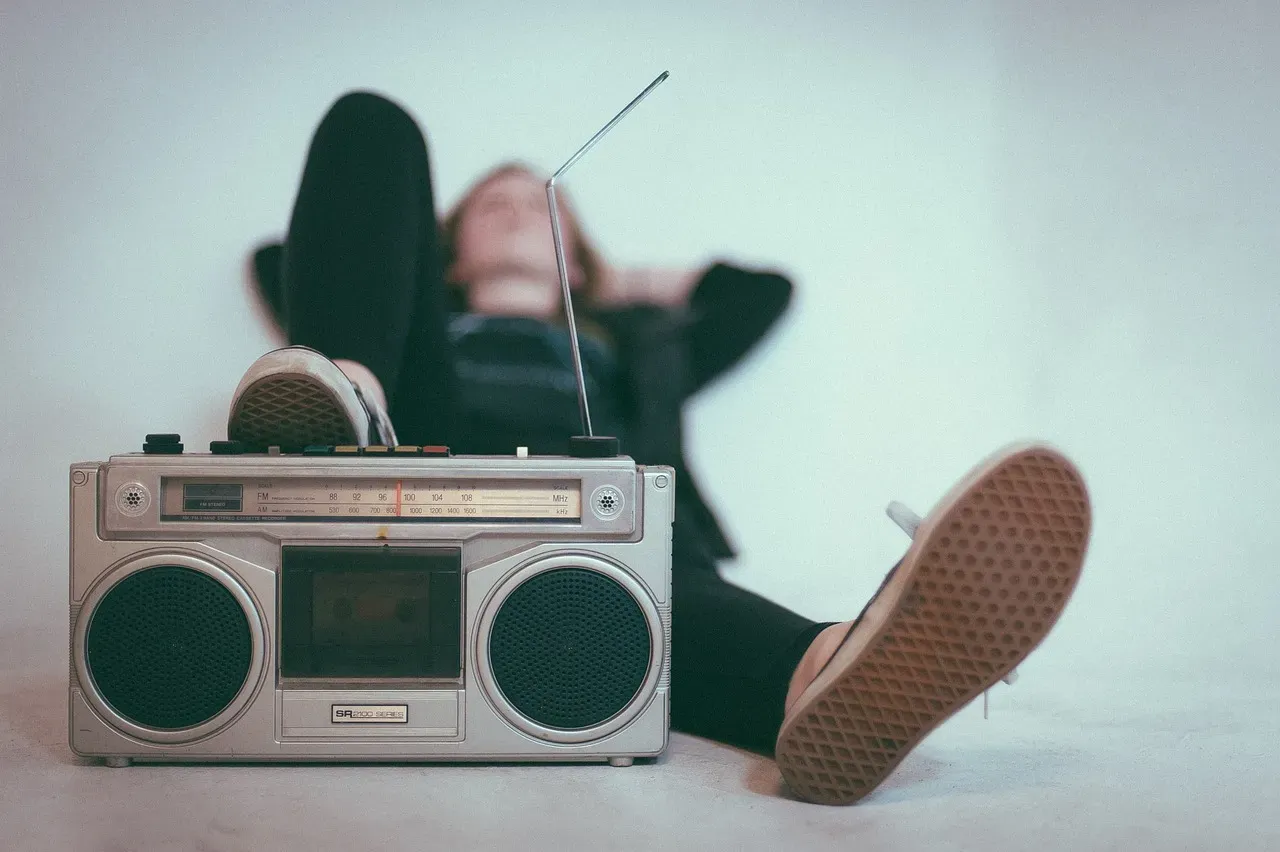
Not everyone gets chills from music, and the intensity of the response can vary wildly. Some people report shivers running down their spine several times a week from certain songs, while others rarely, if ever, feel anything that dramatic. One likely reason is that different people have slightly different sensitivities in the relevant brain systems – how strongly they respond to social cues, reward signals, and emotional surprises. Just as some are more easily moved to tears by movies or conversations, some may be more tuned in to the emotional content of sound. There is also a big role for personal history and context. A song tied to a powerful memory – a breakup, a funeral, a first dance, a difficult period you survived – can pick up extra emotional weight over time. When that track hits a certain note or lyric, your brain is not just processing sound; it is reactivating a story about who you are and what you have been through. If your life has trained you to treat music as a place for emotional processing, reflection, or connection with others, you might be more likely to experience chills, because your brain has learned to treat musical signals as deeply meaningful social events.
Modern playlists, ancient brains: how streaming hijacks social circuitry

Today, we listen to music alone a lot of the time – in cars, at the gym, through earbuds on a crowded subway. On the surface, that seems very different from early humans singing together in real groups, but the same ancient systems are firing. Streaming services and algorithms have quietly become expert at feeding us songs that mirror our moods or slightly shift them in rewarding ways. That perfect track that drops into your recommended playlist at just the right moment can feel uncannily personal, as if someone knew what you needed to hear and handed it to you. That sense of being seen, even by a machine, still rides on those old social circuits in the brain. When the chorus lands and sends chills down your spine, what you are really feeling is your nervous system recognizing a pattern that says: this is meaningful, this is unexpectedly good, lean in. In a weird way, our playlists have become little portable social environments, where melodies, harmonies, and beats stand in for human signals of reassurance, solidarity, and shared emotion. The fact that code and data can now reliably trigger an ancient, tribe-shaped response is both impressive and a little eerie.
So are musical chills a beautiful illusion – or a real kind of connection?

Putting all of this together, I lean toward a slightly provocative view: musical chills are not just a side effect of social wiring; they are a real, if abstract, form of connection. When a song gives you shivers, your brain is not wrong to treat it like a meaningful social event. It is picking up on patterns that, across countless generations, have been linked to safety, shared feeling, and positive surprise. The “someone” you feel connected to might be the artist, the imagined audience, your past self, or even an entire culture pressed into sound. That connection might be indirect, but it is not fake. At the same time, we should not romanticize it into something magical that sits outside biology. The chills are a bodily signal that ancient systems – built to decode voices, track group dynamics, and respond to surprising rewards – are being pushed in exactly the right way. To me, that makes it more special, not less. It means that when you feel that rush from a single note or chord, you are touching a thread that runs back through millions of years of humans listening to each other, caring about each other, and finding meaning in the smallest changes in sound. The next time a song gives you goosebumps, will you hear just music, or will you also hear your evolutionary history humming quietly underneath it?