Walk into any supermarket and you’re instantly swimming in categories: organic, gluten‑free, frozen, fresh, dairy, non‑dairy, plant‑based, premium. Your brain handles this chaos so smoothly you barely notice the invisible mental filing system at work. But that urge to sort and label might not just be a modern quirk; many anthropologists argue it was one of the secret weapons that set Homo sapiens apart from every other hominin that ever walked the earth.
Imagine two groups of early humans facing the same harsh landscape. One group vaguely remembers where “some tasty roots” might be. The other has names for specific plants, seasons, routes, tools and even roles within the group. Over thousands of years, that difference in mental structure and shared vocabulary could snowball into a massive survival edge. That is the claim buried in the headline, and once you start looking at the evidence, it is surprisingly hard to ignore.
The human obsession with putting things in mental boxes

Have you noticed how uncomfortable people get with things that do not fit neatly into a box – like a food that is not quite sweet and not quite savoury, or a person whose job does not sound like any job you grew up hearing about? That discomfort is a clue to something deep: humans are compulsive categorisers. From colours and kinship terms to animals, social roles and even feelings, every known human culture slices the world into named categories.
This is not just about language being convenient; it is about how our minds are wired. Cognitive scientists often describe categories as shortcuts that let us compress messy reality into usable chunks. Rather than remembering every single tree we have ever seen, we store a concept of “tree” and hang new experiences on that mental hook. Our ancestors who did this more efficiently could think faster, coordinate better and make decisions under pressure, while others were still mentally sorting through a blur of details.
Why naming things turned shared knowledge into a survival engine
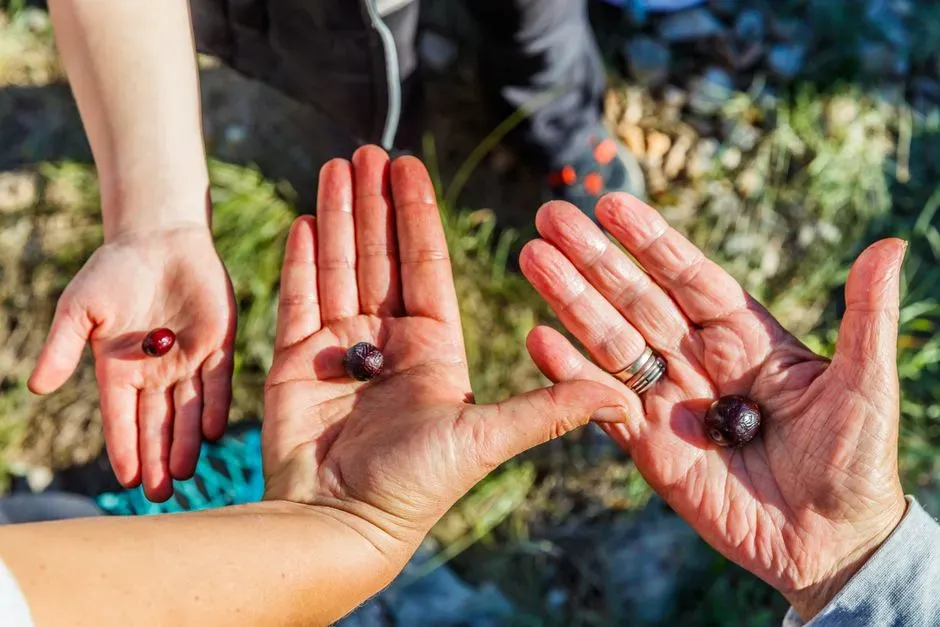
Picture a small band of foragers trying to explain where the best water source is. Without stable words or categories, the explanation is vague: “over there, near those rocks, past those thorny plants.” Now add names and categories: the water hole itself has a name, the thorny plants belong to a recognisable species, the direction is tied to a shared map of landmarks. Suddenly, knowledge becomes portable and precise – you can send a teenager who has never been there and expect them to find it.
Naming turns private experience into public, repeatable information. Once you can say “this mushroom kills” and “that mushroom heals,” you no longer need everybody to learn by trial and lethal error. Generation by generation, the stockpile of named facts grows. In a world with unforgiving climates, unpredictable predators and fierce competition from other hominins, the group that can accumulate, store and retrieve detailed, verbally tagged knowledge has a very real edge over the group that cannot.
From labels to long chains of thought: how language extended the mind

One of the most powerful ideas in anthropology and cognitive science is that language acts like an external hard drive for the brain. Categories and names let us line up thoughts in a chain, compare them, and pass them around. Instead of just reacting to what is in front of us, we can think about “tools in general,” “future seasons,” or “strangers we have never met.” That kind of abstract, time‑travel style thinking is where humans start to feel very different from every other hominin we know.
Once you can label concepts like “trustworthy ally,” “cheater,” “safe path,” or “dangerous season,” you can also talk about hypothetical scenarios and rules: who to trade with, when to migrate, which taboos to enforce, how to raise children. These are complex, layered decisions no individual could figure out from scratch each time. Categories and names became the scaffolding for traditions, norms and strategies – essentially, culture as a long, ongoing conversation that survives beyond individual lifespans.
Out‑competing other hominins: what the archaeological record hints at
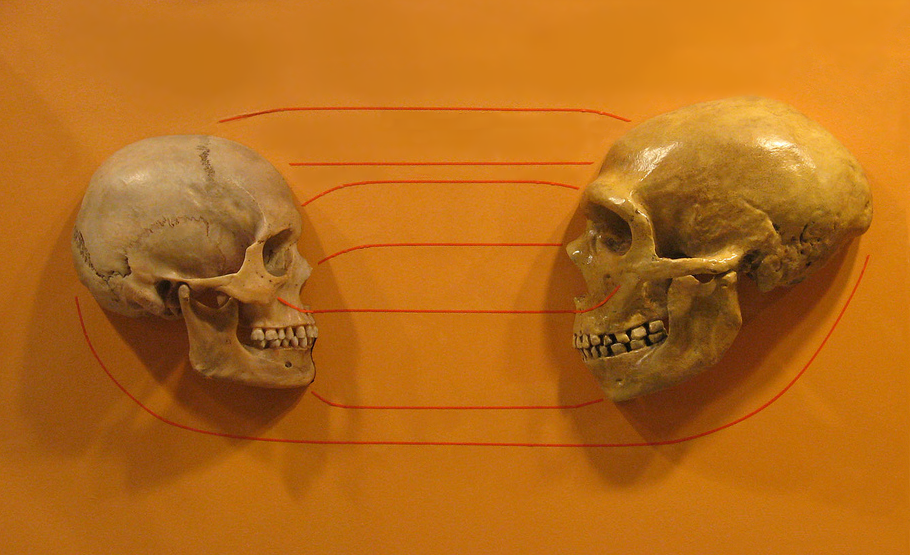
When you look at the archaeological contrast between our species and, say, Neanderthals, a pattern keeps popping up: Homo sapiens seems to have developed denser social networks, more specialised tools and more elaborate symbolic behaviour. We see beads, pigments and carved objects that suggest not just practical skills but also shared meanings and group identities. While the details are still debated, many researchers think this symbolic explosion rests on a highly developed capacity to categorise and name the world.
If your group can classify stone types, tool shapes and hunting roles, you can standardise production and refine it over time. You do not just have “a sharp rock”; you have recognised tool types passed down as know‑how, with teaching and correction. Likewise, if kin, allies and outsiders are clearly categorised and labelled, you can manage alliances across large distances. That matters because survival in harsh Ice Age environments often depended on being able to call on distant help when local resources failed.
Categorising people: the double‑edged sword of social labels

It is tempting to romanticise categorisation as purely a survival superpower, but it has always had a darker side. The same skill that lets us distinguish medicinal from poisonous plants also pushes us to sort people into “us” and “them,” worthy and unworthy, pure and contaminated. Early human groups likely relied on strong in‑group identities to enforce cooperation and guard scarce resources, and that almost certainly involved naming and shaming, gossip and reputation tags.
From an evolutionary perspective, being good at reading and labelling others – friend, rival, potential mate, cheater – would be incredibly adaptive. But those mental habits can easily morph into prejudice, rigid hierarchies and exclusion. The very cognitive machinery that may have allowed our ancestors to form tight, effective coalitions against threats also set the stage for some of humanity’s most damaging behaviours. Our gift for names and categories does not come automatically bundled with wisdom or kindness; those have to be learned and chosen.
How our ancient mental filing system shapes modern life
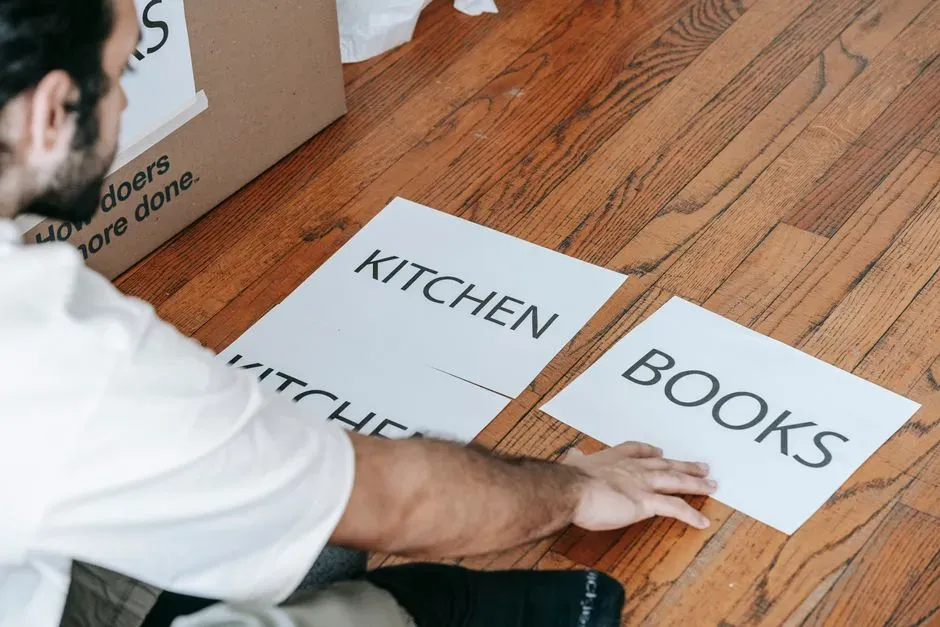
Even in a smartphone era, we are still the same categorising creatures. We label our playlists, our diets, our personalities, our politics. Algorithms reflect and amplify this by slotting us into marketing segments, recommendation buckets and risk profiles. In a strange way, the digital world is a hyper‑accelerated version of what our brains have always done: trying to tame complexity by slicing it into manageable named chunks.
At the same time, we are starting to notice how rigid categories can backfire. People push back against narrow labels for gender, identity, or mental health; scientists update species and disease classifications as new evidence emerges. It is like we are learning, slowly and awkwardly, that the survival trick of categorisation works best when the boxes are treated as tools, not prisons. Our ancestors needed clear categories to navigate a dangerous savannah; we need flexible ones to navigate an increasingly fluid and interconnected world.
Are we still evolving our categories – and what happens next?
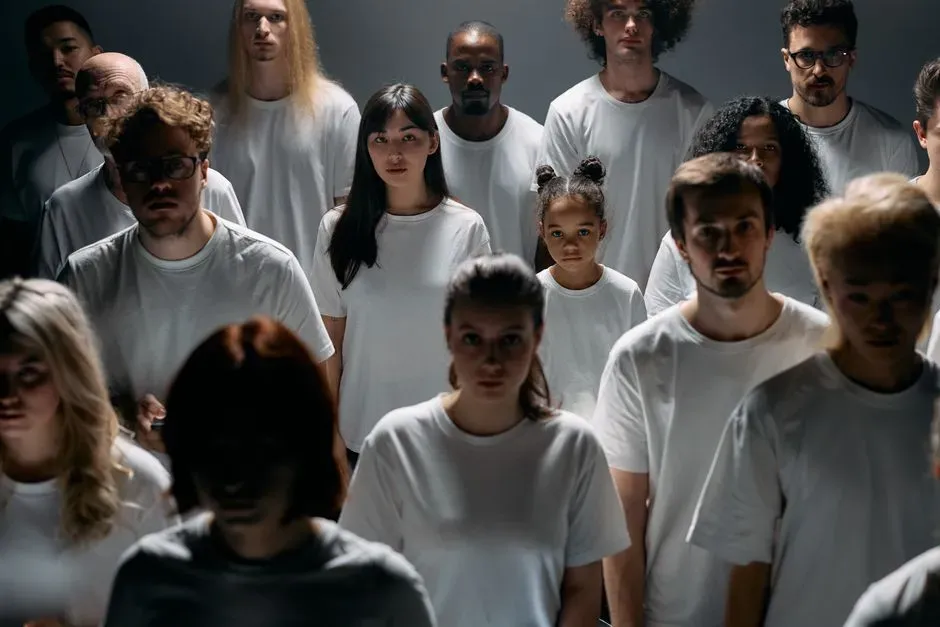
I sometimes think about an ancestor sitting by a fire, inventing a new name for a tool or a seasonal wind, without realising they were nudging human cognition in a slightly new direction. Today, when we coin terms like climate anxiety, cancel culture or AI hallucination, we are doing something similar: creating new mental drawers to organise experiences that did not exist, or did not matter, a generation ago. The pace has changed, but the underlying habit feels very old.
In that sense, we might still be in the middle of an experiment that started hundreds of thousands of years ago. The drive to categorise and name has clearly helped us dominate the planet, but it is also entangled with some of our biggest modern risks – from polarised politics to dehumanising language. Whether this ancient advantage remains an advantage now depends on how willing we are to revise our categories, soften our labels and admit that the world is messier than any filing system can capture.
Conclusion: our greatest edge, and our biggest test
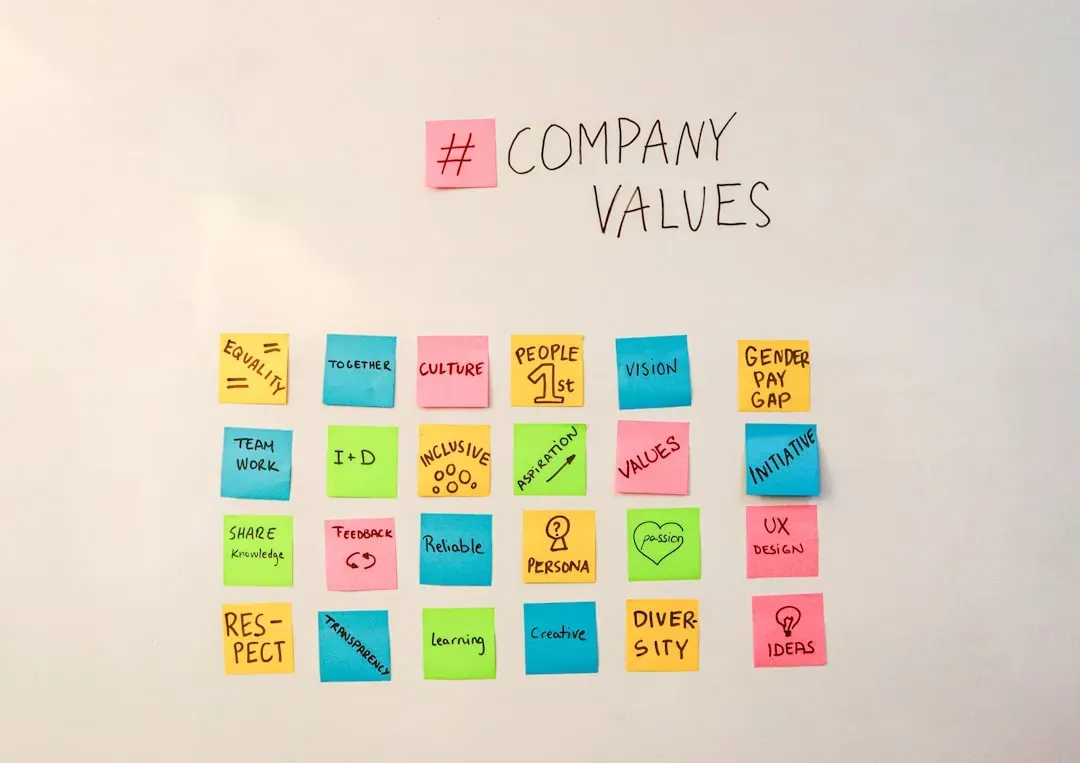
When you pull the threads together, the case is compelling: the human need to categorise and name things was not a trivial side effect of big brains, it was one of the main ways those brains turned raw perception into coordinated action. It probably helped our ancestors share knowledge with remarkable precision, build complex cultures and ultimately out‑compete other hominins that may have been strong, clever and adaptable, but less skilled at turning experience into stable, shared symbols. In that sense, our mental love of labels really might have been a decisive edge.
But there is a catch I cannot shake: the same cognitive trick that got us here could just as easily trip us up now. If we treat our categories as absolute truths instead of useful guesses, we risk turning an evolutionary advantage into a social and ecological liability. Maybe the next decisive leap is not inventing more labels, but learning when to loosen our grip on them. The question that lingers for me is simple and unsettling: are we still in control of our categories, or are our categories quietly in control of us?