
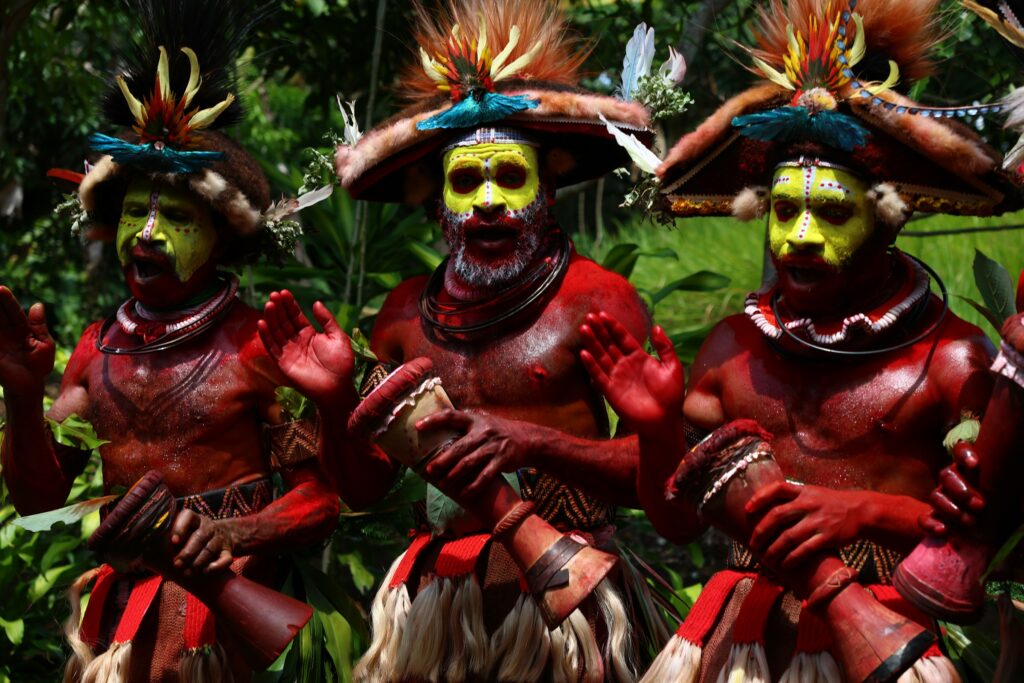
If you woke up tomorrow in a completely bare world – no clothes, no jewelry, no tattoos, no haircuts – how long do you think it would take before people started decorating themselves again? Anthropology quietly suggests the answer is: not long at all. The more researchers dig into the deep past, the clearer it looks that the urge to paint, pierce, adorn, and alter our bodies is not a recent fashion trend but something woven into what it means to be human.
What makes this so fascinating is that the evidence shows up in tiny, fragile things: bits of pigment, pierced shells, worn stones, faint residues of color on ancient tools. These scraps of the past are forcing scientists to rethink timelines and admit that humans were probably signaling beauty, belonging, and identity long before we were carving grand statues or building cities. If body decoration really is as old as our species, then eyeliner, tattoos, and jewelry aren’t just style – they’re a window into the original human operating system.
The surprising age of self-decoration in the archaeological record
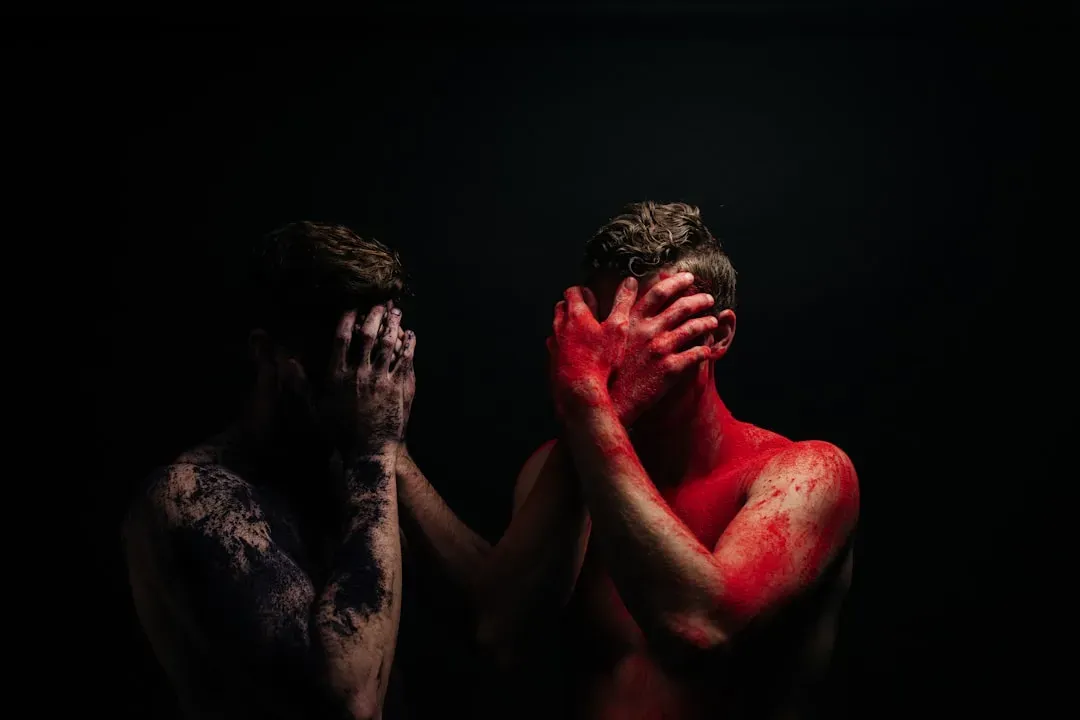
For a long time, textbooks tended to place the “big bang” of symbolic behavior around forty to fifty thousand years ago, often linked to cave art in Europe. But as fieldwork expanded into Africa and the Middle East, archaeologists began finding much older traces that look a lot like deliberate body decoration. Instead of starting with dazzling murals, the story now begins with humble pieces of mineral pigment and small, modified objects that likely touched skin.
Some of the oldest candidates are lumps of red ochre that have been ground, scraped, and carefully shaped, hinting they were used as colored powder, possibly smeared on faces, hair, or bodies. In several early Homo sapiens sites, these pigments appear in living areas, not just in ceremonial or burial contexts, suggesting that decorating might have been part of daily life, not a rare ritual event. The overall picture is that humans were experimenting with color and surface long before cities, agriculture, or even widespread figurative art.
Pigments, beads, and shells: tiny clues with huge implications
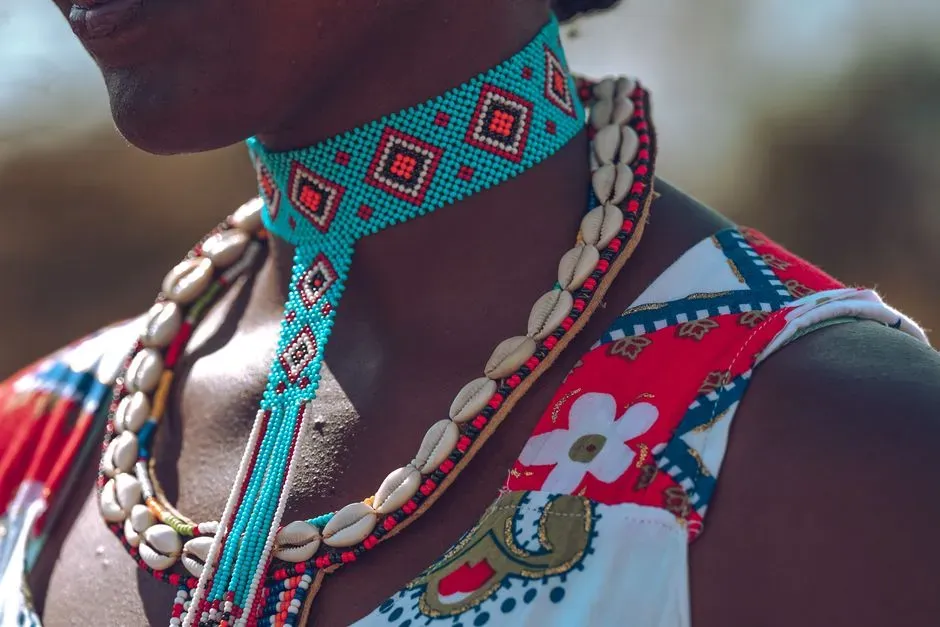
When you picture ancient body decoration, you might imagine dramatic face paint and elaborate jewelry, but what archaeologists actually find tends to be far more modest. These are often small ochre crayons with evidence of grinding, shell beads with holes worn smooth from stringing, or stones shaped into pendants. Yet these little items carry big implications, because they show intentional modification and repeated use over time, which is hard to explain as purely accidental.
Shells, in particular, are revealing. In some early sites, shells from the seashore turn up dozens of kilometers inland, pierced in ways that make sense for threading onto fibers or sinew. A shell by itself is just a shell; a shell drilled in the same place as others, polished by friction, and clustered near human remains or living floors starts to look like jewelry. That kind of consistency points to shared ideas about how a body should look, which is exactly what we see in modern adornment culture.
Why decorating the body is about much more than “looking pretty”
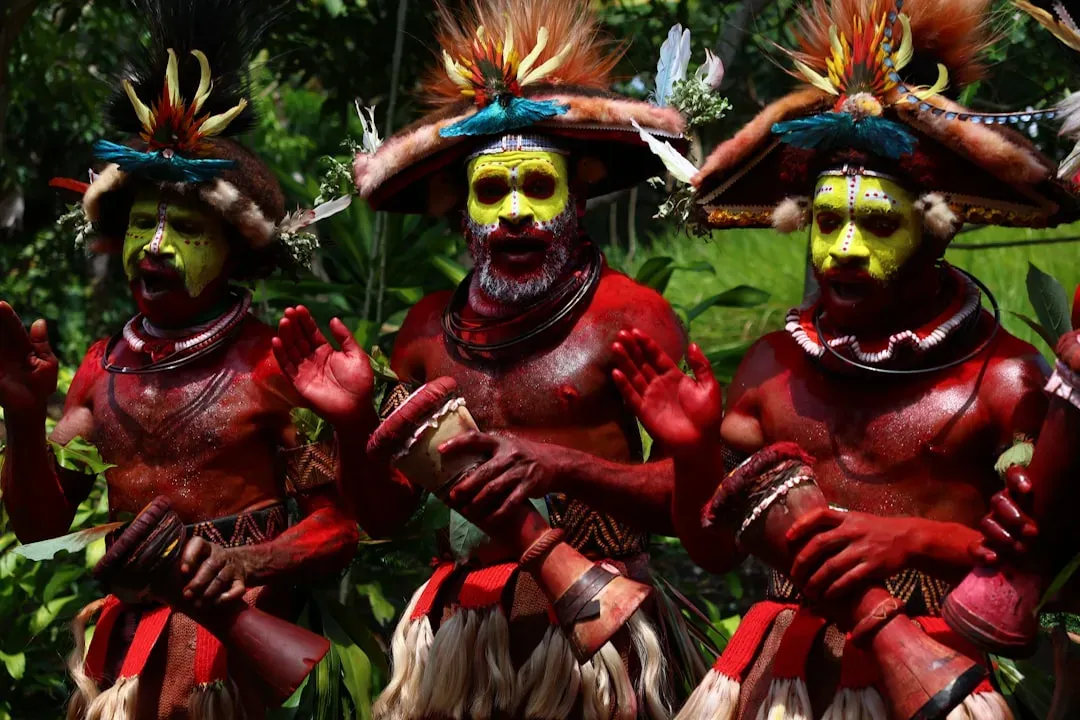
It is tempting to see ancient body decoration as the prehistoric version of getting dressed up for a party, but that framing is far too shallow. From an anthropological perspective, decorating the body is usually about signaling: who you are, where you belong, who you are allowed to marry, what role you play, or what you have survived. Paint, beads, scars, and tattoos can all function like wearable passports or ID cards, instantly readable to people who share the same cultural code.
In many documented traditional societies, body decoration marks life stages, achievements, and spiritual ties, and there’s no good reason to think this is a purely modern invention. If early humans were already investing effort into pigments and ornaments, they were almost certainly using them to communicate things that were socially important. The body becomes a billboard for identity and memory, carrying messages that can be seen at a distance and interpreted without a single spoken word.
Body art as one of the earliest forms of symbolic thinking

Anthropologists are especially interested in early body decoration because it is one of the strongest candidates for early symbolic behavior. To take a mineral, alter it, and then place it on a body is to treat color or texture as a symbol for something else: status, emotion, group membership, or sacred power. That mental leap – from physical stuff to invisible meaning – is also the foundation of language, art, and religion.
Some researchers argue that once you see repeated use of the same colors, patterns, or materials in ways that are not strictly practical, you are looking at minds that think symbolically in a modern sense. In that light, a simple stripe of red pigment across a forehead in the deep past might be as cognitively significant as a painting on a cave wall. Decorations on the body turn the person into a moving piece of art, carrying symbols through space and time, and displaying complex ideas in a compact, portable form.
What early decoration reveals about social life and survival
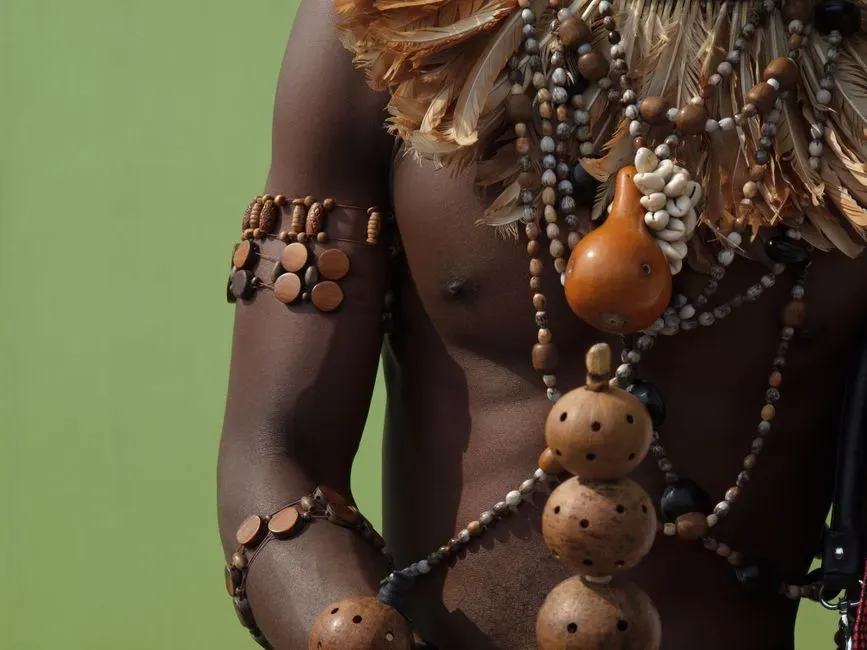
If decorating the body seems like a luxury, it is worth asking why early humans bothered when basic survival was so demanding. One strong answer is that visible symbols help build strong, cooperative groups, and strong groups tend to survive better. Shared ornaments and colors make it easy to see who is “us” and who is “them,” which can reduce confusion, prevent conflict within the group, and organize roles more efficiently.
Body decoration may also have helped with forming alliances, finding mates, and broadcasting personal qualities like bravery or generosity. In a harsh environment, knowing at a glance who has gone through an initiation, who belongs to which kin group, or who holds certain knowledge could be a genuine survival advantage. In this sense, an apparently frivolous necklace or carefully painted pattern might have been as essential to social navigation as a map is to travel today.
The deep continuity between ancient adornment and modern style
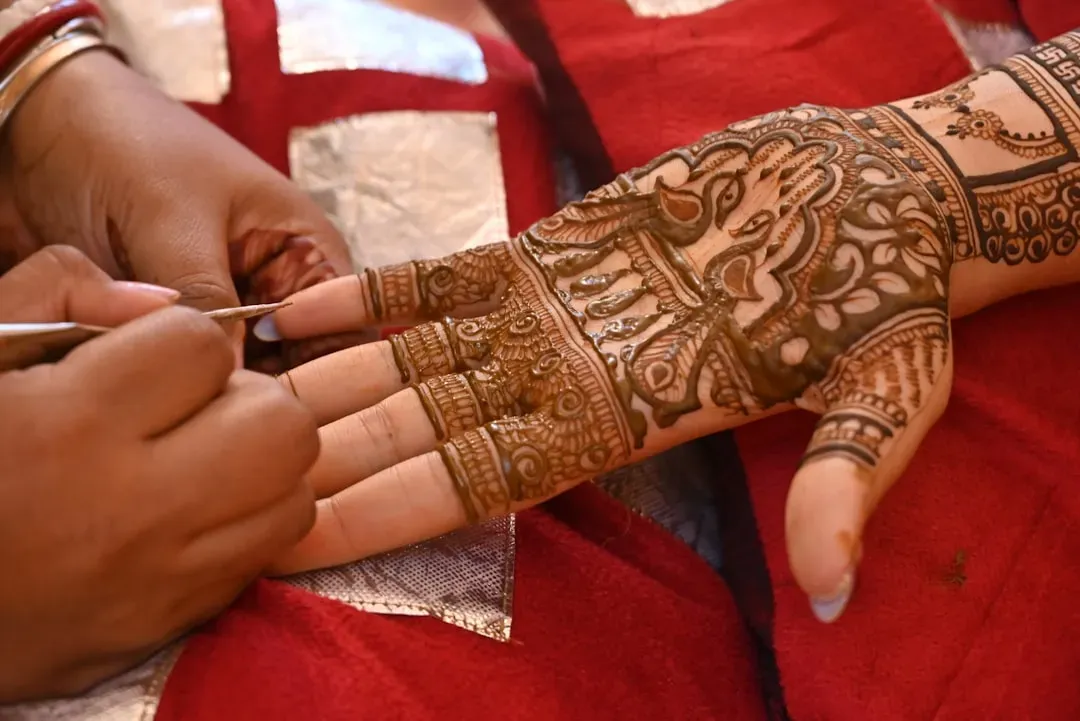
Look around any city street today and you will see dyed hair, manicured nails, piercings, makeup, tattoos, branded clothing, and countless small rituals of grooming. On the surface, this might feel overwhelmingly modern and shaped by advertising, but underneath it may simply be a high-tech extension of the same impulse that drove early humans to grind ochre and string shells. We are still using our bodies as canvases to tell stories about who we are and how we want to be seen.
Even the constant cycles of fashion – what is in, what is out – echo older processes of group formation and differentiation. People use style to signal subculture, politics, religion, or rebellion, just as earlier groups likely did with specific colors or ornaments. When we recognize that this behavior stretches back tens of thousands of years or more, trends start to look less like shallow vanity and more like the latest chapter in a very old human habit of turning the body into a message.
Is the impulse to decorate truly as old as our species?
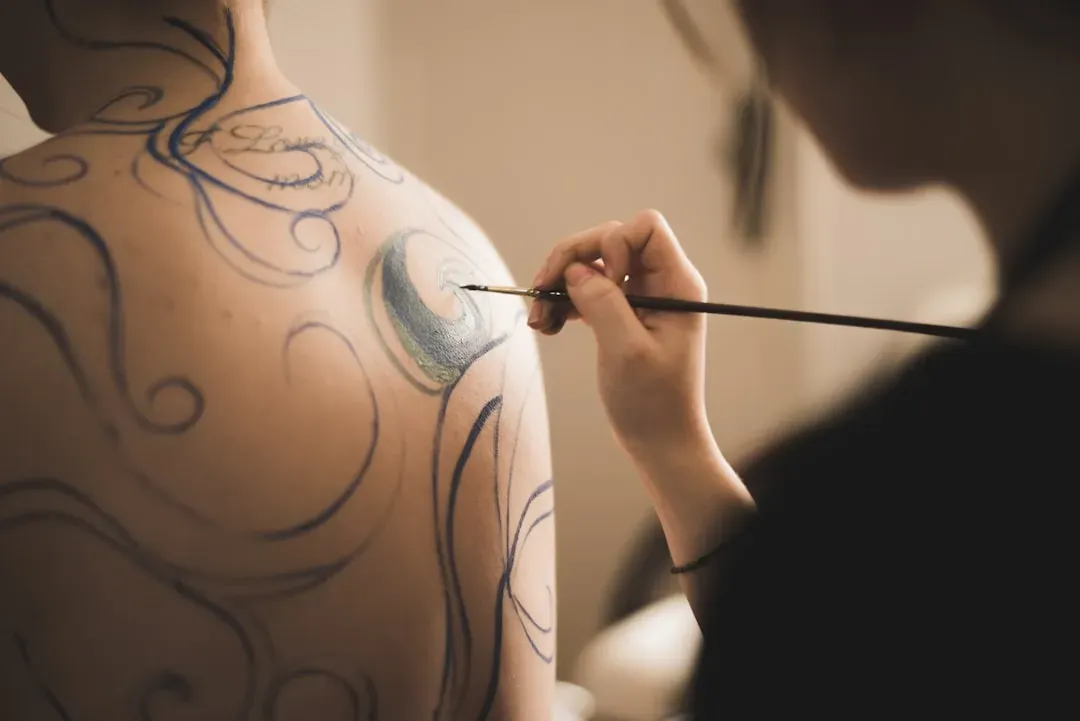
To be fair, archaeology is always dealing with fragments, and scientists are careful about what they claim. Many early items that look like body decoration could, in theory, have had other uses, and the deeper we go in time, the thinner the evidence becomes. Still, the pattern that is emerging – far earlier pigments, modified beads, and probable ornaments than once expected – strongly suggests that humans carried a taste for body art with them from very early on.
My own view, based on how persistent and universal body decoration is in recorded cultures, is that we should be biased toward seeing it as an ancient default rather than a late invention. When something appears across continents, across time periods, and across radically different ways of life, it usually points to a deep root in our shared psychology. Whether or not every early find turns out to be a bracelet or face paint, the broader picture is hard to ignore: as soon as there were humans who looked like us, there were probably humans who marked, colored, and adorned their own skin.
Conclusion: The decorated human is the normal human
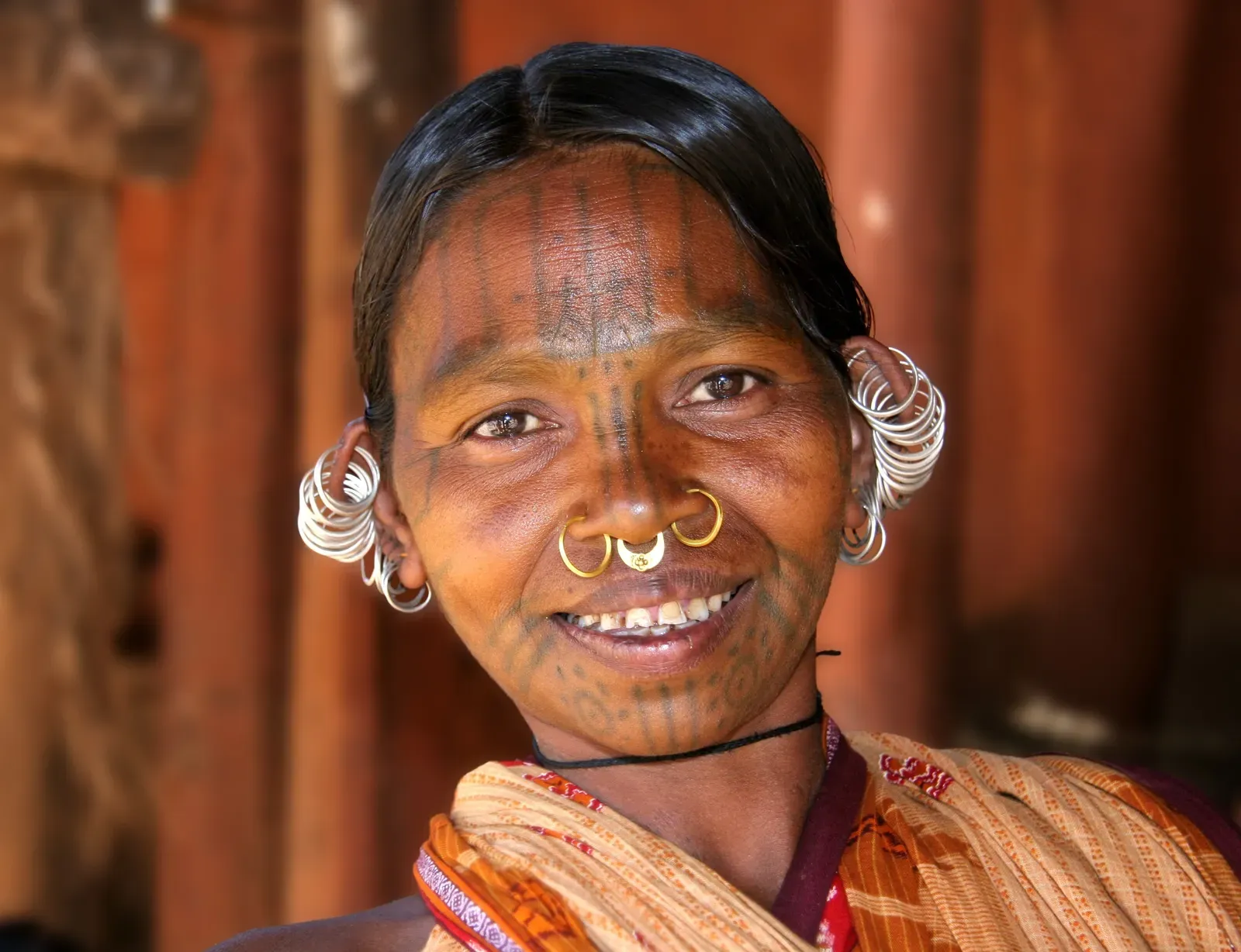
When you put all of this together, the idea that body decoration is as old as our species stops sounding romantic and starts sounding realistic. From the first scraped piece of red ochre to the latest microfine tattoo needle, people have been unable to resist turning their own bodies into meaning-laden surfaces. The archaeological record is not perfect, but it leans toward one bold interpretation: the undecorated human is the exception, not the rule.
To me, that has a quietly radical implication. Next time you see someone covered in ink, wearing elaborate jewelry, or experimenting with makeup, you are not looking at a modern excess – you are seeing one of the most ancient human behaviors still alive and evolving. In a world that often dismisses style as trivial, it may be closer to the truth to say that the urge to decorate ourselves is one of the clearest signals that we are, unmistakably, human. Knowing that, how could we ever look at a streak of color on skin the same way again?