
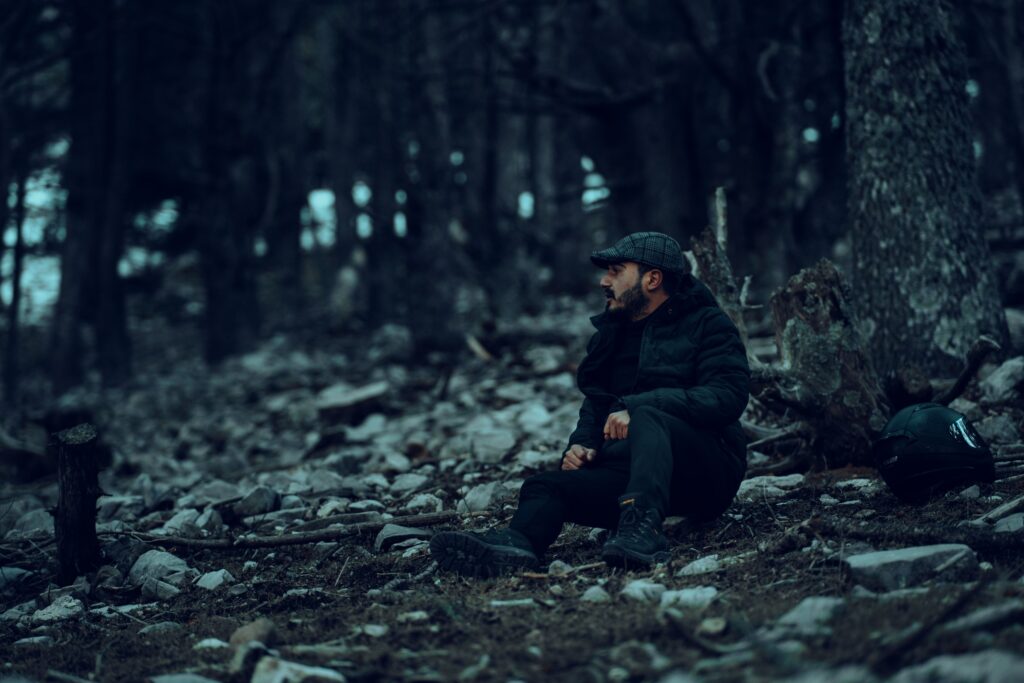
Have you ever walked through the woods, felt everything go suddenly quiet, and noticed your heart rate jump for no obvious reason? That creeping unease is not just in your head and it is not simply because you have watched too many horror movies. Your nervous system is running a very old program, one written long before smartphones and city noise, when a sudden hush could be the difference between surviving the day and becoming something else’s lunch.
The idea that humans instinctively distrust silence in a forest comes from a simple evolutionary logic: in many natural environments, animals go quiet when something dangerous appears. Our ancestors who treated that eerie silence as a warning were more likely to live long enough to pass on their genes. Those who shrugged it off as nothing were, frankly, less likely to get the chance. Today, that ancient alarm still rings in our bodies, even if the “predator” is just an overactive imagination or a snapping branch.
The forest was our original notification system
Before humans built alarms, fences, and streetlights, the forest itself was a kind of living early warning system. Birds, insects, and mammals are constantly broadcasting information through sound: calls, wingbeats, rustling, and background chatter that tells you, often unconsciously, that everything is normal. When that soundscape shifts from busy to dead still, it is a bit like your phone going from buzzing nonstop to absolute silence in an instant – it grabs your attention whether you want it to or not.
Predators often rely on stealth, and many prey species survive precisely because they sense changes in their surroundings faster than their hunters can get close. When a large predator enters an area, small animals may freeze, hide, or flee silently, cutting down the usual noise. Humans evolved in those same ecosystems, listening to the same soundscape, and the people who reflexively tensed up at sudden quiet were simply playing better odds. Our brains learned that the forest’s silence was not peaceful; it was suspicious.
The brain is wired to notice “something’s off” more than “everything’s fine”
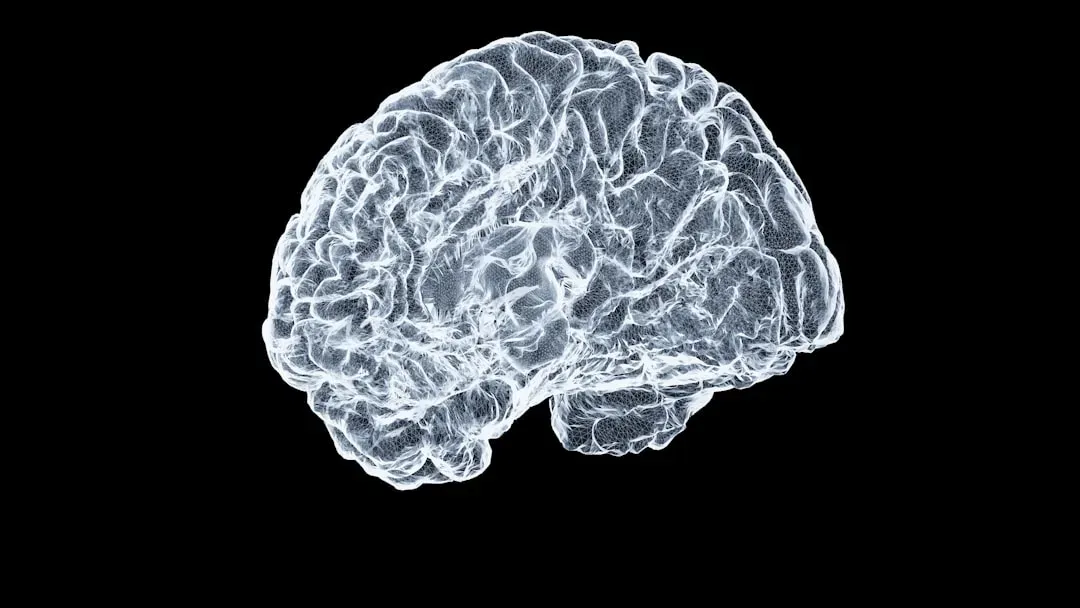
From a survival standpoint, being relaxed when things are normal is useful, but being highly sensitive when something changes is absolutely crucial. The human brain is biased toward picking up anomalies in the environment – especially sudden shifts in sound. That is why a dropped glass in a busy bar snaps your attention, or why you notice when a humming air conditioner suddenly stops. In the wild, an abrupt sound change could be the only signal that danger is close.
Neuroscientists talk about how the brain constantly builds predictions about what should be happening and then flags when reality does not match those expectations. A forest filled with birdsong becomes the “baseline prediction,” and your auditory system more or less coasts along. Kill the background noise in a heartbeat and your brain hits a giant red alert button. It does not wait for a clear explanation; it just pushes you toward caution, a reaction shaped by millions of years of trial and error.
Ancestral fear still lives in your body’s alarm systems

Even if you love camping or hiking, your body carries an ancient set of reflexes that do not care about your weekend plans. When the forest goes quiet, your autonomic nervous system kicks into a state of threat readiness: your heart rate subtly rises, breathing changes, muscles tense just a little, and your attention sharpens. You might not be consciously thinking “predator,” but your physiology is quietly preparing for one anyway.
This response is similar to what people feel walking alone in a dark parking lot when a strange sound cuts through the silence. The modern scenario has changed, but the system underneath is the same: detect possible danger, mobilize the body, and only later decide whether the threat is real. Evolution favored systems that reacted first and analyzed second, because overreacting costs far less than underreacting when teeth and claws are involved.
Natural soundscapes: why noise can feel safe and silence can feel wrong
In modern life, people often think peace equals quiet, but in a wild environment, peace actually sounds like a healthy, active soundscape. Rustling leaves, chirping insects, and chatting birds signal that local animals feel safe enough to move, feed, and talk to each other. It is like walking into a café where people are laughing and talking; your brain reads it as low threat, normal life unfolding.
Complete or sudden silence is more like walking into a room where everyone abruptly stops talking the moment you open the door. You do not need anyone to explain that something is wrong; you feel it. The same logic applies to a forest: when the usual chatter drops out all at once, the “social network” of animals has just announced that something changed, and not in a good way. Our sensory systems tune into that absence, not just the presence, of sound.
From predators to paranoia: how old instincts show up in modern anxiety

Most of us are not dodging big cats in the woods anymore, but our nervous systems never got the memo that the world changed. That hair-raising feeling in a suddenly silent forest can spill over into other modern settings, feeding vague unease or even anxiety in quiet spaces. A hushed office at night, an empty parking garage, or a deserted train platform can wake up the same circuitry that once watched for predators between trees.
It is easy to dismiss these reactions as irrational, but they are actually rational when viewed through the lens of evolution. Our bodies are running safety checks designed for a high-risk world, and sometimes they overshoot in our comparatively safer environments. When we understand that a chunk of our uneasiness is inherited survival tech rather than personal weakness, it can feel strangely comforting: the fear is old, but it is doing the job it was built for.
Culture, stories, and horror movies amplify the ancient script
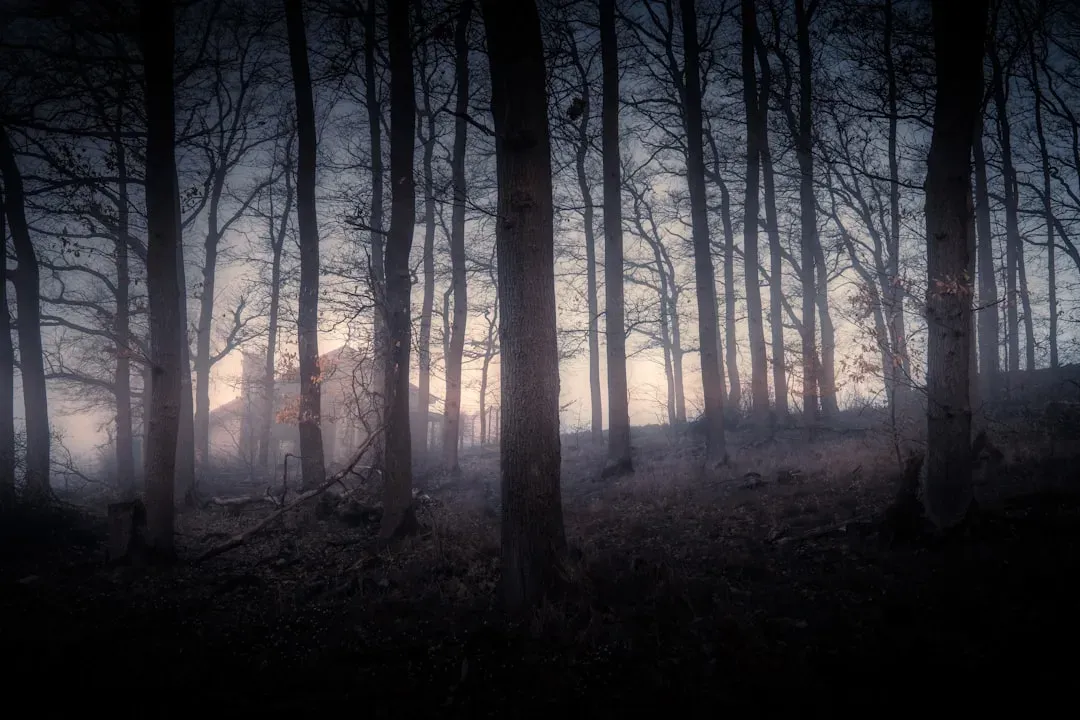
On top of evolution, culture has layered its own meanings onto forest silence. Books, legends, and especially horror films love to use the sudden hush in the woods to signal that something terrifying is coming. This does not create the fear from scratch, but it does plug directly into a response that was already there, turning a biological alarm into a recognizable dramatic cue. Your body twitches first, then your mind adds the story it has been trained to expect.
Because of that, the silence of a forest now carries two weights: the deep, unconscious association built by natural selection, and the learned association built by every creepy story you have ever heard. So when a trail suddenly falls quiet and your stomach tightens, you are not only channeling your ancestors’ survival instincts; you are also replaying every scene where silence comes right before something bursts out of the dark. Those layers stack and make the feeling even more intense.
Listening differently: turning fear into information instead of panic
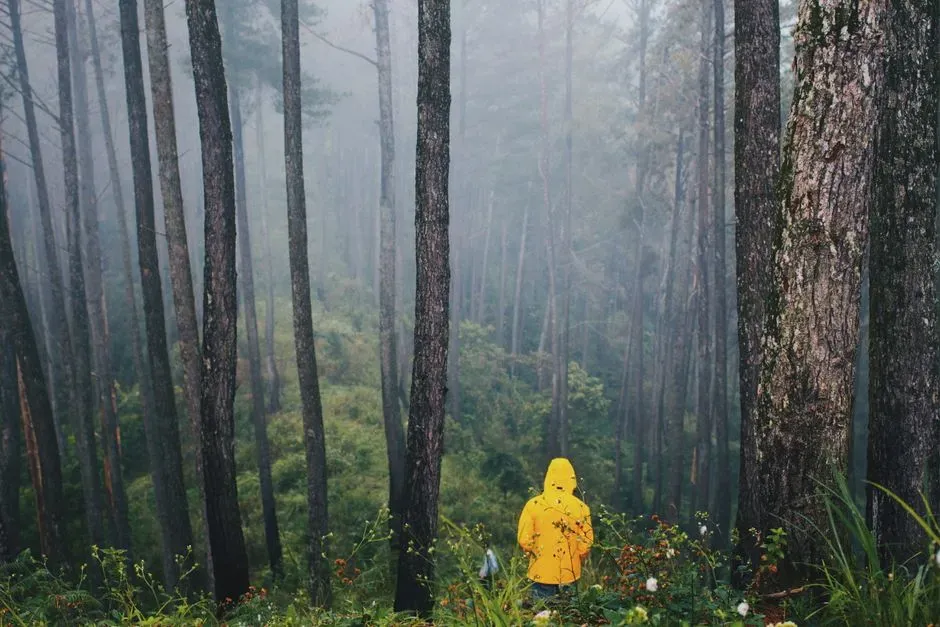
Just because an instinct is ancient does not mean we are doomed to be ruled by it. One of the most powerful shifts you can make is to treat that sudden forest silence as information rather than as proof that something terrible is about to happen. Your body is saying, “Pay attention,” not necessarily, “You are in immediate danger.” Taking a slow breath, scanning the environment calmly, and listening more carefully can transform fear into focused awareness.
In a way, this reaction is a gift from evolution: an always-on, free early warning system that keeps you from stumbling through the world completely oblivious. When you recognize that the uneasiness is an old survival reflex doing its best, you can respect it without letting it hijack your whole experience. Instead of trying to kill the instinct, we can learn to partner with it, using the boost in alertness to fully tune into the living, breathing world around us.
Conclusion: ancient alarms in a modern mind
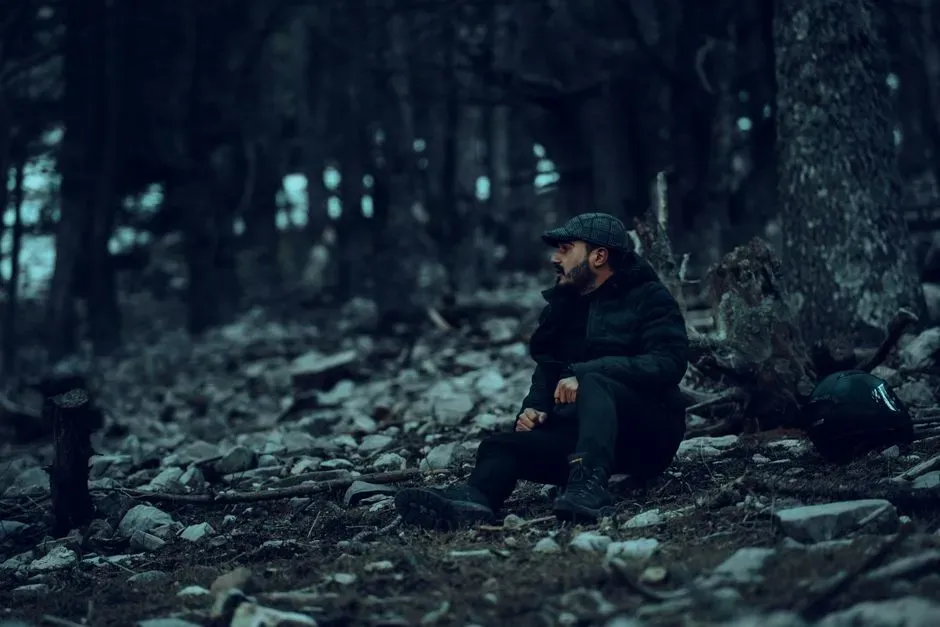
When a forest suddenly goes quiet and your skin prickles, you are not being irrational or dramatic; you are echoing a survival lesson that has been refined over countless generations. Our ancestors learned, often the hard way, that silence in a living landscape can signal an unseen threat, and that deeply practical insight is still baked into our brains and bodies. I think it is a mistake to pathologize that reaction as simply anxiety, when in reality it is one of the clearest reminders that we are animals shaped by the wild, not separate from it.
We may no longer share our daily lives with lurking predators, but their shadows still shape the architecture of our fear and our attention. Instead of trying to outgrow these instincts, maybe the smarter move is to understand them, appreciate where they came from, and decide how we want to respond now. The next time the woods fall silent and your heart skips, you might quietly thank your ancestors for the warning, then choose your next step with clear eyes. In that moment, whose voice do you think you are really hearing – yours, or theirs?