
If you think science advances in a slow, orderly line, dinosaurs are here to prove you wrong. Every so often, a single fossil comes out of a rock slab, a desert dune, or a muddy riverbank and basically tells researchers that decades of confident assumptions need to go straight into the trash. Suddenly, textbooks are outdated, museum signs look slightly embarrassing, and half the field is on social media arguing over what this new bone or feather really means.
That’s the wild thing about dinosaur science right now: one skull, one footprint, even a single feather trapped in amber can flip the script on how we think evolution worked, what dinosaurs looked like, how they moved, or even which continent they actually lived on. Below are nine fossil finds where one discovery did not quietly slip into the literature, but instead sparked heated debates, frantic re-analyses, and a lot of very caffeinated late nights in paleontology departments around the world.
1. Archaeopteryx and the Birth of the Dinosaur–Bird War
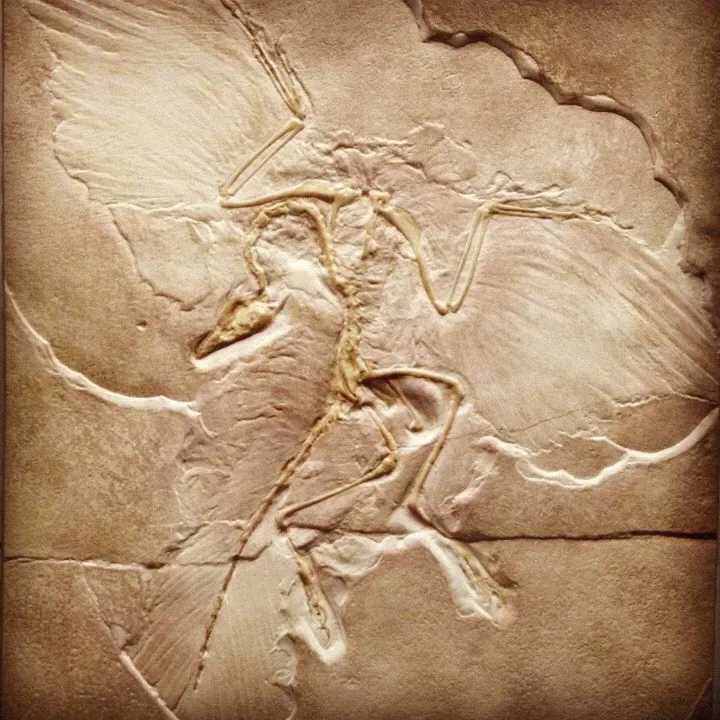
Imagine being a 19th‑century scientist who thinks reptiles, birds, and dinosaurs all sit in neat little boxes, and then someone hands you a fossil with both teeth and feathers. That was the chaos unleashed by Archaeopteryx, first named in the 1860s from the limestone quarries of Solnhofen in Germany. It had jaws full of sharp teeth, claws on its wings, and a long bony tail, but also fully developed flight feathers, forcing scientists to ask whether it was a dinosaur, a bird, or something uneasily in between.
For well over a century, each new Archaeopteryx specimen reignited arguments about how birds evolved from theropod dinosaurs, whether it could actually fly, and if it truly deserved its reputation as the earliest known bird. Some researchers later claimed that other feathered dinosaurs from China pushed Archaeopteryx out of that top spot, turning it from a “first bird” into just another branch on the tree. The back‑and‑forth over a handful of delicate fossils helped cement a bigger, disruptive idea: that birds aren’t just related to dinosaurs, they literally are living dinosaurs.
2. Deinonychus: The Single Skeleton That Made Dinosaurs Fast and Furious
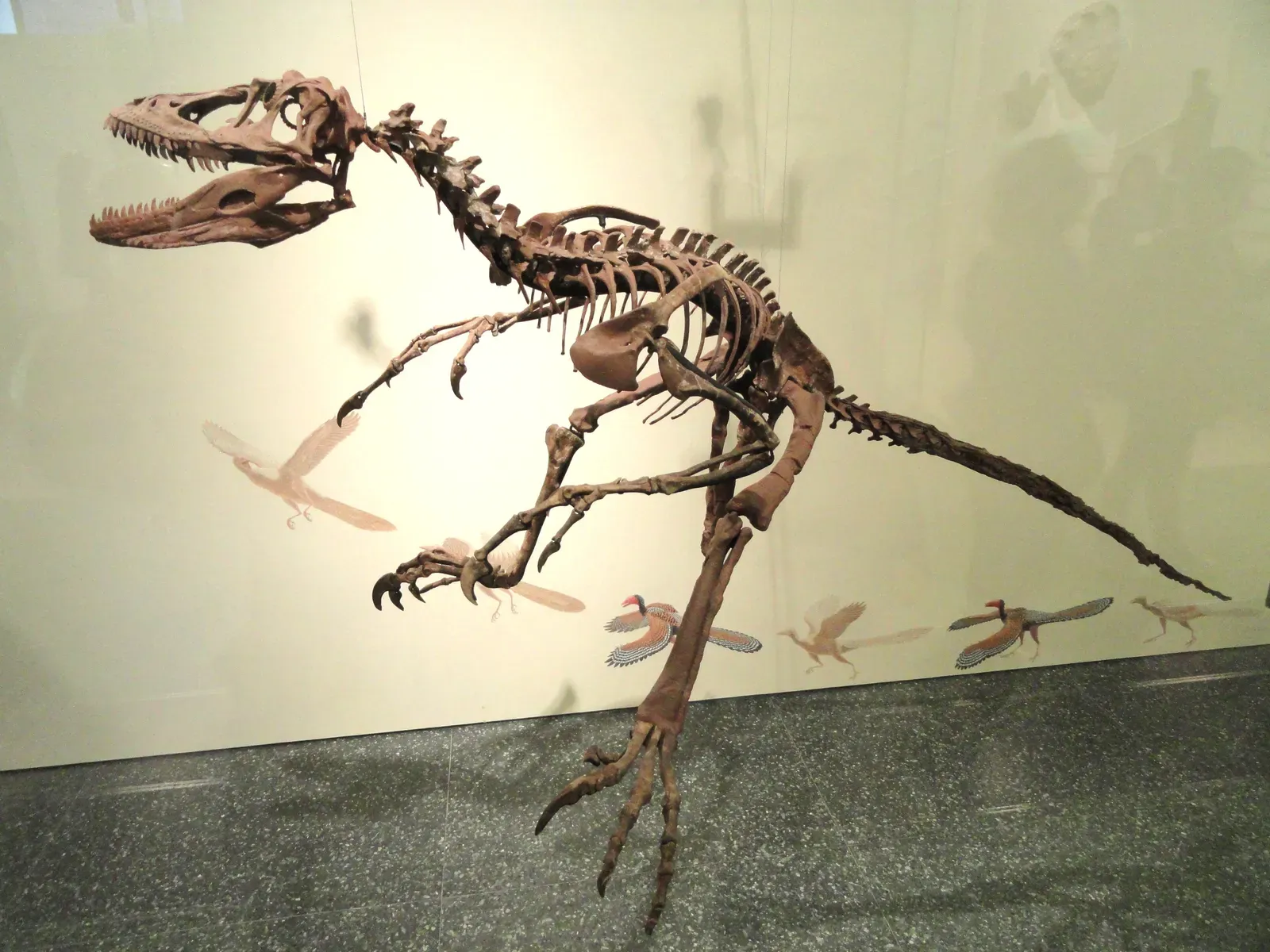
Before Deinonychus exploded onto the scene in the late 1960s, popular and scientific ideas of dinosaurs were surprisingly similar: giant, slow, tail‑dragging swamp dwellers that lumbered more than they ran. Then paleontologist John Ostrom described a single, shockingly agile predator from Montana, with a stiffened tail, long grasping hands, and a terrifying sickle‑shaped claw on each foot. Suddenly, dinosaurs looked less like oversized crocodiles and more like hyperactive, warm‑blooded hunters.
That one fossil, with its bird‑like skeleton and athletic proportions, helped launch what’s often called the “dinosaur renaissance,” a complete overhaul of how scientists thought dinosaurs lived and moved. Arguments raged over whether they were warm‑blooded, how fast they could run, and if they hunted in packs, all spurred by the anatomy of that single animal. It is not an exaggeration to say that without Deinonychus, we probably would not have the dynamic, high‑energy dinosaurs you see in modern documentaries and movies today.
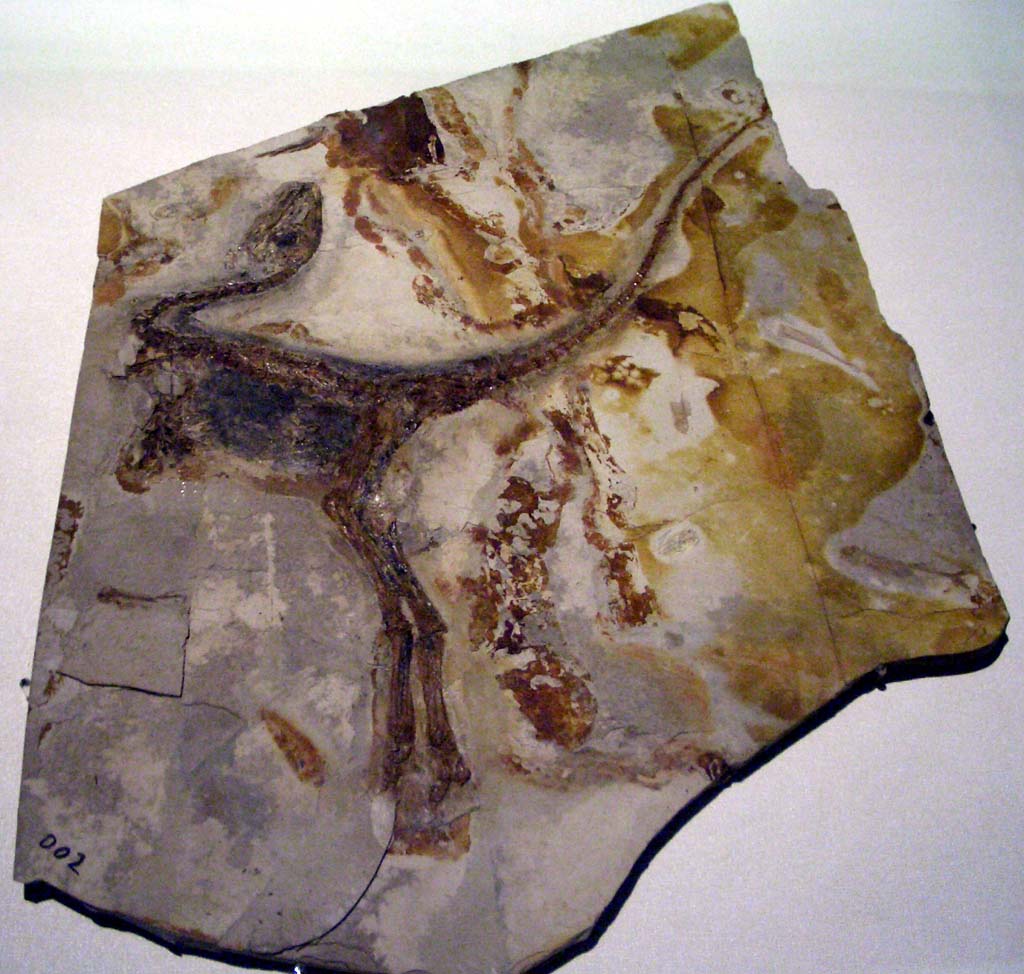
3. Sinosauropteryx: The First “Fluffy” Dinosaur That Shattered Old Imagery
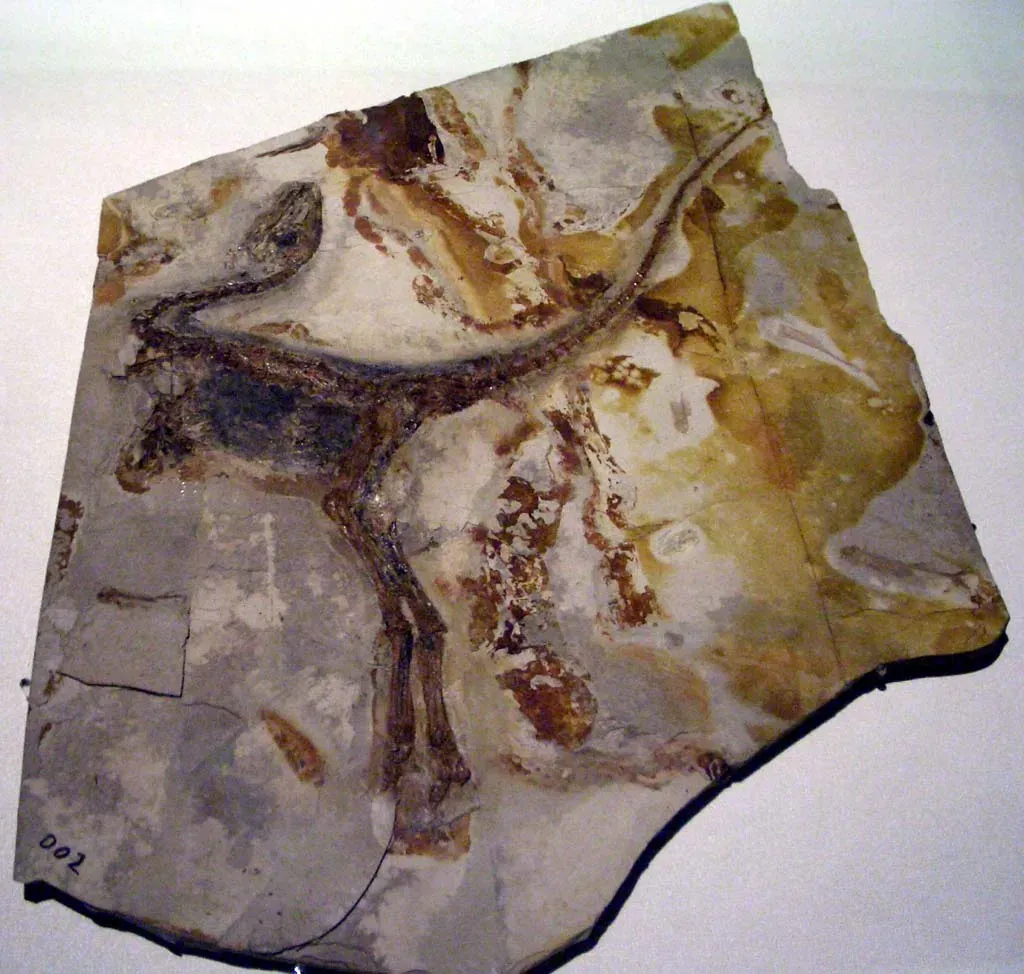
In the mid‑1990s, a small theropod fossil from northeastern China threw gasoline on a debate that had been smoldering for years: did non‑avian dinosaurs really have feathers? Sinosauropteryx was not a majestic giant; it was a chicken‑sized carnivore with a tail longer than its body. But what mattered were the fuzzy filament‑like structures preserved all along its back and tail, which looked suspiciously like primitive feathers rather than decayed skin or collagen fibers.
The announcement set off a storm, with some scientists insisting these filaments were not true feathers and others arguing that this was exactly what early feather evolution should look like. As more filamented and feathered dinosaurs were uncovered from the same fossil beds, Sinosauropteryx went from controversial outlier to the first clear signal that many theropods were at least partially feathered. It wrestled control of dinosaur imagery away from the traditional scaly reptile look and pushed artists, educators, and researchers to grapple with a much fluffier prehistoric world.
4. The “Fighting Dinosaurs” Fossil That Froze a Battle in Time
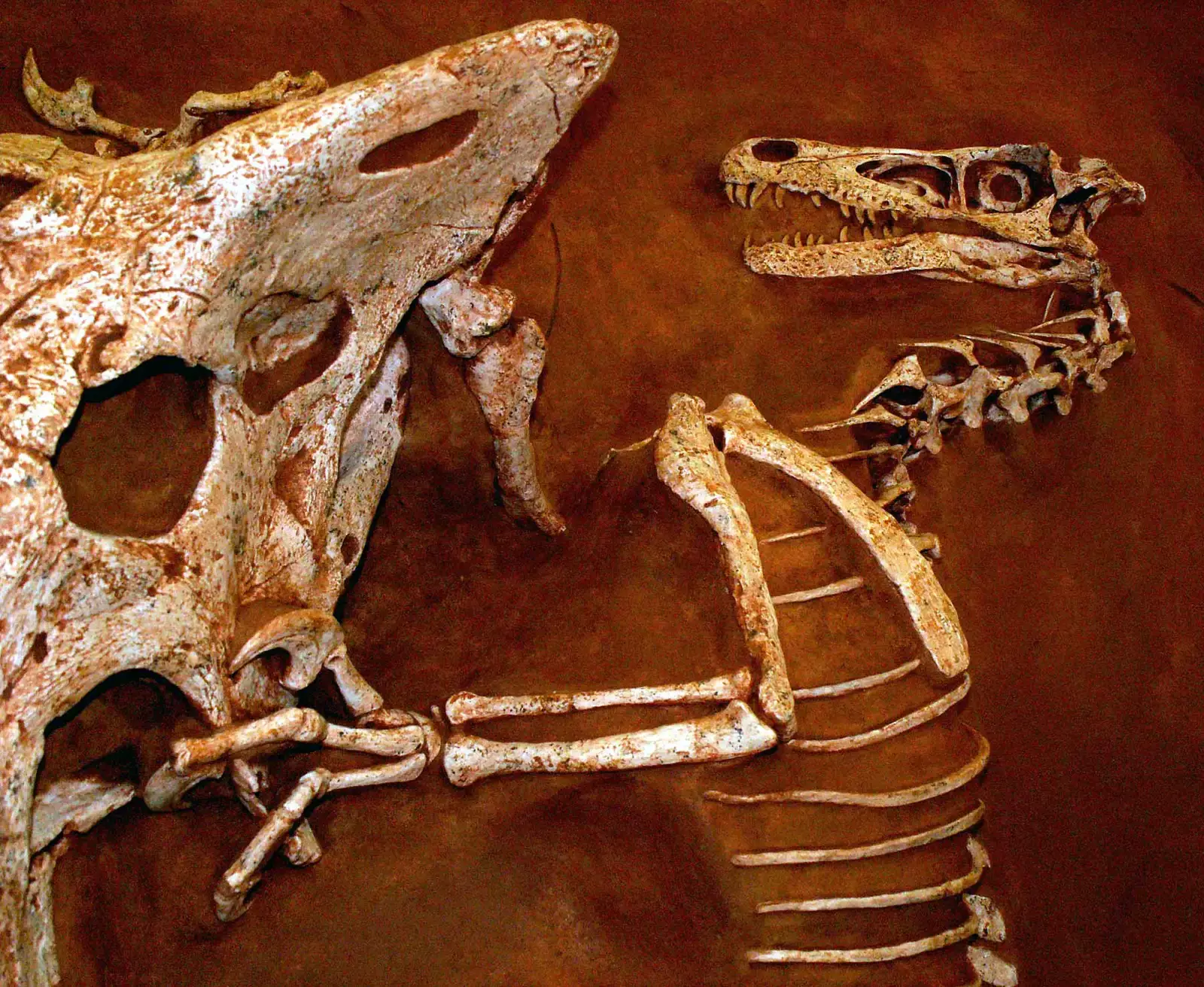
One fossil find in Mongolia looks like a movie still: a Protoceratops (a horned, frilled dinosaur) and a Velociraptor locked together, as though they died in the middle of a deadly struggle. The Velociraptor’s sickle claw is jammed against the herbivore’s neck, while the Protoceratops seems to be gripping its attacker. This single fossil instantly sparked a flurry of questions about dinosaur behavior, predation, and what kind of catastrophe could bury two combatants in mid‑fight.
Some researchers see it as powerful evidence that Velociraptor actively hunted ceratopsians rather than just scavenging, while others suggest the scene could be more complex, involving a sandstorm or sudden dune collapse. Either way, the specimen has fueled debates over how much we can infer from a single dramatic snapshot. It also challenged the long‑held idea that the fossil record mainly preserves quiet, post‑mortem remains, reminding everyone that sometimes it captures the most intense few seconds of an animal’s life.
5. Spinosaurus Rewritten: The Tail That Turned a Land Predator Into a Swimmer
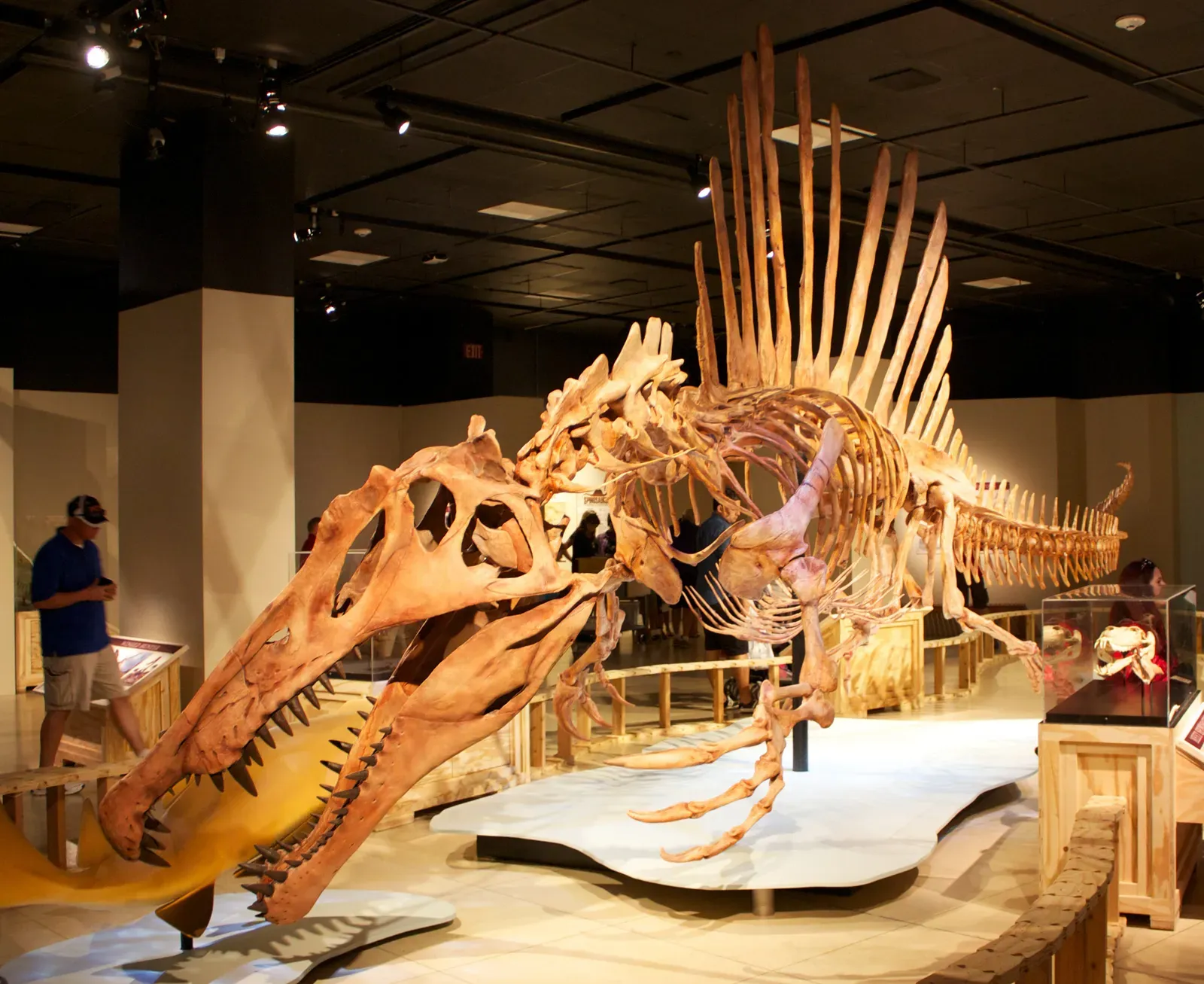
Spinosaurus was long portrayed as a T. rex‑style predator with a sail, stomping around on land and maybe wading into shallow water like a giant heron. That image took a serious hit when new fossil material from North Africa, including a dramatically reshaped tail, suggested something very different: a dinosaur with a wide, paddle‑like tail adapted for powerful swimming. Suddenly, Spinosaurus looked less like a land tyrant and more like a semi‑aquatic hunter chasing fish in deep water.
This reinterpretation set off one of the loudest modern controversies in dinosaur science. Some paleontologists argue the new fossils make Spinosaurus the first convincing case of a truly semi‑aquatic large theropod, while others question the completeness of the material and point to issues with balance and limb anatomy. Museums, documentaries, and fan art scrambled to keep up as each new paper redrew its silhouette yet again. It is one of those rare cases where a single updated skeleton forces the community to rethink the entire lifestyle of a dinosaur icon.
6. The Feathered Tyrannosaur Yutyrannus and the “Fluffy T. rex” Debate
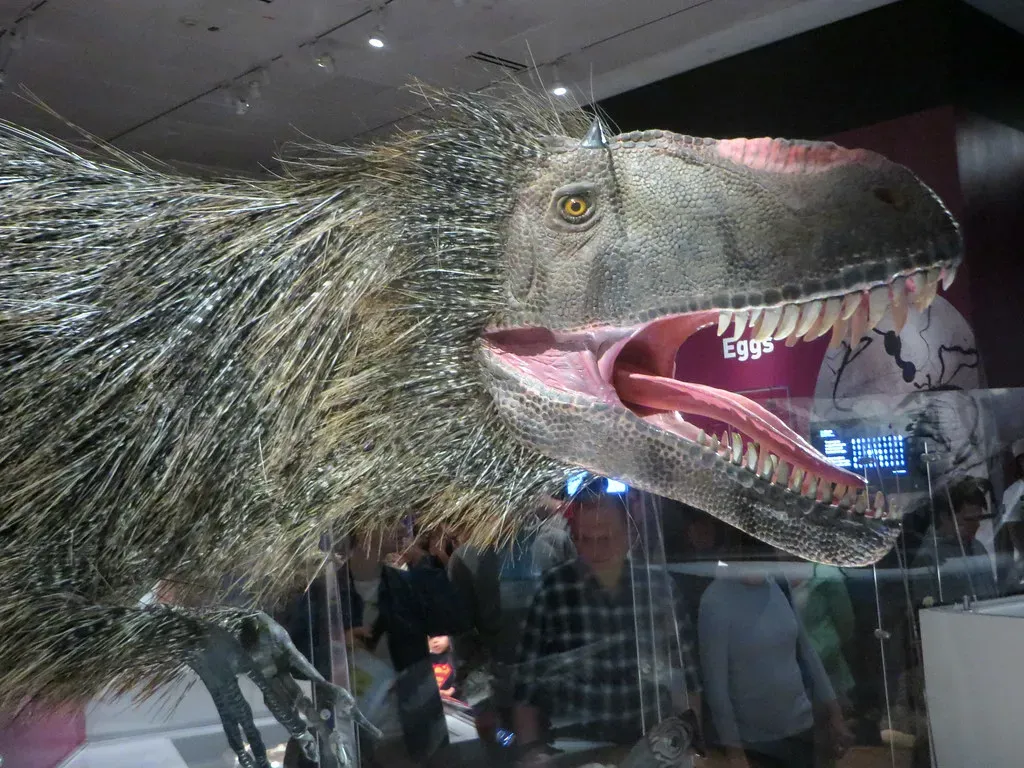
When news broke of Yutyrannus, a large tyrannosauroid from China preserved with extensive feather coverings, it felt like science had just opened a portal to a very different mental picture of big predators. This animal was not a small, delicate cousin but a roughly bus‑sized hunter with filamentous feathers along its body, tail, and arms. That single fossil discovery lit up a question almost everyone secretly wonders about: could the mighty Tyrannosaurus rex itself have been feathered?
Debate has been intense and ongoing, with some researchers arguing that T. rex likely lost most body feathers as it grew large, while others suggest at least partial feathering in juveniles or certain climates. Yutyrannus pushed the discussion from “maybe some small tyrannosaurs had fuzz” to “large, serious apex predators could absolutely be feathered.” Even if we never find a perfectly preserved feathered T. rex, this fossil forced the scientific community and the public to confront how much our mental image of dinosaurs is built on tradition rather than hard evidence.
7. Kulindadromeus: Feathers Creep Onto the Plant‑Eaters
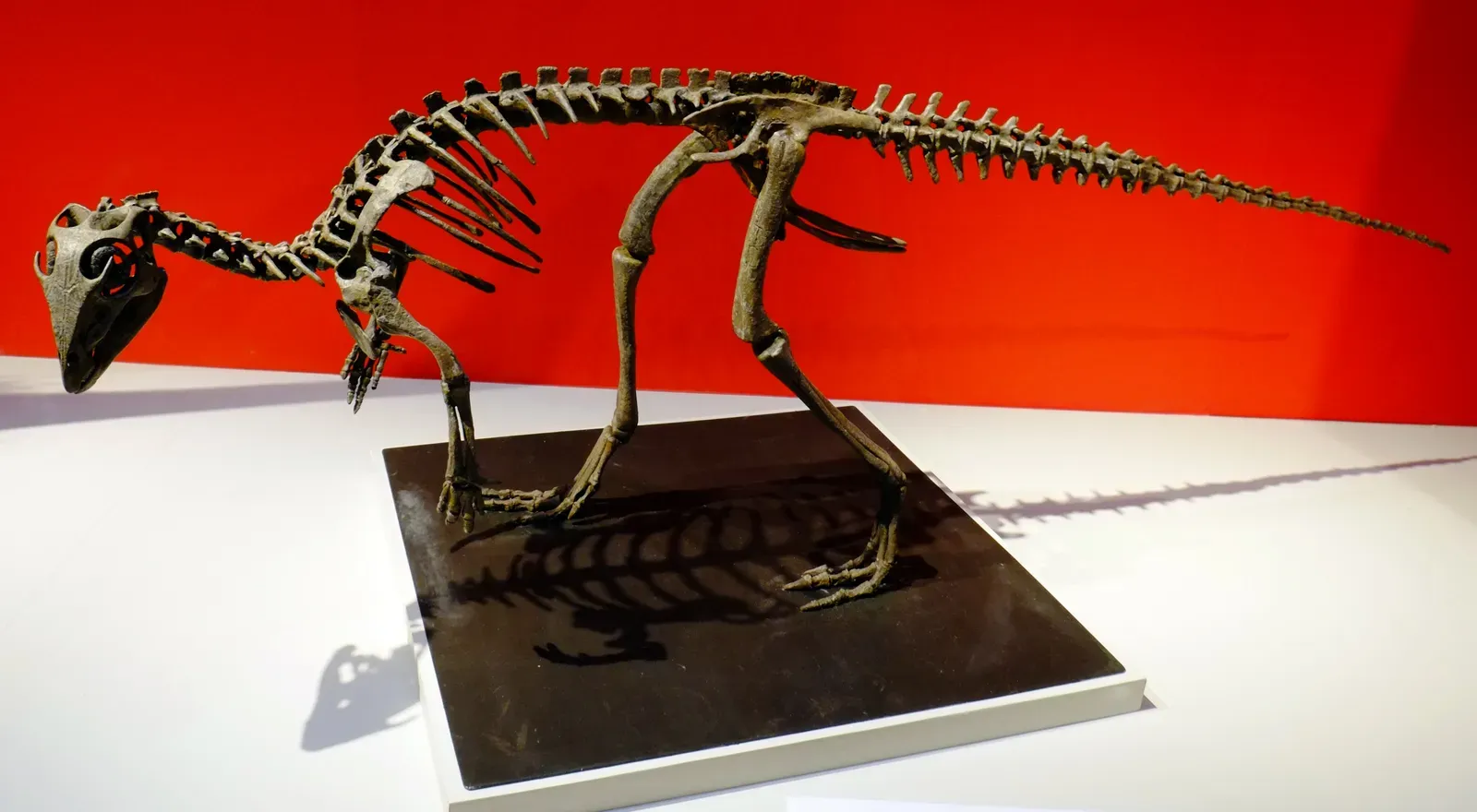
For a while, feathered dinosaurs were mostly a theropod story: small meat‑eaters close to birds, which made feathers feel like a special, narrowly defined feature. Then came Kulindadromeus from Siberia, a small, beaked, plant‑eating ornithischian that also preserved complex skin structures, including filamentous, feather‑like coverings. This single fossil blew open the comforting idea that feathers were just for the bird‑line carnivores.
Suddenly, paleontologists had to reckon with the possibility that filamentous coverings might be a primitive feature for dinosaurs as a whole, not just a late innovation on one branch. That meant rethinking everything from thermoregulation and display to how widespread fluff and filaments might have been across groups traditionally shown as purely scaly. Kulindadromeus did not just add another feathered species; it pushed a radical, slightly uncomfortable idea that the default dinosaur might have been more fuzzy than reptilian in appearance.
8. The Amber‑Trapped Dinosaur Tail That Made Feathers Feel Real
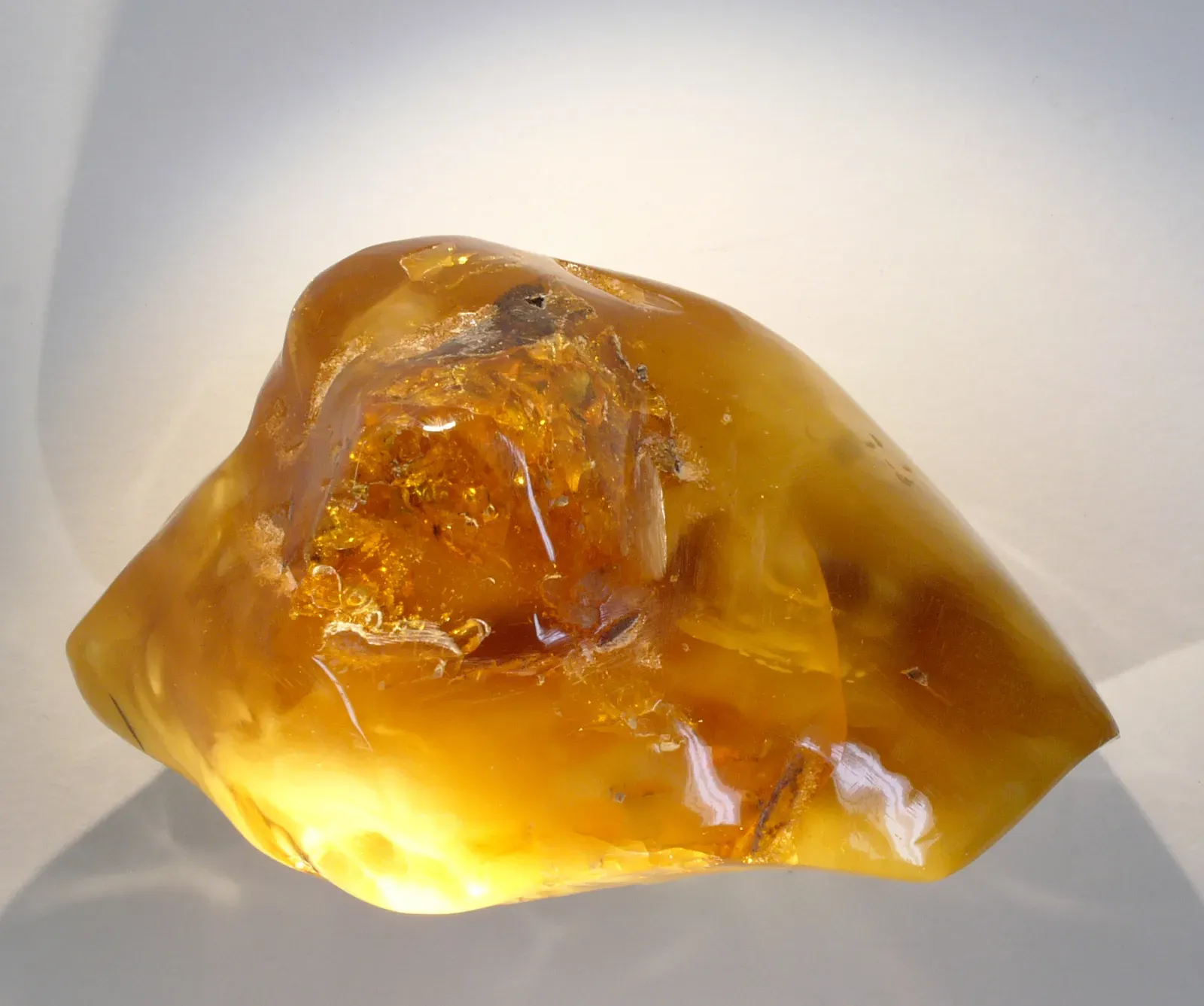
Feathers in rock slabs can be hard for non‑experts to interpret, always leaving a tiny sliver of doubt about what you are actually looking at. Then a piece of Cretaceous amber from Myanmar turned up with something impossible to shrug off: a tiny dinosaur tail, complete with bones, soft tissue, and fully three‑dimensional feathers preserved in golden resin. It looked like someone had taken a living animal, snipped its tail, and frozen it in time, down to the delicate branches of each feather.
This single piece of amber turned abstract discussions about feather structure and evolution into something almost disturbingly tangible. It confirmed details about how these early dinosaur feathers were arranged, how complex they could be, and how similar they already were to modern bird feathers. For many scientists and enthusiasts, that tail in amber closed the emotional distance between dinosaurs and living birds in a way that no flattened fossil slab ever could, and it fueled new debates about the diversity and function of feathers far beyond flight.
9. The Soft‑Tissue T. rex That Reignited the “How Much Can Fossils Preserve?” Fight
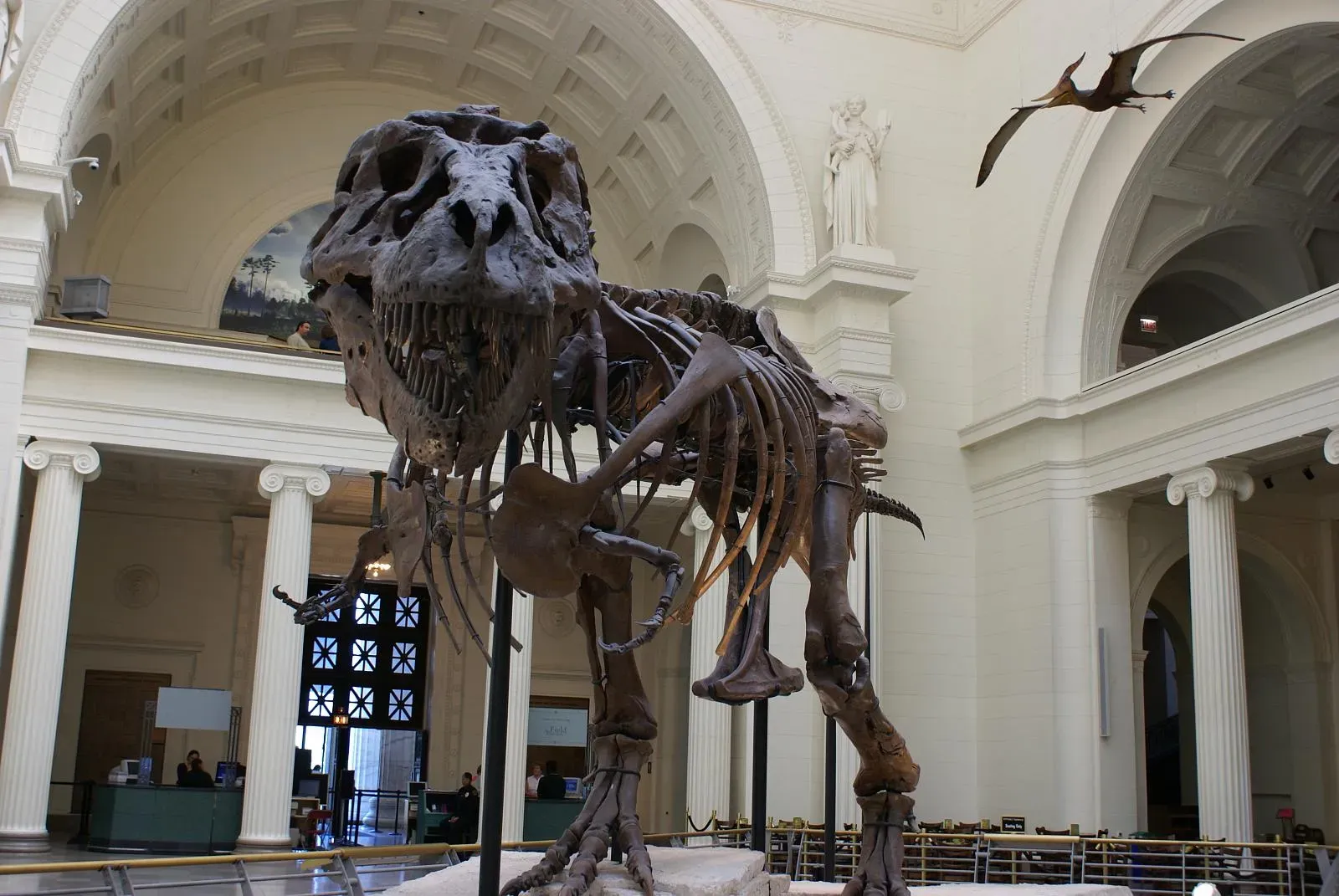
When researchers reported soft, tissue‑like structures and possible blood vessel remnants in a Tyrannosaurus rex fossil, it sounded almost too wild to be true. Dinosaur bones are supposed to be rock, not something that still hints at squishy internals. That single claim sparked fierce arguments about fossilization, with some scientists seeing a groundbreaking window into dinosaur biology and others warning that the evidence could be explained by bacterial biofilms or mineral artifacts instead.
Follow‑up work on other specimens suggested that original biomolecules, or at least traces of them, might survive far longer than anyone thought, opening the door to studying proteins and chemistry in animals that died tens of millions of years ago. At the same time, the controversy forced the field to sharpen its methods and standards for identifying such materials, because the implications are enormous. If even part of it holds up, that one T. rex bone quietly implies that we may have barely scratched the surface of what dinosaur fossils can still tell us about life, death, and decay.
Conclusion: When One Bone Is Enough to Rewrite the Story
What ties all these discoveries together is not just that they are dramatic or photogenic; it is that each one forced scientists to admit that the story they were telling about dinosaurs was incomplete or even flat‑out wrong. A single fossil made people redraw family trees, rewrite behavior models, and in some cases, scrap iconic artwork that had defined public imagination for decades. That kind of intellectual chaos can be uncomfortable, but it is also exactly what a healthy science looks like when it is alive and honest with itself.
Personally, I love that a lone tail in amber or a fuzzy plant‑eater from Siberia can still blindside experts who have been in the field for a lifetime. It means we are not done, not even close, and that the next world‑shaking fossil might already be sitting unnoticed in a drawer or a rock face someone walks past every day. The real lesson is that dinosaurs will keep surprising us as long as we are willing to let the evidence hurt our pride and change our minds. Which long‑held assumption about these ancient animals do you secretly hope the next fossil will smash to pieces?