
Some of the most important discoveries in the history of life on Earth didn’t happen in high-tech labs or carefully planned expeditions. They happened because someone tripped over a strange rock, dug a basement, or took a shortcut on the way home. That’s the wild thing about fossils: they can sit quietly in the ground for tens of millions of years, waiting for pure chance to bring them back into the light.
In this article, we’ll look at seven remarkable fossils that were uncovered by people who weren’t exactly hunting for them. From a boy walking his dog to workers digging a well, these finds rewrote pieces of evolutionary history and proved that scientific breakthroughs sometimes start with a very normal day. It makes you wonder what’s lying just beneath your feet right now.
1. The Berlin Archaeopteryx: A “Limestone Souvenir” That Changed Evolution
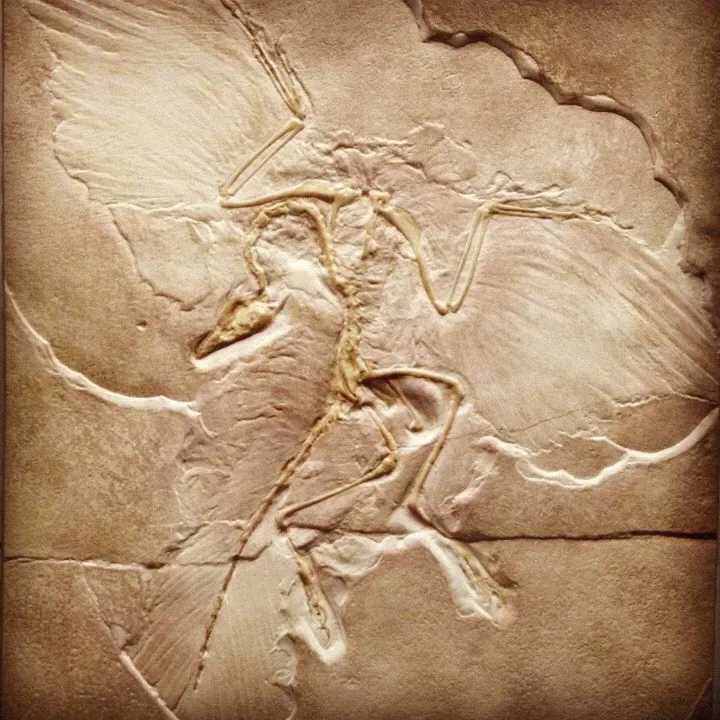
Imagine buying a pretty limestone slab as a curiosity, only to discover you’re holding one of the most iconic fossils in the world. That’s essentially what happened in the late nineteenth century with the now famous Berlin specimen of Archaeopteryx, the feathered dinosaur often called a bridge between reptiles and birds. Workers in a limestone quarry in southern Germany were just extracting stone for industry, not chasing the origins of flight.
The fossil was first treated almost like a collectible rather than a scientific treasure, passed through private hands before experts realized its full importance. When scientists finally examined it in detail, the combination of teeth, claws, a long bony tail, and delicate feather impressions helped cement the idea that birds evolved from theropod dinosaurs. A routine day in a quarry ended up reinforcing one of the boldest ideas in evolutionary biology.
2. Lucy the Australopithecus: A Misstep in the Desert That Revealed an Ancient Relative
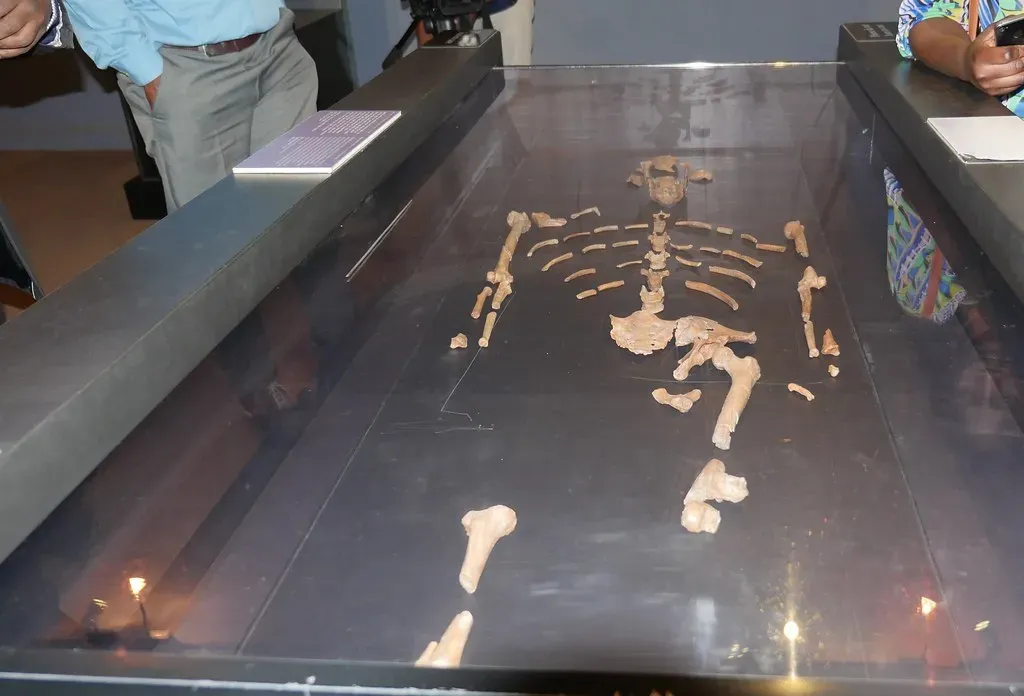
Lucy, one of the most famous hominin fossils ever found, was not stumbled upon by someone following a perfectly laid-out grid in the Ethiopian desert. The field team was, of course, working scientifically, but the exact moment of discovery was almost casual: a member of the team noticed a fragment of bone lying on the surface while walking back through an area that had already been surveyed. That small piece turned out to be part of a remarkably complete skeleton from over three million years ago.
As more bones were collected, it became clear that this individual walked upright but still had a small brain and some ape-like traits. The find turned into a cornerstone of our understanding of human evolution, illustrating that walking on two legs came long before big brains. It’s a good reminder that even in serious fieldwork, the decisive moment can feel strangely ordinary, like spotting a weird pebble that just happens to be your ancient cousin.
3. The “Boy and His Dog” Woolly Mammoth: A Walk That Became a Time Machine
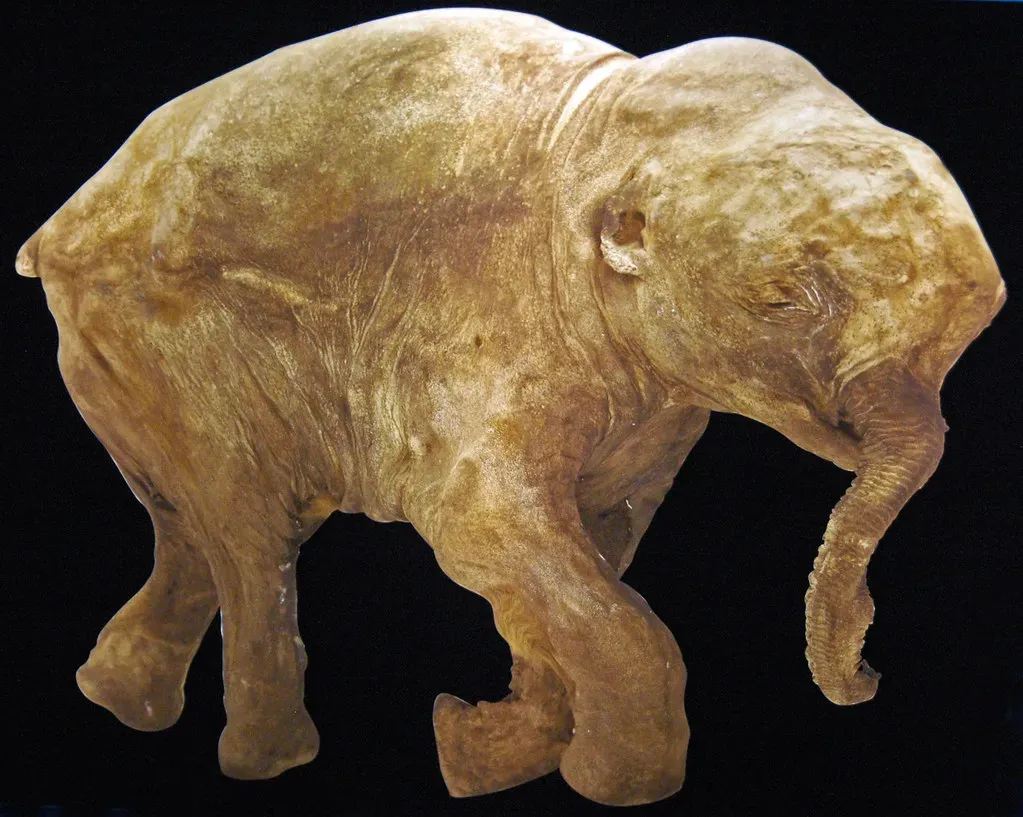
In several well-documented cases across northern regions like Siberia and Alaska, children or local residents have literally stumbled over protruding bones or tusks while out walking or playing, leading to the excavation of spectacular woolly mammoth remains. One widely reported story involved a boy out with his dog who noticed something huge and unusual sticking out of a riverbank, which later proved to be part of a mammoth skeleton preserved in permafrost. His day started like any other; it ended with scientists showing up.
These accidental mammoth finds are important because they often yield soft tissue, hair, and even traces of stomach contents, preserved by frozen ground for tens of thousands of years. That kind of detail lets researchers study ancient diets, climates, and even the genetics of these Ice Age giants. I honestly love that a routine dog walk can turn into a window onto a vanished world of steppe-tundra and roaring glaciers.
4. The Hadrosaur in a Backyard: When a New House Unearths a Dinosaur
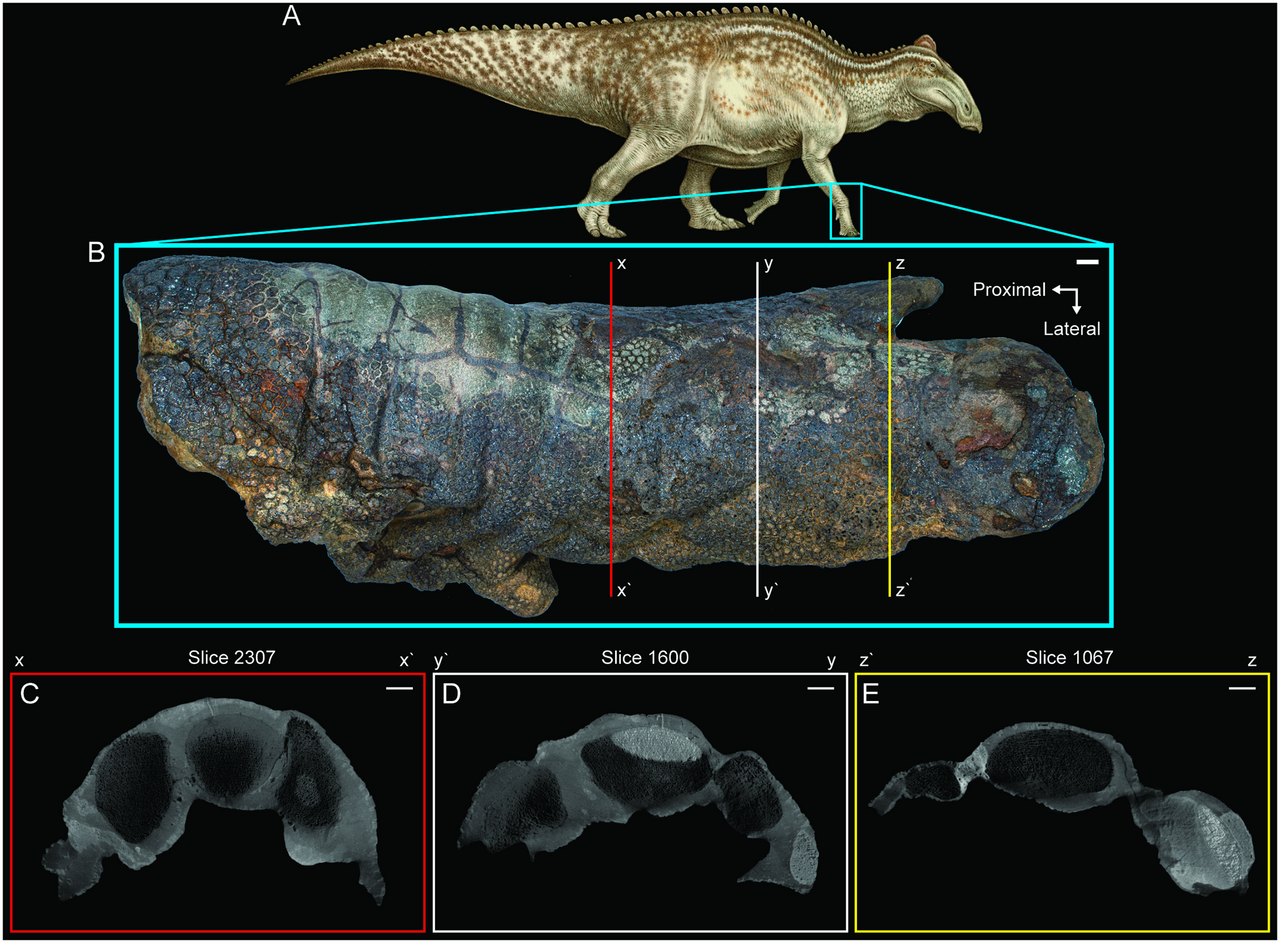
There have been several cases where homeowners or construction crews digging foundations have unexpectedly hit dinosaur bones, especially in parts of North America where Late Cretaceous rocks lie just below the surface. In one well-known discovery, a family’s backyard construction project uncovered the remains of a hadrosaur, a so‑called duck-billed dinosaur. At first, the odd, curved shapes were assumed to be nothing more than big rocks or old tree roots.
Once paleontologists were called, careful excavation revealed articulated bones and sometimes even impressions of skin or tendons, depending on the conditions. Finds like this show how suburban sprawl, for all its problems, can also unintentionally expose long-hidden fossils. There is something darkly funny about a peaceful subdivision being built right on top of what was once a dinosaur feeding ground, and it definitely makes you look at your neighbor’s new patio a little differently.
5. The “Fossil Fish” in a Roadcut: Highways Through Deep Time
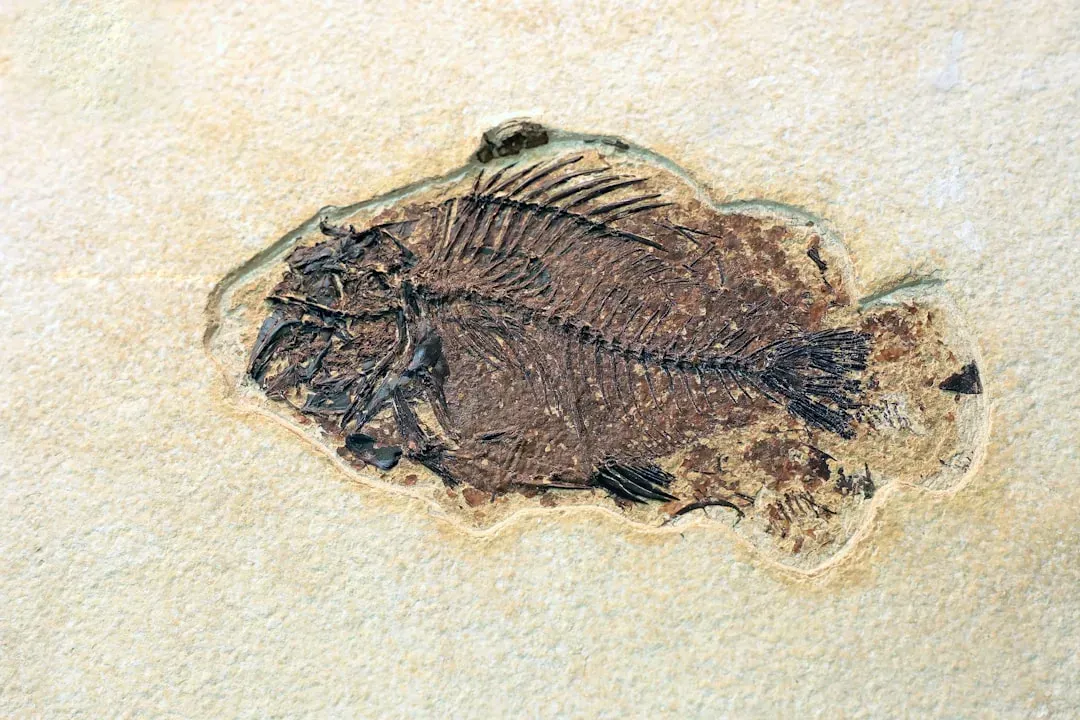
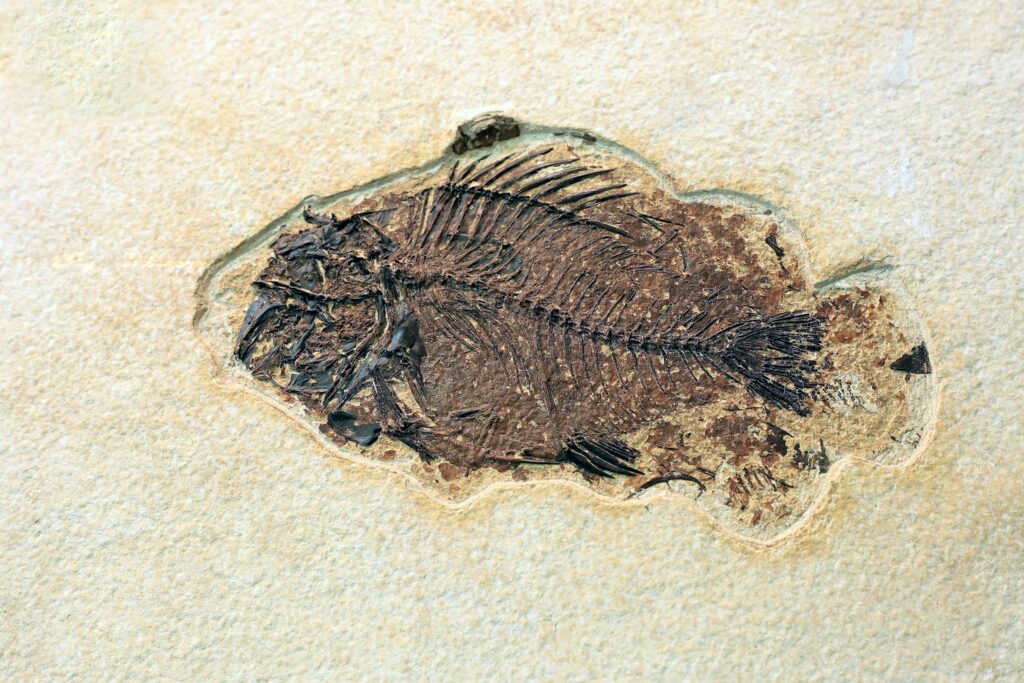
Road construction crews, focused on blasting and cutting through stone to lay down asphalt, have repeatedly exposed stunning fossil beds . A classic type of discovery involves exquisitely preserved fossil fish and plants revealed when a hillside is sliced open for a new road, especially in areas with fine-grained lake sediments. Workers might notice dark, leaf-like shapes or fish outlines in the newly exposed rock faces and mention them to local officials or teachers.
These unplanned exposures can quickly turn a random stretch of highway into a key fossil site where entire ecosystems from millions of years ago are preserved layer by layer. Paleontologists can map out species diversity, seasonal changes, and even mass die-off events from such deposits. As strange as it sounds, a noisy bulldozer can sometimes do the careful prep work that reveals a silent prehistoric lake in perfect, paper-thin slices of stone.
6. The Farmer’s Giant Bone: Ranch Land Hiding Prehistoric Giants
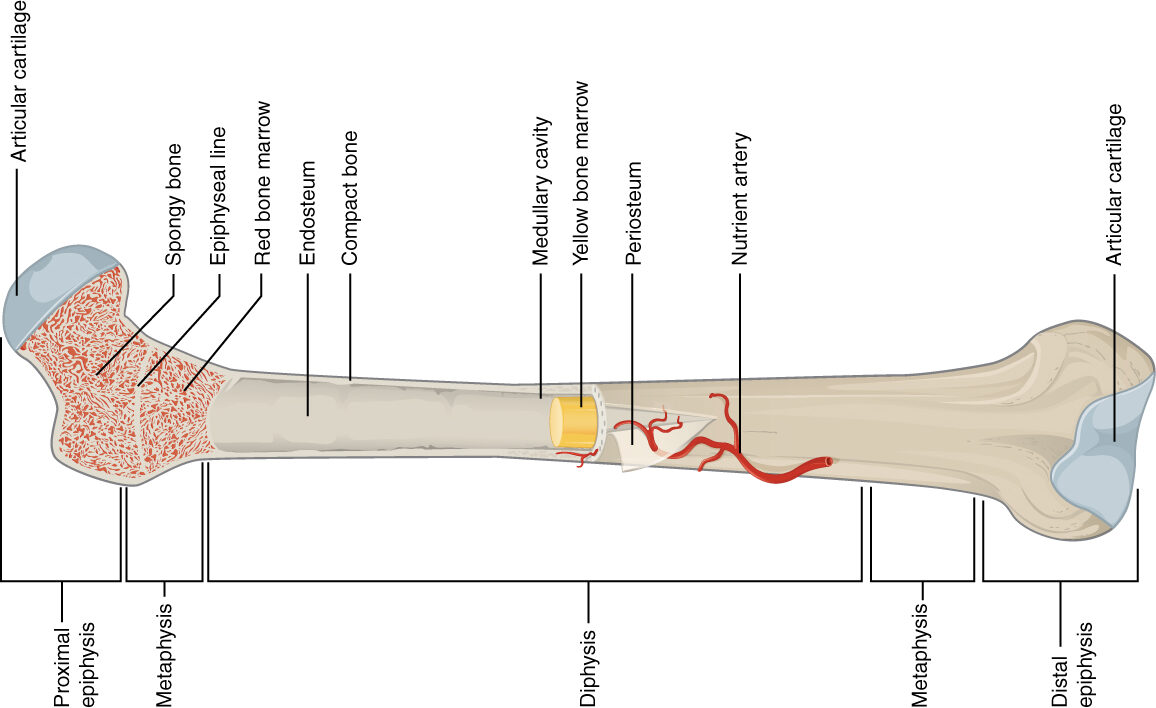
Farmers and ranchers have been kicking up history with their boots and plows for generations, often finding enormous bones while tending fields or digging for water. Many early reports of massive, mysterious bones in rural areas turned out to be remains of prehistoric animals such as mastodons or large dinosaurs. At first, people sometimes thought these belonged to mythical giants or oversized cattle, because there was no obvious frame of reference.
When scientists finally examined some of these finds, they realized entire skeletons were sometimes lying just beneath grazing land. The fossils helped fill in gaps about which species roamed certain regions, how big they grew, and what their environments were like. I find it oddly poetic that the same soil that feeds modern livestock can hide the bones of creatures that once dominated those landscapes long before humans even existed.
7. Fossils in Building Stone: Ancient Seas in Church Walls and City Squares
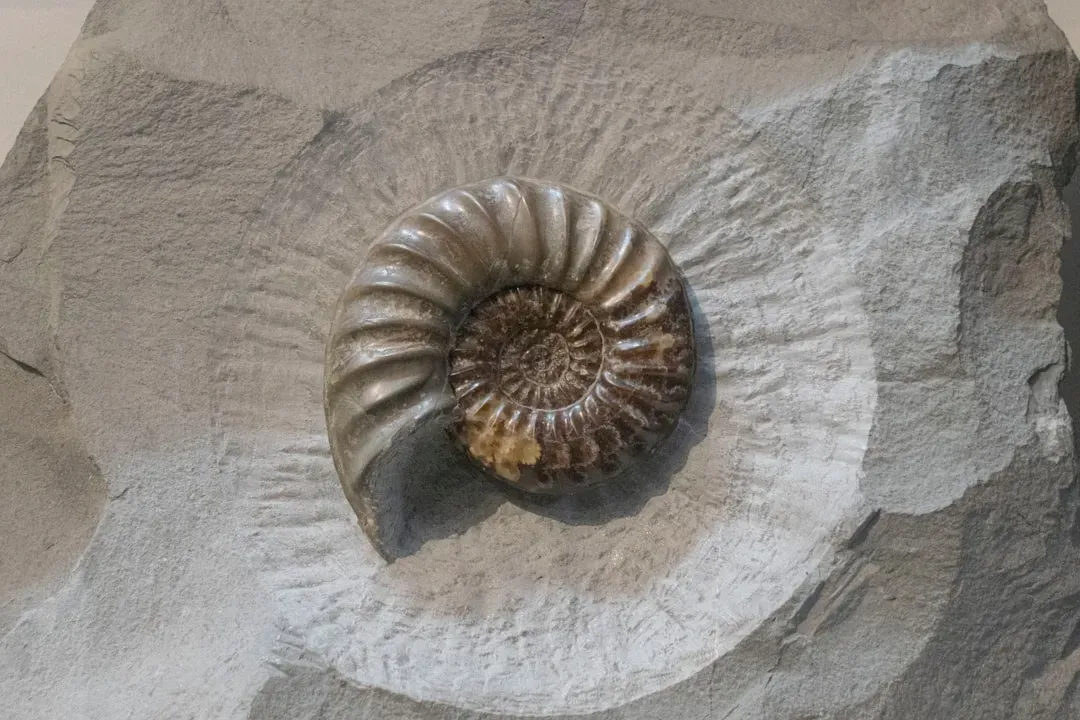
In many historic towns, you can literally see fossils built into walls, pillars, and floors, because the stone used for construction came from fossil-rich quarries. People centuries ago often appreciated the pretty patterns in the stone but didn’t necessarily grasp that they were actually the remains of ancient sea creatures. In some churches, public buildings, and even sidewalks, you can spot spiral shells, chunks of coral, and slices of ammonites just by looking closely.
While these were not “found” in the sense of an organized dig, their chance appearance in everyday architecture has sparked a lot of curiosity and later scientific study. Passersby and students noticing strange shapes embedded in a stair or façade have sometimes prompted detailed surveys of entire quarries and building blocks, leading to formal descriptions of species. It is hard not to feel a little awe when you realize a city street doubles as a casual fossil exhibit, quietly telling a story of warm, shallow seas that vanished long before any city existed.
Conclusion: Chance Finds, Big Questions
What all these stories have in common is not just luck; it is the simple act of paying attention. A boy notices a strange tusk in the riverbank, a farmer frowns at an oversized bone, a commuter glances twice at a fossil shell in a building block, and suddenly the past has a new voice. In my view, the most important lesson from accidental fossil finds is that science is not confined to labs and formal expeditions; it is woven into ordinary lives, waiting for someone curious enough to ask what they are really seeing.
At the same time, we should be honest: chance discoveries are amazing, but they are only truly powerful when they are followed by careful, methodical research. Without that second step, a lucky find stays a cool story instead of becoming a piece of hard evidence about evolution, extinction, or climate change. Maybe the real takeaway is that every one of us is a potential first responder for deep time, just by noticing when something looks a little off in the dirt, rock, or concrete around us. The next question is simple but thrilling: if you stumbled on a strange “rock” tomorrow, would you walk past it or bend down for a closer look?