Every so often, historians stumble on something that does more than tweak a date in a dusty book. It flips the script. A forgotten skeleton, a scrap of DNA, a misread inscription – suddenly, what we thought was the order of events turns out to be upside down. When timelines shift, the story of who we are and how we got here changes with them.
This isn’t just academic nitpicking. If humans were in one place thousands of years earlier than we believed, or a supposedly “modern” idea was actually tried in the distant past, then our sense of progress, innovation, and even identity starts to wobble. Below are seven timeline facts that quietly exploded long‑held assumptions and forced historians, archaeologists, and everyday people like us to rethink the entire sweep of history.
1. Humans Reached the Americas Far Earlier Than the Textbooks Claimed
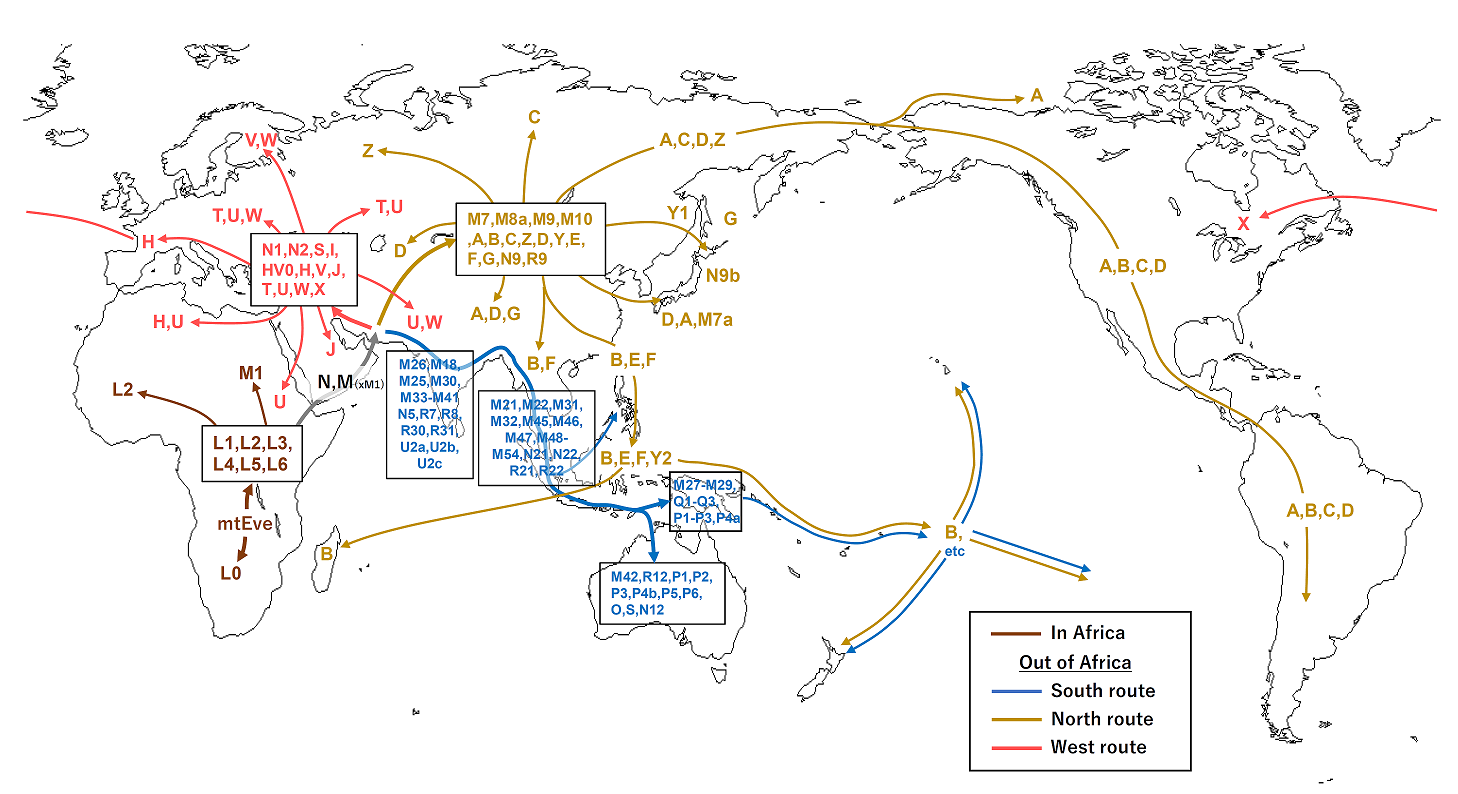
For most of the twentieth century, schoolbooks said the first people walked into the Americas around thirteen thousand years ago, following herds over a land bridge from Siberia to Alaska. That story was neat, simple, and completely wrong, as it turns out. Discoveries in places like Chile, the eastern United States, and even remote caves in Mexico show human presence thousands of years earlier than the old model allowed.
What really changes history here is not just the earlier date but what it implies: people were capable of crossing harsh landscapes, coastlines, and maybe even open water far earlier than we gave them credit for. Instead of a single migration in a straight line, we now see a messier picture of multiple waves, coastal routes, and incredibly adaptable communities. The Americas were not a last‑minute add‑on to human history; they were part of the story much earlier, and that makes our species look far more resourceful and connected than the old timeline ever suggested.
2. Viking Footprints in North America Centuries Before Columbus
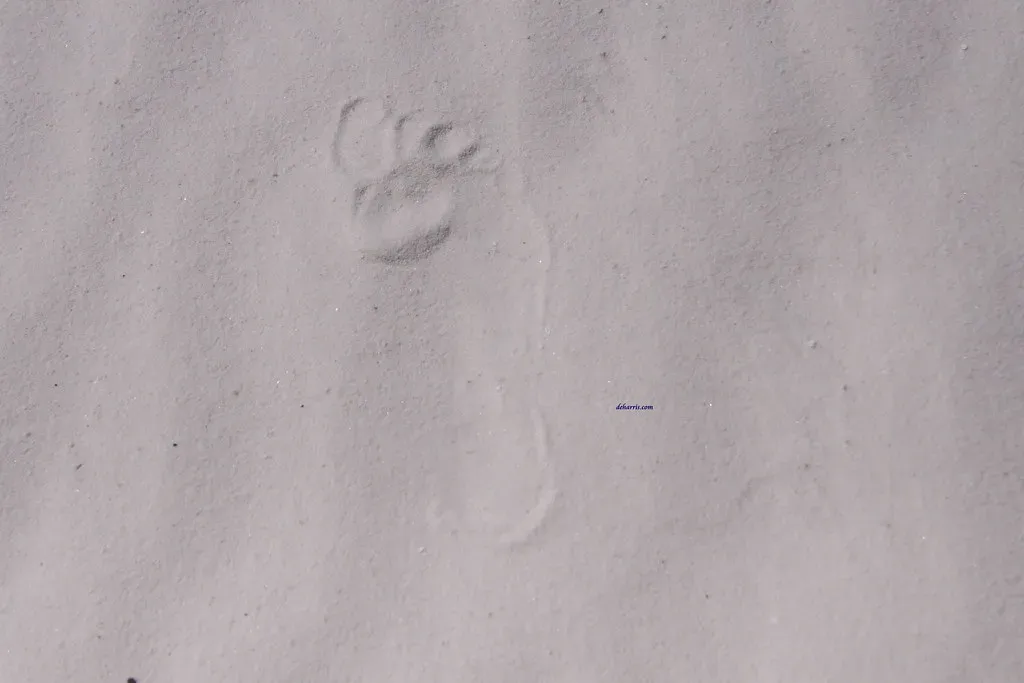
For generations, many people in the West carried a simple mental timeline: European “discovery” of the Americas started with Columbus in 1492. Then firm archaeological evidence from a windswept site at L’Anse aux Meadows in Newfoundland confirmed something that had long lived in Norse sagas: Vikings reached North America roughly five hundred years earlier. Excavations revealed timber buildings, metalworking, and clear signs of a short‑lived European settlement on the far edge of the Atlantic.
This shifts more than just bragging rights over who got there “first.” It proves that medieval Europeans could cross the North Atlantic intentionally, navigate brutal seas, and interact – peacefully or not – with people already living there. It also hints at a hidden timeline of brief contacts, forgotten voyages, and failed colonies long before permanent European presence emerged. Once you accept that Europeans were touching American shores around the year 1000, the old myth of a suddenly connected world in the late fifteenth century looks more like a long, hesitant process with false starts and lost memories.
3. Göbekli Tepe Shows Monumental Architecture Before Farming
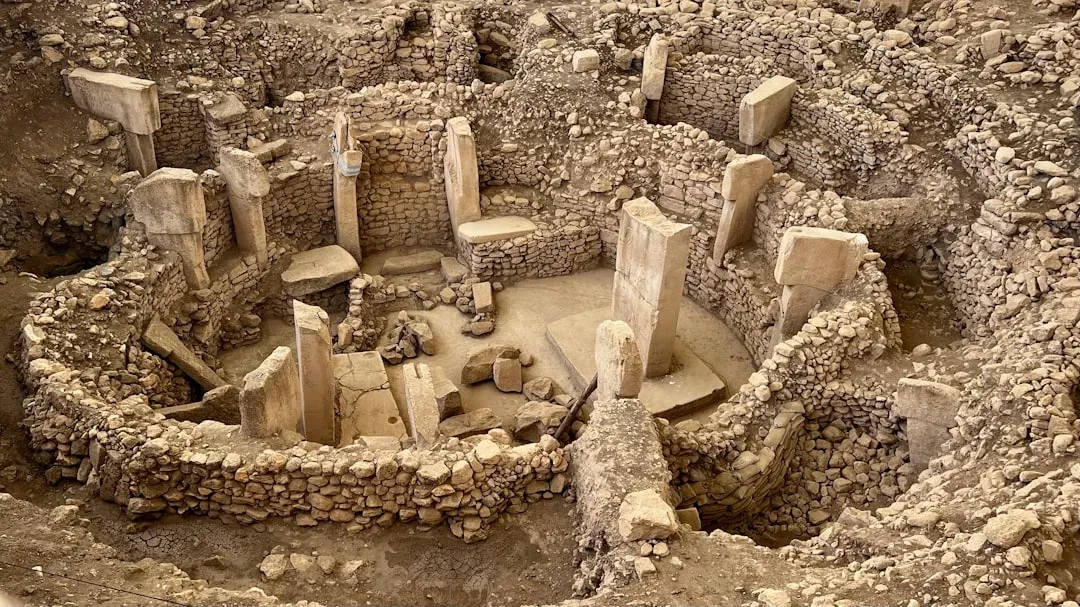
One of the most mind‑bending sites on Earth sits on a dusty hill in southeastern Turkey: Göbekli Tepe. Massive stone circles, carved with animals and abstract symbols, date back around eleven thousand to twelve thousand years – older than Stonehenge, older than the Egyptian pyramids, and crucially, older than widespread farming. For a long time, the assumed sequence was simple: first agriculture, then permanent villages, then big temples and monuments.
Göbekli Tepe turns that timeline inside out. It suggests that groups of hunter‑gatherers were already organizing large‑scale building projects, coordinating labor, and investing enormous effort into ritual spaces long before formal agriculture dominated their lives. In other words, it might not have been that farming enabled complex religion and social hierarchy; it could be that religious or social gatherings helped push people toward farming. That is a subtle but radical shift – and it forces us to see our distant ancestors not as wandering bands just scraping by, but as creative, symbol‑using builders with big, collective ambitions.
4. Ancient DNA Reveals We Carry Ghosts of Other Human Species
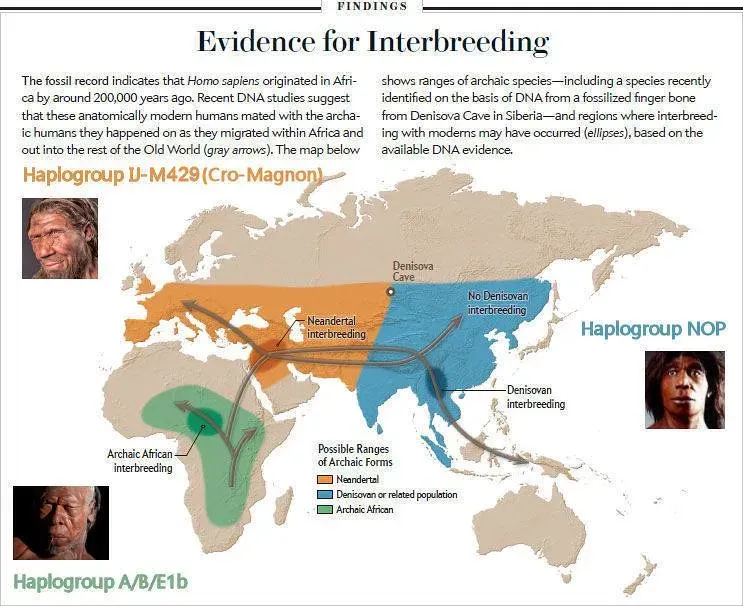
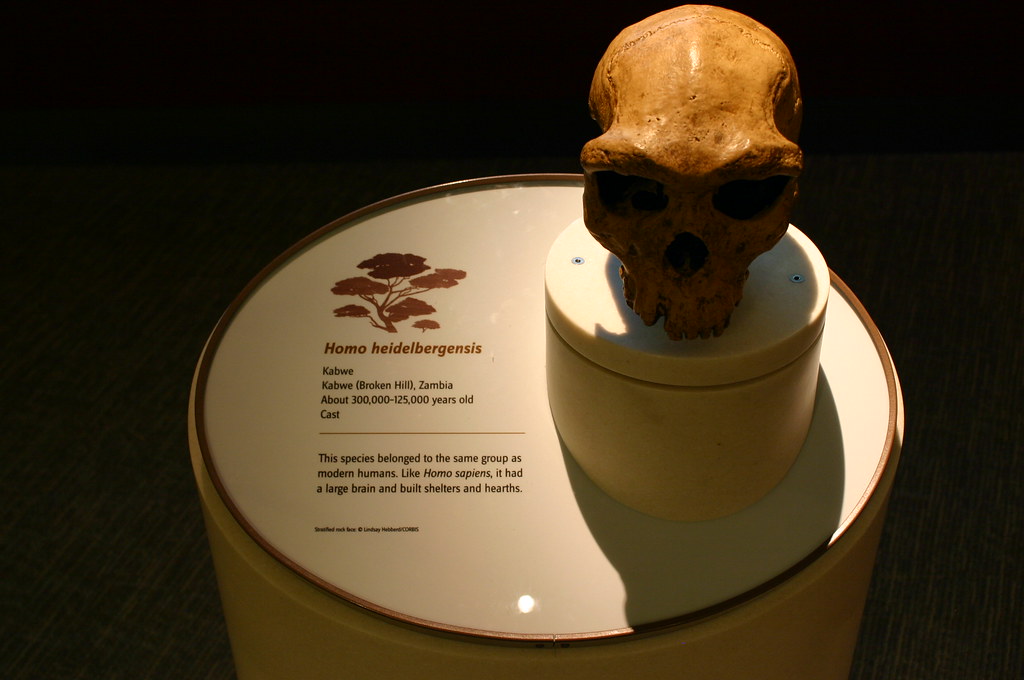
A little over a decade ago, if you asked most people about our closest extinct relatives, you might have heard one name: Neanderthals. Then geneticists started pulling ancient DNA from bones in Siberian caves and European rock shelters, and the human timeline exploded into a family drama. We now know that modern humans outside Africa carry small traces of Neanderthal DNA, and many people in Asia and Oceania also carry DNA from another mysterious group called Denisovans.
This does not just tidy up a family tree; it rewrites the basic narrative of “us” replacing “them.” Instead of a clean, linear progression where modern humans arrive and outcompete earlier humans, we now see overlapping populations, long periods of coexistence, and occasional interbreeding. The timeline is less a ladder and more a braided river. To me, that makes our species feel both less unique and more connected. We are not pure anything; we are a genetic mosaic, carrying quiet echoes of other human kinds who walked the same earth and looked up at the same skies.
5. The Bronze Age Collapse Shows How Fast “Advanced” Civilizations Can Fall Apart
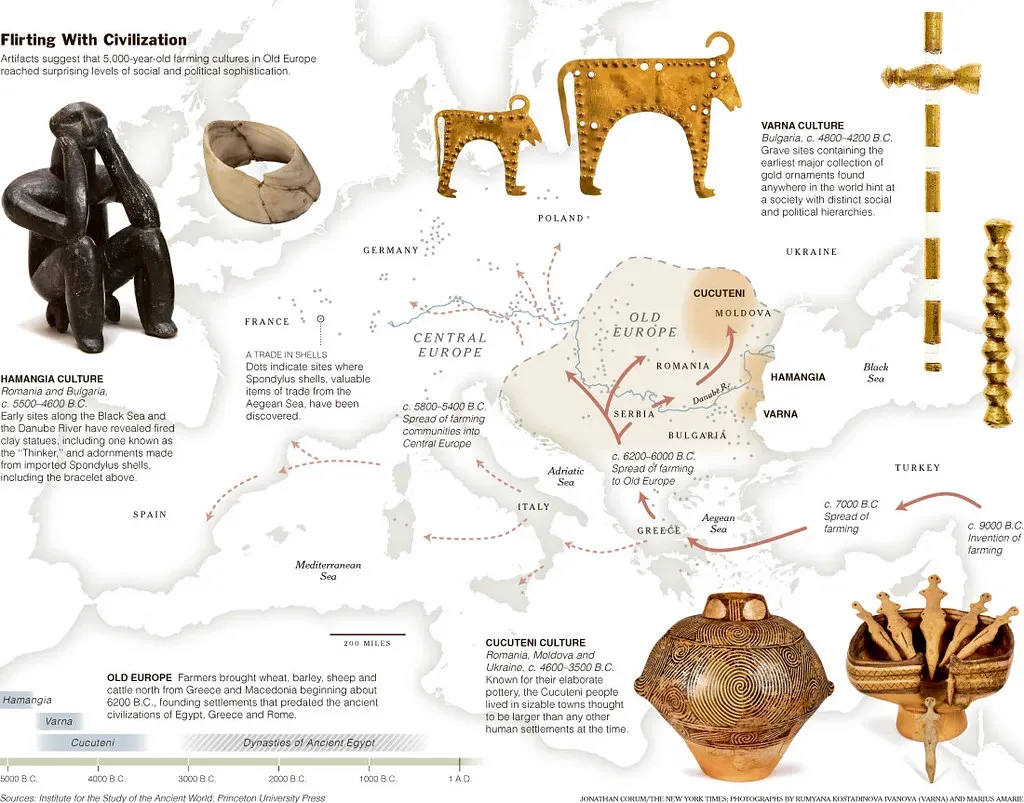
In the eastern Mediterranean, around the late second millennium BCE, a cluster of complex societies thrived: the Mycenaeans in Greece, the Hittites in Anatolia, the New Kingdom in Egypt, and trading city‑states across the Levant. For centuries they built palaces, wrote in scripts, traded luxury goods, and fought wars recorded on carved stone and clay tablets. Then, in a frighteningly short span – roughly a couple of generations – many of these centers burned, shrank, or vanished. The so‑called Bronze Age collapse is like watching an entire interconnected world system flicker out on the timeline.
What makes this historically explosive is not that civilizations fall – that part we already knew – but how fast a seemingly stable international order can unravel when hit by overlapping shocks. Climate stress, internal rebellions, shifting trade routes, invading groups, and technological changes seem to have piled up in a brutal cascade. When you realize that our own globalized world is also tightly interconnected and vulnerable to chain reactions, this ancient chapter stops feeling distant. It becomes an eerie warning that “advanced” is no guarantee of stability, and that long periods of prosperity can end much more quickly than they began.
There is also a humbling angle: written records dry up, scripts fall out of use, and whole languages disappear from the historical stage in that narrow window. On a timeline packed with cities, kings, and complex bureaucracies, you suddenly hit a foggy stretch where archaeology has to do the heavy lifting. It reminds us that what survives in our history books is fragile and selective. Entire ways of life can slip away in under a century, leaving just enough ruins and broken pottery to hint at how much we lost.
6. The “Dark Ages” Were Brighter and More Connected Than the Name Suggests
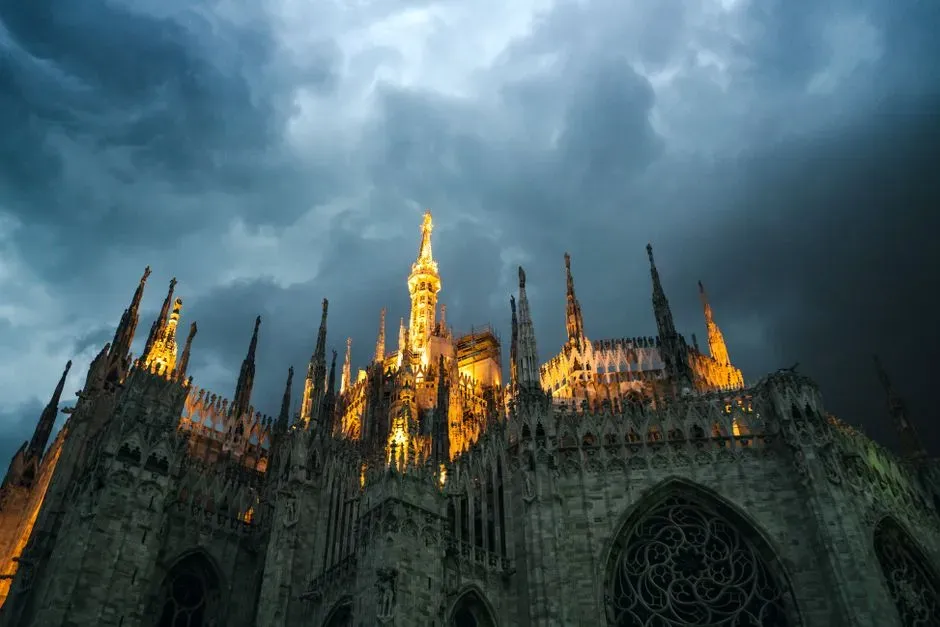
The phrase “Dark Ages” paints a simple picture: after the fall of the Western Roman Empire, Europe supposedly plunged into centuries of ignorance and stagnation, waiting around for the Renaissance to switch the lights back on. That timeline is attractive because it is dramatic and tidy, but modern research paints a far more nuanced picture. There was decline, for sure – cities shrank, long‑distance trade faltered in some regions, and certain technologies faded – but there was also adaptation, innovation, and cultural mixing across older imperial borders.
By tracing pottery styles, coin hoards, agricultural remains, and surviving manuscripts, historians now see a patchwork landscape rather than one long, gloomy chapter. Some areas struggled; others quietly flourished with new farming methods, local crafts, and emerging political structures. Knowledge from the ancient world did not simply vanish; much of it was preserved, transformed, and passed on through Byzantine scholars, Islamic centers of learning, and monastic communities. The real timeline looks less like a blackout and more like a dimmer switch turned to different levels in different places, and that challenges the emotionally satisfying – but deeply misleading – idea of a single, uniform age of darkness.
7. Climate Has Repeatedly Nudged History Off Its Expected Path
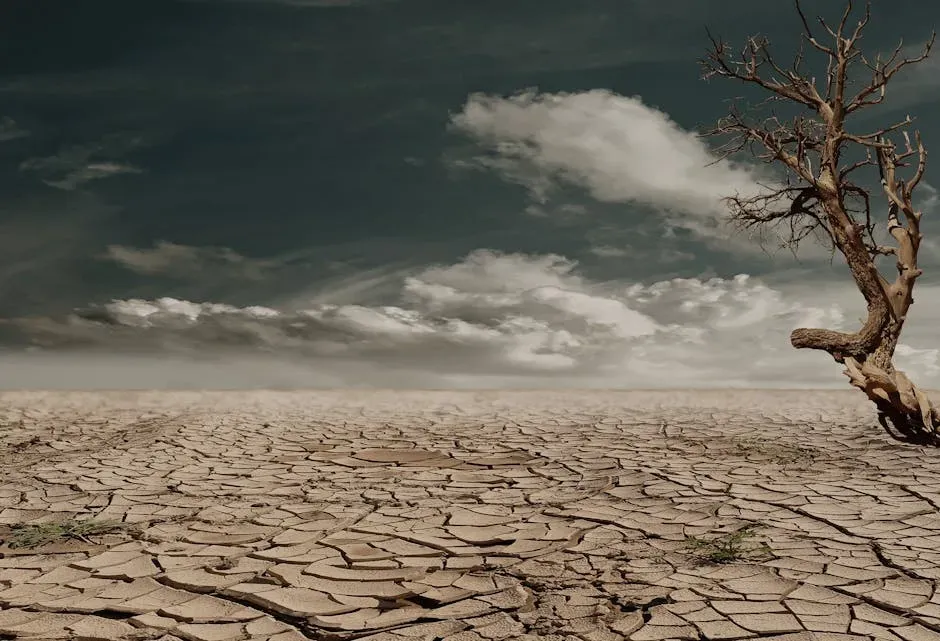
We often talk about history as if human decisions – wars, laws, inventions – drive everything, while nature sits quietly in the background. Yet climate reconstructions from ice cores, tree rings, and lake sediments tell a different story: shifts in temperature and rainfall have repeatedly shoved human timelines in new directions. Episodes like the so‑called Little Ice Age, or medieval warm periods, line up suspiciously often with waves of migration, social unrest, and political change.
Recognizing these patterns does not mean climate is destiny, but it does force us to redraw cause‑and‑effect arrows on our timelines. A kingdom that collapses around the same time as a prolonged drought suddenly looks less like a moral tale of bad leadership and more like a case study in environmental vulnerability. Personally, I find this both sobering and strangely grounding. It reminds us that we are still playing on the same planetary stage, under the same physical constraints, as our ancestors. Their world was not fundamentally different from ours; it was the early chapters of the same long, climate‑shaped story we are still writing.
Conclusion: History’s Timeline Is a Living Document, Not a Finished Chart
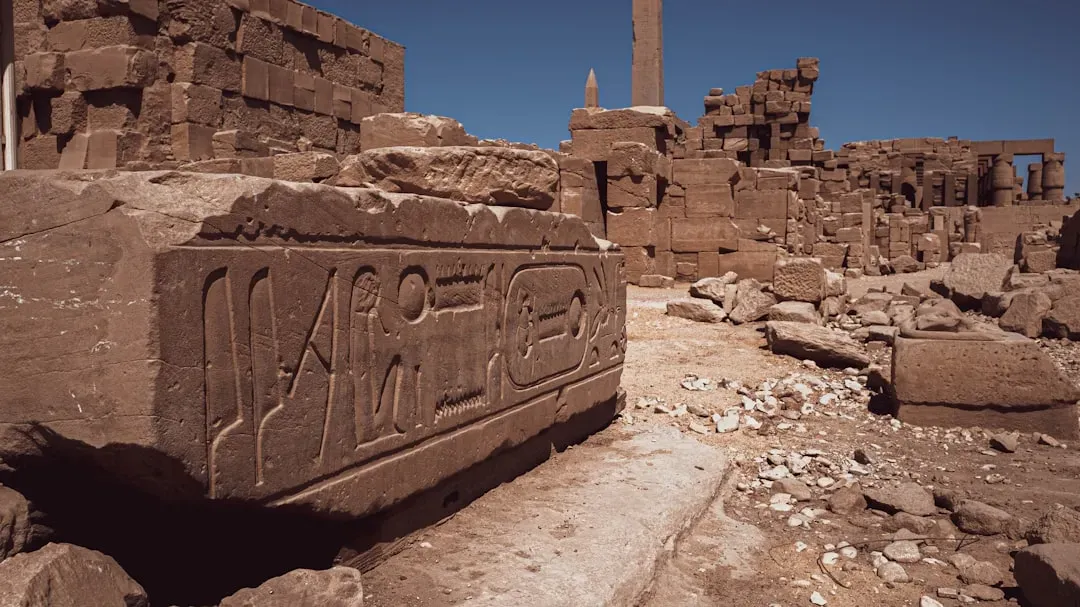
When you pull these seven strands together, a clear pattern emerges: history is never truly settled. Dates move, timelines bend, and our tidy narratives get punctured by new evidence from a cave wall, a buried temple, or a strand of ancient DNA. The comforting idea that we already know the big picture is, frankly, an illusion. Each correction – earlier humans in the Americas, monumental sites before farming, forgotten collapses and quiet continuities – shrinks our certainty and expands our sense of wonder.
My own opinion is that this is the best thing that can happen to us. A history that keeps changing under the pressure of new facts is a sign of intellectual honesty, not confusion. It forces us to stay curious, to admit we were wrong, and to treat our ancestors with more respect for their complexity. Maybe the most important timeline fact of all is that the story of humanity is still being edited. The question is, which of today’s “obvious truths” about our past will look shockingly naive to people reading a revised timeline fifty years from now?