
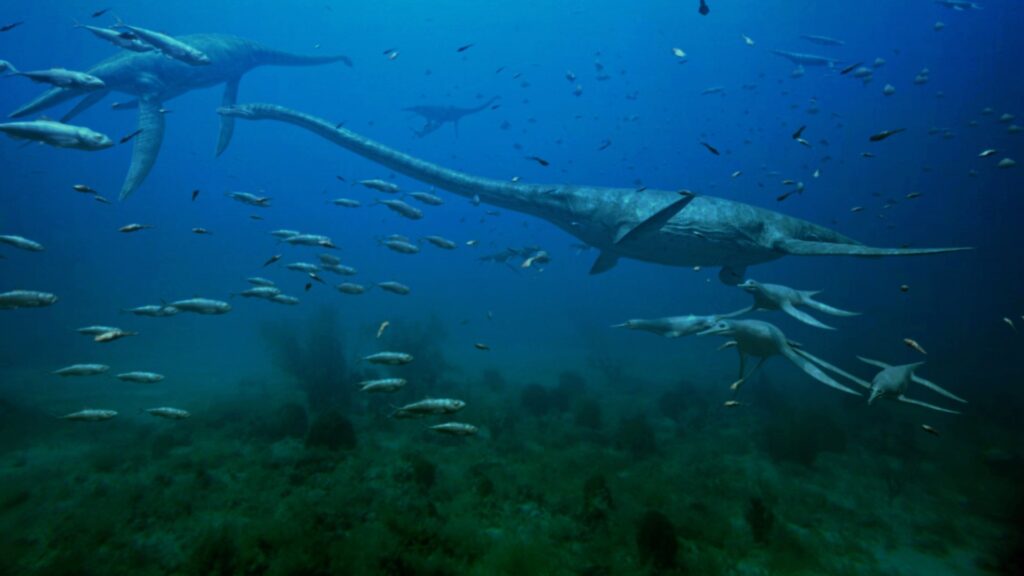
It is a little wild to picture it, but the land-locked, high-altitude state of Colorado was once the floor of a warm, shallow sea filled with giant reptiles, sharks, and squid-like hunters. Long before ski towns and interstate highways, this region lay under the Western Interior Seaway, a broad inland ocean that stretched from what is now the Gulf of Mexico to the Arctic. Where we see red rocks and dry canyons today, there were once clear blue waters and enormous predators cruising overhead.
Fossils pulled from places like the Niobrara Formation and the Pierre Shale show that Colorado’s ancient ocean was anything but quiet. It was a full-on marine battlefield, with top predators changing over time and new species evolving to fill every niche. Let’s wade into that lost ocean and meet eight of the most impressive what is now modern Colorado.
Mosasaurus: The Crocodile-Tailed Terror
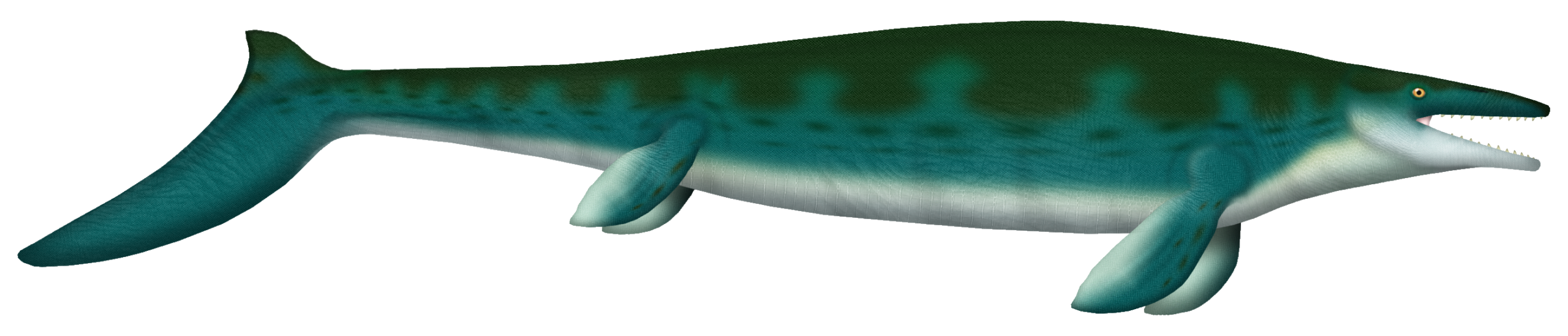
Mosasaurus is one of those creatures that feels almost too dramatic to be real: a gigantic marine reptile with a crocodile-like skull, powerful jaws, and a long, muscular tail built for speed. It belonged to a group of reptiles called mosasaurs, which were close relatives of modern monitor lizards and snakes. These animals ruled the late Cretaceous seas, and fossils from the Western Interior Seaway show they were major apex predators in the waters above ancient Colorado.
Imagine a predator as long as a city bus patrolling the sea above what is now the Front Range, snapping up fish, smaller marine reptiles, and even other mosasaurs. Its tail, shaped more like that of a shark than a lizard, shows just how fully adapted it was to life in the open ocean. When people look at modern Komodo dragons and think they are scary, it is humbling to realize those lizards have a distant cousin that once turned ancient Colorado’s sea into its personal hunting ground.
Tylosaurus: The Ramming Skull of the Inland Sea
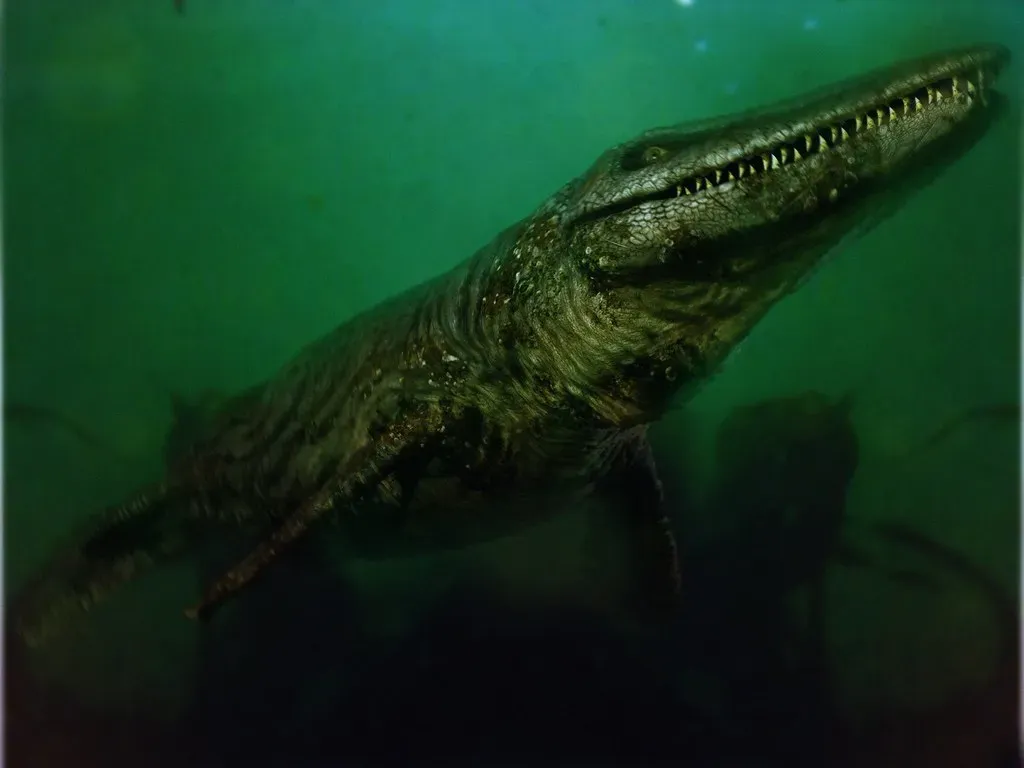
If Mosasaurus was terrifying, Tylosaurus was like its sleeker, more aggressive cousin. Tylosaurus was another large mosasaur, but its skull was more elongated, with a reinforced snout that paleontologists think it may have used like a battering ram. Fossil evidence from the Western Interior Seaway shows Tylosaurus reaching impressive lengths and feeding on almost anything it could overpower, including large fish, birds, and other marine reptiles.
Picture this animal gliding through the water where Denver now sits, using sudden bursts of speed to slam into prey before clamping down with rows of sharp teeth. Some fossil stomach contents from related animals include bones of birds and smaller mosasaurs, so we know these reptiles were not picky eaters. It is not hard to imagine a Tylosaurus cruising over ancient Colorado, turning the quiet seaway into a very dangerous place to take a swim.
Platecarpus: The Agile Mosasaur Sprinter
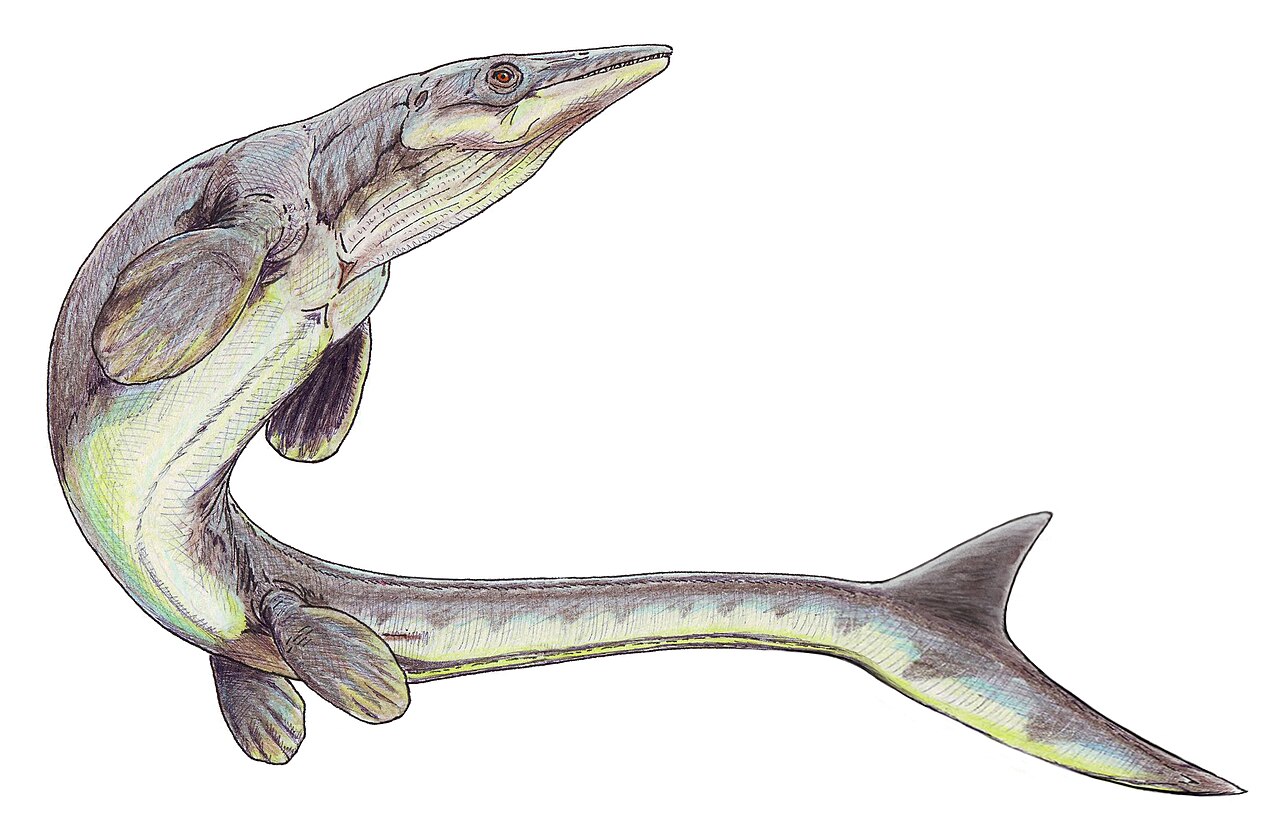
Platecarpus was a smaller mosasaur compared with the true giants, but what it lacked in size it seems to have made up for in agility. Its body proportions, flippers, and tail shape suggest a fast, maneuverable swimmer, almost like the marine reptile version of a dolphin. Fossils from the Niobrara Formation, which extends into the region that once covered parts of Colorado, show that Platecarpus was common in the Western Interior Seaway.
Instead of bullying everything in sight, Platecarpus probably chased down fish and squid in rapid, twisting pursuits. It likely moved with quick side-to-side motions driven by its tail, relying on those flippers like underwater wings to steer. Standing in modern Colorado and looking up at the thin air, it is strange to think that the same space once held a traffic jam of these swift hunters weaving between larger mosasaurs like sports cars darting around trucks.
Elasmosaurus: The Neck That Defied Common Sense
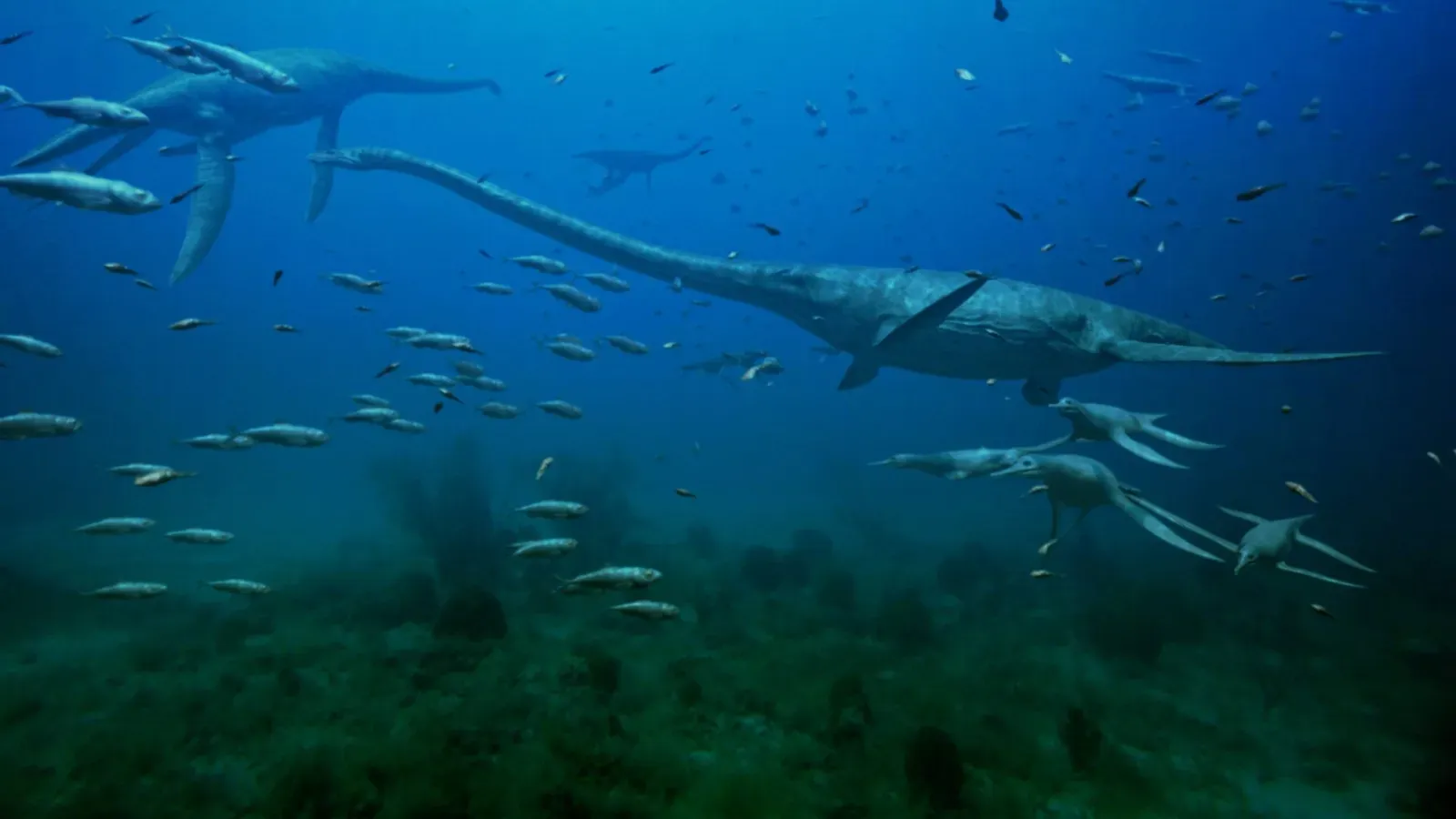
Elasmosaurus might be the most visually ridiculous of Colorado’s ancient sea monsters: a long-bodied plesiosaur with a neck so stretched out it seems like a prank. This animal carried an extremely long neck made up of many vertebrae, ending in a relatively small head armed with sharp, interlocking teeth. Fossils in the broader Western Interior Seaway region, including material historically associated with areas near present-day Colorado, show that animals like Elasmosaurus thrived in these waters.
Scientists still debate exactly how it used that absurd neck, but one popular idea is that Elasmosaurus approached schools of fish stealthily, keeping its bulky body at a distance while only the small head and the last bit of neck entered the attack zone. In a way, it is like a living fishing rod, holding most of its weight back while just the tip does the work. It is oddly charming to picture this impossibly long-necked reptile gliding above what is now the high plains, turning the ancient inland sea into a stage for one of nature’s strangest designs.
Dolichorhynchops: The Compact Torpedo Plesiosaur
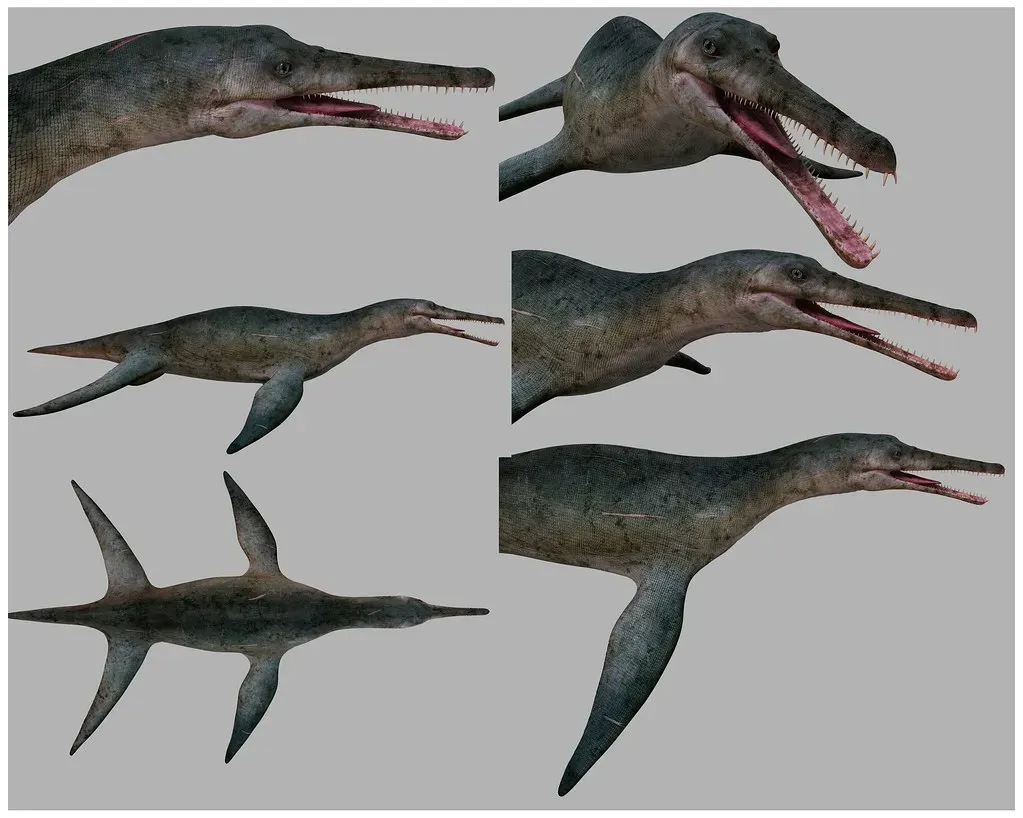
Dolichorhynchops was a different type of plesiosaur, one with a shorter neck and more streamlined body that looked almost like a reptilian torpedo. This animal had large flippers that worked together in powerful strokes, letting it fly underwater the way a penguin or sea turtle does today. Fossils from the Western Interior Seaway, including regions that overlap with ancient Colorado’s marine deposits, show that it was well adapted to chasing fast-moving prey in open water.
With its pointed snout and interlocking teeth, Dolichorhynchops was likely an efficient hunter of fish and squid-like animals. Rather than looming slowly like an Elasmosaurus, it probably relied on bursts of speed and tight turns, almost like an underwater fighter jet. When you stand in modern Colorado and see a hawk dive on a mouse, it is haunting to realize that the same sense of sudden, precise attack once played out just above that ground, only it happened underwater and the roles were filled by streamlined marine reptiles like this one.
Kronosaurus’s Kin: Giant Pliosaurs of the Western Interior
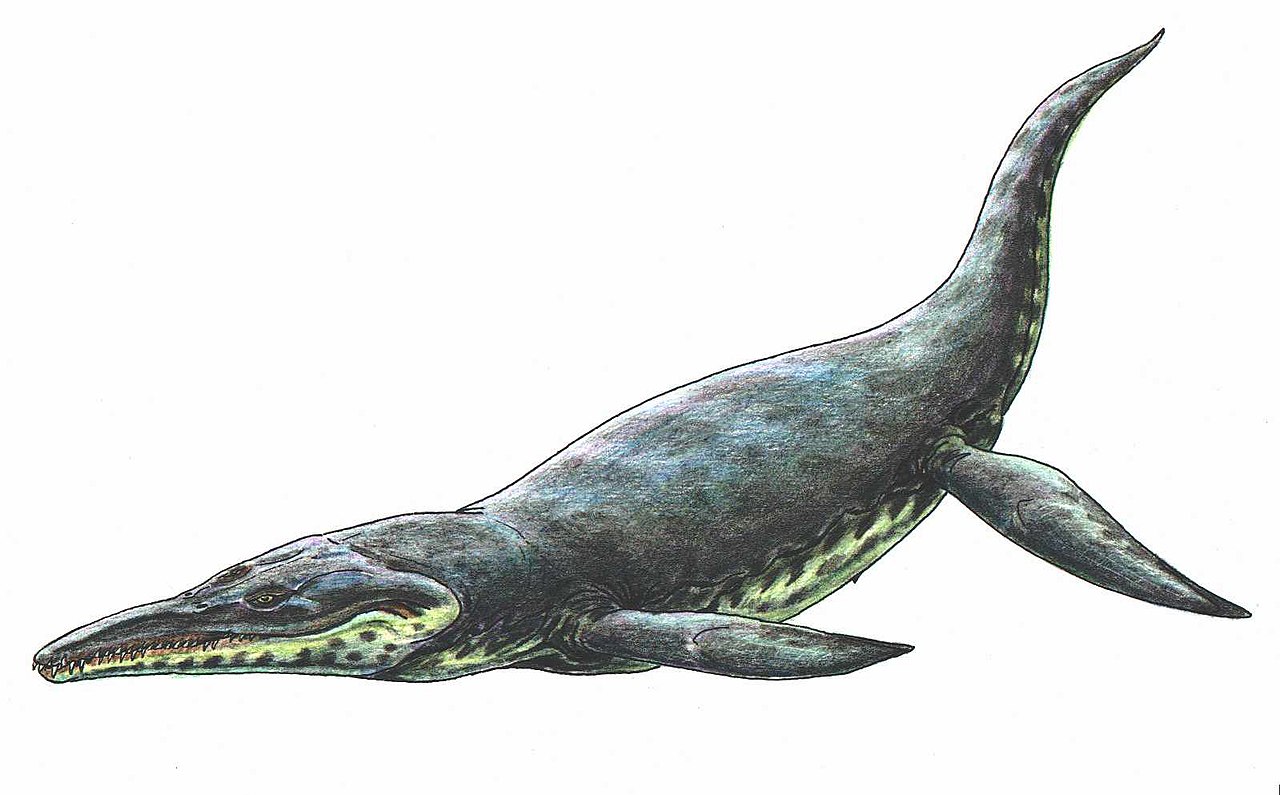
While the famous Kronosaurus itself is better known from other parts of the world, the Western Interior Seaway likely hosted similar large pliosaur-type predators earlier in its history. These were robust, short-necked marine reptiles with massive heads and powerful jaws, true heavyweights of the ocean food chain. Their body plan was all about raw power: big skull, big bite, and strong flippers to surge forward after sizable prey.
Although direct evidence of Kronosaurus in Colorado’s rocks is not solid, the seaway’s broader fossil record indicates that large pliosaur relatives prowled these waters during earlier phases before mosasaurs took over the top-predator role. It is a little like imagining lions being replaced by packs of wolves in the same landscape, just stretched across millions of years and played out under the waves. The idea that above today’s Rocky Mountain foothills there were once colossal, crocodile-headed reptiles ambushing anything unlucky enough to cross their path adds a satisfying shiver to any hike.
Cretoxyrhina: The “Ginsu” Shark of the Interior Sea
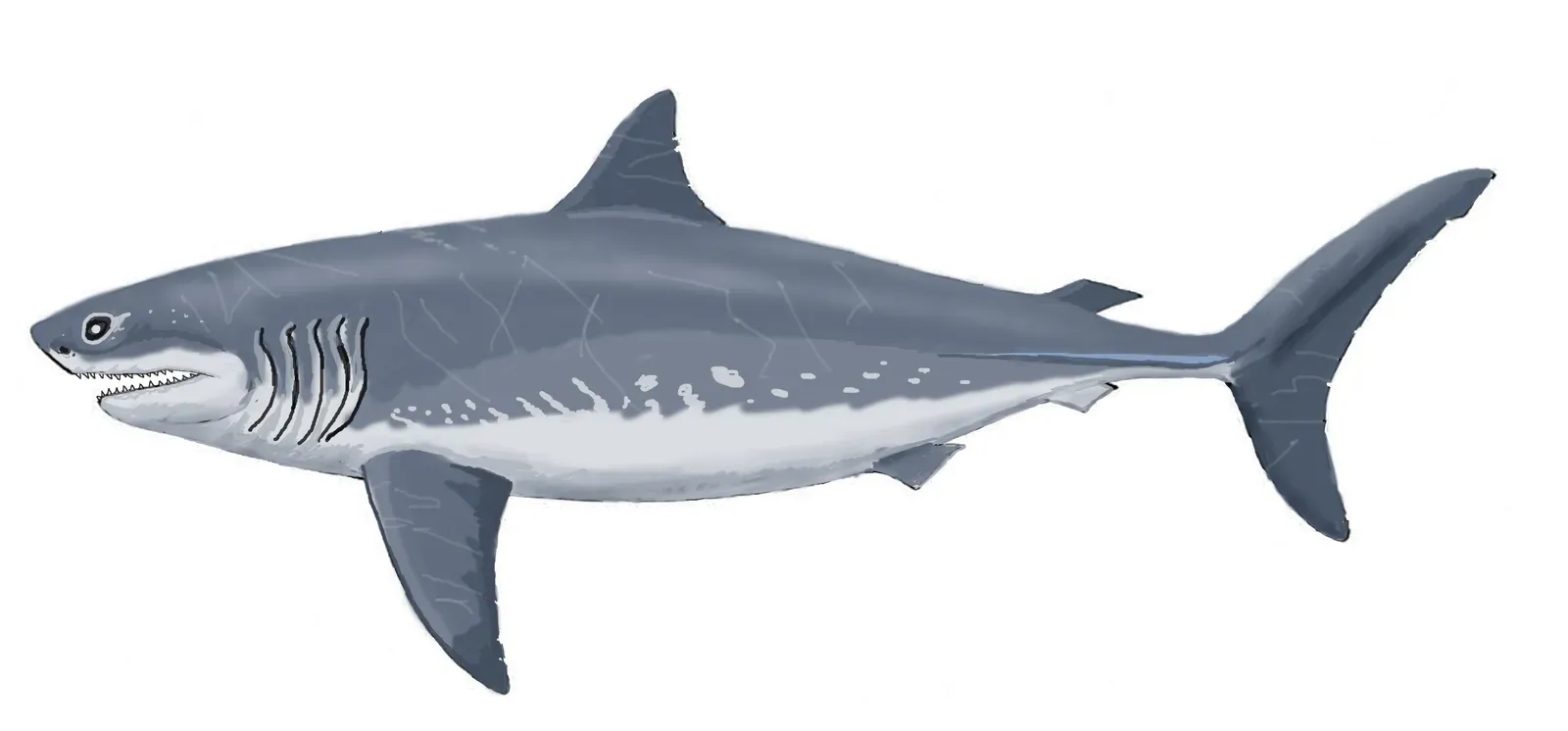
No ancient ocean story is complete without a serious shark, and the Western Interior Seaway delivered that in Cretoxyrhina, a large lamniform shark sometimes nicknamed the “Ginsu” shark because of its long, slicing teeth. This predator shared the Colorado skies-turned-sea with mosasaurs and plesiosaurs, hunting large fish and probably scavenging on reptile carcasses whenever it got the chance. Tooth and skeleton fossils show it was a sleek, fast swimmer that filled a role somewhat similar to great white sharks today.
Imagine swimming in that ancient sea and realizing that it was not just the mosasaurs you had to worry about. Cretoxyrhina would have been a constant, lurking presence, able to cover big distances and detect struggling animals from far away. When you look at a modern shark documentary and feel a little chill, it is worth remembering that over what is now Colorado, sharks like Cretoxyrhina were slicing through the water long before there was even a hint of mountains on the horizon.
Hesperornis: The Toothy Diving Bird
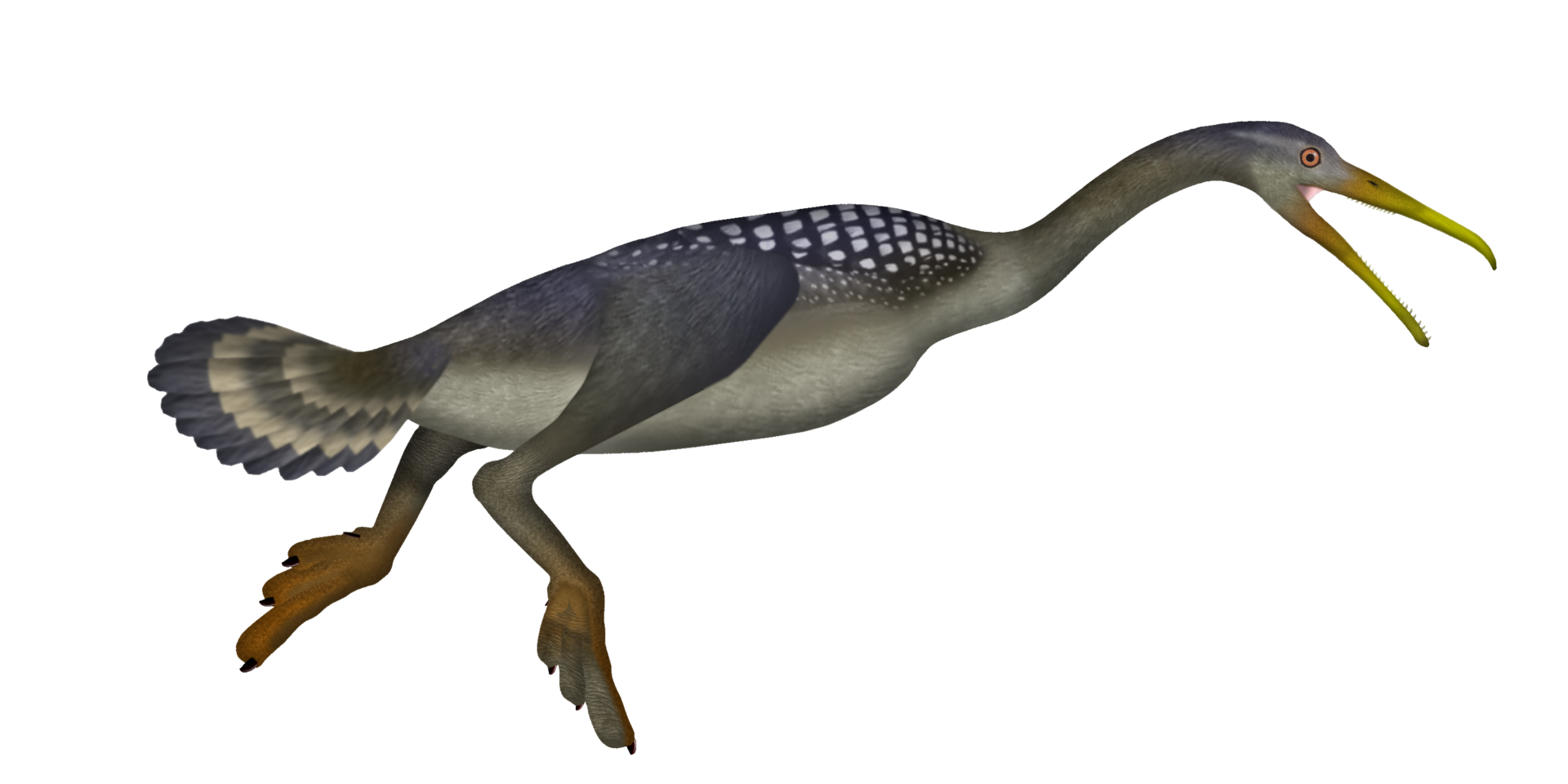
Not every sea monster over ancient Colorado was a reptile or a shark. Hesperornis was a flightless, toothed diving bird that lived along the shores of the Western Interior Seaway, including regions that correspond to present-day Colorado. It had small wings, powerful legs set far back on its body, and teeth embedded in a long, narrow jaw, giving it a strangely reptilian look for a bird. Instead of soaring through the air, it torpedoed through the water like a modern loon or penguin.
Hesperornis reminds us that this ancient sea was not just about toothy giants; it also supported rich, coastal ecosystems with birds, fish, invertebrates, and more subtle predators. Picture flocks of these birds nesting along beaches that once lined the seaway, then diving beneath the waves to chase fish under the shadow of passing mosasaurs. Standing today in dry Colorado, it is almost comical to think that where people now watch pronghorns and prairie dogs, there were once sleek, toothed birds paddling out from the shoreline to hunt.
Conclusion: Colorado’s Sky Once Belonged to the Sea
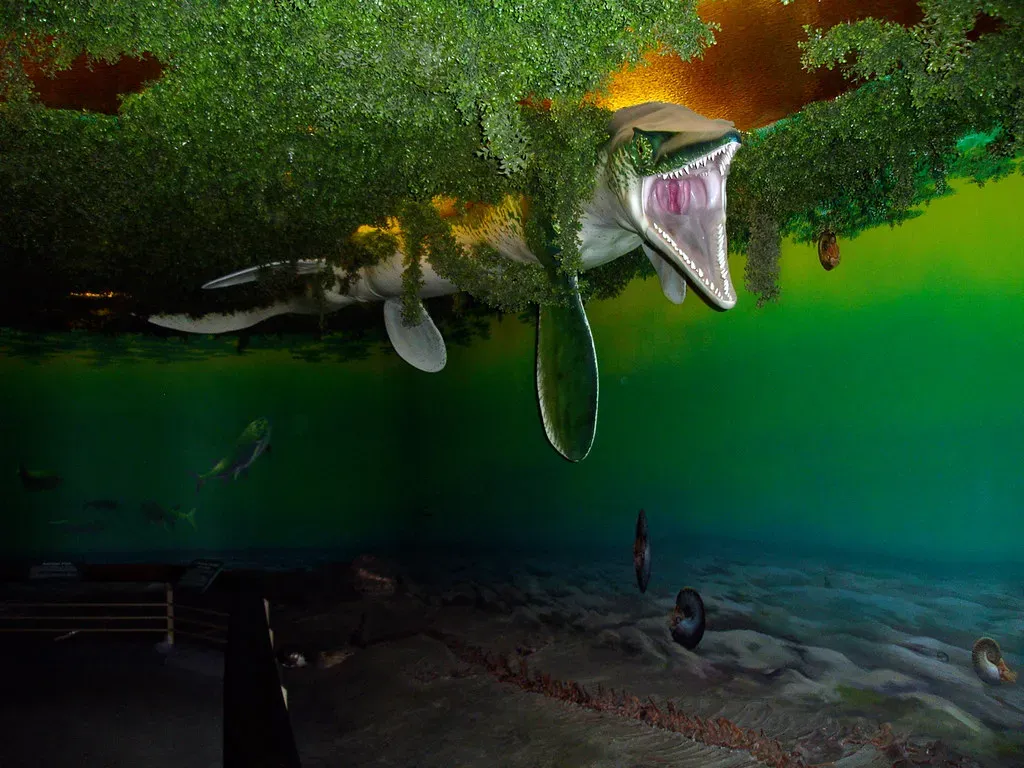
When you put all these creatures together – mosasaurs, plesiosaurs, sharks, strange diving birds – you get a picture of Colorado’s past that feels more like science fiction than history. Yet the rocks do not care what seems believable to us; they quietly hold the bones that prove this lost ocean was real. In my view, that is the most mind-bending part: the idea that the same landscape we casually drive across today was once the stage for one of Earth’s most intense marine ecosystems.
I think we seriously underestimate how much our sense of “normal” is just a snapshot in a very long, very weird story. Colorado was not always a high, dry, rugged place, and it will not stay exactly as it is forever either. Next time you are in the Rockies or out on the plains, try flipping the scene in your head and imagine a blue-green sea overhead, filled with necks too long, teeth too sharp, and predators too bold to fit our everyday imagination. Does that change how you see the ground under your feet, even just a little?