
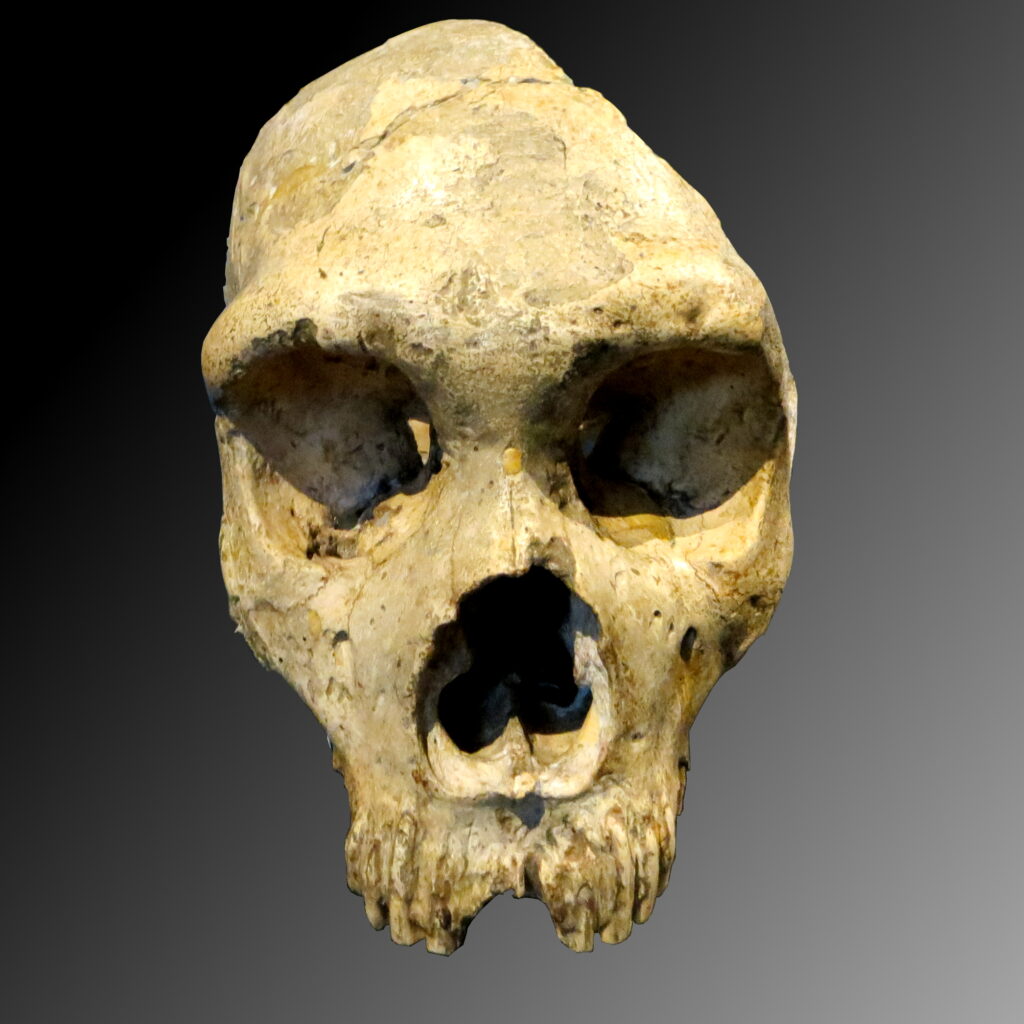
Imagine if, instead of being ancient cave-dwelling strangers, Neanderthals had walked the Earth while the first stone pyramids were already old news. That is how recent they feel once you realize just how close they were to us in time and biology. They were not movie monsters or half-evolved brutes; they were another kind of human, living through ice ages, raising children, making tools, and vanishing only a geological heartbeat ago.
When you zoom out, the entire history of your country, your language, even agriculture itself, looks like a thin scratch on the timeline of our species. On that same timeline, Neanderthals overlap with us at the very end, almost like two characters brushing shoulders in the final chapter of a long novel. And the really wild part? In a sense, they never fully disappeared at all.
Neanderthals Did Not Vanish in the Distant Dawn of Time
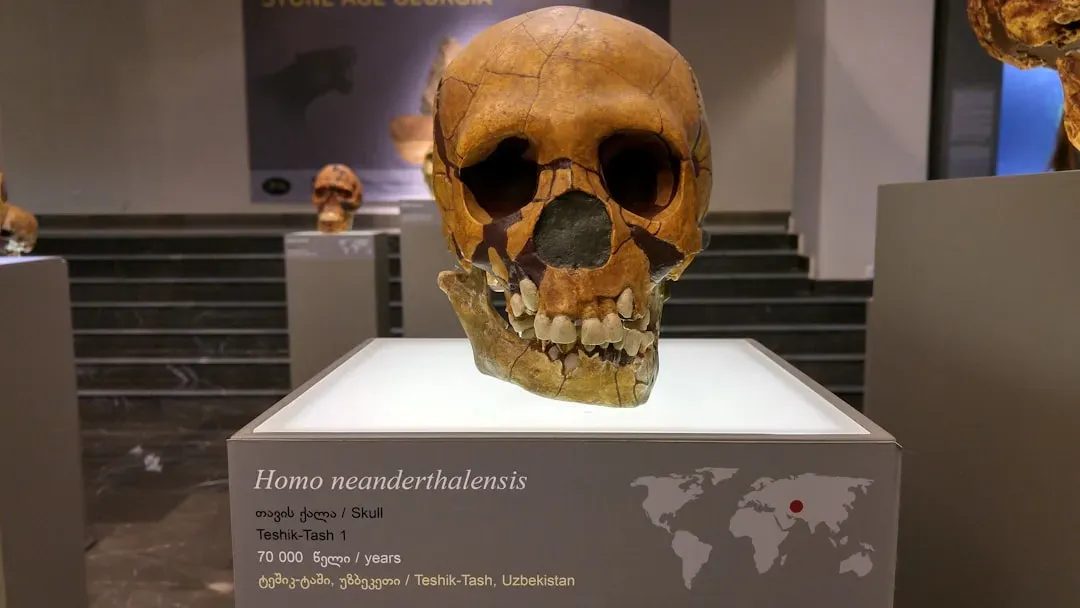
For a long time, textbooks painted Neanderthals as extremely ancient, almost mythical figures who disappeared in some dark, unknowable past. But when scientists began accurately dating Neanderthal bones and tools, the story changed dramatically. Their last known populations survived until roughly between forty and thirty thousand years ago, which in evolutionary terms is basically yesterday.
Think about it this way: modern humans as a species are more than two hundred thousand years old, and Neanderthals coexisted with us for tens of thousands of those years. That means that during much of what we think of as the rise of Homo sapiens, there were still other humans living parallel lives in Europe and western Asia. The distance between us and the last Neanderthals is far shorter than the distance between them and their own early ancestors.
They Shared the Planet With Us for Thousands of Years
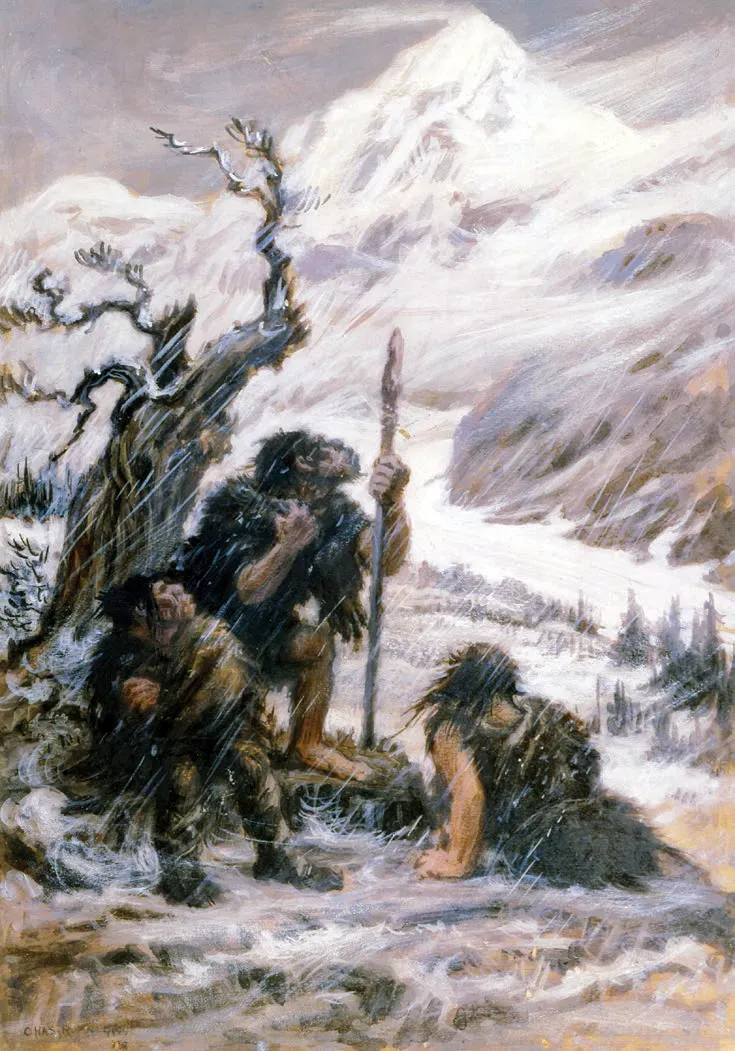
One of the most surprising things we have learned is that Neanderthals and modern humans did not just miss each other by a few centuries; they overlapped for a very long time. In regions like Europe and the Middle East, our two species lived side by side for several thousand years. That is plenty of time for contact, competition, cooperation, and everything in between.
When I first really grasped that, it instantly broke the old “us versus them” image I grew up with. It is not a clean story of modern humans entering the scene and Neanderthals instantly vanishing. Instead, you should picture a long, messy period where two types of humans hunted similar animals, used similar landscapes, and likely watched smoke from each other’s fires on distant hills.
Traces of Neanderthals Still Live in Your DNA
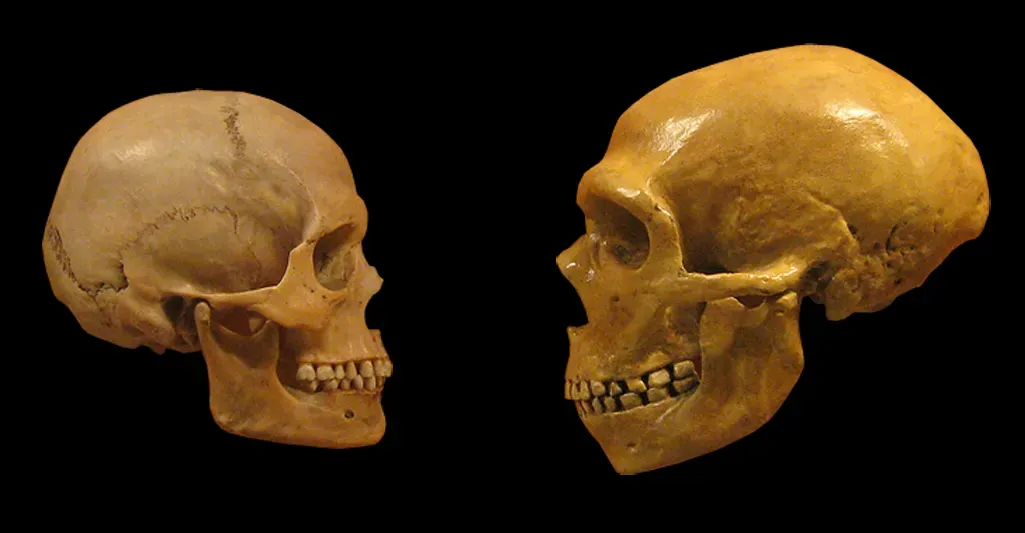
The most mind-bending twist of all is that Neanderthals did not fully disappear, because part of them is literally inside many of us today. Genetic studies show that people with ancestry from Europe, Asia, and parts of the Americas carry a small fraction of Neanderthal DNA. It is usually only a few percent at most, but that tiny slice is enough to prove that our ancestors did not just meet Neanderthals; they had children together.
This is not some fringe idea anymore; it is one of the solidest findings in modern genetics. Some of those Neanderthal genetic variants are linked to things like immune responses, how our bodies handle sunlight, and even certain disease risks. Knowing that, it is hard not to feel that Neanderthals are less like extinct cousins and more like relatives whose family photos just got lost along the way.
Far From Stupid Cavemen: Neanderthal Culture Was Complex
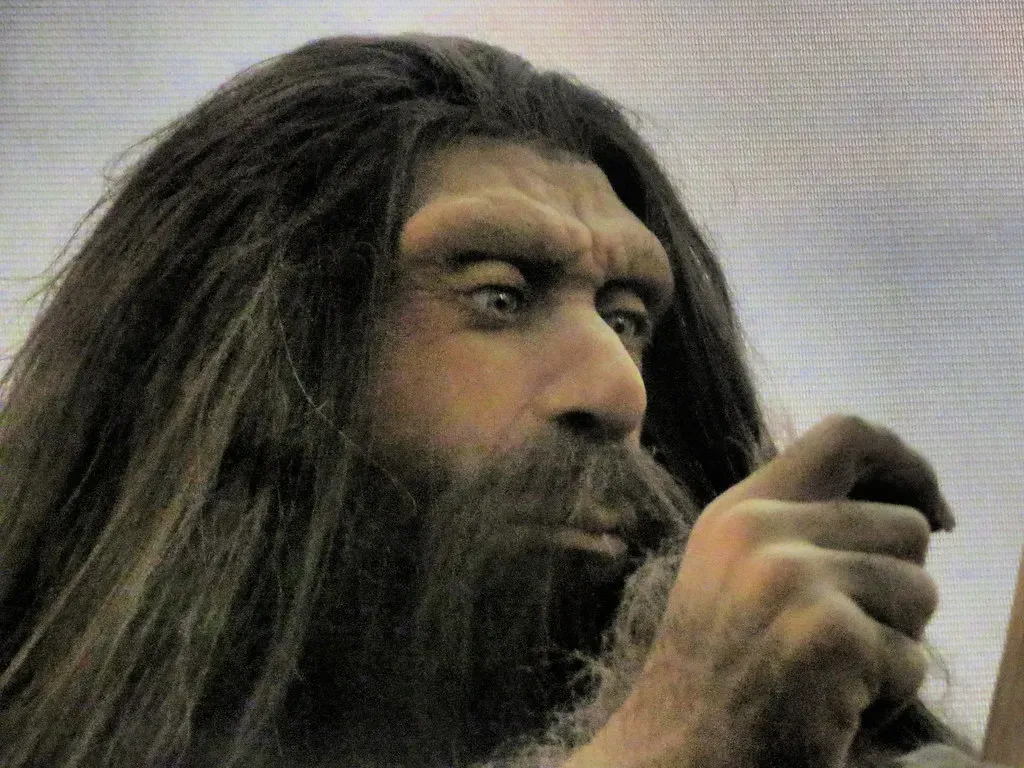
The stereotype of Neanderthals as clumsy, slow-witted brutes has been quietly dying for years. Archaeologists keep uncovering evidence that they made sophisticated stone tools, controlled fire, hunted big game in coordinated groups, and likely used some kind of language. In some sites, there are hints of symbolic behavior, like the use of pigments, personal ornaments, or special treatment of the dead.
Maybe the best way to reset your mental image is to imagine bumping into a Neanderthal in modern clothes on a subway. You would notice their robust build and different skull shape, sure, but they would not look like a different animal. They would look like a tough, slightly unfamiliar human who could probably learn your language and share your jokes, given time.
Why They Disappeared Is Still One of Our Big Mysteries
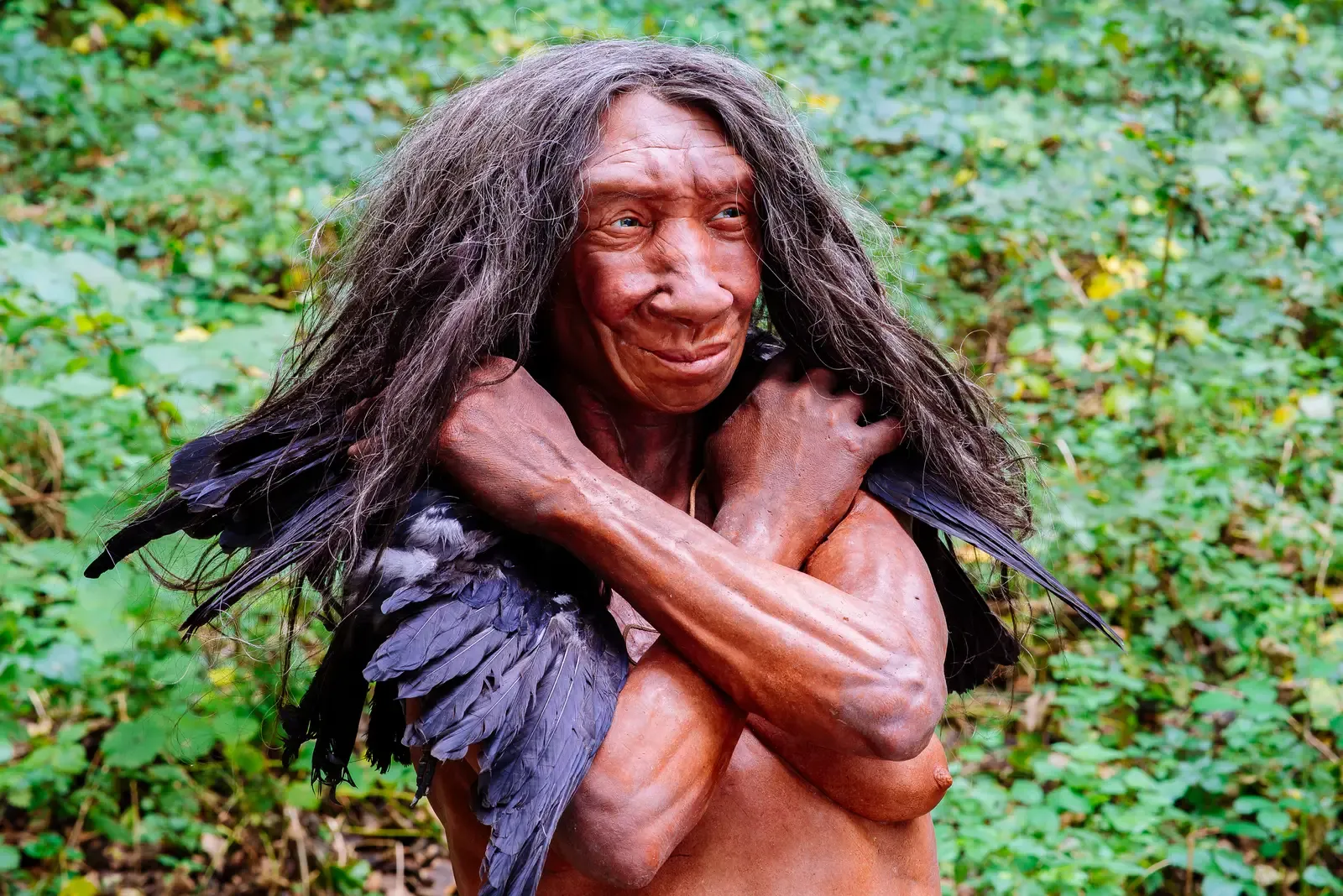
Even though we know the rough time frame of their disappearance, the real reasons why Neanderthals vanished while our branch survived remain a complex puzzle. There is no single dramatic event we can point to, like a volcanic eruption or a sudden catastrophe that wiped them out overnight. Instead, most researchers think a mix of climate changes, competition with expanding modern human groups, and small, isolated population sizes slowly pushed them to the edge.
To me, that feels more tragic than any sudden disaster. It paints a picture of scattered Neanderthal groups hanging on as their hunting ranges shrank, their numbers dwindled, and new humans with slightly different tools and social structures spread into their territories. Their end was not a battle or a single bad year, but a long fading of a human way of life that had lasted for hundreds of thousands of years.
The Last Neanderthal Communities Were Surprisingly Recent Neighbors
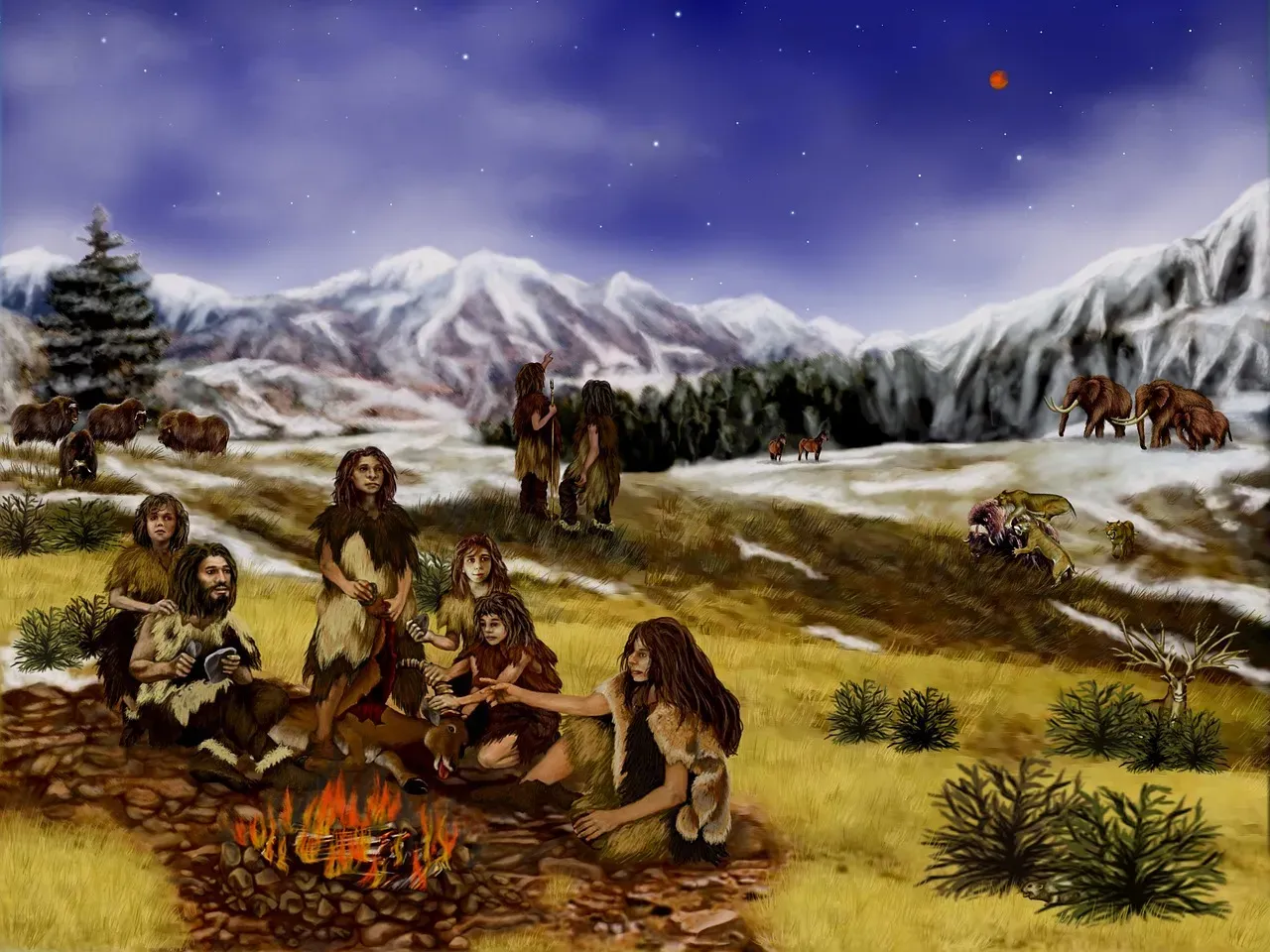
In some regions, especially in parts of Europe such as the Iberian Peninsula, Neanderthals appear to have survived longer than in other places. These last holdouts may have persisted while modern humans were already spreading new technologies and ways of life across other continents. On a global human timeline, it is startling to realize that while early art and complex tools were emerging in one region, Neanderthal families were still lighting fires and hunting in another.
If you lined up human history as a single long day, Neanderthals would have vanished only in the last tiny sliver before midnight. That means the gap between the final Neanderthal camps and the earliest recorded civilizations is much smaller than most people assume. In a strange way, they feel less like “prehistoric creatures” and more like the last members of a different branch of our extended family, living just beyond the edge of written memory.
What Neanderthals Teach Us About Being Human Today
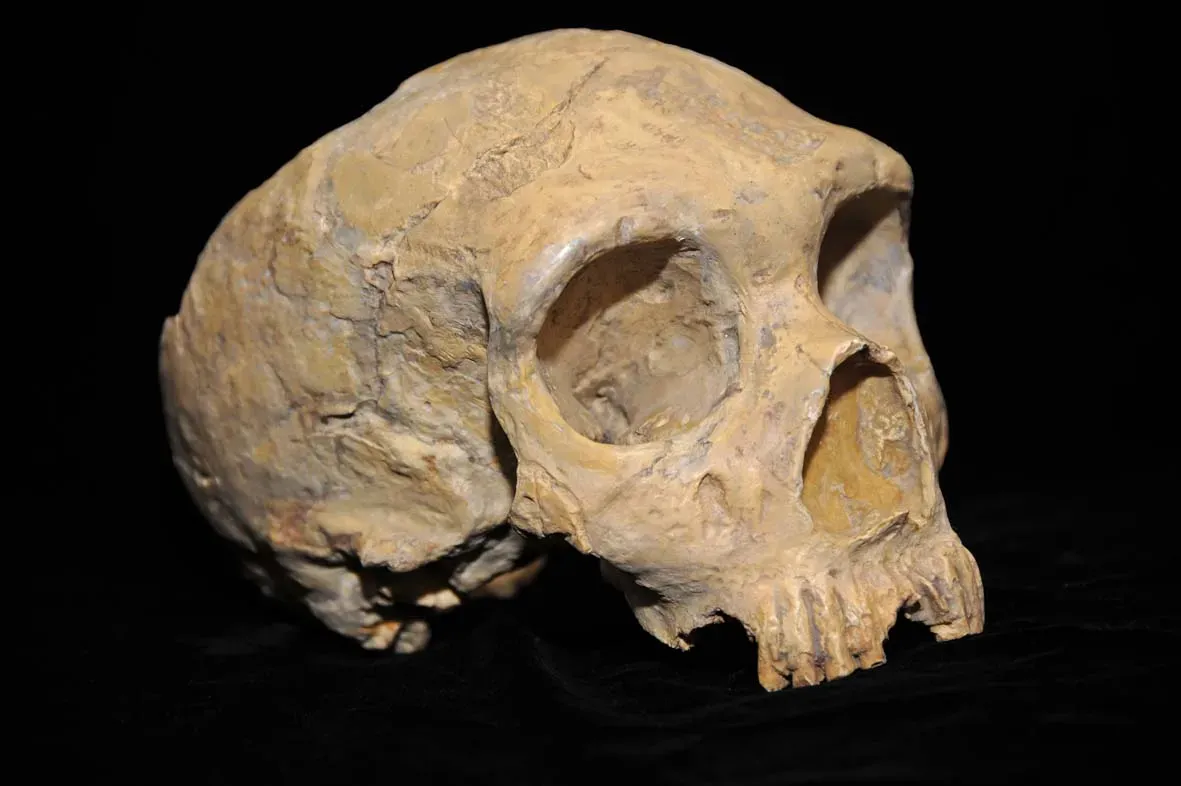
The story of Neanderthals hits differently once you accept that they were not monsters, not failures, and not a joke. They were humans who thrived in brutal ice age environments for far longer than our own societies have existed. Their disappearance is a reminder that being intelligent, social, and adaptable does not guarantee survival forever.
There is also a humbling lesson hidden in the DNA we still share with them. We like to draw clean lines between “us” and “them,” but evolution does not really work that way, and neither does history. Our species carries the traces of many encounters, many crossings, and many disappearances, and Neanderthals are simply the most famous of those ghosts.
Conclusion: The Ghosts in Our Family Album
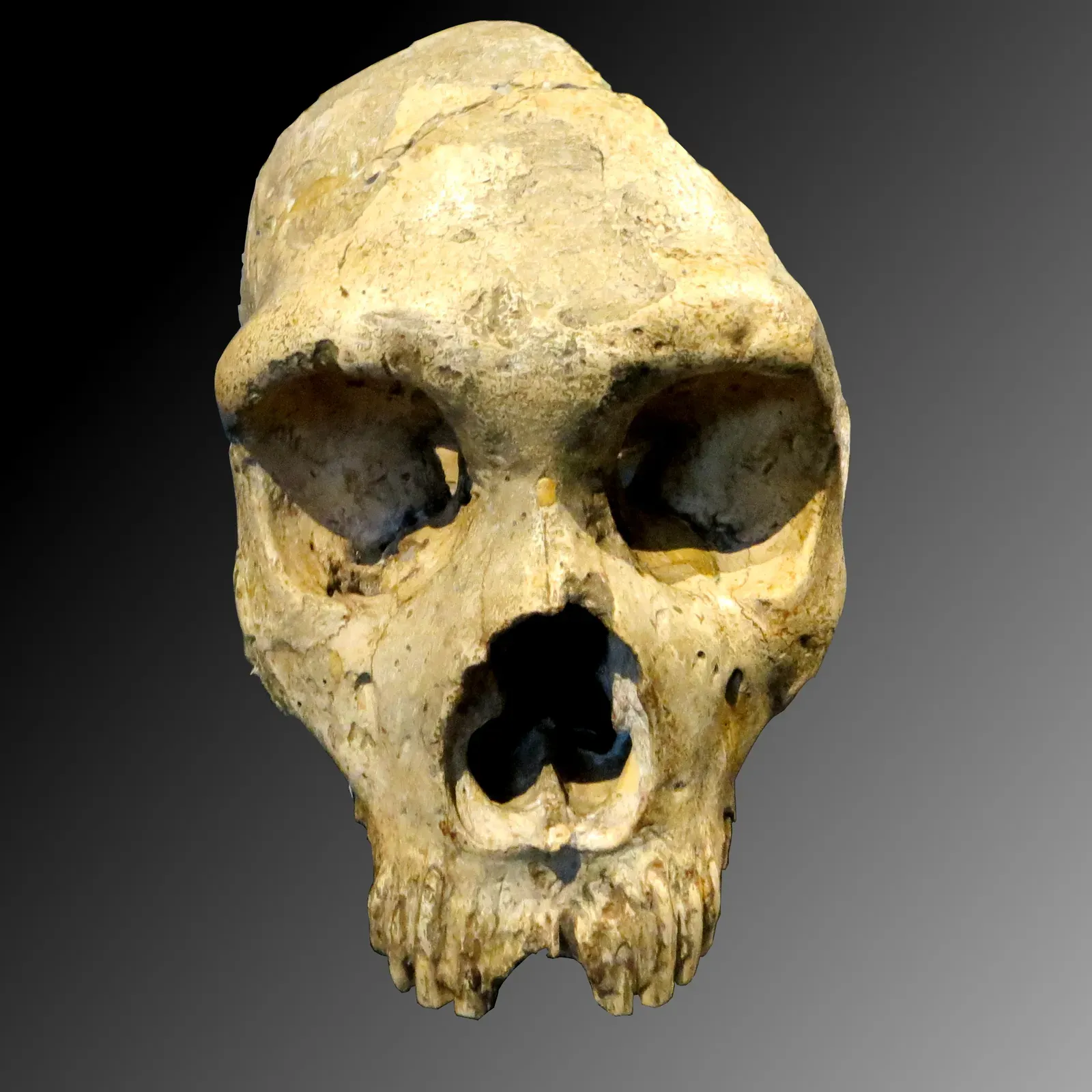
When you realize how recently the last Neanderthals walked the Earth, the past feels a lot closer and a lot more crowded. I think it forces us to drop the comforting story where modern humans were always destined to win, always smarter, always superior. The more evidence we find, the more it looks like we were just one kind of human that happened to make it through a very narrow doorway that others did not.
In my view, that should make us a little less arrogant and a lot more curious about our extinct cousins. Neanderthals were not failures; they were a successful human experiment that lasted an astonishing length of time and still lives on in fragments inside our genomes. The real question is not why they were so different, but why we are so sure we are unique – are we really that special, or just the latest chapter in a story that keeps rewriting itself?