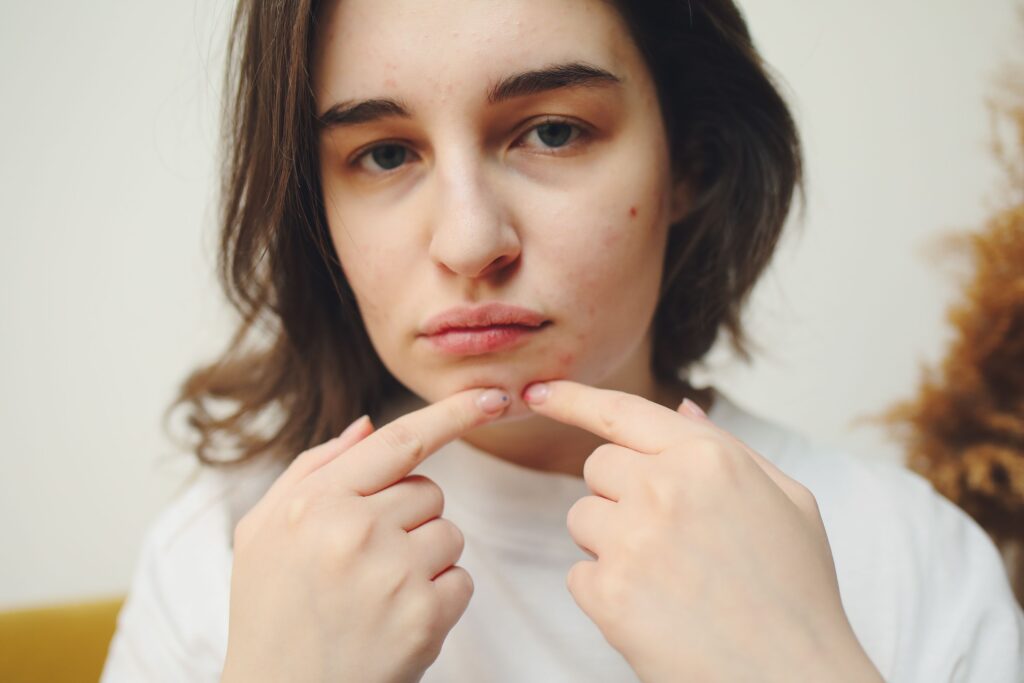
Let’s be honest: there’s something weirdly satisfying about popping a pimple, peeling off a strip of dead skin, or squeezing a blackhead. Most of us know we probably shouldn’t do it, yet our hands drift toward that tiny bump almost automatically. It feels a bit gross, a bit guilty, and yet, somehow, impossible to resist.
What if that urge is not a random bad habit, but a very old one? Growing evidence suggests that our compulsion to pick, squeeze, and peel is tied to deep-rooted grooming behaviours that helped our primate ancestors survive and stay connected. Once you see it through that lens, your “disgusting” little habits start to look strangely ancient, social, and even a bit noble.
The primal roots of picking: why our fingers hunt for flaws
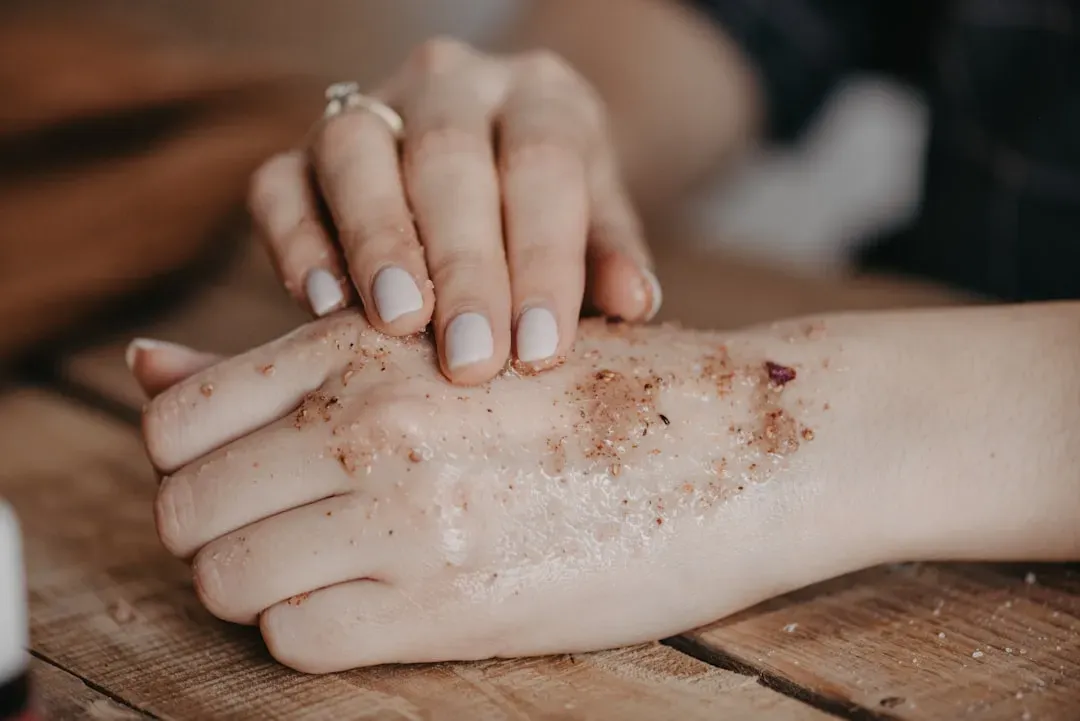
Think about how often your hands wander to your skin without you even noticing. You feel a tiny bump on your arm or a rough patch on your lip and suddenly you’re focused on it like it is the most urgent task in the world. That laser focus is not random; our brains are wired to detect small irregularities on the skin because, in the past, they could signal parasites, infections, or injuries.
In many nonhuman primates, grooming is a survival tool, not a vanity project. Picking through fur for bugs, scabs, or dirt is how group members kept each other cleaner and healthier. Our modern urge to squeeze spots and peel skin looks like a leftover version of that behaviour, turned inward. Instead of combing through someone else’s fur, we’ve turned the same instinct on ourselves, zeroing in on anything that feels out of place on our own bodies.
Grooming as social glue: how picking became bonding
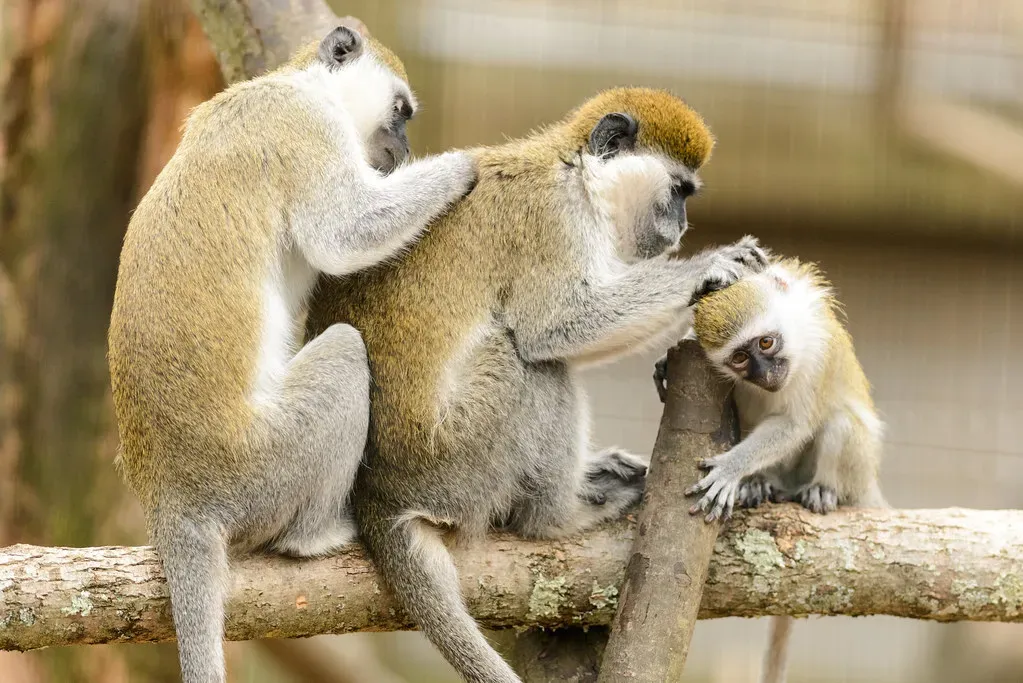
In primate groups, grooming is about much more than hygiene. It is a way of saying you belong here, I trust you, and we are close. Monkeys and apes spend large chunks of their day grooming one another, even when there are no obvious parasites to remove. The task becomes an excuse for closeness, a kind of tactile conversation that reinforces alliances and calms tension.
Humans do a softer, subtler version of this. Think about a parent carefully removing a splinter, a partner absentmindedly picking lint out of your hair, or friends helping each other with a stubborn blackhead. These moments are intimate and oddly tender, even when they are a bit gross. Our need to pick at things is tightly woven into these bonding rituals, carrying forward an ancient pattern where caring for someone’s skin was the same as caring for the relationship.
Why gross can feel good: the brain’s reward system at work
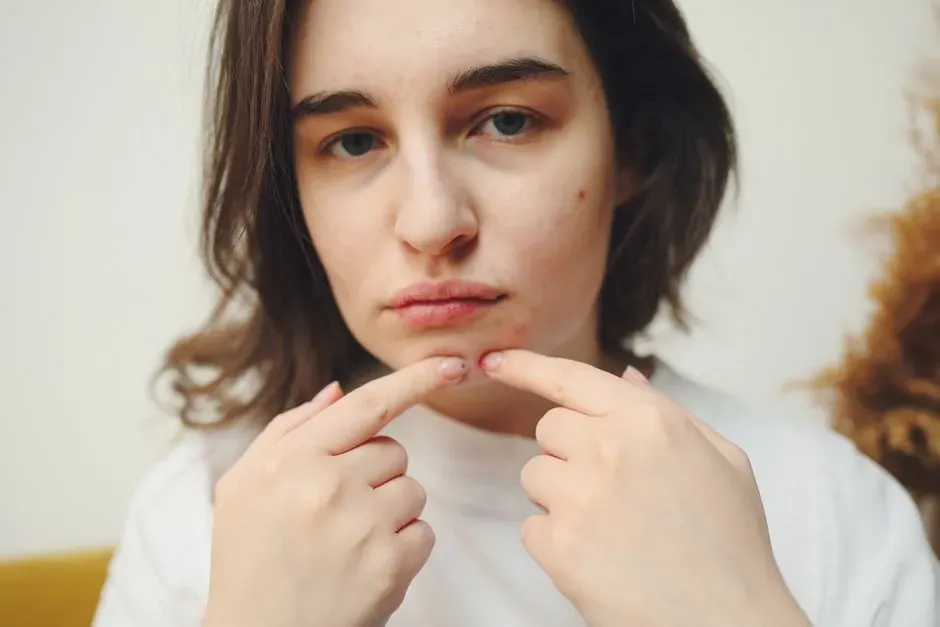
It is strange that something visually disgusting can feel so deeply satisfying. That “ah, finally” feeling when a pimple pops or a blister peels cleanly is likely tied to the same reward circuits that once paid us for successful grooming. Removing a visible or tactile “problem” from the body creates a clear before-and-after contrast that the brain finds rewarding, a little like solving a puzzle.
On a deeper level, every successful removal is a tiny victory over perceived contamination or disorder. Even when we know it may not be medically helpful, the brain interprets that completed action as a job well done. Over time, these small hits of relief and satisfaction can train us to seek out more of the same, turning a practical ancient reflex into a modern-day compulsion that is part hygiene, part stress release, and part oddly pleasurable ritual.
From mutual grooming to self-grooming: evolution in a mirror
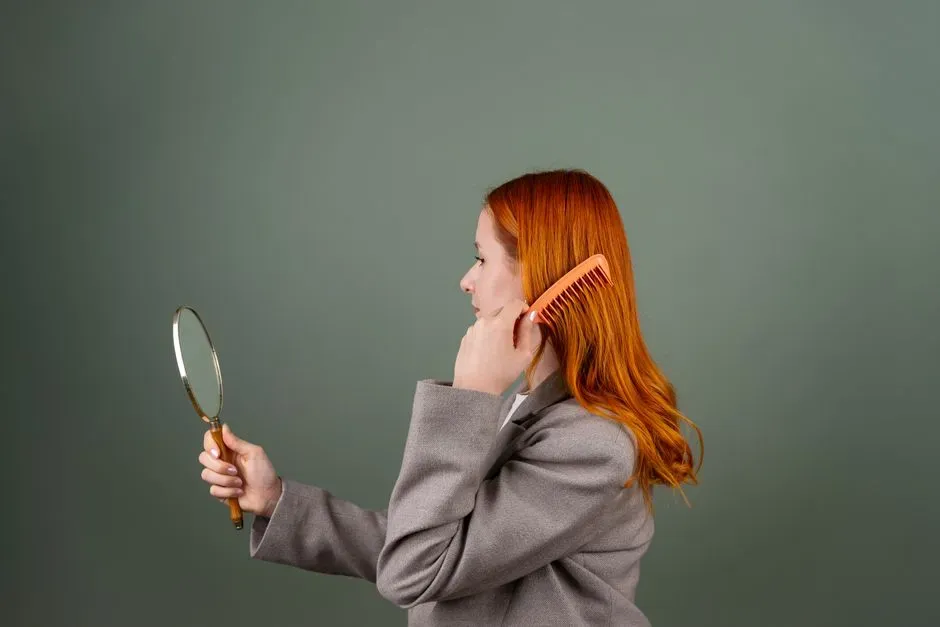
As humans evolved more complex social structures and personal boundaries, we shifted a lot of grooming from others to ourselves. We still let some people close enough to help with intimate tasks, but for the most part, our grooming time is solitary. Showers, skincare routines, and mirror check-ins have replaced long grooming sessions within the group.
Yet the old circuitry did not disappear just because our lifestyles changed. The same systems that once pushed us to pick through a relative’s fur are now active when we stand inches from the mirror examining our own skin. The behaviour is more private and more focused on appearance, but the basic emotional flavor is similar: a mix of concentration, relief, and a quiet sense of control over our physical state.
When grooming goes too far: picking, anxiety, and modern life
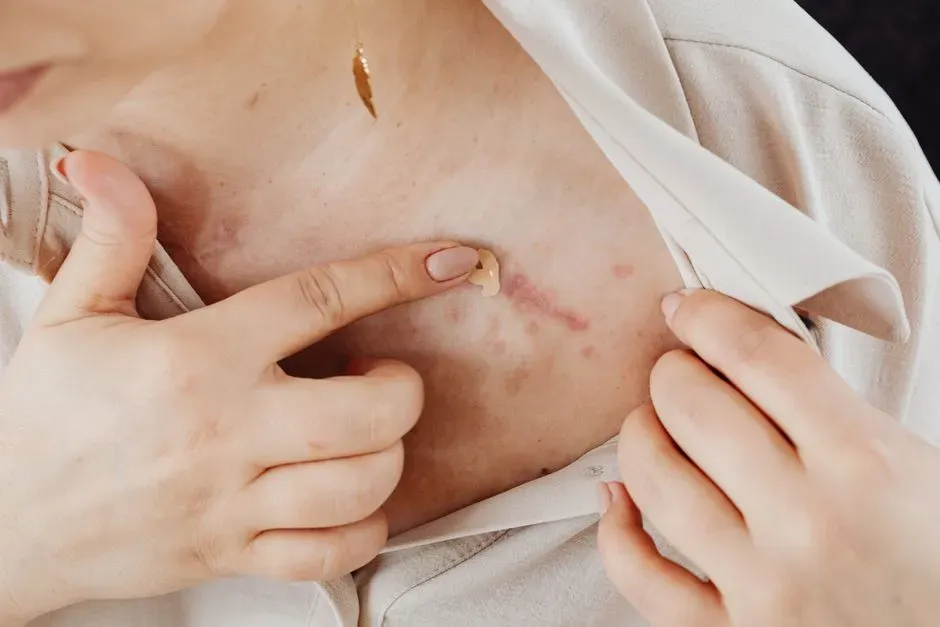
For some people, the urge to pop, peel, and squeeze becomes more than a quirky habit. It can escalate into compulsive skin picking that damages the skin, causes scarring, and feeds cycles of shame and anxiety. Modern stress, constant access to mirrors, and beauty standards that highlight every minor flaw can all dial up an ancient instinct to unhealthy extremes.
Understanding the evolutionary roots does not excuse the harm, but it helps explain why stopping can be so hard. You are not fighting a simple bad habit; you are pushing back against a very old system designed to detect and fix physical irregularities. Approaching it with compassion and awareness, rather than pure self-blame, can be the first step toward finding healthier ways to calm the nervous system without tearing at your own skin.
Why we love watching popping videos: shared grooming at a distance
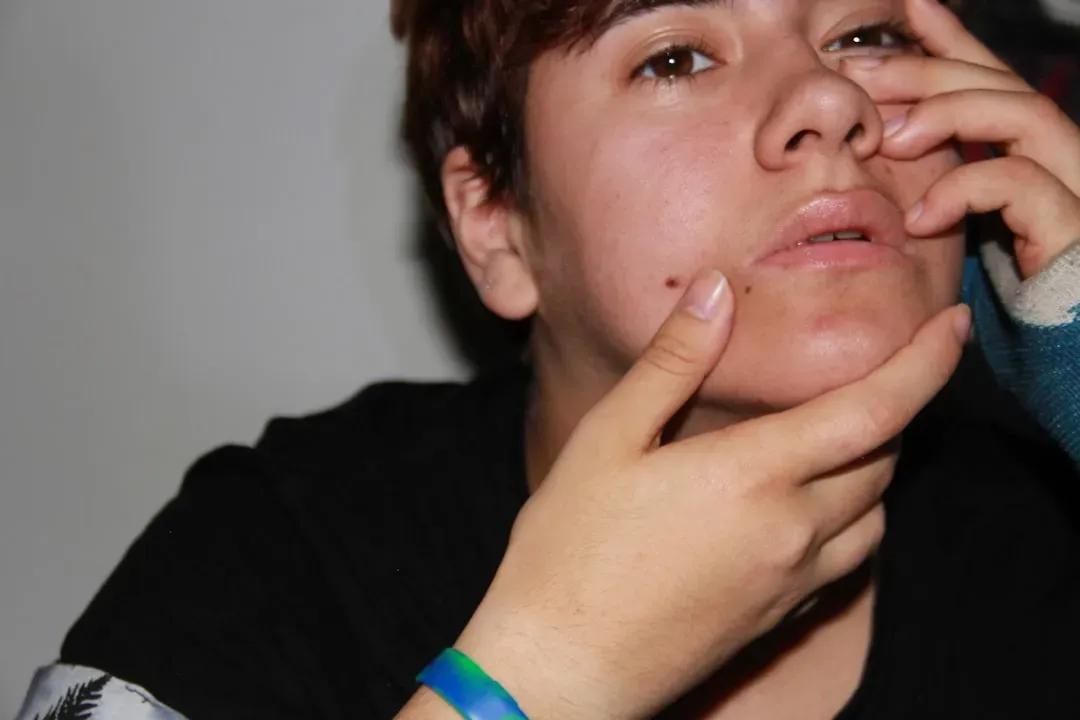
There is something undeniably fascinating about watching someone else extract a blackhead or drain a cyst, even if part of you wants to look away. On one level, these videos are just modern storytelling designed for clicks. On another, they mirror those communal grooming scenes from our primate past, except now they happen through screens instead of physical touch.
By watching, we tap into the same mix of disgust and satisfaction, but from a safe distance. It is like digital grooming: we get the emotional payoff of “cleaning up” a body without the risk or intimacy of doing it ourselves. The popularity of these clips suggests that the social and emotional weight of grooming never really left; it just adapted to a world where curiosity, connection, and revulsion now travel at the speed of a swipe.
Touch, care, and control: what these urges really say about us
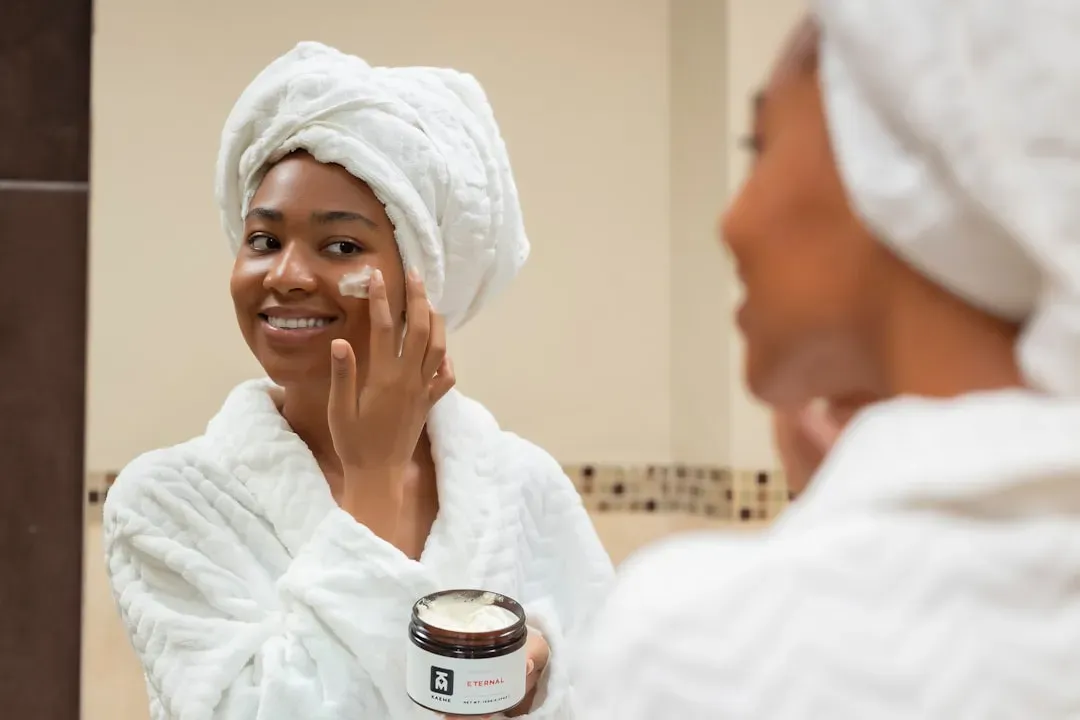
Underneath the surface-level grossness, our urge to squeeze, peel, and pop says something softer about being human. It reflects a deep craving for touch, care, and control over a body that can often feel fragile or unruly. When we deal with a blister or a flake of skin, we are not just managing tissue; we are trying to feel more at home in our own physical shell.
In my view, that is why these behaviours are so stubborn and so emotionally charged. They sit right at the crossroads of survival instinct, social bonding, and personal comfort. We may judge them harshly, but they are part of how our species has navigated millions of years of living in vulnerable, imperfect bodies surrounded by other vulnerable, imperfect bodies.
Conclusion: ancient instincts in a modern mirror

When you look at it through an evolutionary lens, the compulsion to pop blisters, peel skin, and squeeze things stops being a bizarre quirk and starts looking like a faded echo of ancient grooming rituals. What once kept parasites at bay and strengthened alliances in primate groups has turned into private sessions in front of the bathroom mirror and oddly soothing videos on our phones. The behaviour changed shape, but the emotional backbone – care, connection, and control – stayed remarkably similar.
I think we should see these urges with a bit more nuance and a bit less shame. They are powerful enough to be risky, but they are also old enough to be deeply human. The real challenge is not to kill the instinct, but to steer it: to recognize when it is harmless, when it is bonding, and when it is tipping into self-damage. Next time your fingers drift toward that tiny bump, will you still see it as a bad habit, or as a very old story playing out on your skin?