
Every so often, nature pulls off a twist that feels almost supernatural. A species we neatly filed away in the history books as gone forever suddenly turns up alive, blinking in the flashlight beam of some stunned field biologist. These moments are thrilling, humbling, and honestly a bit embarrassing, because they prove how easily we underestimate the wild world around us.
In conservation circles, these animals are called Lazarus species, after the biblical character said to have come back from the dead. Their reappearance is not just a cool story; it reshapes science, shakes up conservation priorities, and forces us to admit how fragmentary our knowledge really is. Let’s look at seven of the most striking cases where a supposedly extinct animal turned up decades later, rewriting its own obituary.
1. Coelacanth: The “Living Fossil” Pulled from a Fish Market
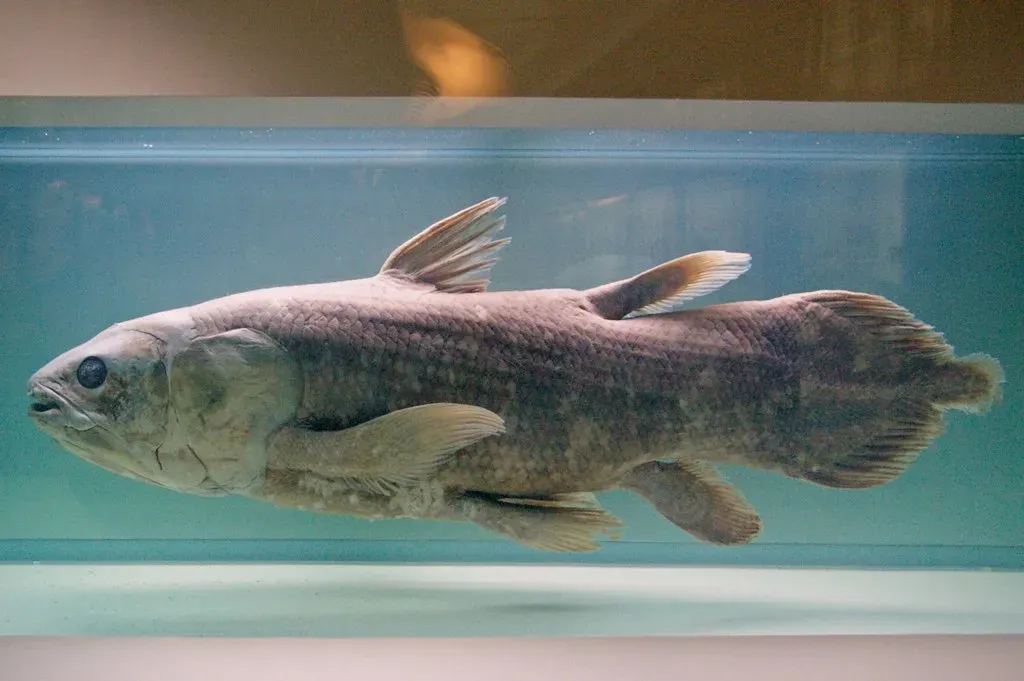
The coelacanth might be the most famous comeback story in all of zoology. For a long time, scientists only knew it from fossils and thought it had vanished with the dinosaurs tens of millions of years ago. Then, in the late nineteen thirties, a strange blue fish with lobe-like fins turned up in a catch off the coast of South Africa, and the scientific world basically had its jaw on the floor.
Finding a coelacanth alive was like discovering a small dinosaur browsing in your backyard hedge. This fish did not just tweak a detail or two in evolutionary history; it challenged deep assumptions about how some ancient lineages disappeared. Since that first rediscovery, populations have been documented in the Indian Ocean, especially around the Comoros and later Indonesia, and the species is now the focus of intense protection. It is still rare and threatened, but it serves as living proof that our picture of extinction is not always as complete as we think.
2. Lord Howe Island Stick Insect: From “Extinct” to Towering on a Bush
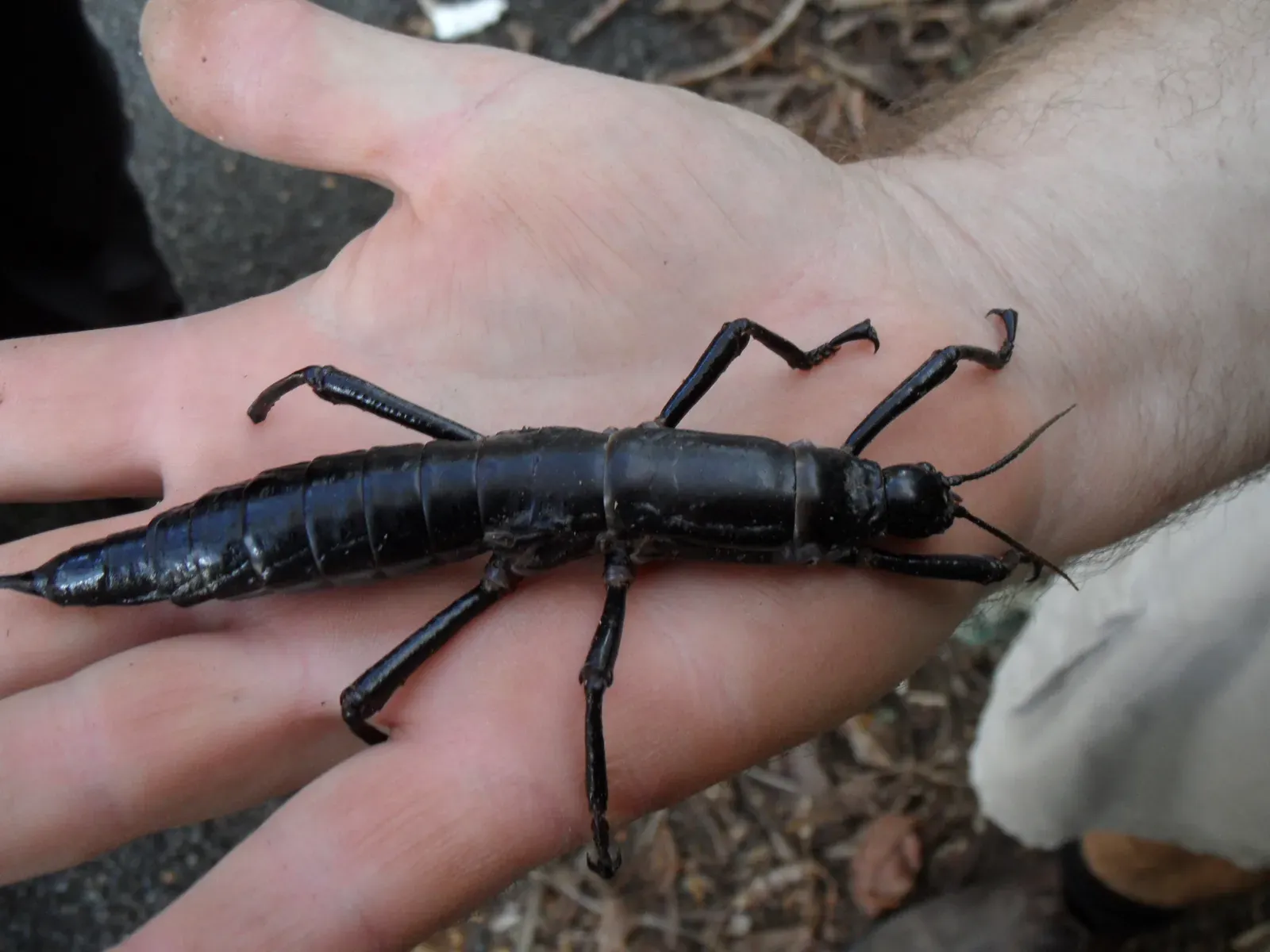
The Lord Howe Island stick insect, sometimes called the tree lobster, once lived on Lord Howe Island in the Tasman Sea. When rats arrived in the early twentieth century, the big, slow-moving insects were wiped out so thoroughly that by the nineteen twenties scientists declared the species extinct. For decades, it existed only as a sad curiosity in museum drawers, a symbol of how quickly invasive species can erase a native animal.
Then climbers on a remote sea stack called Ball’s Pyramid, not far from Lord Howe, found something incredible: a small, isolated population of giant stick insects hiding under shrubs and in rocky crevices. The fact that a large, conspicuous insect managed to survive on a sheer volcanic spire felt almost unreal. Since that rediscovery, conservationists have launched careful captive breeding programs and are working toward reintroducing the species to a safer, rat-free Lord Howe Island, turning what looked like a final chapter into a hopeful middle act.
3. New Zealand’s Takahe: A Giant Flightless Bird Walks Back into History
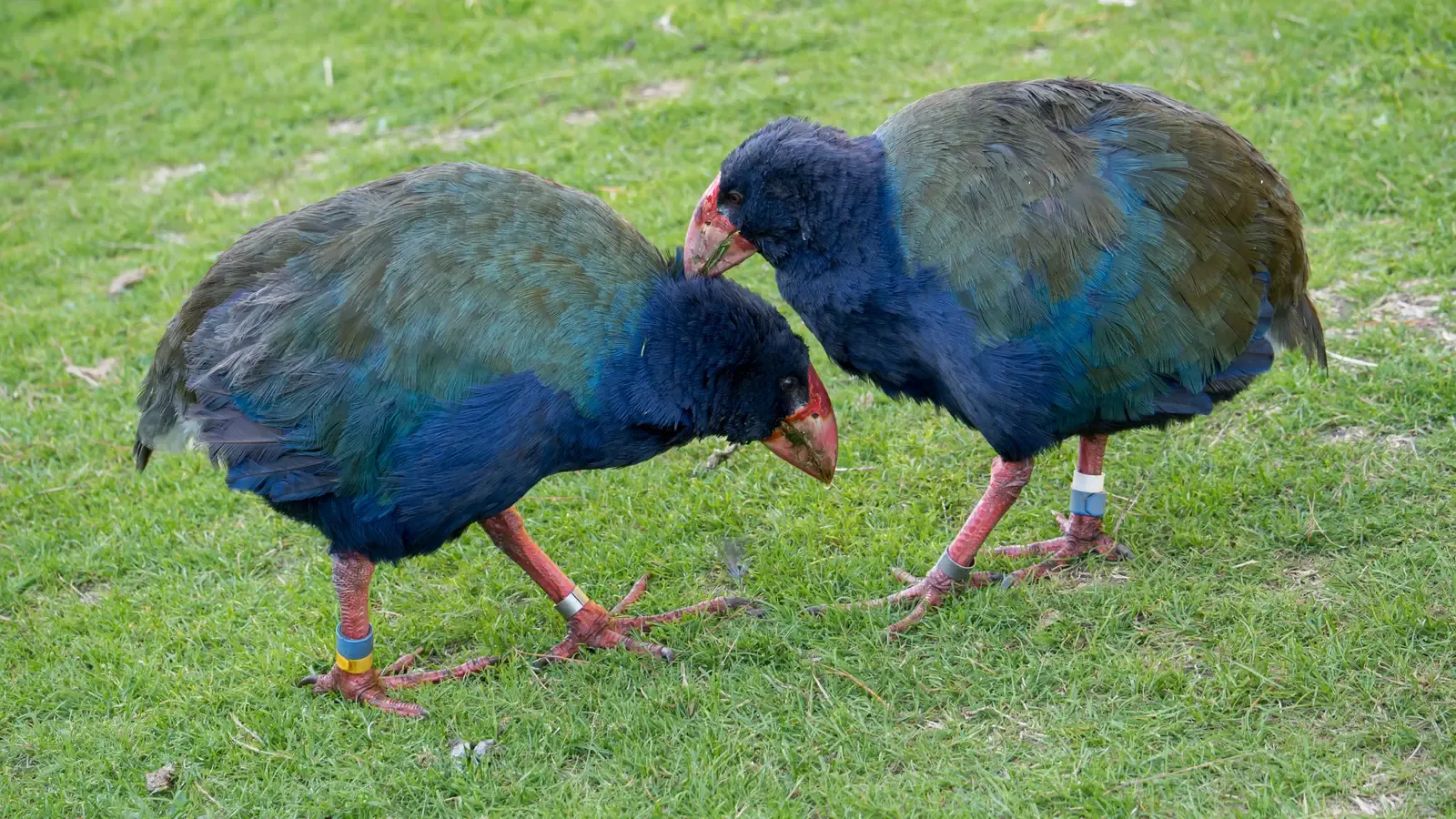
The South Island takahe is a hefty, deep-blue and green rail that cannot fly and looks a bit like a parrot that turned into a walking rugby ball. It was declared extinct in the late nineteenth century after years without confirmed sightings, its habitat chewed up by introduced animals and human activities. For a long time, the takahe was treated as a tragic case study: a unique bird that had failed to cope with the pressures of colonization and predators.
In the mid twentieth century, a small group of live takahe was finally discovered in a remote alpine valley in New Zealand’s South Island. The rediscovery felt almost mythical, as if a lost character from the country’s natural folklore had wandered back onto the stage. New Zealand authorities responded with strong protection, captive breeding, and predator control efforts. While the takahe is still endangered and carefully managed, its survival story shows what can happen when a “ghost species” gets a second chance and people actually move fast enough to help.
4. La Palma Giant Lizard: A Rock-Dwelling Reptile Steps Out of Legend
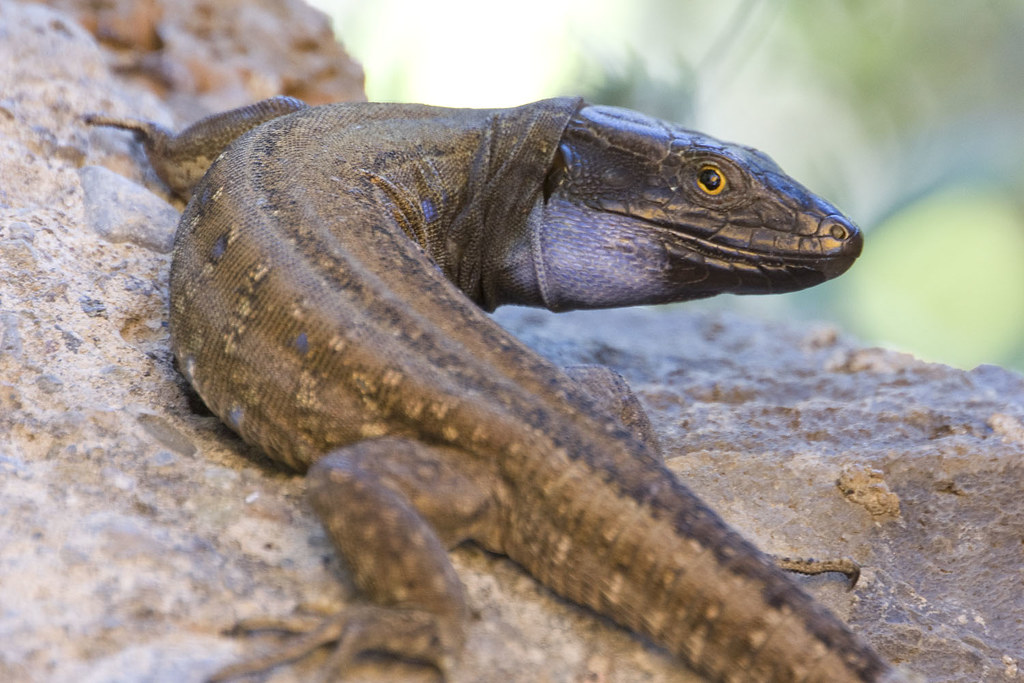
On Spain’s Canary Islands, stories once circulated about big, shy lizards that used to bask on the rocky cliffs. The La Palma giant lizard, native to the island of La Palma, was assumed to have died out during the twentieth century, brought down by habitat loss, cats, and other human pressures. By the time scientists formally wrote it off, the species had sort of faded into a mix of rumor and archival notes.
When a surviving population was finally documented decades later on inaccessible cliffs, it changed the conversation about what could still be hiding in hard-to-reach corners. These lizards are not flashy in the way a tiger or a panda is, but they carry enormous scientific value as remnants of older island ecosystems. Since their rediscovery, conservationists have worked on captive breeding and habitat protection, though the species remains highly vulnerable. Their story shows how some animals cling to survival in the margins, waiting for us to notice.
5. Bermuda Petrel (Cahow): A Seabird Long Thought Gone Takes Flight Again
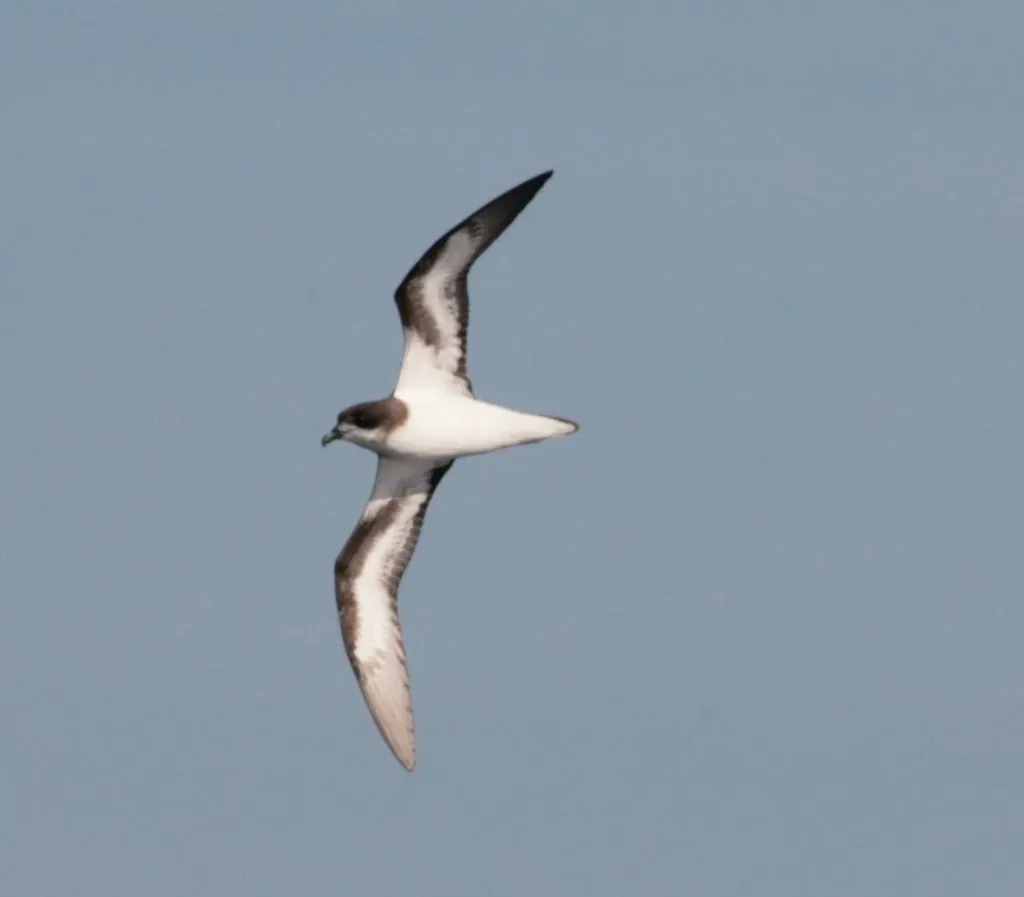
The Bermuda petrel, locally known as the cahow, was once so abundant that early settlers reportedly saw huge flocks around the islands. Hunting, invasive species, and habitat destruction drove it down so brutally that by the early seventeen hundreds it was believed to be gone forever. For centuries, the species occupied a strange space in history: mentioned in old records but absent from living memory.
In the mid twentieth century, a tiny remnant population was rediscovered nesting on isolated islets around Bermuda. The number of known pairs was shockingly low, making its survival feel almost like a statistical miracle. Conservationists stepped in with nest protection, predator control, and artificial burrows to stabilize and slowly grow the population. While the cahow is still critically endangered, its story is one of stubborn resilience and shows how even a centuries‑long silence does not always mean a species is truly lost.
6. Jerdon’s Courser: A Night Bird That Refused to Be a Footnote
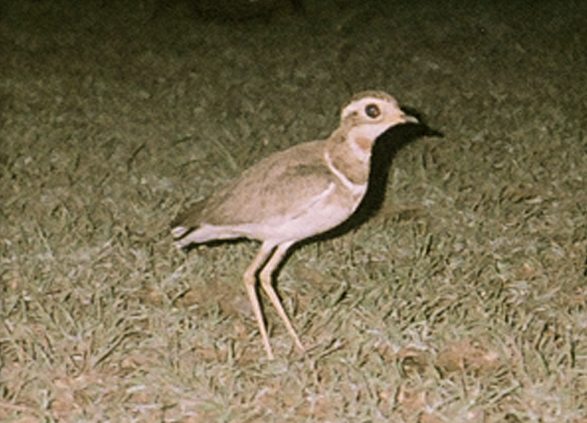
Jerdon’s courser, a secretive bird from India, is a specialist of scrubby, semi‑arid landscapes. It was described in the nineteenth century and then seemed to vanish, with no confirmed records for many decades. By the late twentieth century, many ornithologists assumed it had slipped into extinction, especially as its habitat shrank under pressure from development and agriculture.
Then came a shock: evidence of living birds turned up in the Andhra Pradesh region, proving that this ghost of Indian ornithology was still hanging on. The rediscovery forced a rapid reevaluation of local land use, because suddenly that dry scrub was not just “empty land” anymore; it was the last shelter of a globally rare species. Since then, conservation efforts have focused on protecting and surveying the remaining habitat, though the bird remains extremely elusive. To me, its story underlines an uncomfortable truth: we are often quickest to declare something gone when protecting it would be inconvenient.
7. Silvery Pigeon: A Quiet Return from the Brink in Southeast Asia
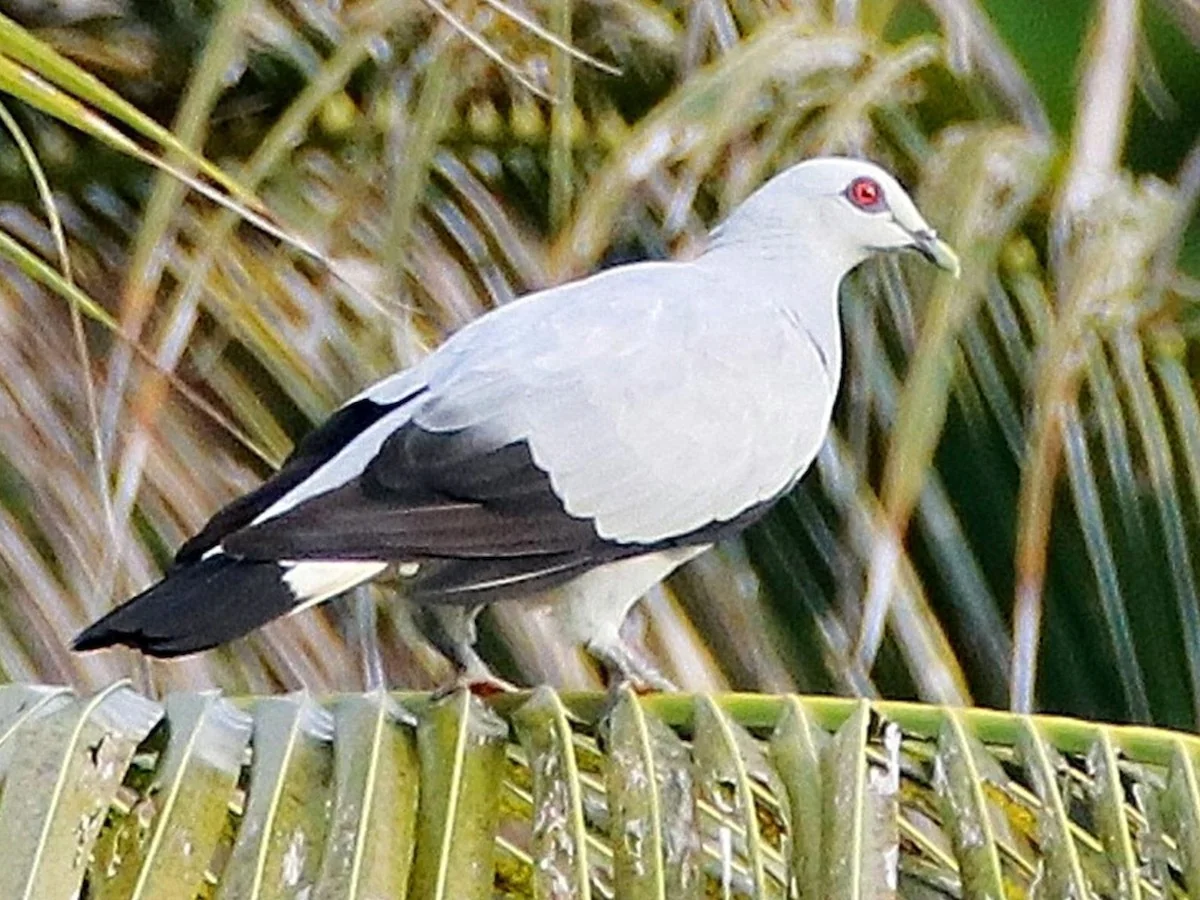
The silvery pigeon from Southeast Asia was once relatively widespread on small islands and coastal forests, but like many island birds, it was hammered by hunting and habitat loss. By the late twentieth century, it was widely treated as either extinct or so close to gone that it barely appeared in modern field guides. With almost no reliable sightings, the species slipped into the background of conservation priorities.
In the early twenty first century, credible records and photographs suggested that small numbers of silvery pigeons were still surviving in remote parts of Indonesia. These were not huge flocks or dramatic scenes, just a few determined birds quietly hanging on in fragmented habitats. That low‑key comeback has big implications: it means some supposedly lost species may still be out there, but in numbers so tiny that they are easy to overlook. Personally, I find this simultaneously hopeful and worrying, because it offers a second chance while reminding us that “rediscovered” almost always means “still in serious trouble.”
Conclusion: Lazarus Species Are a Warning, Not a Comfort Blanket
These seven stories might sound uplifting at first glance, like nature keeps a secret reserve of happy endings tucked away in remote corners of the map. But if you look closer, almost every Lazarus species lives on a knife edge, confined to tiny pockets of habitat and dependent on heavy human intervention. Their rediscovery is less a miracle cure and more a wake‑up call that our assumptions about extinction can be dangerously premature and our surveys far from complete.
In my view, the worst thing we can do is treat these comebacks as proof that we do not need to worry so much about losing species. If anything, they show the opposite: that we are often losing animals long before we realize it, and sometimes only notice them again when they are already hanging by a thread. The real lesson is not that extinction is reversible, but that urgency matters and humility is non‑negotiable when we deal with the natural world. Next time you hear that a species has been written off, will you feel more skeptical, more hopeful, or a bit of both?