
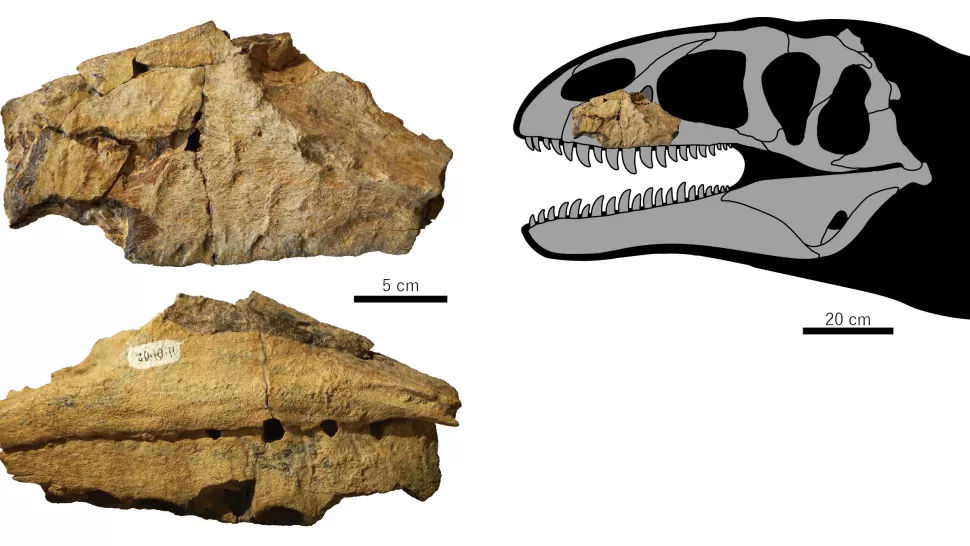
In the last ten years or so, from around 2016 to today, one country has quietly become the world’s dinosaur discovery powerhouse, racking up new species at a pace that leaves every other nation in the dust. It is not the United States, not China, not Argentina, and not some vast, empty desert you’ve seen in documentaries. It is a place many people struggle to find on a map, yet its fossil output has reshaped how scientists think about dinosaur evolution on Earth. That country is Uzbekistan. Tucked into the heart of Central Asia, landlocked and often stereotyped as remote or dusty, Uzbekistan has produced a stunning wave of new dinosaur species in the last decade, especially from one extraordinary rock unit: the Bissekty Formation. And while almost nobody outside paleontology circles talks about it, researchers who work there describe it as one of the richest Cretaceous dinosaur treasure troves on the planet. Let’s dig into why this unassuming nation has become a global hotspot for new dinosaurs – and why you almost never hear about it.
A fossil goldmine hidden in Central Asia
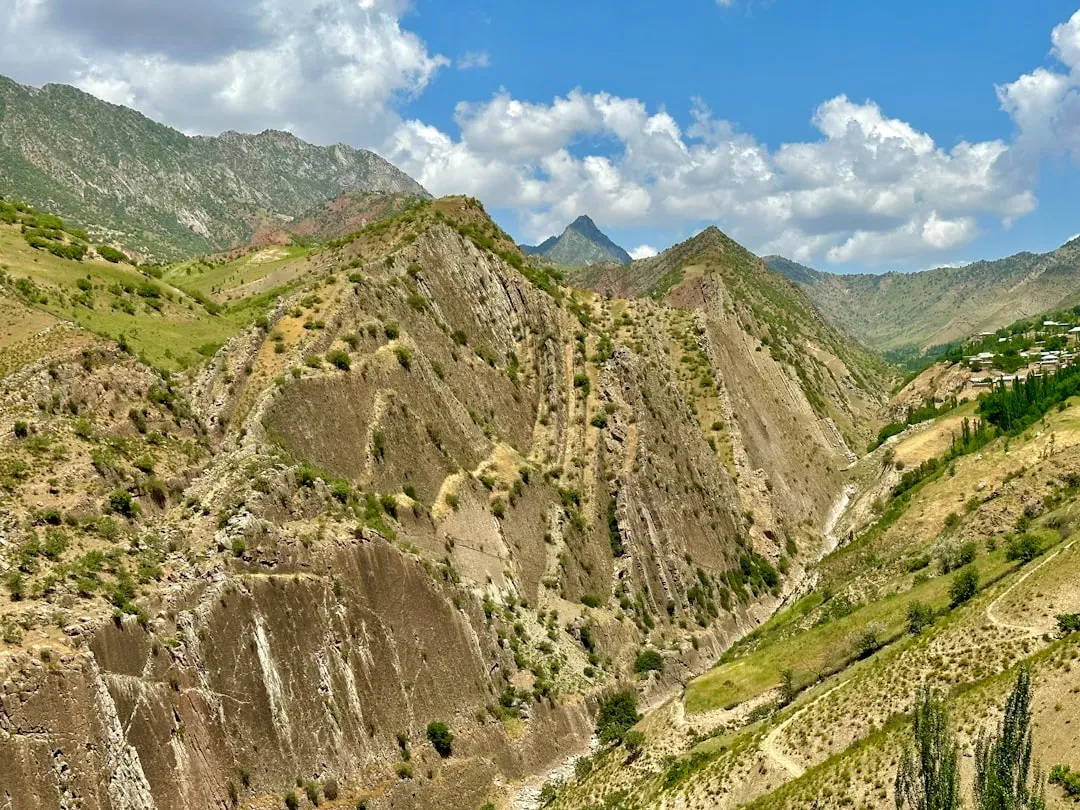
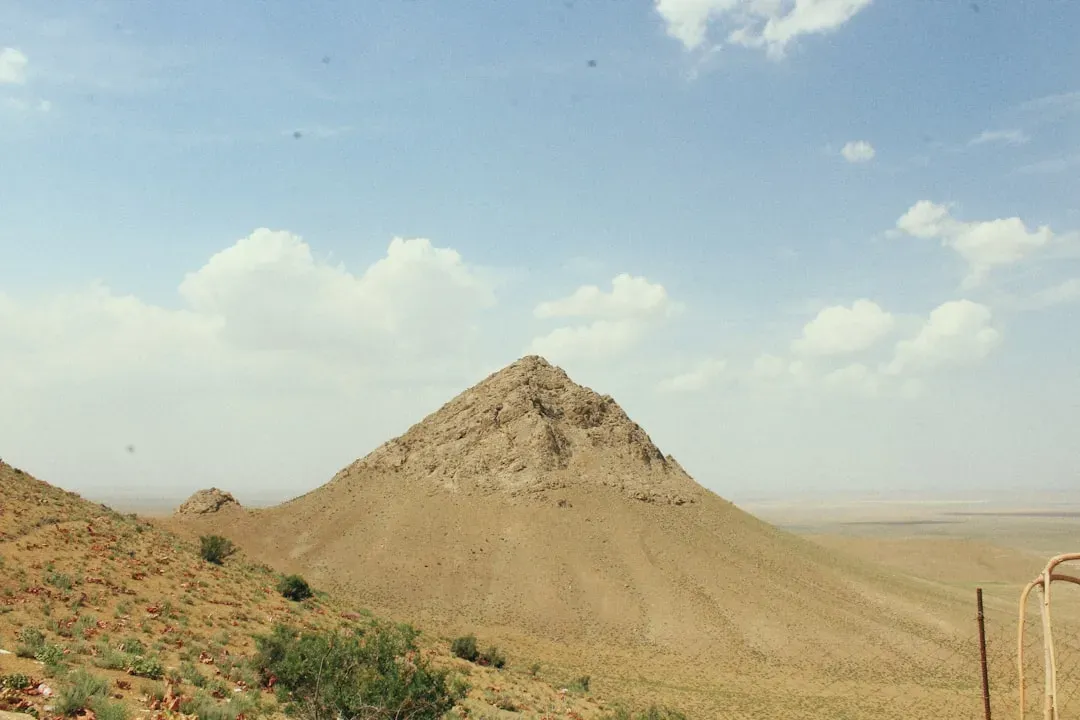
The story starts in the deserts of western Uzbekistan, in a region called the Kyzylkum. At first glance, it looks like the kind of place you might drive through without stopping: dusty hills, sparse shrubs, scorching summers. But layered within those rocks is the Bissekty Formation, a Late Cretaceous deposit that has yielded an almost absurd diversity of dinosaurs and other ancient animals over the years. For a long time, many of those fossils sat understudied in museum drawers, known to a tiny group of specialists and pretty much nobody else. Over roughly the last decade, sustained international fieldwork and modern lab techniques have begun to unlock what was sitting there all along. Teams re-examined old digs, returned to promising sites, and applied new imaging and comparative methods to bones and teeth that earlier expeditions collected. As a result, previously anonymous fragments have turned into fully fledged species, and new digs keep adding fresh material to the list. The numbers are striking enough that, when you line up all the named new dinosaur species around the world from about 2016 onward, Uzbekistan alone has contributed more than the rest of the globe combined.
Big names, small bones: why teeth and fragments matter
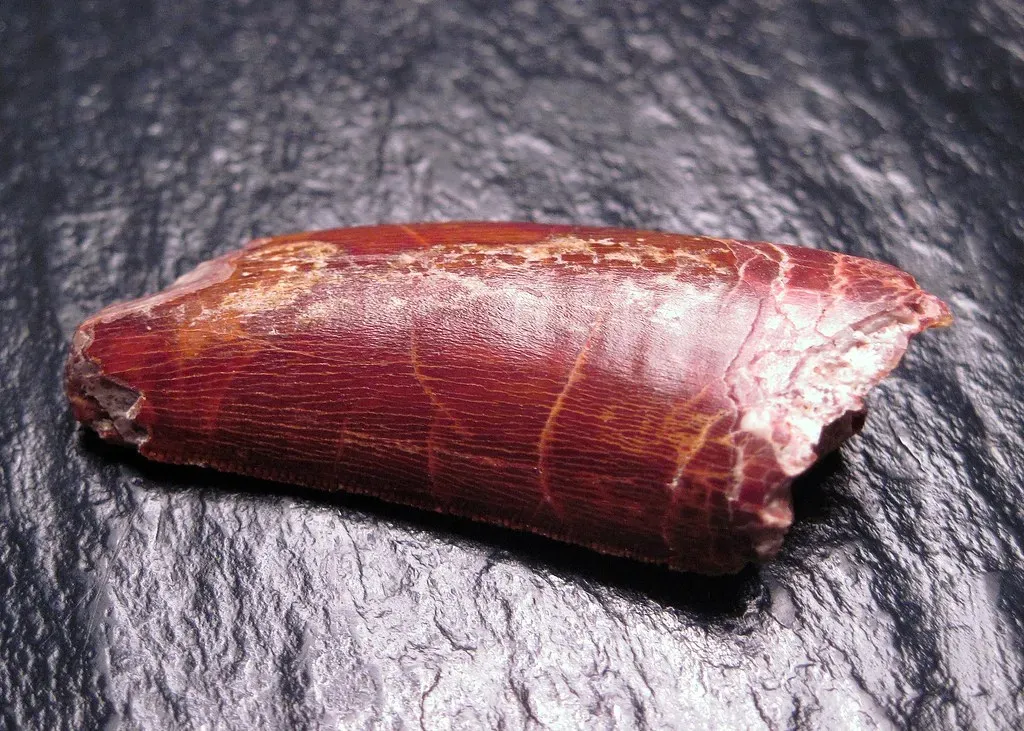
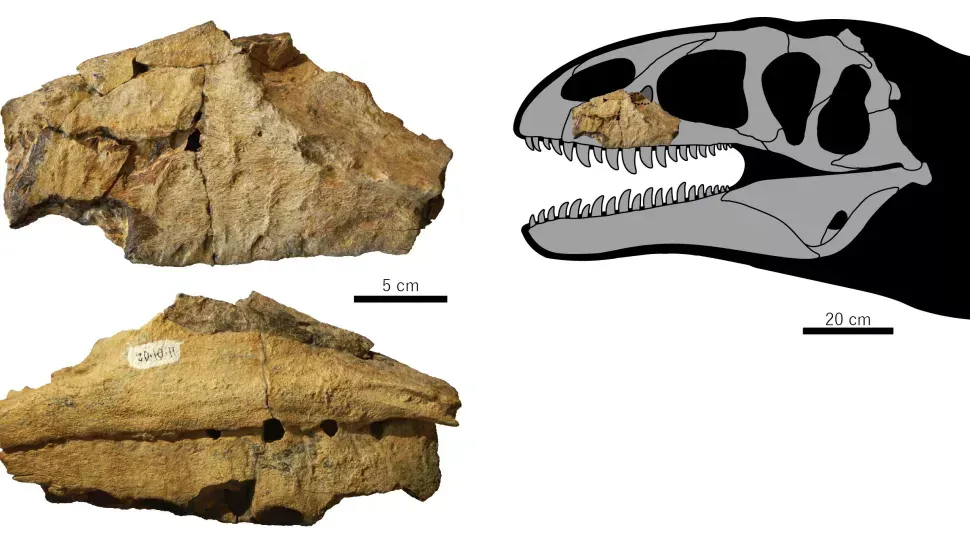
A lot of Uzbekistan’s “new” dinosaurs are not the dramatic, nearly complete skeletons that look good in museum lobbies. They are teeth. They are isolated bones. They are scrappy fragments that, in many other places, might have been written off as indeterminate. That can sound underwhelming if you picture dinosaurs only as towering skeletons posed over tourists’ heads. But in paleontology, especially for the Cretaceous, teeth and fragments are often how we get almost all of our information. What sets the Bissekty Formation apart is the sheer volume, variety, and preservational consistency of these small pieces. You do not just get one broken tooth; you get dozens or hundreds from clearly different animals, in layers that can be dated, compared, and statistically analyzed. Over the last decade, specialists in theropod teeth, ankylosaur armor, and hadrosaur jaws have used those fragments to tease apart subtle but reliable differences, enough to define new genera and species. The result is an explosion of taxonomic names – many of them based on narrow features, yes, but all rooted in careful, peer-reviewed work rather than wishful thinking.
Why almost nobody has heard of Uzbekistan’s dinosaur boom
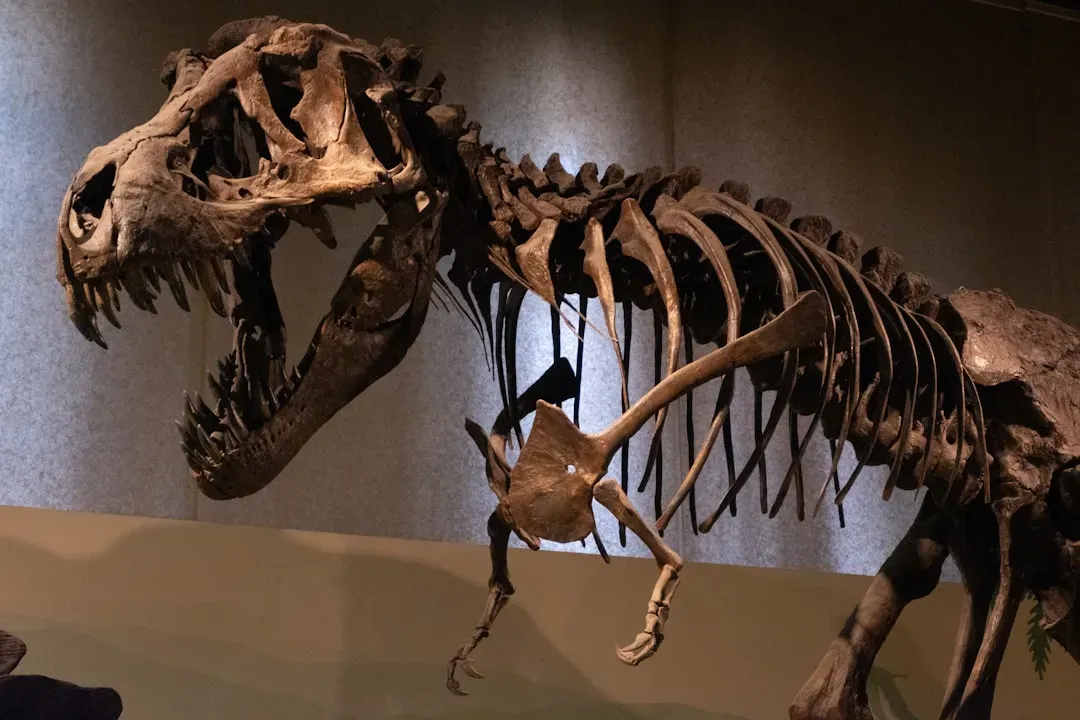
If Uzbekistan is outpacing the rest of the planet in new species, you might wonder why it is not constantly trending in science news feeds. There are a few very down-to-earth reasons. First, scientific credit for these discoveries is typically shared among international teams, with lead authors often based in Europe, Russia, or North America. Press coverage tends to highlight the institutions and famous names, not the country where the rocks actually are. So Uzbekistan’s contribution gets buried in the fine print. Second, the kinds of fossils driving this boom are not media-friendly. A small tooth with a Latin name does not compete with a full Tyrannosaurus skeleton for public attention, even if that tooth radically improves our understanding of dinosaur ecosystems. Finally, Uzbekistan simply does not have the science-communication infrastructure or tourism industry that, say, the United States or China use to turn fossils into national branding. As a result, the country ends up as a logistical backdrop in specialist papers, instead of the star of the story it genuinely is.
A crossroads of ancient continents
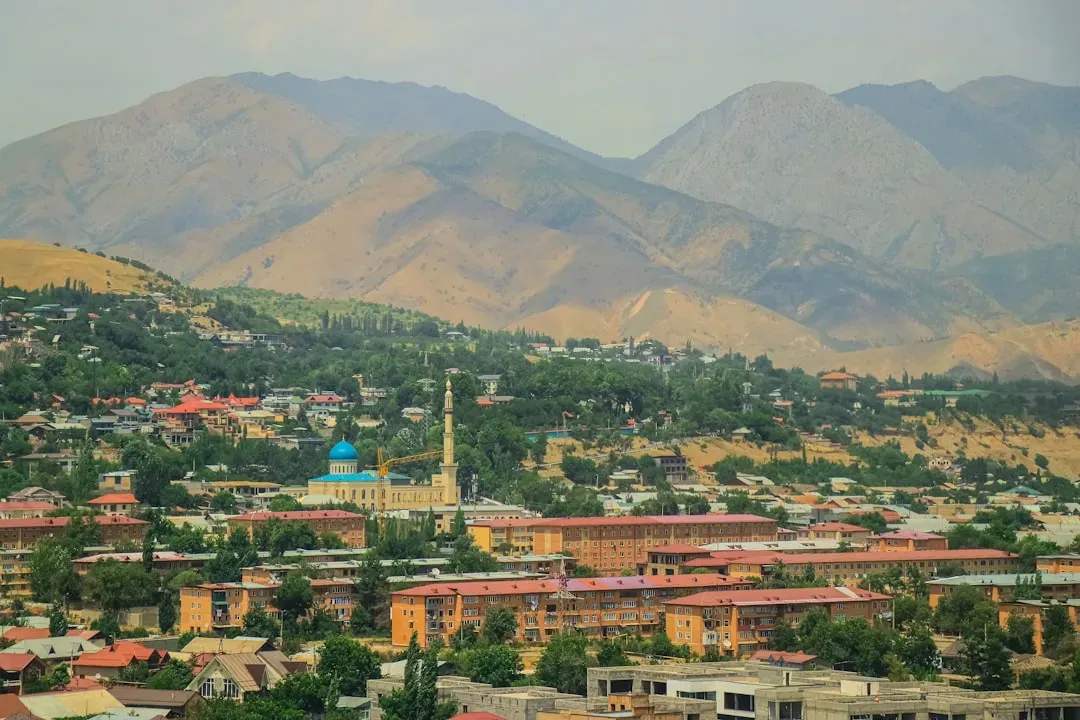
One big reason Uzbekistan is so productive is geography, both modern and ancient. Today, it sits in Central Asia, a crossroads between Europe, the Middle East, and East Asia. Back in the Late Cretaceous, the region lay along important faunal corridors between what we now call Asia and Europe, and it was influenced by changing inland seas. That position meant the area captured a mix of dinosaur lineages, some with Asian connections and others with European ties, all interacting in the same general ecosystem. This “middle of everything” paleogeography shows up in the fossil record. Over the last decade, newly named Uzbek species have helped scientists trace how certain dinosaur groups spread, diversified, and sometimes shrank back again. For example, some of the small predatory dinosaurs from the Bissekty layers bridge long-standing gaps between European and East Asian forms, clarifying evolutionary relationships that used to be based on scattered, hard-to-compare fossils. In a way, Uzbekistan acts like a missing chapter that suddenly turns a confusing story into a coherent narrative.
New technology, old rocks: how methods changed the game
One of the quiet keys to Uzbekistan’s dominance is not just the rocks or the number of fossils, but how scientists are now studying them. Over the last decade, techniques like micro-CT scanning, 3D morphometrics, and more sophisticated statistical comparisons have become normal even for small research groups. That has transformed how paleontologists treat fragmentary remains. A single tooth used to be described more or less by eye; now it can be digitally scanned, measured in dozens of ways, and compared against large databases from around the world. Applied to fossil-rich formations like Bissekty, this shift is like turning up the resolution on a fuzzy image. Slight differences in tooth ridges, enamel thickness, or bone surface textures that used to be dismissed as “variation” can now be tested, quantified, and interpreted more rigorously. In Uzbekistan’s case, that has led to the recognition of many distinct species that were hiding in plain sight. Some people worry this approach risks over-splitting, and that is a fair concern. But the overall pattern – consistent differences across many specimens, refined by careful statistics – makes it very hard to argue that this is just a naming spree.
The uncomfortable question: are we naming too many dinosaurs?
Of course, when a single country suddenly dominates the new-species charts, even specialists start asking whether things have gone too far. Is Uzbekistan really that biodiverse, or are paleontologists slicing the fossil pie into thinner and thinner pieces just to publish more names? This skepticism is healthy. Science advances not only by naming new things, but also by occasionally admitting that some earlier names should be merged, revised, or even abandoned. You can expect some of Uzbekistan’s current roster to be reworked in the coming decades as new material turns up. My own opinion, looking across the pattern, is that the core story is still solid: Uzbekistan really is sitting on one of the world’s most extraordinarily rich dinosaur records, and the last decade of work has finally started to reveal it. Even if a handful of species eventually get lumped together, the big picture will remain: multiple distinct lineages of herbivores and predators, coexisting in a complex ecosystem that we simply did not appreciate before. If anything, the pace of new finds suggests we are still only scratching the surface of what those rocks contain.
What this forgotten giant means for the future of dinosaur science
Uzbekistan’s quiet dominance over the past decade carries a broader lesson that reaches far beyond Central Asia. It shows that some of the most important advances in dinosaur science do not necessarily come from flashy new sites, but from long-known formations revisited with new questions and better tools. There are probably other “Uzbekistans” out there – regions with rich but under-analyzed fossil collections sitting in museum drawers, waiting for someone to give them the time and technology they deserve. For students and early-career researchers, that is both a challenge and an opportunity. It also forces us to rethink how we tell the story of dinosaurs to the public. If one small, often-overlooked country can quietly outpace the rest of the world in new species, maybe our mental map of dinosaur history is far too narrow, skewed toward nations with big museums and strong PR. Personally, I find it refreshing that a landlocked Central Asian country, better known in the news for politics and pipelines, has become a genuine superpower of prehistoric life. The next time you see a headline about a brand-new dinosaur, it might well trace back to some dusty outcrop in Uzbekistan – and the real question is, how many more surprises are still buried there that we have not even imagined yet?