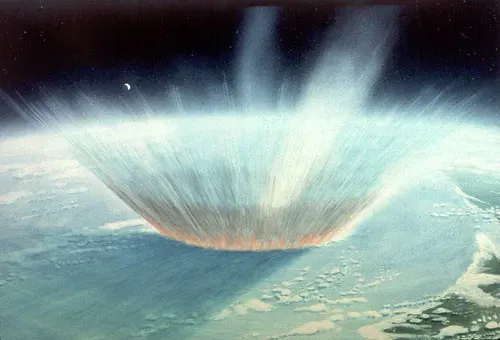
For decades, the rock that erased almost all dinosaurs was like a cosmic hit‑and‑run: we knew the crater, we knew the time, but we did not really know who sent the killer. Now, that picture is changing fast. By combining asteroid surveys, impact modeling, and geochemical sleuthing, researchers have zeroed in on a specific swath of the main asteroid belt as the most likely origin of the Chicxulub impactor that struck Earth about sixty‑six million years ago. The unsettling part is not just that we can now trace that object back to a particular region of space. It is what this implies about how often big, planet‑shaping rocks can be kicked out of that same neighborhood and sent our way. The story is less “one freak accident” and more “ongoing cosmic roulette,” and once you see how the mechanism works, it becomes hard to unsee it.
The Dinosaur-Killing Rock Was Not a Random Bullet From Nowhere
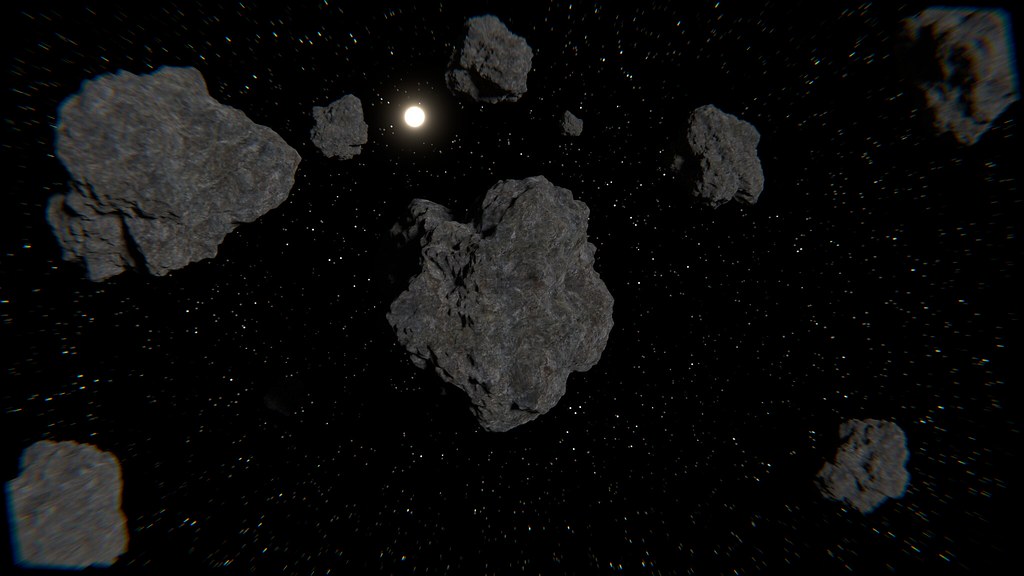
We used to talk about the Chicxulub impactor as if it were a fluke: a lone asteroid or comet that just happened to cross Earth’s orbit at the worst possible time for dinosaurs. That is no longer how planetary scientists see it. Dynamical simulations of millions of hypothetical objects, run on modern supercomputers, now show that large impactors like the Chicxulub body tend to come from specific “feeder” zones in the main asteroid belt rather than from everywhere equally. In particular, work in the last few years points strongly to the outer half of the main belt as a prime source of Chicxulub‑scale impactors. These are not small pebbles but objects several kilometers or more across, born in a band of space beyond roughly two and a half astronomical units from the Sun. Instead of being rare oddities, such bodies appear to be part of a steady background flow gradually leaking out of the belt and into Earth‑crossing orbits over hundreds of millions of years.
Pinpointing the Source Region: The Outer Main Belt “Dark Primitive” Zone
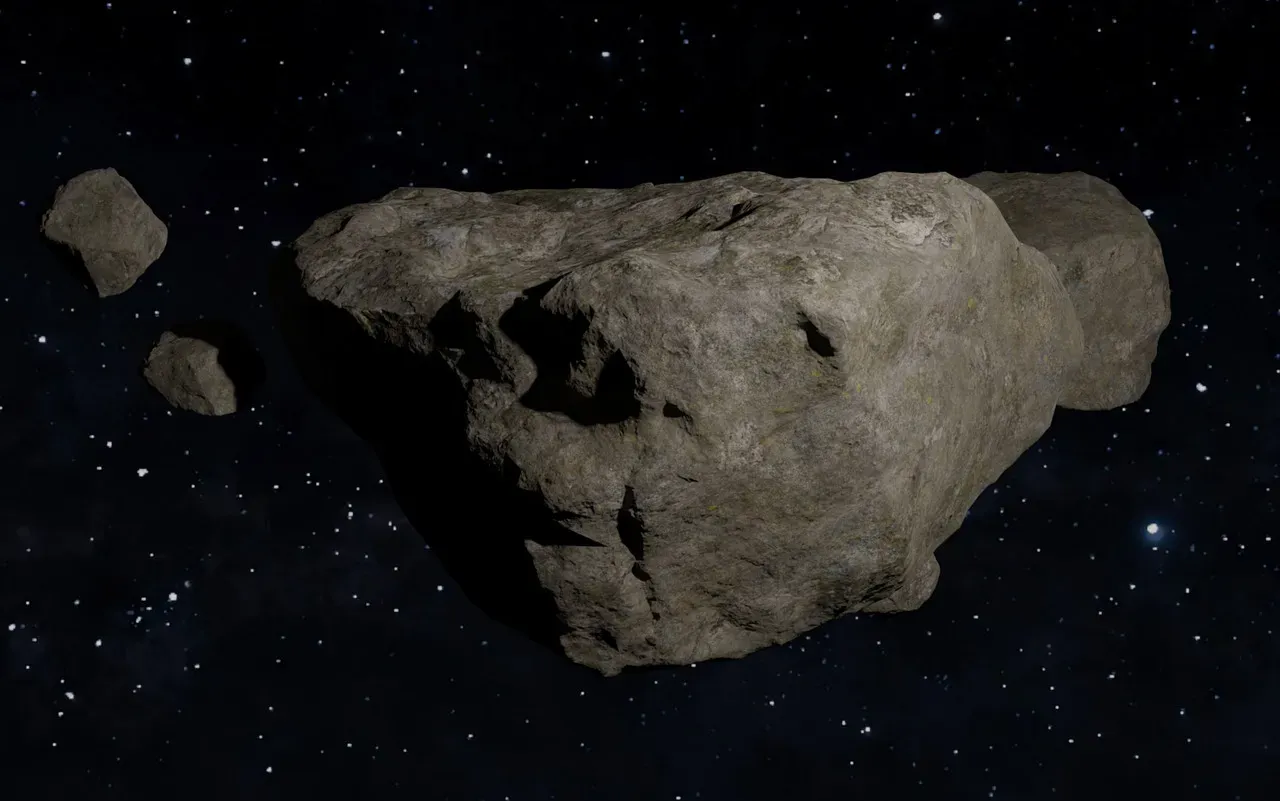
The key breakthrough came when teams started combining orbital dynamics with what we actually know about asteroid surfaces and meteorite chemistry. The Chicxulub impactor left behind a global layer rich in elements associated with carbonaceous chondrites, a type of primitive, dark, carbon‑rich rock. When researchers modeled how many such objects escape different parts of the asteroid belt and go on to strike Earth, a clear pattern emerged: the outer main belt is especially good at supplying large, dark, primitive impactors. These simulations suggest that, over a billion‑year window, a non‑trivial fraction of Chicxulub‑scale impacts on Earth should be delivered from that region populated by dark, water‑bearing asteroids. That lines up disturbingly well with the geochemical signature of the K–Pg boundary layer that marks the extinction of non‑avian dinosaurs. In other words, the impactor was almost certainly not an inner‑belt stony fragment or a random long‑period comet, but part of a specific outer‑belt population with recognizable traits and a predictable way of escaping toward the inner solar system.
How an Asteroid Belt Becomes a Cosmic Firing Range
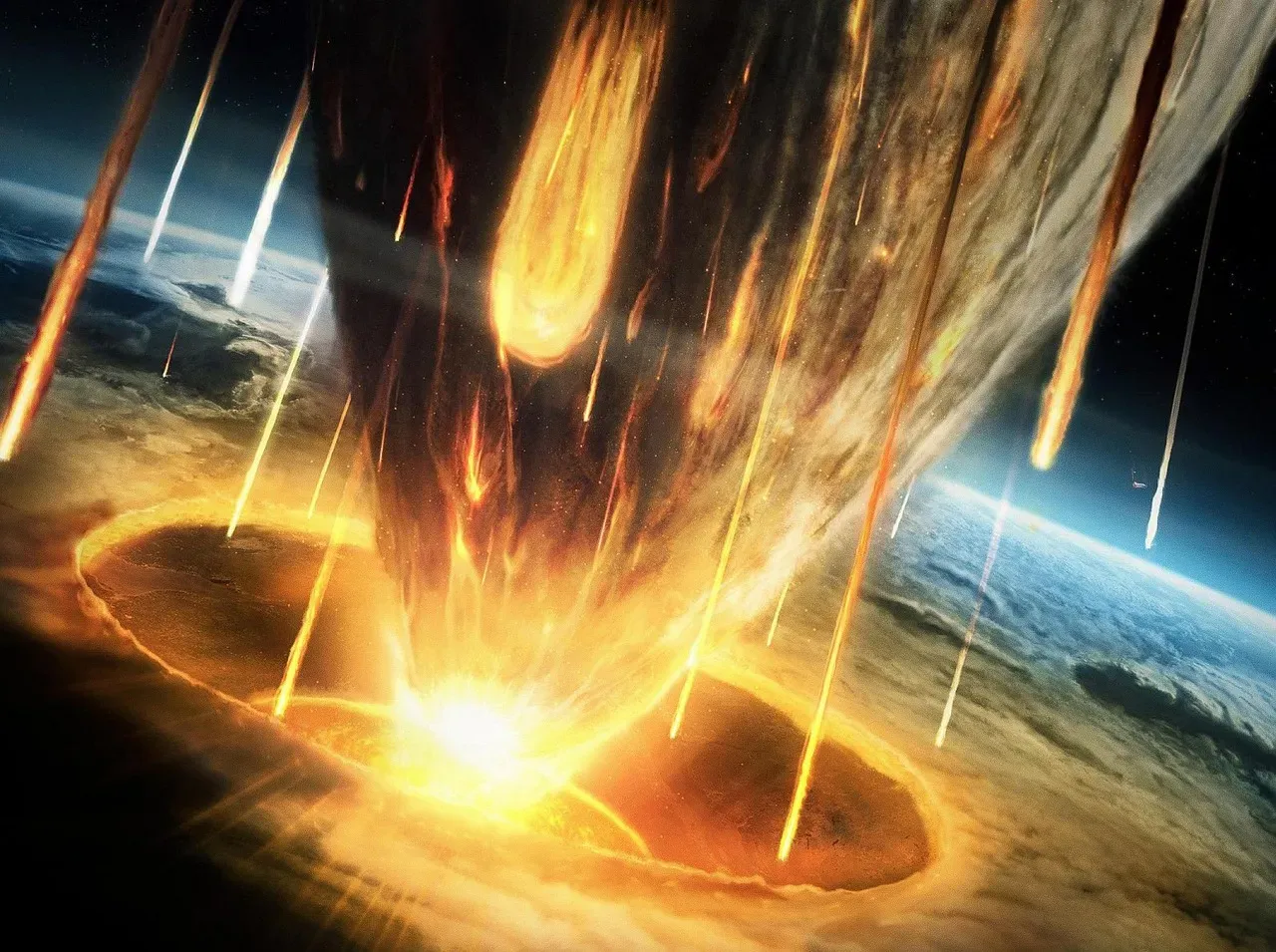
If you imagine the asteroid belt as a quiet ring of rocks lazily orbiting the Sun, you are picturing the wrong movie. A better metaphor is a slow‑motion pinball machine where Jupiter’s gravity is the flipper. Most asteroids stay confined to stable orbits, but some drift – very gently – because sunlight itself nudges them over millions of years through a process known as the Yarkovsky effect. As they drift, some wander into gravitational “resonances,” special orbital zones where Jupiter and Saturn tug on them periodically. Once an asteroid is caught in the right resonance, its orbit can be pumped up in eccentricity until it crosses the paths of Mars and then Earth. The outer main belt contains several of these escape hatches, so a dark, primitive body that starts out in a seemingly safe orbit can, over staggering timescales, be steered onto a collision course with our planet. The Chicxulub impactor appears to have followed exactly that kind of journey: a long, quiet life in the belt, a slow drift into a resonance, and then a geologically sudden, catastrophic arrival.
Why Older “Smoking Guns” Like the Baptistina Family Fell Apart
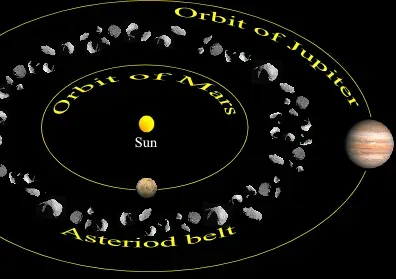
For a while, one asteroid family in the inner main belt, the Baptistina family, looked like the perfect villain. Early work suggested that a catastrophic breakup in that group roughly one hundred and sixty million years ago could have produced the fragment that hit Earth sixty‑six million years ago. It was a compelling narrative: one big collision in the belt sets off a chain of smaller projectiles, one of which eventually nails the dinosaurs. But as more precise observations came in, the story cracked. Infrared data from space telescopes revised the sizes and reflectivities of Baptistina members, changing the inferred timing of the family’s breakup and making it hard to reconcile with the Chicxulub event. Geochemical comparisons also hinted that Baptistina fragments did not match the composition implied by the K–Pg boundary sediments. In short, a once tidy explanation no longer fit the numbers, pushing researchers to cast a wider net and ultimately toward the outer‑belt dark‑asteroid scenario instead.
Uncomfortable Implication #1: Chicxulub Was Not a One-Off Freak Event
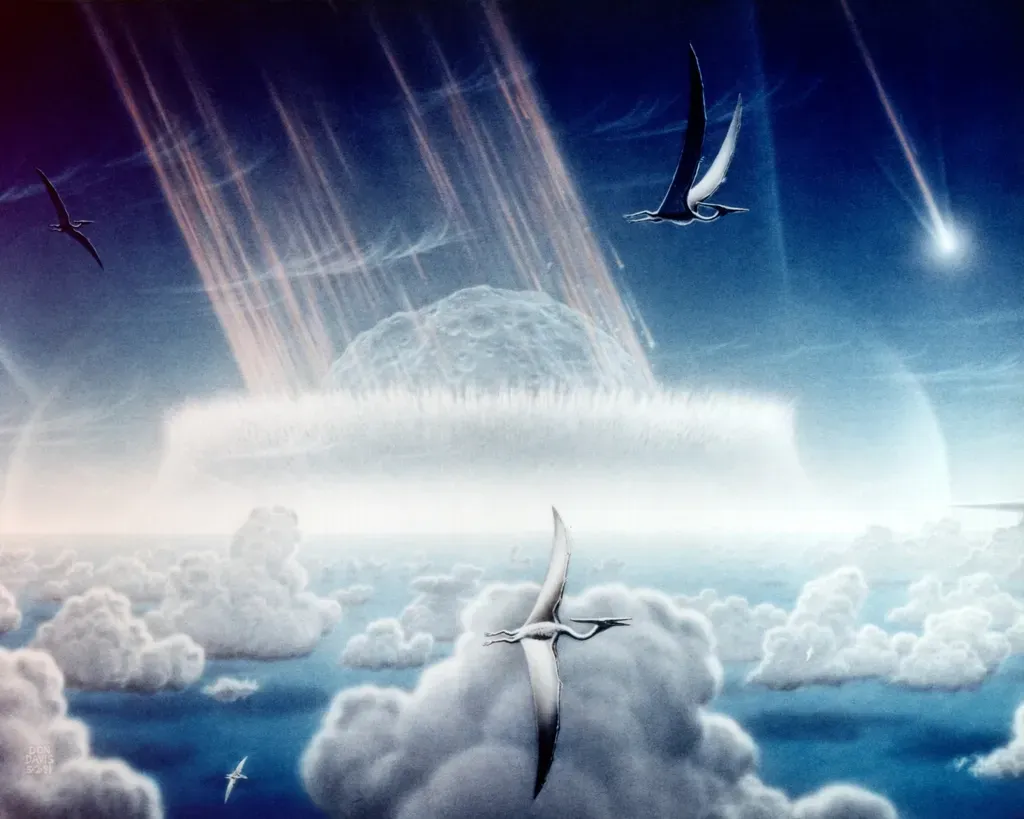
Here is where things get genuinely unsettling. When scientists use these dynamical models to estimate how often large asteroids from the outer main belt should hit Earth, they do not get vanishingly small, “once in the entire age of the solar system” numbers. Instead, they get rates suggesting that several Chicxulub‑scale impacts should occur over a billion‑year span, with a significant fraction delivered by the same dark, primitive population. Chicxulub, in that light, was terrible – but it was not an unimaginable outlier. That means Earth’s deep history likely includes multiple events that were at least in the same ballpark, even if not all of them lined up with such a vulnerable biosphere as the late Cretaceous. Some may have struck oceanic crust and left subtler geological scars. Others may have happened when ecosystems were less primed for collapse. The uncomfortable message is that the dinosaur‑killer belongs to a broader pattern of large impacts, not a singular cosmic accident that we have already “used up.”
Uncomfortable Implication #2: Our Modern Civilisation Lives Next to the Same Cosmic Supply Chain
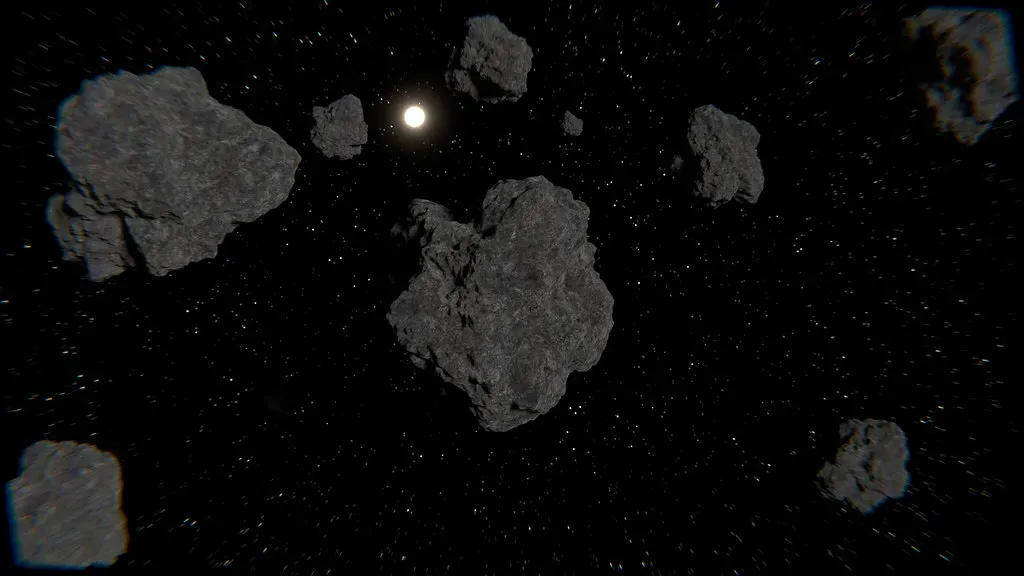
Another difficult truth: the dynamical conveyor belt that delivered the Chicxulub impactor is still running. The outer main belt is still full of dark, primitive asteroids. The same resonances and thermal drift processes that operated sixty‑six million years ago continue to slowly move objects toward escape routes today. Nature does not flip a switch and turn that off just because mammals evolved smartphones. To be clear, the chance of a Chicxulub‑scale impact in any given human lifetime is extremely low. But on the timescale of millions of years – the blink of an eye in geological terms yet unimaginably longer than any civilization we have ever built – the risk is absolutely real. The source region has not calmed down, and our planet has not stepped out of harm’s way. From a long‑view perspective, we are living in the same shooting gallery, just during one of the quieter minutes.
Uncomfortable Implication #3: Planetary Defence Needs to Think in Deep Time, Not Election Cycles
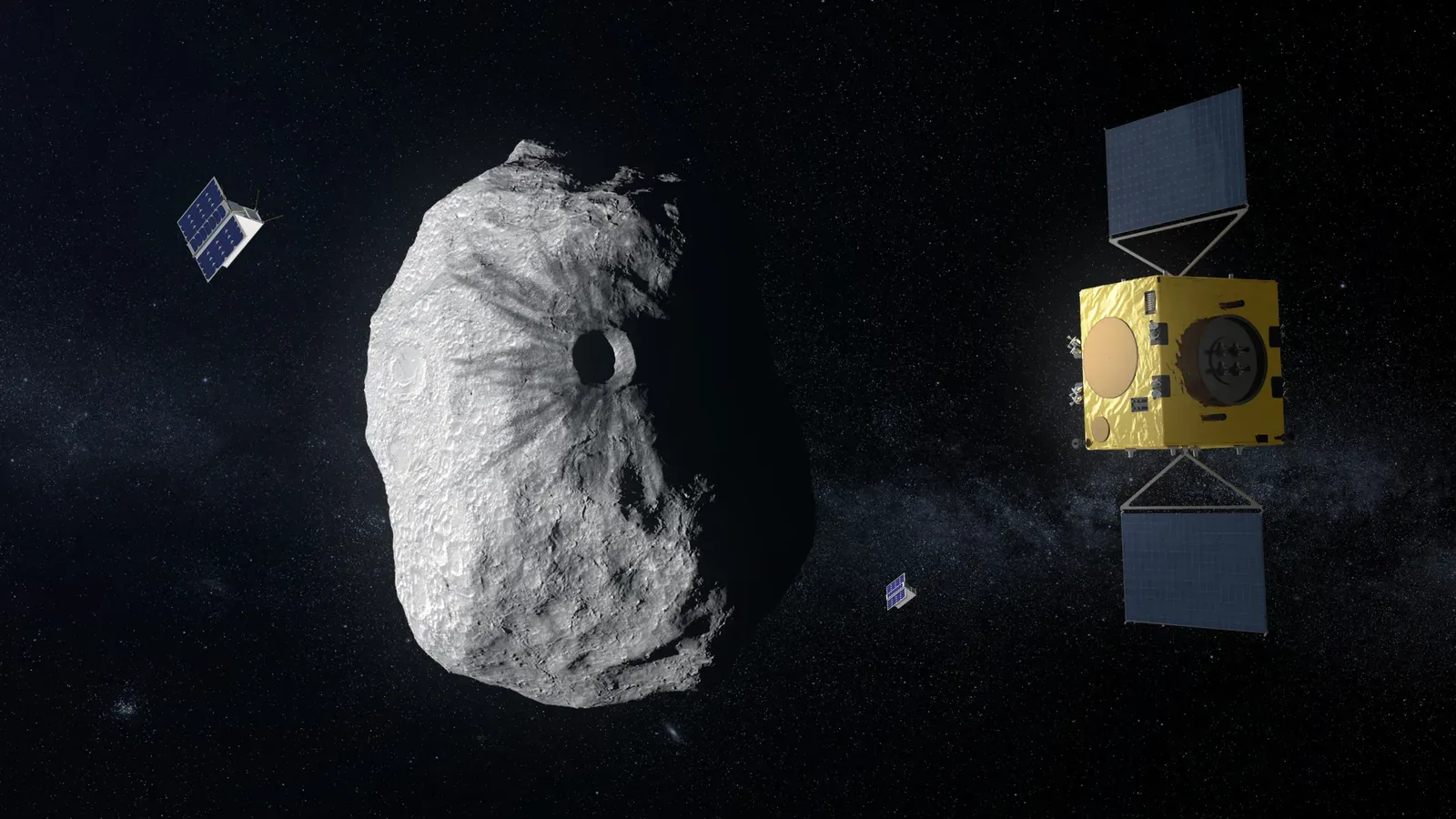
Once you accept that the dinosaur‑killing rock likely came from a specific, dynamically active region of the asteroid belt, it becomes hard to argue that planetary defense is a fringe concern. We already track many near‑Earth asteroids, and missions like NASA’s DART test have shown that, in principle, we can nudge small asteroids off course. But the supply chain that feeds those near‑Earth objects begins far away, among families of dark bodies that are only now being cataloged in detail. Serious long‑term protection means investing in deep surveys of the outer belt, characterizing the physical and chemical nature of those primitive asteroids, and running sustained simulations of how their orbits evolve over tens of millions of years. That does not fit neatly into political timelines or short‑term budgets. Yet if there is one lesson from the dinosaurs’ fate, it is that ignoring slow‑motion risks because they feel abstract is a dangerous habit. I find it frankly jarring that we can trace the origin of a mass‑extinction impactor and still treat asteroid detection as optional science rather than basic infrastructure.
What This Means for How We See Ourselves in the Universe
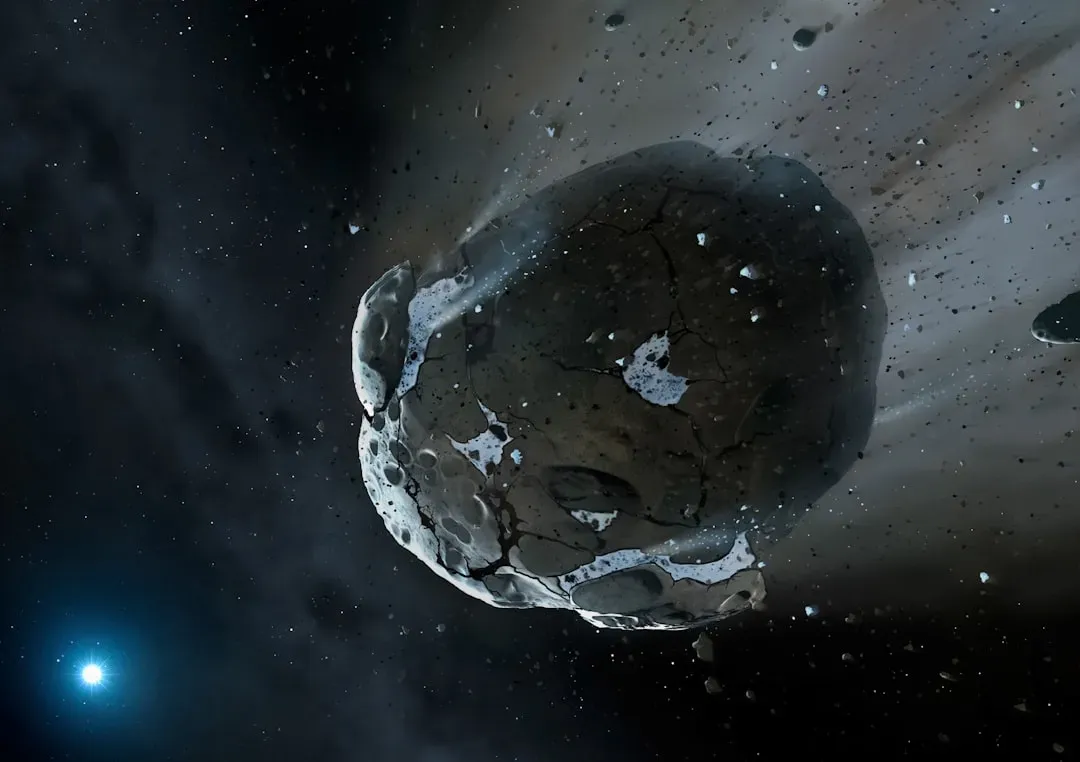
There is a strange irony in all this. The same dark, primitive asteroids that can deliver extinction‑level impacts also carry water and organic molecules – ingredients that likely helped seed habitable worlds. The outer main belt is not just a warehouse of potential killers; it is a relic of the early solar system that may hold clues to how life got started here in the first place. Our survival and our vulnerability are entangled in the very same population of space rocks. To me, the new work tracing the Chicxulub impactor back to a specific source region forces a kind of psychological gear shift. It undercuts the comforting idea that civilization lives in a fundamentally safe, settled solar system. Instead, we live in a dynamic environment where slow, inexorable processes can, every so often, flip the table. The real question is whether we treat that as a grim bit of trivia about the dinosaurs, or as a prompt to grow up as a species and take responsibility for watching the skies.
Conclusion: We Finally Know Where It Came From – Now What Do We Do With That Knowledge?
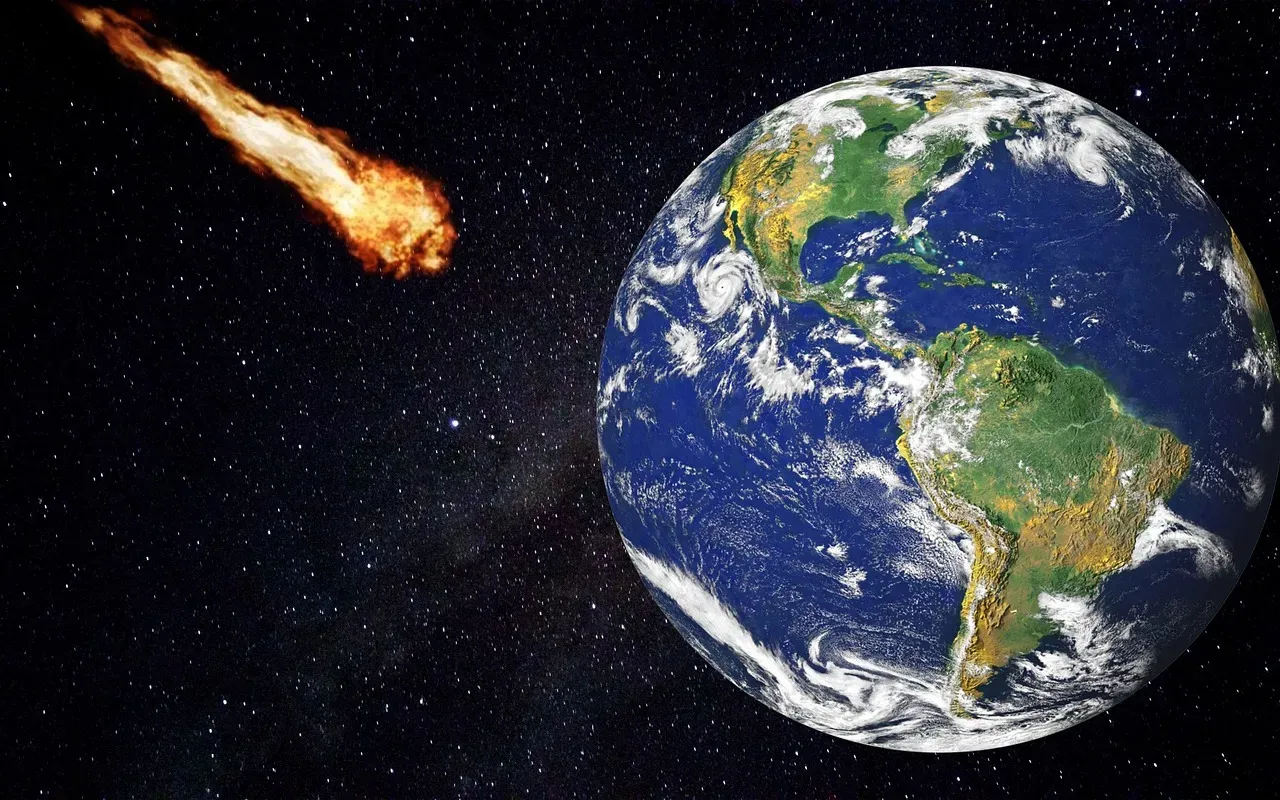
Putting all of this together, the emerging picture is stark: the dinosaur‑killing rock was almost certainly not a random wanderer, but a large, dark, primitive asteroid kicked out of a specific outer‑belt region by long‑running gravitational machinery. That identification is a triumph of science, stitching together crater geology, orbital dynamics, asteroid surveys, and meteorite chemistry. But it is also a warning label taped to our cosmic neighborhood: this was a repeatable event produced by a living system, not a supernatural bolt from the blue. My own opinion is that the most dangerous response is intellectual shrugging – treating this as a cool fact about prehistory and nothing more. Knowing the source region of a mass‑extinction impactor should be a pivot point, the moment we admit that planetary defense is not science fiction but a moral obligation to future generations. We cannot switch off the outer main belt, but we can choose to understand it, map it, and be ready when the statistics eventually deliver another big rock our way. The dinosaurs never got that choice; we do. The only real question is whether we act on it.