Sixty-six million years ago, a space rock slammed into what is now Mexico and helped wipe out the dinosaurs. That story has become almost mythic at this point. But now imagine this: while that famous crater was forming, another huge object may have hit Earth near the very top of the globe, in what is now northwestern Greenland, and then got quietly buried under ice and time. That possibility does not just tweak the story of the dinosaur extinction; it hints that our planet’s past is more chaotic and less neatly explained than we like to think.
The claim is bold, the evidence is still being debated, and the implications are massive. A potential second impact crater, hidden beneath kilometers of ice, raises fresh questions about how many big hits Earth has really taken and how often life on this planet has come frighteningly close to being reset. The science here is still unfolding, which is exactly what makes it so fascinating: we are watching a mystery being worked out in real time, instead of reading the final chapter in a textbook.
A Hidden Scar Beneath Greenland’s Ice
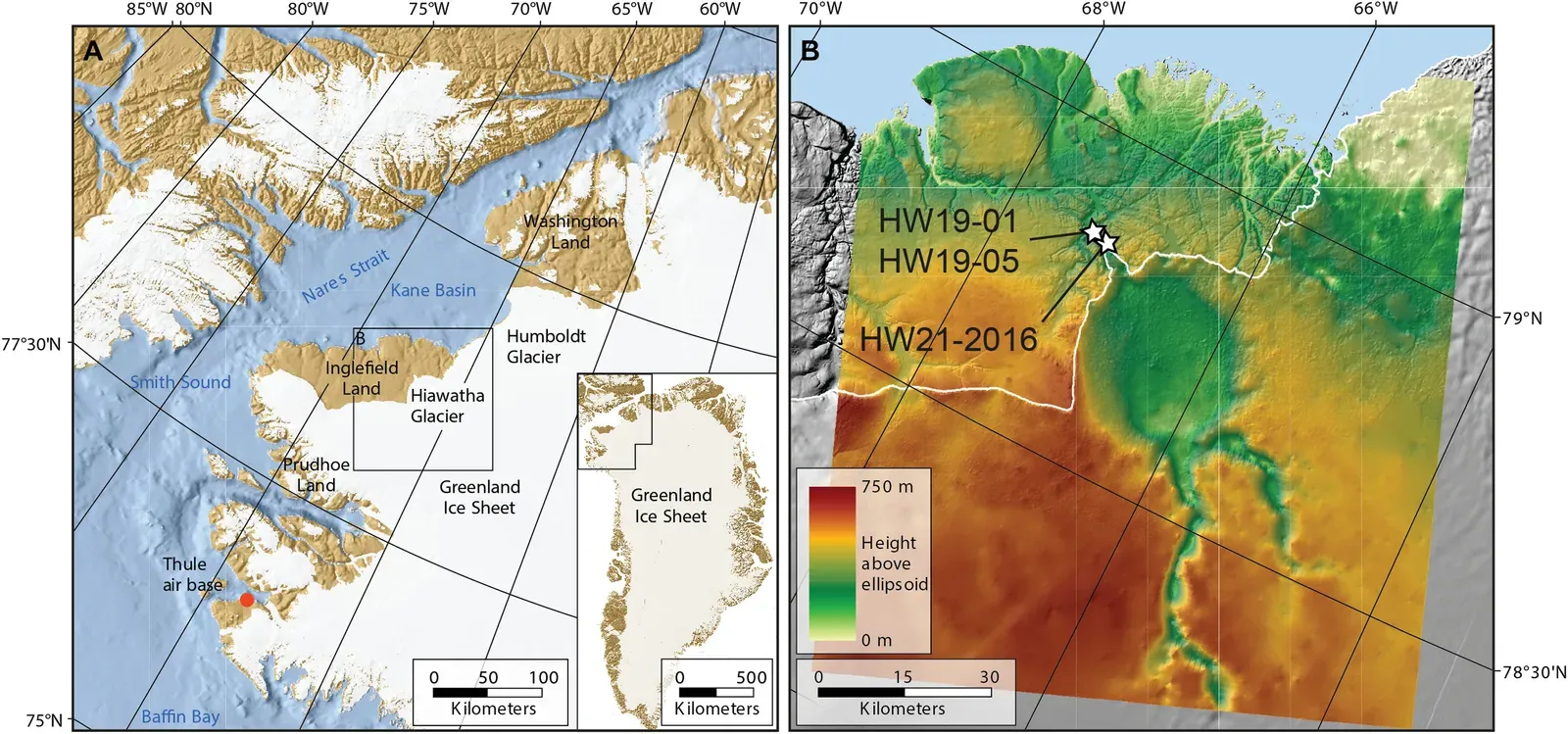
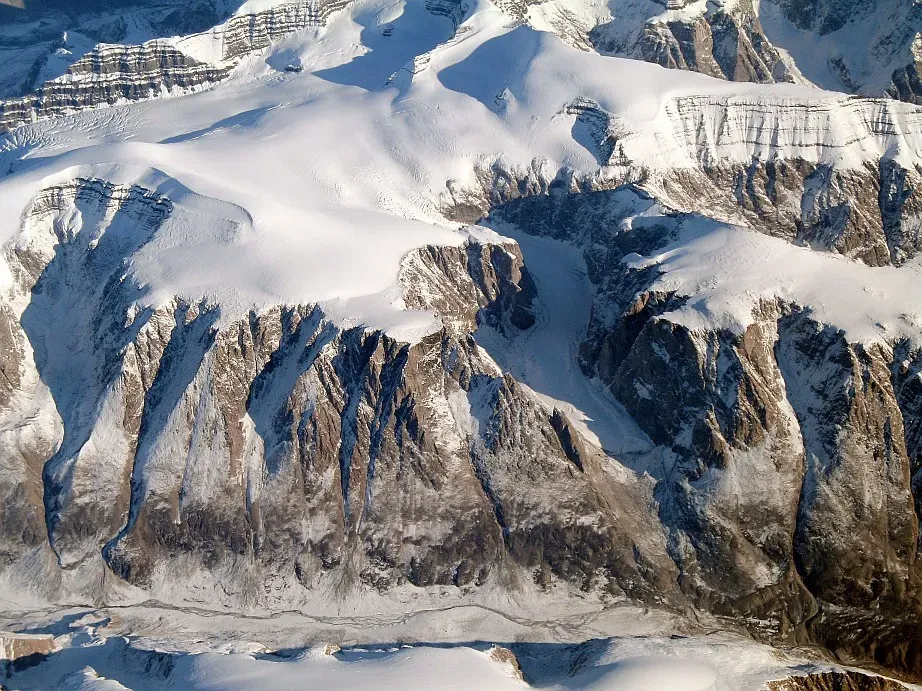
Under the thick ice of northwestern Greenland, near the edge of the ice sheet, scientists have identified a circular depression that looks a lot like a buried impact crater. It does not jump out at you in photographs because, of course, you cannot see it with your eyes; it is completely concealed by ice, like a bruise under a layer of bandages. The structure, mapped through ice-penetrating radar, appears as a shallow, wide bowl in the bedrock with features that resemble the rims and central uplift typical of large impact craters.
What makes this especially tantalizing is that it sits not terribly far from another already announced Greenland impact structure called Hiawatha, which also lies under the ice. Finding one hidden crater would have been surprising enough; finding a second, in the same broad region, forces scientists to take a serious look at whether this is coincidence or a clue to a more dramatic story in Earth’s deep past. It is a bit like lifting one floorboard and finding a secret compartment, then lifting the next and realizing there might be an entire hidden room.
How Scientists Spot a Crater They Can’t See
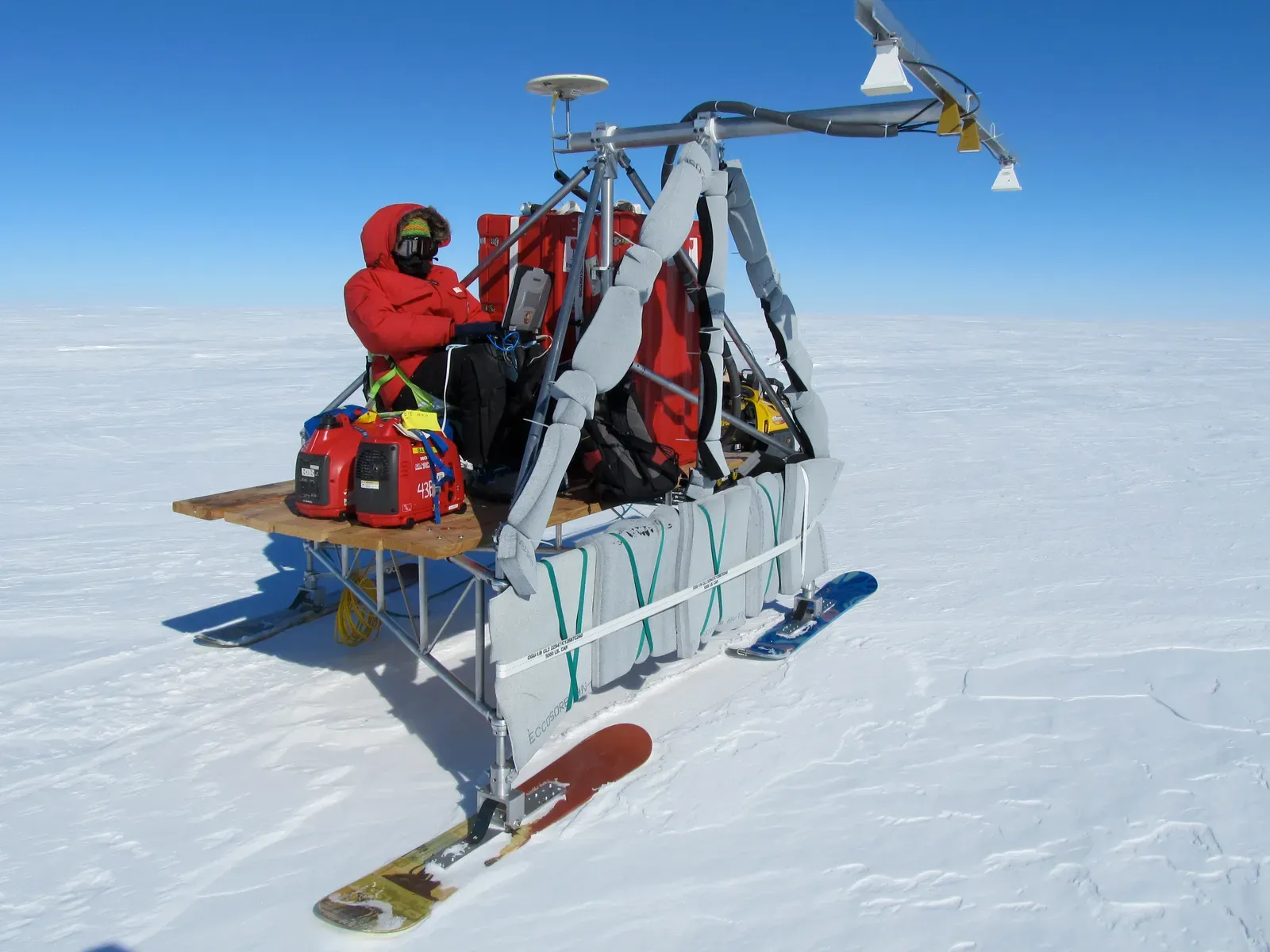
You might wonder how you can possibly discover a crater when you cannot even see the rock it is carved into. The trick is ice-penetrating radar and other geophysical tools that let researchers “see” through the ice and reconstruct the shape of the land underneath. Planes or satellites send radio waves down through the ice; those waves bounce off different layers and the bedrock below, allowing scientists to build a 3D map of the hidden landscape.
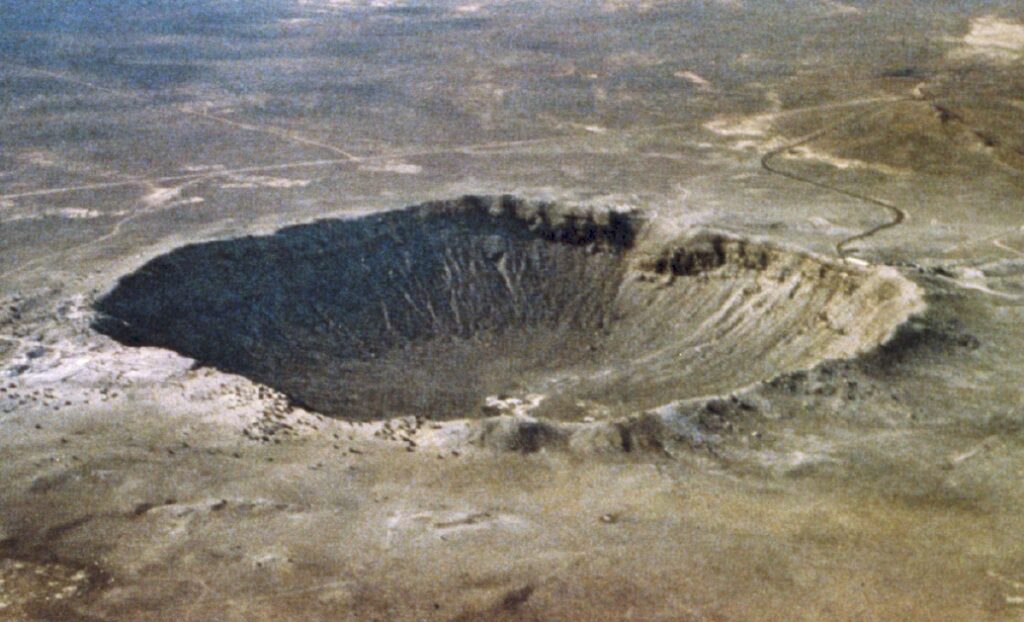
In the case of this second Greenland structure, the bedrock map shows a circular form, around tens of kilometers across, with a depressed center and raised edges, all of which is classic crater geometry. Researchers then compare the pattern to known impact craters and to non-impact features like volcanic calderas or erosion basins. It is a bit like using a medical scan to tell the difference between a broken bone and normal anatomy. The pattern here looks suspiciously like an impact, but a buried one that has been smoothed and softened over tens of millions of years.
Could It Really Be the Same Age as the Dinosaur-Killing Impact?
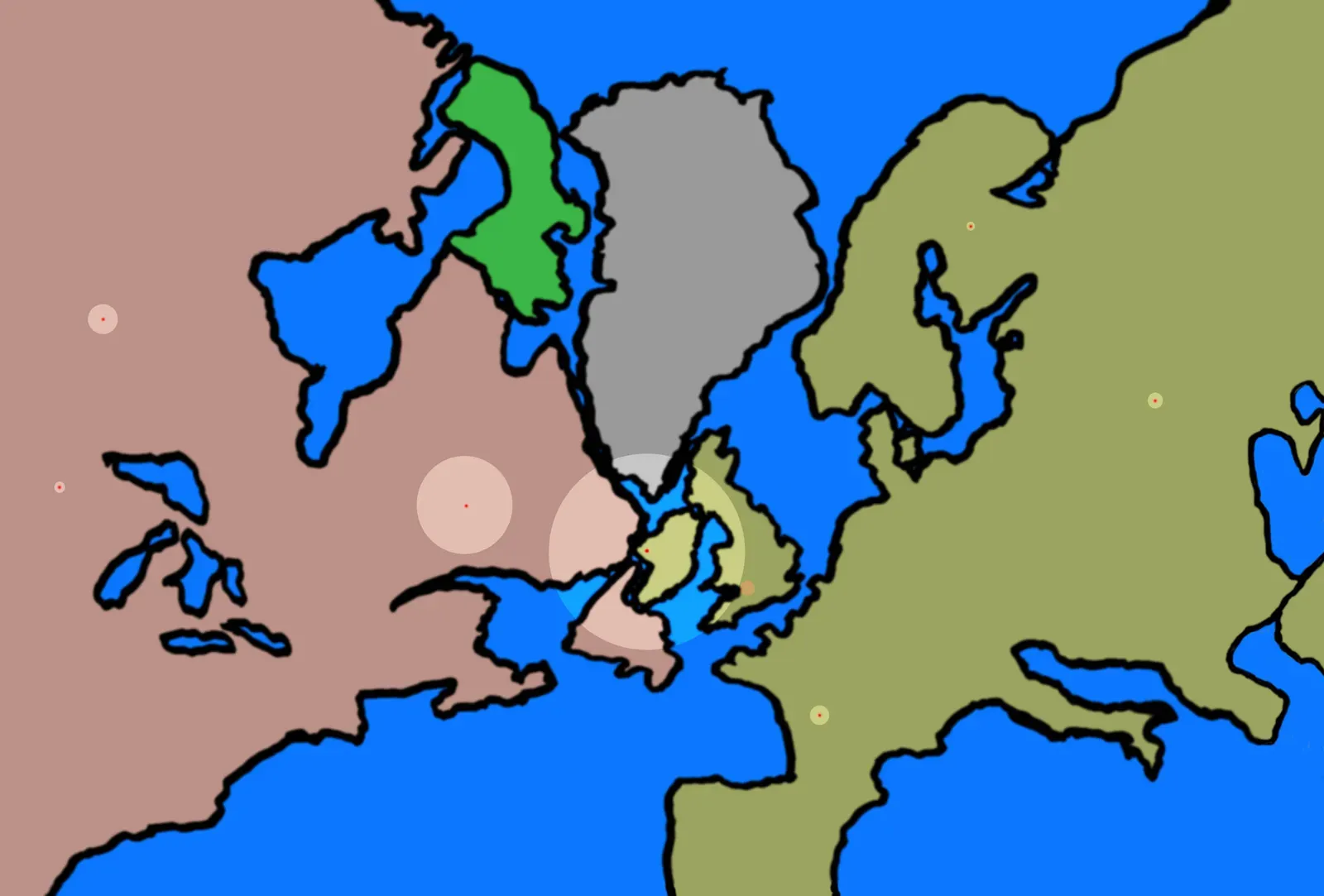
The headline-grabbing idea is that this Greenland crater may have formed around the same time as the famous Chicxulub impact that coincides with the end-Cretaceous mass extinction. To be clear, scientists do not yet have rock samples that lock in an exact age for the second crater. Instead, they estimate its possible age range based on how much erosion is seen, the regional geologic history, and how the structure fits with the timing of ice and sediment layers around it.
Some researchers argue that the Greenland structure could be roughly of the same order of age as the dinosaur-killing event, while others caution that it could easily be older or younger by millions of years. In deep time, “around the same time” can mean a surprisingly wide window, and that uncertainty really matters for the story we tell. So right now, the honest position is one of curiosity and restraint: the timing is intriguing enough to investigate seriously, but far from proven, and any breathless claims of a confirmed twin impact event are getting way ahead of the hard data.
A Possible Sibling to the Chicxulub Crater
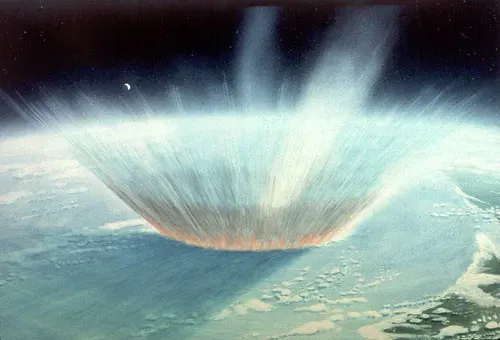
If the age connection holds up in future research, it would mean that Earth might have been hit by more than one large body near the end of the Cretaceous. The Chicxulub crater in the Yucatán region is already enormous, spanning about a hundred eighty kilometers or so across, and its impact energy was beyond anything humans can properly imagine. Adding a “sibling” crater in Greenland would strengthen the idea that the dinosaur extinction was driven by a bombardment scenario rather than a freak single strike.
Scientists already know that large asteroids are often fragments of even bigger bodies that broke up earlier in the solar system’s history, and some have suggested that the dinosaur-ending rock could have been part of a larger swarm. A second crater would fit that narrative nicely, but it would also raise fresh questions: did this second impact significantly affect climate or ecosystems, or was it just an extra punch in a fight that Chicxulub was already winning? Right now, those questions remain very much open, and that uncertainty is part of what keeps this hypothesis controversial and exciting at the same time.
Rewriting the Story of the Cretaceous Catastrophe
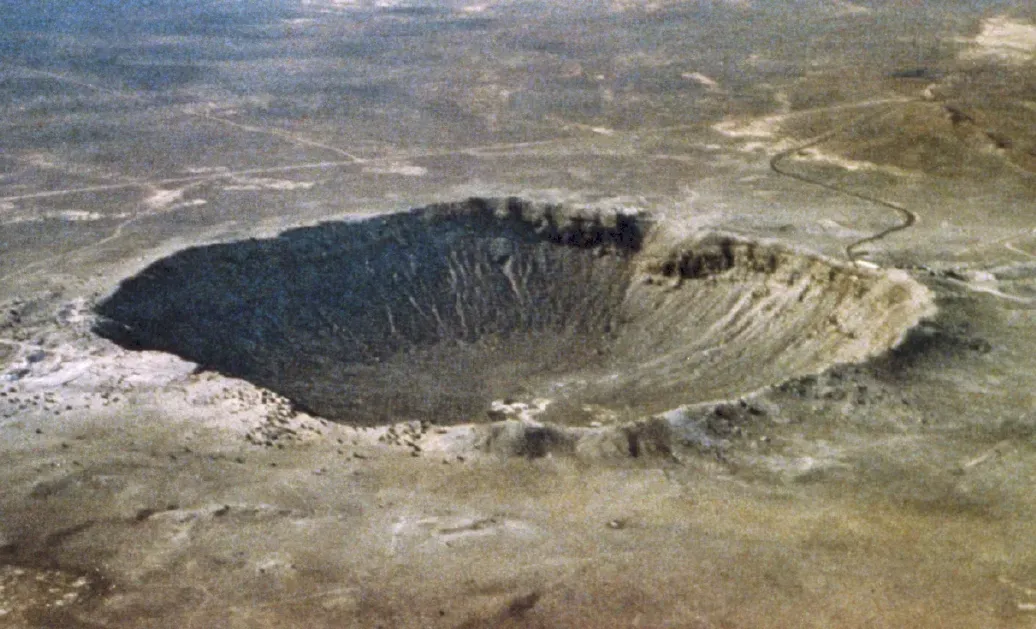
For decades, the scientific story has been fairly streamlined: one giant impact in what is now Mexico, plus a lot of volcanic activity and climate change, pushed the dinosaurs over the edge. If a second crater of similar age is confirmed in Greenland, the story becomes messier but also more realistic. Planetary catastrophes are rarely clean, single events; more often, they are cascades of blows that compound each other, like a boxer taking one devastating punch and then another before they can recover.
Adding another major impact to the narrative could help explain why life took so long to bounce back and why some groups were hit harder than others. It might even clarify regional differences: maybe northern ecosystems faced slightly different conditions if a big strike happened closer to the Arctic. To me, the most compelling angle is that this shifts extinction from a single lightning strike to a prolonged storm, forcing us to think about how repeated shocks, not just one, can push a complex global system past a tipping point.
What an Arctic Impact Would Mean for Climate and Oceans
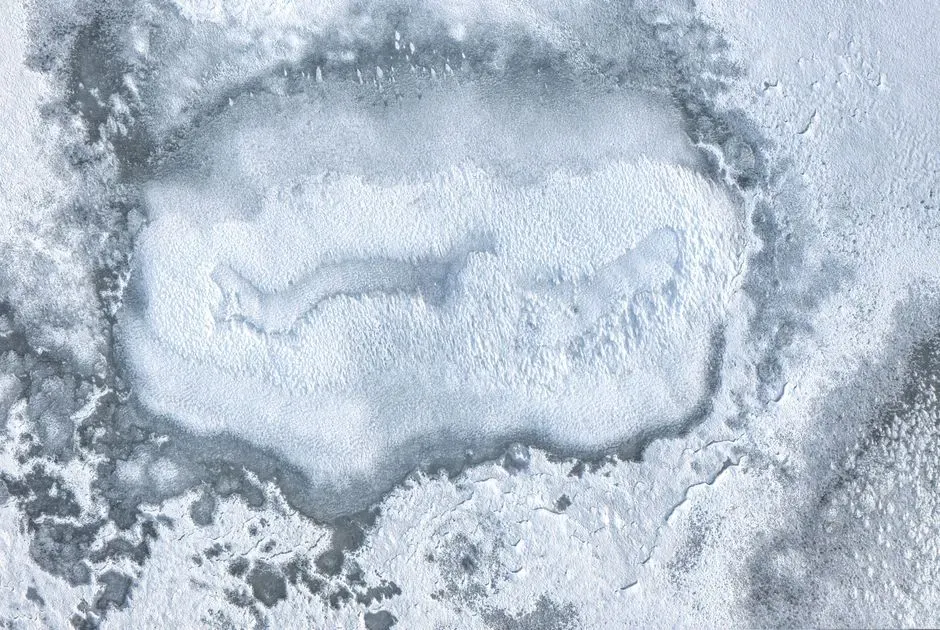
A large impact in high latitudes would not just make a big hole in the ground; it would also interact with ice, shallow seas, and atmospheric circulation in unique ways. An object slamming into an Arctic region could kick huge amounts of water, rock, and possibly ice into the air, darkening skies and altering temperatures worldwide. Instead of a sudden, single pulse of chaos, Earth’s climate might have experienced a staggered sequence of disruptions as dust, aerosols, and greenhouse gases were released at different times and places.
There is also the ocean to think about. If the impact hit near coastal or shallow marine areas, it could have triggered massive tsunamis across ancient seaways that once flooded parts of North America and Eurasia. These waves would have rearranged coastlines, destroyed habitats, and stirred up sediments that choke marine life. While models are still speculative here, even a modest additional blow of this kind could have amplified the stress on already struggling species, turning a bad situation into a truly inescapable one for many lines of life.
On top of that, impacts can release gases trapped in sediments, potentially jolting the carbon cycle and shifting long-term climate trends. In a world already under pressure from volcanic emissions at the time, another abrupt injection of climate-altering material could be the difference between a serious crisis and a full-blown mass extinction. That is why even a slightly smaller Arctic impact, if timed right, might matter a lot more than its size alone would suggest.
Why Impact Crater Research Is So Difficult and So Contentious
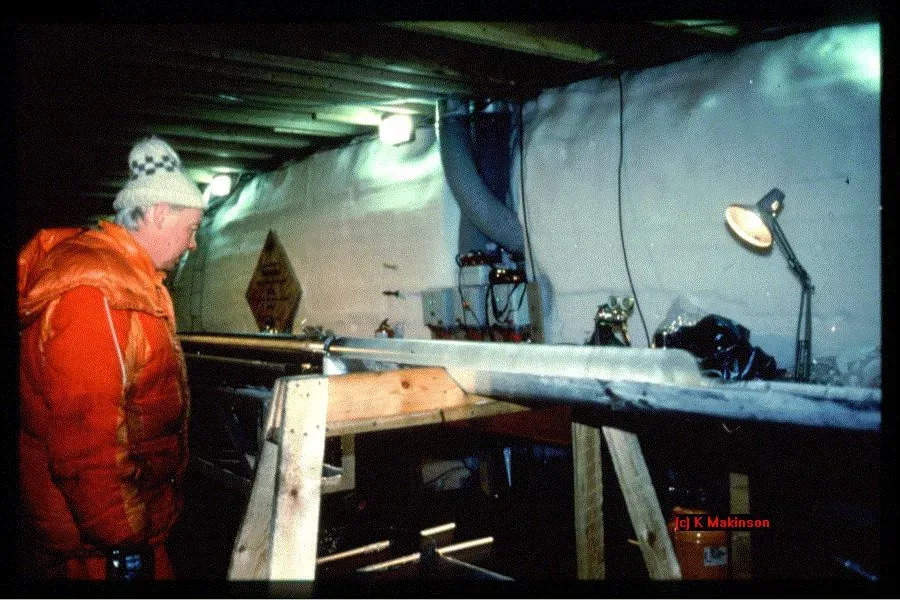
Discovering impact craters on land that is easy to access is already hard; finding them under thick ice is an entirely different level of challenge. To turn a circular radar feature into a confirmed impact crater, scientists usually want rock samples showing classic signs like shocked minerals, high-pressure forms of quartz, or traces of melted rock. In Greenland, that means drilling through ice in harsh conditions, hauling up fragile cores, and then interpreting them with far from perfect context.
All of this creates a perfect recipe for debate. Some geologists look at the available data and see enough indicators to support an impact origin; others argue that glacial carving, tectonic warping, or other processes might mimic the same shapes. I think this is actually a healthy fight. The burden of proof for rewriting a key chapter of Earth’s history should be heavy. The fact that the community is split tells you not that the idea is wrong, but that the evidence is still in its adolescence rather than its adulthood.
What This Discovery Says About Earth’s Vulnerability Today
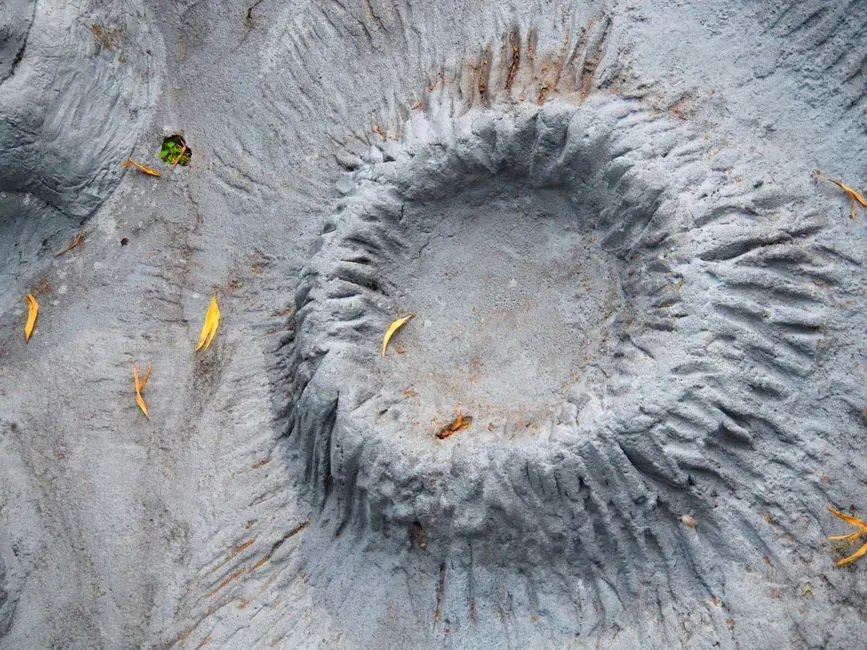
There is a more personal layer to all of this, and it hits home when you realize that Earth clearly has taken multiple giant hits over its lifetime. Craters like the ones in Mexico and under Greenland’s ice are reminders that our planet is not a safe, sealed bubble drifting peacefully through space. It is more like a windshield that has already been cracked badly a few times, and could, given enough time, be struck again. That is not fear-mongering; it is simply reading the scars.
For modern humans, the real question is what we do with that knowledge. An impact on the scale of Chicxulub is extremely rare on human timescales, but smaller yet still devastating strikes are much more frequent in the long run. Learning to detect, track, and even deflect hazardous asteroids is not science fiction any more; it is a practical long-term insurance policy for our civilization. To me, the buried Greenland crater is not just an ancient curiosity; it is a blunt reminder that we should not wait for the sky to fall before we take planetary defense seriously.
The Humbling, Unfinished Story Written in Ice and Stone
In my view, the possibility of a second impact crater beneath Greenland’s ice that may be roughly as old as the dinosaur-killing event is less a settled fact and more a powerful hypothesis that deserves tough, relentless testing. It is tempting to rush to a dramatic storyline about twin impacts ending the age of dinosaurs, but the responsible position is to admit we do not yet have all the pieces. At the same time, pretending this is just a geological curiosity misses the point: the very suggestion that such a crater exists shakes up our comforting, simple narratives about how extinction works.
I think we should let this discovery make us a little uncomfortable. It reminds us that Earth’s history is not a tidy timeline but a crime scene with clues still buried under ice, waiting for someone stubborn enough to dig. Whether or not this Greenland structure turns out to be a true sibling to Chicxulub, it forces us to see mass extinctions as messy, multi-hit sagas rather than single strokes of fate. And it should push us, here in the present, to look up more often and to take seriously the idea that our own chapter in this story could change in an instant – because if the planet has already survived blows like this before, do we really want to bet that it will not happen again?