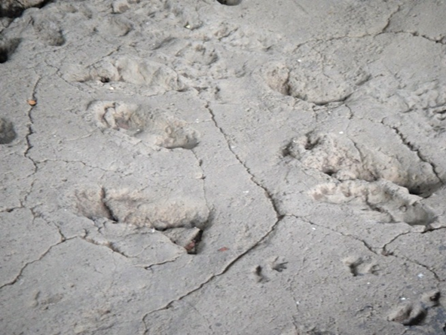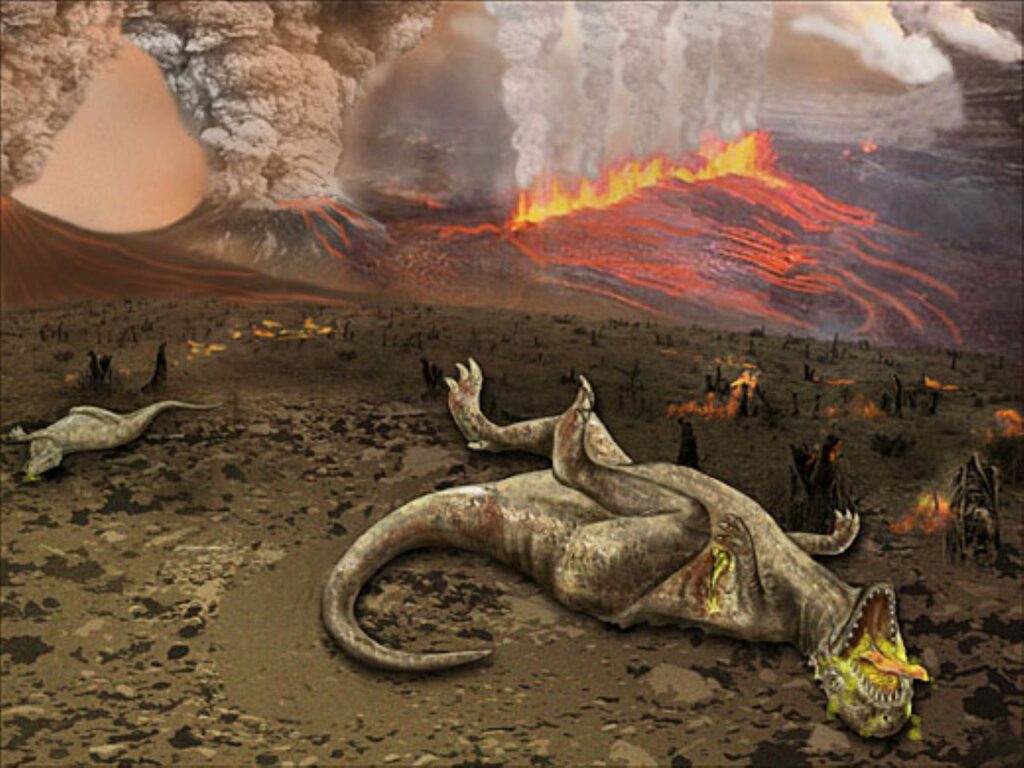
Imagine standing on a Cretaceous shoreline, long before any human ever walked the Earth. The sky is hazy, the air feels heavy, seasons seem a little off, and strange ash occasionally drifts down from faraway horizons. To the dinosaurs roaming that world, life might have still felt normal enough – but behind the scenes, the planet itself was starting to wobble.
That is the picture many scientists are now carefully sketching: by the time the infamous asteroid slammed into what is now Mexico, gigantic volcanic eruptions had already been rumbling away, slowly unsettling ecosystems, altering the climate, and nudging the dinosaurs toward a cliff they did not know existed. The impact may still have been the final catastrophic shove, but the ground beneath their feet was already less stable than it seemed.
A Planet Under Pressure Long Before the Impact
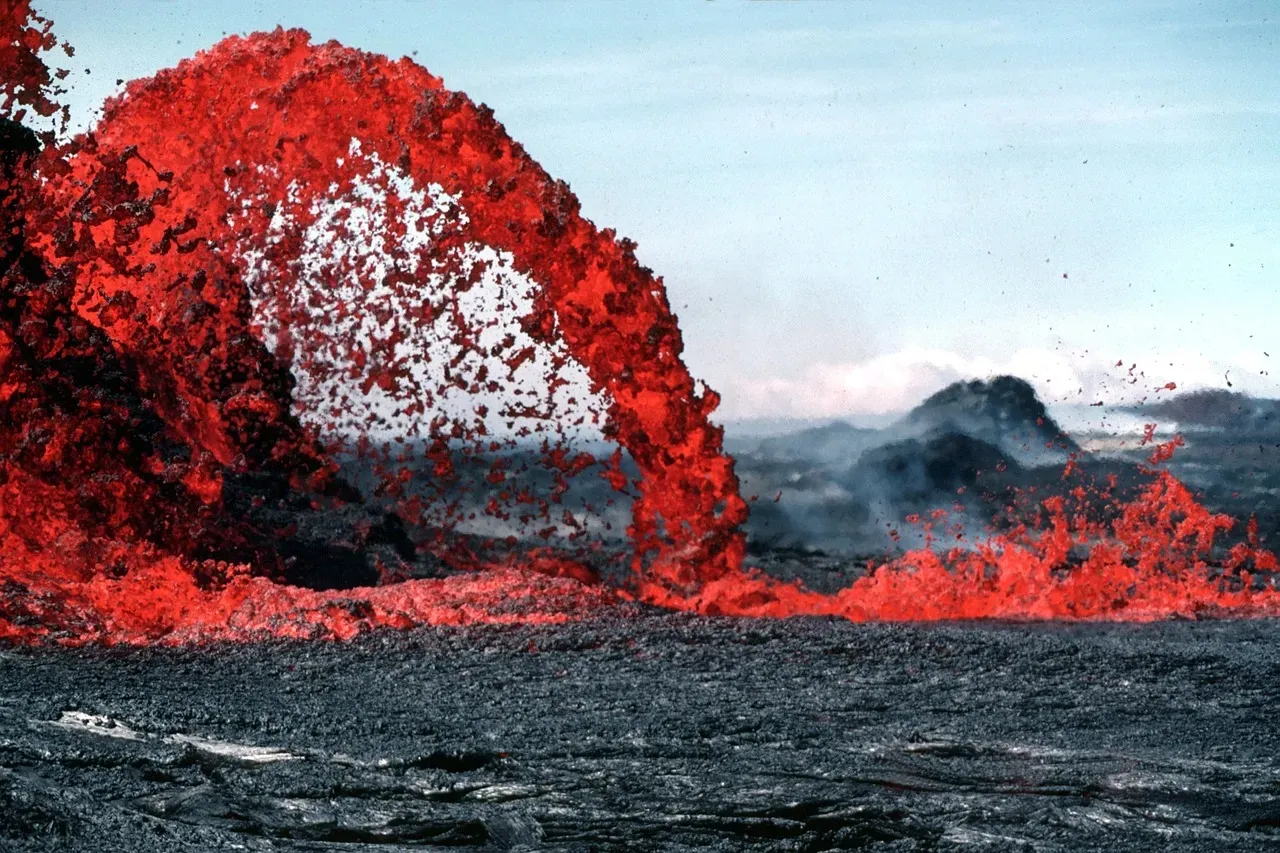
One of the most striking ideas to emerge from recent research is that Earth was not in some calm, steady state right up until the asteroid appeared out of nowhere. Instead, the late Cretaceous seems to have been a time of mounting geologic tension. Deep inside the planet, vast plumes of magma were rising, tearing open the crust and feeding colossal volcanic systems over enormous regions.
This matters because it reframes the story. Rather than a single, freak event wiping out a thriving, untroubled world, we may be looking at a planet already nudged off balance by its own internal forces. The asteroid then arrived in a world that was more fragile than it looked, like a house whose foundation had been quietly cracking long before the earthquake hit.
The Deccan Traps: A Volcanic Engine of Change
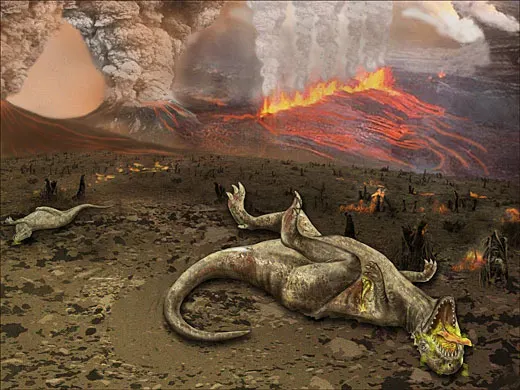
At the heart of this new narrative are the Deccan Traps, a staggering volcanic province in what is now western India. During the late Cretaceous, these eruptions produced layer upon layer of basaltic lava that, in total, spread across an area larger than many modern countries and stacked to heights measured in kilometers. It was less like a single volcano erupting and more like the entire landscape sweating lava for extended periods.
The timing of this activity is crucial. A significant portion of the Deccan Traps volcanism appears to have occurred close to the end of the Cretaceous, overlapping in time with the extinction event. That overlap has triggered intense debate: were these eruptions already putting stress on dinosaur ecosystems, shifting climate patterns, and reshaping habitats, even before the asteroid slammed into the Yucatán?
Greenhouse Gases and a Climate on the Edge
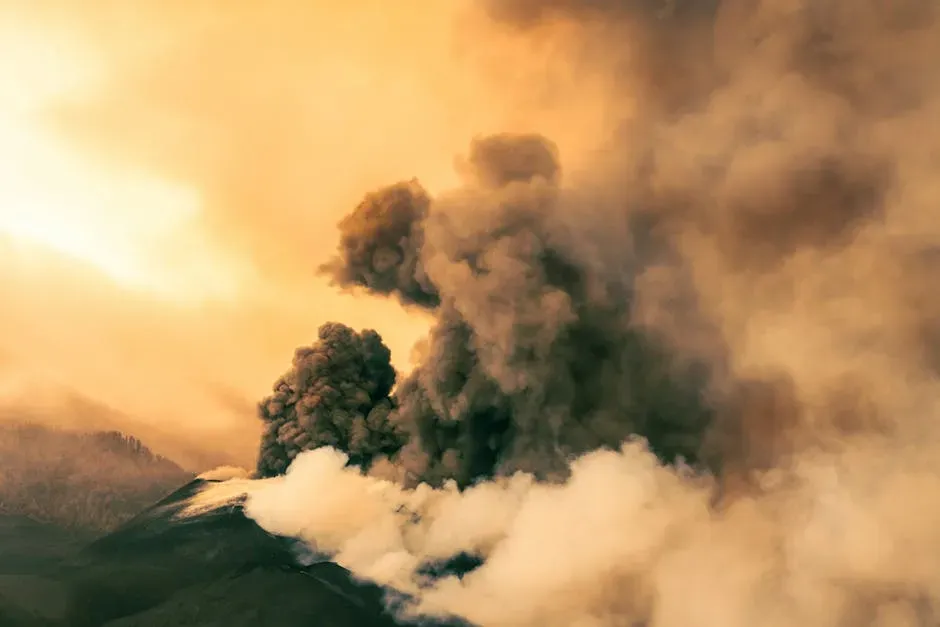
Those massive eruptions were not just about molten rock; they were also about gas – mind-bending amounts of it. Each outpouring of lava likely released huge quantities of carbon dioxide and sulfur-rich compounds into the atmosphere. Carbon dioxide tends to trap heat, while sulfur aerosols can reflect sunlight and cool the planet, at least for a while. The result is a climate system jerked one way and then another, with big swings instead of gentle nudges.
For living creatures, those swings can be brutal. Many dinosaurs were large, active animals that depended on reliable food webs and relatively stable environments. If volcanic emissions were already driving episodes of warming, cooling, shifts in rainfall, and ocean changes, then the world they knew would have become patchier and less predictable. They did not need to understand the chemistry to feel the consequences as habitats gradually frayed at the edges.
Stress in the Fossil Record: Ecosystems Showing Cracks
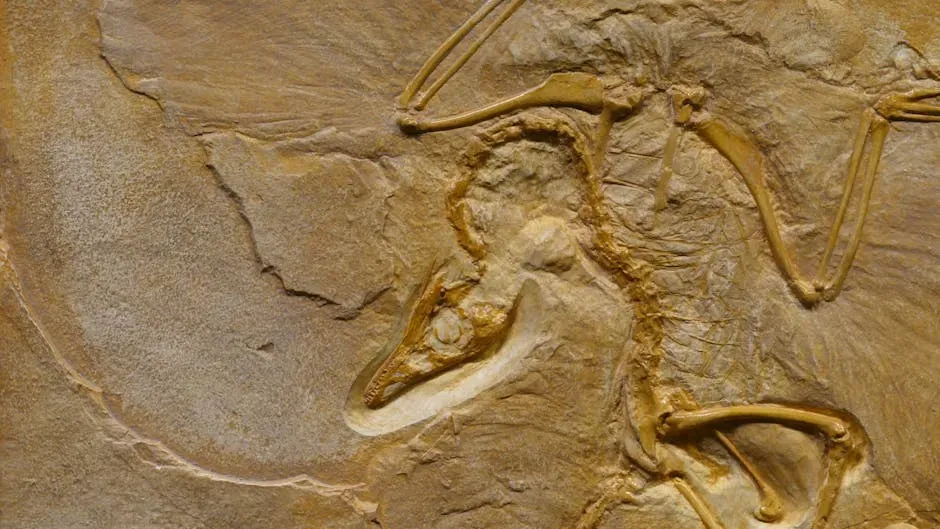
Paleontologists now look at the fossil record not just as a list of who lived when, but as a stress diary written in bones, pollen, shells, and sediments. In several regions, there are hints that some groups of animals and plants were already under strain before the final extinction boundary. Certain species become rarer in rock layers just below the impact horizon, while ecological communities seem to shuffle and simplify.
To be clear, this pattern is not perfectly uniform across the globe, and scientists argue about how strong the signal really is. Still, it suggests that some ecosystems were already changing in ways that are hard to explain by asteroid impact alone. Volcanic activity, with its potential to disrupt climate and chemistry over hundreds of thousands of years, offers a plausible source of that slow, grinding pressure.
Asteroid Versus Volcanoes: A False Choice?
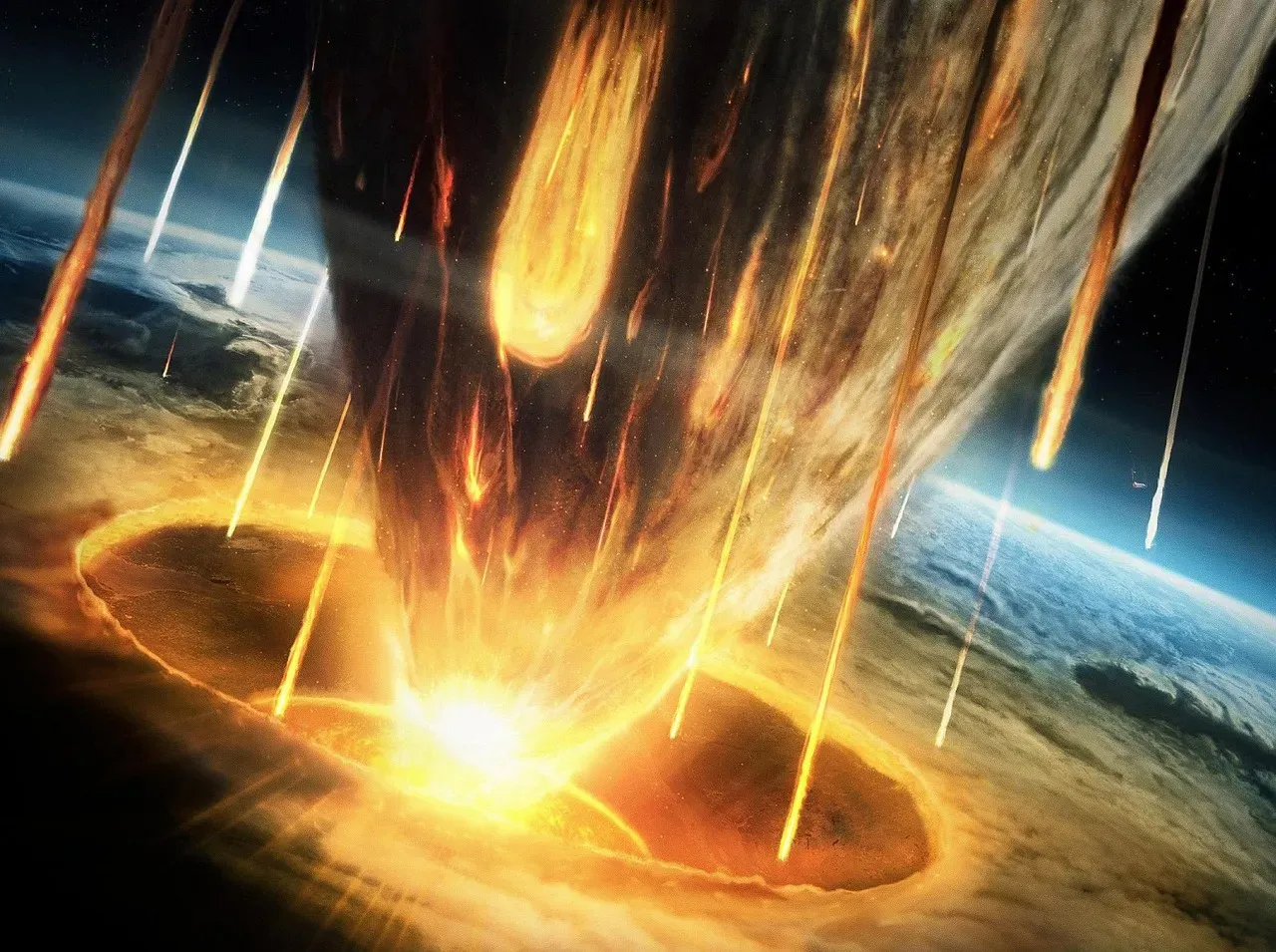
For decades, public conversation has framed the dinosaur extinction almost like a sporting match: was it the asteroid or the volcanoes that truly did them in? That is a neat story, but probably the wrong question. Growing evidence points to an uncomfortable middle ground: the dinosaurs may have been hit by a combination punch, with volcanism softening them up and the asteroid delivering the knockout blow.
This view can feel unsatisfying because we like single villains and clear-cut answers. Yet real planetary events rarely cooperate with that preference. If volcanism had been destabilising climate and ecosystems for a long time, then the impact did not just end a golden age; it crashed into a world already wobbling. The tragedy is not just that an asteroid hit, but that it hit at a time when life was less able to recover.
Dating the Chaos: How Scientists Reconstruct the Timeline
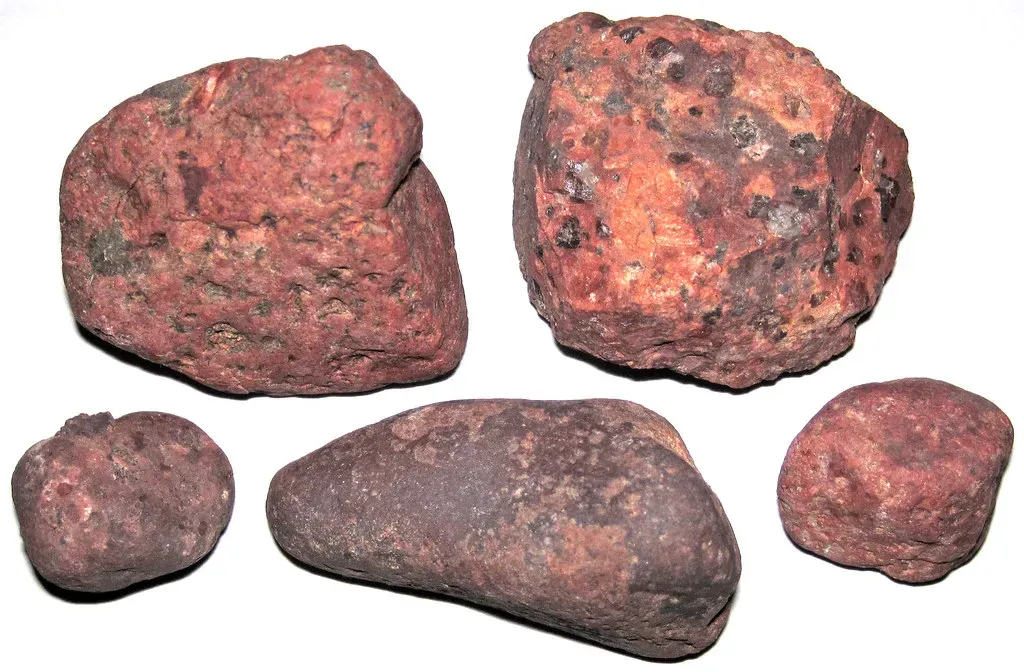
Pinning down whether eruptions started significantly before the impact, overlapped with it, or surged afterward is a massive technical challenge. Researchers rely on precise dating methods that measure tiny radioactive clocks inside crystals found in volcanic rocks and impact-related materials. Each new dataset adds another puzzle piece to the timeline, sometimes reinforcing earlier ideas, sometimes forcing major revisions.
So far, these studies suggest a complex pattern rather than a single neat burst. Some phases of Deccan volcanism seem to ramp up before the extinction horizon, others peak around it, and still others extend after it. The picture is not perfectly resolved, but it is clear enough to undermine any fantasy of a totally calm Earth abruptly shattered by a lone rock from space. The late Cretaceous looks more like a long emergency than a sudden ambush.
Life Under Slow Siege: How Dinosaurs Might Have Felt the Shift
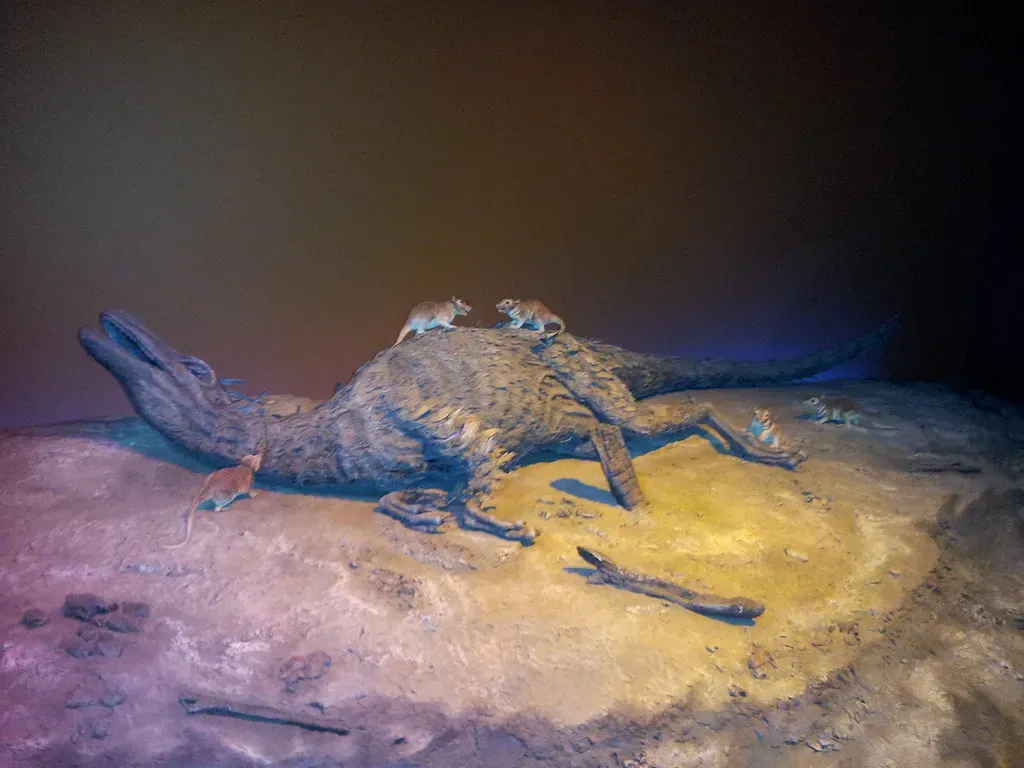
It is easy to imagine dinosaurs as invincible giants, but they were bound to their environments just as tightly as modern animals are. If volcanic eruptions were already altering temperatures, seasons, and plant communities, dinosaurs would have felt those shifts in very concrete ways: migrating herds might find familiar feeding grounds less reliable, nesting sites might become riskier, and young animals might struggle more to survive leaner years.
Think about how modern wildlife reacts when climate patterns change or habitats are fragmented: ranges shift, competition rises, and some species adapt while others falter. Now stretch that experience out over thousands to hundreds of thousands of years, layered with intermittent volcanic winter episodes and greenhouse pulses. The idea that dinosaurs lived in a perfectly steady world right up until the day the sky fell becomes harder to defend.
What This Ancient Crisis Tells Us About Our Future
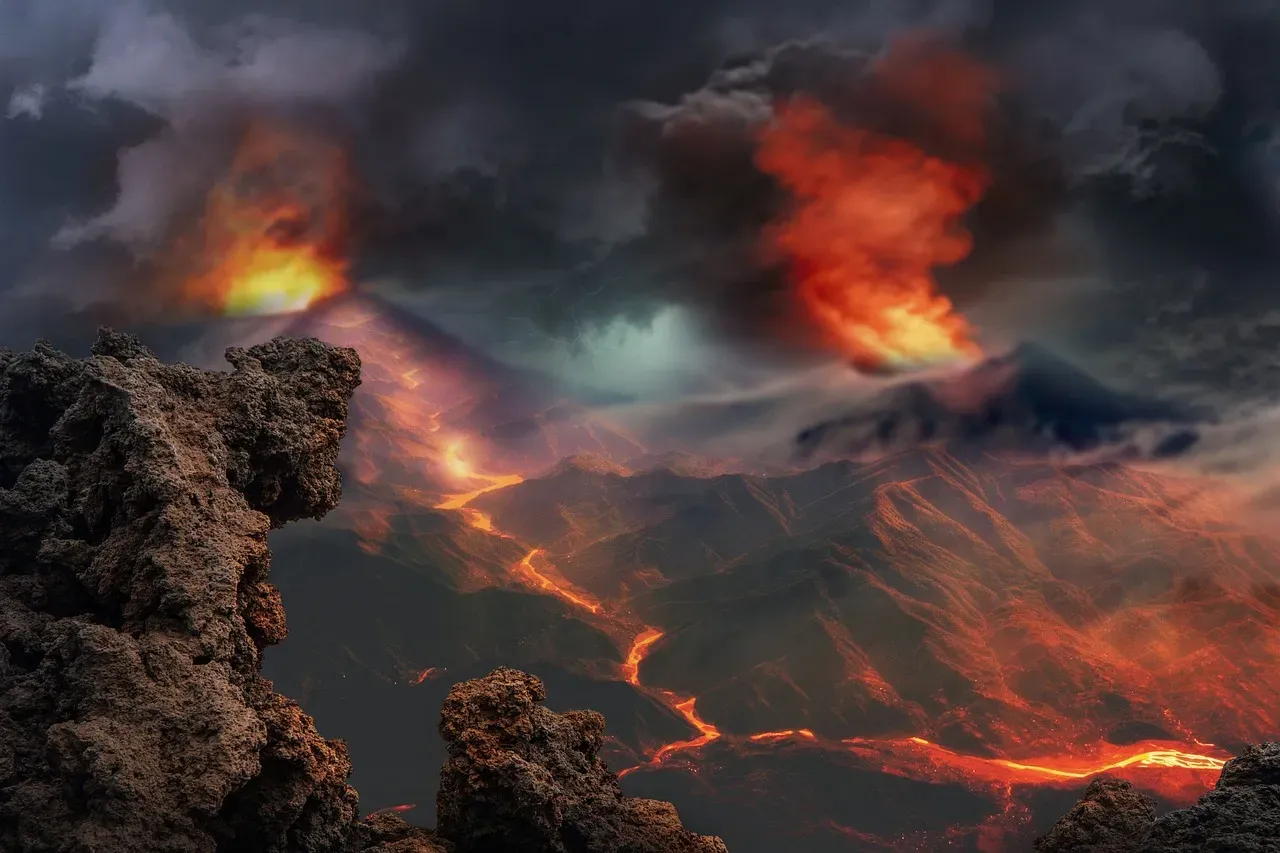
There is a temptation to treat the dinosaur extinction as ancient, disconnected drama – spectacular, but safely locked in the past. Yet the more we learn about the role of volcanism and climate disruption, the more it rhymes with challenges we face today. Back then, huge eruptions pumped greenhouse gases into the air; now, we are doing something eerily similar by burning fossil fuels at industrial scales.
The key difference is speed and agency. The dinosaurs had no way to foresee or respond to the volcanic destabilisation of their world. We, however, are the ones turning the dials on atmospheric chemistry, fully aware that complex ecosystems can be pushed past their limits. If anything, the late Cretaceous serves as a sobering warning that even mighty, well-adapted life forms can be overwhelmed when environmental pressures stack up faster than they can adjust.
Conclusion: A World Unraveling Before the Final Blow
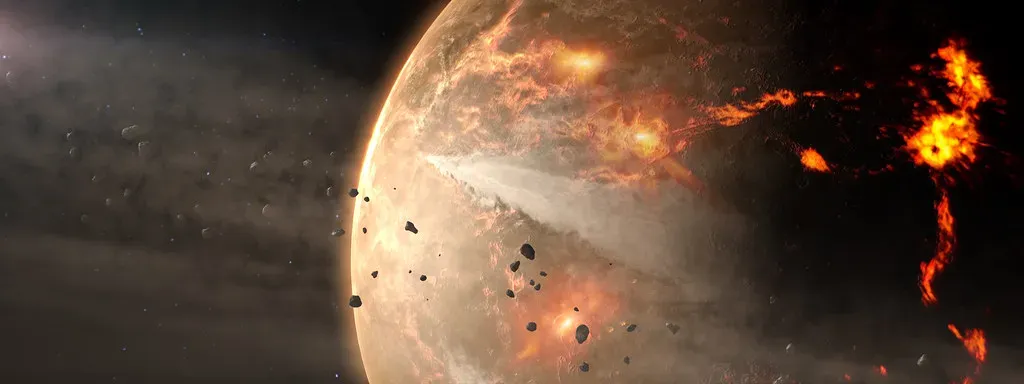
Looking at the balance of evidence, it is hard to escape a blunt conclusion: the dinosaurs did not live in a perfectly stable paradise right up to the moment the asteroid struck. Large-scale volcanism, especially the Deccan Traps, appears to have been already tugging at the fabric of their world, stressing climate systems and ecosystems over long timescales. In that sense, the asteroid did not start the crisis; it ended it catastrophically and irrevocably.
My own view is that clinging to a single-cause story undersells both the power and the complexity of planetary change. The dinosaurs’ fate was likely sealed by a chain of events in which internal forces and external shocks amplified each other, leaving life with too little room to adapt. That should unsettle us, because we are now living through our own era of rapid change, with warning signs far clearer than anything the dinosaurs ever had. The real question is not whether they had an early warning – it is whether we will take ours seriously enough to avoid sharing their ending.