Imagine tracing your family tree and realizing it does not just go back to ancient humans, or even the first microbes on Earth, but all the way to rocks from deep space. That is essentially what some scientists are now seriously considering: that the organic molecules which set life in motion on our planet may have been delivered by asteroids long before any ocean shimmered with cells. It sounds like science fiction, but it is slowly shifting into mainstream scientific discussion.
This idea does not say life as full organisms came pre-packaged on an asteroid. Instead, it suggests that the chemical ingredients, the raw molecular starter kit for life, arrived from beyond Earth. That tiny difference changes everything about our origin story. Instead of being purely a local accident, life on Earth might be part of a much bigger cosmic pattern, and that is both unsettling and incredibly exciting.
The Asteroid That Brought the Seeds of Chemistry
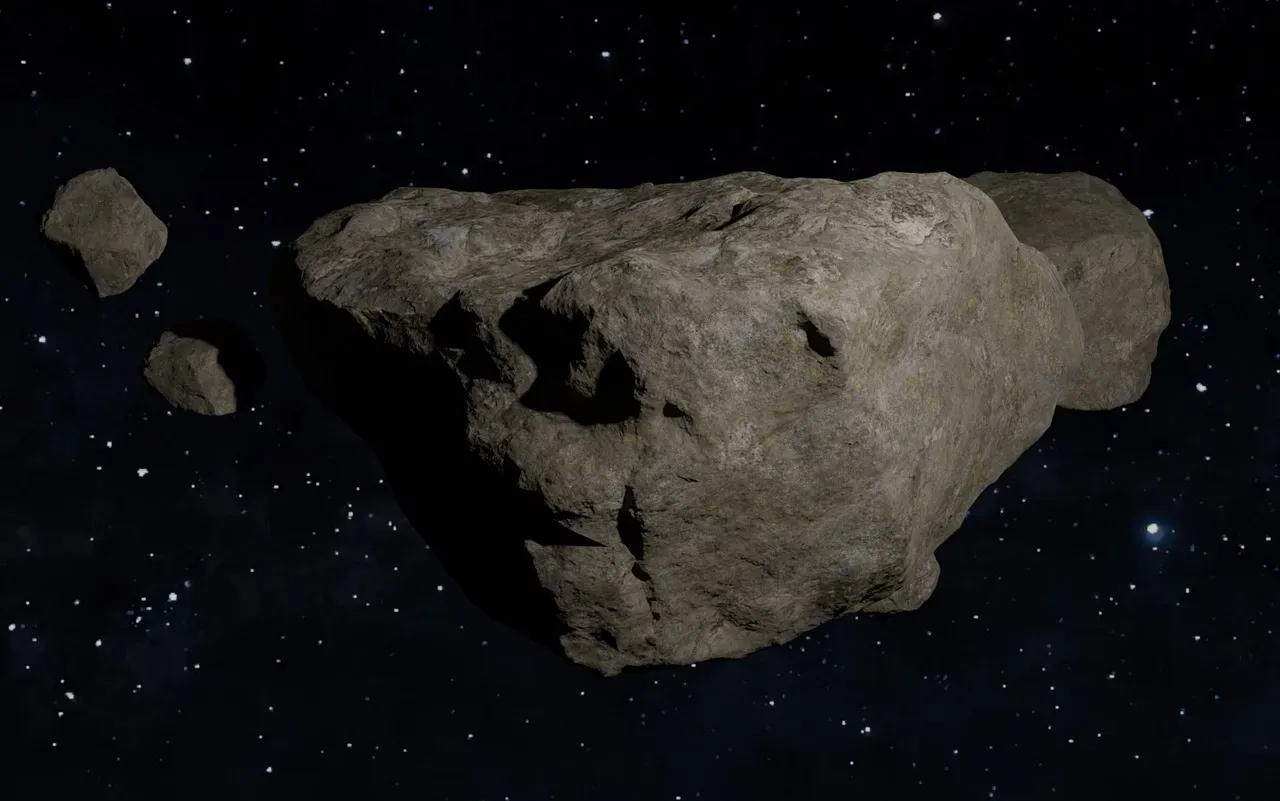
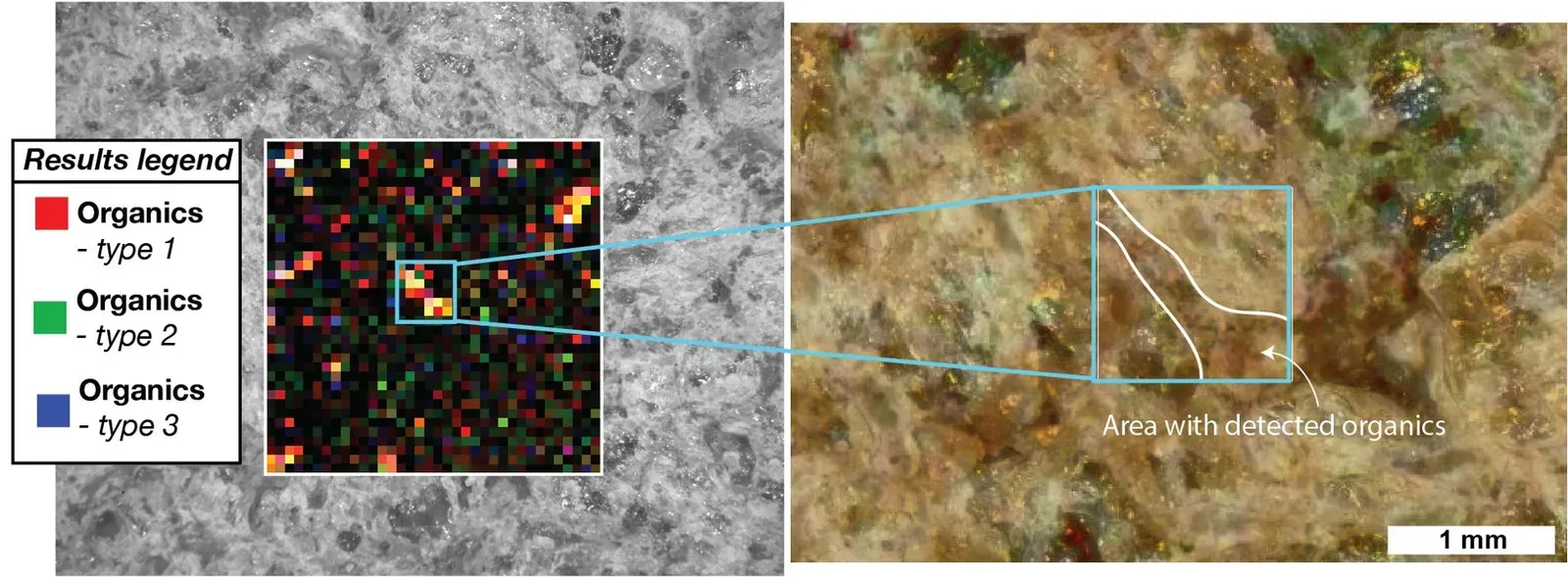
One of the most intriguing turns in modern science is that meteorites, once feared as omens, are now treated like time capsules from the early solar system. When scientists slice open certain space rocks, they find complex organic molecules inside, including amino acids and other carbon-rich compounds. These are not alive, but they are exactly the types of molecules that can, under the right conditions, build into proteins, membranes, and eventually, life-like systems.
The key point here is that such molecules appear to form naturally in space, in cold, dark regions where dust and ice cling together. Over millions of years, these icy grains merge into comets and asteroids, which then occasionally slam into young planets. Picture a cosmic delivery service dropping off packages of chemical potential. Earth, with its oceans, atmosphere, and energy from the Sun and the planet’s interior, might have been the ideal place for these delivered ingredients to go from chemistry to biology.
From Simple Space Organics to the First Living Systems
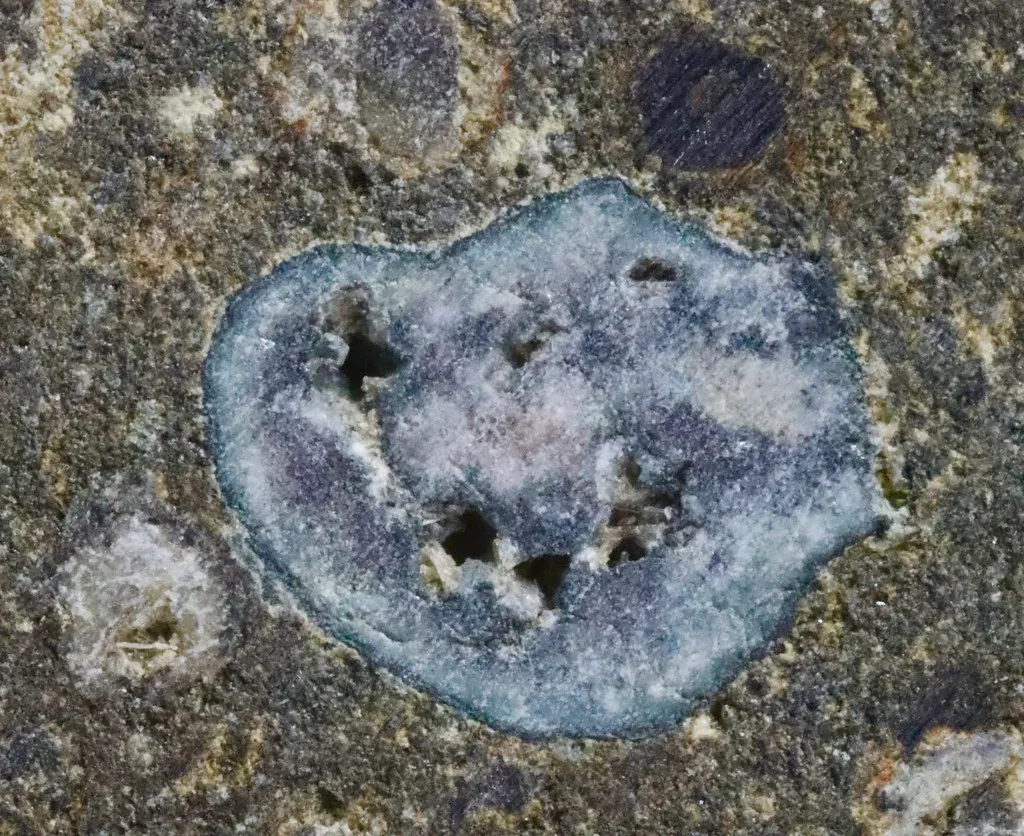
Even if asteroids brought organic molecules, there is still a massive leap from simple chemistry to the first self-replicating systems we would recognize as life. Researchers think that once these molecules landed on early Earth, they likely collected in places like shallow pools, mineral-rich shorelines, or cracks near hydrothermal vents on the seafloor. Those environments provided energy, concentration, and surfaces where molecules could stick, react, and get more complicated over time.
In experiments that try to mimic early Earth, scientists have shown that starting with basic organics, you can build increasingly complex structures: chains of amino acids, strands of nucleic-acid-like molecules, and tiny bubbles that resemble simple cell membranes. None of this fully explains the exact moment life began, and we may never have a neat, single-step recipe. But it shows that once you have a steady supply of organic building blocks, the path toward life is not a wild miracle; it is a gradual, chemistry-driven climb.
Why Water, Rocks, and Cosmic Dust Needed Each Other
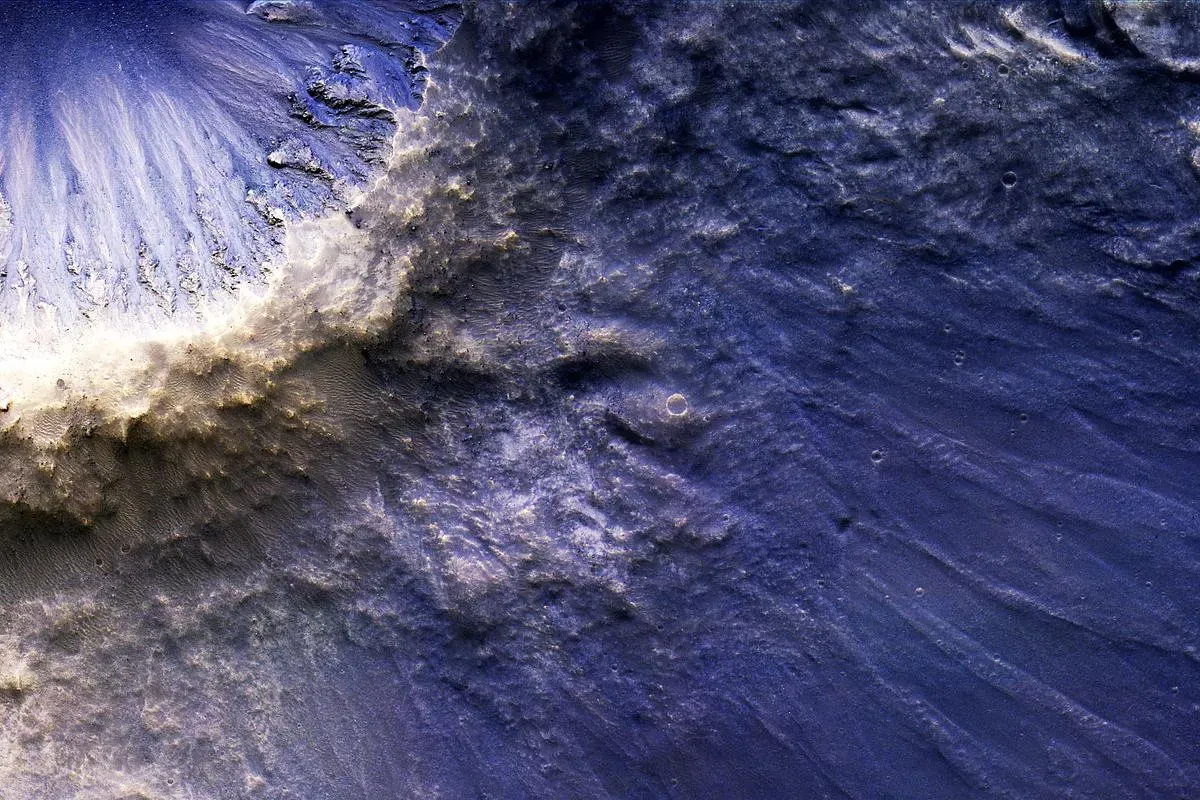
If you think of life’s origin as a recipe, it needed at least three categories of ingredients: water, energy, and complex molecules. Early Earth already had water and a lot of energy in the form of volcanic activity, lightning, and ultraviolet radiation from the young Sun. What might have been missing, at least in abundance, were the more sophisticated organic molecules that are hard to build from scratch but easier to modify once you have them. That is where asteroids carrying organics could have tipped the balance.
When those asteroid-borne molecules hit Earth and mixed into oceans, ponds, and damp mineral surfaces, they encountered a chemical playground. Water helped dissolve and move molecules around, while rocks like clays and metal-rich surfaces helped organize and catalyze reactions. In this view, life is not just an Earth or a space story; it is a partnership between cosmic chemistry and planetary environments. Without the planet, the molecules stay inert. Without the molecules, the planet stays sterile.
Panspermia vs. Cosmic Ingredients: What Scientists Actually Mean
Whenever people hear that life’s building blocks came from space, they often jump straight to the idea that fully formed microbes rode in on a rock and simply started reproducing here. That stronger claim is called panspermia, and it suggests that life itself is transferred between worlds. It is a dramatic idea, but so far, there is no hard evidence that living cells have ever survived such a journey and seeded another planet. It remains a far more speculative scenario.
The current discussion is more restrained but still profound: not that life arrived ready-made, but that the organics that helped kick-start life came from beyond Earth. Think of it like getting flour and sugar from far away, but baking the cake in your own kitchen. The cosmic-ingredient picture fits better with what we actually see in meteorites and in space telescopes, and it avoids overreaching into claims that cannot be backed up yet. It also keeps the focus on how planets like Earth transform lifeless chemistry into something that can evolve.
Space Missions That Turn Asteroids into Evidence
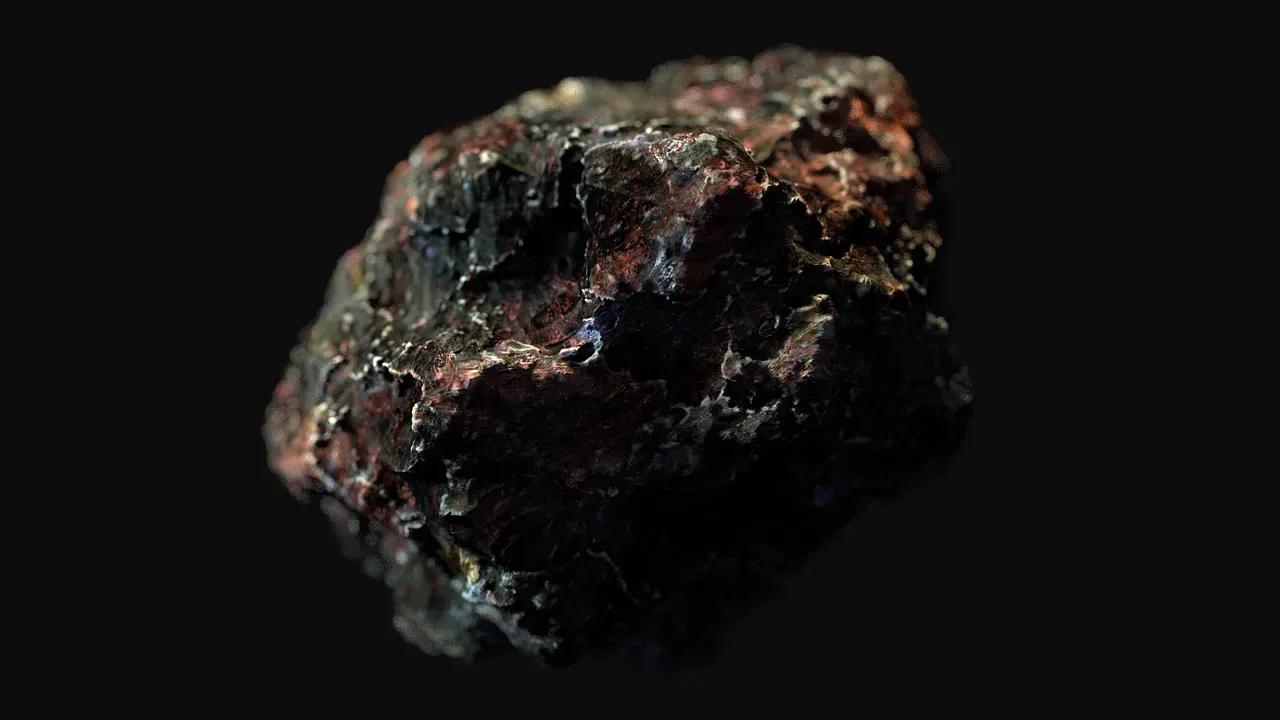
This is not just armchair theorizing; space agencies have literally gone out to grab pieces of asteroids and bring them back to Earth. Recent missions from different countries have returned samples from near-Earth asteroids that are rich in carbon and water-bearing minerals. When scientists analyze these grains in ultra-clean labs, they sometimes find a surprising diversity of organic compounds that look strikingly relevant to life’s chemistry. Each mission is like opening a new chapter in a very old story.
What makes these samples so powerful is that they are pristine, far less contaminated than meteorites that crash through the atmosphere and land in mud or ice. That gives researchers more confidence that what they see in these rocks really reflects conditions in the early solar system. If such organics are common in small bodies near Earth, it is reasonable to think that in the chaotic youth of the solar system, Earth was bombarded by countless similar objects, delivering tons of organic material over tens of millions of years.
A Cosmic Origin Story Changes How We See Ourselves
There is something strangely humbling in the idea that parts of us were once floating between the stars as simple carbon chains and icy grains. It pushes back against the old habit of treating Earth as a completely unique bubble where everything important happens in isolation. Instead, our story might begin in cold interstellar clouds, continue in asteroid rubble, and only then unfold on a young blue planet. Our biology becomes a chapter in a much longer cosmic narrative.
On the other hand, this idea can also feel empowering. If life’s ingredients are common in space, then planets like Earth might not be rare miracles but fairly typical outcomes in a galaxy packed with stars and dust. That does not guarantee life elsewhere, but it makes the possibility harder to ignore. Personally, I find that thought comforting: that we are not just products of a random flash in one corner of the universe, but participants in a chemistry experiment that could be running in many places at once.
What This Means for Life Beyond Earth
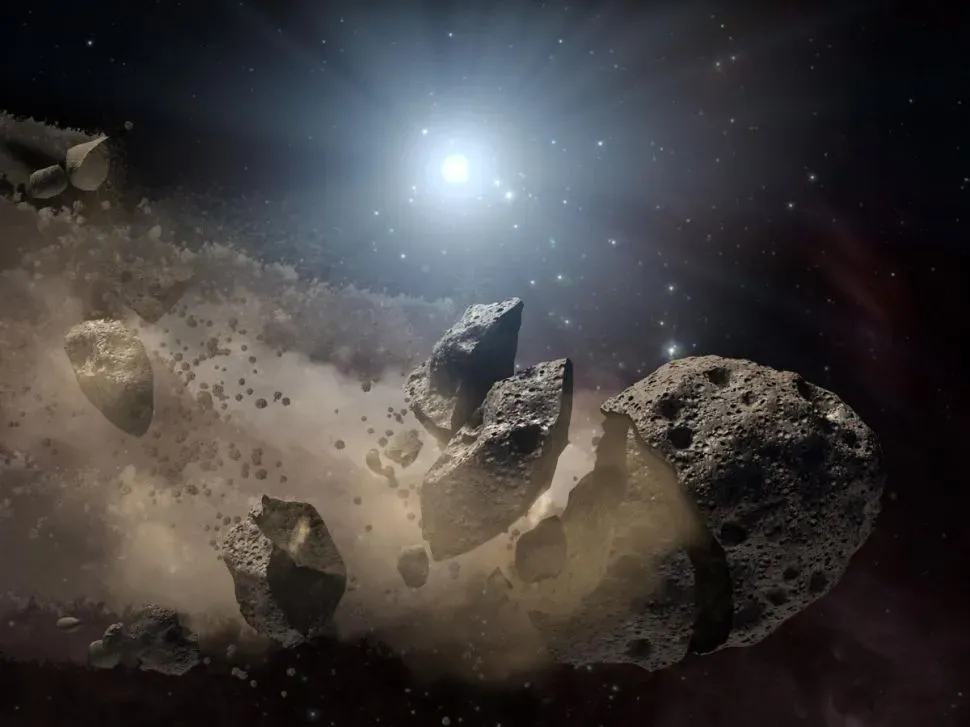
If organic molecules are routinely built in space and scattered by asteroids, then other planets and moons in our solar system might have received similar deliveries. Worlds like Mars, Europa, and Enceladus already show signs of past or present water and interesting chemistry. When scientists send rovers and probes there, they are not just looking for exotic geology; they are hunting for hints that the same cosmic starter kit, under different conditions, could also lead to life or at least to complex prebiotic chemistry.
Looking even farther out, powerful telescopes can now detect the chemical fingerprints of distant exoplanet atmospheres. If organic-rich asteroids are common, then many of those planets might have been showered with similar ingredients. In that case, life in the universe might not be rare because the basic ingredients are scarce, but because the follow-up steps from chemistry to biology and from simple cells to complex ecosystems are long and fragile. Either way, the search for life elsewhere now has a strong reason to treat asteroid-delivered organics as a central piece of the puzzle.
Opinionated Conclusion: Stardust, But Not Destiny
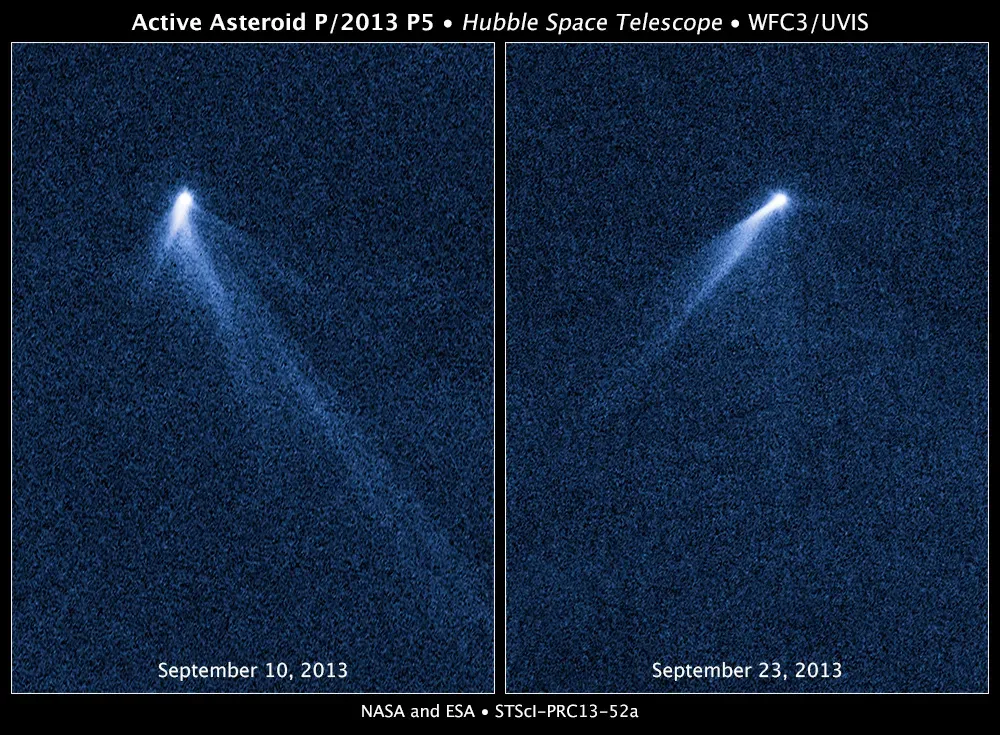
To me, the most powerful part of this emerging story is that it bridges two extremes. On one side, there is the romantic notion that we are literally made of stardust. On the other, there is the hard, sometimes cold view that life is just chemistry plus time. The idea that organic molecules arrived on asteroids shows how both can be true at once: our deepest origins are cosmic, but what happened next on Earth still required a long, messy, local struggle. We are products of the universe, but also of this specific planet’s storms, oceans, and volcanic chaos.
My own opinion is that this cosmic ingredient theory makes life feel more precious, not less. If the universe is constantly scattering the building blocks of life, but only some worlds ever manage to light the spark, then what happened here is both natural and incredibly rare in its details. That mix of common chemistry and improbable history is exactly what makes our story worth understanding and protecting. When you look up at the night sky, knowing that your body’s molecules may once have drifted in similar darkness, does it make you feel small, or does it make you feel connected in a way you did not expect?