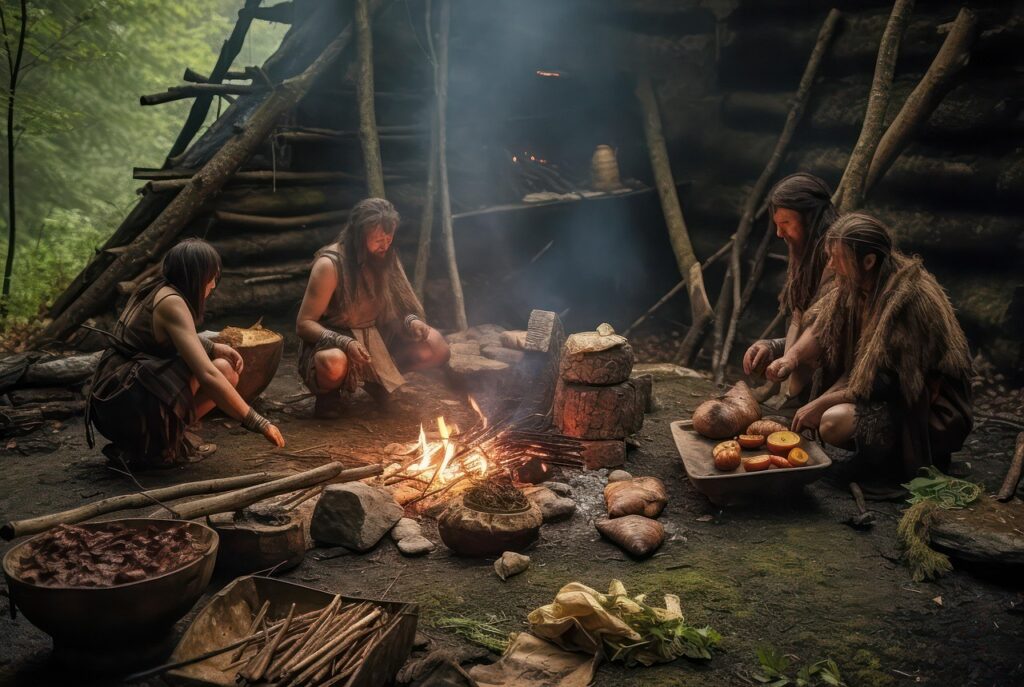
Picture this: a small group of hungry hunter‑gatherers huddled around a fire at the edge of an Ice Age forest, passing strips of roasted meat to a child whose hunt failed that day. No villages, no walls, no fields of grain – just people, risk, and a quiet agreement that nobody eats alone if anyone can help it. That simple act of sharing turned out to be far older than stone houses, pottery, or streets, and it may have shaped who we are even more than the invention of farming.
Anthropologists now argue that food sharing is one of the deepest, most ancient social habits our species ever developed, long predating permanent settlements and agriculture. Far from being a side note in human evolution, it looks more like the main storyline: how we learned to trust, to bargain, to care for each other – and sometimes to manipulate each other – through the simple, powerful act of handing over food.
The Surprising Age Of The “Sharing Instinct”
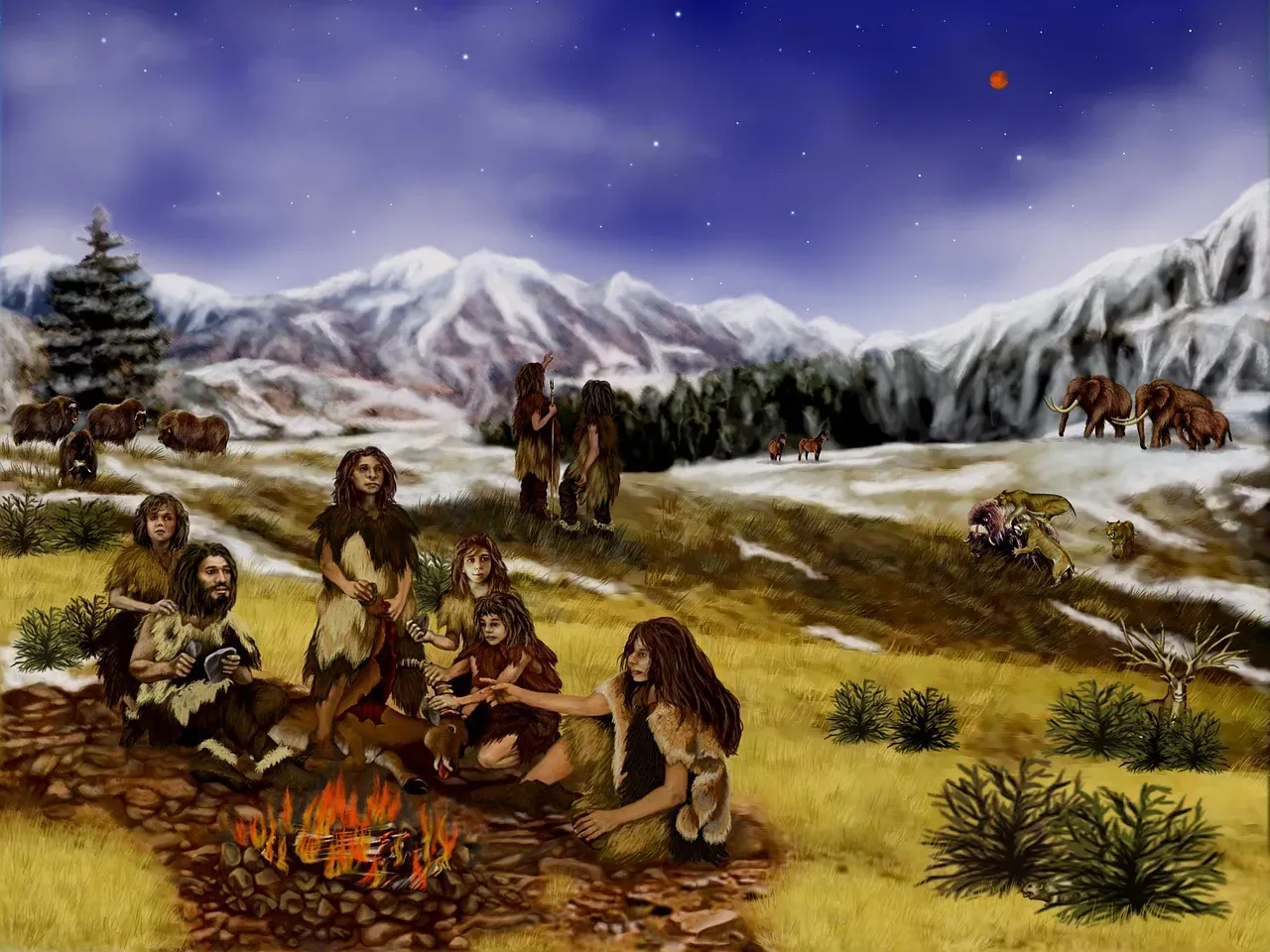
It is tempting to assume that organized food sharing really took off once humans began farming and storing harvests in permanent places, but the evidence points the other way. Archaeological finds from Paleolithic campsites show butchered big game animals with cut marks from many tools, suggesting that meat was processed and distributed among groups that were still completely mobile. There were no storage pits, no granaries, and no stable houses – just temporary camps and the remains of meals that were clearly shared.
Even earlier, fossil discoveries of hominins with injuries or disabilities that would have made hunting almost impossible hint at something profound: others must have been feeding them. To keep an injured or elderly group member alive for months or years in a harsh environment, people had to decide that their food did not belong only to the strongest hunters. That is not just survival; that is a social rule forming in real time, long before the first village walls existed.
Hunting Big Game Made Sharing Almost Inevitable
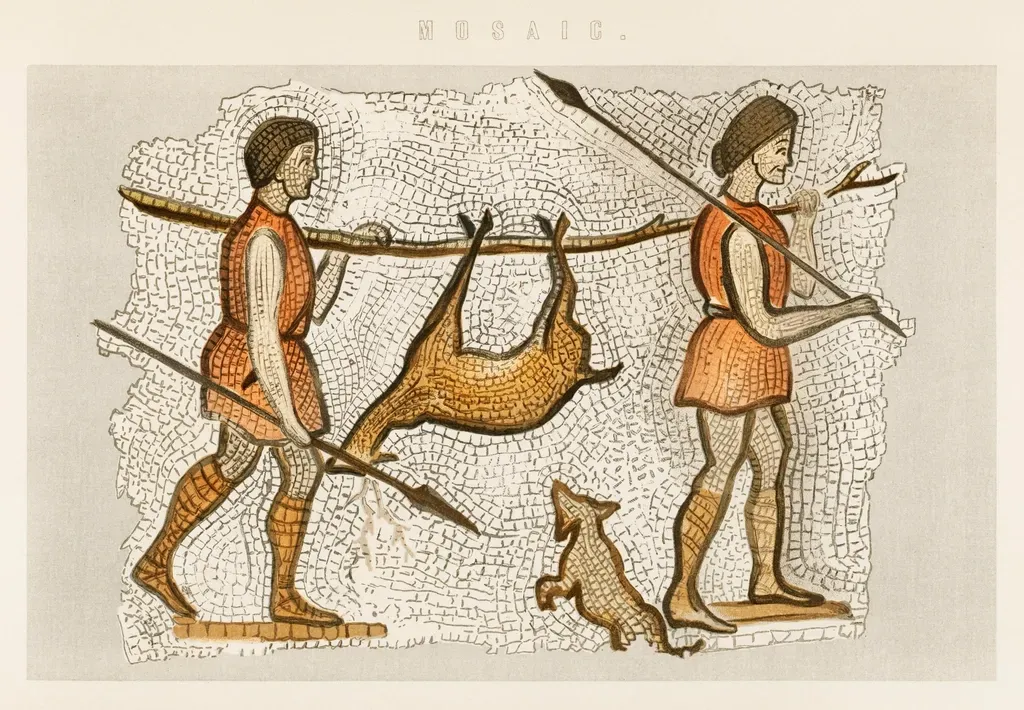
From a cold, practical perspective, large animals are simply too big and unpredictable for one person to exploit alone. If a small group managed to bring down a mammoth, a giant bison, or even a big antelope, they could never eat it all before it spoiled. The logical answer was to share widely, and in doing so turn a risky, rare success into many days of community survival. In that sense, the ecology of big game hunting more or less forced humans into a sharing economy.
On the flip side, many days would pass without a successful hunt, leaving even skilled hunters empty‑handed. In a world like that, a deep, unspoken agreement emerges: when you have more than you can use, you spread it around, because next week you might be the one returning with nothing. Sharing was not just kindness; it functioned like an insurance policy tied directly to the realities of Ice Age life.
Food Sharing Turned Biology Into Social Glue

Humans are born relatively helpless and stay dependent on adults for a long time, and that biological reality made food sharing emotionally charged. Feeding a child, an injured hunter, or an exhausted elder was not just a calorie transaction; it was a statement about who mattered and who belonged. Anthropologists see food exchanges as some of the earliest building blocks of attachment, loyalty, and long‑term cooperation.
Over time, that basic act of handing over food seems to have picked up extra layers of meaning. Sharing could signal friendship, repay a favor, repair a conflict, or show respect. You can think of it as a kind of ancient social currency, long before coins or written debts. When we look at food sharing this way, permanent settlements start to look less like the birthplace of complex society and more like the place where older sharing behaviors simply became visible in stone and clay.
Evidence From Bones, Hearths, And Stone Tools

For such a simple idea – people shared food before they built towns – the supporting evidence is surprisingly technical. Archaeologists pore over animal bones, looking for patterns of cut marks and breakage that indicate coordinated butchery and distribution rather than quick, solitary eating. When remains from a single animal turn up scattered across a campsite, associated with multiple hearths, it suggests that pieces were allocated among different families or subgroups.
Scientists also examine stone tools and their spatial arrangement around ancient living spaces. When the same type of cutting tool appears in many spots around one camp, used in similar ways on the same animal species, it implies that more than one person took part in processing and dividing the meat. These are quiet clues, not dramatic murals or written records, but together they sketch a picture of people who were already very good at organizing shared meals long before any permanent building was raised.
Lessons From Modern Hunter‑Gatherers
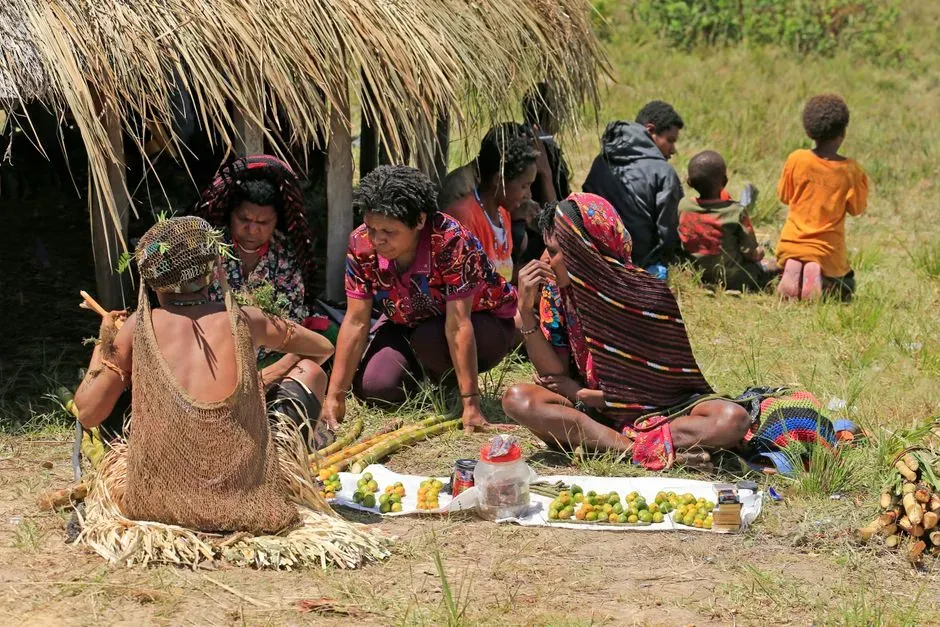
Because the deep past does not speak to us directly, anthropologists often turn to present‑day hunter‑gatherer societies to understand how food sharing might have worked before farming. Many of these communities still live without permanent stone or brick architecture, moving seasonally and relying on a mix of hunting, fishing, and gathering. In a lot of these groups, food sharing is not just common; it is required, with strong expectations about who gives what to whom.
While we have to be careful not to treat modern groups as frozen time capsules, some patterns appear again and again: successful hunters are expected to distribute meat to extended families and even unrelated households, and hoarding is frowned upon. Sharing can elevate status, attract allies, and strengthen potential mating relationships. The crucial point is that these complex, rule‑bound sharing systems thrive in highly mobile lifestyles, proving that you do not need a fixed village to have an intricate social economy built around food.
Sharing As Risk Management, Not Just Altruism
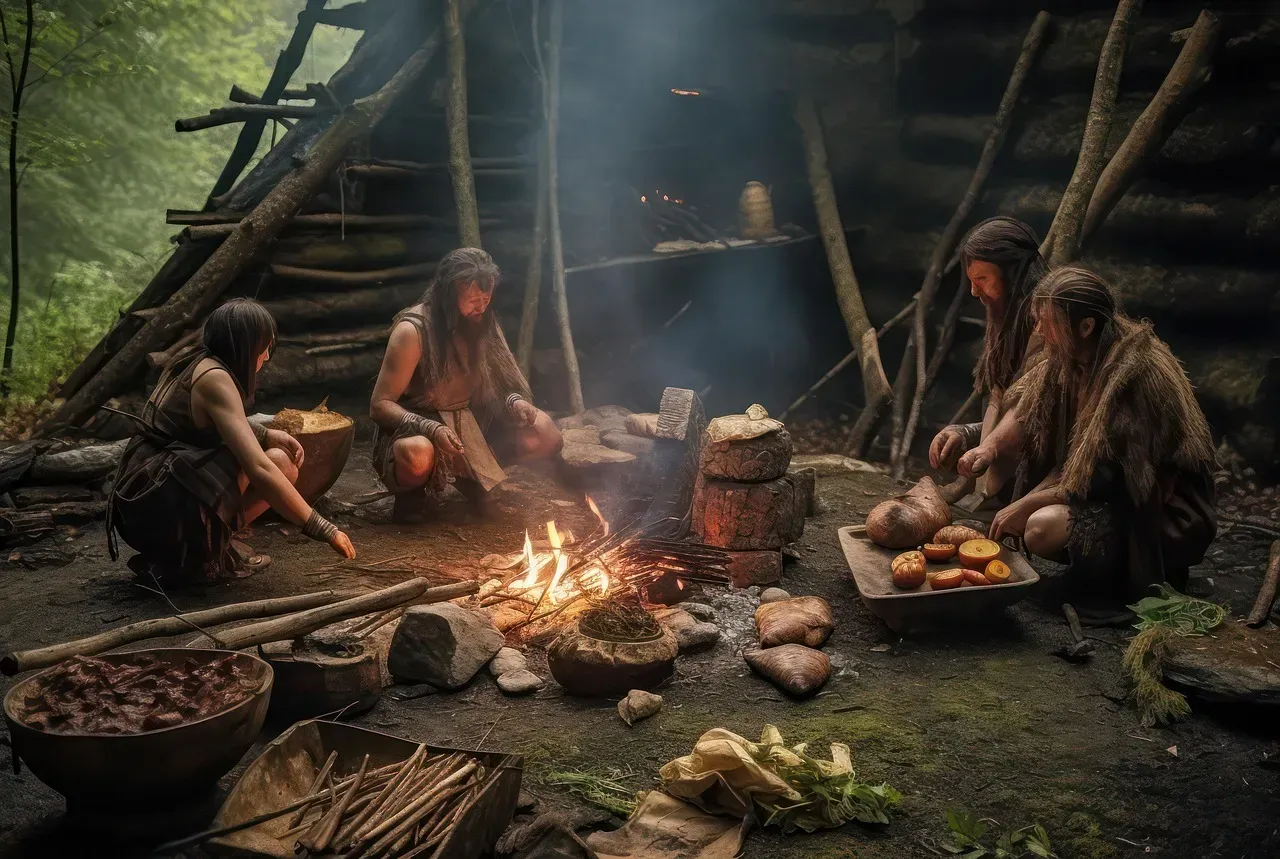
It’s comforting to imagine that ancient people shared simply because they were generous, but the deeper story is more strategic. In unpredictable environments where one day’s luck could not guarantee tomorrow’s survival, spreading food across the group smoothed out the highs and lows. When one family had a windfall, others benefited; when their luck turned, reciprocity kicked in. This is risk management written in meat and berries rather than in spreadsheets.
From that angle, permanent storage – the granaries and silos of later farming societies – looks almost like a technological extension of older social habits. Before we could store food in buildings, we stored security in relationships. The promise that others would share with you in the future if you shared with them today effectively acted as a living, breathing pantry. That idea challenges the notion that economic thinking only arrived with markets and money; it suggests our ancestors were already running quiet calculations about risk, return, and reputation every time they handed over a slice of meat.
Food, Power, And The Roots Of Inequality
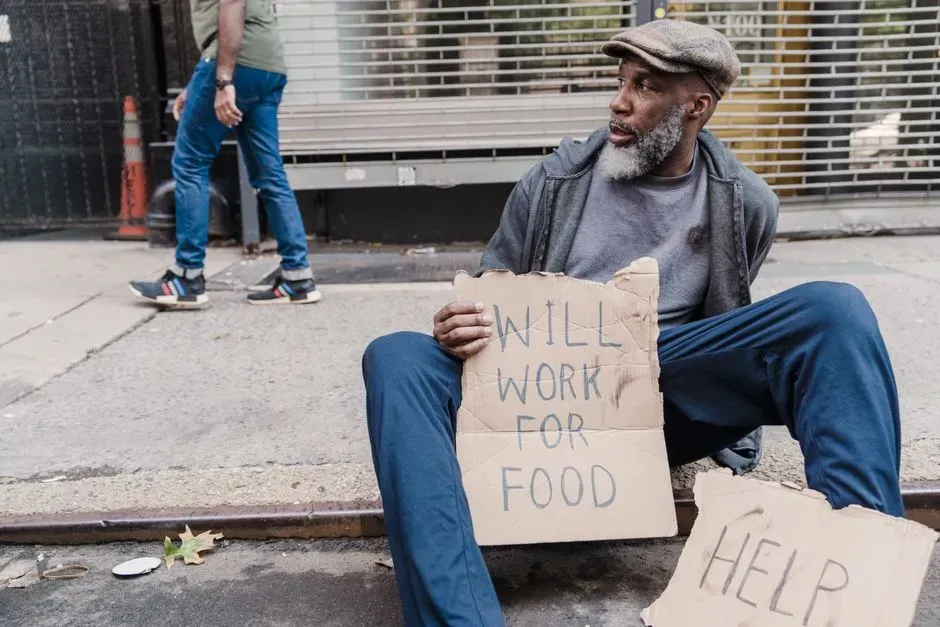
As soon as something is prized and limited, it can be used to influence others, and food was no exception. Even in small, mobile bands, control over key resources – knowledge of where game migrated, skill with weapons, or secret gathering spots – could translate into social leverage. People who were consistently able to provide desirable foods might gain prestige, attract more partners, or wield more voice in group decisions.
That means inequality did not magically appear the day humans settled down and built their first village. Instead, the seeds of hierarchy were already present in how, when, and to whom food was shared. Permanent settlements and storehouses may have amplified these patterns, making surplus easier to stockpile and control, but they did not invent the link between food and power. They simply turned an old, flexible system into something more rigid and visible.
How Ancient Sharing Still Shapes Our Food Culture Today

Even in modern cities full of supermarkets and delivery apps, echoes of ancient sharing habits are everywhere. Think about how we still read meaning into who pays for dinner, who brings dishes to a potluck, or who cooks for whom at home. A free meal is rarely just a free meal; it can feel like courtship, friendship, obligation, or even subtle pressure. The emotional charge around food is a fossil from a time when a shared animal carcass could decide whether you made it through the winter.
I notice this in my own life whenever a friend insists on sending me home with leftovers or when my family argues over who gets the last piece of dessert. The surface situation is simple, but under it is a quiet negotiation about care, fairness, and connection. Once you see food sharing as a deep evolutionary script, modern dining rituals start to look less like random customs and more like updated performances of a very old story that began long before anyone could point to a home on a map.
Conclusion: Villages Were Late To A Very Old Party
When you step back, the headline idea feels almost upside down from what most of us learned in school. We like to imagine that once humans settled down and built villages, everything from sharing to morality to complex relationships suddenly blossomed out of the soil. The better reading of the evidence is harsher and more impressive: people were already running complicated sharing networks in dangerous, mobile worlds where every meal was uncertain, and permanent settlements arrived late to a party that was well under way.
In my view, that makes our species look less like clever farmers who invented society after building walls and more like persistent cooperators who used food to stitch together trust long before they raised a single house. Villages, fields, and cities expanded the scale of what was already there, but they did not create the basic human impulse to feed one another and remember who fed whom. The next time you split a meal, it might be worth asking yourself: are you just being polite, or are you quietly reenacting one of the oldest survival strategies our species ever had?