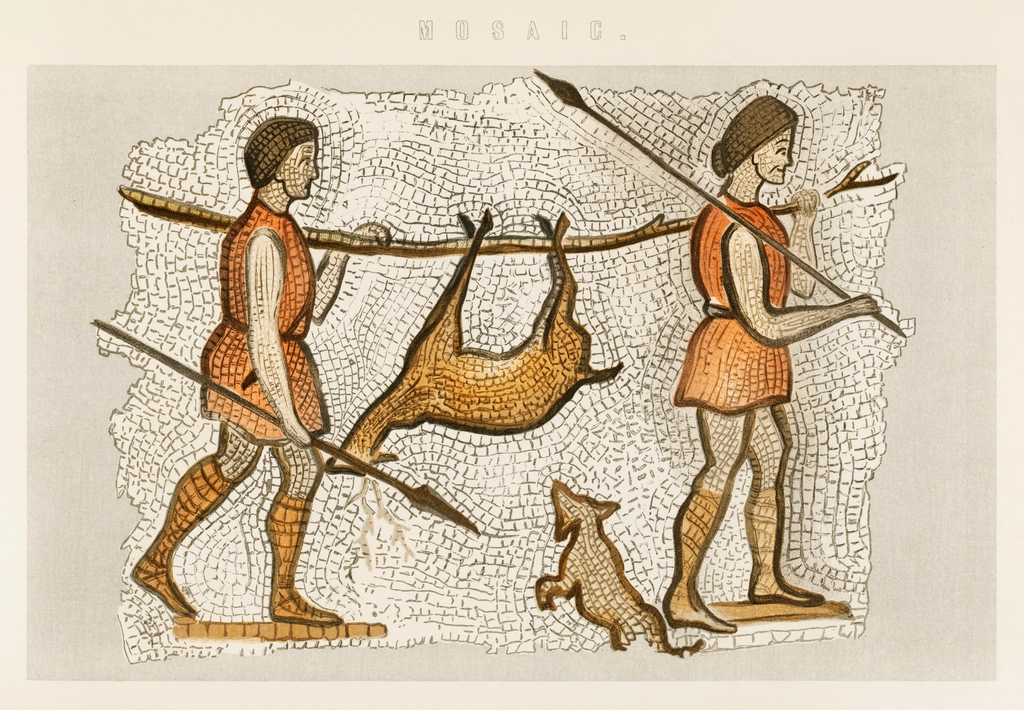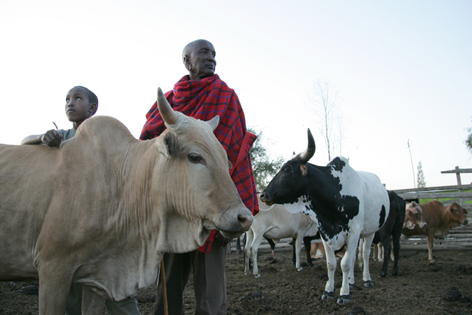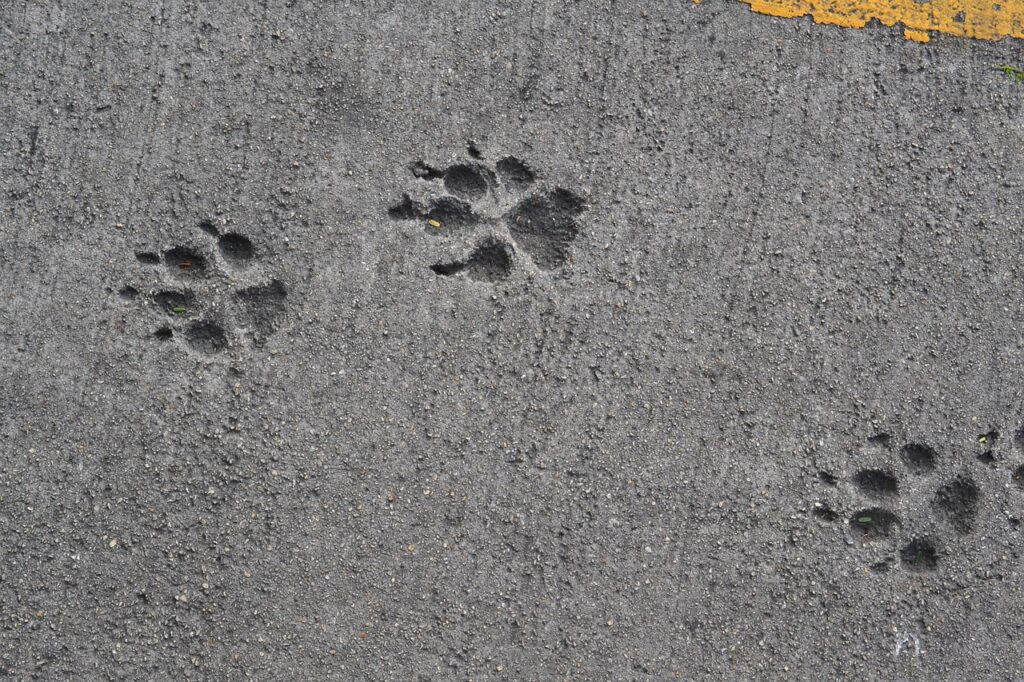
If you stripped away GPS, maps, and Google in an instant, most of us would be lost within a few miles of home. Ancient humans, on the other hand, could read the ground almost like a book. A single hoofprint in drying mud, a smear of fur on a branch, a patch of flattened grass – these tiny clues carried life‑or‑death information about food, danger, water, and weather.
Tracking animals was not just a cool outdoors skill. Over thousands of years, it shaped our brains, our stories, and even the way we do science today. When I first learned a bit of tracking, I was shocked by how it trained my attention: suddenly the forest felt loud with information I’d never noticed. Our ancestors lived in that mode all the time. Here are eight powerful things they learned by following animal tracks – and how those lessons still echo in how we think and live today.
1. Where Food Was Hiding (And When It Was Safe To Hunt)
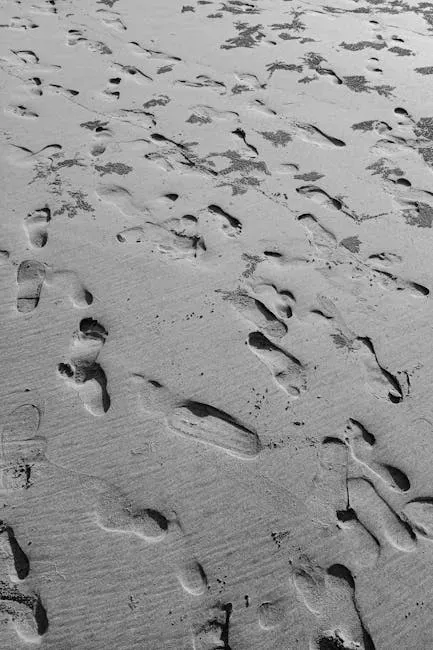
The most obvious lesson from animal tracks was also the most urgent: where tonight’s dinner had gone. By reading footprints, droppings, broken twigs, and disturbed soil, ancient hunters could tell not only which species had passed by, but roughly how long ago and how fast they were moving. Fresh, sharp‑edged prints meant an animal was nearby; softened, wind‑worn tracks signaled it had moved on hours earlier.
Over time, this pattern recognition turned into a deep mental map of the landscape. Hunters learned that certain tracks clustered near salt licks at dawn, or along game trails between grazing areas and water at dusk. They could tell if a herd was relaxed and feeding or spooked and running, just from the spacing and depth of the tracks. That meant fewer wasted efforts chasing ghosts, and more targeted, safer hunts when conditions actually favored success.
2. How To Predict Water And Navigate Huge Landscapes
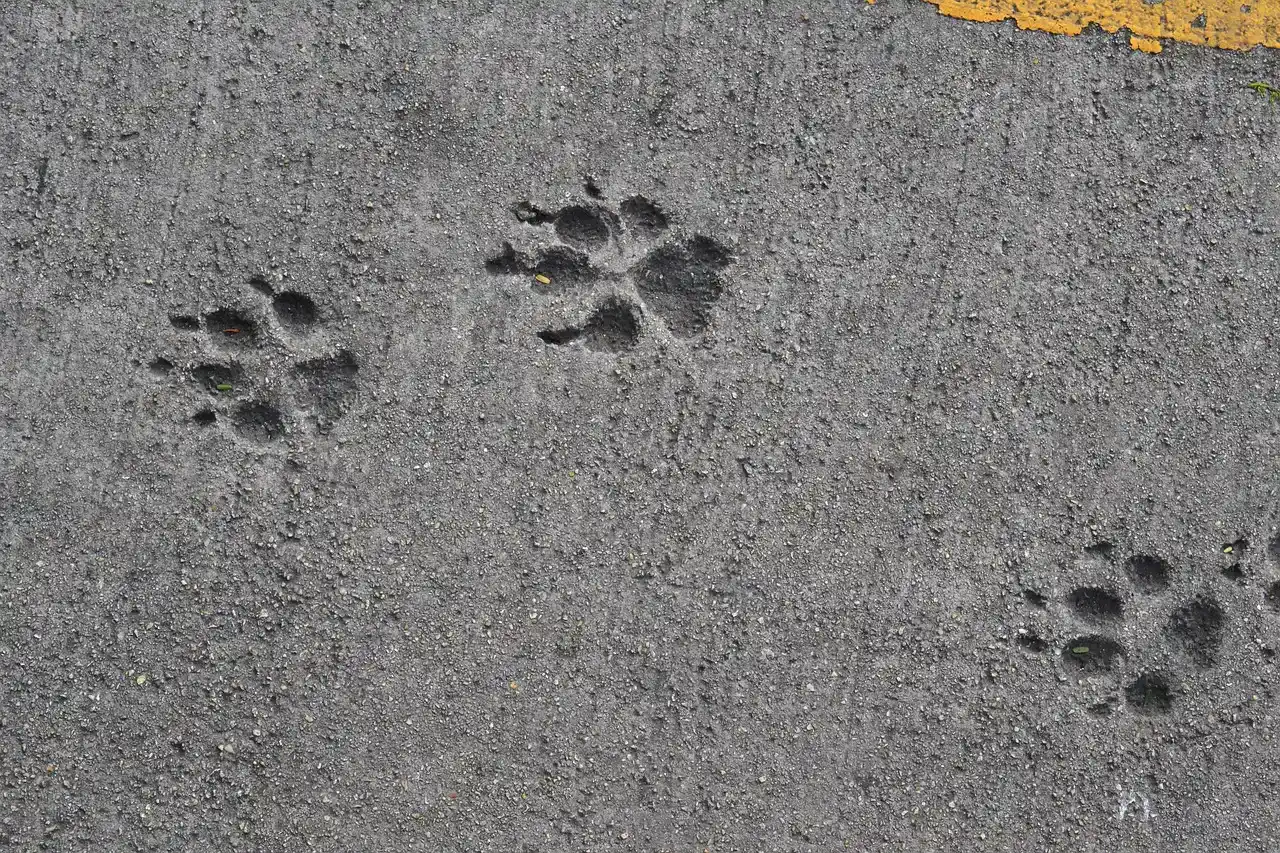
Another crucial insight came from repeatedly seeing where animals converged. Herd paths and overlapping trackways often formed invisible highways leading to rivers, springs, and seasonal waterholes. Even in semi‑arid or desert regions, following the spoor of antelope, zebra, or elephants could guide people to hidden water sources far beyond human-line sight. In a sense, animals became living compasses and water maps.
This mattered especially in open or harsh environments where landmarks were scarce or changed with the seasons. By understanding which animals preferred which types of terrain, ancient humans could orient themselves in an otherwise featureless landscape. If they saw tracks of water‑loving species like hippos or certain birds, they knew water had to be nearby; encountering prints of desert specialists told them they were moving into drier ground. Tracking quietly stitched together an internal GPS system long before anyone drew the first map on bark or stone.
3. Subtle Weather Forecasting Written In Footprints
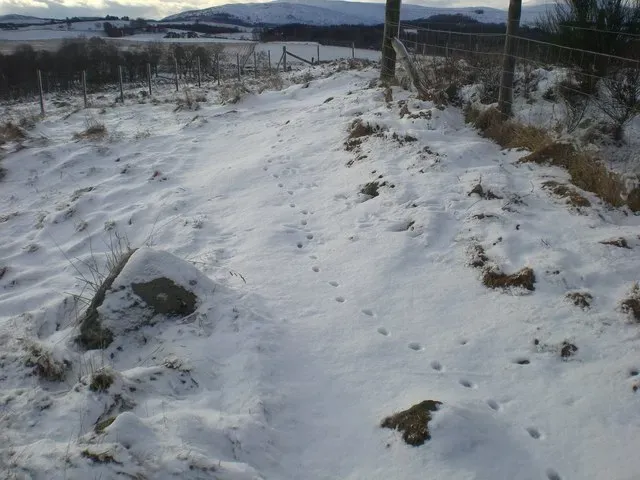
Animal tracks also became an informal weather report. The same print looked very different before a storm, right after rain, or after a long dry spell. Ancient trackers learned to read how wind, sun, and moisture changed the edges and textures of tracks. A hoofprint with crisp contours might mean calm, recent conditions; a blurred, wind‑dusted version could suggest hours of exposure under gusty skies.
Because animals themselves respond quickly to changing weather, their movements offered extra hints. Migrating herds shifting early, birds abandoning certain routes, or predators switching hunting grounds all signaled deeper environmental shifts. Over generations, people recognized that when tracks started clustering higher up slopes, or avoiding low-lying areas, heavy rains or flooding might be on the way. Following tracks was indirectly a way of following the pulse of the climate around them.
4. Predator Presence And The Art Of Not Becoming Prey
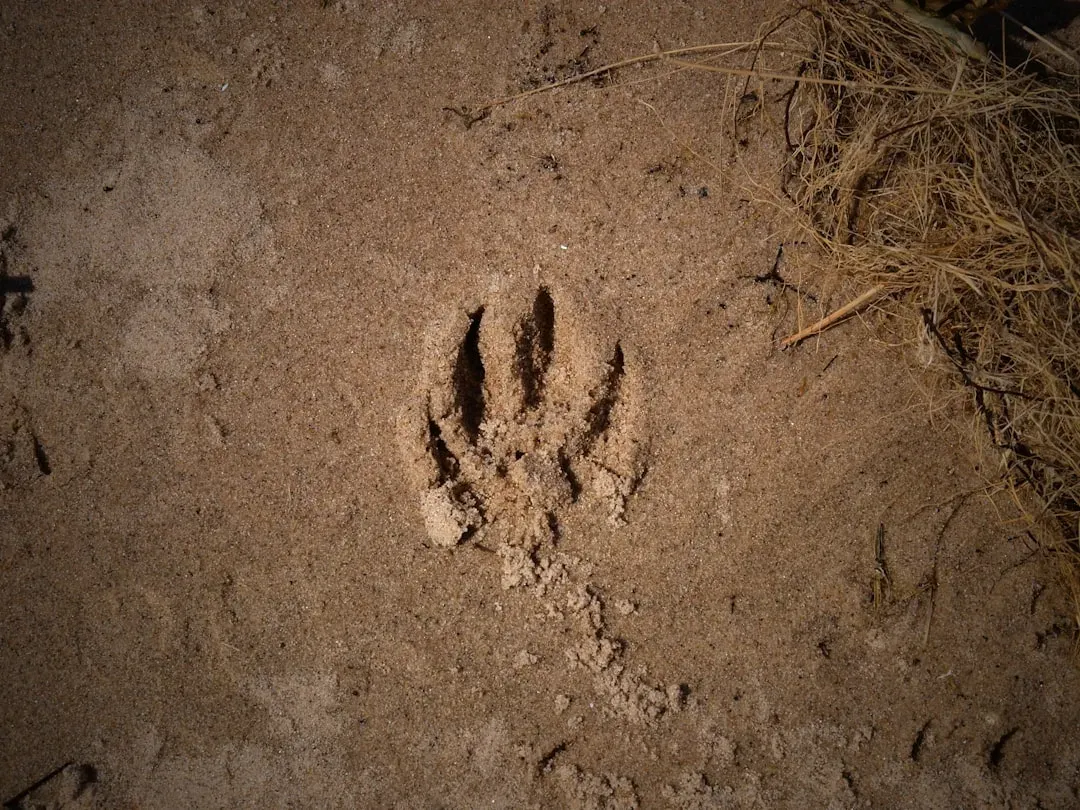
Tracking did not just help ancient humans hunt; it helped them avoid being hunted. The sudden appearance of large feline footprints, hyena spoor, or bear tracks near camp would have triggered immediate caution. Skilled trackers could often tell the size, sex, and even rough health of a predator from the shape, spacing, and weight of its impressions. That meant people could decide whether they were dealing with a lone, cautious hunter or a bold, well‑fed animal that might take risks.
Beyond single predators, the behavior of prey species told its own story. Clusters of scattered, chaotic hoofprints, sudden changes in direction, or signs of a panicked run often pointed to a recent chase. If antelope tracks looked nervous and erratic, humans got the message: something dangerous was in the neighborhood. This constant, low‑level awareness of who was stalking whom shaped group decisions about where to sleep, where to send children, and when to move camp entirely.
5. The Birth Of Scientific Thinking Through Careful Observation
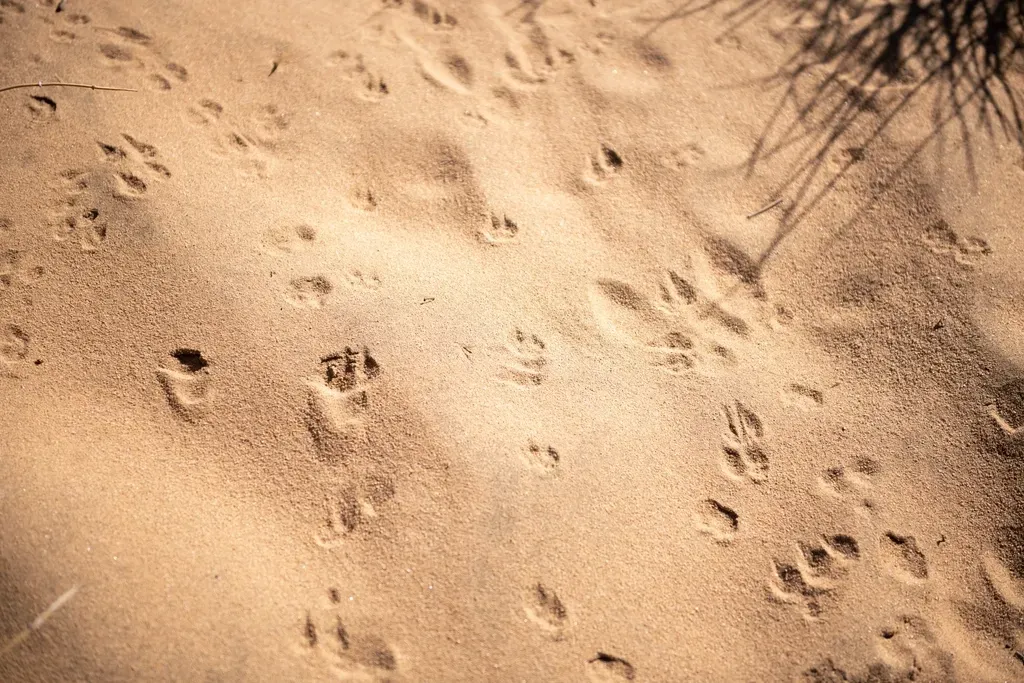
Following animal tracks trained ancient humans to think in a way that looks remarkably close to early science. You see a set of prints, form a hypothesis about what happened, follow for a while, and then either confirm or correct your guess based on new evidence. That repeated loop of observation, interpretation, and testing is basically the scientific method in raw form. Trackers who got good at this survived; those who clung to wrong stories did not.
Over time, these mental habits spread beyond hunting. The same logic could be used to read the sky for weather, the pattern of plant growth for soil quality, or even human footprints for social tensions. You might call it an ancient version of data analysis: collecting small details, watching for patterns, and adjusting your story again and again. In my view, the discipline of tracking did more to sharpen human reasoning than any early tool or weapon ever did.
6. Deep Empathy: Learning To Think Like Other Animals
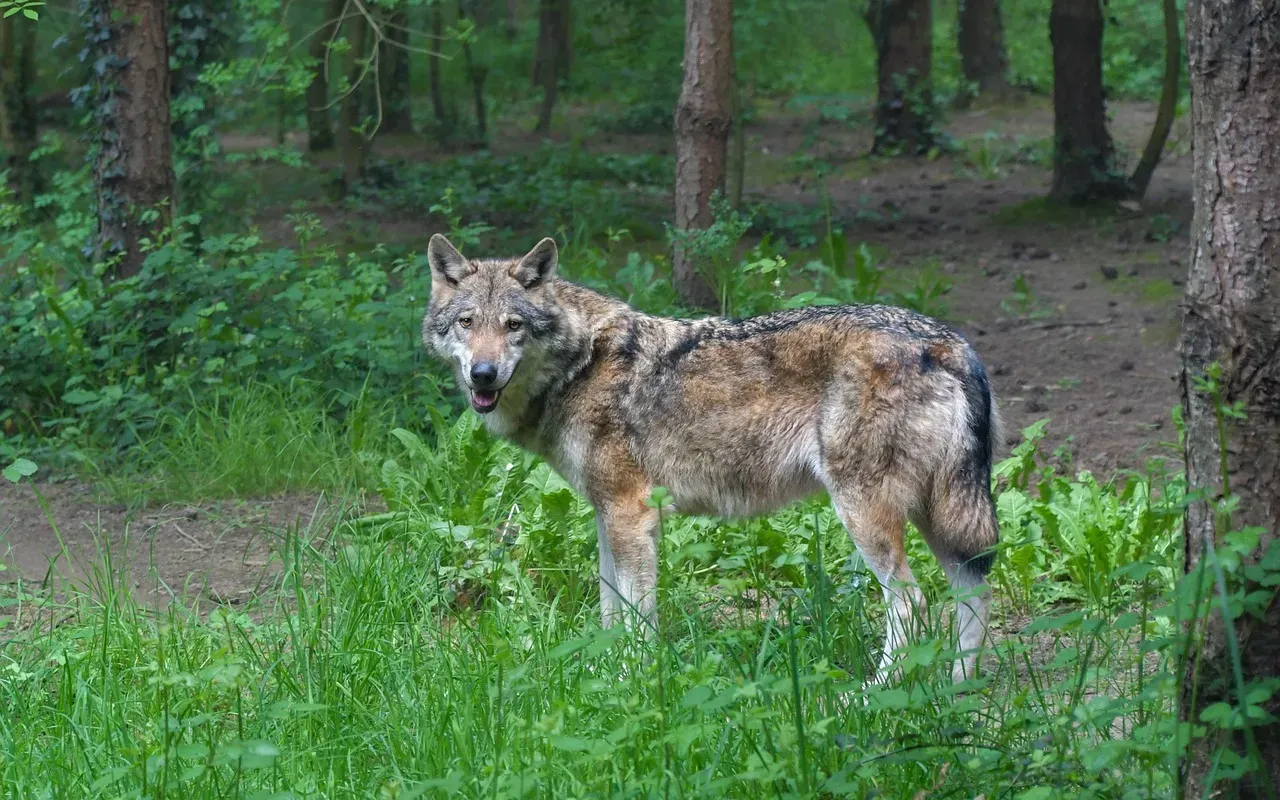
To follow an animal successfully, you can’t just stare at the ground; you have to imagine what is going on in that animal’s mind. Where would it go next if it is thirsty, frightened, or protecting young? Why did it suddenly leave the main path and cut into the brush? Ancient humans developed a kind of forced empathy, constantly slipping into the point of view of deer, wolves, or big cats simply to predict their next move.
This practice probably did more than fill cooking pots. It trained humans to model other minds in general, including other people. If you can learn to anticipate when a nervous antelope will bolt, you are halfway to reading when a neighbor is concealing something or when a rival group might attack. Tracking is basically storytelling about invisible lives, and that habit of imagining another being’s inner world may have fed directly into the rise of myth, art, and complex social norms.
7. Seasonal Rhythms And Long‑Term Environmental Memory
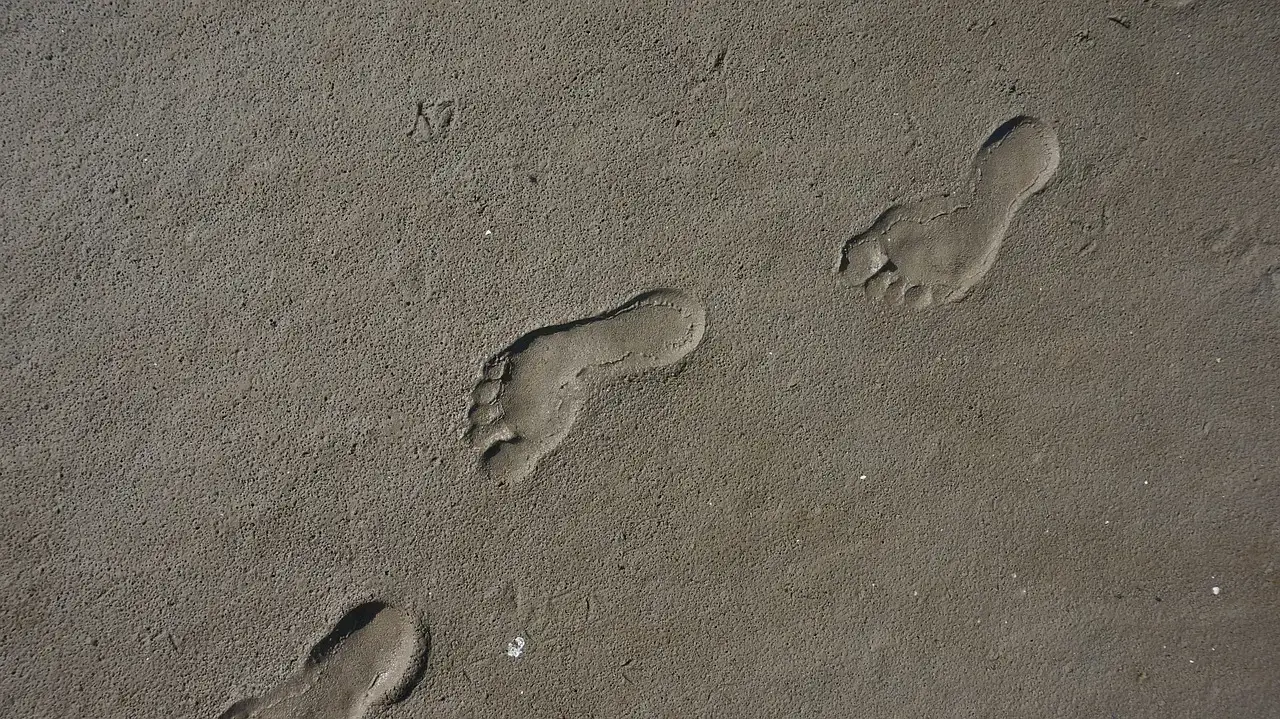
By tracing tracks month after month and year after year, ancient humans built a long memory of how their ecosystems changed over time. They saw when certain herds reliably passed through, when their routes shifted, and when animals failed to appear at all. Those changes were not just curiosities; they warned of drought, overhunting, new predators, or even disease moving through an area. The landscape became a living calendar marked not by written dates but by hoofprints and feather marks.
These patterns helped guide bigger decisions like migration routes, planting cycles once farming arrived, and where to establish more permanent settlements. If animals abandoned a region for several seasons in a row, humans took note and often mirrored those choices. In a way, animals were scouting the future for them. Today we use climate graphs and satellite images; our ancestors used the quiet testimony of tracks etched into mud, dust, and snow.
8. Storytelling, Teaching, And The Culture Of Paying Attention
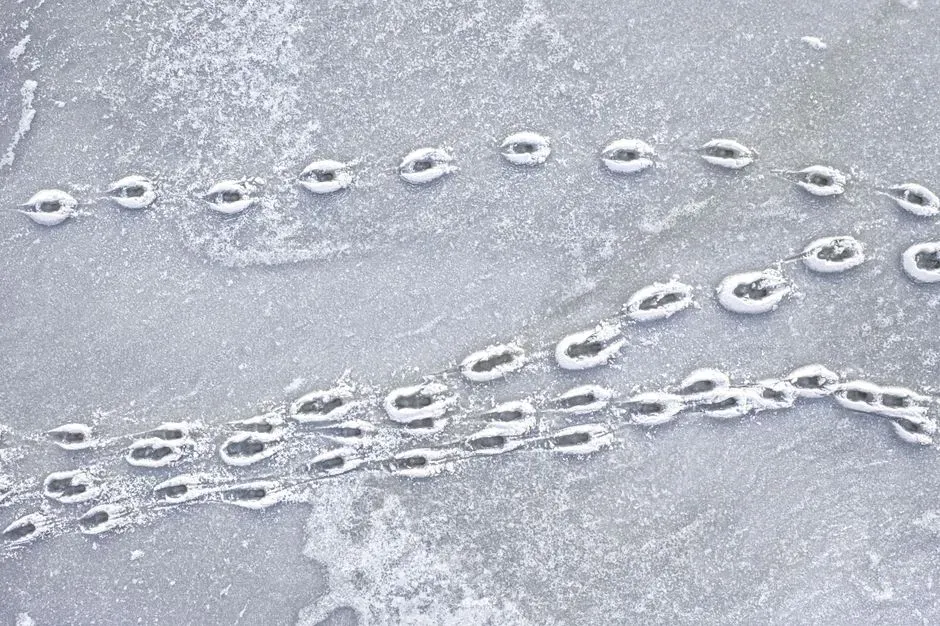
Finally, tracking did not live only in the feet and eyes of hunters; it lived in stories. Elders taught children how to read tracks through tales of legendary hunts, close calls, and clever animals that doubled back or lay in ambush. Around fires, people reconstructed entire scenes from a handful of marks on the ground, turning cold evidence into vivid narratives. That habit of spinning a coherent story from scattered clues is still how we make sense of the world, whether in crime dramas or science documentaries.
Teaching tracking also forced communities to value patience and focus. A young person who could sit still, notice tiny differences in the soil, and stay curious about what had passed by would eventually be trusted with more serious responsibilities. In an age when many of us skim more than we see, I find that almost painfully inspiring. Following tracks was not just about survival; it created a culture where paying close attention was a kind of superpower.
Conclusion: The Ground Still Has Something To Say
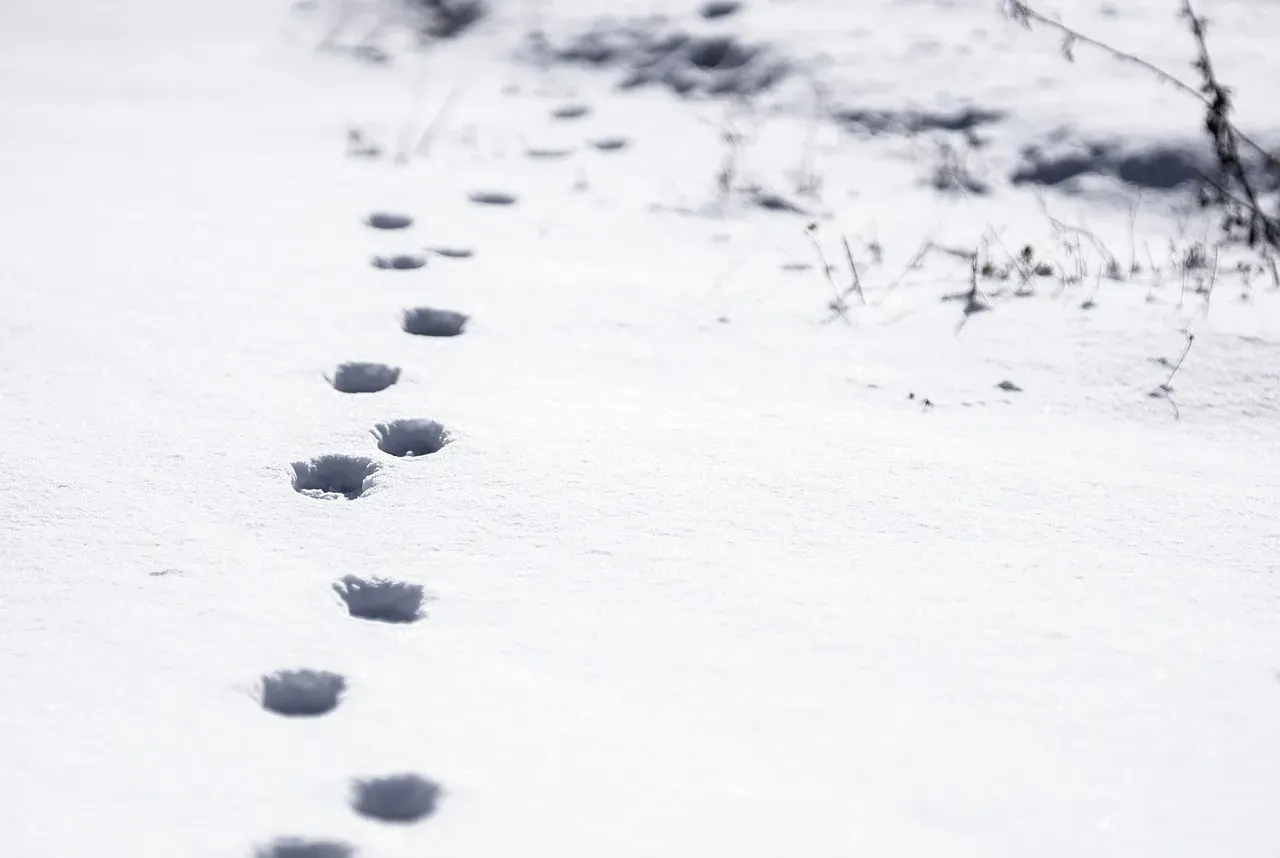
When you zoom out, the most striking thing is how much of our modern intelligence still rests on the foundations laid by tracking. Reading data, spotting patterns, testing hypotheses, and imagining other minds are all fancy, high‑tech versions of what our ancestors did kneeling over a single set of prints. I think we seriously underestimate how much those dusty skills shaped our brains and our cultures; they were not primitive at all, they were incredibly sophisticated.
If anything, we have become beginners again. Surrounded by screens, many of us struggle to notice the obvious: a change in birdsong, a fresh scrape on a tree, the quiet way a park’s animals shift when the weather is turning. Maybe the real lesson from ancient trackers is that the world is still full of tracks, both literal and metaphorical, waiting to be read. The question is, are we willing to slow down and look closely enough to see them?