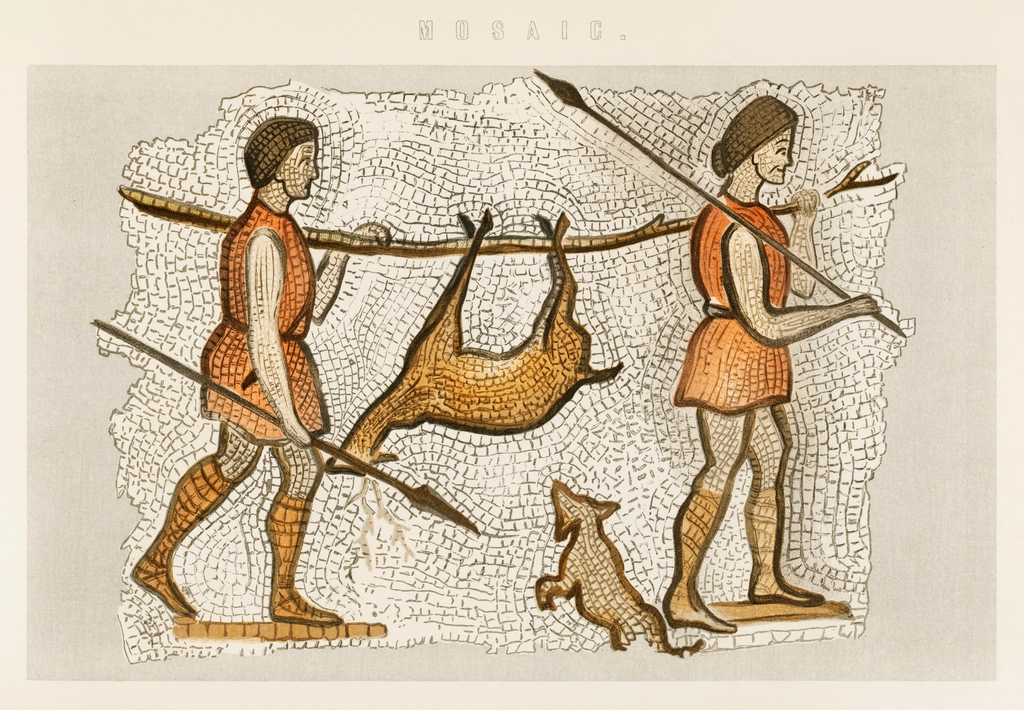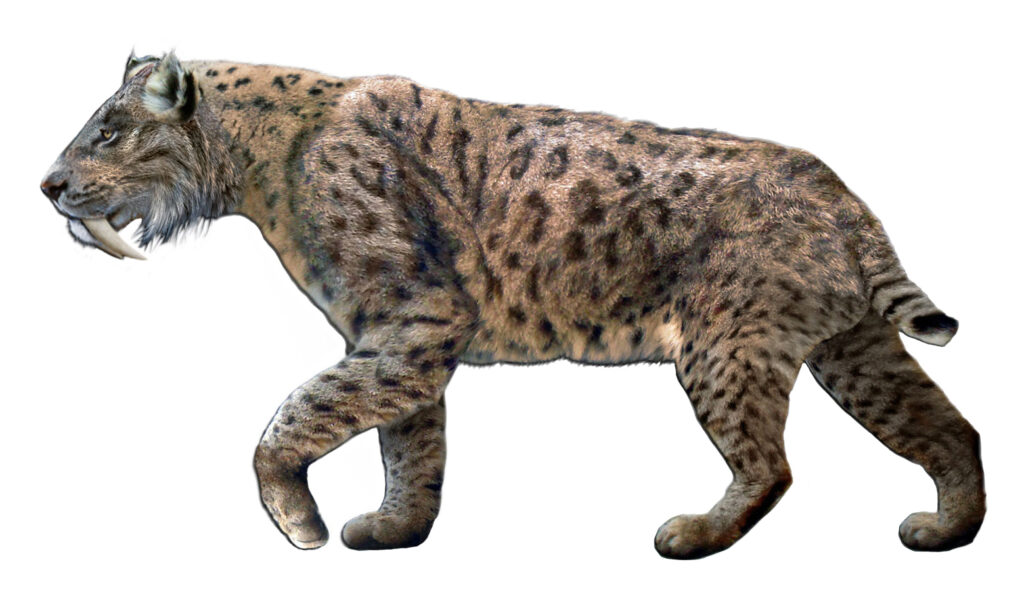
Imagine standing on a frozen plain with no walls, no alarms, no weapons better than sharpened stone, while a gigantic cat with saber-like teeth watches from the shadows. For most of human history, that kind of scene was not an action movie fantasy – it was a normal Tuesday. The way our ancestors responded to those moments of terror left fingerprints on our brains, our bodies, and even our culture.
When we talk about anxiety, hypervigilance, gut feelings, or the thrill of horror movies, we are quietly talking about habits forged in the Ice Age. Predators like saber-toothed cats, giant hyenas, cave lions, and dire wolves were not just background dangers; they were daily reality, shaping who survived long enough to pass on their genes. Let’s walk through seven powerful ways those predators sculpted the survival instincts we still carry around in our very modern, very indoor lives.
1. The Birth of Hypervigilance: Seeing Danger Before It Happens

That feeling when you walk into a room and instantly scan who’s there, where the exits are, and whether something feels off? That’s not a modern quirk; it is an ancient survival system tuned by predators that could kill in seconds. In Ice Age environments, failing to notice a shadow out of place or a sudden silence in the forest could mean never returning to camp. The people who survived were usually those whose attention snapped automatically to movement, sound, and patterns that did not quite fit.
Over thousands of generations, this constant edge shaped our nervous systems. The human brain developed a sort of built-in “early warning radar,” biasing us toward false alarms rather than missed threats. It is better, evolutionarily speaking, to jump at ten harmless rustles in the grass than to ignore the one rustle that turns out to be a stalking predator. Today, that same bias can look like anxiety, jumpiness, or overthinking, but in predator-filled landscapes it was a lifesaving feature, not a bug.
2. Fight, Flight, or Freeze: Fast Reactions Forged in Fear

People often talk about “fight or flight,” but predators made sure there was also a very important third option: freeze. When a saber-toothed cat or a cave lion was nearby, even the slightest movement could draw deadly attention. Freezing, lowering your profile, or blending with the surroundings could be just as effective as running or fighting. Those who had flexible, instant reactions – able to sprint, strike, or stay utterly still in a heartbeat – had better chances of making it through close encounters.
Biologically, the stress response system that surges through your body when you are startled is the same kind of system our ancestors relied on when something big and hungry appeared. Heart rate spikes, blood rushes to the muscles, and thinking narrows to the next few seconds. I sometimes notice this on a much smaller scale, like when a car suddenly swerves in traffic and my whole body reacts before I’ve even consciously processed what happened. That ancient, predator-tested circuitry still runs our emergency responses, even if the “lion” is just someone cutting us off on the highway.
3. Strength in Numbers: Why Our Brains Crave the Safety of Groups

There is a reason being alone in a dark parking lot feels far more unsettling than walking with a couple of friends. During the Ice Age, solitary humans were basically walking snacks. Large predators could easily overpower an individual, but a coordinated group of humans with stones, spears, and loud voices was a very different story. Group living turned us from prey into something much more complicated and dangerous to attack.
This constant pressure from predators helped wire our social instincts. Our brains reward us for belonging, punish us with loneliness, and drive us to form tight-knit circles because being part of a group genuinely meant better odds of survival for most of human history. Nearly every social habit we have – from forming cliques to looking for allies in tense situations – echoes that old logic. In a way, the fear of being left out and the fear of being eaten are distant cousins, shaped by the same environmental threats.
4. Night Watchers: How Predators Shaped Our Fear of the Dark
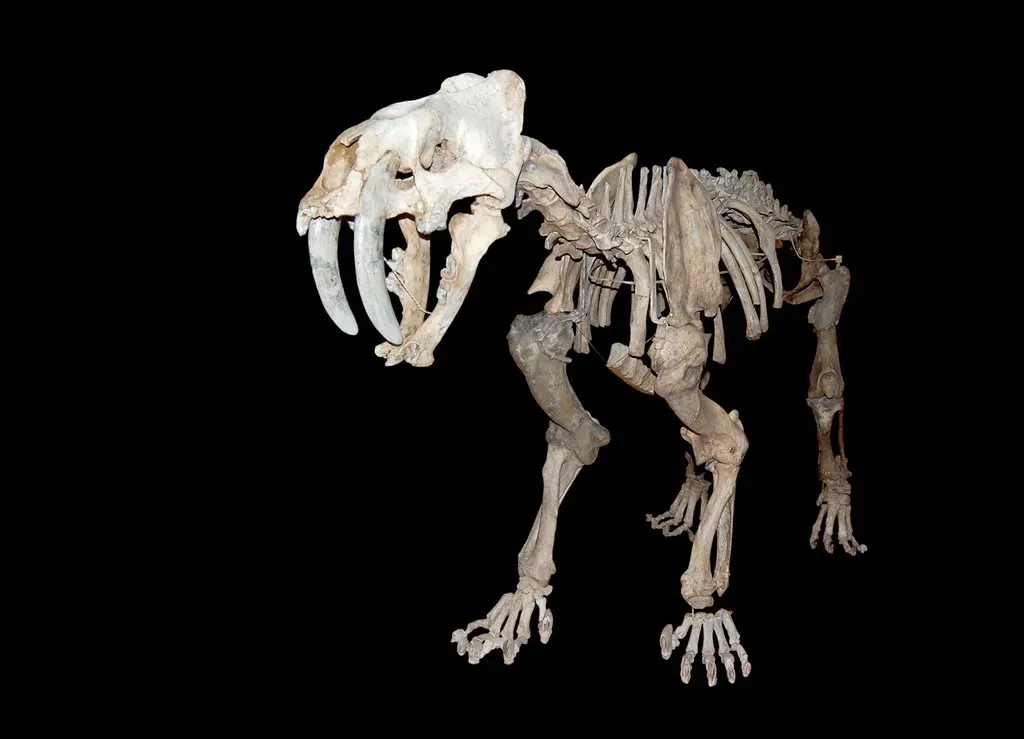
Many of the scariest Ice Age predators were crepuscular or nocturnal, hunting at dusk, at night, or in the early hours of dawn when human vision is weakest. If you have ever felt uneasy camping in the dark or walking through a shadowy street, that is not just imagination. Our ancestors had to navigate nights when eyes gleamed from the treeline and the crack of a branch could signal something massive and hungry nearby. Those hours were statistically more dangerous, and the nervous system adapted accordingly.
Over time, families and small bands of humans developed night-time strategies: fires kept burning, sentries keeping watch, sleeping in tighter circles, and choosing shelter that offered a good vantage point. This sharpened our sensitivity to sounds and shapes in low light and made darkness feel inherently charged. Even now, horror stories and urban legends lean heavily on dark settings because our brains are primed to treat the night as uncertain territory. The predators may be mostly gone, but the emotional weight of darkness lingers in our instincts.
5. Reading Tracks and Signals: From Predator Awareness to Pattern Obsession
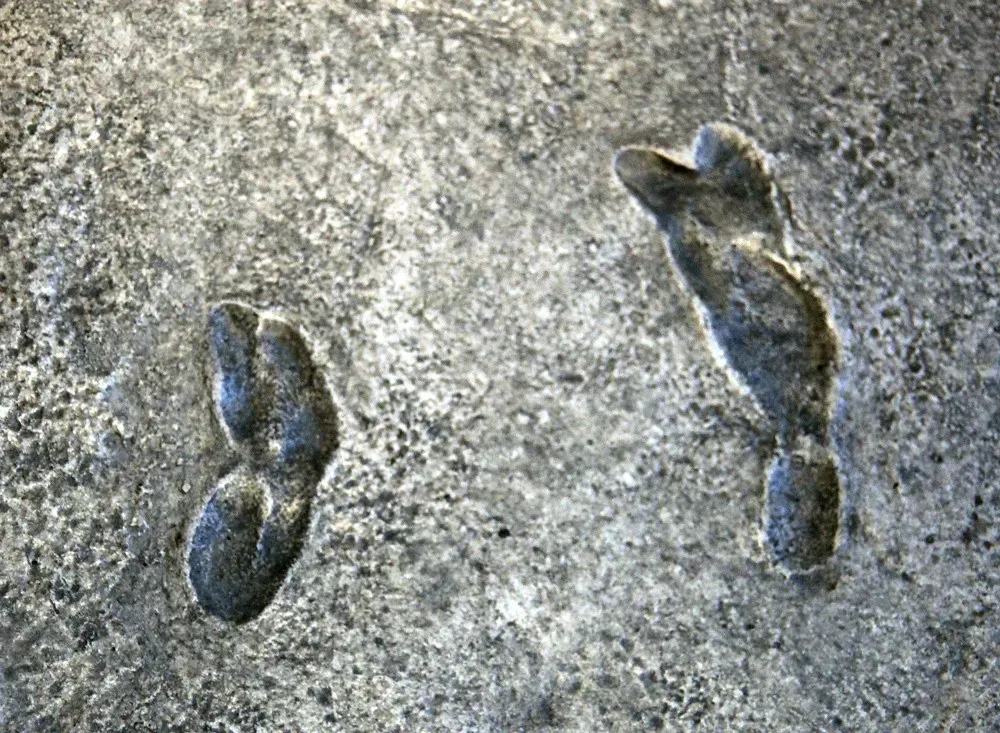
Spotting a faint footprint in mud, a broken twig, a sudden absence of bird calls, or a faint smell on the wind could be the difference between an ordinary day and a lethal encounter. Ice Age humans who got good at reading these clues developed an almost detective-like sensitivity to their environments. They had to think like predators and prey at the same time, asking themselves what might be hiding just out of sight and what the landscape was quietly trying to say.
That constant demand for environmental reading did more than protect people in the moment; it trained humans to be pattern-seeking machines. Today, we use that same mental habit to interpret body language, predict social conflicts, or even obsess over subtle shifts in our phone notifications. I sometimes catch myself overanalyzing a delayed message or a changed tone in an email, and I can almost hear that ancient voice in the back of my mind trying to figure out if a “lion” is hiding behind the silence. Our modern pattern obsessions have deep roots in a world where missing a single sign could be fatal.
6. Smart Tools and Smarter Plans: Predators Pushed Human Innovation
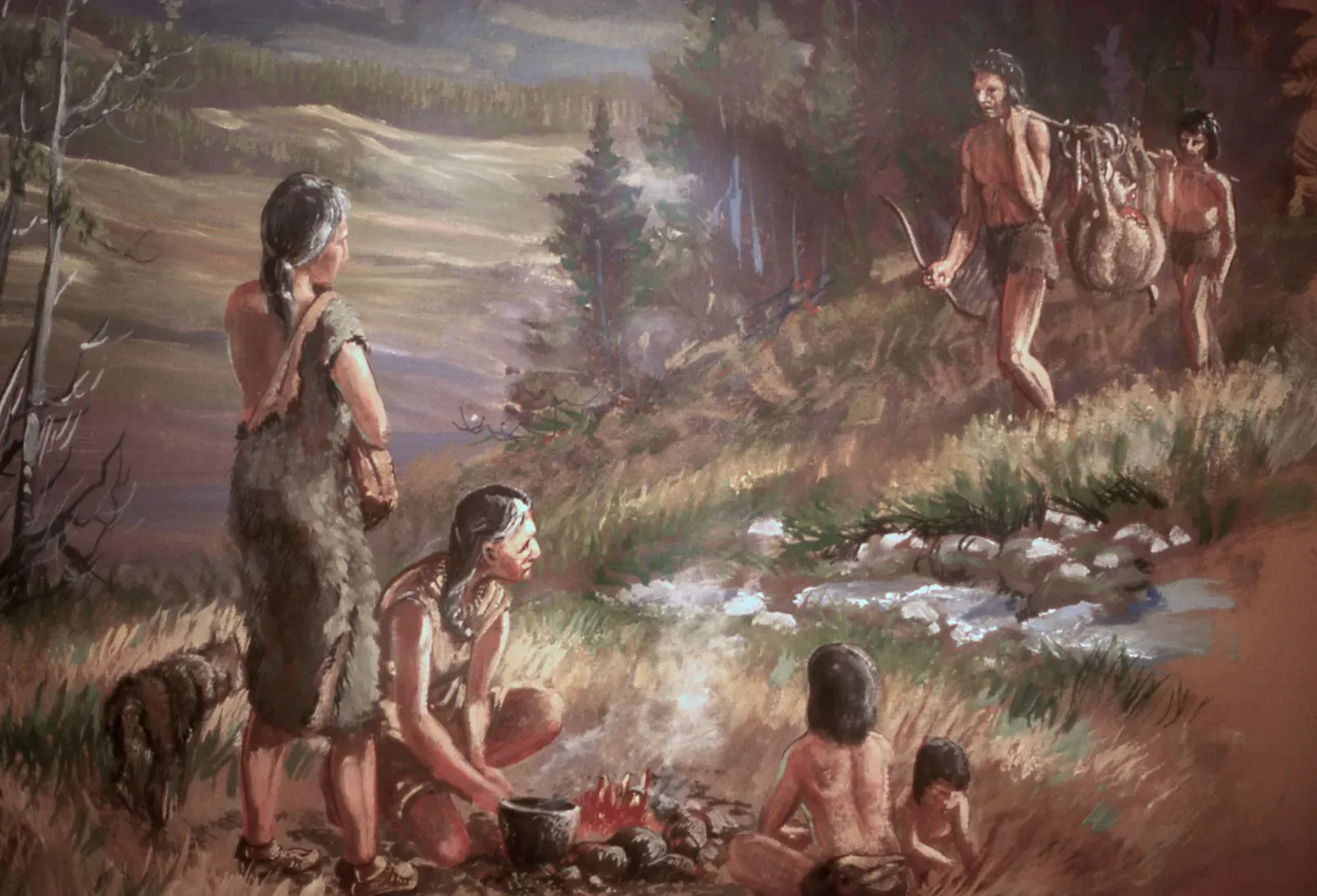
Predators were not just something to run from; they were a problem to solve. Facing massive carnivores with claws and teeth far beyond anything humans naturally possessed forced our ancestors to get creative. Better weapons, coordinated ambushes, traps, elevated shelters, and controlled use of fire all made predators think twice about approaching. Each new tactic stacked the odds slightly more in our favor and turned humans into more formidable opponents over time.
This arms race had a powerful side effect: it rewarded brainpower. Planning a safe campsite, choosing hunting routes that avoided predator territories, or timing movements to daylight hours all required memory, cooperation, and long-term thinking. That same strategic mindset now shows up everywhere in human life, from business decisions to video game strategies. In a strange way, giant Ice Age predators were like harsh teachers pushing us to level up our planning and problem-solving skills or get removed from the gene pool.
Our relationship with risk also evolved under this pressure. People who could balance bold action with caution – daring enough to hunt and explore, careful enough to avoid needless exposure to predator hotspots – did best over the long term. That is still visible in how we handle danger today, whether it is deciding if a new neighborhood feels safe or judging when to confront someone versus backing off.
7. Storytelling, Fear, and Culture: Keeping the Lessons Alive
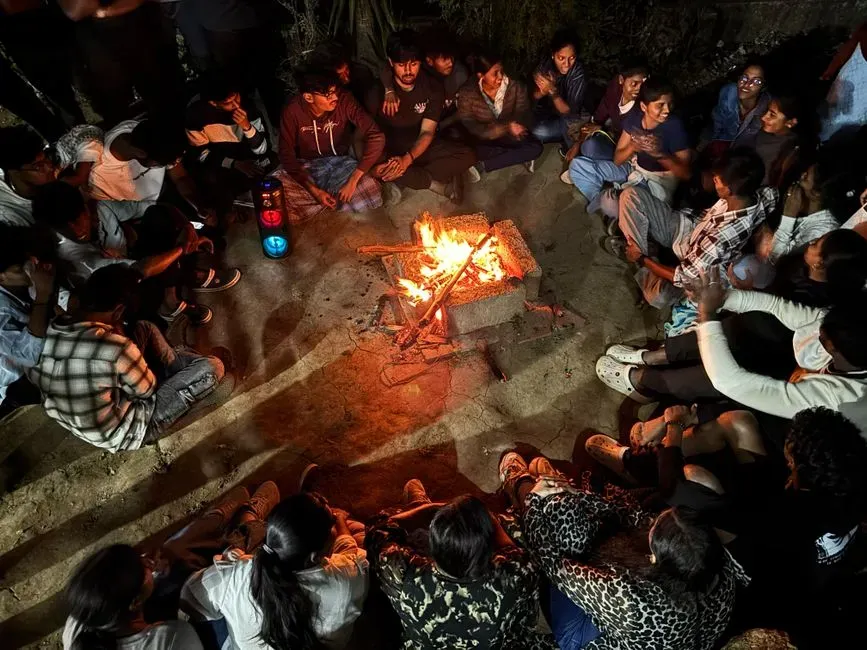
Long before written history, people were gathering around fires, trading stories about terrifying encounters, narrow escapes, and deadly beasts that lurked beyond the glow of the flames. These stories were not just for entertainment; they were survival manuals wrapped in emotion. By telling and retelling tales of predators, older generations taught younger ones where not to wander, when to be alert, and what signs meant trouble. Fear made these stories stick, embedding crucial lessons deep in memory.
Even today, our myths and media are thick with predator imagery. Monsters in movies, creatures in folklore, and villains in games often feel strangely familiar because they echo real threats our ancestors once faced. Personally, I find it fascinating that many modern people love horror films and thrillers – it is like we are rehearsing old survival scripts in a safe environment. The cultural instinct to share frightening tales may be one of the cleverest ways humans ever found to pass down hard-earned knowledge without everyone having to learn it the dangerous way.
Conclusion: Predators Are Gone, But Their Shadows Live in Us
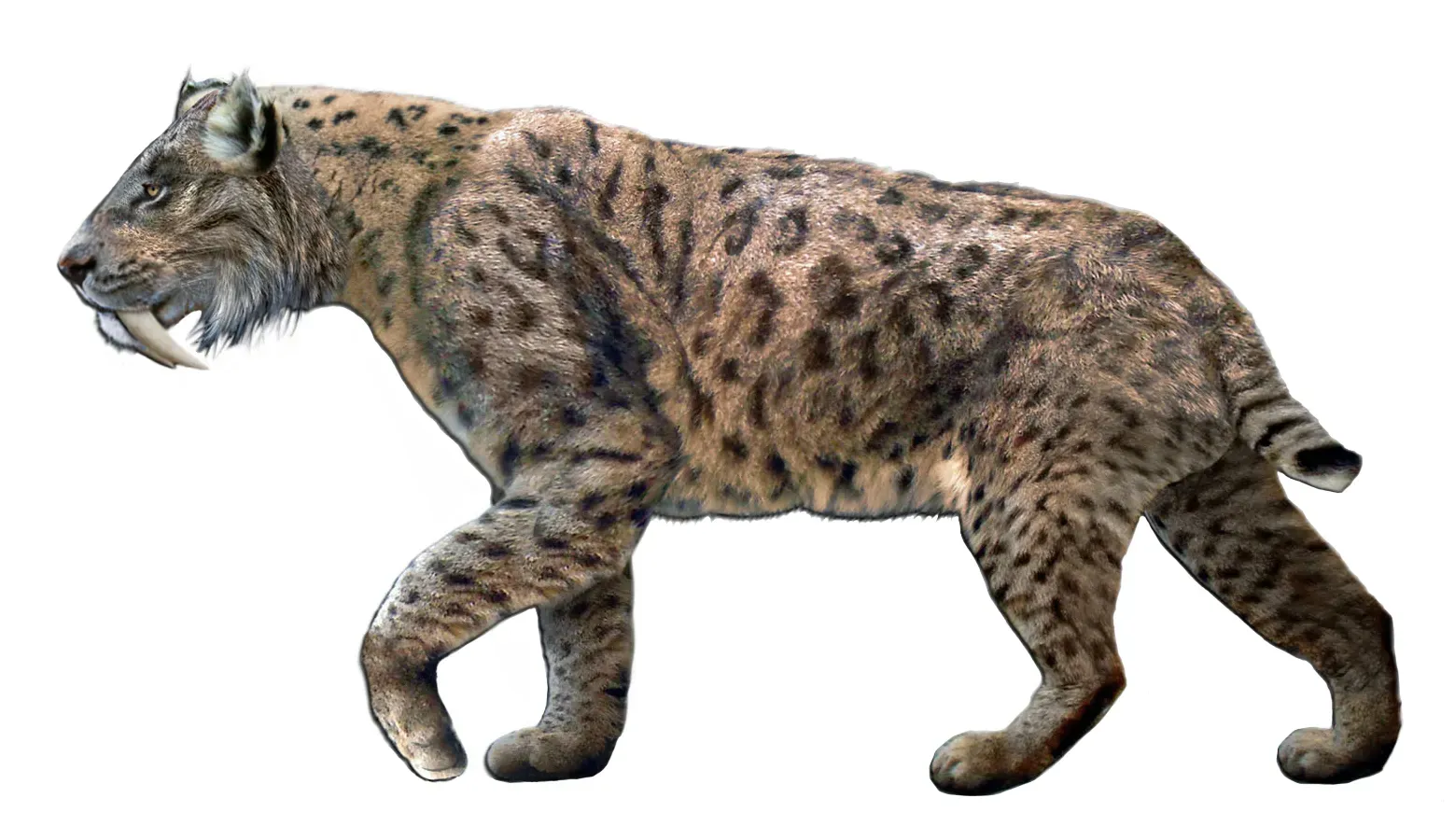
When you step back and look at it, Ice Age predators were brutal architects of the human mind. They carved hypervigilance into our nervous systems, pushed us to band together, forced us to invent tools and plans, and gave us reasons to tell stories that still echo through modern culture. I think we underestimate how much of our everyday behavior – from scanning a crowded room to locking doors at night – is basically a quiet conversation with ghosts from that era.
At the same time, it is worth remembering that instincts shaped by saber-toothed threats now operate in a world full of emails, traffic, and social media. What once kept us alive can also fuel unnecessary anxiety if we never question it. Maybe the real challenge in 2026 is learning to respect those ancient predator-forged instincts without letting them run the whole show. Next time your heart races at a harmless sound in the dark, will you see it as a flaw, or as a tiny, living echo of the Ice Age still doing its best to keep you safe?