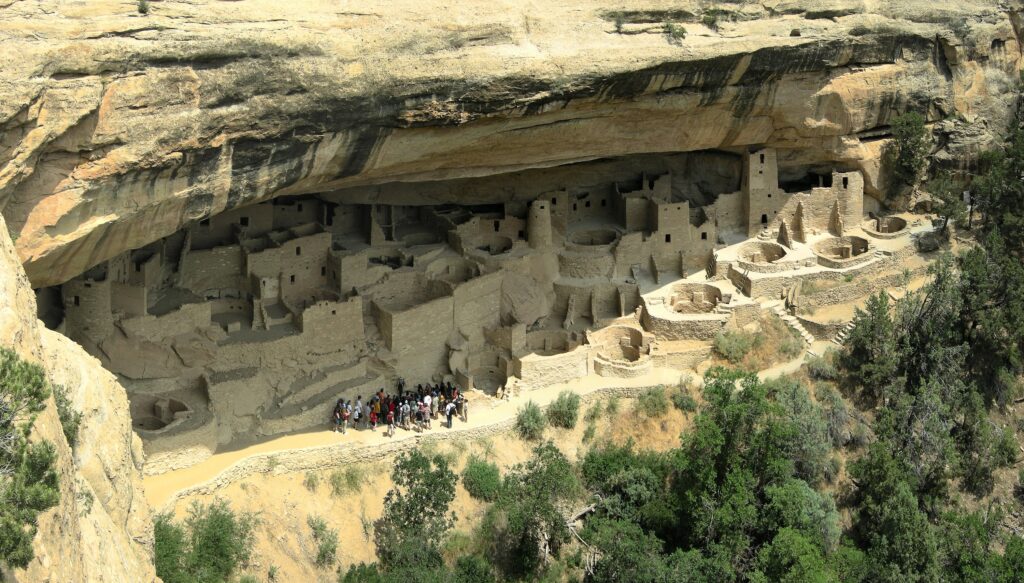
Mesa Verde looks almost unreal the first time you see it. Entire villages are tucked into sheer canyon walls, like someone carved a neighborhood straight into the rock and then walked away. It feels ancient and distant, but also strangely familiar, as if people had just stepped out moments ago and might come walking back around the corner with baskets and pottery in hand. What makes Mesa Verde so gripping is not only the stone and mortar, but the lives lived there: children running along ledges high above the canyon floor, families cooking in dark alcoves, farmers watching the sky with concern. The more we learn, the more the cliff dwellings stop being mysterious ruins and start feeling like what they actually were: real homes in a tough, beautiful landscape. Here are ten key facts that bring that world back into focus.
1. Mesa Verde Was Home to the Ancestral Pueblo People, Not a “Lost Civilization”
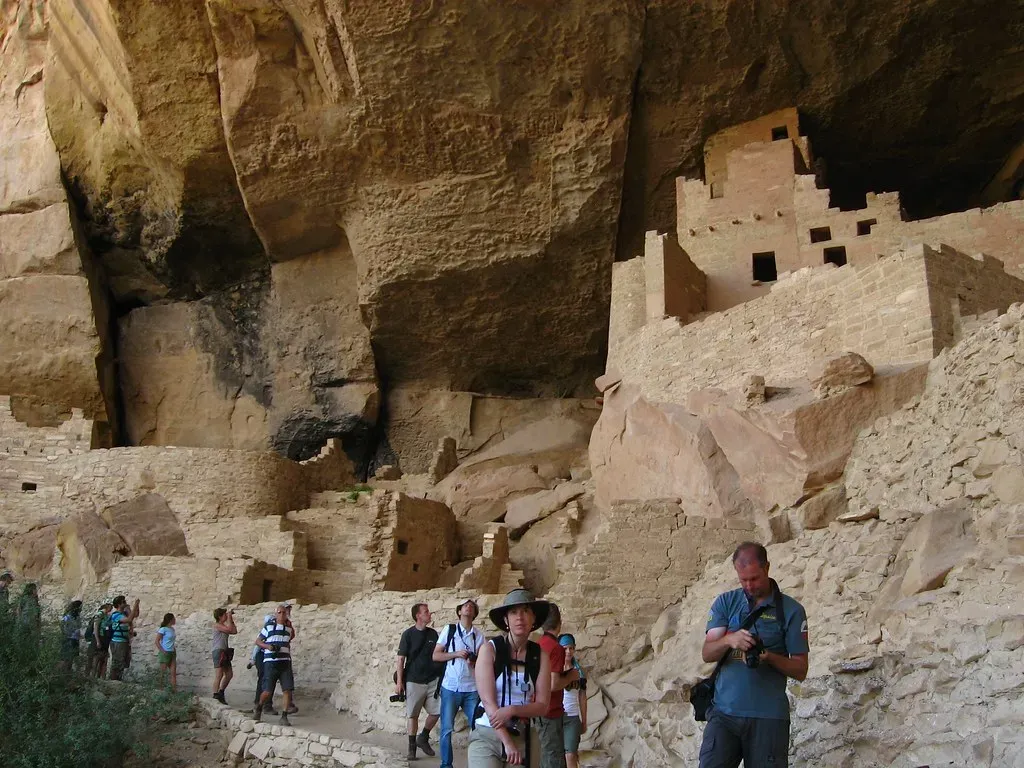
When people talk about Mesa Verde, they sometimes act like it was built by a vanished, unknown people. In reality, archaeologists are very clear: the builders were the ancestors of modern Pueblo communities, including Hopi, Zuni, and several Rio Grande Pueblo tribes. The word “Anasazi,” once used widely, is now largely avoided because it comes from Navajo and can be translated in ways that many Pueblo people consider disrespectful; “Ancestral Pueblo” is the term most commonly used today. Thinking of Mesa Verde as part of a living cultural continuum changes the story. The cliff dwellings are not random ruins; they’re chapters in a very long history that continues into the present. Modern Pueblo people still carry oral histories, ceremonies, and farming knowledge that connect directly back to these sandstone alcoves. So when we picture life in the cliff dwellings, we are not imagining strangers – we are looking at an earlier generation of families whose descendants are very much alive and active today.
2. The Cliff Dwellings Were a Late Chapter, Not the Whole Story
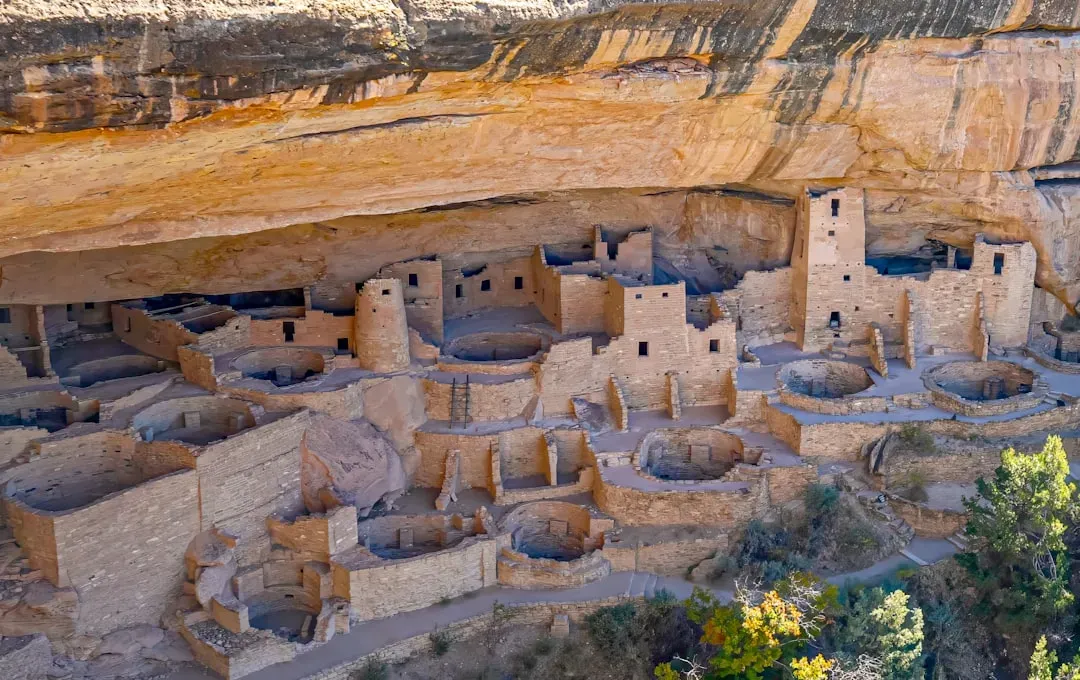
It is easy to assume people at Mesa Verde always lived in dramatic cliff palaces, but that is not how the timeline works. Ancestral Pueblo people lived on the surrounding mesa tops for centuries before they moved into the cliffs, building pithouses and later above-ground villages out in the open. The classic cliff dwellings we see in photos are mainly from the late 1100s and 1200s, essentially the last period of occupation in the area before a big regional shift. If you imagine Mesa Verde as a long-running TV series, the cliff dwellings are more like the intense final seasons than the whole show. Life on the mesa tops was the normal, everyday backdrop for generations – fields of corn, small hamlets, people traveling between communities. Only in the final stretch did many families relocate into the canyon alcoves, cramming multiple-story room blocks beneath overhanging cliffs and reshaping how they lived day to day. The drama of the stone villages tends to overshadow that longer, quieter story above.
3. Life in the Cliffs Was About Farming as Much as Architecture
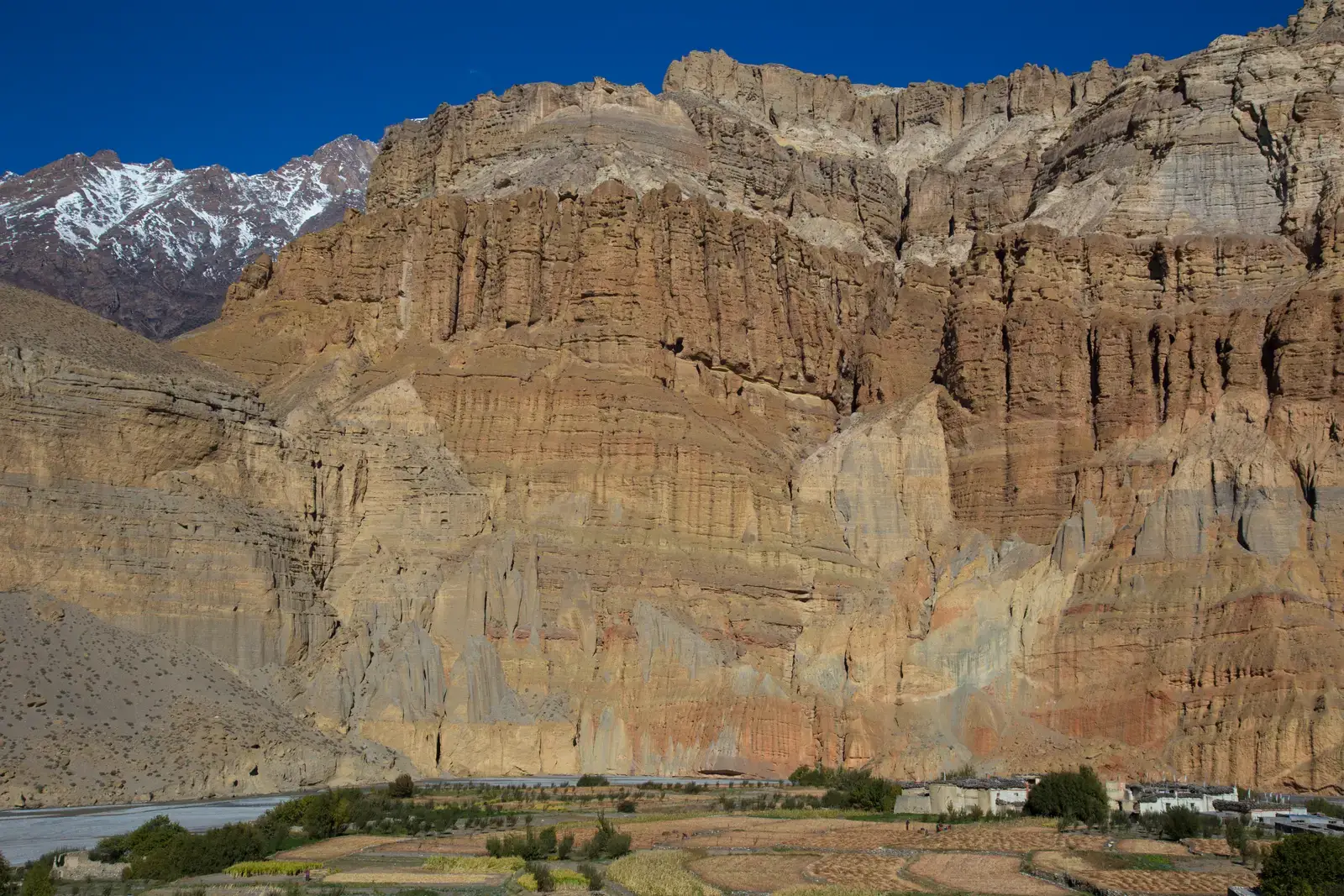
The stone walls get all the attention, but life in the cliff dwellings depended far more on soil, water, and plants than on masonry skills. Families grew corn, beans, and squash on the mesa tops, where there was enough flat ground and access to seasonal moisture. Corn was the backbone of their diet, and the ability to coax reliable harvests out of a high, semi-arid plateau was a serious technical achievement, not a simple background detail. From the alcoves, people would have climbed up and down steep routes to reach their fields, watching the sky the way many of us check our phones. A late rain, a hailstorm at the wrong time, or several dry years in a row could threaten not just comfort but survival. Wild foods – like piñon nuts, seeds, roots, and game – helped round out their diet. So if you picture Mesa Verde realistically, you need to see it not just as a carved stone village but as part of a broader farming landscape that stretched across the mesa tops and canyons.
4. Daily Life Was Tight, Dark, and Surprisingly Organized
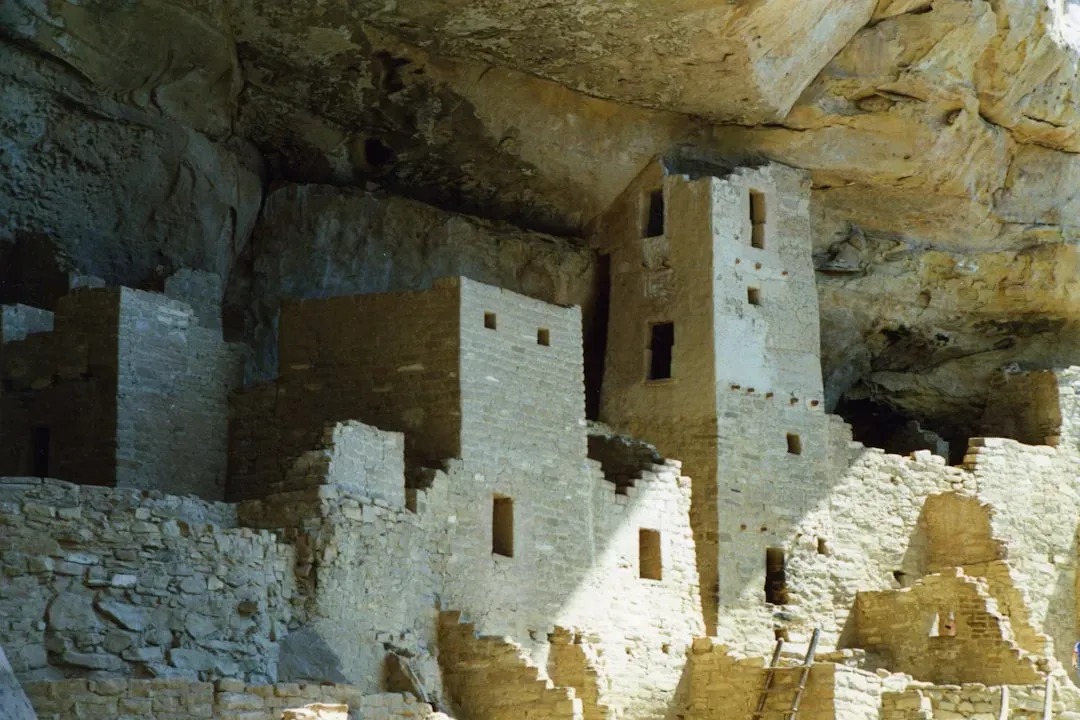
Inside the cliff dwellings, space was at a premium. Rooms tended to be small, often without windows, and mainly used for sleeping, storage, and certain household tasks rather than lounging around the way we might use a living room. Many activities likely happened in open courtyards and terraces just outside the rooms, where light and airflow were better. Fire smoke, grinding dust from corn, and the smell of people and animals would have given the alcoves a distinct, probably intense atmosphere. Despite the tight quarters, the layout was anything but chaotic. Room clusters, kivas (circular ceremonial rooms), storage areas, and work spaces were organized in deliberate ways that reflect social and ritual relationships. Stairs and hand-and-toe holds were carved into the rock to link different levels. When you walk through today, you can see patterns: certain rooms line up with plazas, storage is often tucked away, and kivas are carefully placed. This was not improvised cave camping; it was a carefully arranged village, squeezed into stone.
5. Kivas Were the Beating Heart of Community Life
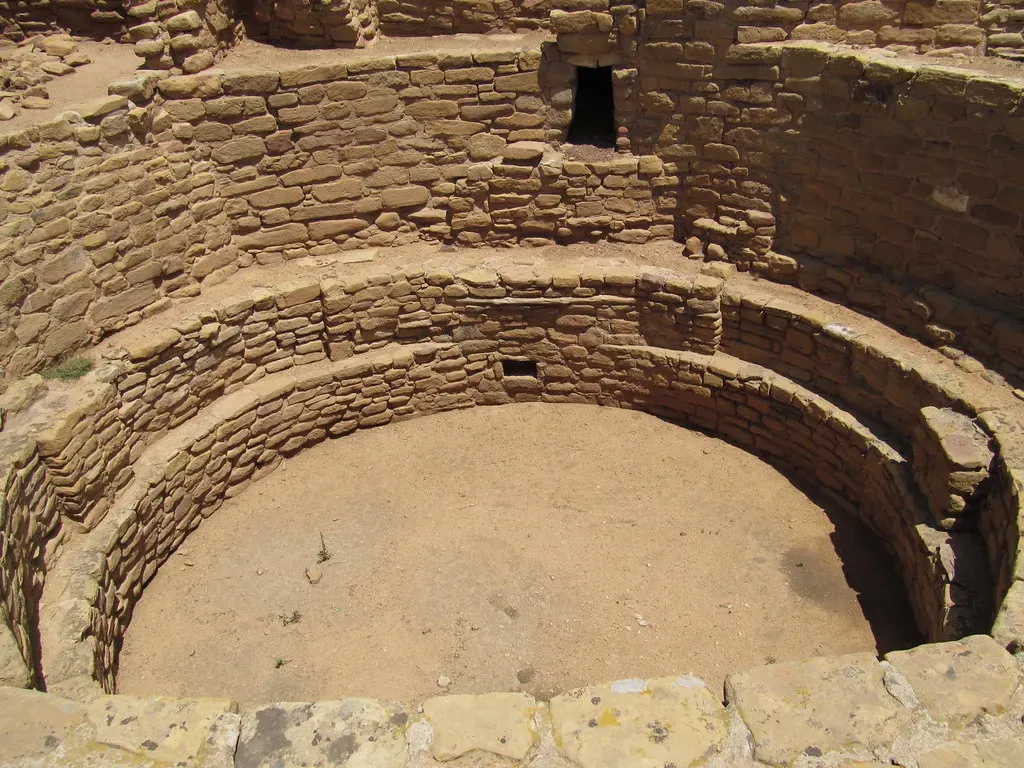
Kivas are among the most distinctive features in Mesa Verde: round, often semi-subterranean rooms built into the floor of the villages. They were not ordinary houses. Archaeologists see them as spaces for ceremony, gatherings, and important social activities. Features like ventilator shafts, benches, fire pits, and small symbolic openings in the floor all point to roles that went beyond practical chores or storage. These were places where stories, beliefs, and shared identities were reinforced. If you think of modern neighborhoods, maybe the closest analogy is a mix between a church, a community center, and a council chamber. People likely gathered in kivas for rituals tied to planting, harvest, rain, and community well-being. Children would have absorbed traditions there, listening to elders, watching ceremonies, learning what it meant to belong. The presence of multiple kivas in larger sites shows that Mesa Verde society was not just a random cluster of families, but a network of groups with their own responsibilities and traditions.
6. Water Was Precious, and Clever Solutions Were Necessary
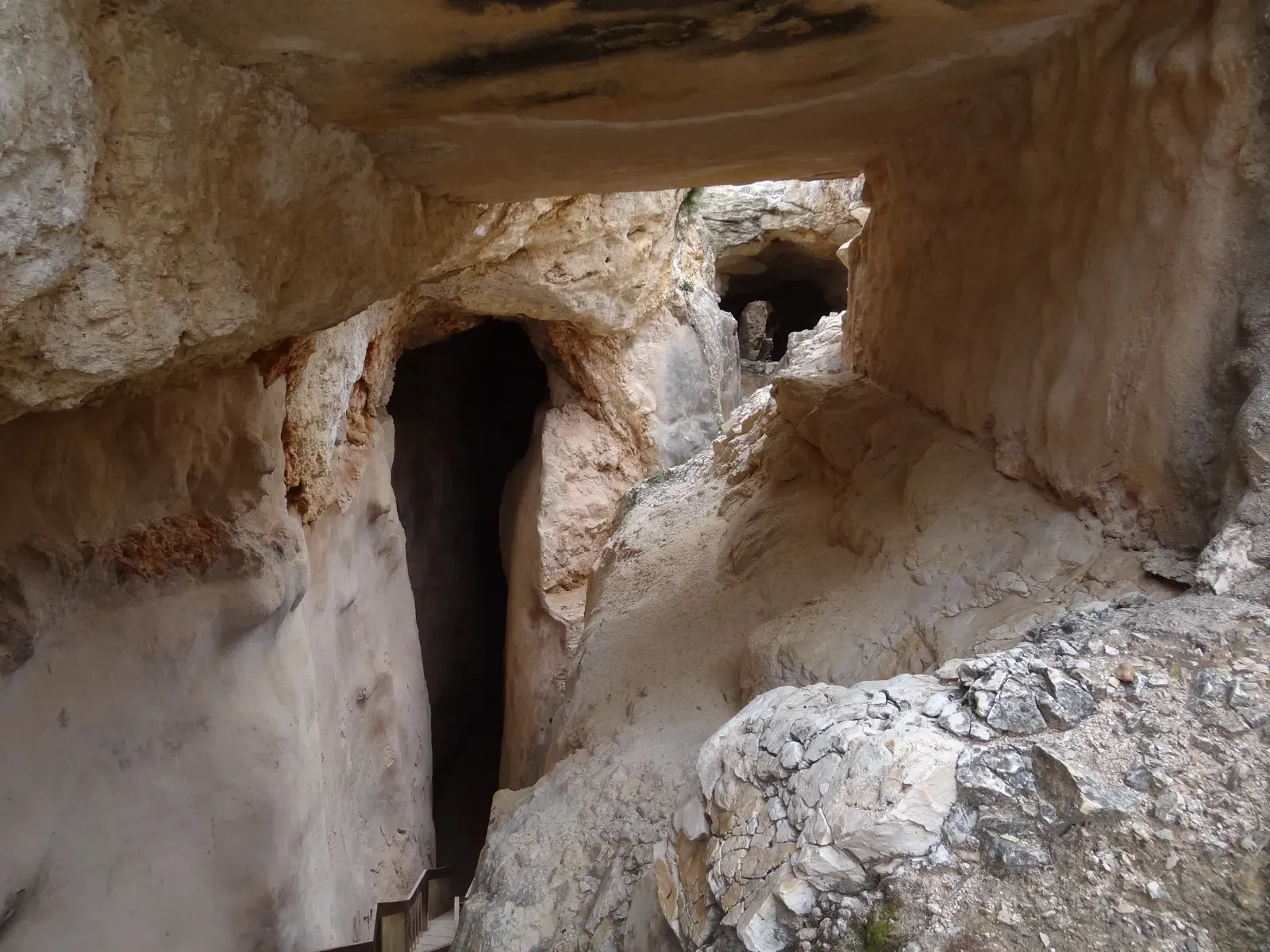
Living high on a plateau in the American Southwest, water was never something people could take for granted. There is no big river flowing past the cliff dwellings; instead, residents relied on a patchwork of natural seeps, springs, and runoff carefully directed into small reservoirs or catchment basins. Storing and managing water for drinking, cooking, and basic hygiene was a daily priority, not an occasional concern. When you imagine someone carrying heavy water jars up steep paths carved in stone, the environment suddenly feels less romantic and more demanding. A dry year meant not just a thin harvest but also harder access to safe, reliable drinking water. That kind of stress does not stay abstract; it filters down into every part of life, from how early you wake up to how much you can cook, plant, and travel. The fact that people sustained dense cliff communities for decades in such conditions says a lot about their ingenuity and discipline.
7. The Famous Abandonment Was a Slow, Hard Decision
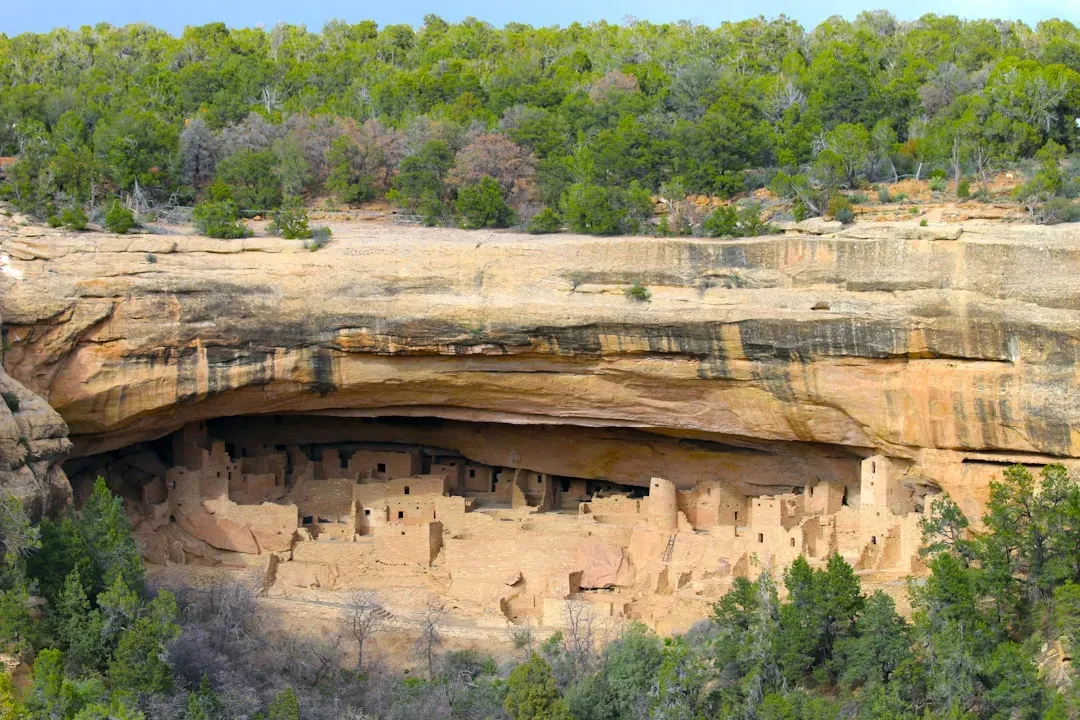
One of the most haunting facts about Mesa Verde is that by the late 1200s, the cliff dwellings were largely empty. This has fueled endless speculation and dramatic myths, but what the evidence suggests is less mysterious and more human: a gradual, difficult process of migration driven by a mix of environmental stress, social pressures, and changing opportunities elsewhere. Climate records indicate periods of prolonged drought and instability, which would have hammered already vulnerable farming communities. Instead of imagining people suddenly fleeing in panic, it makes more sense to picture families weighing their options over years, perhaps decades. Some households left earlier, joining relatives or allies in more promising regions to the south and east. Others held on longer, hoping for better rains or a return to stability. Eventually, though, the balance tipped toward leaving. That choice – to walk away from homes that generations had poured their labor into – must have been emotionally heavy. It is less a mystery and more a testament to their ability to adapt, even when it meant letting go.
8. Trade, Craft, and Long-Distance Connections Shaped Daily Life
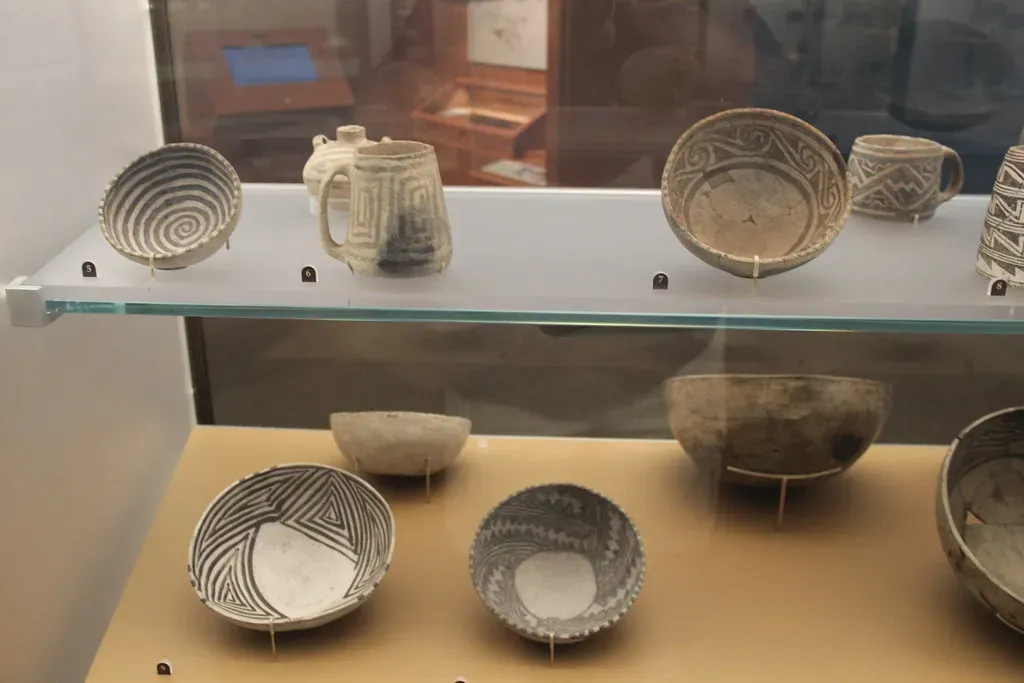
Mesa Verde was not a sealed-off world at the edge of nowhere. Archaeologists have found materials such as turquoise, shells, and distinctive pottery styles that point to trade networks stretching hundreds of miles. People moved goods, ideas, and styles along routes that linked the Four Corners region to areas as far as the Pacific coast and central Mexico, even if indirectly through chains of exchange. You can think of it as a slow, human-powered information highway. Within the cliff dwellings, craft work was part of everyday life. Pottery, stone tools, woven items, and basketry were all produced with great skill and attention to detail. The designs on pottery were not just decorative; they carried meaning and style choices that connected people to particular communities and traditions. In that sense, a Mesa Verde household was not so different from a modern one: full of objects that combined practicality with identity, all embedded in a web of relationships that extended far beyond the canyon walls.
9. The Cliff Architecture Was Ingenious, but Not Magic
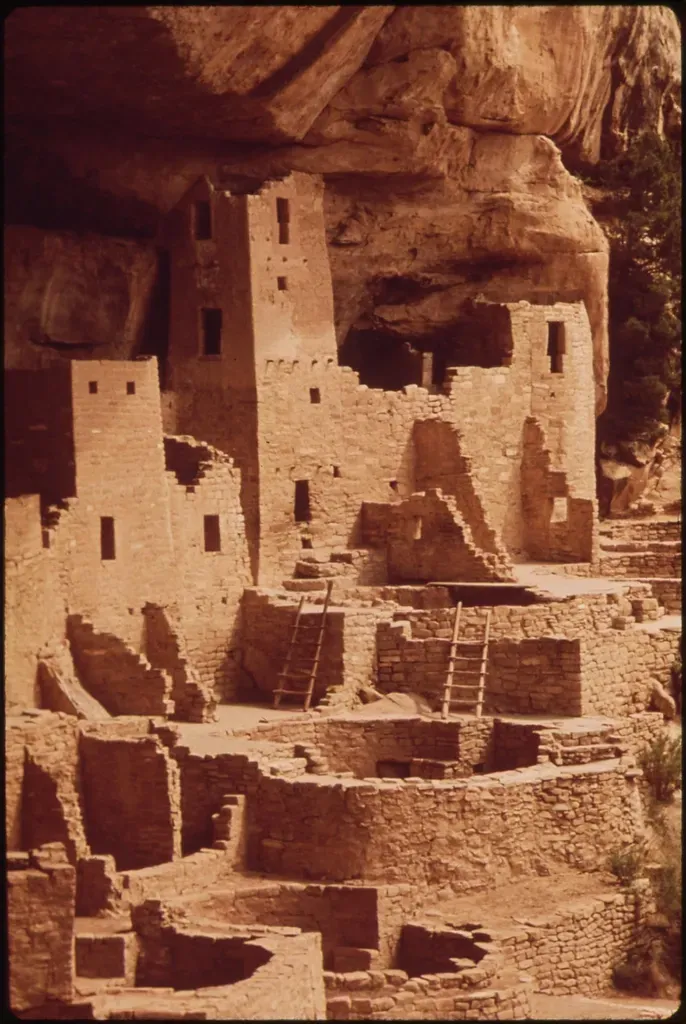
Cliff Palace and other big dwellings can look impossibly precise, as if they required advanced engineering tools. In reality, Ancestral Pueblo builders used simple, effective techniques: sandstone blocks shaped with stone tools, mud mortar carefully prepared and applied, wooden beams cut from nearby forests and hauled into place. They understood how to build multi-story walls, how to support roofs, and how to adapt to the uneven curves of the alcoves. What is easy to miss is that these skills did not appear overnight in the cliffs. They were the result of centuries of building experience on the mesa tops – pithouses evolving into above-ground room blocks, techniques tested and refined generation after generation. When people moved into the alcoves, they brought that accumulated knowledge with them and pushed it to its limits in a new environment. From that angle, the cliff dwellings are less a sudden leap forward and more a peak expression of a long, steady tradition of experimentation and improvement.
10. Visiting Today Means Walking Through Someone’s Old Neighborhood
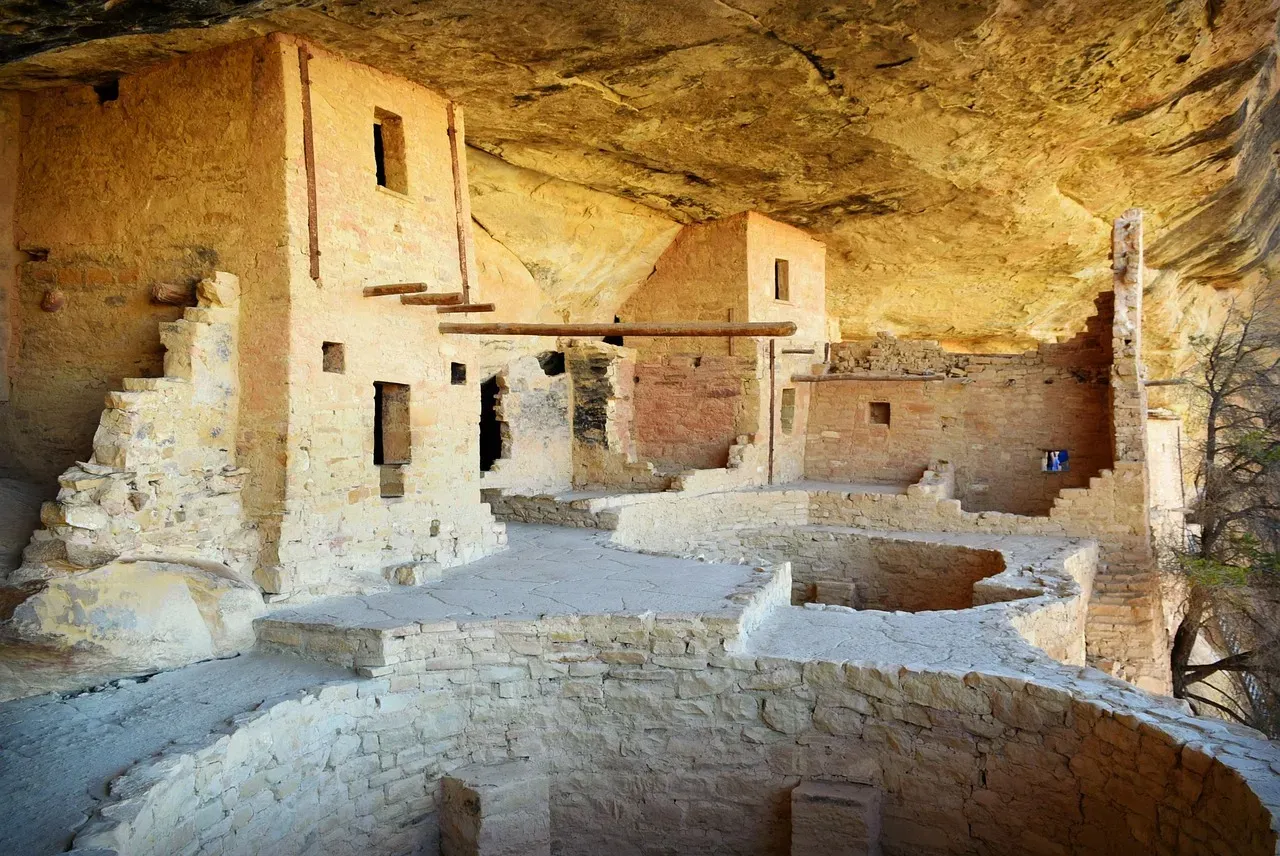
When we visit Mesa Verde now, it is easy to treat it like a backdrop for photos or a puzzle to decode. But everything you see – doorways, plastered walls, fire pits, storage rooms – was once part of a living neighborhood. Children learned to walk on those ledges. People laughed, argued, cooked, planned, and mourned in those rooms. Broken pottery on the ground is not random debris; it is the residue of everyday meals, ceremonies, and accidents. Personally, the first time I walked through a cliff dwelling, what hit me hardest was the scale: these rooms are small. You suddenly realize how tightly people lived, how close they were to one another in every sense. That closeness, combined with the stark beauty of the canyon and the constant work of surviving there, makes Mesa Verde feel less like a relic and more like a mirror held up to our own lives. We also live in carefully built structures, dependent on fragile systems we barely notice – just with different materials and anxieties.
Conclusion: Mesa Verde Is Less About Mystery and More About Courage
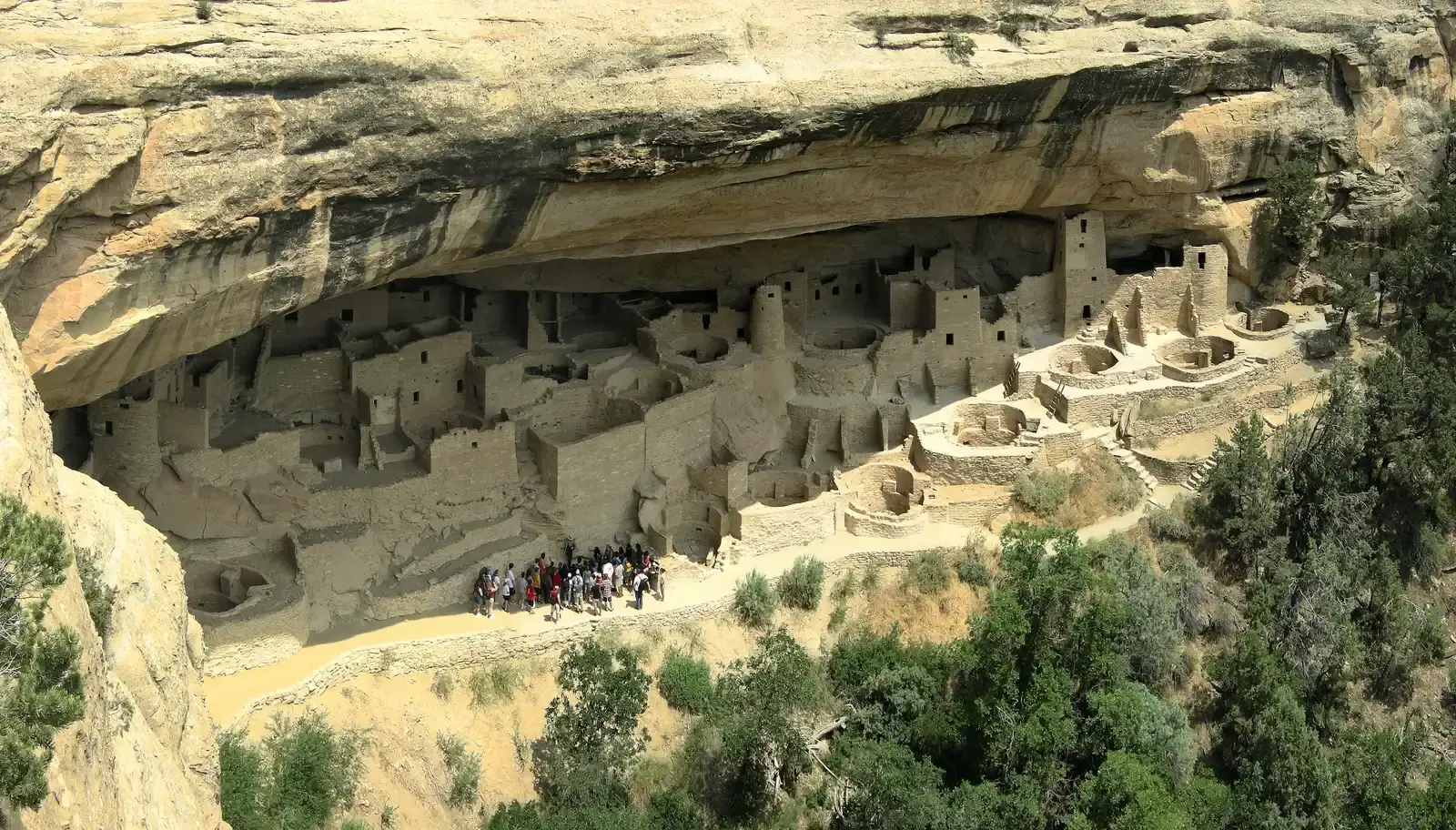
The more closely you look at Mesa Verde, the less it feels like some unsolved riddle and the more it looks like a story of courage, adaptation, and hard choices. These were people who learned to wring a living from a demanding landscape, who reengineered their communities when conditions changed, and who ultimately had the resolve to leave behind monumental homes when staying no longer made sense. The drama is real, but it is grounded in everyday human decisions rather than in myths. In my view, the most honest way to respect Mesa Verde is to stop romanticizing the cliffs as exotic ruins and start seeing them as what they are: evidence of families doing their best in tough circumstances, tied into wider networks and long histories that still matter today. Their story is not about vanishing – it is about moving, adapting, and carrying knowledge forward. When you look at those stone walls, maybe the real question is not why they left, but what similar choices we might have to face in our own changing world. Would we be as willing to walk away when the time comes?