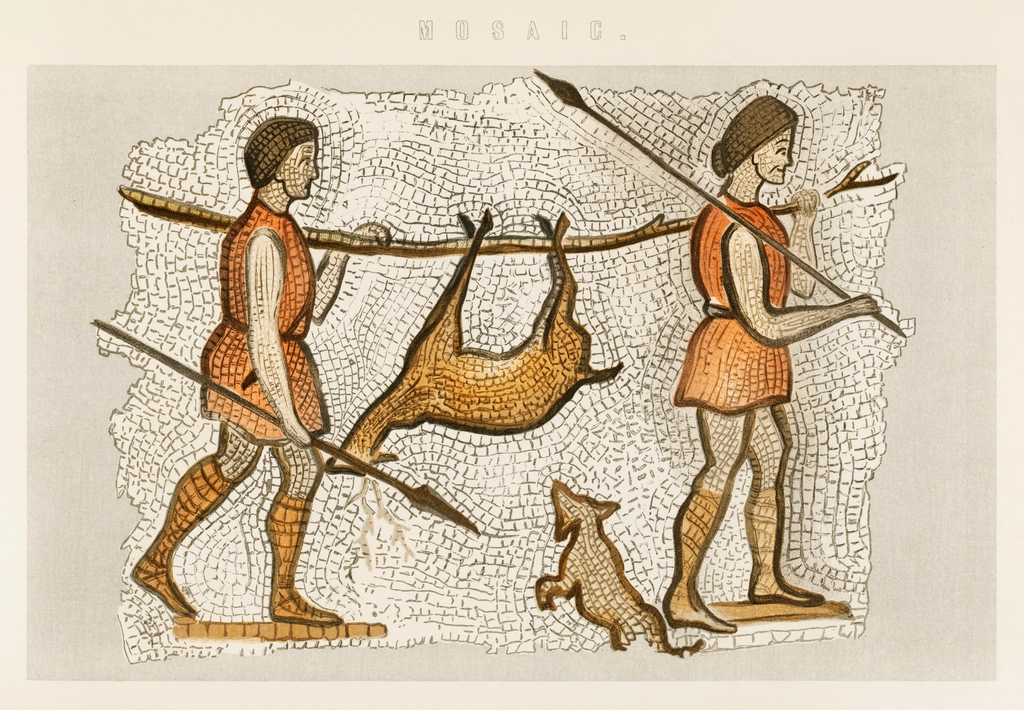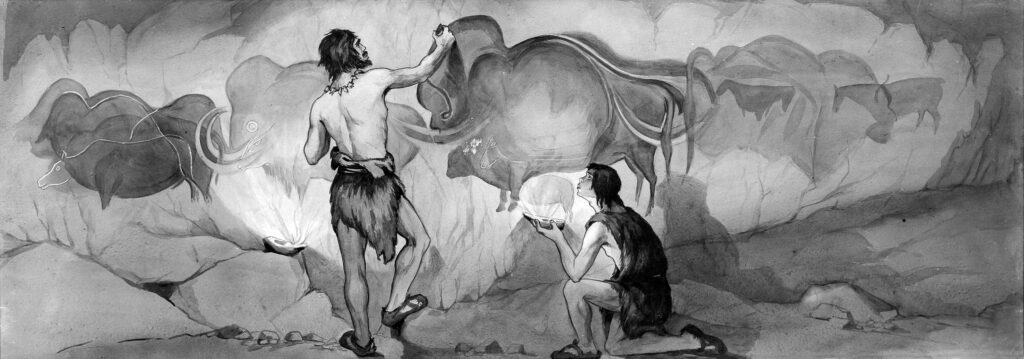
Walk into a Paleolithic cave and the air changes. The light from your headlamp hits ochre-red bison, ghostly handprints, twisting half-human creatures, and suddenly you’re face to face with minds that lived tens of thousands of years ago. They had no smartphones, no cities, no streaming platforms – but they had stories, symbols, and a burning need to put what they imagined on stone.
Ancient cave art is not just primitive decoration. It is one of the oldest surviving records of how humans think, dream, and make sense of the world. When you look closely, those animals and symbols start to feel strangely familiar, almost like early drafts of the way we still imagine today. Here are seven powerful things this art quietly – and why it might say more about us now than we expect.
1. We Have Always Turned Fear And Awe Into Stories
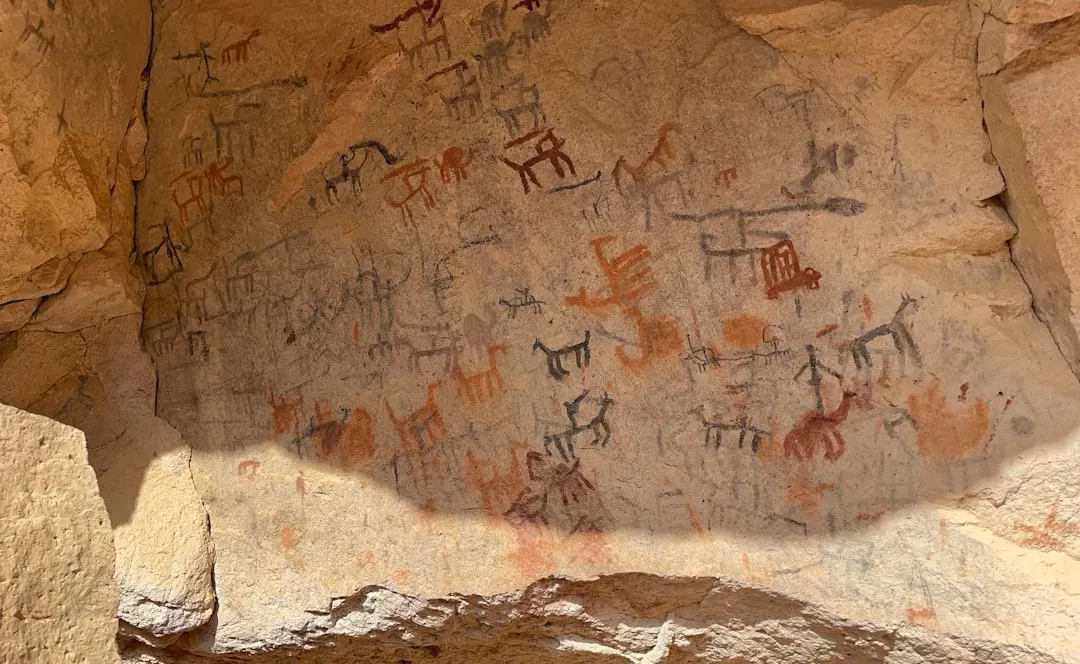
One of the most striking things about cave art is what is missing: you hardly ever see simple everyday objects like huts, tools, or piles of berries. Instead, the walls are full of huge animals, dangerous predators, and dramatic hunting scenes. That suggests early humans were compelled to paint the things that stirred strong emotions – fear, awe, hope – rather than the boring details of daily life.
This is imagination at work: transforming raw feelings into visual stories. A gigantic bison towering over a human is more than an animal; it becomes a symbol of power, risk, and survival. Even today, we turn our deepest fears into monster movies and thrillers, and our biggest hopes into heroic tales. Those ancient painters were doing the same thing, just with charcoal, ochre, and flickering firelight instead of cameras and special effects.
2. We Love To Blend Reality And Fantasy
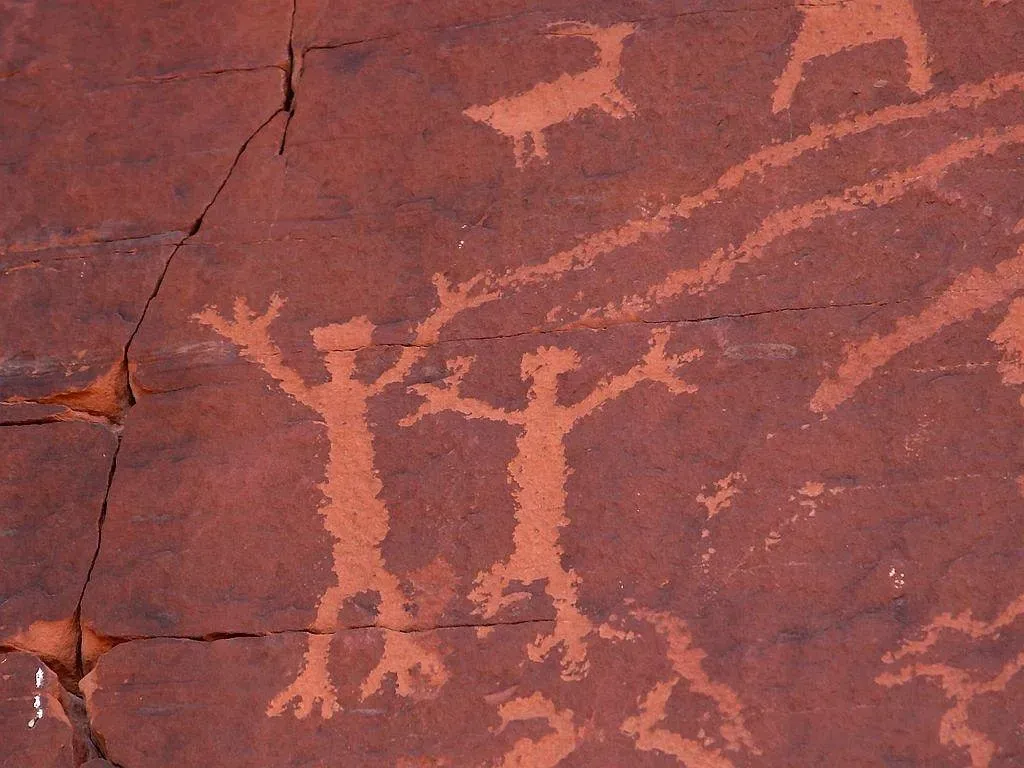
In several famous caves, you find creatures that don’t exist in nature: bodies of animals with oddly human features, or mixed forms that look half-man, half-beast. These so-called hybrid figures hint that early humans were not just copying what they saw; they were actively remixing reality in their minds. It takes a certain mental leap to imagine a being that has never walked the earth and then decide it’s important enough to paint on a sacred wall.
This blending of real and unreal is a hallmark of human imagination, and we still rely on it constantly. Think about how superheroes mix human emotions with impossible powers, or how fantasy worlds tweak the rules of physics just enough to feel magical. Those strange cave beings might have been spirits, gods, or simply mental experiments, but they show a cognitive move that feels very modern: “What if the world were a little different… and I could see it?”
3. We Use Symbols To Say More Than Pictures Alone Can
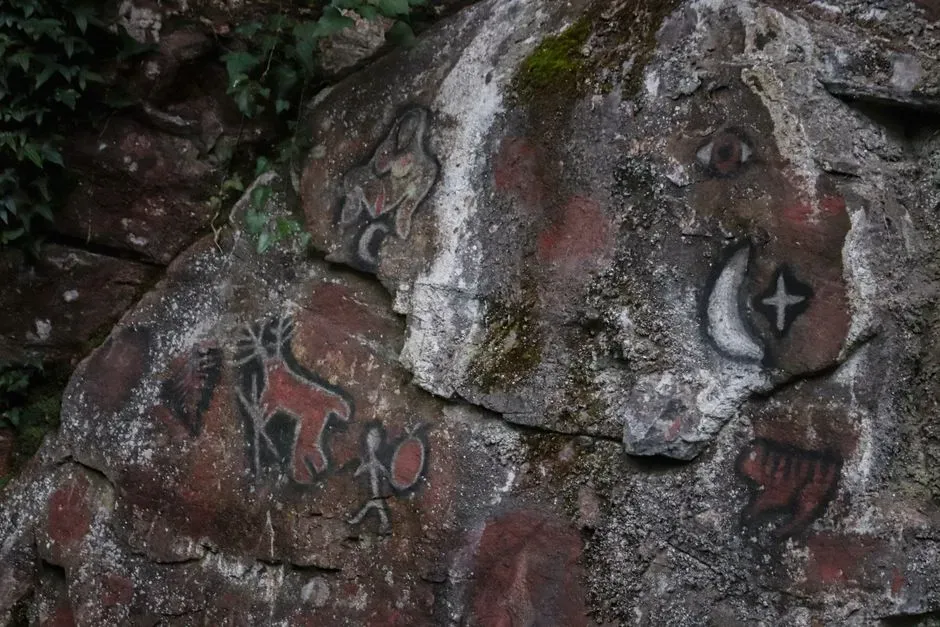
Alongside the animals, many caves contain dots, lines, zigzags, ladders, grids, and repeated abstract signs. They are not random doodles; the same signs show up again and again across distant sites, almost like a loose visual vocabulary. That suggests early humans were starting to use marks as symbols – shapes that stood for ideas, not just things. It is a small step on the timeline, but a massive leap in imagination.
When you invent a symbol, you are no longer limited to depicting what you can directly see. You can capture time, movement, rules, or invisible forces using a shorthand mark. Today, we do this with emojis, logos, traffic signs, and mathematical notation. Those clusters of dots under a painted horse might have stood for how many animals were seen, phases of the moon, or some ritual meaning we no longer understand, but the core move is familiar: compressing complex thought into a simple, repeatable sign.
4. We Think In Movement, Not Just Static Images
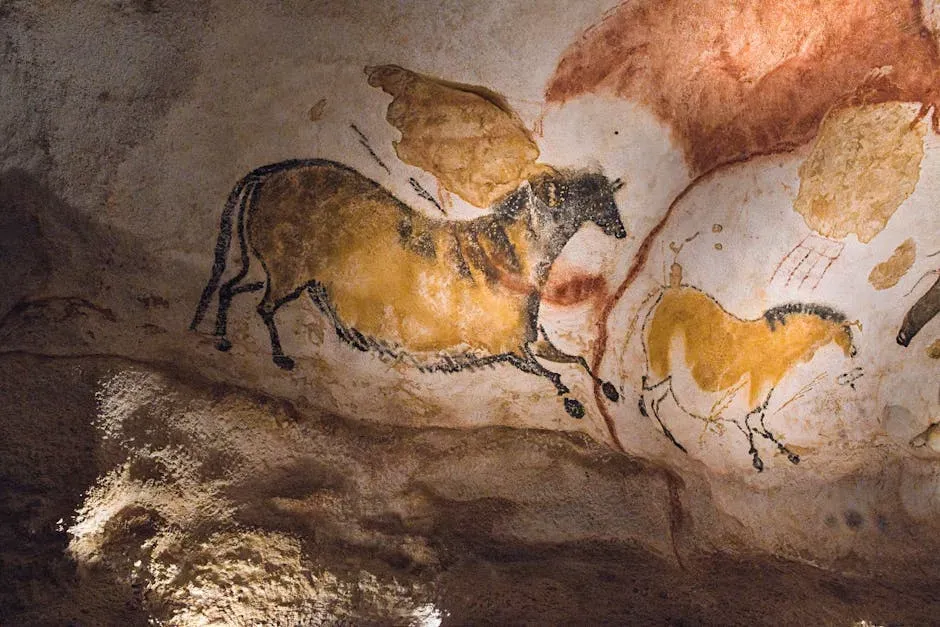
Many cave animals are drawn with multiple legs, repeated heads, or slightly shifted outlines, almost like frames from an early animation layered on top of each other. Under flickering torchlight, these overlapping lines might have seemed to move, giving the impression of a galloping horse or a charging bison. That means the artists were not just thinking, “What does a horse look like?” but “What does running feel like, and how can I show that on a flat wall?”
This desire to capture movement is a deeply imaginative act. It requires holding several moments in your mind at once and then compressing them into a single composite image. Today’s comic strips, flipbooks, and films all play with the same idea. When I first saw photos of those layered animal outlines, it felt oddly like looking at a freeze frame from a video – proof that even tens of thousands of years ago, people were trying to hack the brain’s sense of motion with clever visual tricks.
5. We Project Meaning Onto Landscapes And Sacred Spaces
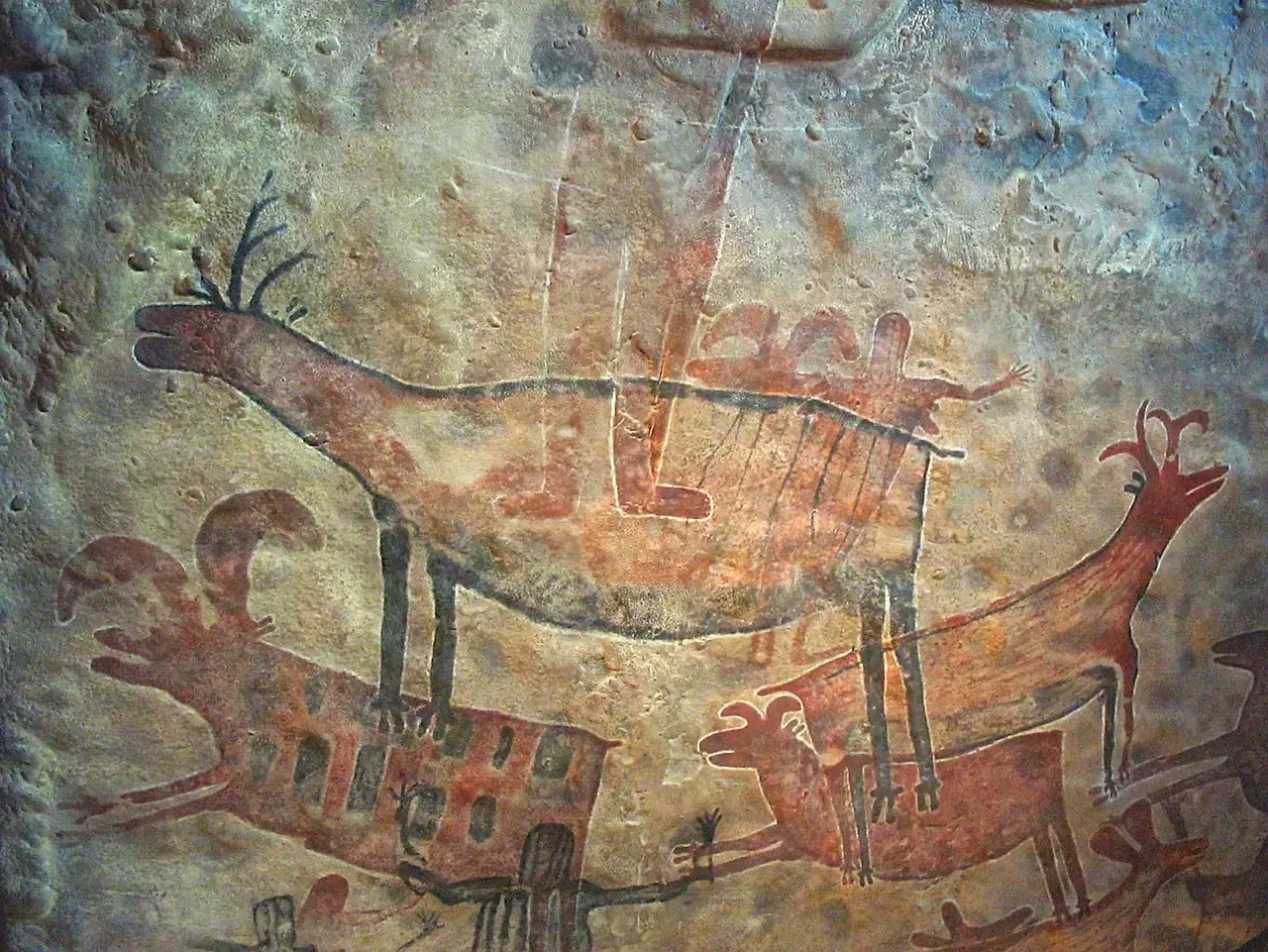
Cave art is rarely slapped on just any wall. The paintings and engravings are often placed deep inside labyrinth-like systems, in resonant chambers, on high ceilings, or on bulging rock surfaces that echo the shapes of the animals depicted. That suggests the artists were choosing spaces intentionally, responding to the cave’s natural forms and turning certain spots into meaningful, maybe even sacred, stages for their images.
This reveals an imaginative relationship with place. Humans are not content to move through a neutral landscape; we carve stories into it. A particular bend in a tunnel becomes the home of a spirit, a narrow passage becomes a symbolic gateway, a dome-like cavity becomes the sky. Today we still do this when we treat stadiums like cathedrals, attach legends to old trees, or get chills walking into a centuries-old building. The caves remind us that our minds have long been in the habit of draping invisible layers of meaning over physical spaces.
6. We Share Inner Worlds Through Collaborative Creativity
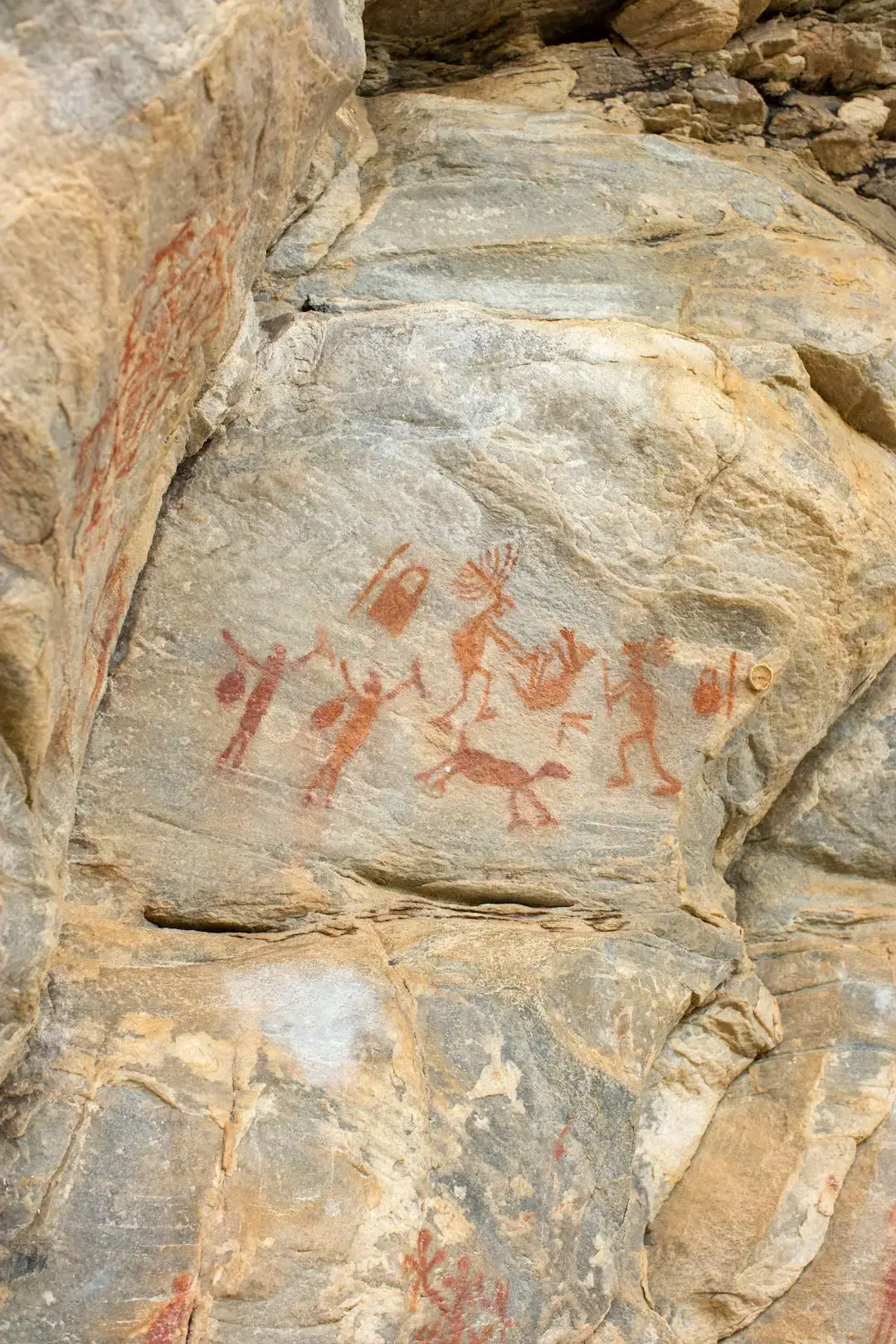
Most decorated caves were not made by a single artist working alone like a modern painter in a studio. Different painting styles, overlapping figures, and varied hand sizes suggest that multiple people, over generations, contributed to the same walls. This kind of long-term collaborative canvas implies a social imagination: groups of people agreeing, consciously or not, that this shared visual world is worth adding to and preserving.
By layering new images near old ones, they were in a sense having a visual conversation across time. A new animal added beside an older one might echo, challenge, or expand its meaning. Today, you see something similar in street art walls where different painters riff on each other’s work, or in online spaces where memes evolve as people reuse and modify them. Cave art shows that the human urge to sync up our inner worlds and co-create shared symbols is far older than any modern platform.
7. We Reach Beyond The Visible Toward The Mysterious
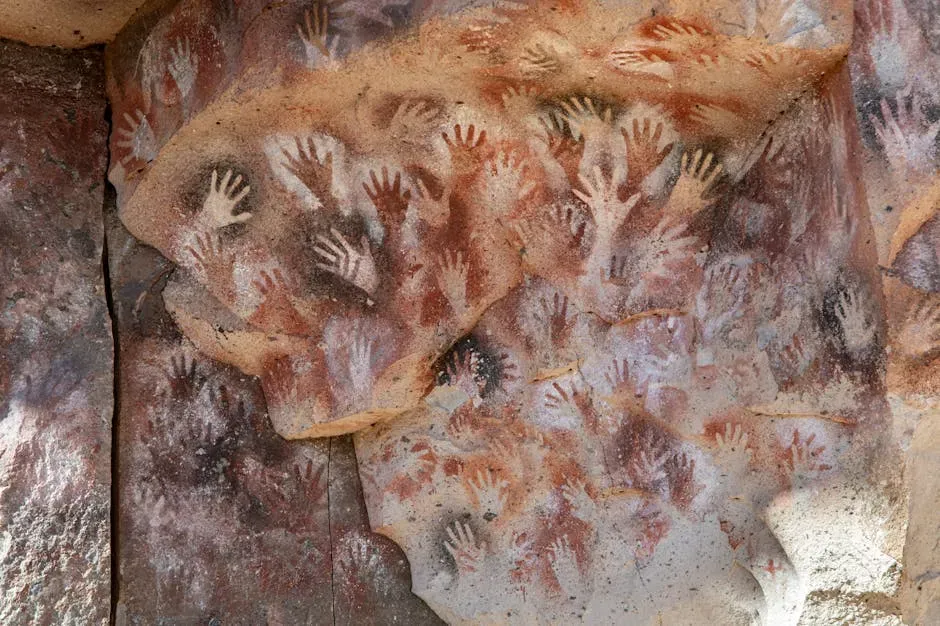
Some of the most puzzling aspects of cave art are the hand stencils, enigmatic marks tucked into hard-to-reach niches, and images hidden in places where almost no daylight could penetrate. Crawling through tight passages to leave a handprint that barely anyone would see is not a practical act; it is a symbolic one. It suggests a desire to connect with something beyond ordinary experience, whether that meant spirits, ancestors, or an unseen realm they could sense but not prove.
This reaching beyond the visible is a core feature of human imagination. We are constantly drawn to what we cannot quite see or fully understand – from ghost stories to black holes to hypothetical alien life. Personally, I find those faded handprints some of the most moving images on earth. They feel like someone saying, across an unfathomable gulf of time, “I was here, and I sensed there was more to reality than what my eyes could show.” That instinct is still very much alive in us.
Conclusion: Cave Walls As Mirrors Of The Modern Mind
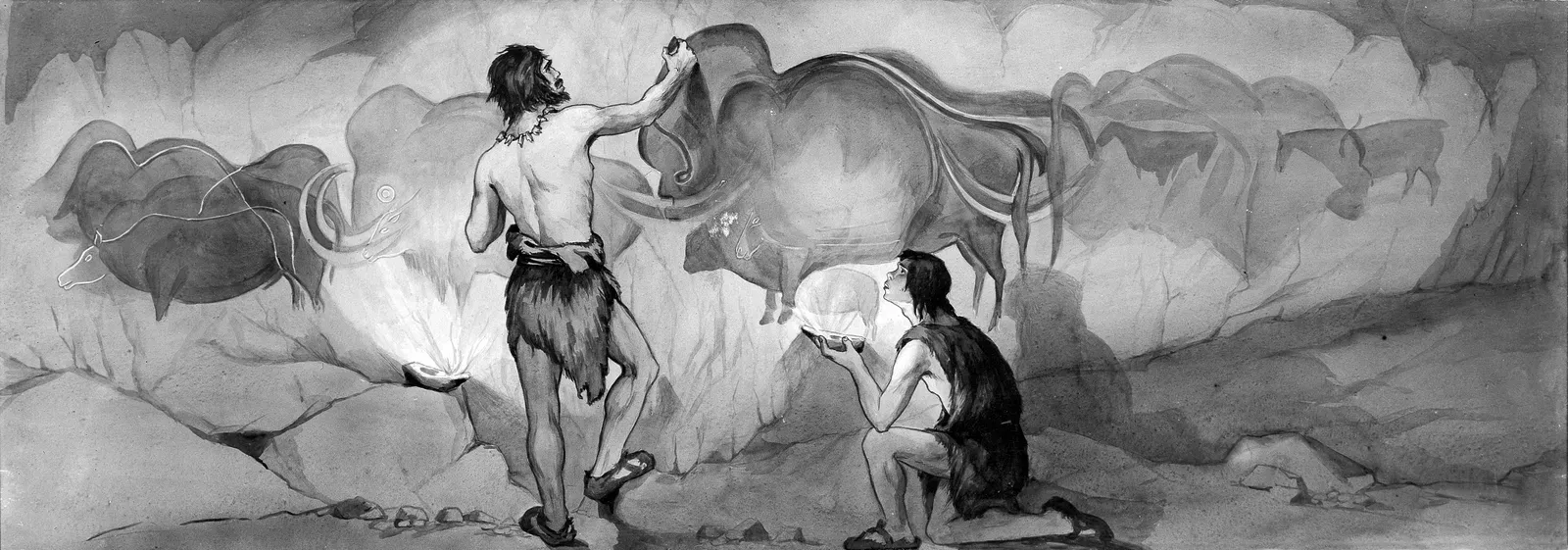
When you step back from the details, ancient cave art stops feeling like relics from a strange, distant species and starts looking like an early mirror of ourselves. The same impulses that drive our movies, games, rituals, and social feeds – the urge to dramatize fear, blend fantasy with reality, invent symbols, simulate movement, sanctify places, collaborate creatively, and probe the unknown – are all already there in charcoal on stone. For me, that is both humbling and a little bit unsettling, because it means our mental wiring has been remarkably consistent for a very long time.
My opinion is that we underestimate just how sophisticated those early imaginations were, maybe because it is comforting to think of ourselves as far more advanced. But stand in front of a Paleolithic horse outlined with a grace most of us could not replicate, painted in a chamber chosen for its echo and darkness, and that illusion starts to crack. The gap between us and them shrinks, and what remains is a continuous human story of minds trying to make sense of being alive. Next time you scroll past a striking image online, it might be worth asking: at heart, is this really so different from a bison on a cave wall?