Most people assume the deadliest hunters in North American history were dinosaurs, full stop. But the fossil record tells a wilder story – the same continent that produced Tyrannosaurus rex also bred bone-crushing “hell pigs,” 12-foot bears that could allegedly outrun a horse, and a crocodile so massive it regularly dragged dinosaurs underwater for lunch.
Paleontologists have spent over a century piecing together this violent timeline, and the deeper they dig, the stranger the cast of killers gets. Here’s what the fossil evidence actually says about the 13 most terrifying predators to ever stalk this land – starting with one that isn’t even the pig it’s named after.
#13 – Daeodon: The “Hell Pig” That Wasn’t Even a Pig
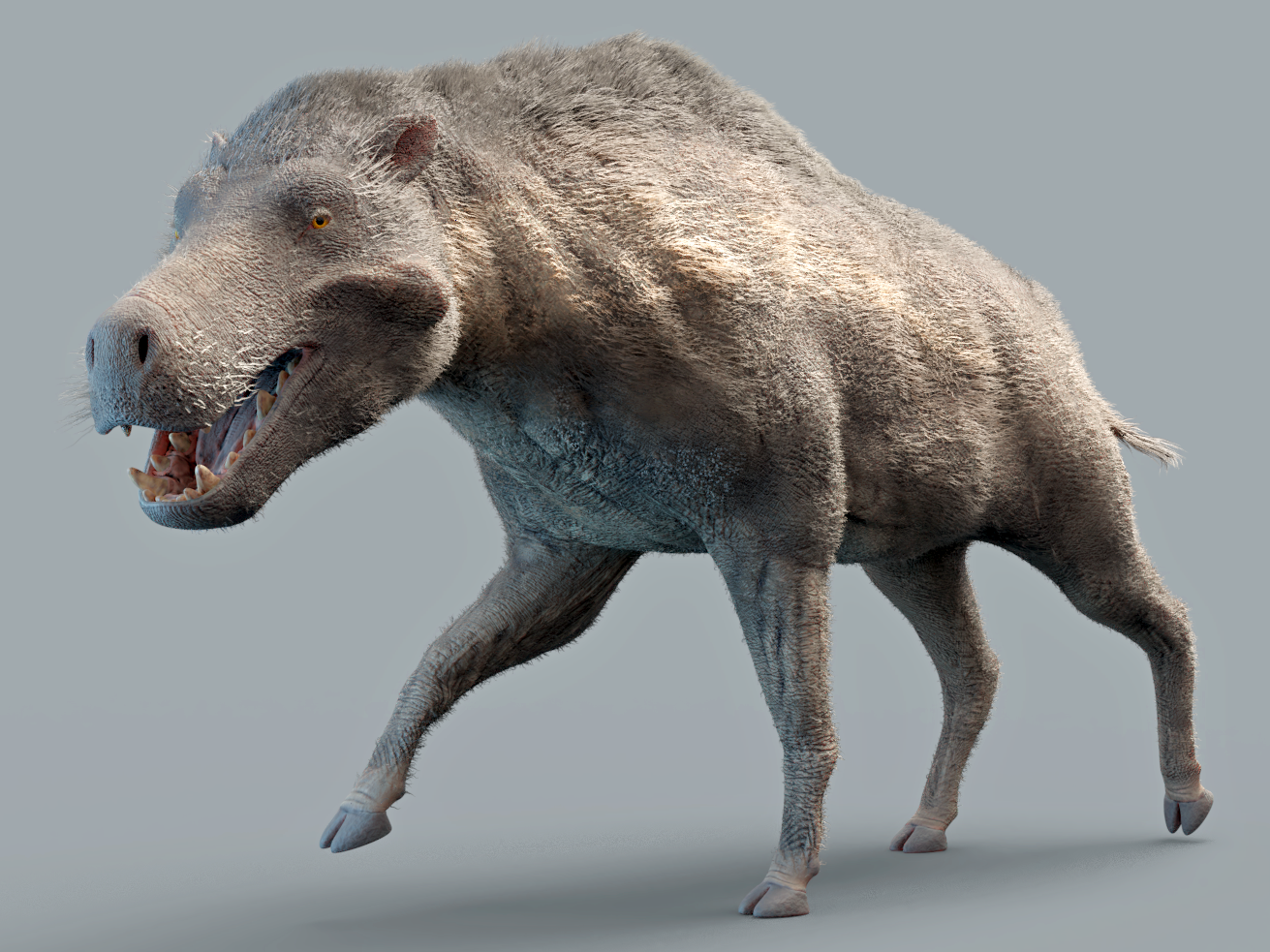
Most people picture ancient pigs as slow, harmless foragers. Daeodon obliterates that assumption entirely. Despite the nickname, it’s classified as an artiodactyl rather than a true pig, and museums are quick to stress that distinction – but nobody who saw one alive would have cared about the taxonomy.
This giant could reach over six feet tall at the shoulder and weigh up to 2,000 pounds, with a skull nearly three feet long lined with teeth built to crush almost anything. That’s bigger than most modern bison, wandering Miocene Nebraska with a face shaped like a battering ram. Scientists still argue over whether Daeodon actively hunted or simply terrorized other predators off their kills – bite marks on other skulls suggest either brute-force killing or straight-up bullying. Either way, nothing on the plains wanted to run into it.
#12 – Titanis Walleri: The Terror Bird That Invaded Before the Bridge Existed
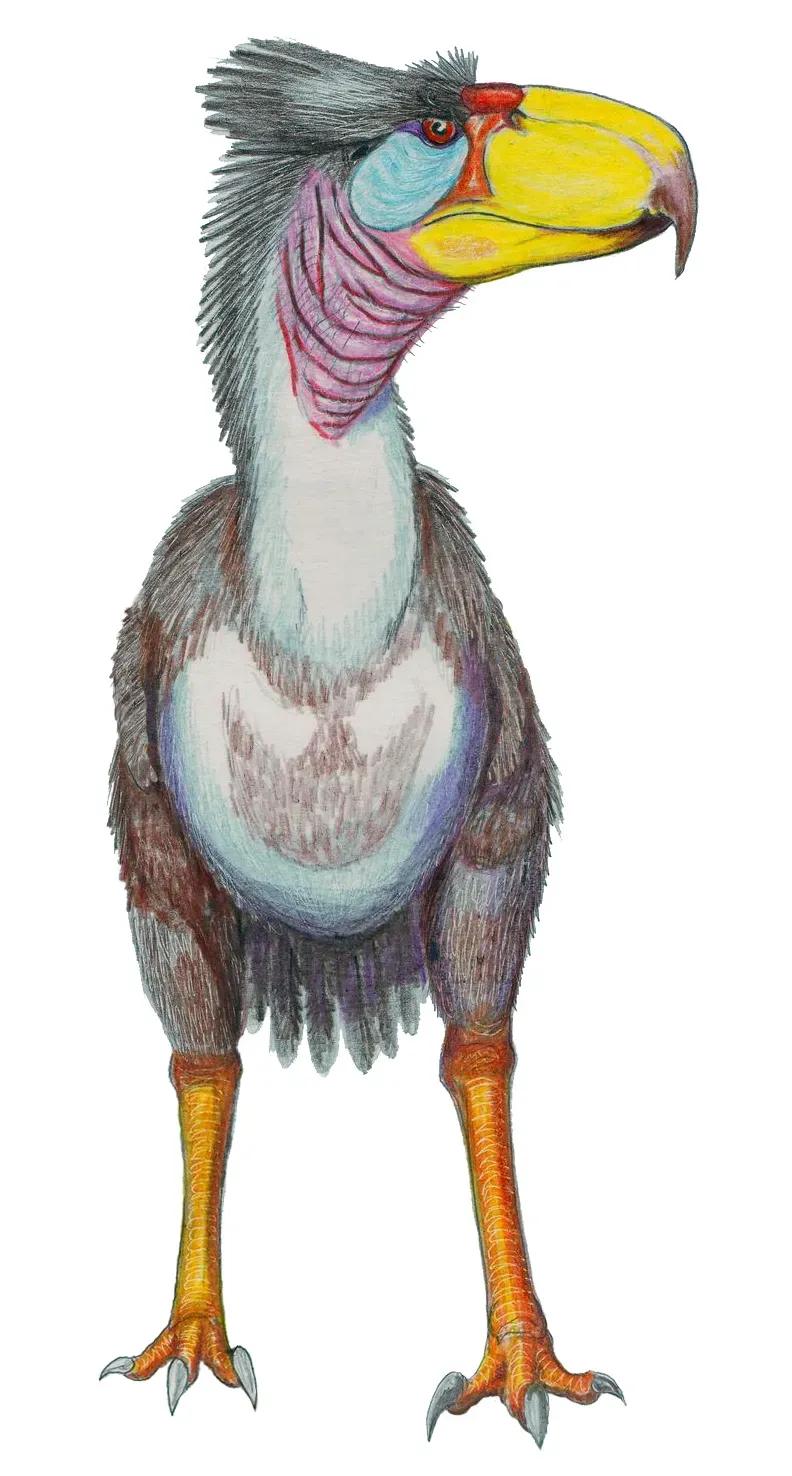
A flightless, seven-foot predator with a hooked bill sounds like fiction. It’s not. Titanis belonged to the phorusrhacid family – the so-called terror birds – which had already dominated South America for millions of years before pushing north into what’s now the United States.
Here’s where it gets genuinely strange: most textbooks assumed Titanis simply walked across the Isthmus of Panama once the land bridge formed. New research says otherwise. Evidence now suggests this carnivorous terror bird arrived in North America several million years before that bridge existed – meaning it was swimming, island-hopping, or crossing narrow straits long before anyone expected. That single detail quietly rewrote a chunk of the continent’s migration timeline.
#11 – Deinosuchus: The Crocodile That Ate Tyrannosaurs’ Cousins
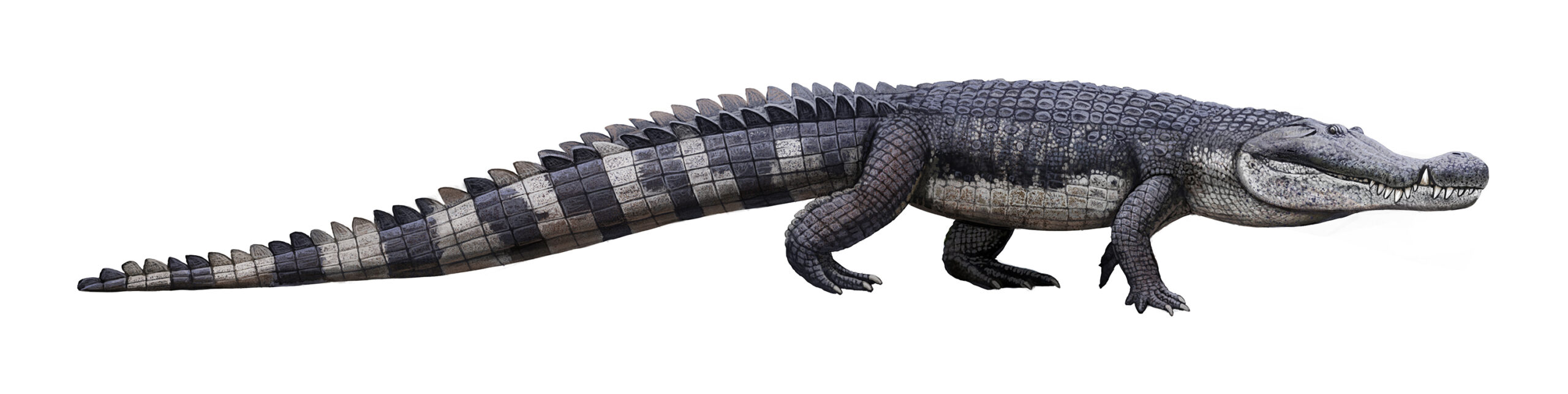
Forget everything you know about crocodiles – this one hunted dinosaurs as a regular meal. The largest individuals stretched to an estimated 10.6 meters, with body mass estimates ranging from 2,500 to 8,500 kilograms. That’s a school-bus-length reptile lurking in Late Cretaceous rivers and estuaries, ambushing anything unlucky enough to wander too close to the water.
Its jaws weren’t just big, they were mechanically superior. Deinosuchus is thought to have had a bite force that actually surpassed T. rex’s, and it likely preyed on dinosaurs directly rather than scavenging carcasses. Bite marks found on hadrosaur and even tyrannosauroid bones back that up – this thing was dragging dinosaurs into the water and drowning them. A crocodile out-biting T. rex sounds absurd until the fossils force you to accept it.
Fast Facts
- Length: up to roughly 35 feet (10.6 meters), rivaling a school bus
- Weight: estimated between 2,500 and 8,500 kilograms
- Era: Late Cretaceous, prowling rivers and estuaries alongside dinosaurs
- Diet: hadrosaurs, turtles, and occasionally young tyrannosauroids
- Bite force: believed to have exceeded T. rex’s own crushing power
#10 – Miracinonyx: North America’s Forgotten Cheetah
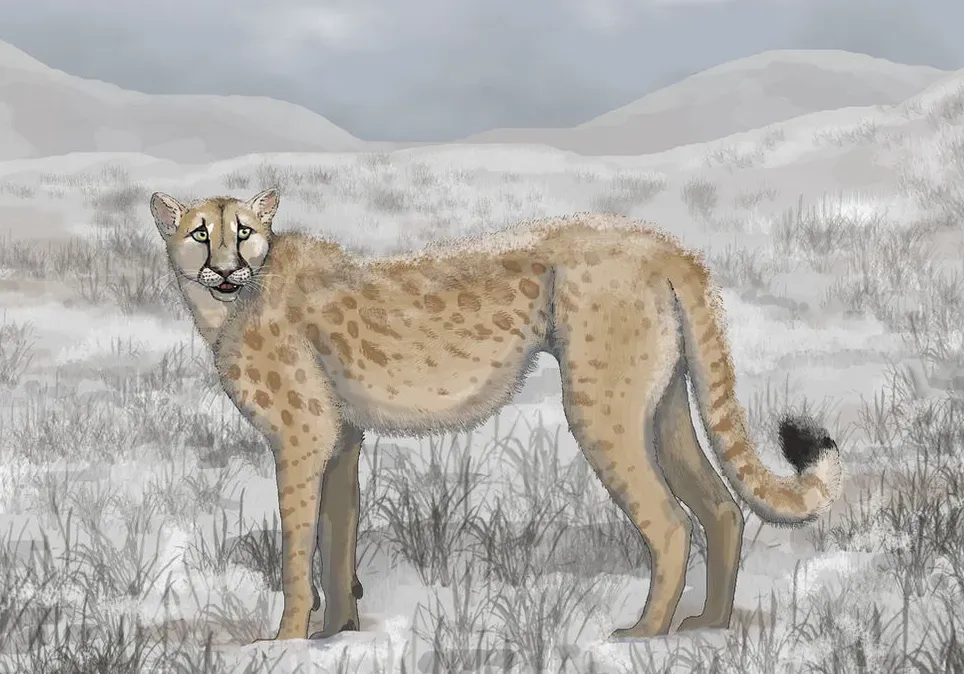
Everyone assumes cheetahs are strictly an African animal. North America had its own version, and it quietly reshaped an entire prey species that still runs among us today. Miracinonyx – the “American cheetah” – evolved a lightweight skull, enlarged nasal passages, and long limbs strikingly similar to modern African cheetahs, despite being more closely related to cougars.
That’s convergent evolution in its purest form: two unrelated animals independently arriving at the same body plan to solve the same problem. Most researchers believe its main prey was the pronghorn antelope, and pronghorns today can still sprint far faster than any living North American predator requires. Biologists widely suspect that blistering speed is a leftover survival trait from millennia of being chased by a predator that’s been extinct for 12,000 years – a strange kind of immortality, even if some paleontologists still debate exactly how “cheetah-like” its hunting style really was.
#9 – Dakotaraptor: The Sickle-Clawed Killer Living Alongside T. Rex
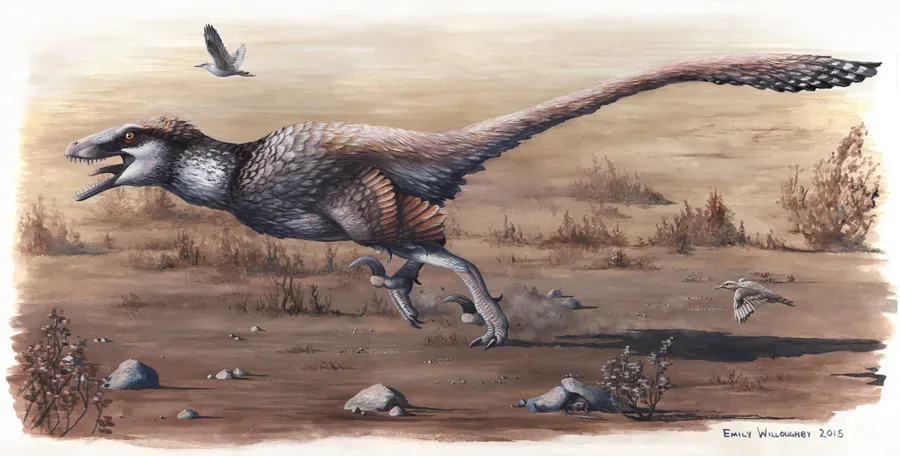
Most people think of Velociraptor when they picture a raptor. Dakotaraptor was considerably bigger, and it lived right in T. rex’s own backyard. Unearthed from South Dakota’s Hell Creek Formation – the same rock layer that produced T. rex itself – it stretched roughly 5.5 meters long, making it one of the largest dromaeosaurids ever found in North America.
This wasn’t a pack-hunting movie raptor. It was built more like a solo enforcer, armed with an oversized sickle claw on each foot capable of opening deep wounds. Fossil evidence also revealed quill knob attachments on the forearm bones, strongly suggesting Dakotaraptor was covered in feathers, just like its smaller cousins. Picture a feathered, six-foot-tall killer stalking the same swamps as juvenile tyrannosaurs – that’s the real Late Cretaceous, not the scaly wasteland pop culture usually sells you.
#8 – Allosaurus: The Jurassic Apex Predator Everyone Underrates
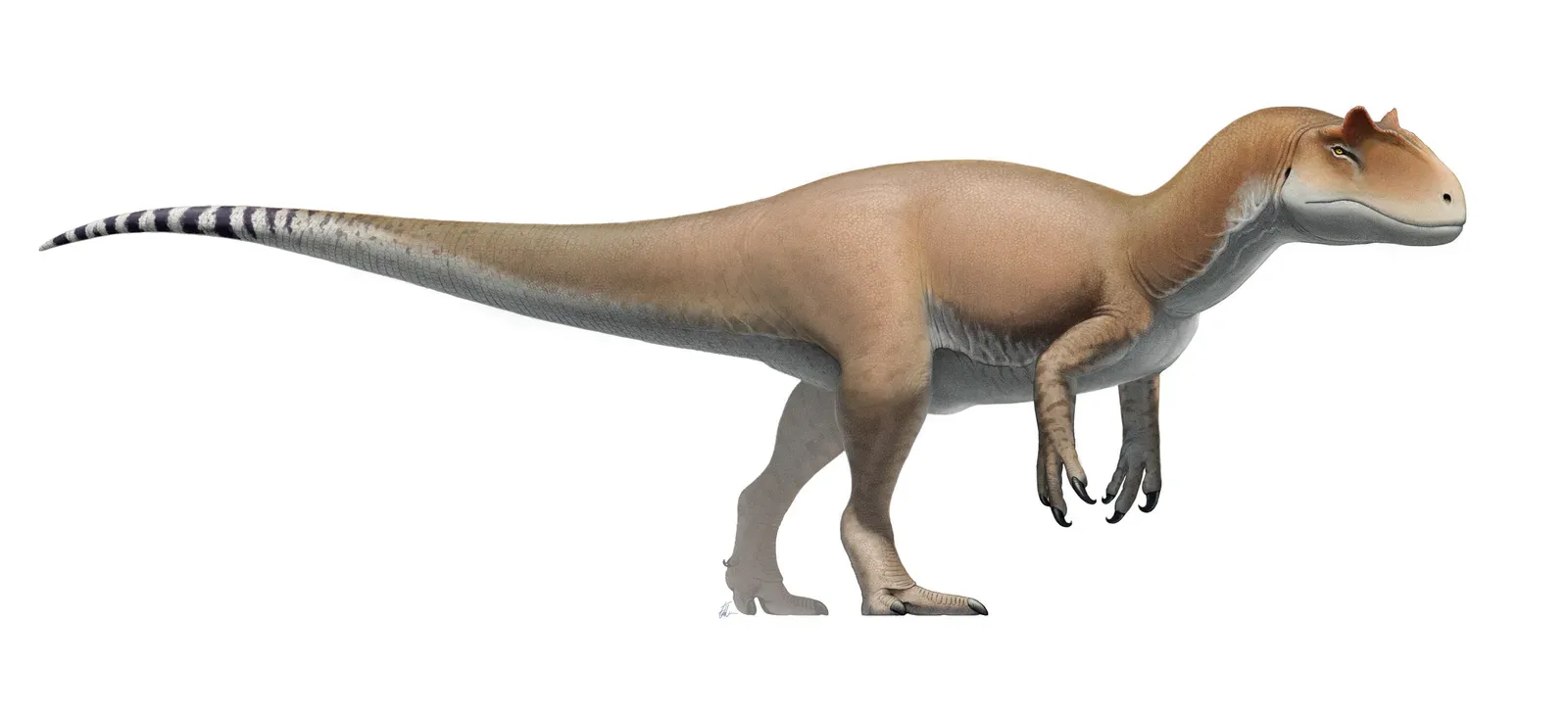
Long before T. rex existed, Allosaurus ruled North America with a completely different killing style. Roaming the Morrison Formation roughly 155 to 145 million years ago, it was leaner and faster than later tyrannosaurs, with blade-like serrated teeth built for slicing flesh rather than crushing bone straight through.
Its skull carried distinctive brow ridges that give it a permanently aggressive look in every museum reconstruction, though scientists still debate what those ridges were actually for. The bigger controversy is how it hunted: some bonebed sites packed with multiple Allosaurus individuals around single sauropod carcasses have fueled pack-hunting theories, while other researchers argue it’s just opportunistic scavenging chaos. Whatever the answer, this animal owned the top of the food chain for millions of years before anything resembling T. rex ever showed up.
#7 – Homotherium: The Scimitar Cat Built for Marathon Hunts
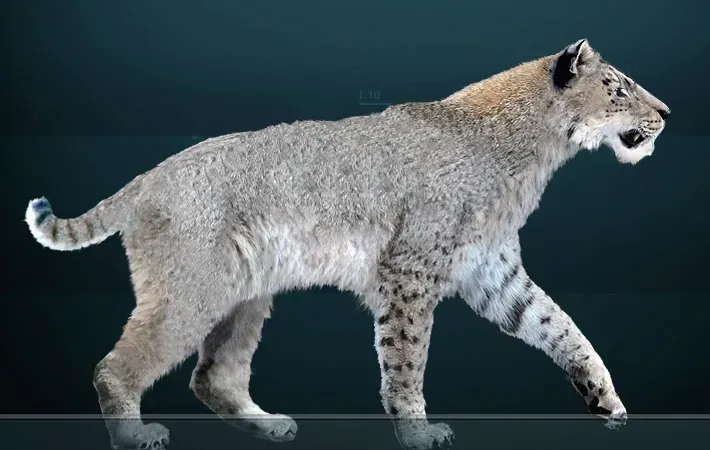
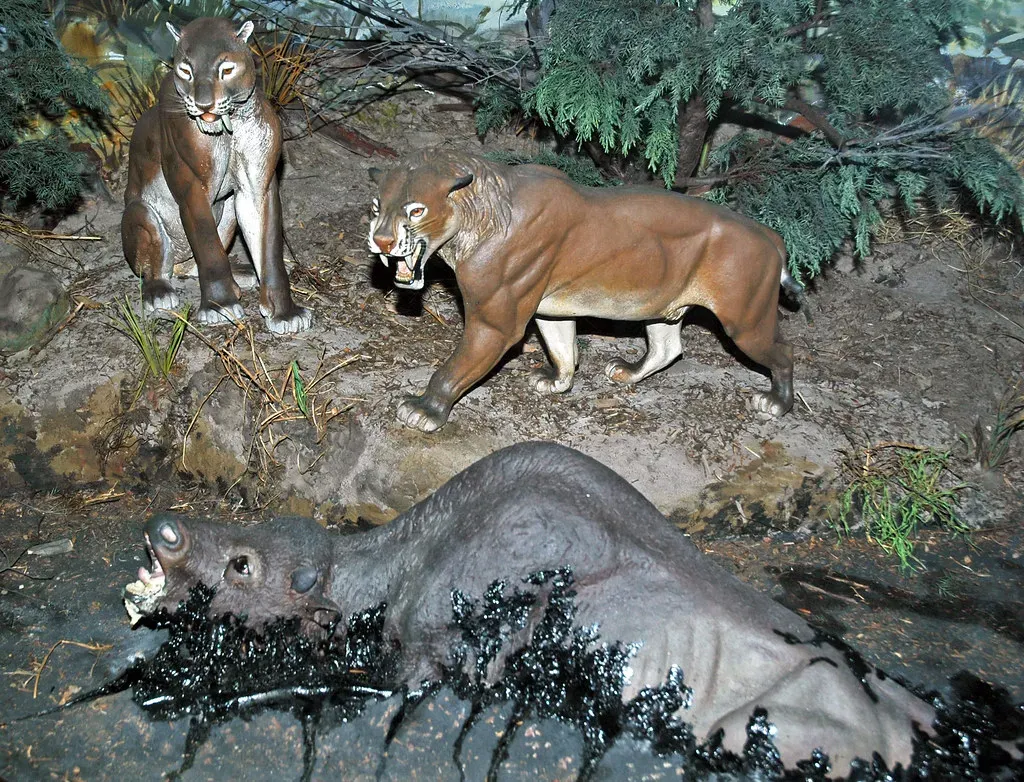
Everyone pictures saber-toothed cats as ambush specialists lying in wait. Homotherium flips that script entirely. Unlike the stocky, powerfully built Smilodon, it had noticeably longer legs and a leaner frame – an animal built for endurance running, not short violent bursts from cover.
Even its saber teeth tell a different story: shorter and more curved than Smilodon’s, more like serrated slicing blades than daggers. The strongest evidence for its lifestyle comes from Friesenhahn Cave in Texas, where researchers found dozens of juvenile mammoth remains alongside Homotherium fossils. That concentration suggests a cat that specialized in hunting young mammoths, possibly working in groups to take down prey many times its own size – a far cry from the solitary ambush predator most people picture when they hear “saber-tooth.”
Quick Compare
- Build: Homotherium was lean and long-legged for endurance chases; Smilodon was stocky and powerful for close-range ambush
- Teeth: Homotherium’s sabers were short, curved slicing blades; Smilodon’s canines were long daggers, sometimes seven inches
- Hunting style: Homotherium likely pursued prey over distance, possibly in groups; Smilodon pinned prey with brute strength before one killing bite
- Range: Homotherium spread across Eurasia and the Americas; Smilodon stayed largely confined to the Americas
#6 – Arctodus Simus: The Short-Faced Bear Built Like a Sprinter
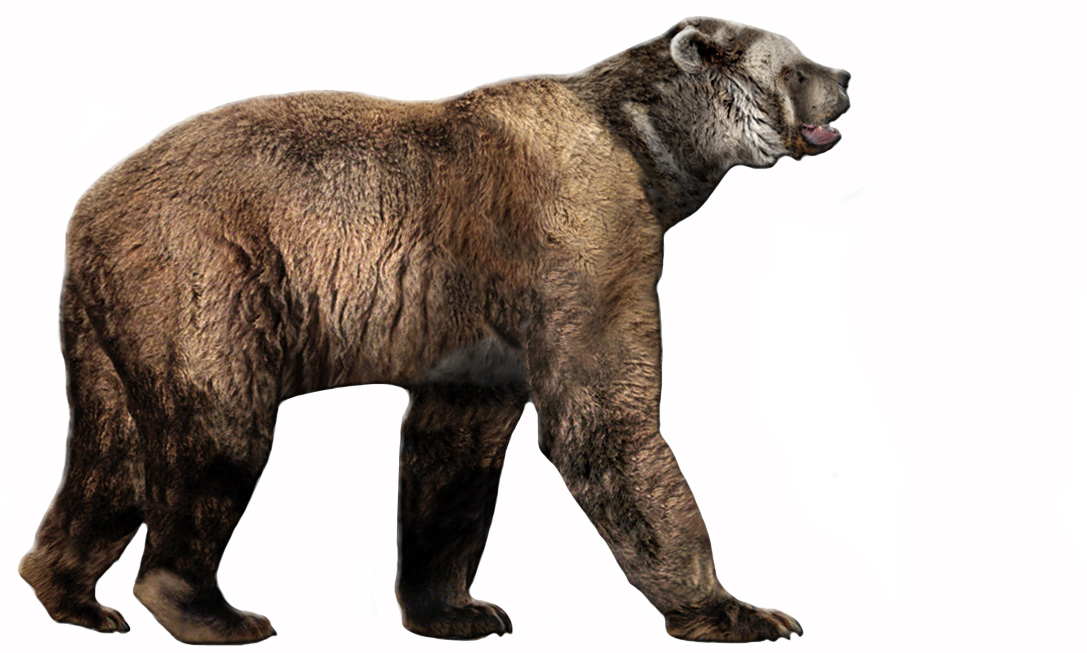
Most people assume all Ice Age bears were slow, lumbering giants. Arctodus simus may have been the fastest bear that ever lived. It was the largest mammalian land carnivore ever recorded in North America, standing over 11 feet tall on its hind legs and sharing its world with giant ground sloths and mammoths from 1.6 million years ago until roughly 11,000 years ago.
Its build is what really sets it apart. Rangier and longer-legged than any bear alive today, it stood about five feet at the shoulder on all fours and may have been capable of running over 40 miles per hour – despite weighing more than 1,500 pounds. That speed fuels one of paleontology’s most heated debates: was Arctodus a hyper-carnivorous hunter, or mostly a scavenger muscling in on other predators’ kills using pure size? A widely cited 2010 paper literally set out to “demythologize” the bear’s predatory reputation. Either way, this was not an animal you wanted running toward you.
#5 – Dire Wolves: The Pack Hunters Everyone Thinks They Know
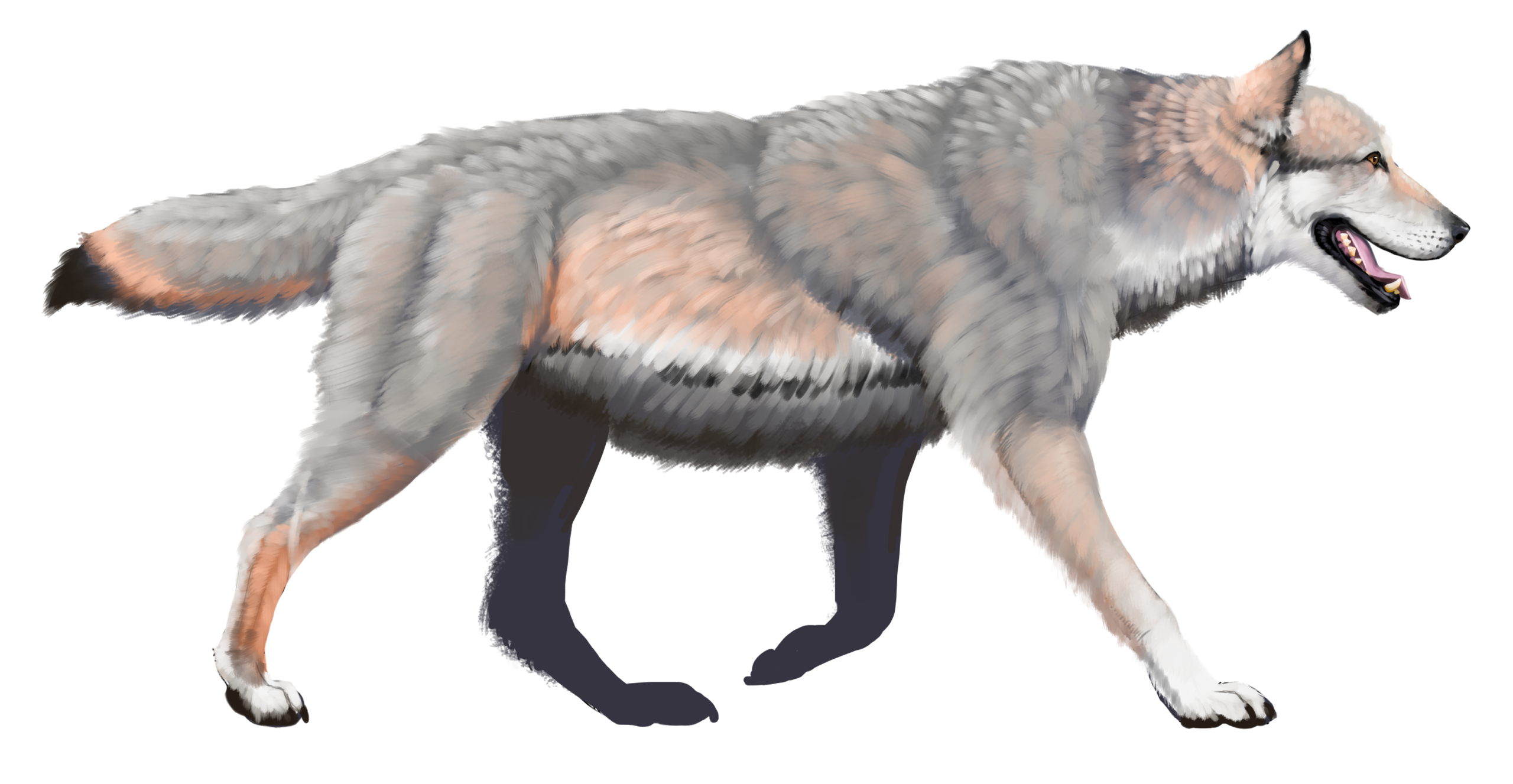
Thanks to pop culture, everyone thinks they understand dire wolves. Most of what people believe is actually wrong. They weren’t simply oversized gray wolves – they were noticeably more robust, with heavier skulls, more powerful bone-crushing jaw muscles, and shorter legs built for raw power rather than long-distance speed.
Thousands of specimens have been pulled from the La Brea Tar Pits in Los Angeles, often found tangled in the same deposits as saber-toothed cats and short-faced bears – proof of a brutally competitive predator community. Here’s the genuinely controversial part: recent ancient-DNA research revealed dire wolves aren’t nearly as closely related to modern gray wolves as their appearance suggests. They split off as a distinct lineage millions of years earlier, a finding that upended decades of assumed wolf family trees and is exactly why headline-grabbing “de-extinction” claims deserve serious skepticism.
Worth Knowing
- More than 3,600 individual dire wolves have been pulled from the La Brea Tar Pits alone, making them the most common mammal found there
- Roughly 400 dire wolf skulls make up the museum’s iconic Dire Wolf Wall display
- A 2021 genetic study was significant enough to push researchers toward reclassifying dire wolves into their own genus, separate from true wolves
- They likely hunted in coordinated packs, taking down large herbivores like ancient bison and horses
#4 – American Lion: The Biggest Cat That Wasn’t Really a Lion
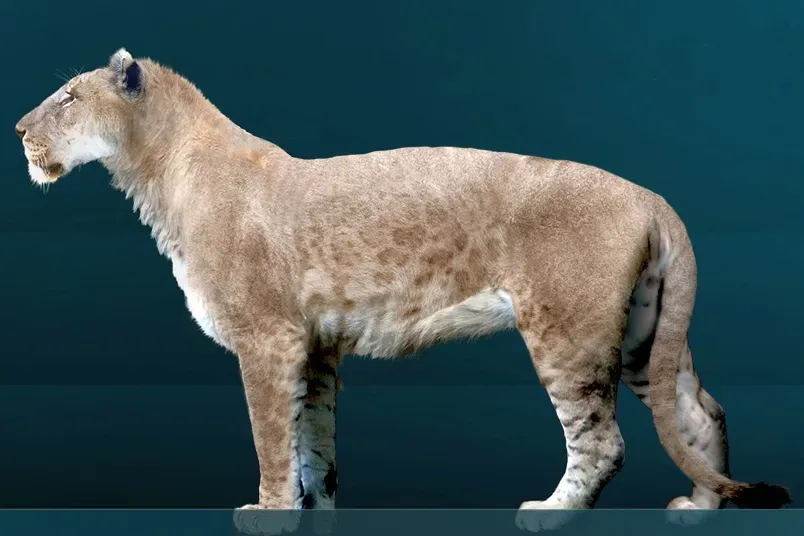
Most people assume the American lion was simply a bigger version of the African lion. Genetically, that’s not quite accurate. Panthera atrox is widely considered the largest true cat species that ever existed, with size estimates putting it around 25% larger than modern African lions.
Despite the name and the maned-lion imagery in popular reconstructions, genetic and anatomical studies increasingly place it as a giant, distinct branch of the Panthera lineage rather than a direct lion subspecies. “American lion” is really just a convenient nickname. Fossils from the La Brea Tar Pits show a formidable solitary hunter with longer limbs than African lions, likely relying on ambush tactics across open Ice Age grasslands – a detail museum placards rarely have room to explain.
#3 – Acrocanthosaurus: The Ridge-Backed Killer Before T. Rex
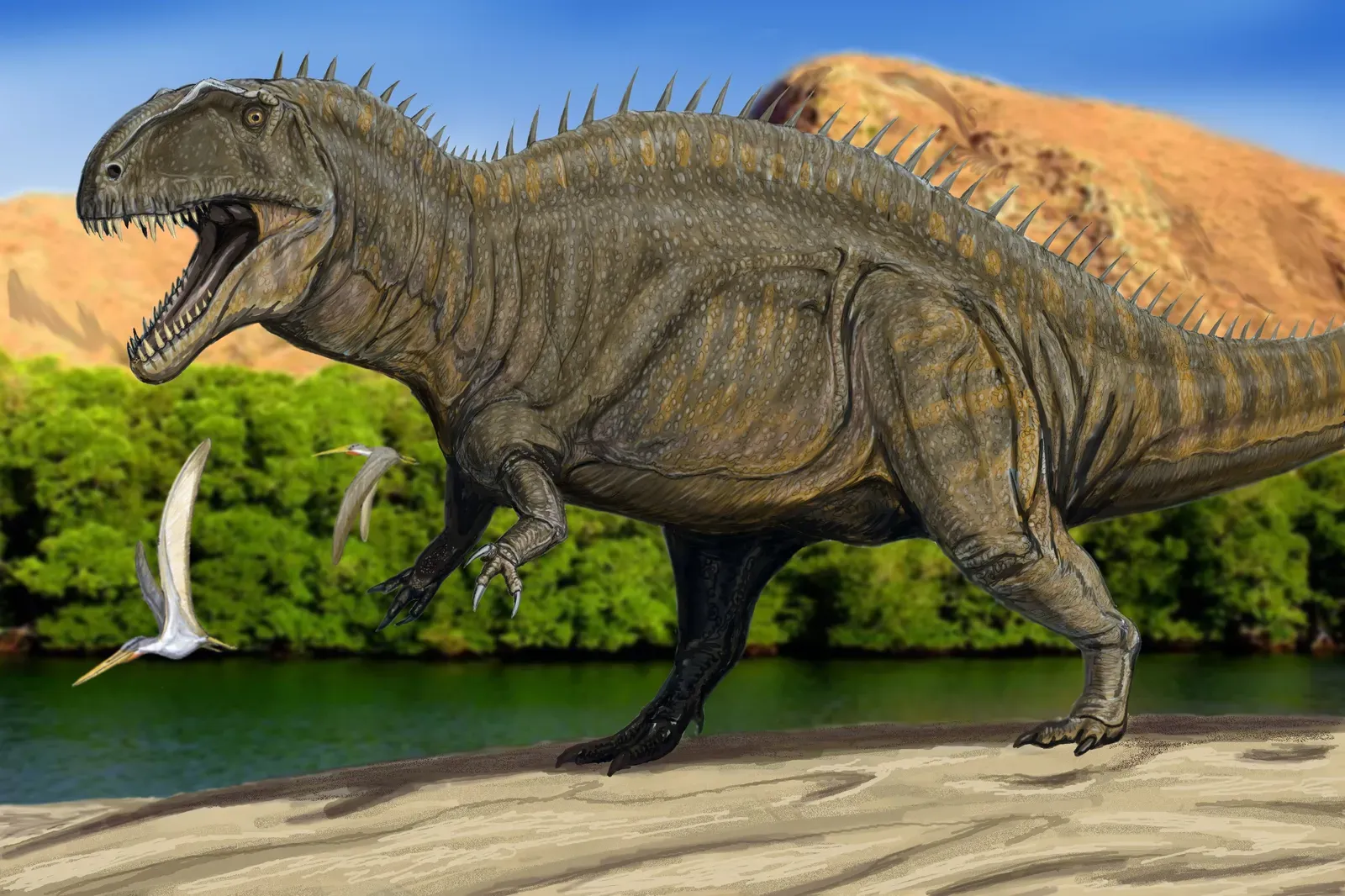
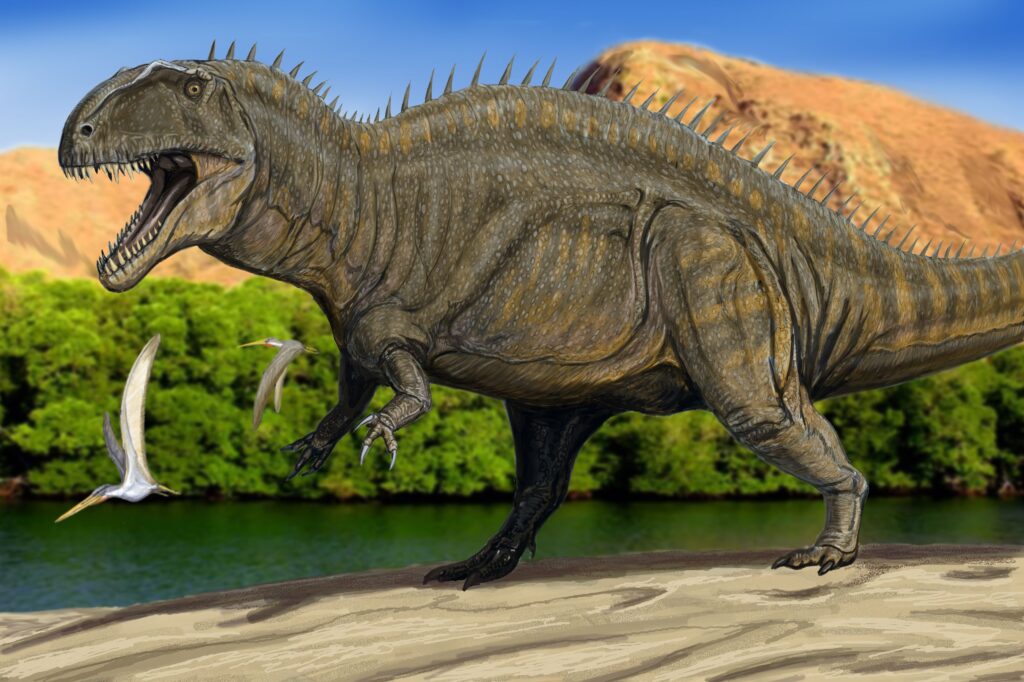
Long before Tyrannosaurus existed, this spine-ridged predator ruled Early Cretaceous North America with an entirely different body plan. Acrocanthosaurus prowled what’s now Texas and Oklahoma roughly 113 million years ago, distinguished by tall neural spines running along its back that likely supported a muscular ridge unlike anything seen in later tyrannosaurs.
It was closely related to the African and South American carcharodontosaurs – giant blade-toothed predators built for slashing rather than crushing. The best evidence for how it hunted comes from fossilized trackways along Texas’s Paluxy River, where large theropod footprints appear alongside sauropod tracks in patterns some researchers read as active pursuit. If that interpretation holds, Acrocanthosaurus was tackling prey many times its size decades before T. rex ever evolved a similar role – proof North America had multiple “kings” long before the most famous one showed up.
#2 – Smilodon: The Saber-Tooth Everyone Thinks They Understand
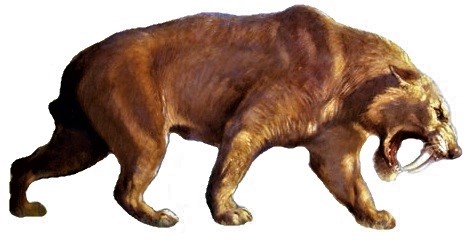
Smilodon is the most famous prehistoric predator in North America, and most people still get its hunting style wrong. Its canine teeth, sometimes reaching seven inches long, weren’t designed for a crushing bite like a modern lion’s. Instead, Smilodon relied on powerful forelimbs and shoulders to pin large prey completely still before delivering one precise, deep bite to the throat or belly.
Here’s the detail that surprises most people: despite those enormous canines, Smilodon’s actual bite force was measurably weaker than a modern lion’s. The killing power came from technique and upper-body strength, not raw jaw pressure. Healed injuries found on multiple skeletons also suggest some individuals survived severe wounds long enough to recover – evidence increasingly cited as proof of social, pack-like behavior rather than the solitary hunter of old textbooks.
#1 – Tyrannosaurus Rex: The Predator That Still Divides Scientists
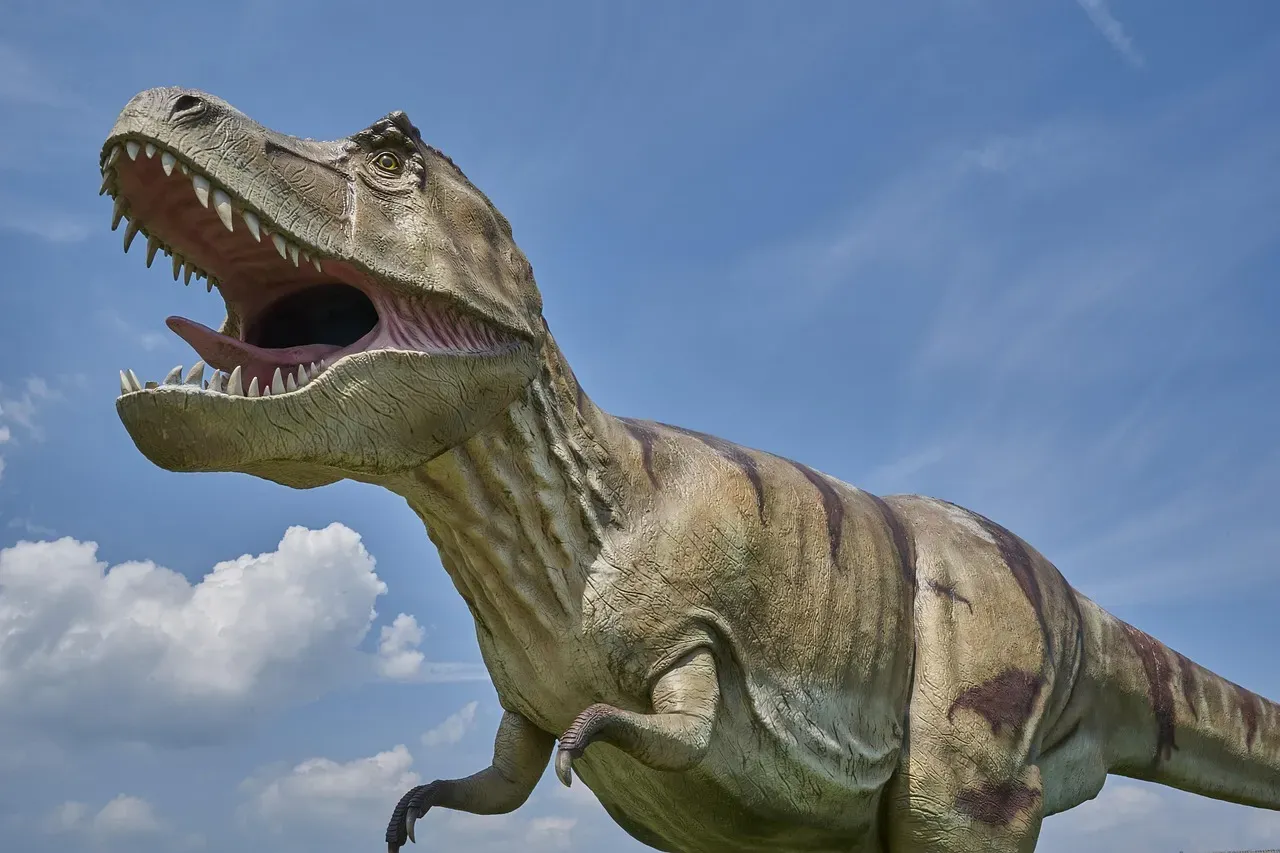
The most famous predator on Earth still can’t escape its biggest controversy: was it really the apex hunter everyone assumes? T. rex ruled Hell Creek and similar formations across western North America right up until the end of the Cretaceous, roughly 66 million years ago. Its bite force ranks among the strongest ever measured in a land animal, capable of crushing bone outright instead of simply slicing through flesh.
Studies of its skull also suggest excellent binocular vision, rivaling modern birds of prey, giving it sharp depth perception for tracking prey at a distance. And yet paleontologists still argue fiercely over whether T. rex was primarily a hunter or an opportunistic scavenger exploiting a massive size advantage. The honest answer, most researchers now agree, is both – it hunted actively while never turning down an easy carcass, and that unresolved tension is exactly why this animal remains paleontology’s most talked-about predator, decades after its discovery.
At a Glance
- Bite force: measured around 8,000 pounds, more than double the bite of the largest living crocodiles
- Tooth-tip pressure: estimated at roughly 431,000 pounds per square inch, enough to fracture dense bone
- Era: end of the Cretaceous, right up until the mass extinction 66 million years ago
- Vision: strong binocular depth perception, comparable to modern hawks and eagles
- Diet: hadrosaurs and even Triceratops, based on direct bite-mark evidence on fossilized bone
The Bottom Line
The real story of prehistoric North America isn’t a straight line from small reptiles to T. rex. It’s a chaotic relay race of hell pigs, terror birds, sprinting bears, and crocodiles that casually out-bit dinosaurs. The most surprising thread running through all 13 is how much the scientific consensus keeps shifting – from dire wolf genetics to whether Arctodus was really the hunter its legend claims.
Frankly, the mammal predators of the Ice Age deserve far more attention than they get compared to the dinosaur hype machine. The dinosaurs had 165 million years to build a reputation; the mammals did nearly as much damage in a fraction of the time, and most people can’t even name three of them. Which one on this list genuinely surprised you the most? Drop it in the comments.