The world is currently pouring millions of dollars into resurrecting an animal that a growing number of scientists suspect might not even be dead. It sounds contradictory – you can’t bring something back from extinction if it never actually left – but that’s the strange reality unfolding around one of history’s most infamous “extinctions.” For nearly ninety years, the official record has insisted this creature vanished for good in 1936.
Yet thousands of eyewitness sightings, a peer-reviewed study that rewrites the extinction timeline by decades, and a biotech company with a quarter-billion-dollar war chest all say otherwise. Something isn’t lining up between what the textbooks claim and what the wilderness keeps whispering back. Here’s what the evidence actually shows, and why even the skeptics can’t fully close this case.
The Animal Officially Declared Extinct in 1936
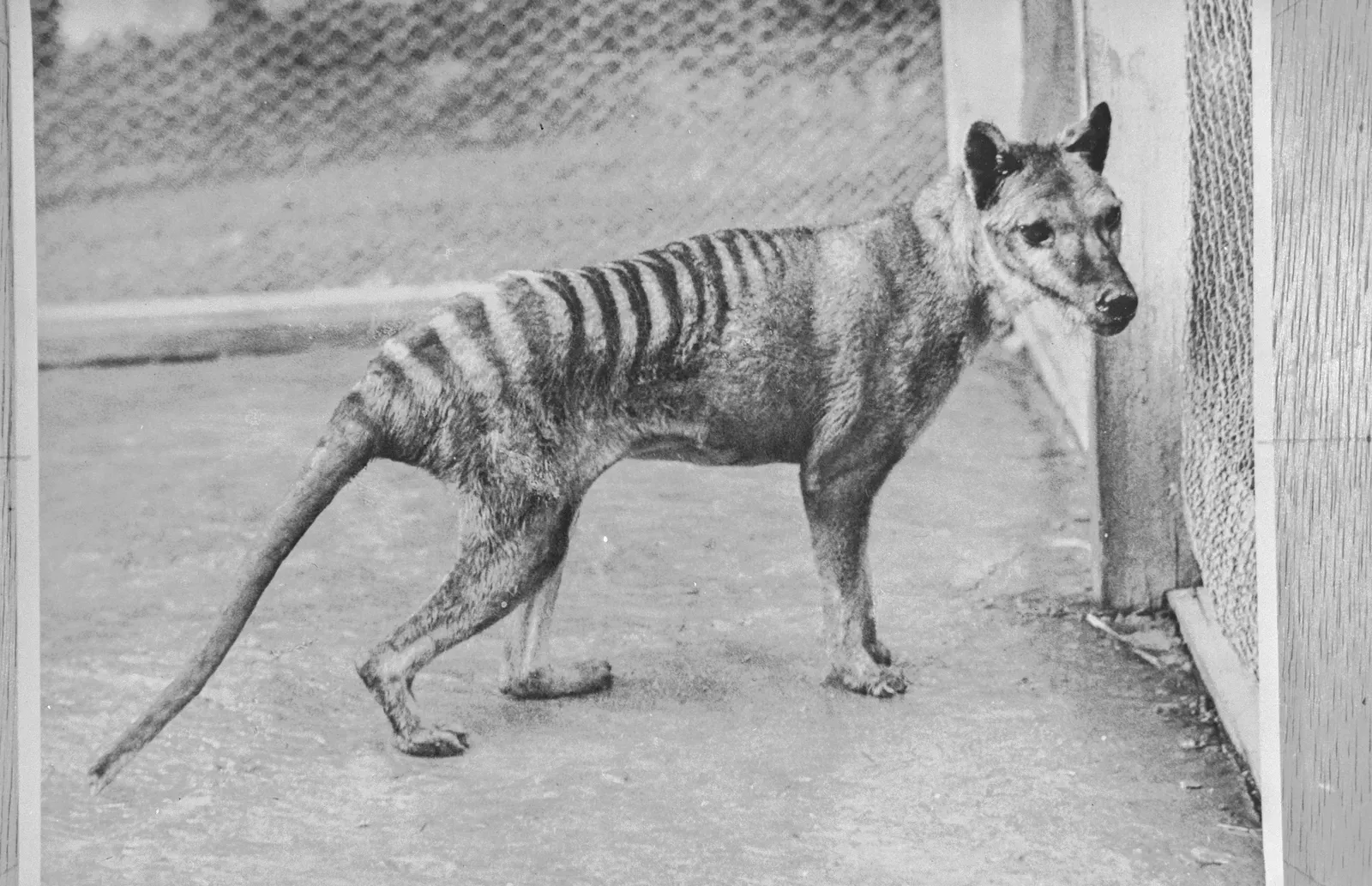
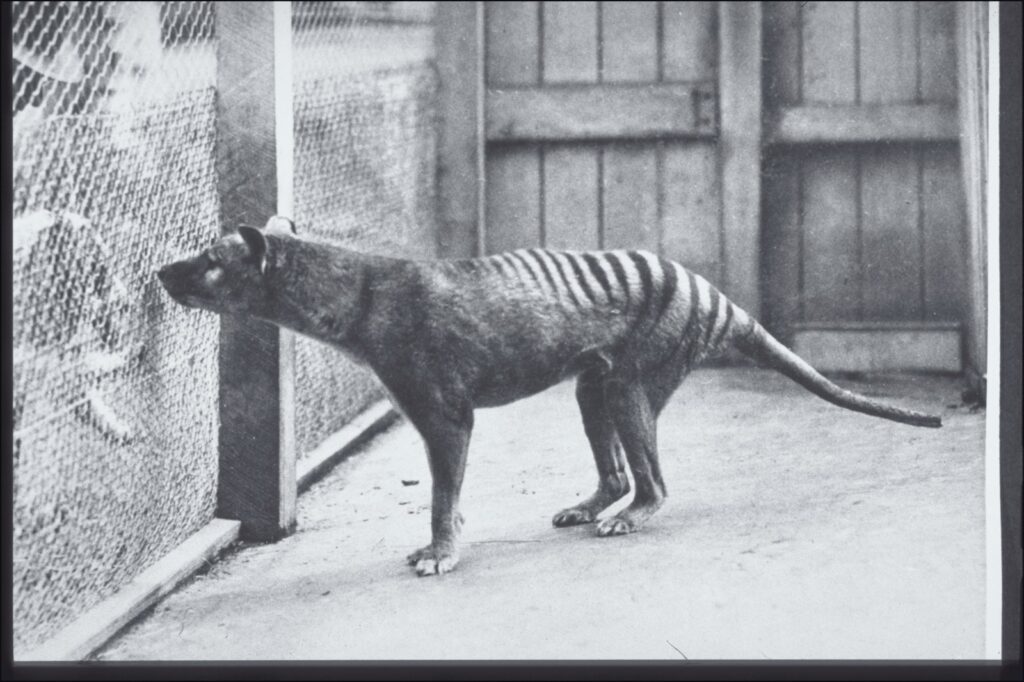
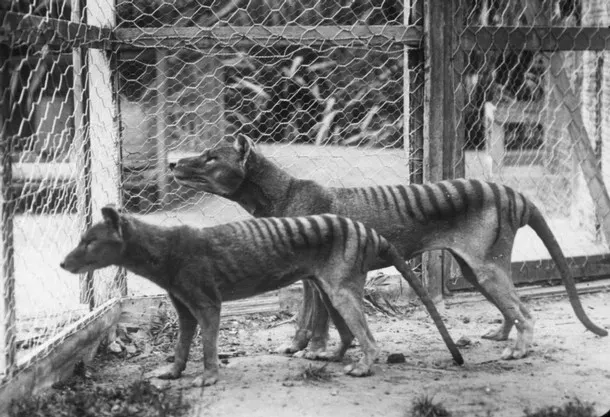
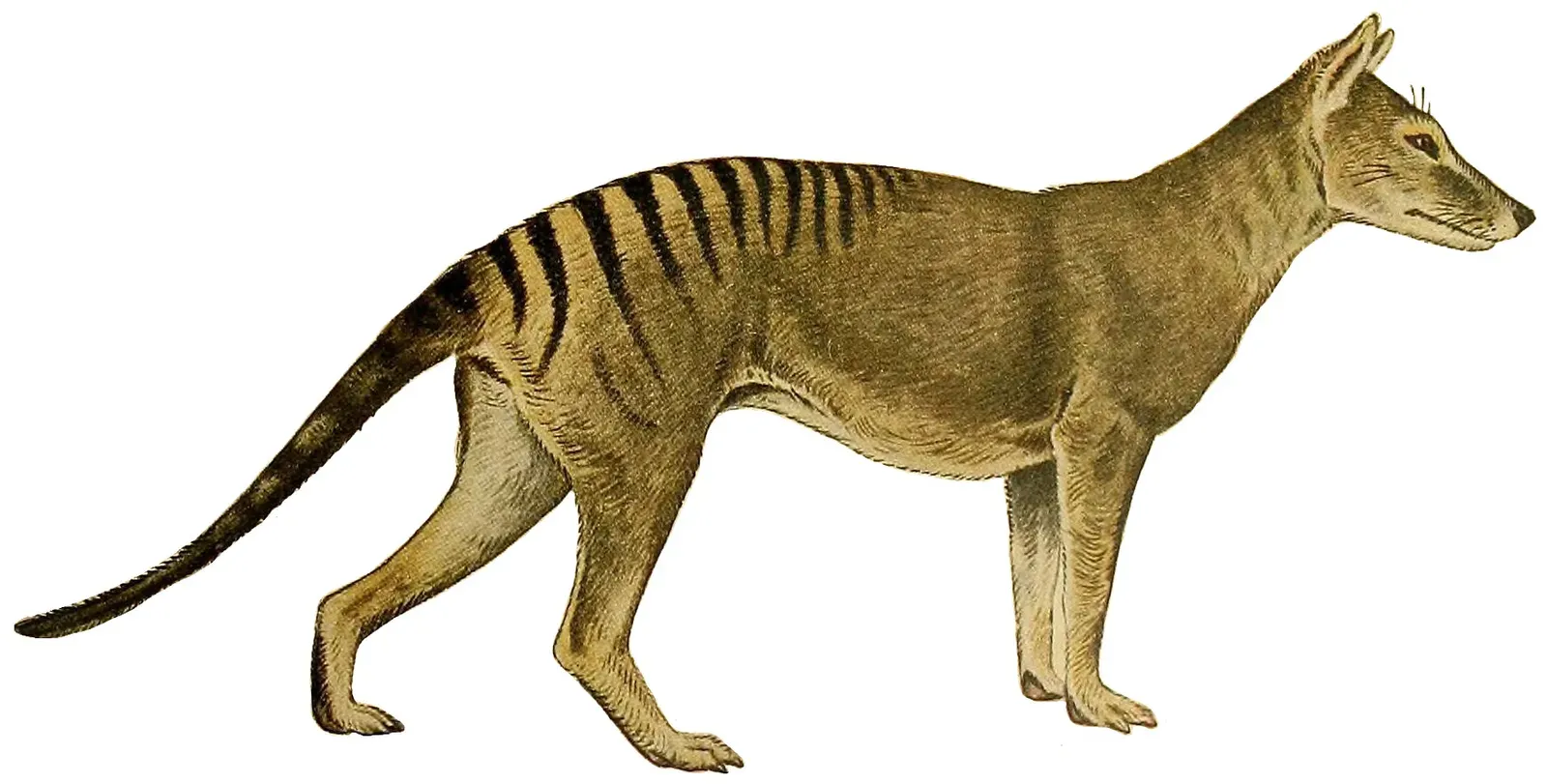
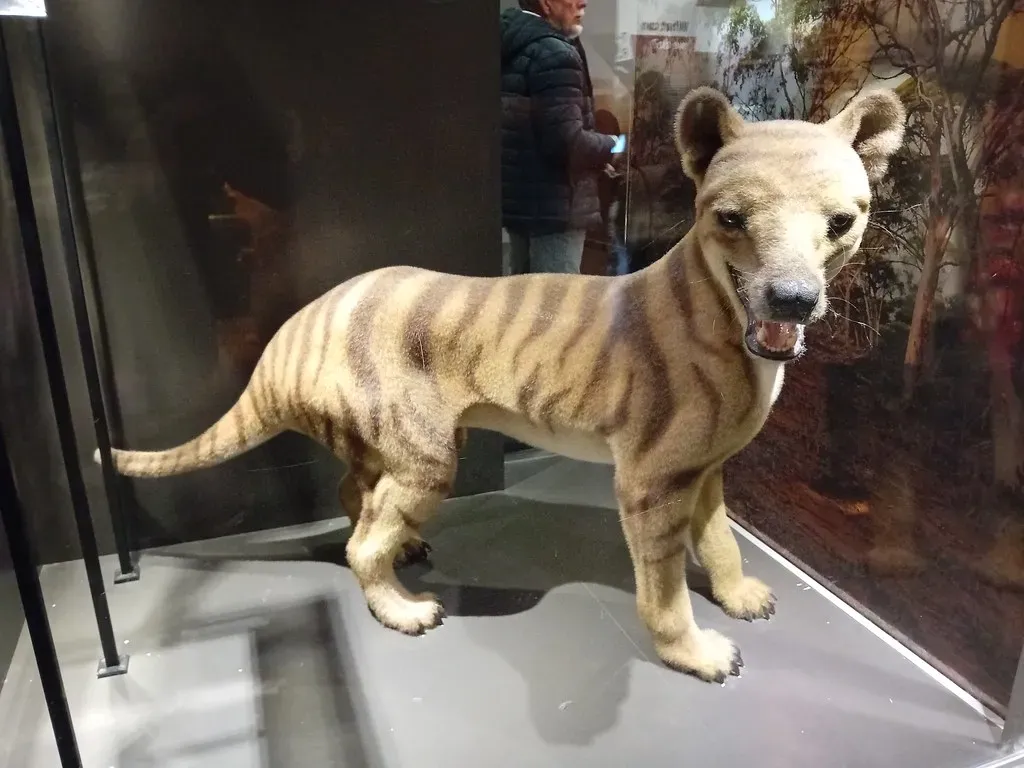
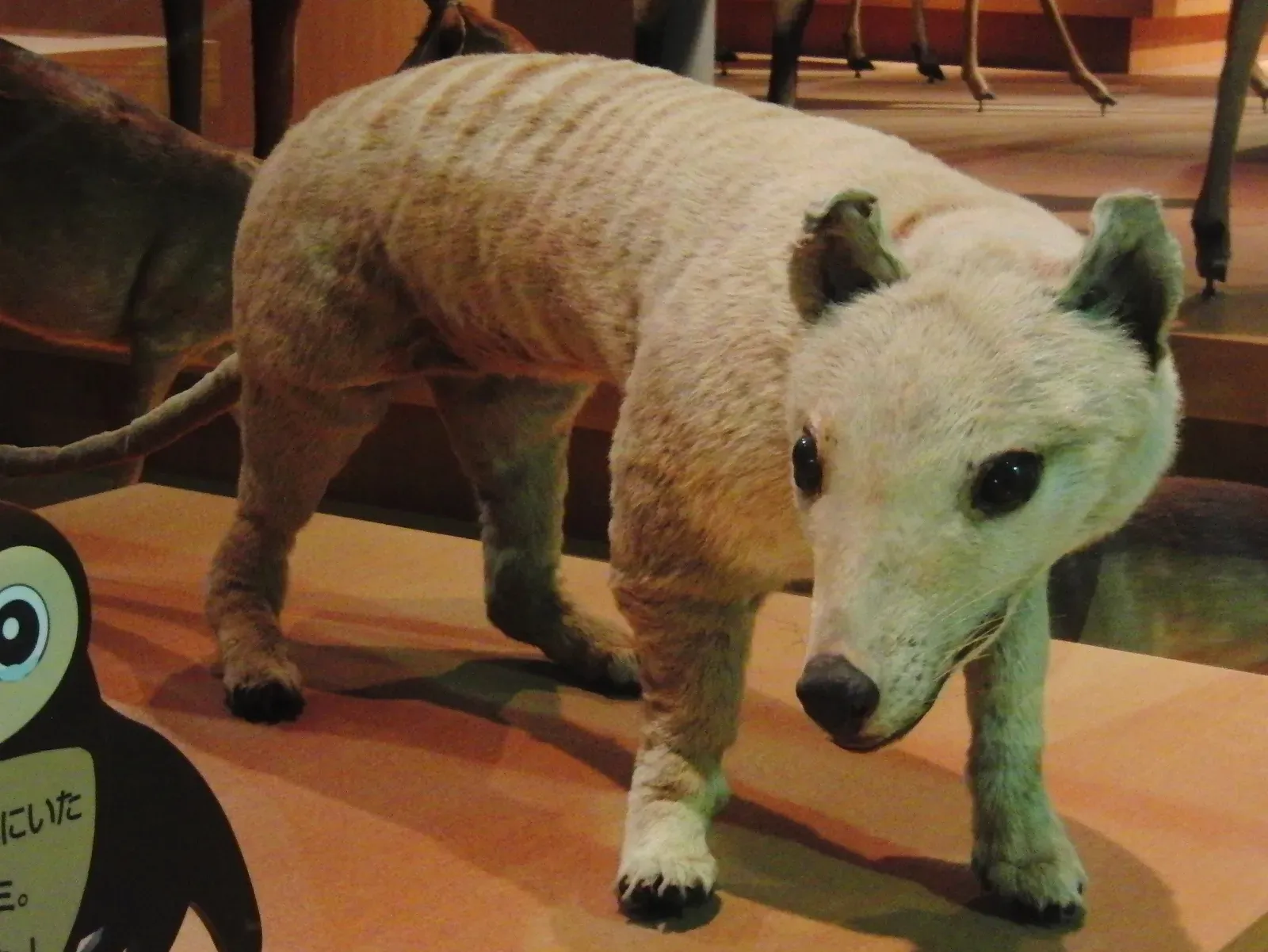
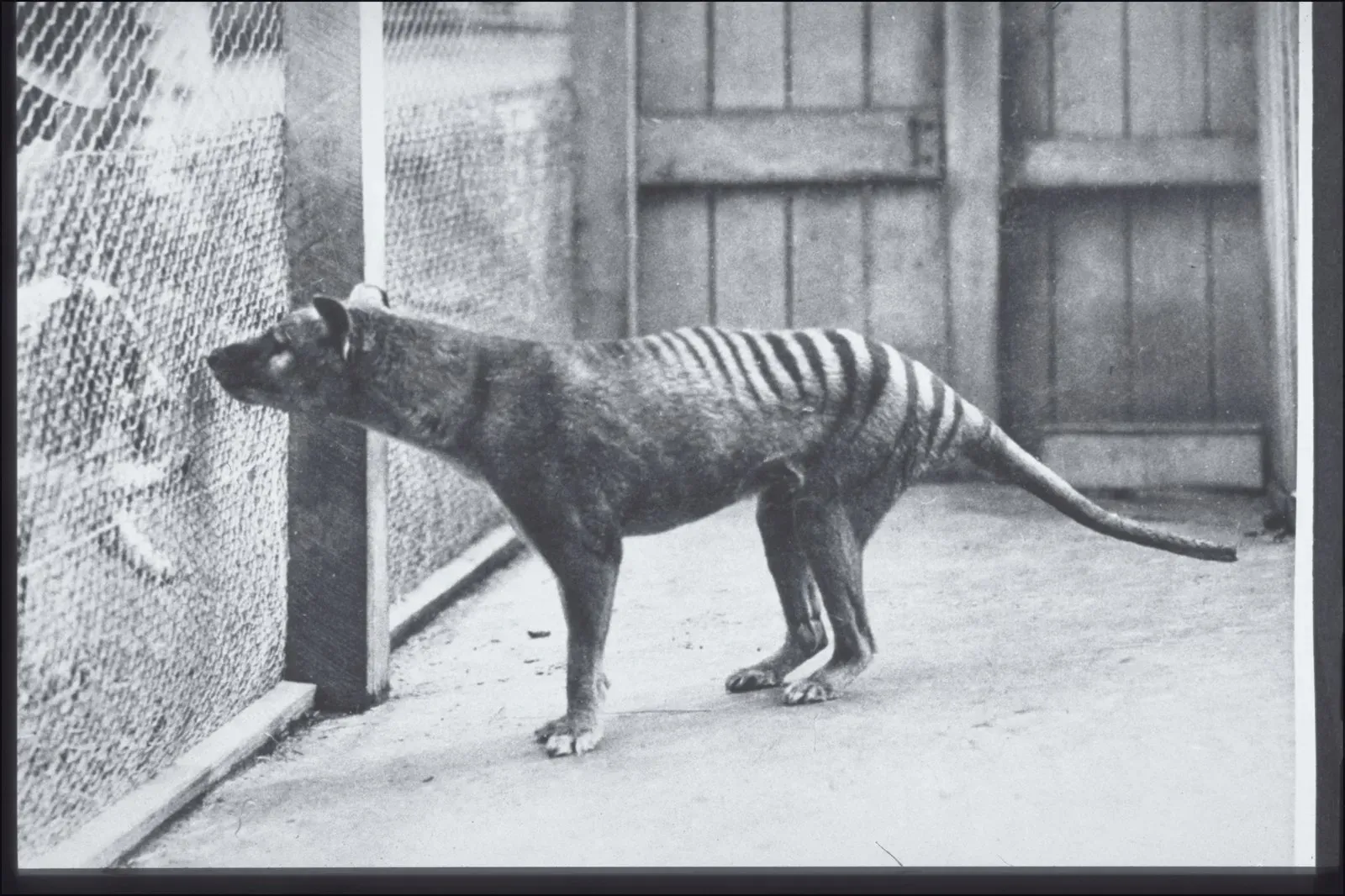
The thylacine – better known as the Tasmanian tiger – is the poster child for premature extinction claims. This striped marsupial predator, roughly the size of a medium dog, was once Australia’s apex carnivorous mammal, prowling forests and grasslands long before Europeans ever set foot on the continent.
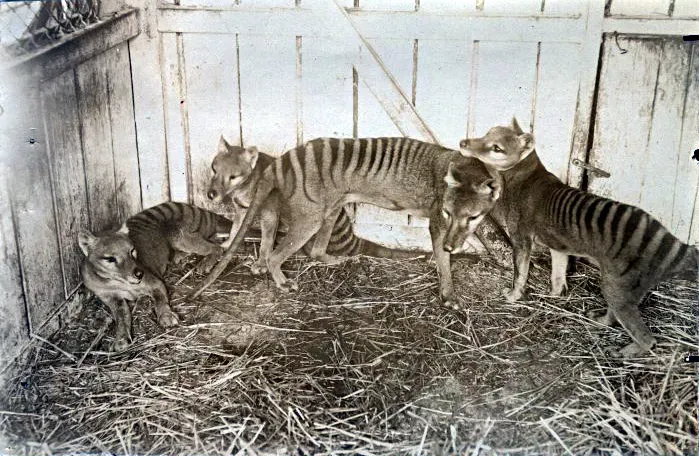
Officially, the story ends in 1936, when the last known thylacine died alone in its enclosure at Hobart Zoo. But that tidy ending has never quite convinced the public – or, increasingly, the scientists studying it. The 1936 date was less a confirmed biological fact and more a bureaucratic box left unchecked for decades, and that gap is exactly where this mystery lives.
Why the Extinction Story Doesn’t Add Up
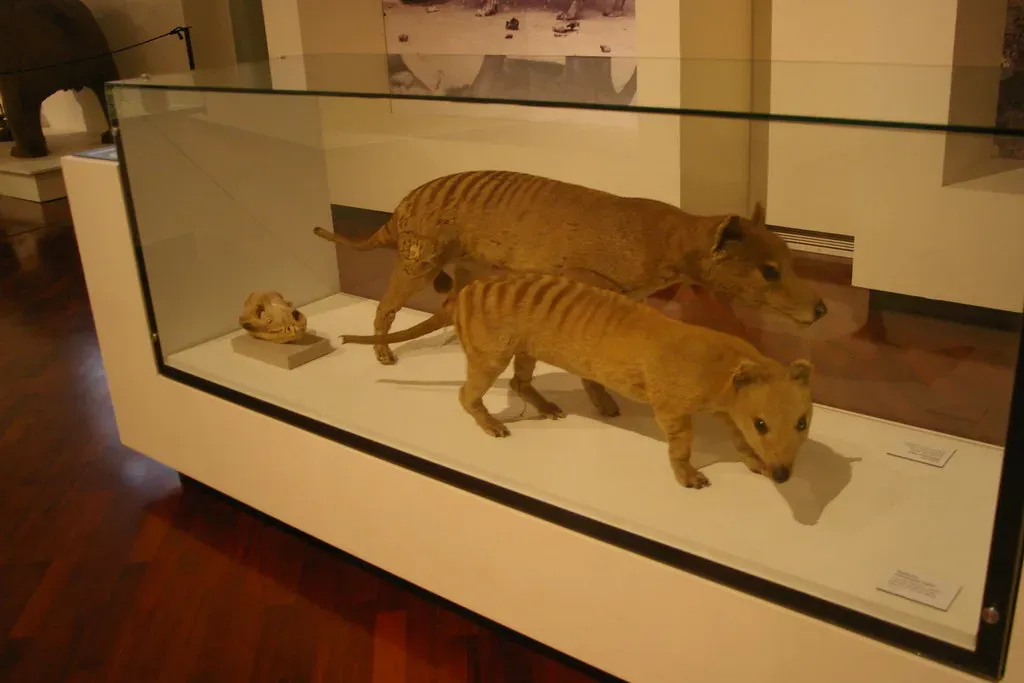
Most people assume the thylacine simply died out from natural causes, the way species quietly fade when their world changes around them. It didn’t. Humans hunted it into oblivion on purpose, and that single fact changes everything about whether a few survivors could have slipped through.
The thylacine once ranged across most of mainland Australia, but competition with dingoes pushed it to extinction there roughly 2,000 years ago, leaving an isolated population in Tasmania. When British colonists arrived, they paid bounty hunters to kill every thylacine they could find to protect sheep flocks. That’s not a slow habitat collapse – it’s systematic, government-funded slaughter, the kind that could easily leave a scattered, secretive remnant hiding in Tasmania’s least accessible wilderness. A species can be functionally invisible long before it’s actually gone, and that possibility has kept researchers searching for nearly 90 years straight.
The 1982 Sighting That Restarted an Entire Search Effort
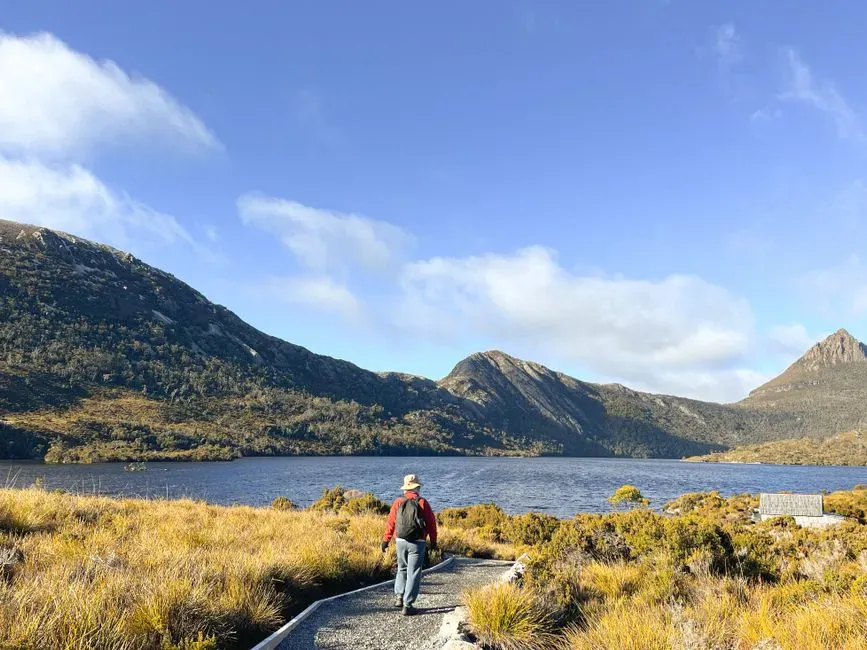
If there’s one encounter that legitimized the “maybe it’s not extinct” camp, it’s this one. A government employee, not a tourist chasing folklore, filed the report that changed everything.
Hans Naarding, a park ranger, said he observed one of the creatures for several minutes under torchlight near Togari in 1982. He wasn’t some amateur cryptid-hunter – he was trained wildlife personnel whose detailed field notes carried real weight with the agency that employed him. The sighting was considered credible enough that Tasmania Parks, working with a wildlife scientist, launched a formal search that lasted more than two years. That government-funded hunt never found conclusive proof, but it never ruled the possibility out either.
More Than 1,200 Sightings and Counting
Here’s the number that keeps this mystery alive: over a thousand documented reports spanning more than a century. That’s not a handful of nervous campers seeing shadows in the trees.
More than 1,200 alleged thylacine sightings reported between 1910 and 2019 in Tasmania have been collated and analyzed by mammal ecologist Barry Brook and colleagues, forming the Tasmanian Thylacine Sighting Records Database. Researchers didn’t just dump these into a spreadsheet and shrug – they ranked each report by the credibility of the witness, weighting accounts from bushmen, trappers, rangers, and scientists more heavily than quick, casual claims. Even skeptics admit the sheer volume and geographic spread of independent reports is statistically unusual for an animal supposedly gone since the Great Depression.
Fast Facts
- Over 1,200 sightings logged between 1910 and 2019
- Database built by mammal ecologist Barry Brook and colleagues
- Reports weighted by witness type – bushmen, trappers, and rangers score highest
- Sightings span more than a century, not a single isolated cluster
The 2023 Study That Shocked the Extinction Timeline
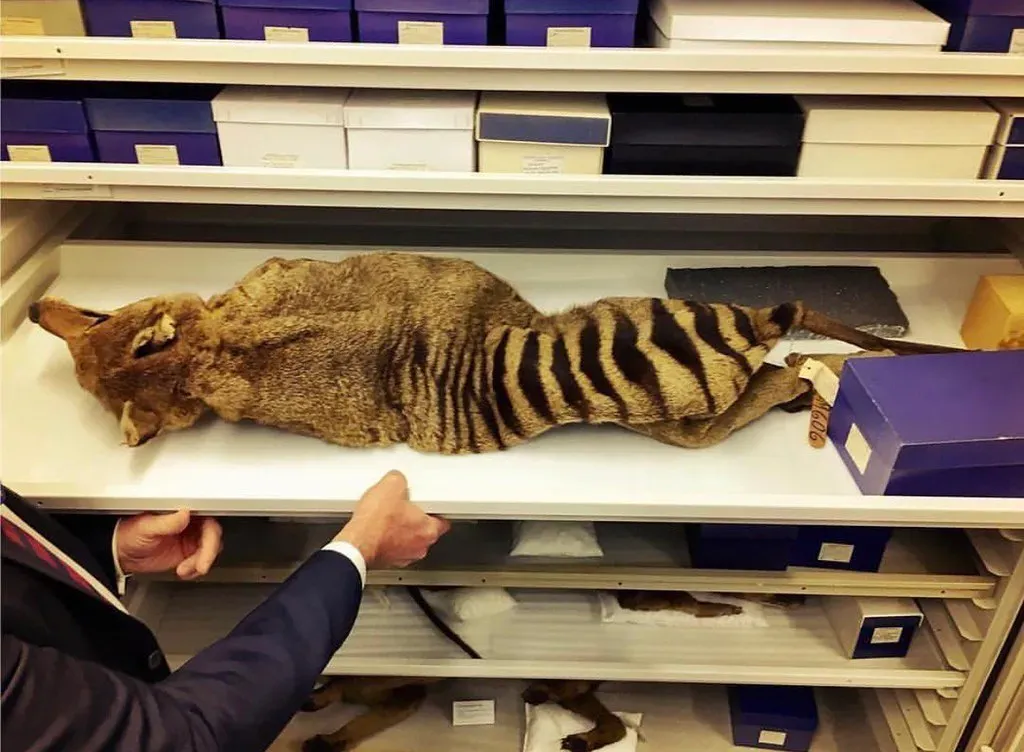
This is where things get genuinely strange. A peer-reviewed analysis using that same sightings database produced a finding that contradicts the official government record by decades.
The study concluded the thylacine most likely died out in the late 1990s or early 2000s – not 1936 – and could conceivably still persist in the island’s most remote pockets. A separate analysis by Australian Geographic, working from the same 1,200-plus sightings, reached an equally jarring conclusion: the Tasmanian tiger may have survived until the 1980s, with a slim chance a few are still out there. While nature documentaries keep treating 1936 as gospel, the population modelers behind these studies argue that date is essentially a myth built on incomplete records.
Where a Surviving Population Could Actually Hide
Skeptics love to ask: if it’s alive, why hasn’t anyone found a body? The answer lies in geography most armchair critics have never actually considered.
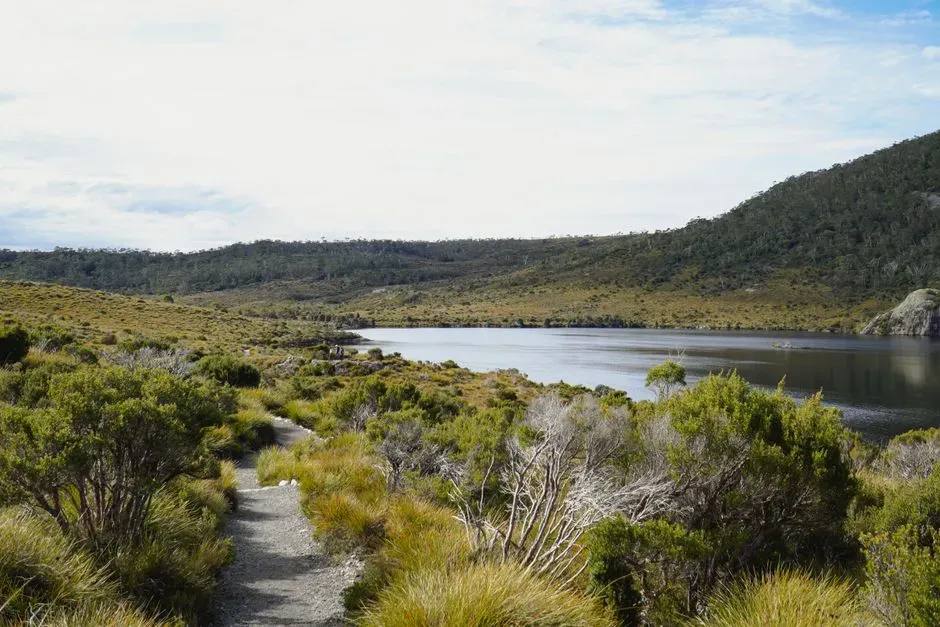
Tasmania contains vast tracts of temperate rainforest, buttongrass moorland, and mountainous terrain that remain almost entirely unmonitored by humans. Researchers have mapped estimated extirpation dates across the island using the sightings data, and the pattern consistently points to the remote southwestern wilderness as the last known refuge. This is the same modeling approach used to track other elusive predators worldwide, and it suggests a stealth-built predator, in terrain this dense, could realistically dodge human contact for generations.
The Physical Evidence Nobody Can Fully Explain
Eyewitness accounts are one thing. Physical evidence is another – and this is where the debate turns genuinely uncomfortable for extinction purists.
A thylacine was reportedly shot near Adamsfield, Tasmania, in the early 1990s, and a photograph of the animal’s foot was compared against a museum specimen, with one researcher stating the features “categorically demonstrate the animal to be Thylacine, to the exclusion of all other candidate species in Tasmania.” More recently, unconfirmed photographs formed the basis of a 60 Minutes segment in April 2024, and in May 2024 a wildlife biologist publicized new images allegedly showing a Tasmanian tiger in the wild. Separate trackers have released footage said to show a thylacine walking at a distance, a thylacine nose pressed to a camera lens, and even a thylacine with a cub. None of it is peer-reviewed proof – but none of it is nothing, either.
Worth Knowing
- Early 1990s: alleged Adamsfield shooting, with a foot photo compared to a museum specimen
- April 2024: unconfirmed photos featured in a 60 Minutes segment
- May 2024: a wildlife biologist released new field images
- Additional footage claims include a walking thylacine, a close-up nose shot, and a thylacine with a cub
The Skeptics Say the Math Makes This Nearly Impossible
Now here’s the part guaranteed to fire up every comment section: some scientists insist believing this animal survived is closer to wishful thinking than science.
One mathematical model put the odds that Tasmanian tigers still exist at roughly 1 in 1.6 trillion. Even researchers sympathetic to the survival theory hedge their bets – the scientist behind the influential sightings database believes that while the 2023 findings are compelling, there’s still less than a 1% chance the creatures are alive today. Many wildlife biologists argue continued sightings say more about human psychology than thylacine biology: a mangy fox, a feral dog, or a large feral cat can look startlingly like a thylacine in low light. Pattern-hungry brains, it turns out, tend to see exactly what they’re hoping to find.
At a Glance
- 1 in 1.6 trillion: one model’s estimated odds of survival
- Less than 1%: survival chance estimated by the database’s own lead scientist
- Common lookalikes: mangy foxes, feral dogs, and large feral cats
- Even survival-sympathetic researchers rate the odds as very low
The De-Extinction Wildcard Changing the Entire Conversation
Here’s the twist nobody saw coming: even if the thylacine really is gone, scientists are now trying to make the “still alive” question irrelevant altogether.
Colossal Biosciences, an American biotech company backed by hundreds of millions in funding, is actively working to bring back the woolly mammoth, the dodo, and the Tasmanian tiger, treating extinction as a reversible engineering problem rather than a permanent ending. The company already claims proof of concept: it says it revived the dire wolf, extinct for roughly 12,500 years, with two male pups born in October 2024 and a female pup in January 2025. If that timeline holds up, a thylacine gone for less than a century starts to look comparatively easy, and scientists involved hope to see living thylacines back in the wild within the next decade.
Why It Stands Out
- Backed by hundreds of millions in funding across multiple de-extinction targets at once
- Already claims a working proof-of-concept with the dire wolf, extinct roughly 12,500 years
- First dire wolf pups reportedly born October 2024, a female pup followed in January 2025
- The thylacine’s sub-100-year absence looks minor next to that 12,500-year gap
What It Would Actually Mean If They’re Right
This is the part that should make everyone pause: if even one surviving thylacine population were confirmed, it would rewrite the rulebook for how science declares anything extinct.
Right now, the IUCN – a body of more than 9,000 scientists and researchers across 162 countries – treats extinction declarations as final, effectively erasing a species from conservation funding priorities forever. A confirmed thylacine sighting wouldn’t just be a viral headline; it would force a global reckoning over how many other “extinct” species were declared too early, too confidently, with too little wilderness ever actually searched. Unconfirmed whispers keep circulating too, including reports of possible activity in South Australia heading into 2025 and 2026. The real story here isn’t whether one striped predator survived – it’s how much we’re still willing to admit we don’t actually know.
The Bottom Line
The thylacine sits in scientific limbo for one simple reason: the evidence is too thin to confirm survival, but too persistent to dismiss outright. Over 1,200 documented sightings, a credible 1982 ranger encounter, a disputed footprint comparison, and a 2023 peer-reviewed study pushing the extinction date decades later all keep this case open, even while mathematical models put the odds at roughly 1 in 1.6 trillion.
My honest take? The “extinct” label was slapped on far too fast in 1936, based on far too little wilderness ever searched, and that mistake has haunted Australian conservation science ever since. Whether or not a living thylacine is ever found in the wild, Colossal Biosciences may make the entire debate moot within a decade by simply bringing one back regardless. Do you think the Tasmanian tiger is still out there, or is this just wishful thinking dressed up as science? Drop your theory in the comments.