The first time you drop down off the flat prairie into Dinosaur Provincial Park, it feels like falling through a trapdoor in time. One moment you are driving past wheat fields under a big Alberta sky; a few minutes later you are surrounded by eroded cliffs, twisted gullies, and stone hoodoos that look like they belong on Mars, not on a working cattle landscape. It is disorienting in the best possible way, and that shock is exactly what makes this place unforgettable. Tucked into a relatively small patch of badlands in southern Alberta, this park has quietly built a reputation as the densest dinosaur graveyard on the planet. Scientists and UNESCO officials openly describe it as one of the richest and most diverse dinosaur fossil localities ever discovered, with dozens of species, hundreds of skeletons, and many more still being uncovered from only a few dozen square miles.
A Tiny Patch Of Earth With An Impossible Number Of Dinosaurs
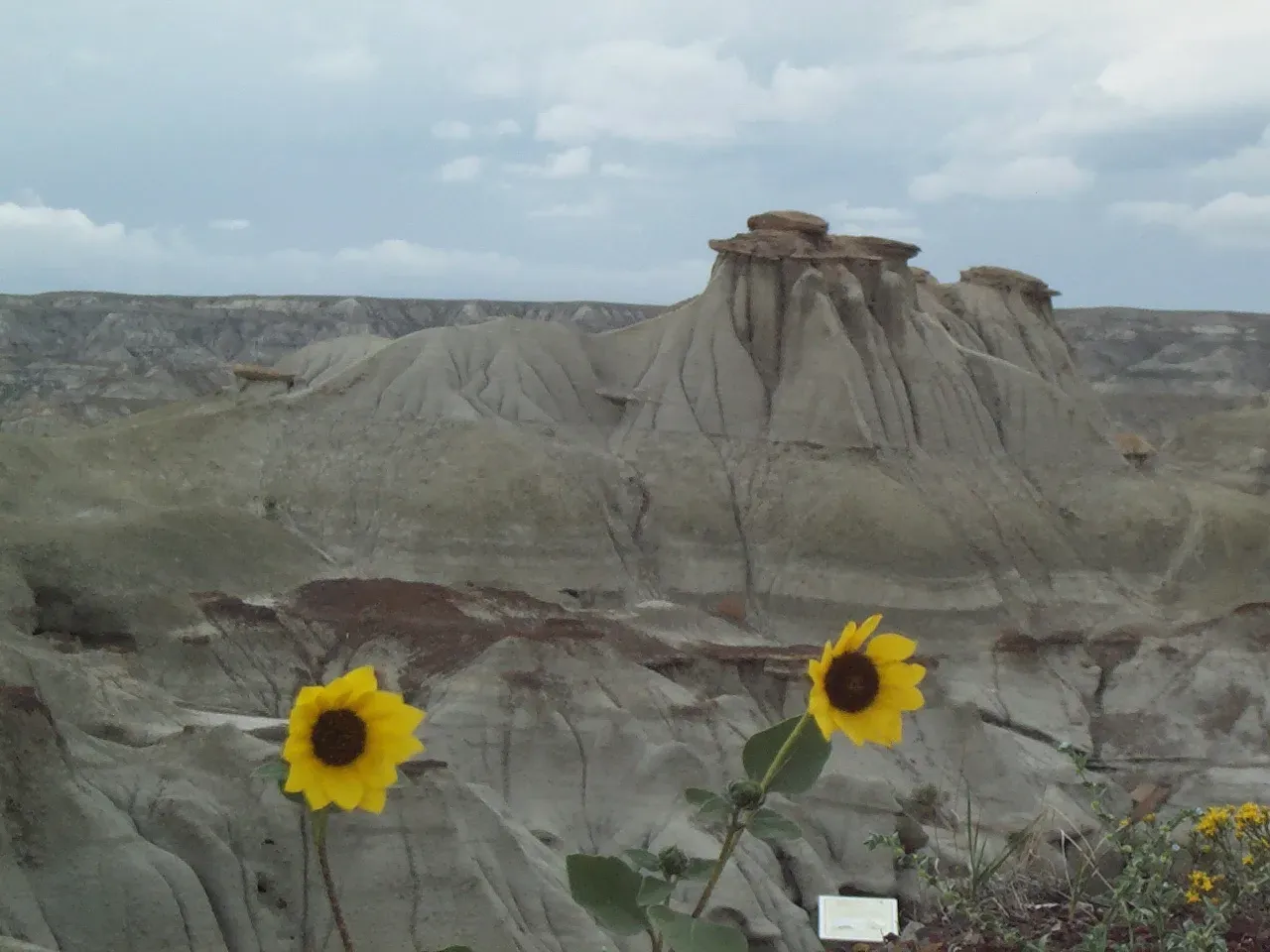
On paper, Dinosaur Provincial Park is not gigantic. It covers roughly seventy to eighty square kilometers, or about twenty-nine square miles, yet within that relatively compact area paleontologists have documented more dinosaur species than entire countries have managed. Current tallies list more than forty species of non‑avian dinosaurs representing at least ten different families, alongside an even larger cast of fish, turtles, crocodiles, mammals, and plants.
To appreciate how wild that density is, imagine squeezing the fossil record of an entire prehistoric continent into a space not much bigger than a mid‑sized city. This is why international geological bodies have singled the park out as the most abundant and diverse Late Cretaceous dinosaur locality known, and why over five hundred high‑quality specimens from here now anchor museum collections around the world.
Badlands That Look Like Another Planet
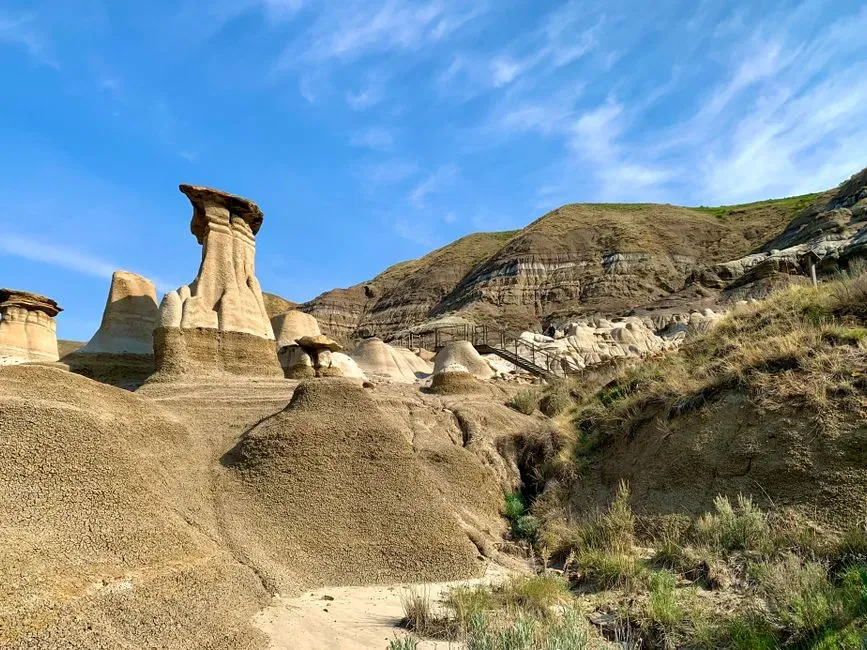
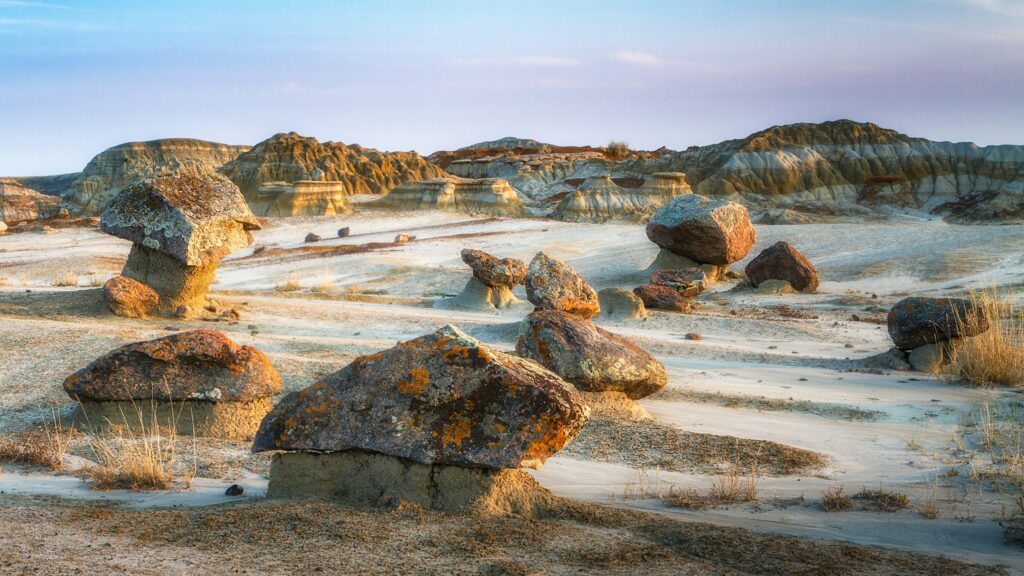
If you stripped out the fossils entirely, the landscape alone would still feel unreal. The park sits within the Red Deer River valley, a semi‑arid pocket carved by meltwater and erosion into a maze of cliffs, gullies, and free‑standing hoodoos. The flat prairie above ends abruptly in a broken horizon of striped hills and crumbly ridges, where morning light paints the slopes orange and purple and evening shadows turn everything into a stark sculpture garden.
I remember the first time I hiked down off the rim: it felt less like walking into a Canadian park and more like stepping onto the set of a science‑fiction movie. NASA has even highlighted satellite images of the park precisely because its banded rocks and dendritic gullies resemble abstract art when viewed from orbit. It is not a stretch to say that if you dropped a rover here, you could convince an unsuspecting friend they were looking at photos from another world.
A Snapshot Of A 75‑Million‑Year‑Old River World
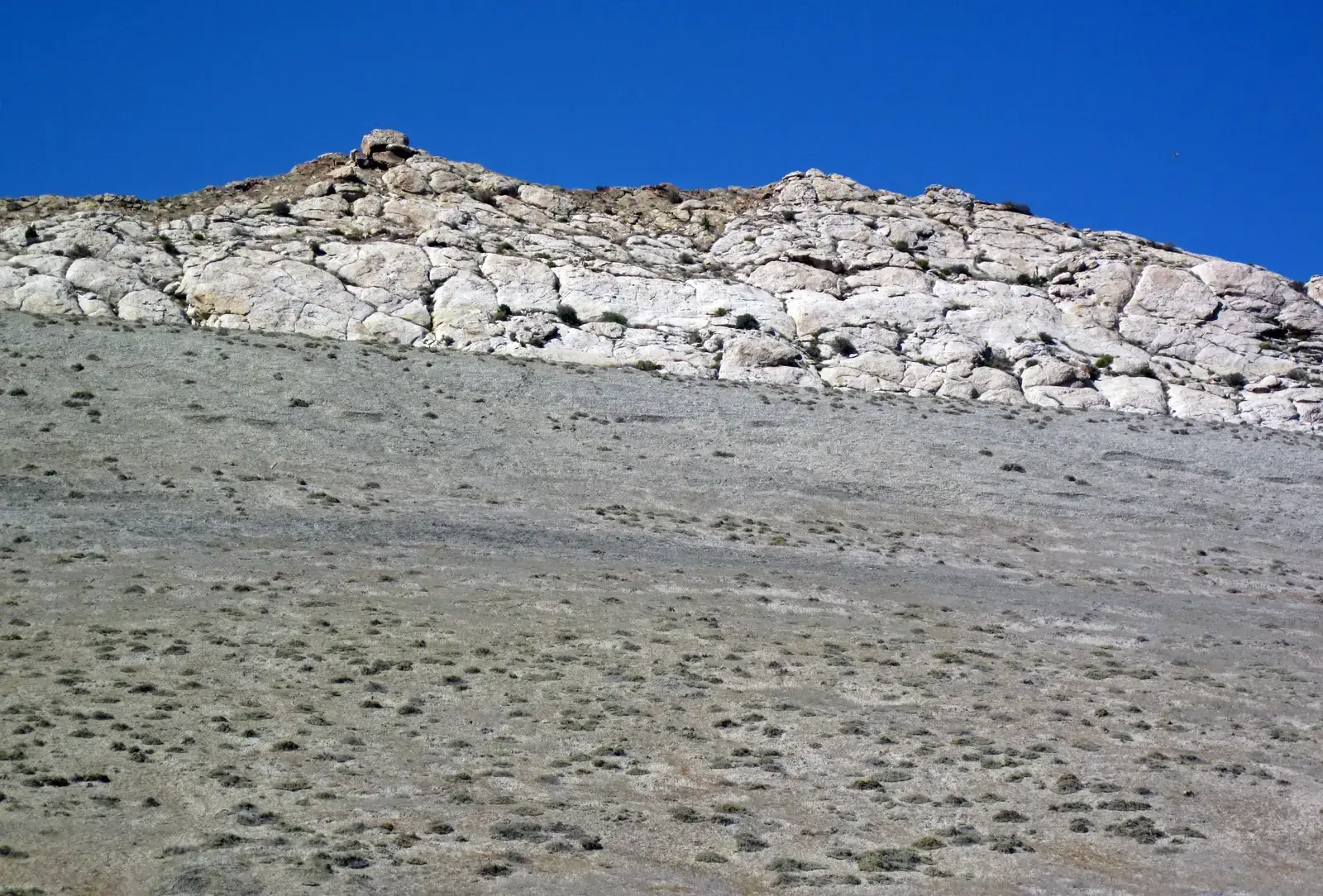
What makes the park scientifically powerful is not just the raw number of bones, but the slice of time they represent. The rocks here were laid down in the Late Cretaceous, roughly seventy‑five million years ago, when this part of Alberta sat on the edge of a warm, subtropical coastal plain laced with rivers and floodplains. Instead of sagebrush and prairie dogs, picture crocodiles basking on muddy banks, turtles drifting through oxbow lakes, and dense forests of conifers and flowering plants crowding the water’s edge.
That ancient river system acted like a conveyor belt for bones. Dinosaurs died upstream, their carcasses washed into channels, broke apart, and were buried in sediment that shielded them from decay. Over countless floods, this process stacked fossil‑rich layers one atop another. Today those layers have been sliced open by erosion, so you can literally follow a trail where one step might land on sediments left by a peaceful swamp and the next on a sandbar that once hosted a dinosaur stampede.
From Duck‑Bills To Horned Giants: Who Lived Here?
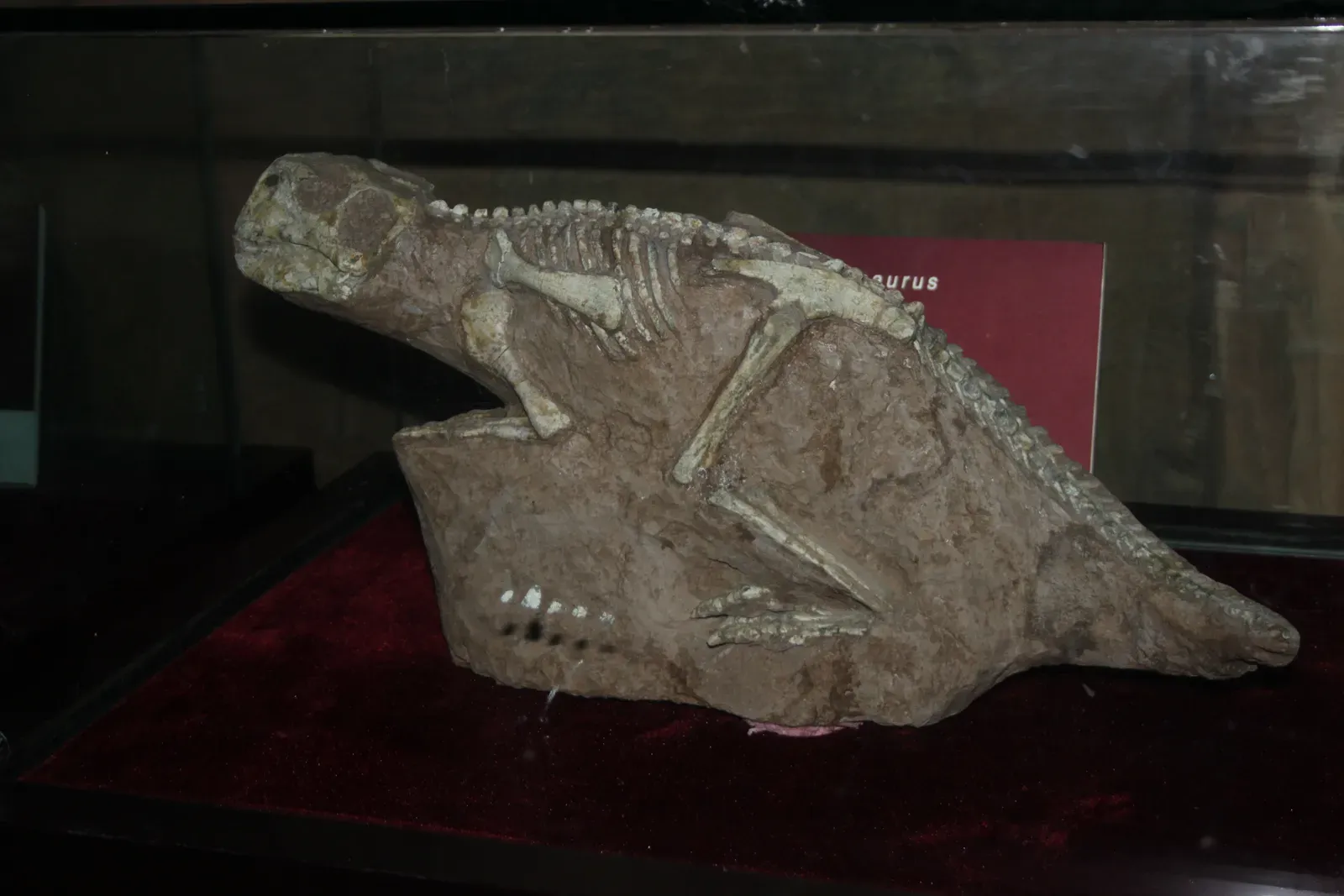
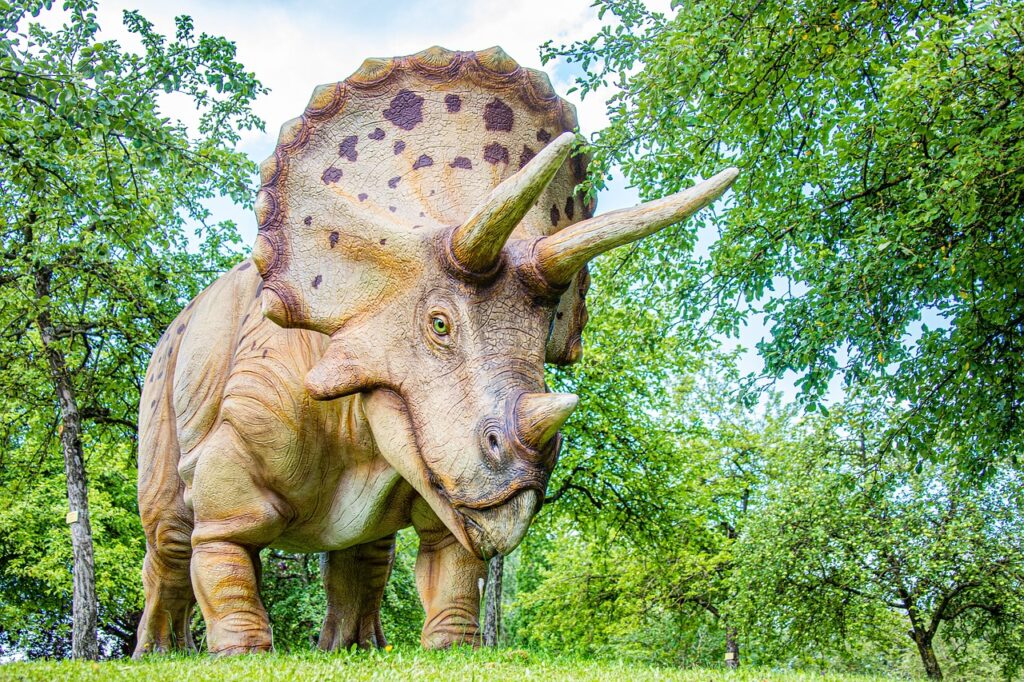
Because so much of that ancient ecosystem is preserved, the park reads like a census of Late Cretaceous life. At least thirty‑five to forty distinct dinosaur species have been named from these rocks, including duck‑billed hadrosaurs, tank‑like ankylosaurs, nimble raptors, and towering tyrannosaur relatives. Entire herds of horned dinosaurs such as Centrosaurus and Styracosaurus are represented, their mass death sites hinting at droughts, floods, or even storms that wiped out groups in a single blow.
What fascinates researchers is how complete the community feels. Alongside the headline dinosaurs, there are fish scales, turtle shells, crocodile jaws, bird bones, and the teeth of early mammals, offering a nearly continuous ecological backdrop. It is like stumbling upon not just the remains of a city’s residents, but also their pets, pests, and pantry scraps, all frozen in place and waiting to be decoded. This is part of why scientists keep returning: each new dig adds another thread to a complex, interconnected story.
Why This One Valley Became The World’s Dinosaur Hotspot
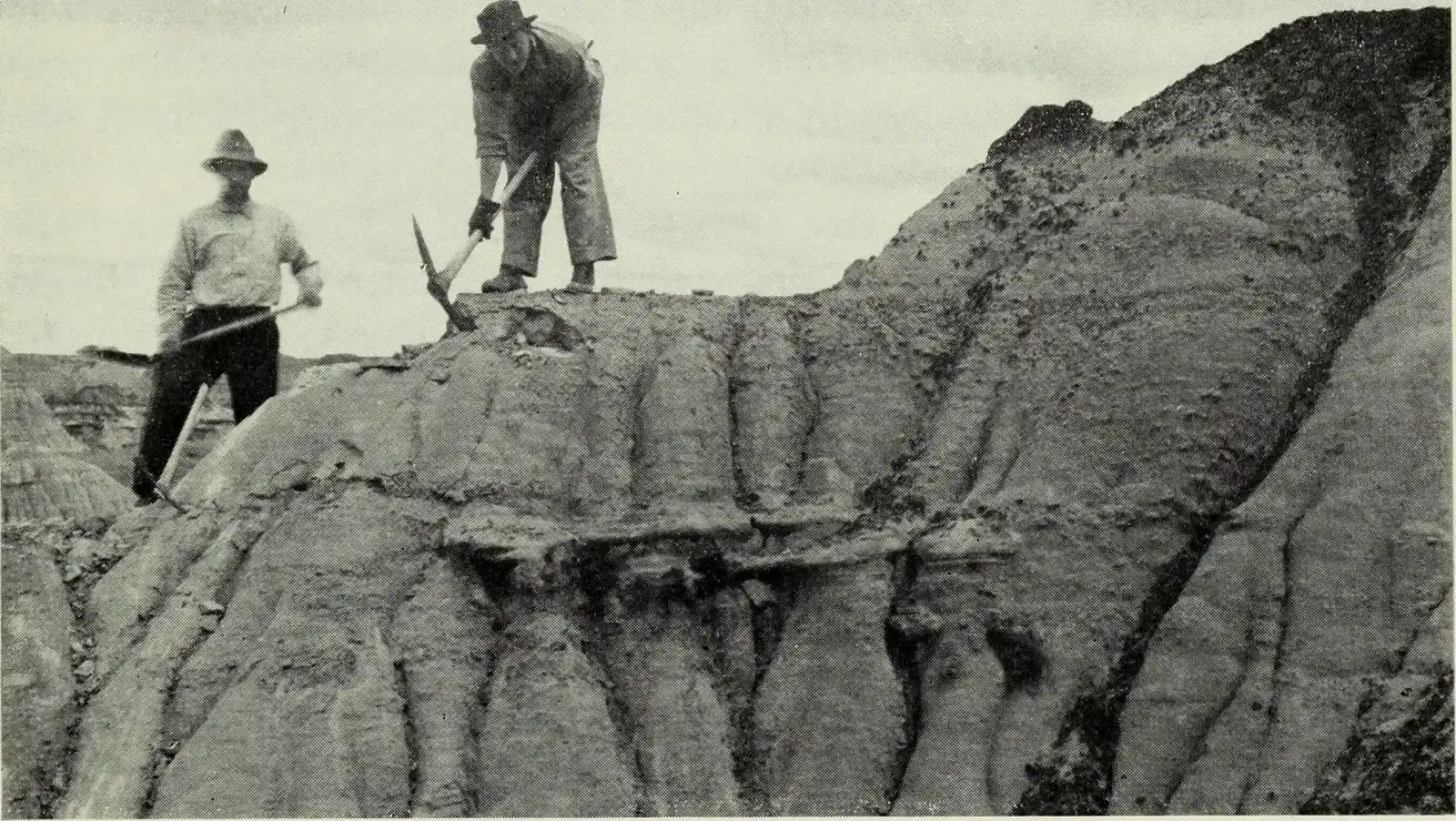
So why here, and not some other river valley halfway around the globe? The honest answer is that Dinosaur Provincial Park hit a geological jackpot. During the Late Cretaceous, this area sat in just the right climate zone, with active rivers that were gentle enough to bury bones quickly but not so violent that they ground everything to dust. Over millions of years, those rivers wandered back and forth, repeatedly entombing animal remains across the entire floodplain.
Fast‑forward to the recent past, and another lucky break kicks in: the badlands themselves. Soft sandstones and mudstones erode rapidly in this semi‑arid climate, naturally exposing fossils at the surface without dense vegetation concealing them. From a paleontologist’s perspective, it is a perfect storm: huge numbers of animals lived and died here, their bones were preserved, and then erosion did much of the excavation for you. Comparing it to other famous sites, from the badlands of South Dakota to dinosaur beds in Asia, the sheer diversity and concentration within such a small footprint is what pushes this Canadian valley into a category of its own.
UNESCO Status And A Global Paleontology Powerhouse
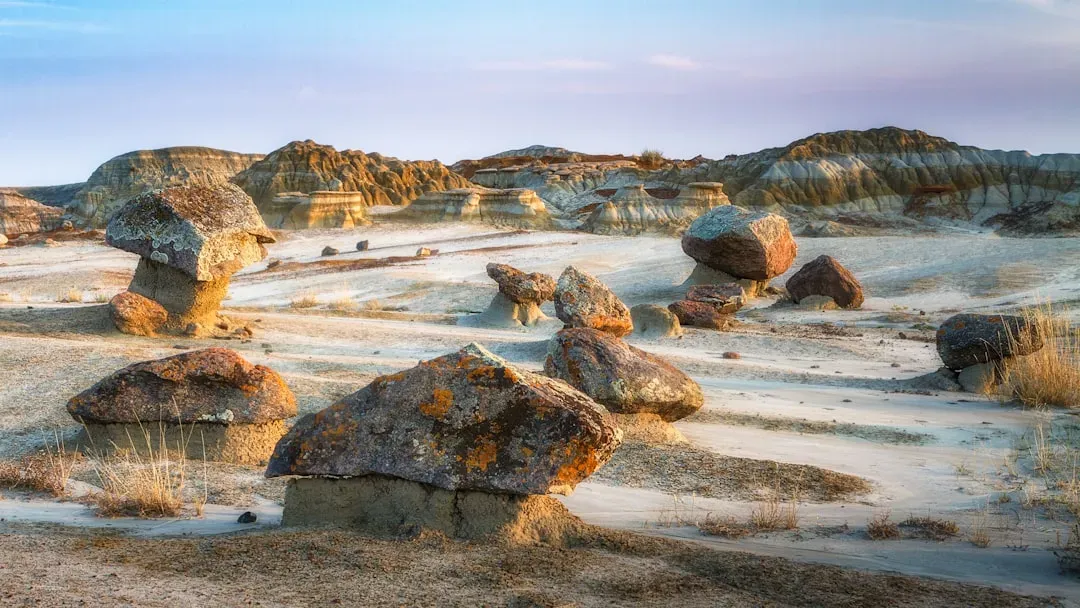
Dinosaur Provincial Park was designated a UNESCO World Heritage Site back in 1979, placing it among a small club of landscapes recognized for both natural beauty and scientific significance. UNESCO’s own description emphasizes that the property offers an unmatched window onto the age of dinosaurs, with a concentration of high‑quality specimens that has few parallels anywhere on Earth. It is not just about dinosaurs either; the listing notes the park’s semi‑arid steppe, riparian woodlands, and dramatic badlands as reasons for global recognition.
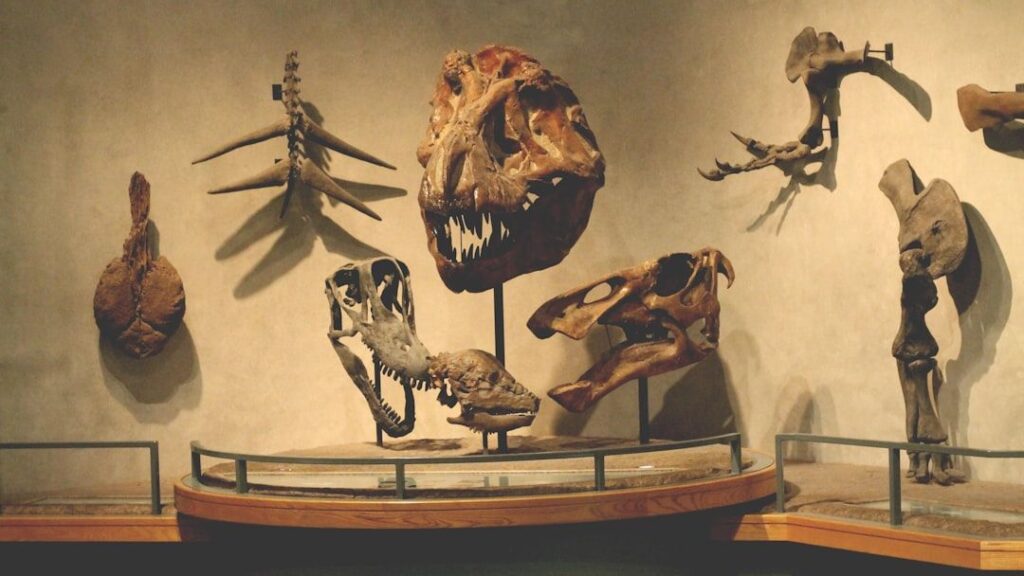
That global status has ripple effects. Museums around the world, from local science centers to major national institutions, display skeletons and skulls pulled from this valley, turning a remote corner of Alberta into a quiet celebrity on the world stage. It has also driven careful management: provincial regulations limit random collecting and direct research through permits, trying to balance the thrill of discovery with the responsibility to keep this record intact for future generations. In my view, that tension is healthy; it forces us to treat the badlands less like a quarry and more like a library.
Walking Through A Living Laboratory (And How It Feels)
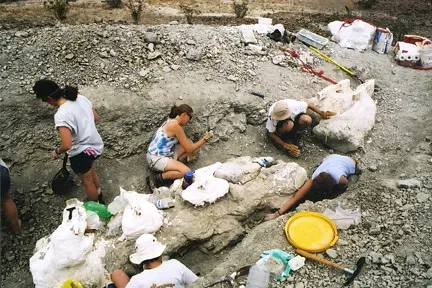
Visiting the park as a non‑scientist is a strange mix of being in a national park and slipping into an active research site. On marked public trails you can see bones weathering out of cliffs, interpretive displays explaining how skeletons are collected, and preserved excavation sites that show just how dense some of the bone beds are. Guides often describe stretches where you can barely place your foot without landing near fossil fragments, and that is not an exaggeration; erosion constantly turns up new material.
What surprised me most on my own visit was how quiet it felt. Aside from the occasional tour group or family, there were long stretches where it was just the wind, the distant murmur of the river, and the crunch of gravel underfoot. In those moments, with hoodoos looming overhead and a thunderhead building on the horizon, it was easy to imagine a hadrosaur herd cresting the next ridge. That emotional punch is underrated; the park does not just inform you about deep time, it lets you feel it in your bones.
Why Dinosaur Provincial Park Matters More Than Ever
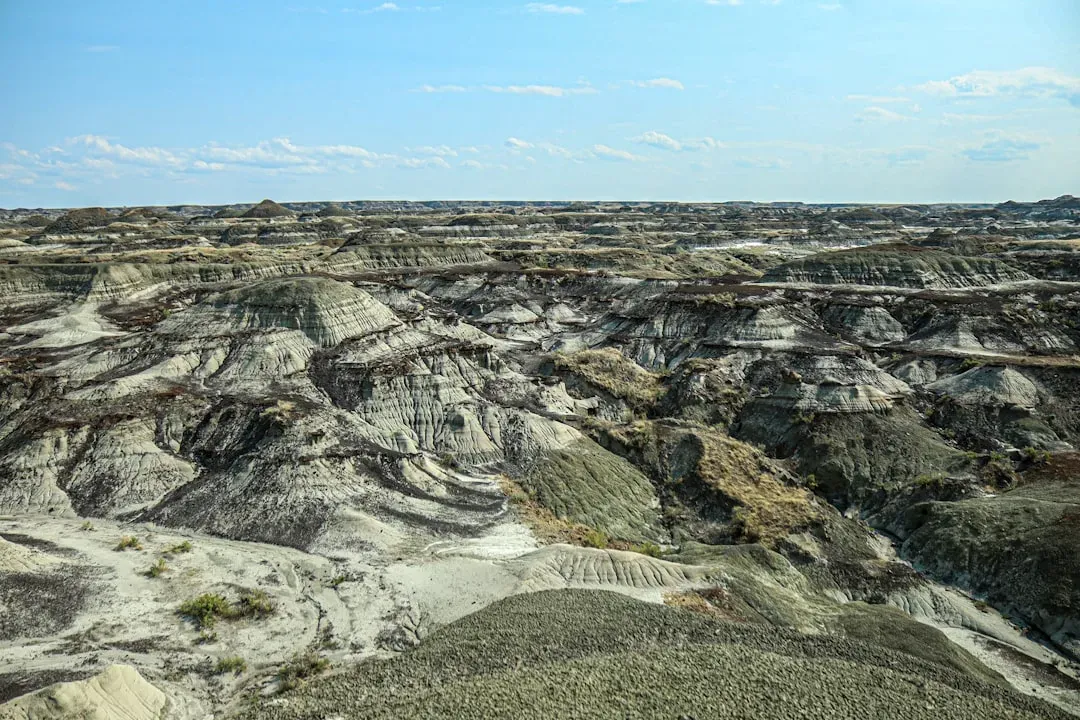
In an era when almost every landscape feels photographed, mapped, and monetized, there is something radical about a place whose greatest value lies in what it tells us about a world without us. Dinosaur Provincial Park is essentially a time capsule showing how ecosystems functioned, collapsed, and reshaped themselves long before humans showed up. Its dense record of species and environments lets scientists test ideas about extinction, climate shifts, and survival that directly inform how we think about today’s biodiversity crises.
Personally, I think we underestimate how grounding that perspective can be. Standing in the badlands, you are reminded that even the most dominant creatures of their age can vanish, and that entire landscapes can flip from lush swamp to semi‑desert over geological eye‑blinks. That is not a doom‑and‑gloom message; it is an invitation to humility. If one little valley in Alberta can hold this much memory of past worlds, maybe we owe it the courtesy of paying attention to what it is trying to tell us. When you finally climb back up to the prairie and look over your shoulder at that otherworldly maze, it is hard not to wonder: in another seventy‑five million years, what will be left of us?