Astrology and dinosaurs sound like they belong in totally different worlds: one in the stars, one buried in stone. But when you look at what paleontologists can actually infer about prehistoric behavior, the parallels to how we talk about zodiac personality traits get surprisingly close. Ancient bones, trackways, and even fossilized stomach contents give us clues about temperament, habits, and survival strategies that feel weirdly similar to the way people describe Aries energy, Virgo detail-orientation, or Scorpio intensity.
Of course, your birth chart does not decide which dinosaur you would have been, and no serious scientist is claiming that. What is fascinating, though, is that when you line up each zodiac sign with a well-studied prehistoric animal, the match in vibe is often uncanny. Think of this as a playful but grounded mash-up: real fossil evidence, real behavioral inferences, filtered through the lens of zodiac archetypes. You might never look at your sign – or the fossil record – the same way again.
Aries: Tyrannosaurus rex, the fearless apex challenger
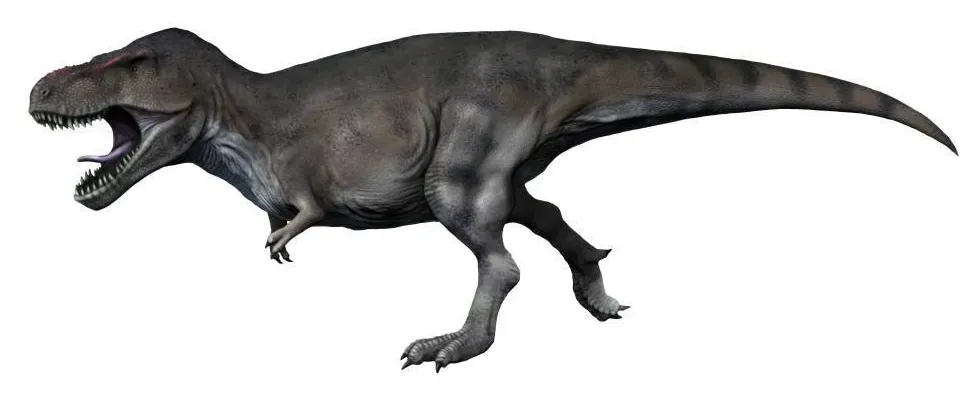
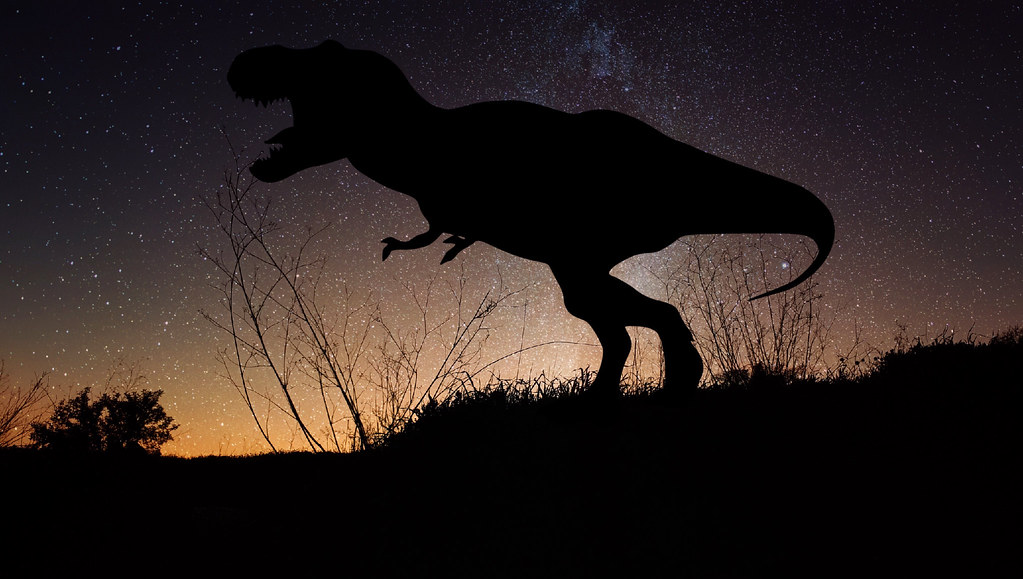
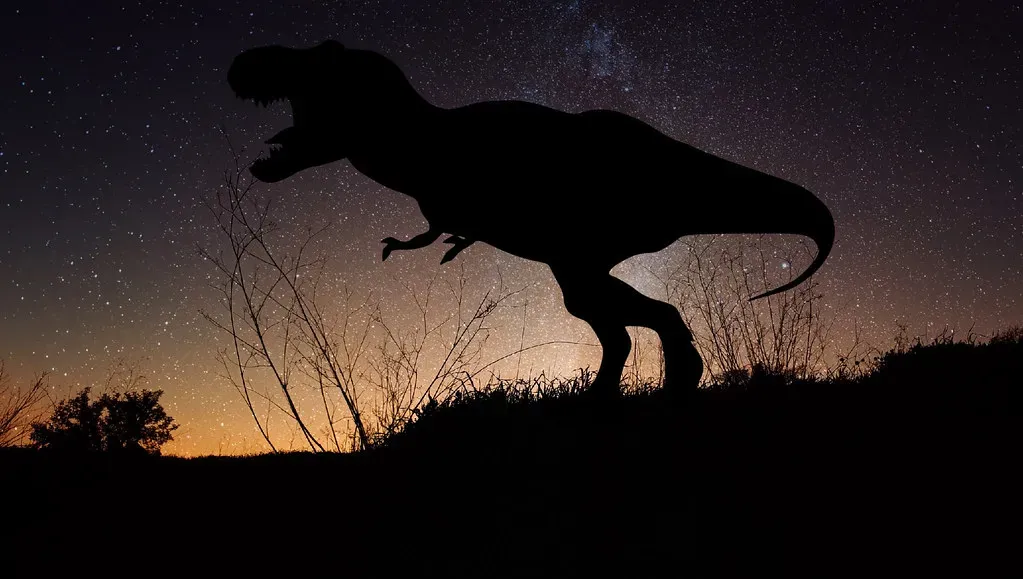
Aries is known for boldness, impatience, and charging headfirst into challenges, and T. rex fits that energy almost too well. Fossil evidence shows a massive predator with bone-crushing bite force, forward-facing vision, and a body built to dominate its ecosystem. Healed bite marks on the bones of other T. rex individuals suggest they were not shy about fighting their own kind, likely over territory, food, or mates, which feels very on-brand for the fiery, competitive Aries spirit.
At the same time, recent research hints that T. rex might have been more strategic than the mindless killing machine of old movies. Studies of growth patterns and brain anatomy suggest a blend of patience, learning, and pack or at least social behavior in some contexts, mirroring the way a mature Aries learns to channel raw aggression into leadership. If Aries had a prehistoric avatar, it would be this giant predator: impulsive at first glance, but underneath that, a calculated survivor that knew exactly when to attack and when to hold back.
Taurus: Triceratops, the grounded guardian of the herd
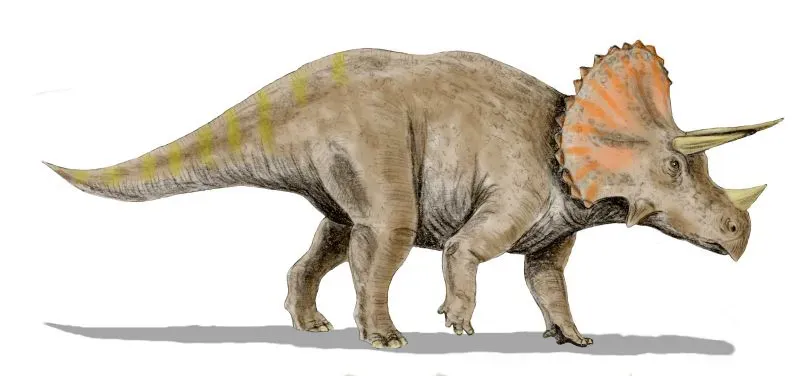
Taurus energy is slow to anger, comfort-seeking, and stubbornly protective, and Triceratops practically radiates that vibe from its skeleton. This three-horned ceratopsian was a large plant-eater with a solid, low-slung body and a beak built to chew through tough vegetation, suggesting a life spent steadily grazing across prehistoric floodplains. The heavy skull frill and horns were not just for show; they were literal armor and signals, reinforcing the image of a creature that stood its ground rather than chasing drama.
Some bonebeds containing multiple Triceratops individuals hint at social behavior, especially among juveniles, supporting a picture of herds or at least small groups moving and feeding together. That aligns almost perfectly with Taurus’s love of security, loyalty, and familiar company. These animals may have conserved energy, relied on predictable routines, and then, when threatened, unleashed a terrifying charge – very similar to the Taurean pattern of calm until pushed, then utterly immovable.
Gemini: Troodon, the curious multitasker of the Cretaceous
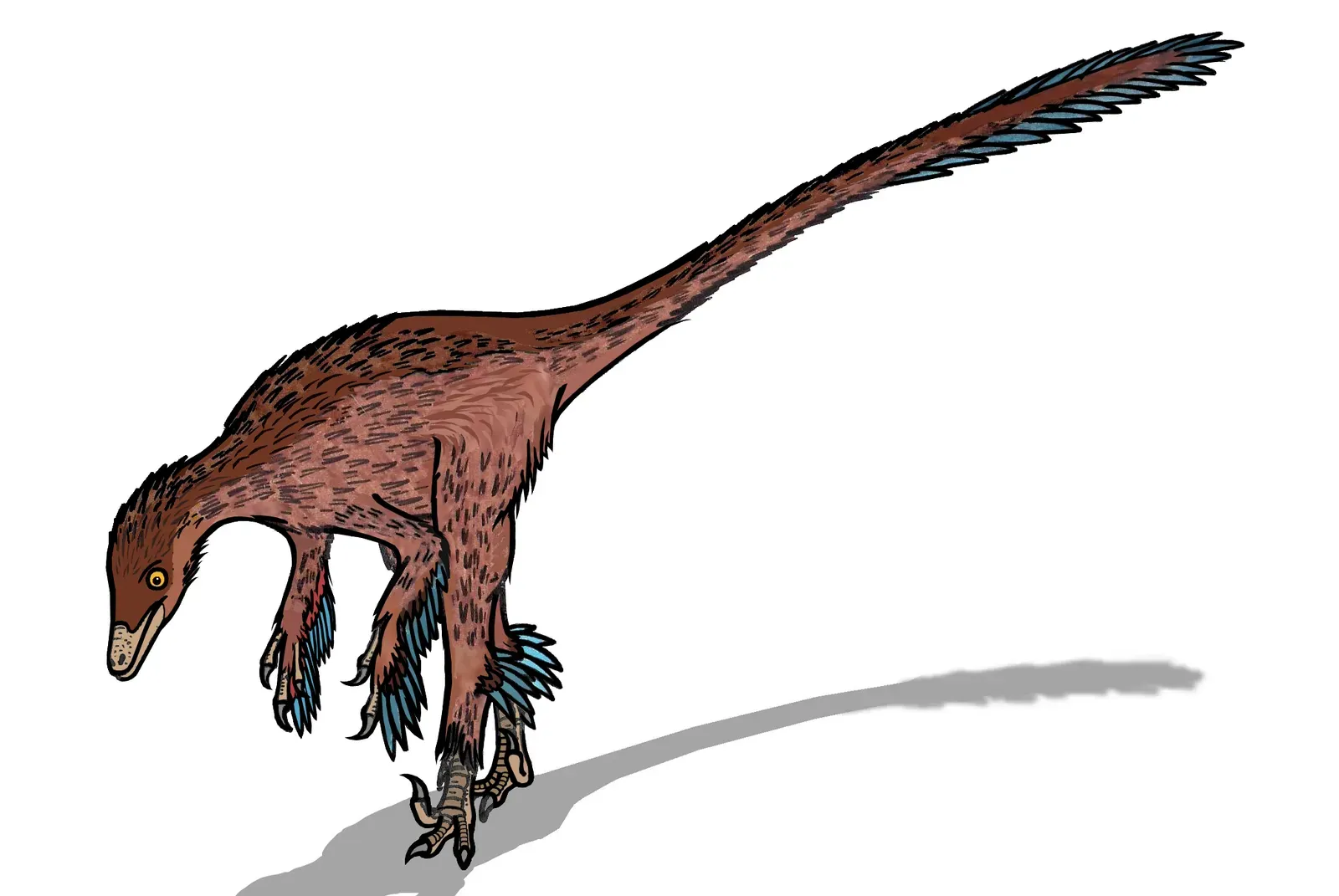
Gemini is the sign of curiosity, quick thinking, and mental restlessness, and Troodon (often cited as one of the more intelligent non-avian dinosaurs) is a natural match. With a relatively large brain for its body size, forward-facing eyes, and grasping hands, Troodon likely relied on keen senses, fast learning, and flexible behavior to survive. Its teeth and jaw shape suggest an omnivorous or opportunistic diet, hinting at a creature that could adapt its menu to whatever it found, much like a Gemini shifting topics mid-conversation without missing a beat.
Trackways and anatomical studies indicate that Troodon was agile and possibly capable of complex hunting strategies, maybe stalking or ambushing smaller animals while also raiding nests or feeding on plants and invertebrates. This versatility echoes the classic Gemini trait of juggling multiple interests at once. If any dinosaur spent its days constantly exploring, experimenting, and reacting quickly to changing conditions, it would be Troodon – a prehistoric mirror for the sign that can never sit still mentally.
Cancer: Maiasaura, the devoted nurturer and home-builder
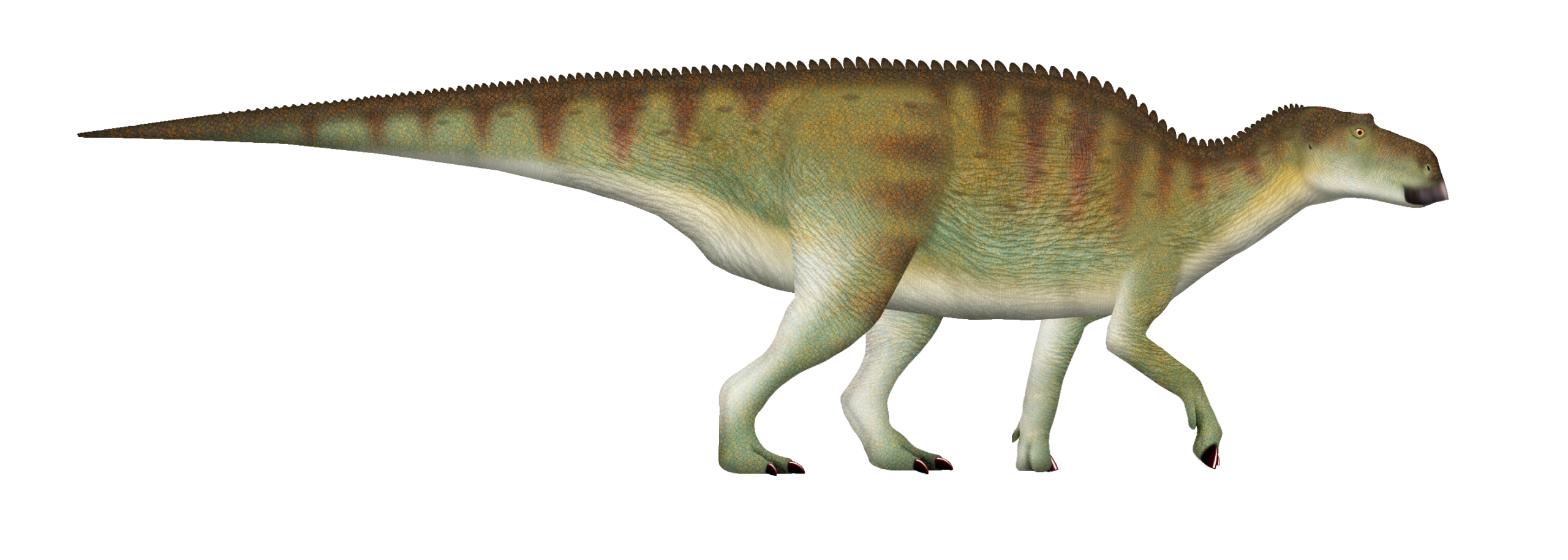
Cancer is associated with caregiving, emotional depth, and a strong attachment to home, and Maiasaura is one of the clearest case studies of nurturing behavior in the fossil record. Paleontologists discovered nesting grounds with eggs, hatchlings, and juveniles at various stages, along with evidence that the young stayed in the nest for an extended period. The name of this dinosaur literally references “good mother,” reflecting the strong signs of parental care, such as adults bringing food to the nest and guarding vulnerable offspring.
This picture of a large herbivore investing heavily in its young aligns neatly with Cancer’s instinct to protect loved ones, even at personal cost. These dinosaurs likely returned to the same nesting sites year after year, building a deep connection to a “home base” much like Cancer’s emotional attachment to familiar places and people. Taken together, the fossils tell a story of community, shared responsibility, and long-term care – all hallmarks of Cancer’s family-focused, shelter-building nature.
Leo: Spinosaurus, the dramatic showstopper of the ancient rivers
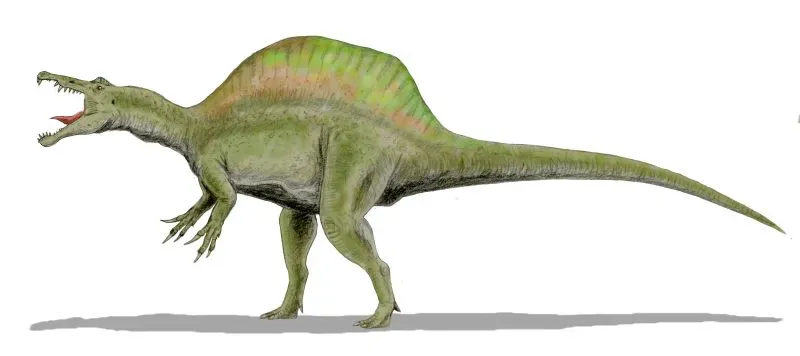
Leo thrives on presence, drama, and being noticed, and Spinosaurus might be the most visually theatrical dinosaur ever to have lived. With its towering sail-like spine, crocodile-like jaws, and semi-aquatic lifestyle, it would have been an unforgettable sight along Cretaceous river systems. That sail might have helped with temperature regulation or stability, but it also almost certainly served as a powerful visual display, broadcasting size and strength to rivals and potential mates in a way that perfectly fits Leo’s flair for spectacle.
Studies of its bones and biomechanics suggest Spinosaurus spent much of its time in or near water, hunting giant fish and possibly using its striking body to intimidate competition. This mix of showiness and effectiveness echoes Leo’s combination of theatricality and real capability. It was not just pretty to look at; it was a formidable predator in its niche. If any prehistoric creature could walk – or swim – into a scene and instantly dominate the narrative, it was Spinosaurus, the ultimate attention-commanding counterpart to the solar fire of Leo.
Virgo: Velociraptor, the precise strategist of the hunt
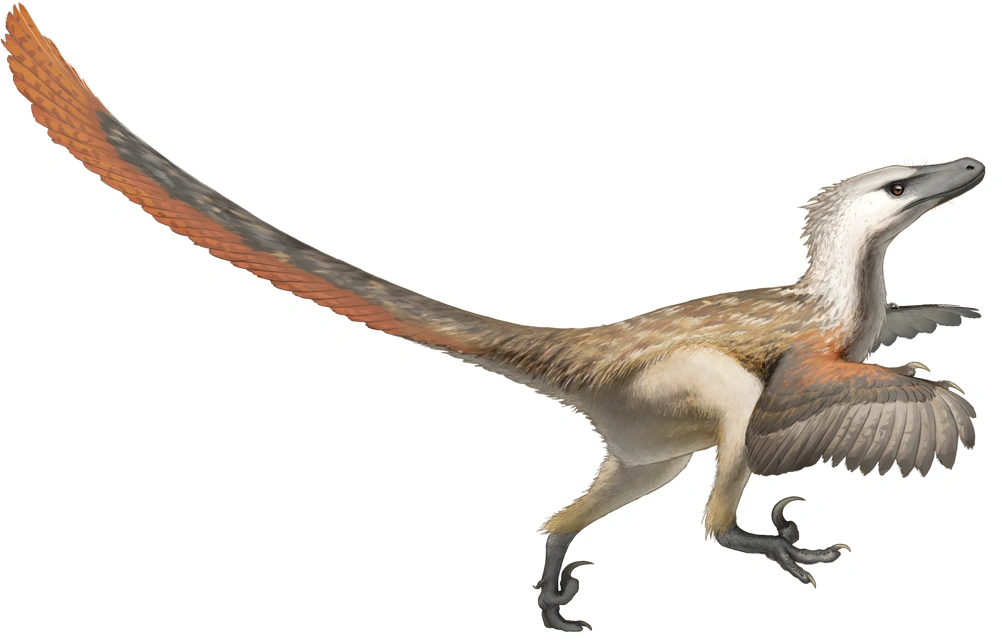
Virgo is often described as analytical, detail-focused, and methodical, and Velociraptor’s anatomy suggests similar traits in hunting behavior. Despite pop culture exaggerations, the real Velociraptor was smaller but still built for agility, with a sickle-shaped claw on each foot and a lightweight frame that likely enabled fast, calculated attacks. Fossils showing Velociraptor entangled with prey imply close-quarters combat that required careful timing and accuracy rather than brute force alone.
There is also evidence that some dromaeosaurs, the broader family Velociraptor belongs to, may have hunted in coordinated groups or at least exploited opportunities together, hinting at more complex behavior than simple ambush. That type of cooperation and tactical thinking resonates with Virgo’s quiet competence and problem-solving focus. Instead of roaring and posturing, this dinosaur likely relied on planning, positioning, and precision – exactly how a Virgo approaches a task when they want it done right.
Libra: Stegosaurus, the balanced beauty with hidden defense
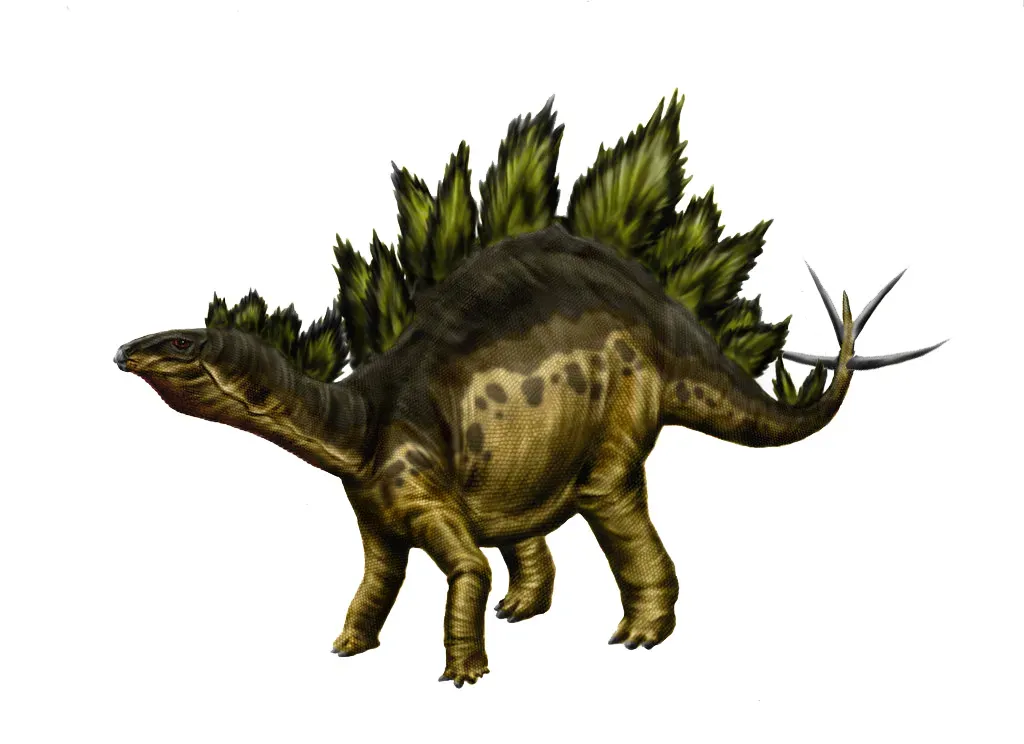
Libra is obsessed with balance, aesthetics, and harmony, and Stegosaurus embodies that combination of elegance and protection. Its iconic double row of plates running along the back has sparked endless debates about function, with many scientists suggesting roles in display, thermoregulation, or both. Regardless of the exact purpose, the plates create a visually striking silhouette that would have been impossible to ignore, echoing Libra’s love of symmetry and graceful lines.
At the same time, Stegosaurus carried a heavily armed tail with long spikes capable of delivering devastating blows, which feels like Libra’s less obvious side: polite and conciliatory until boundaries are crossed. This dinosaur likely moved slowly, foraging peacefully, relying on its imposing appearance to discourage attacks and using its tail only when truly necessary. That blend of beauty, poise, and underlying steel makes Stegosaurus a well-balanced mirror for Libra’s charm-with-a-backbone personality.
Scorpio: Smilodon, the intense ambush specialist
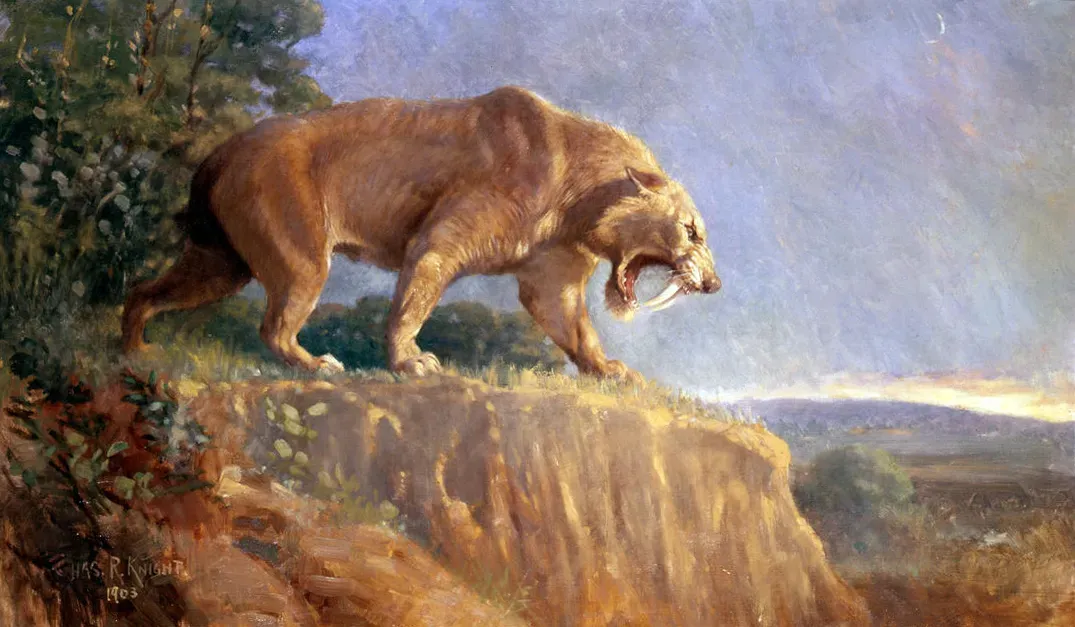
Scorpio’s reputation is all about intensity, mystery, and transformative power, and Smilodon – the famous saber-toothed cat – channels that darkness and depth. Its massive upper canines, robust forelimbs, and relatively stocky build suggest a predator that relied on strength and surprise rather than long chases. Many paleontologists think Smilodon ambushed large prey, wrestling them down at close range and using those saber teeth in carefully targeted killing bites, a style that feels very Scorpionic in its focus and precision.
Fossil evidence of healed injuries in Smilodon individuals, including severe damage that would have made solo hunting difficult, hints that these animals may have lived in social groups that supported injured members. That level of loyalty and willingness to stick together through hardship echoes Scorpio’s intense bonds and ride-or-die mindset. Smilodon was not just fearsome; it was deeply committed to its way of life and its group, embodying the emotional depth and resilience often associated with this water sign.
Sagittarius: Quetzalcoatlus, the restless sky wanderer
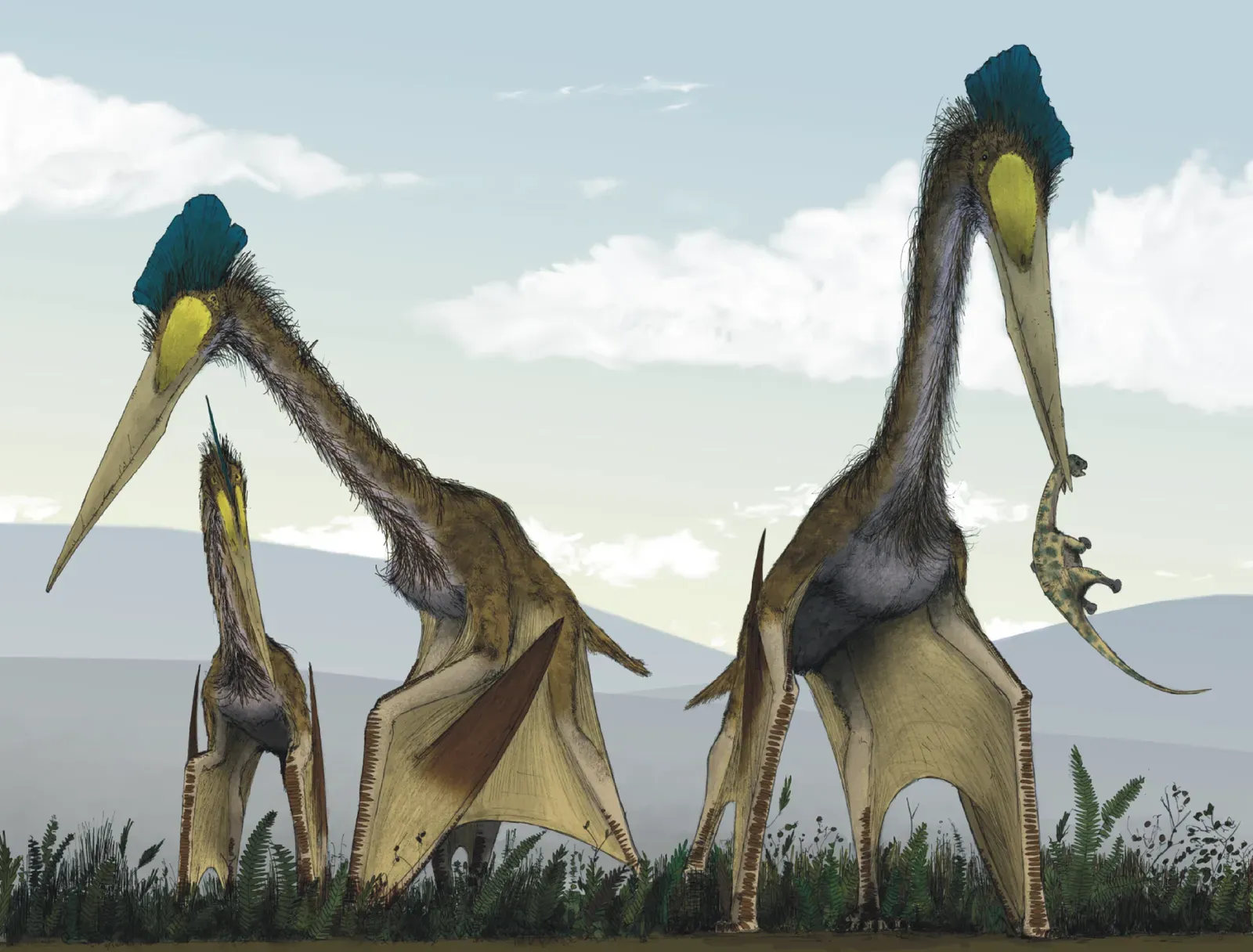
Sagittarius is the explorer of the zodiac, drawn to open horizons, big ideas, and wild journeys, and Quetzalcoatlus is its prehistoric twin. This giant pterosaur, with a wingspan rivaling a small airplane, likely soared over vast distances, gliding between coastal plains, rivers, and inland habitats. Some reconstructions suggest it could travel long stretches with minimal effort, taking advantage of air currents and thermals in a way that perfectly matches Sagittarius’s love of roaming without being tied down.
Scientists still debate exactly how it fed – perhaps scavenging, hunting smaller animals on land, or plucking prey from water – but most agree it was highly mobile and opportunistic. That flexibility in lifestyle and diet echoes the Sagittarian tendency to say yes to whatever adventure presents itself next. Imagine a towering, long-necked, long-beaked creature striding across prehistoric landscapes by day and catching the wind by evening; it is hard to think of a better symbol for Sagittarius’s eternal quest for the next horizon.
Capricorn: Ankylosaurus, the disciplined fortress on legs
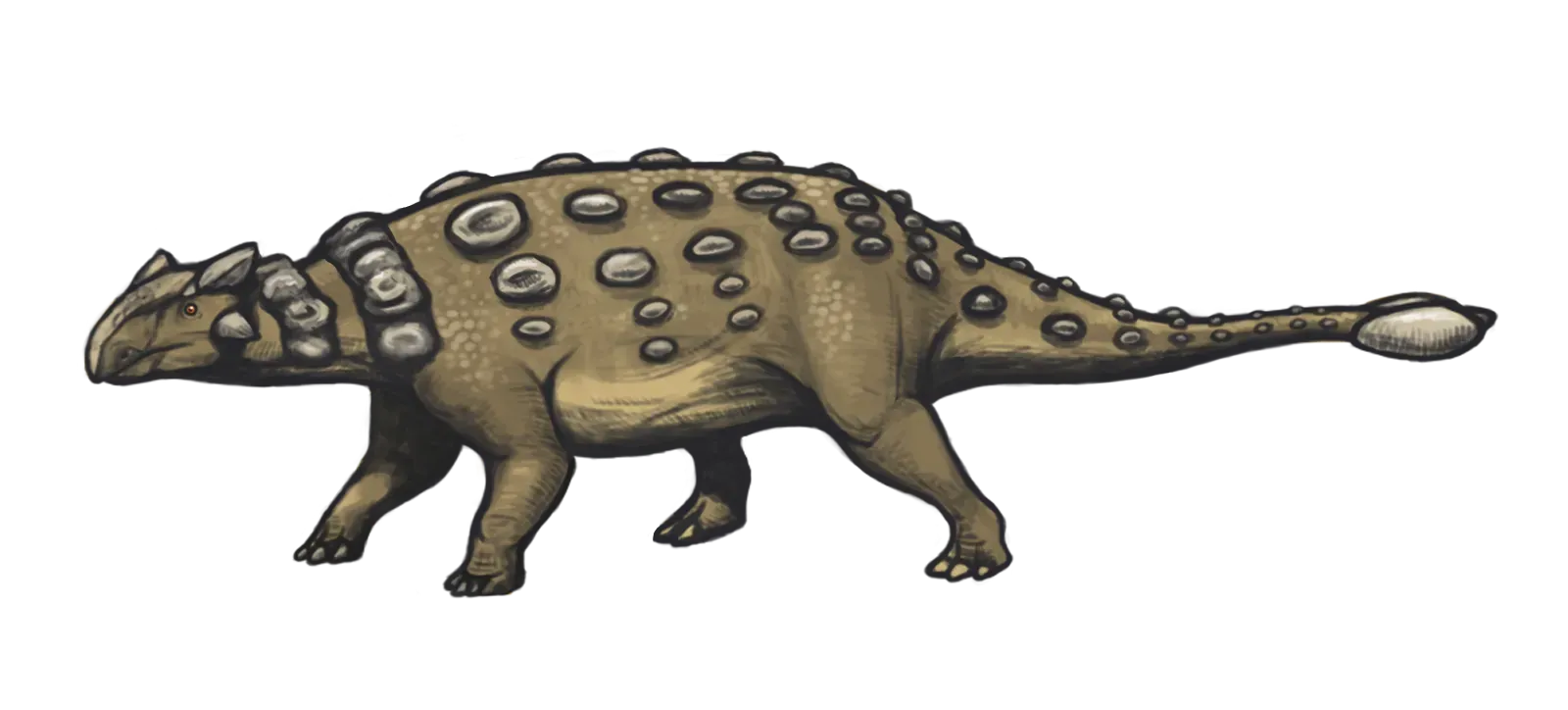
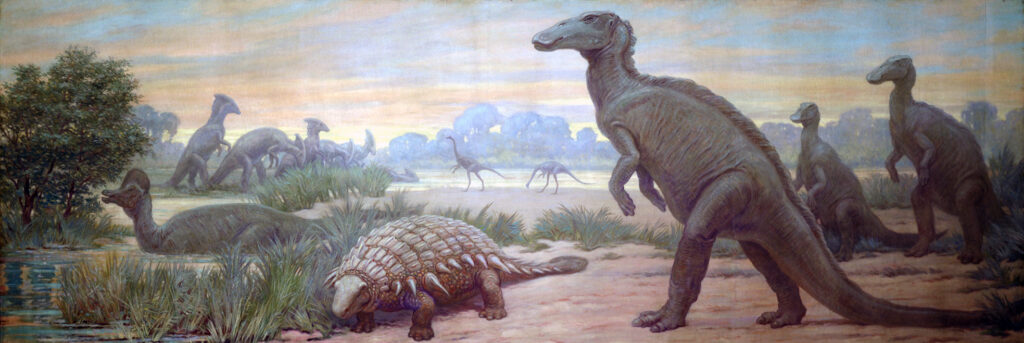
Capricorn’s core traits include discipline, resilience, and a strong focus on long-term security, and Ankylosaurus is a nearly perfect physical manifestation of that mindset. This armored dinosaur was covered in bony plates and knobs, forming a living tank with a massive clubbed tail. Instead of speed or showiness, its survival strategy was simple and brutally effective: endure, defend, and outlast. That is classic Capricorn, trading short-term thrills for steady, structural safety.
Studies of its anatomy suggest Ankylosaurus moved relatively slowly, staying close to the ground and relying on low browsing of vegetation, probably following stable routines in familiar territory. When threatened, it could pivot that tail club with enough force to seriously injure a large predator. This blend of patience, preparedness, and strategic counter-attack mirrors Capricorn’s ability to withstand pressure and respond only when it truly matters. In a world full of flashy predators and fragile specialists, Ankylosaurus represents the sober strength and quiet determination that Capricorn energy is known for.
Aquarius: Archaeopteryx, the revolutionary bridge between worlds
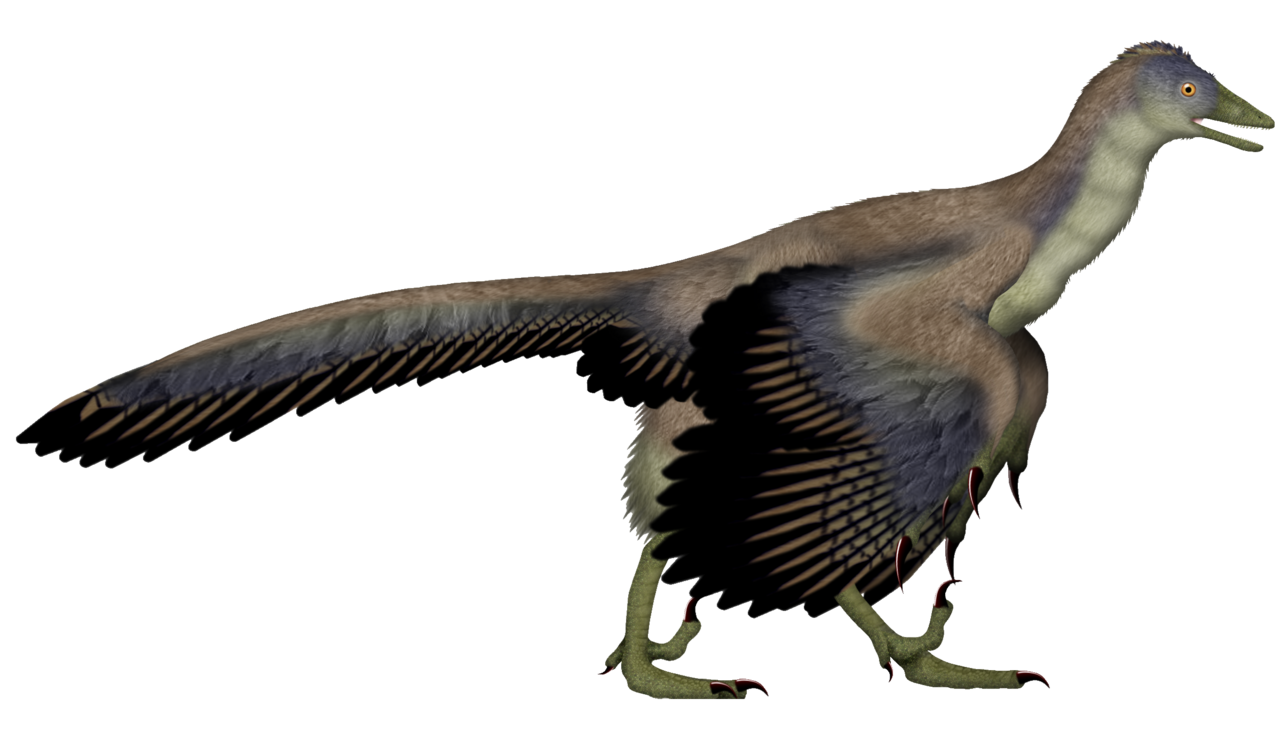
Aquarius is associated with innovation, rebellion, and a love of anything that breaks the mold, and Archaeopteryx is one of the most iconic rule-breakers in paleontology. With its mix of dinosaurian traits (teeth, long bony tail, clawed fingers) and avian features (feathers, wings), it represents a pivotal stage in the evolution of birds. This in-between form challenged old ideas about clear boundaries between reptiles and birds, much like Aquarians challenge fixed categories in society and culture.
While its exact flight capabilities are still debated, many researchers think Archaeopteryx could at least glide or perform short powered flights, experimenting, in a sense, with what it meant to move through the air. That evolutionary experimentation resonates strongly with Aquarius’s desire to test new ways of being and thinking, even when they are messy or misunderstood at first. Archaeopteryx was not the final form but a bold prototype, a living revolution in motion – exactly the kind of disruptive, forward-looking energy Aquarians are drawn to.
Pisces: Ichthyosaurus, the dreamy swimmer of ancient seas
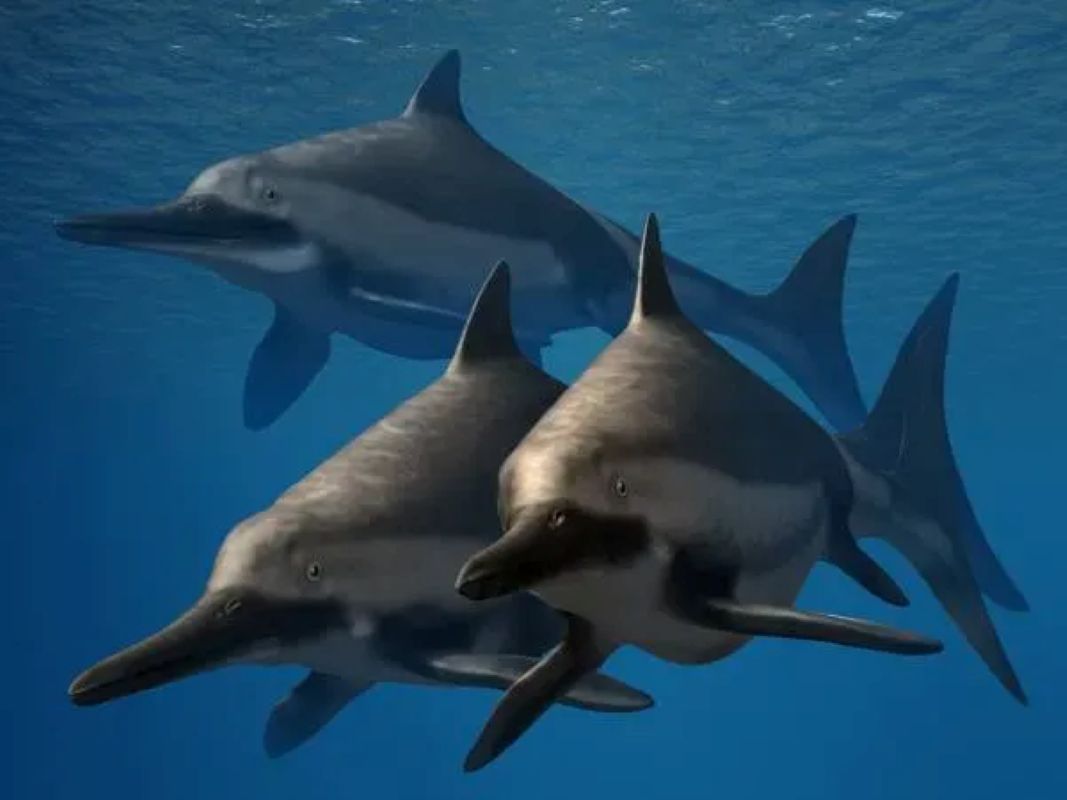
Pisces lives in the realm of emotion, intuition, and fluid boundaries, and Ichthyosaurus, a sleek marine reptile, captures that watery, otherworldly feel. Its streamlined body, large eyes, and fish-like tail suggest a life spent diving deep, navigating dim, open oceans with a reliance on vision and perhaps senses we still do not fully understand. This evokes the Piscean comfort with the unknown and the unseen, moving through emotional depths that others might find disorienting.
Fossils show pregnant individuals with developing embryos, indicating live birth at sea, a detail that adds another layer to this sign’s themes of compassion and continuity. These creatures were fully committed to the water, never returning to land, blending into their environment like a thought that never quite takes solid form. In that way, Ichthyosaurus feels like the prehistoric embodiment of Pisces: graceful, elusive, deeply immersed in a vast, shifting world that most observers barely glimpse from the surface.
Conclusion: What prehistoric counterparts really say about us
When you match zodiac signs with prehistoric animals, it is tempting to treat it as pure entertainment, and to be honest, that is part of the fun. Still, what stands out is how much personality we can reasonably infer from the fossil record: social bonds in herd-dwelling herbivores, precision in specialized predators, adaptability in omnivores, and bold displays in creatures with exaggerated ornamentation. These are not random guesses; they are grounded interpretations of anatomy, behavior, and ecology, and they happen to line up uncomfortably well with the archetypes people have been projecting onto the sky for centuries.
My own opinion is that this overlap says less about destiny and more about how we recognize recurring patterns in nature and then see ourselves in them. The ambitious Capricorn fortress, the nurturing Cancer nest-builder, the rebellious Aquarian transitional form – they are all ways of translating real evolutionary strategies into human emotional language. Whether you take astrology seriously or just enjoy the symbolism, using dinosaurs and other prehistoric creatures as mirrors adds a surprisingly grounded twist. So now that you have met your fossil twin, which story feels closer to the truth: the one written in the stars, or the one set in stone?