Every so often, you stumble on a thought that quietly rewires your brain. Dinosaurs, star charts, and the deep universe might sound like they belong in three different conversations, but put them together and they whisper the same unsettling message: the world you grew up imagining is way too small. Our schoolbook timelines, our daily horoscopes, even our late–night worries are like a stick–figure sketch drawn over a sprawling cosmic mural.
Once you let that sink in, everyday life starts to feel almost surreal. The ground under your feet is made of crushed ancient seabeds and meteor dust; your body is stitched together out of atoms forged in dead stars; your calendar is secretly synchronized to the movements of a galaxy you’ll never see with your own eyes. The more we learn, the more obvious it becomes that the story of life on Earth is older, weirder, and more spectacular than anything we were ever handed in a classroom handout.
The Deep Time of Dinosaurs: Our Tiny Lives on a Planet With a Billion-Year Memory

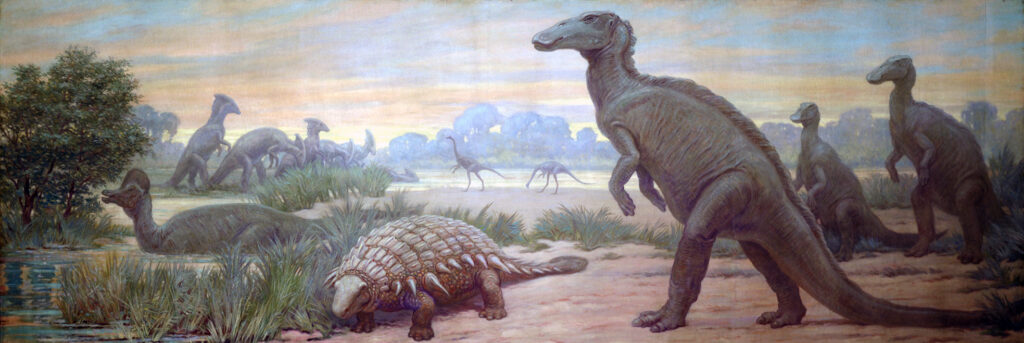
It is hard to emotionally grasp that dinosaurs ruled Earth for tens of millions of years, while our entire recorded history fits into a thin scratch at the end of the timeline. If you compress Earth’s history into a single calendar year, dinosaurs appear around mid‑December and vanish on December 26, while modern humans show up minutes before midnight on New Year’s Eve. That should make your daily schedule feel adorably small.
Geology and paleontology show us that continents drift, oceans rise and fall, climates swing from hothouse to icehouse, and extinction is a recurring plot twist, not a rare disaster. When you zoom out that far, your own lifespan feels like a spark in a thunderstorm, but not in a depressing way; it is more like realizing you are part of a vast, ongoing story rather than the whole book. The rocks literally remember ages that no myth or text ever captured, and dinosaurs are one of the most vivid chapters in that memory.
Extinction and Cosmic Accidents: How a Random Rock Reset the Future
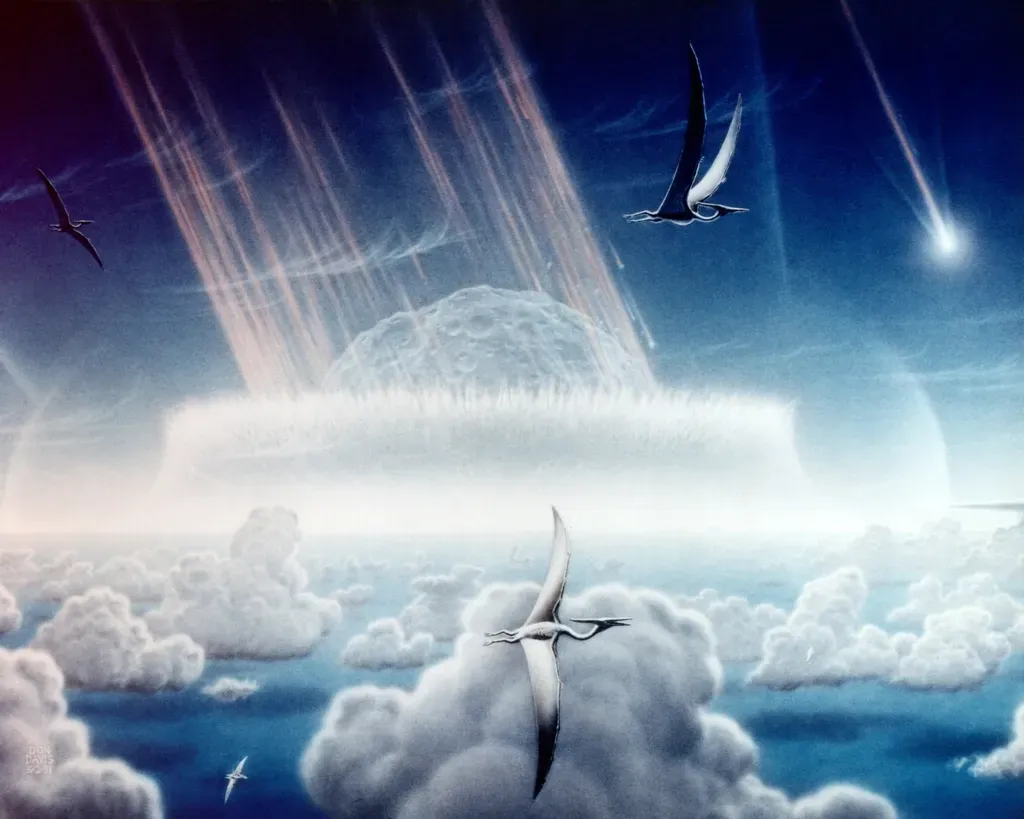
The dinosaurs did not slowly fade away in peace; most of them were wiped out when a roughly city‑sized asteroid slammed into what is now Mexico about sixty‑six million years ago. That impact triggered a chain reaction of firestorms, darkness, and climate chaos that erased entire ecosystems in what, geologically speaking, was the blink of an eye. The only reason mammals – and eventually humans – got their big break is that this one cosmic billiard ball happened to be on a collision course with our planet.
There is something humbling and uncomfortable about that. It means the existence of your species, your language, your music playlist, all depend on an ancient roll of the cosmic dice. The same sky people read for meaning in astrology is the sky that once flung a rock at Earth and rewrote the script of evolution. When you really absorb that, the idea that life is neat, planned, or guaranteed starts to crumble, but in its place comes a raw appreciation for how wildly improbable it is that you are here at all.
Astrology’s Emotional Truth vs. Astronomy’s Measured Reality
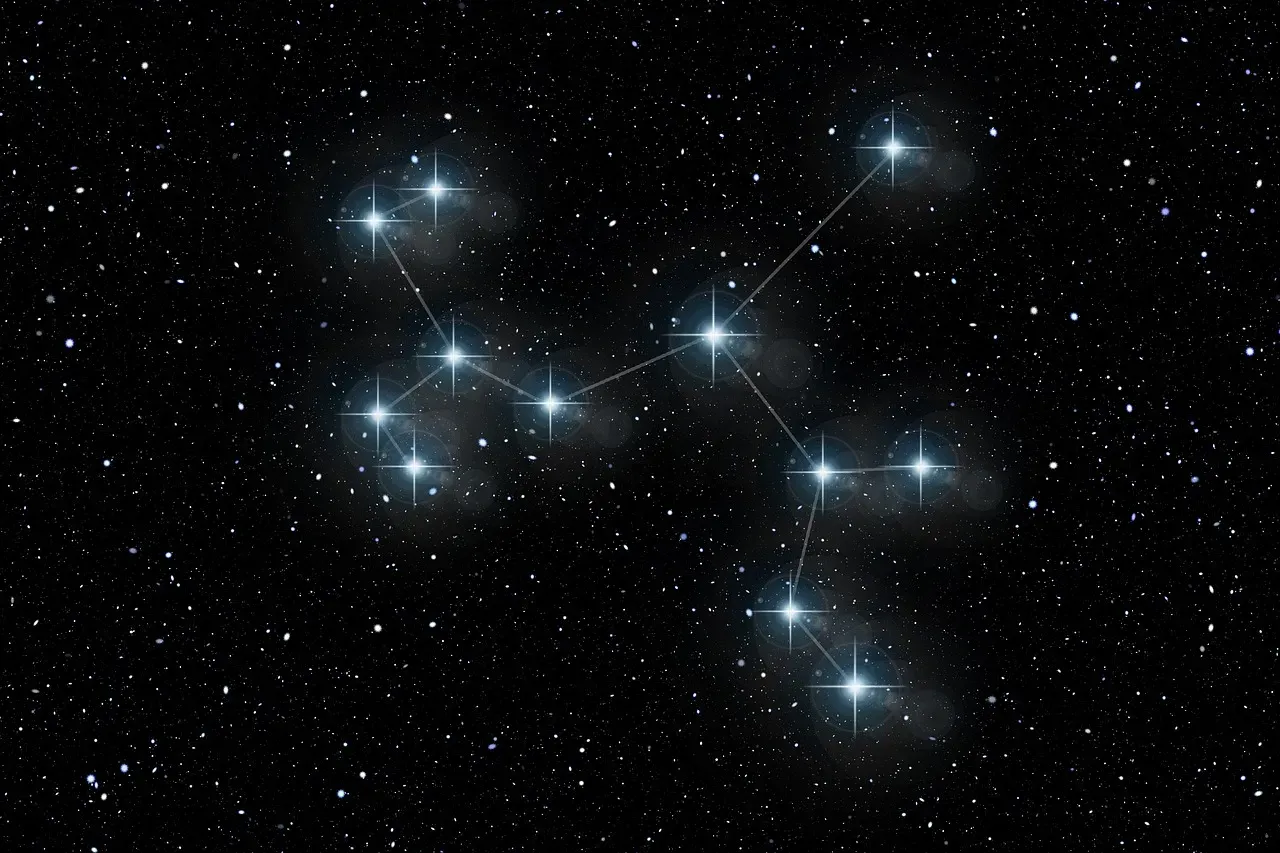
Astrology and astronomy share a common ancient root: humans staring at the night sky and trying to make sense of it. Today, astronomy is a data‑driven science measuring distances, masses, orbits, and the physics of stars, while astrology remains a symbolic system that treats planetary positions as mirrors for personality and fate. Scientifically, there is no credible evidence that the alignment of the planets at your birth can steer your life path in any literal, causal way.
And yet, astrology stubbornly survives, especially in anxious, fast‑moving times. What it offers, at its best, is not physics but a story: a feeling that your life is part of a larger pattern, that your struggles echo something timeless and cosmic. In that sense, astrology accidentally points at a real truth revealed by astronomy and evolutionary biology – that you are made of the same matter as the stars and are woven into a universe that existed long before you and will continue long after you. The symbols might not be scientifically accurate, but the hunger behind them is deeply human.
We Are Stardust: The Chemistry That Ties You to Supernovas and Ancient Bones
When people say humans are made of stardust, it is not poetic fluff; it is plain chemistry. The carbon in your cells, the calcium in your bones, the iron in your blood, and many of the other elements that make life possible were forged in the hearts of stars and scattered into space when those stars exploded. Over unthinkably long spans of time, that material collected into new stars, planets, oceans, and eventually living things like dinosaurs and you.
That means there is a direct line – broken into many steps, but still real – from ancient supernovas to dinosaur skeletons to your own body. You are not just living on the same planet dinosaurs did; you are using some of the same recycled atoms that once swam through reptilian veins, floated in Jurassic seawater, or drifted in the air over a forest filled with strange calls. No horoscope can compete with the awe of realizing that the universe did not just make you; it also made you out of its own shattered remains.
Cosmic Time vs. Human Time: Why Our Brains Struggle With the Truth
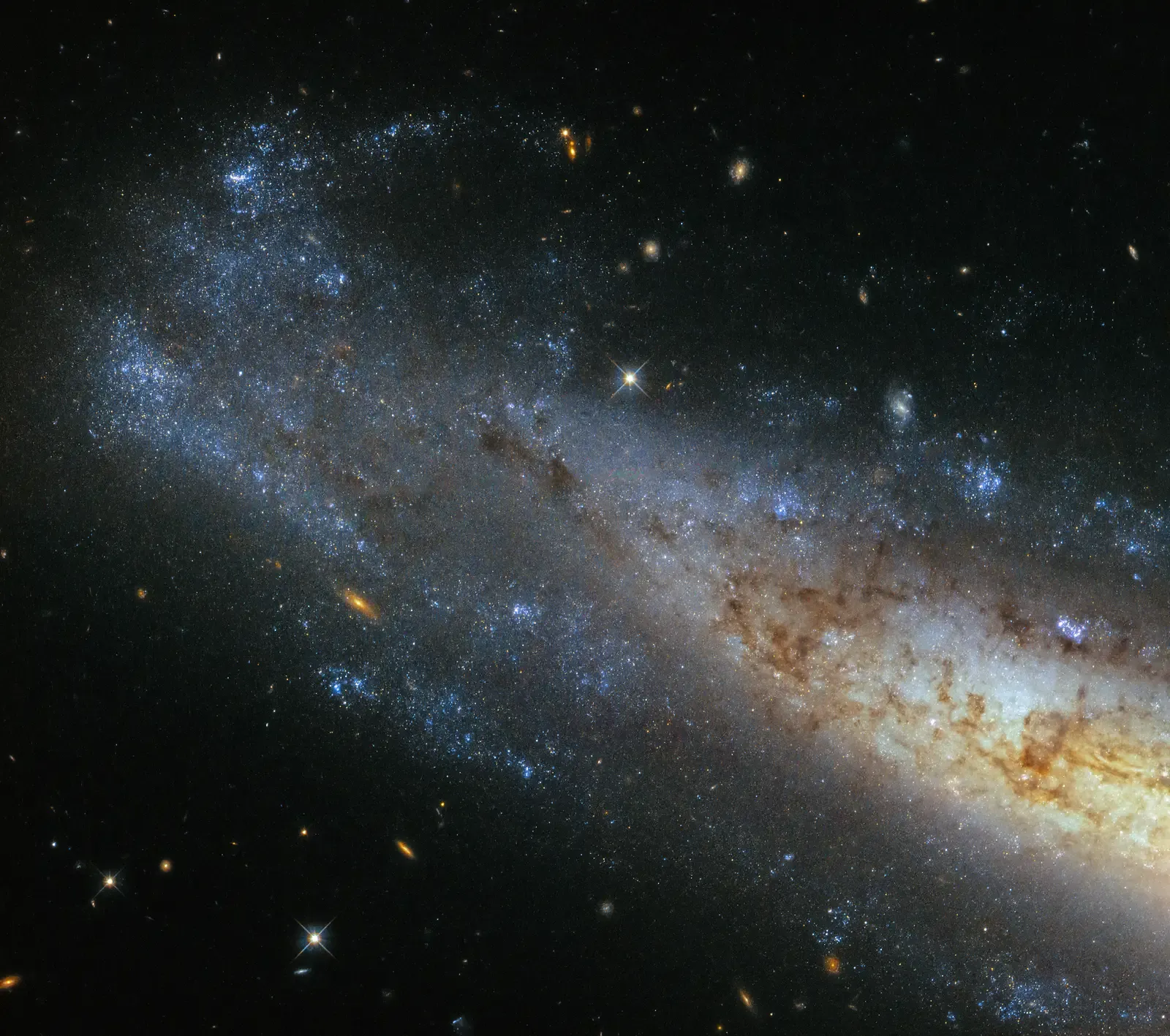
Our brains evolved to track seasons, lifetimes, and maybe the span of a few generations – not billions of years or light‑years of distance. That is why dinosaur ages, galaxy lifetimes, and planetary orbits feel abstract, like numbers on a page rather than realities we live inside. We measure our days in notifications and to‑do lists, but the planet is moving through space in a slow, grand dance that barely registers in our awareness.
This mismatch creates a strange tension. On one hand, we crave big meanings, so we invent tight, human‑sized stories where everything happens for a reason. On the other hand, the actual universe seems indifferent, running on physics, chance, and deep time that does not care about our calendars. Learning about dinosaurs, extinctions, and the deep universe forces us to confront that gap and decide whether we will cling to comforting fictions or grow into a new, more mature sense of meaning that can handle how vast and old reality really is.
Patterns in the Sky: From Constellations and Zodiac Signs to Galaxies and Dark Matter
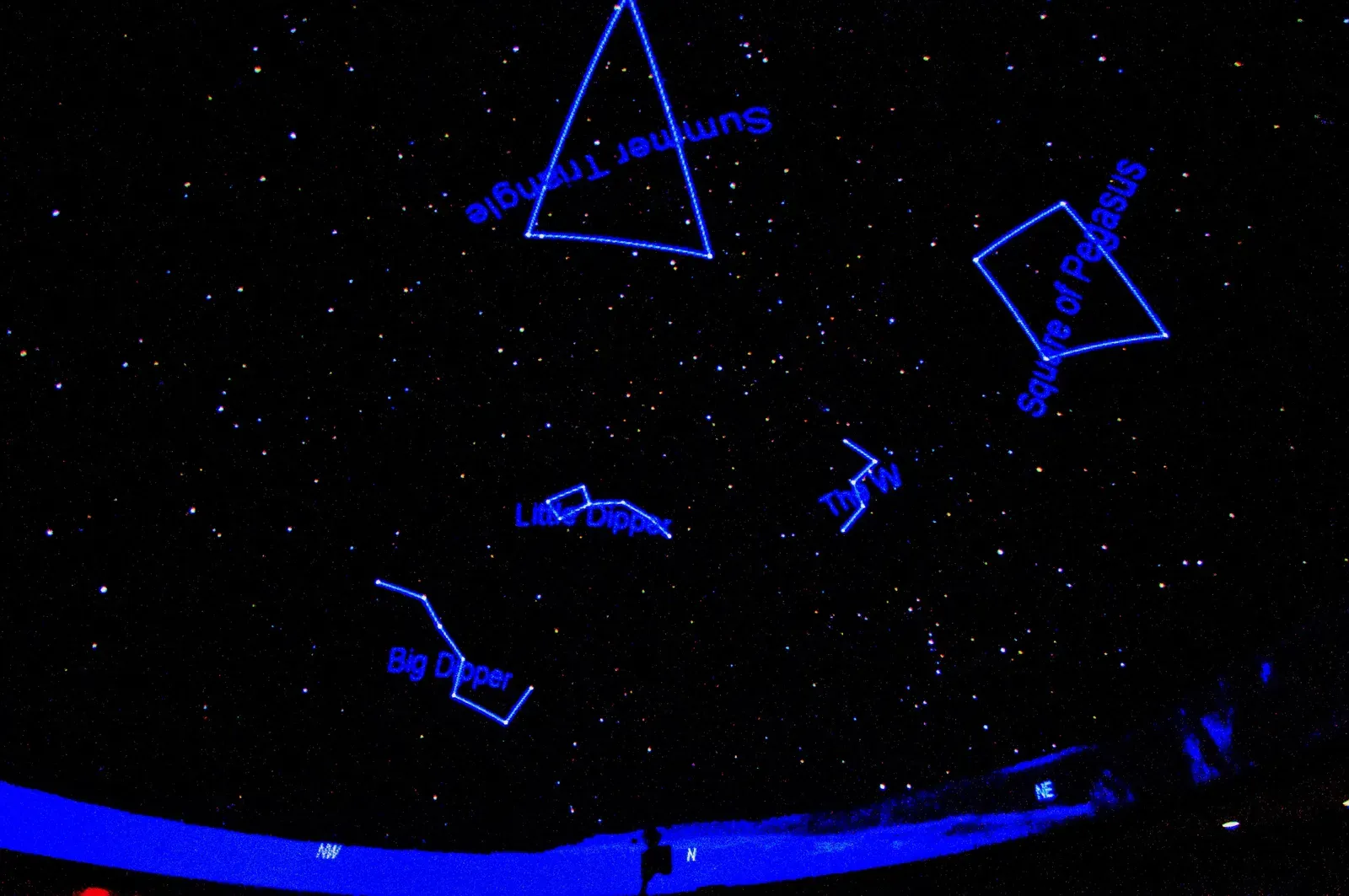
For most of human history, the night sky was the most dramatic show in town, so people connected the dots into constellations and zodiac signs that echoed their own lives. A cluster of stars became a lion, a scorpion, or a hunter – basically, sky‑drawn versions of ourselves. That is classic human behavior: faced with chaos, we draw familiar patterns and tell stories until it feels less overwhelming.
Modern astronomy has revealed deeper patterns that are far stranger and less flattering. Constellations turn out to be chance line‑ups of stars, often at wildly different distances, while galaxies swirl in structures shaped by gravity and dark matter we still do not fully understand. The universe is full of repeated themes – spirals, disks, clusters – but they emerge from physics, not from a script written about human personalities. In a way, both astrologers and astronomers are hunting for order in the sky; they just disagree on whether that order is about us or exists regardless of us.
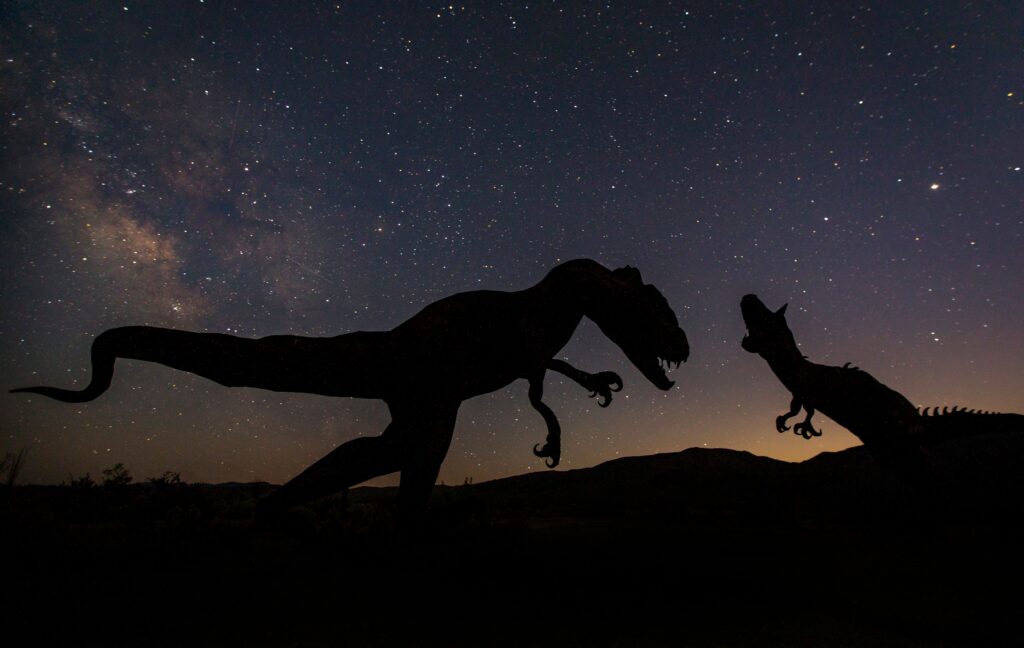
When we picture dinosaurs, we often see them as scaly movie monsters crushed into a simple failure narrative: they were big, they were dumb, they died. Reality is much richer. Many dinosaurs were complex, adaptable, and surprisingly bird‑like, with feathers, social behaviors, and ecosystems that thrived across diverse climates and continents long before our ancestors were anything more than small, nervous mammals hiding in the underbrush.
The same flattening happens with astrology and cosmic ideas. Astrology compresses the messy complexity of personality into twelve neat signs, while pop science clips the universe into bite‑sized entertainment, all awe and no discomfort. But when you look closely – at the fossil record, at actual star data, at climate cycles and orbital mechanics – the story blooms into a tangled, unfinished epic. The world we were taught is often a cartoon; the real version is darker, richer, and far more interesting.
Why This All Matters for How We Live Now

It is fair to ask: so what if dinosaurs lived for ages, astrology is symbolic, and galaxies are unimaginably far away? You still have bills to pay and people to text back. But shifting your sense of scale can quietly change your priorities. When you internalize that life is fragile, contingent, and deeply interconnected across time, arguments about petty status and trivial drama start to feel like squabbling over deck chairs on a ship sailing through infinity.
Recognizing that a random asteroid helped clear the way for mammals can also sharpen our sense of responsibility around things like climate change, biodiversity loss, and planetary defense. We cannot control every cosmic accident, but we can choose not to be the asteroid for other species. Seeing yourself as part of a story that stretches from dinosaur bones to starlight can move you from a mindset of ownership to one of stewardship: this world is not just ours; we are temporary caretakers in a saga that began long before us.
Conclusion: Trading Cute Stories for a Wilder, Truer Wonder
If you grew up on neat timelines, tidy zodiac blurbs, and simple dinosaur cartoons, the real picture can feel almost rude. The universe is not organized around you, your country, or your favorite decade. Dinosaurs reigned for ages and vanished in a cosmic accident, astrology captures human longing more than physical reality, and the deep universe rolls on whether we notice or not. That is not a comforting bedtime story – but it is far more honest, and in my view, far more beautiful.
Here is the opinionated part: clinging to small, flattering myths is a waste of the one brief, improbable life you get. The true story – that you live on a planet shaped by extinction, made of star debris, spinning through a universe old beyond comprehension – is weirder and more magnificent than anything we were ever taught as kids. You do not need the stars to secretly be talking about you for your existence to be meaningful; it is meaningful precisely because it is so unlikely. Once you accept that, the real question becomes: what kind of life feels worthy of this ancient, glittering, dinosaur‑haunted universe you woke up in today?