Look down at your hands for a second. The calcium in your bones, the iron in your blood, the carbon in your skin – all of it was forged in ancient stars billions of years before you were born, before Earth existed, before anyone ever dreamed up Aries, Leo, or Scorpio. Your zodiac sign feels personal and intimate, but its true origin story is so much older, stranger, and more epic than any horoscope column ever suggests. We are not just reading the stars; we are literally made out of their ashes.
Ancient astrologers watched bright points of light move through the sky and built symbolic systems that still shape how people talk about personality and fate. But they had no way to know that those same stars had once lived violent lives, collapsed, exploded, and seeded the universe with the elements that now form your brain, your heart, and every breath you take. Once you see the zodiac through this deeper cosmic lens, the whole idea of “star sign” stops feeling metaphorical. It becomes shockingly literal.
The Stardust Under Your Skin: What Science Knows That Astrology Never Could
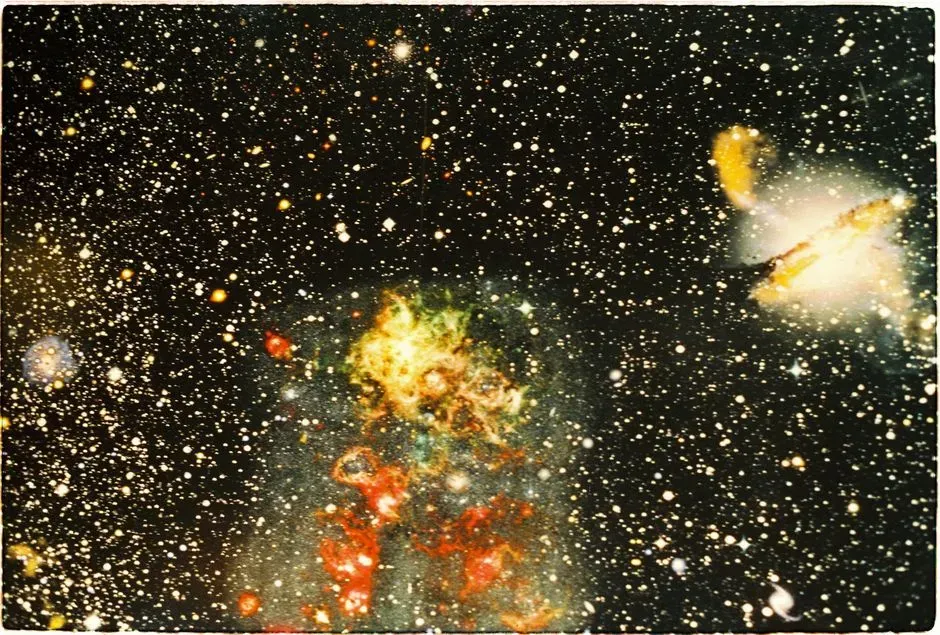
Here’s the wild part: when people say you’re “made of stardust,” it isn’t poetic fluff – it’s hard physics and chemistry. Hydrogen in your body dates back to the Big Bang itself, while heavier elements like carbon, nitrogen, and oxygen were built inside massive stars and scattered across space when those stars died. Every organ in your body is a tiny museum of past stellar catastrophes, quietly carrying the history of the universe in its atoms.
Ancient astrologers, working only with naked-eye observations, could track the planets and recognize recurring sky patterns, but they had zero knowledge of nuclear fusion, supernovae, or galactic chemistry. They saw constellations as divine symbols; modern science sees them as snapshots of a much deeper story. The cosmic origin of your body is not tied to your birth date in any direct, mechanistic way – but the fact that you exist at all is inseparable from a long chain of star birth and star death that unfolded long before any human looked up and assigned names to constellations.
From Hydrogen Fog to Human Bodies: The Prehistoric Star Formation That Set Everything Up
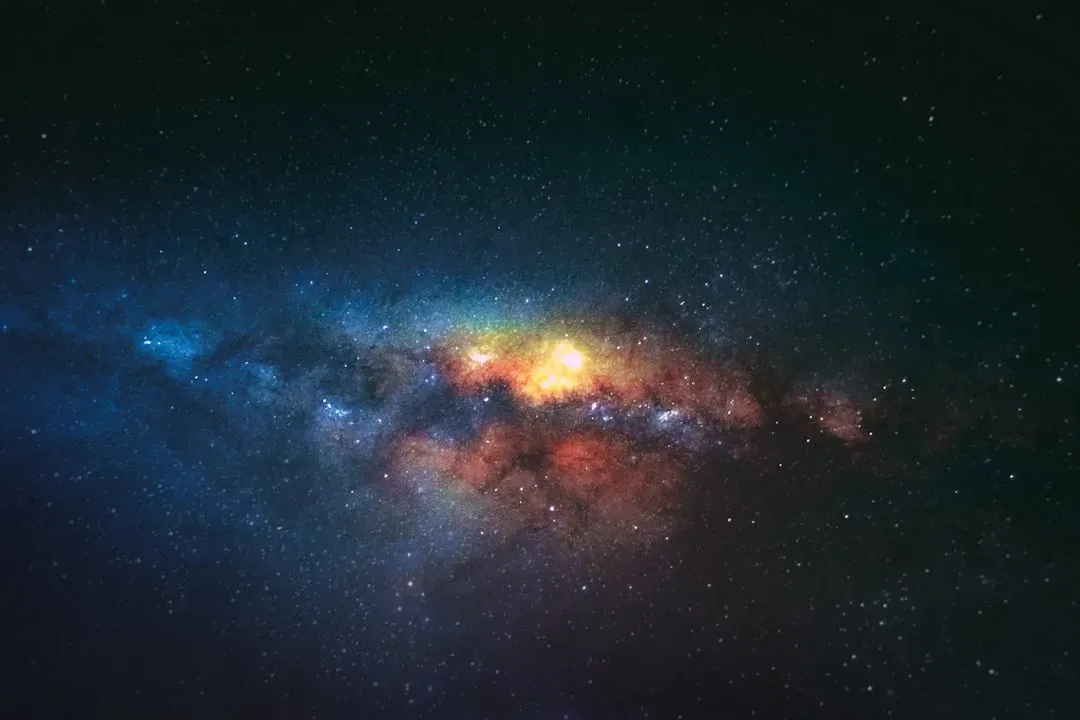
Go back more than ten billion years, and the universe looked nothing like the night sky you know. Instead of distinct galaxies and stars, there were vast, cold, mostly dark clouds of hydrogen and helium gas floating through expanding space. Over time, gravity very slowly pulled this gas into denser clumps, like dust gathering into little piles, until some regions became so compact that they collapsed under their own weight and lit up as the first generation of stars.
These prehistoric stars were enormous compared to our Sun and burned outrageously hot and fast. Inside their cores, hydrogen fused into helium, and then into heavier elements like carbon and oxygen – the same ingredients that now form your DNA, your muscles, and your neurons. When those early stars reached the ends of their lives, many exploded in supernova events, ejecting their enriched guts into space. That star-forged material mixed with fresh gas, forming new generations of stars and, eventually, planets like Earth. Every “typical Cancer” mood swing or “classic Virgo” overthinking session is happening in a body whose chemistry was locked in by those ancient, long-gone suns.
The Zodiac Belt: A Human Map Drawn On a Cosmic Background
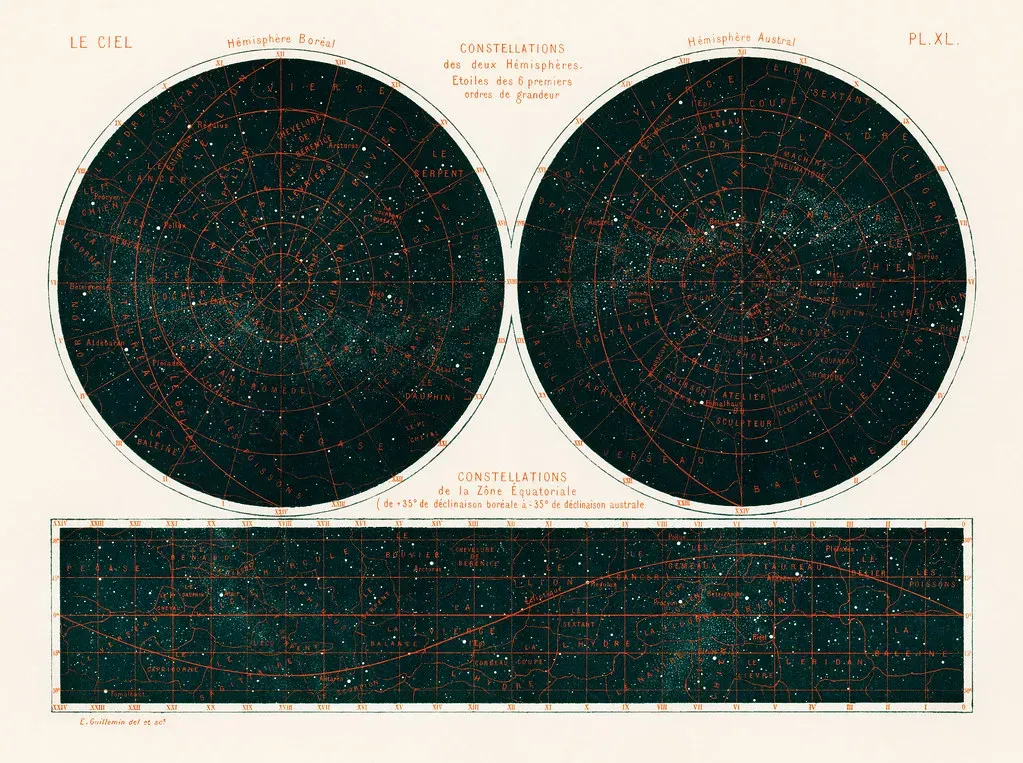
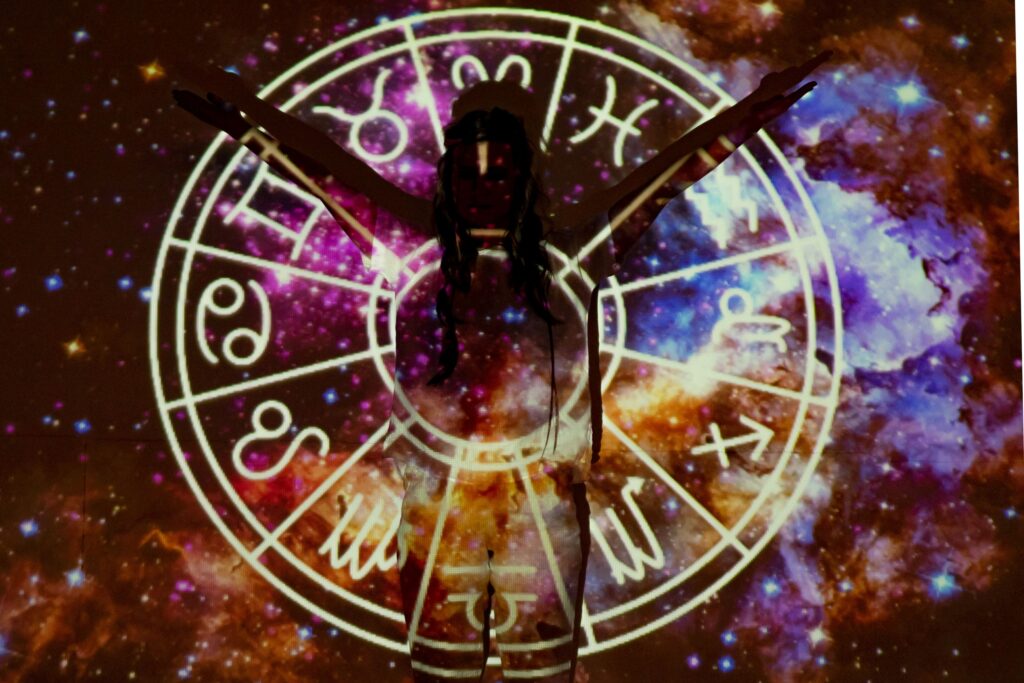
The zodiac signs come from a narrow band of the sky through which the Sun, Moon, and planets appear to travel over the course of a year. To ancient sky-watchers, this “zodiac belt” was prime real estate: a cosmic highway where celestial action happened. They divided that strip into twelve segments, associated each with constellations, and built symbolic meaning around the time of year the Sun passed through each slice.
What they could not see is that those constellations are not related to each other in space at all; they are simply stars at wildly different distances that appear near each other from our point of view. Some of those stars formed relatively recently, others in the deep past; some are still burning hydrogen, others are quietly aging toward red giant or white dwarf stages. The zodiac is, in a way, a two-dimensional cartoon painted over a three-dimensional, evolving universe. The symbolism is human-made, but the raw material – those ancient, element-forging stars – is not.
Elemental Astrology: Fire, Earth, Air, Water vs. Real Cosmic Chemistry
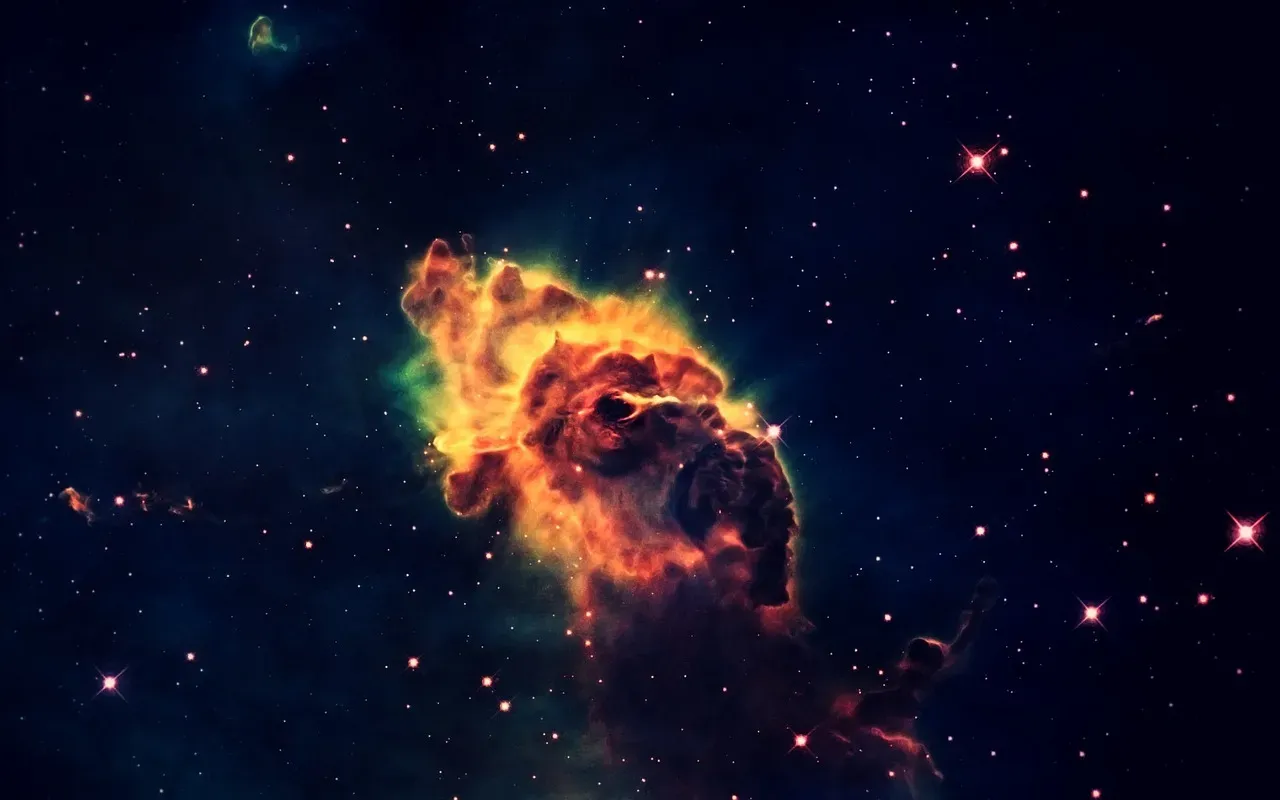
Astrology sorts signs into elements: Aries, Leo, and Sagittarius are “fire” signs; Taurus, Virgo, and Capricorn are “earth” signs; Gemini, Libra, and Aquarius are “air” signs; Cancer, Scorpio, and Pisces are “water” signs. It is a neat, intuitive system that speaks to personality and temperament more than anything physical. In your actual body, though, the elemental story is much stranger. You are mostly made of oxygen, carbon, hydrogen, and nitrogen, with smaller amounts of calcium, phosphorus, and trace metals like iron and zinc.
Those real elements did not come from the Earth in a symbolic sense; they were cooked in stars, layered in planetary geology, and then recycled through ecosystems before ending up in your tissues. Calling someone a “water sign” might describe how they feel or behave, but their literal connection to water is that the hydrogen in every H₂O molecule they drink is ancient Big Bang material, and the oxygen was forged inside earlier generations of stars. If we ever rewrote astrology from a purely scientific standpoint, the “elements” column would look more like a fusion reactor output chart than a mystical list.
Take the iron in your blood – the stuff that makes your red blood cells capable of carrying oxygen. In massive stars, nuclear reactions continue step by step, building heavier and heavier elements until they reach iron, which acts like a brick wall in the fusion process. After that, the star can no longer gain energy from fusion in its core, and its life story races toward a collapse. When the core implodes and rebounds, or when the star sheds its outer layers in a catastrophic event, iron and many even heavier elements are thrown into space, heading out as fine, invisible dust.
Over millions of years, this dust mingles with gas clouds, which eventually collapse to form new stars, planets, and smaller building blocks like asteroids and comets. Some portion of that iron dust ended up inside the proto-Earth, and later, recycled through volcanic activity, erosion, and biological processes until it was incorporated into your body. If you want a cosmic signature more real than your Sun sign, look at a drop of your own blood – it carries the end result of supernova physics in every heartbeat.
The Sun, Your Sign, and the Real Star That Powers Your Life
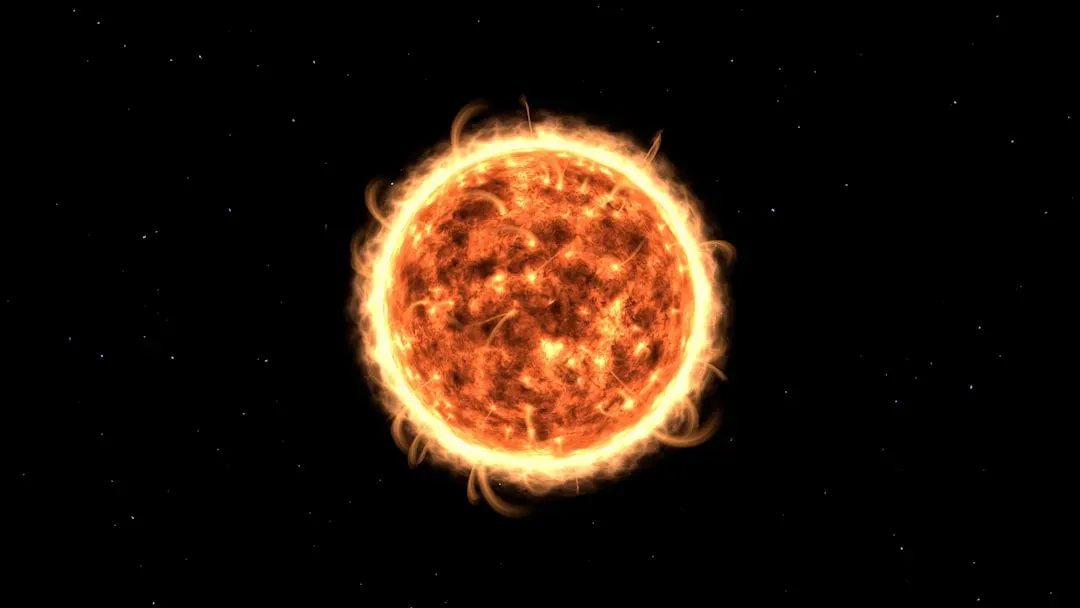
Astrologically, your Sun sign is the headline: it is the sign the Sun occupied on the day you were born, and it is supposed to describe your core identity. Scientifically, the Sun is not just a symbolic anchor, it is the ongoing fusion engine that keeps you alive. Its light feeds the plants that ultimately become your food, its energy drives the climate that shapes your environment, and its gravity holds the whole solar system together so Earth’s orbit stays stable enough for complex life to evolve.
The Sun itself is not a first-generation star; it was born from a cloud of gas already enriched with heavier elements from multiple earlier stellar deaths. That means your sign’s ruling star is part of a much longer ancestral chain. The Sun took that inherited cosmic mixture and turned it into planets, moons, and smaller bodies. Somewhere in that process, a lifeless chunk of rock and water eventually turned into a planet with nervous systems capable of wondering about their zodiac signs and building telescopes to stare back at the stars that made them possible.
Cosmic Time vs. Human Time: Why Your Birthday Is a Tiny Blip
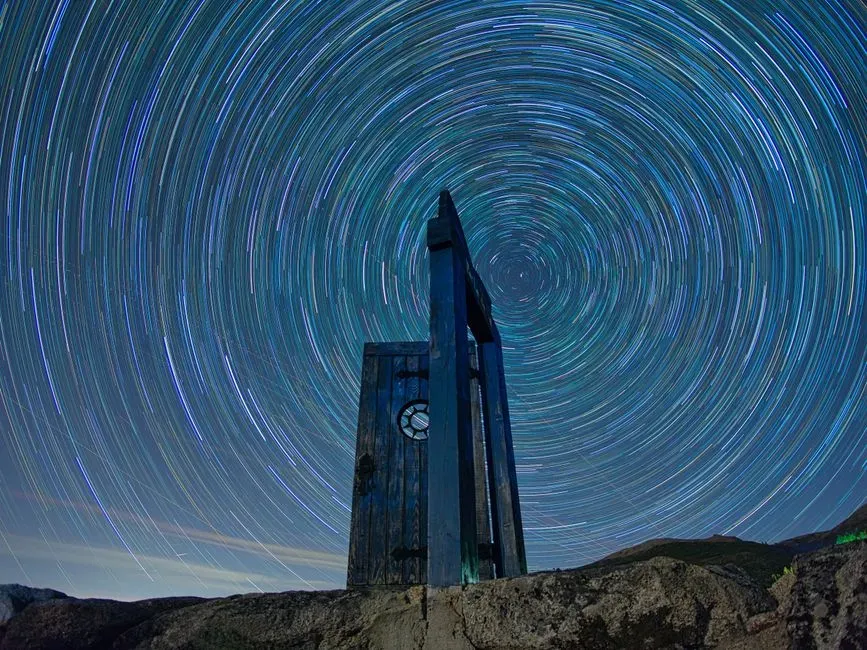
Astrology is obsessed with timing: the exact minute you were born, the planetary alignments at that moment, the cycles of the Moon. In human life, those details can feel huge – like a snapshot that supposedly imprints on your personality. In cosmic terms, your birthday is almost comically brief. Stars live for millions or billions of years; galaxies evolve over time spans that make the entire history of human civilization look like a blink in slow motion.
When you think about your sign in that wider context, something interesting happens. It becomes less about the sky at the instant you showed up and more about the unimaginably long chain of events that had to happen before your birth was even possible. Stars had to form, fuse elements, explode, scatter their guts, regroup into new systems, and do it again multiple times. Your natal chart is a snapshot layered on top of a cosmic photo album filled with pages that came long before astrology existed – and will keep turning long after current star sign trends fade from social media.
Why the Real Cosmic Story Makes Your Sign Feel Bigger, Not Smaller
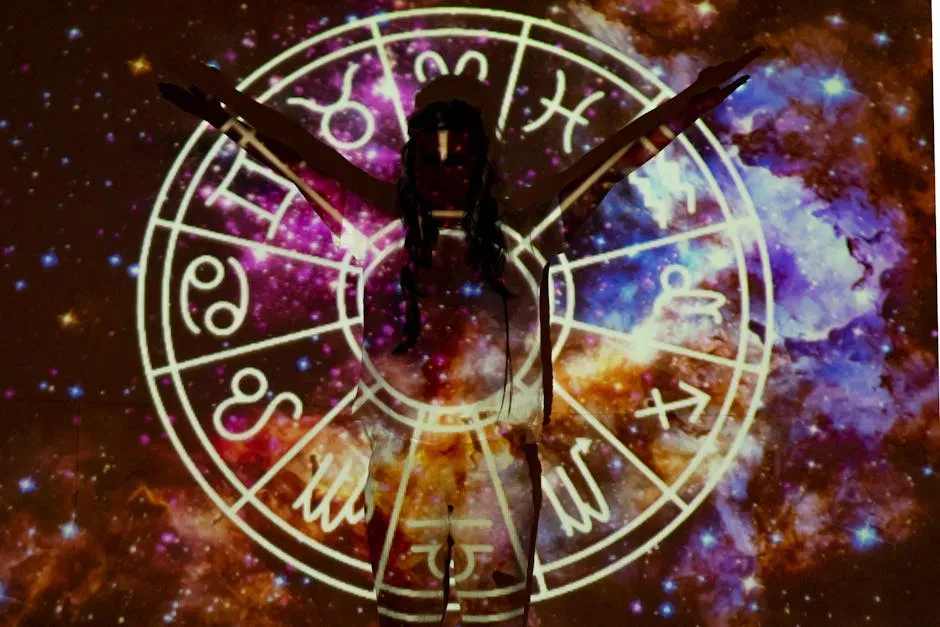
Some people worry that if you bring science into astrology, you will drain away the magic. In practice, the opposite often happens. Knowing that the elements in your body were forged in prehistoric stars makes the idea of being a “child of the cosmos” feel more literal, more grounded, and frankly more awe-inspiring than any personality description in a daily horoscope. Your sign can be a poetic lens you like to look through, but now it is sitting on top of a foundation built out of real stellar evolution and galactic history.
Personally, when I think about zodiac signs, I do not see them as destiny, but as a kind of cultural language we use to talk about ourselves. The hard physics underneath does not care about Aries or Pisces, but it does tell a story of connection: everything and everyone on Earth, whatever their sign, comes from the same star-forged ingredients. If anything, that undercuts the idea that one sign is “better” than another and replaces it with something more humbling – we are all variations on the same cosmic recipe, flavored differently by chance, environment, and choice.
Conclusion: Your Sign Is a Story – Your Atoms Are the Evidence
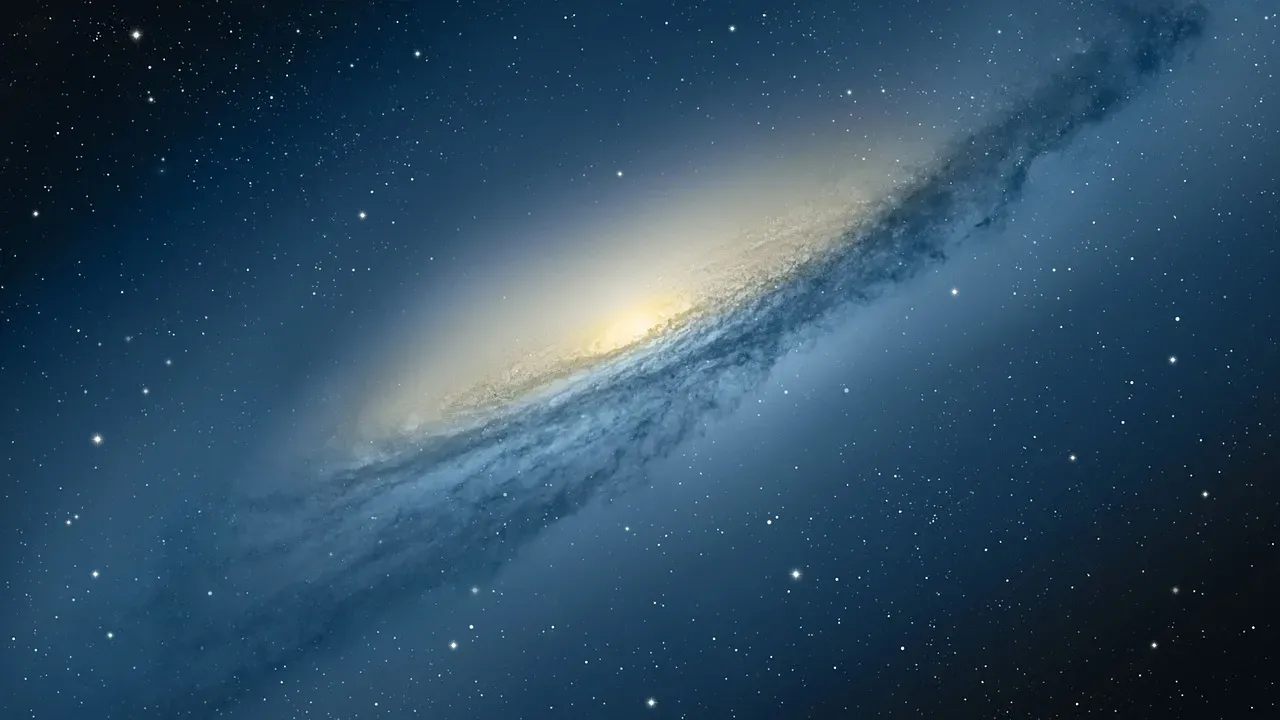
Astrologers of the ancient world were brilliant observers, but they were working in the dark about the single most important fact behind their entire craft: the stars are not just lights that influence us from afar, they are the factories that built us from the inside out. Your zodiac sign is a narrative built on patterns in the sky, while your body is the physical proof of a universe that recycles itself through fire, collapse, and rebirth. In that sense, the cosmic origin of your sign is less about personality traits and more about belonging to a universe that has been preparing the ingredients for you for billions of years.
My own opinion is that clinging too tightly to star signs as fixed labels misses the more stunning truth: regardless of where the Sun was on your birthday, you are a fleeting, conscious expression of ancient stardust getting a brief moment to look back and ask how it got here. If that does not make you feel more awe than any horoscope ever could, what would you have expected the cosmos to do – write your name across the sky?