Imagine watching a furry, wolf-sized creature with hooves paddling through a mangrove lagoon, then stepping onto shore to trot across what is now Pakistan or India. It sounds like pure fantasy, but this is more or less what the fossil record now suggests about the early ancestors of whales. Long before today’s giants cruised the open oceans, their relatives were walking, wading, and hunting in the warm coastal wetlands of ancient South Asia.
This idea is not just a quirky side note in evolution; it completely reshapes how we think about life’s relationship with the sea. For whales, the ocean was not their original home but a place they returned to after millions of years on land. The story is stranger, messier, and far more dramatic than “fish turned into land animals and stayed there.” And once you see whales as former land-dwellers who chose the water again, a lot of their weird anatomy and behavior suddenly makes sense.
The Shocking Idea: Whales With Legs
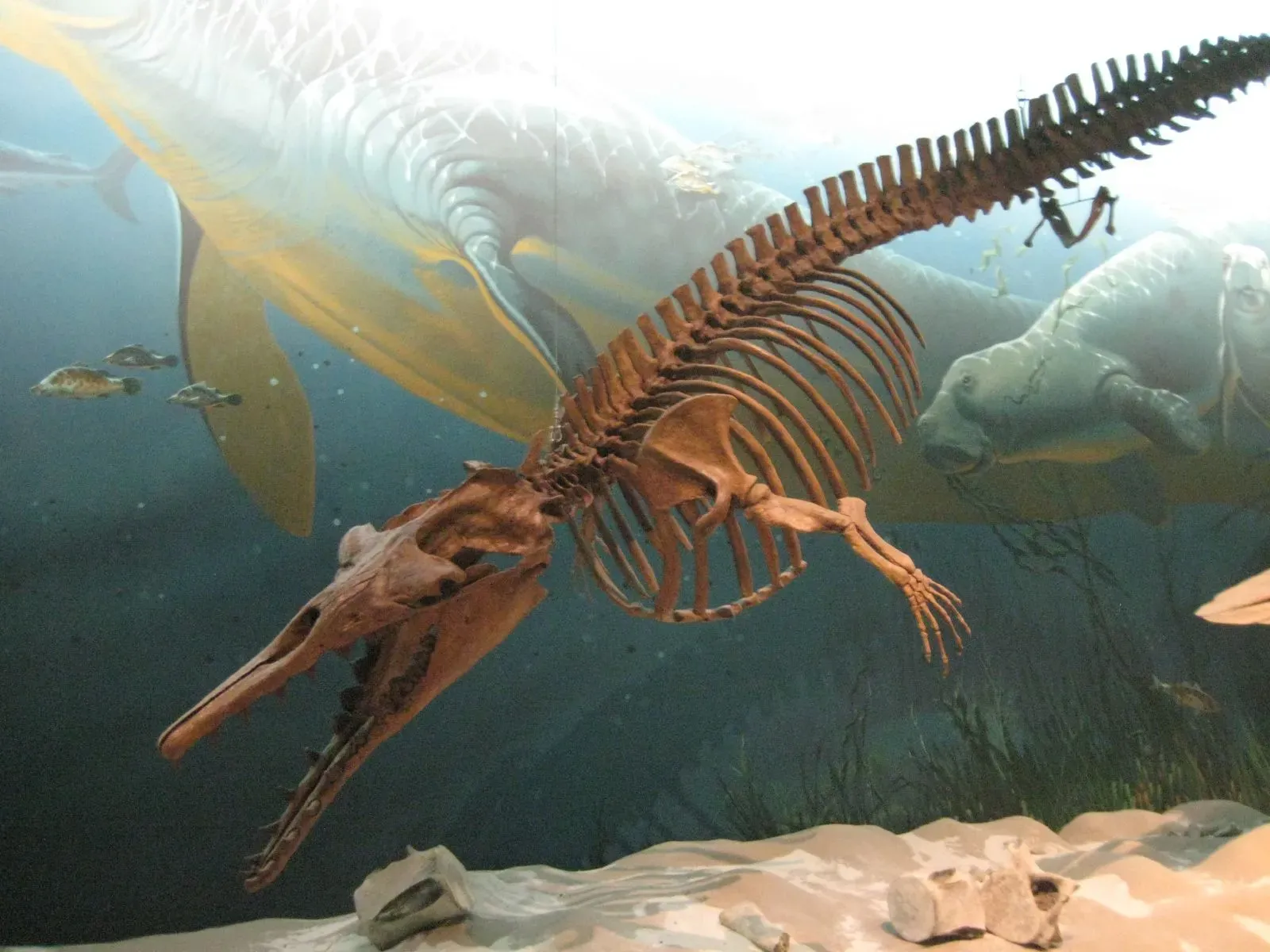
There is something wonderfully unsettling about the phrase “walking whales.” We are used to treating whales as the ultimate ocean specialists, yet the fossils tell us that in their early history, they had legs, hooves, and hips that could support their weight on land. These first whale ancestors, called early cetaceans, looked less like streamlined blue whales and more like a mashup of a small deer, an otter, and a crocodile.
For a long time, the idea that whales came from land mammals sounded almost too bizarre to be true. But paleontologists were stubborn, and so were the bones they kept finding. Skeleton by skeleton, the evidence piled up: ankles like hoofed mammals, teeth suited to meat-eating, and limb bones clearly capable of walking. The result is a picture that feels almost like evolutionary whiplash: a powerful group of mammals that abandoned land to become full-time ocean dwellers again.
Ancient South Asia: A Tropical Highway for Early Whales
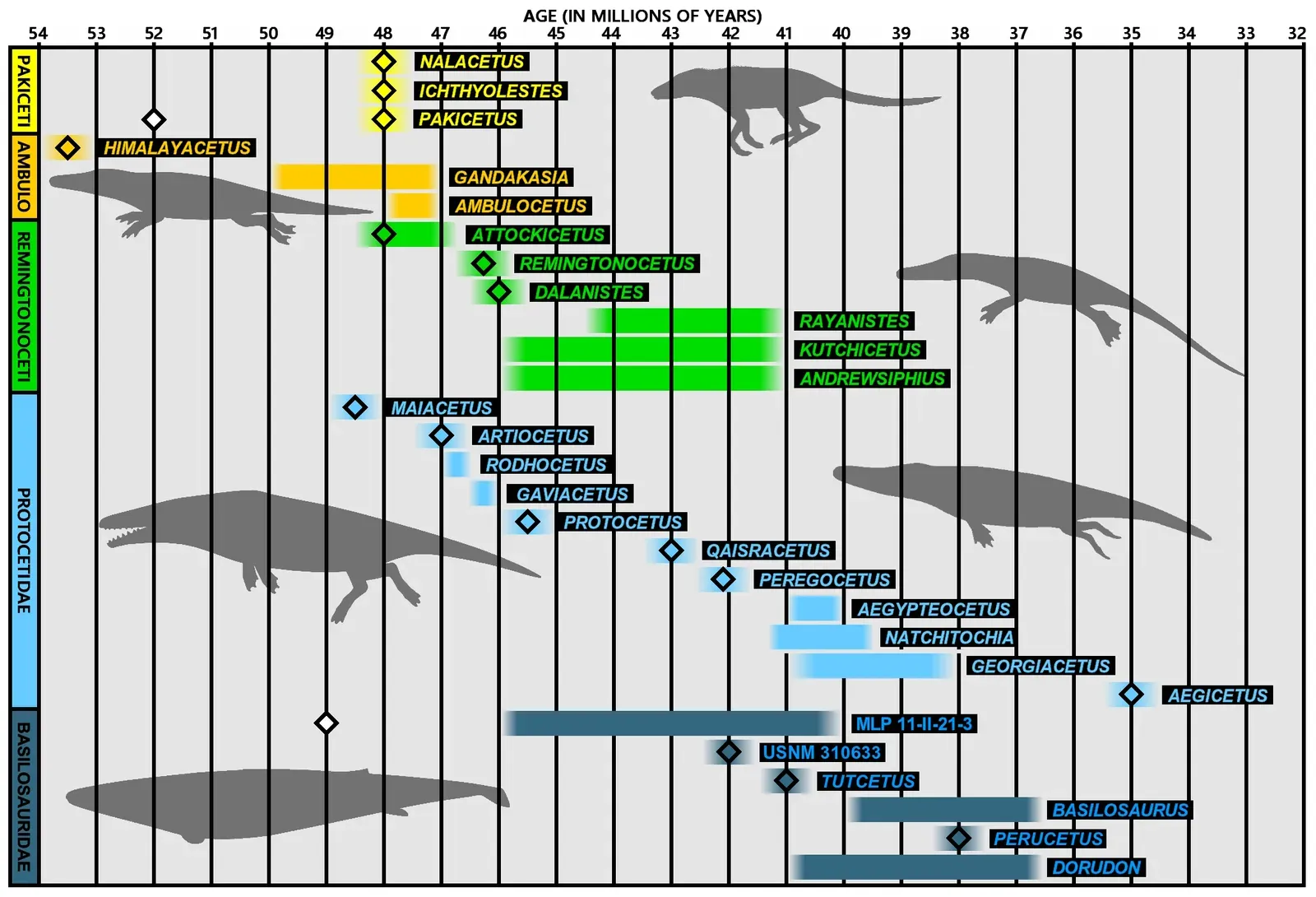
Why South Asia? Because in the Eocene epoch, roughly about fifty million years ago, that region sat by a warm, shallow sea teeming with life. What is now Pakistan, parts of India, and surrounding areas formed a coastline of mangroves, river deltas, and lagoons that would have been a paradise for semi-aquatic hunters. Early whales could wade in sheltered waters to snatch fish and other prey, then retreat onto nearby land when they needed to rest, breed, or escape larger marine predators.
Fossils of early whale relatives have been discovered in layers of rock tied to that ancient shoreline. These animals did not just live there; they likely used this coastal belt as a corridor, walking and swimming along it much like modern animals follow river valleys or coastlines today. In a sense, ancient South Asia acted as an evolutionary highway, guiding these creatures toward a lifestyle that tipped more and more toward the sea.
Ambulocetus and Its Relatives: The “Walking Whale” Superstars
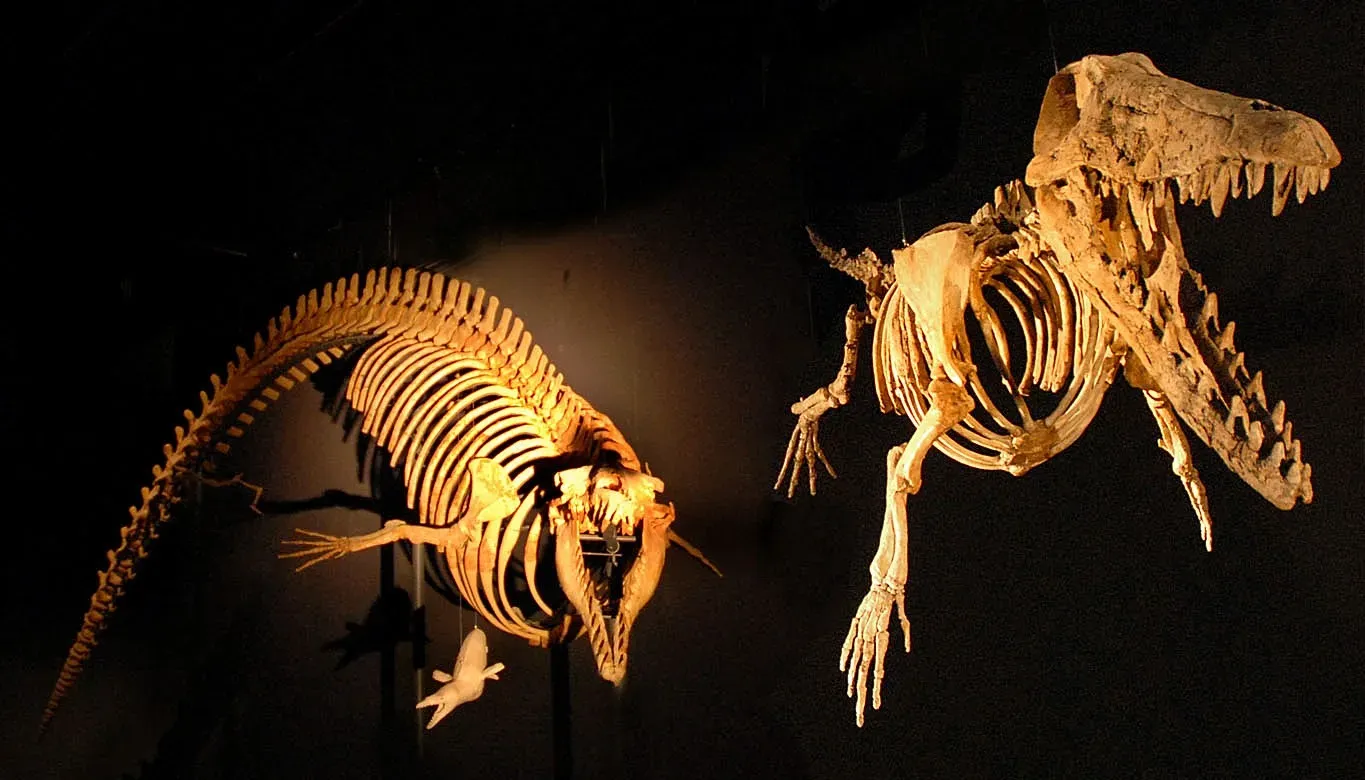
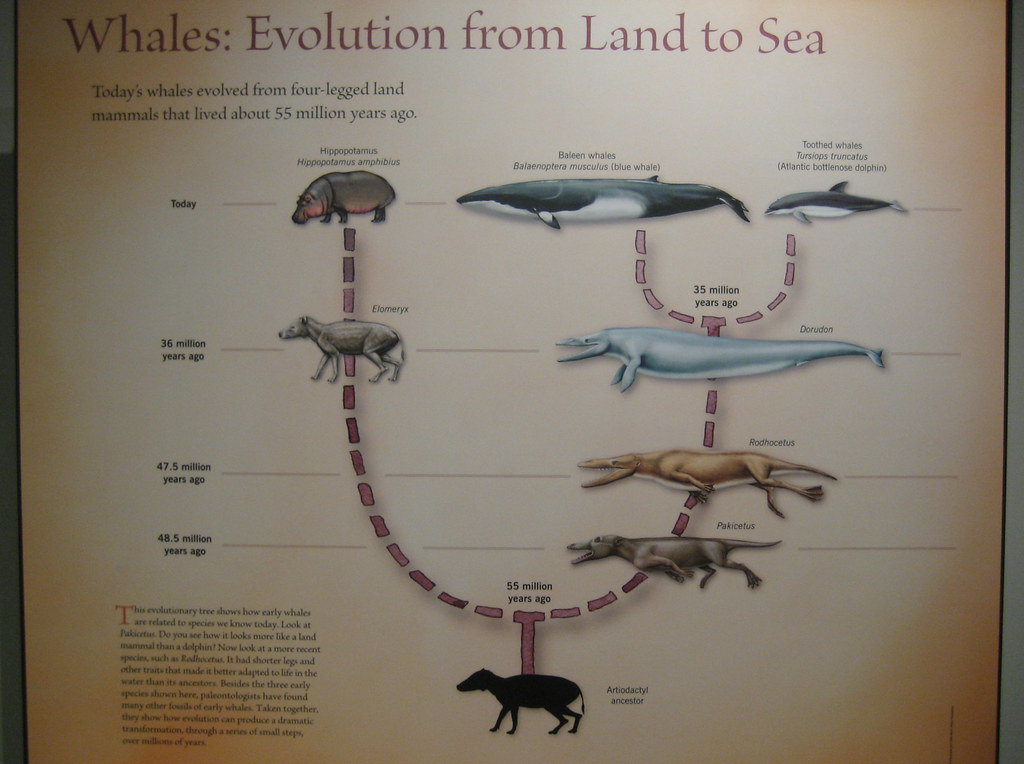
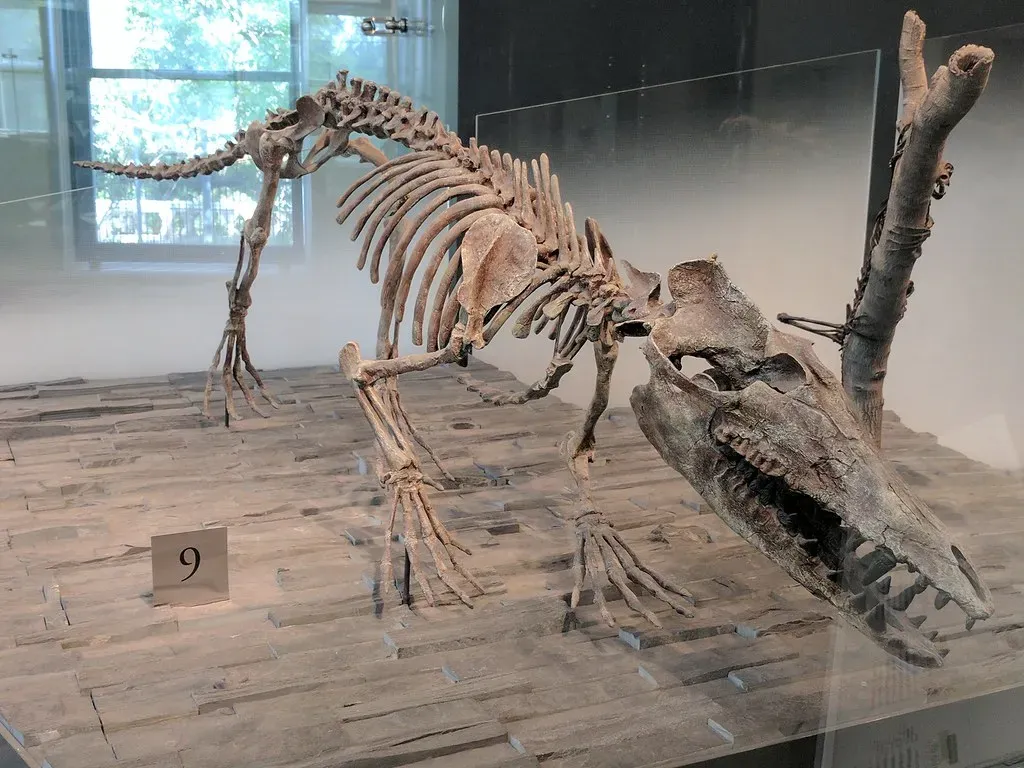
One of the most iconic early whales is Ambulocetus, often nicknamed the “walking whale.” It lived in what is now Pakistan and had limbs robust enough to walk on land, yet also shaped for swimming with powerful strokes. Its body length was comparable to a large crocodile, and it likely moved in a similar way: clumsy but capable on land, surprisingly agile in the water. Standing in front of its reconstructed skeleton in a museum, you cannot help but feel a bit of disbelief at how halfway-in-between it looks.
Ambulocetus is not alone. Other fossil whales from the region, such as Pakicetus and later protocetids, show a spectrum of body plans that bridge the gap between land mammals and fully aquatic whales. Some still had relatively long legs and could probably trot or bound on land, while others had shorter, more paddle-like limbs. Together, they form a kind of slow-motion time-lapse, capturing how a lineage of shore-walkers gradually surrendered their legs to the pull of the ocean.
Hooves, Hips, and Ankles: How We Know They Were Once Land Mammals
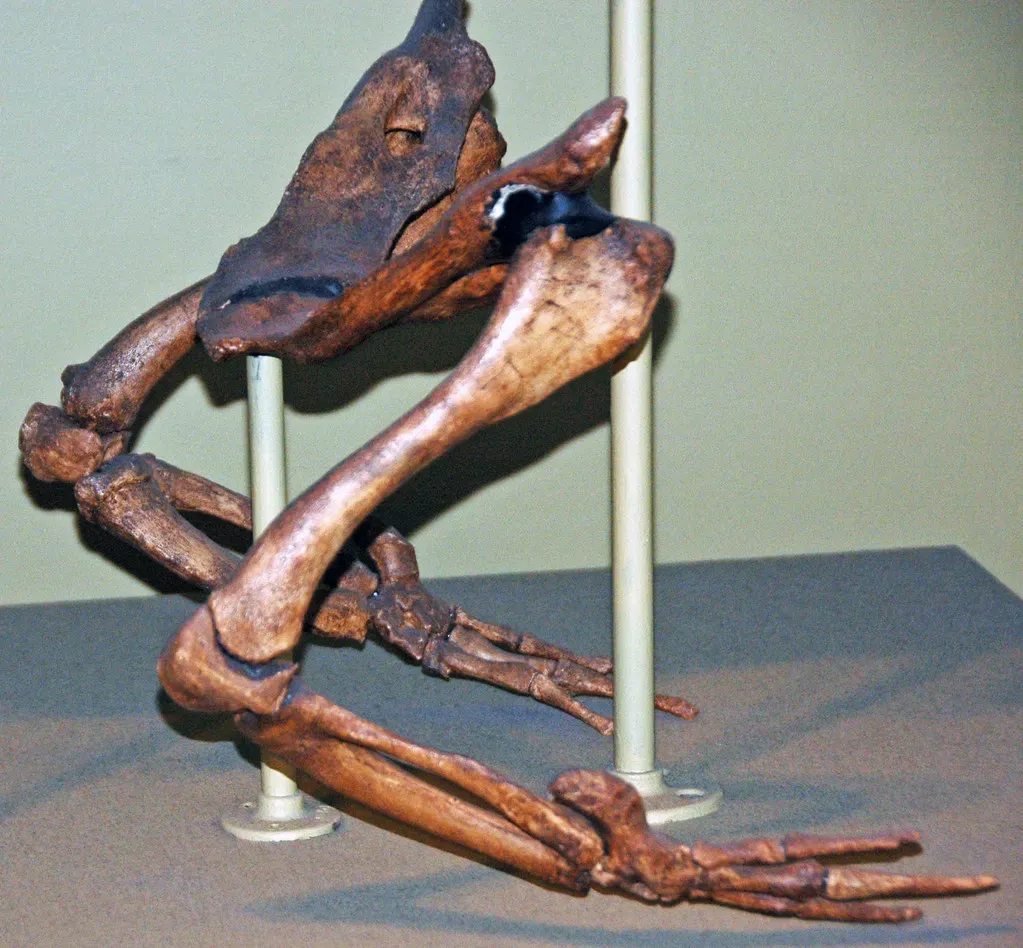
The case for walking whale ancestors is not built on vibes or speculation; it is grounded in anatomy, especially around the hips and ankles. Early whale fossils from South Asia show a type of ankle bone characteristic of hoofed mammals, linking them to a broader group that includes animals like deer, hippos, and cattle. This detail is not glamorous, but it is one of those smoking guns that paleontologists love, because ankle joints do not lie.
The pelvis of these ancient whales was still solidly connected to the spine, designed to transmit force from the hind limbs as they pushed against the ground. Over time, as later whales became more aquatic, that connection weakened and then practically disappeared, because the hind limbs were no longer bearing weight on land. Tracing this anatomical shift through a series of fossils, all found in similar ancient South Asian rocks, gives us a step-by-step story: from sturdy walkers to awkward waders to powerful swimmers that no longer needed to stand at all.
From Rivers to Open Ocean: Why Whales Went Back to the Sea
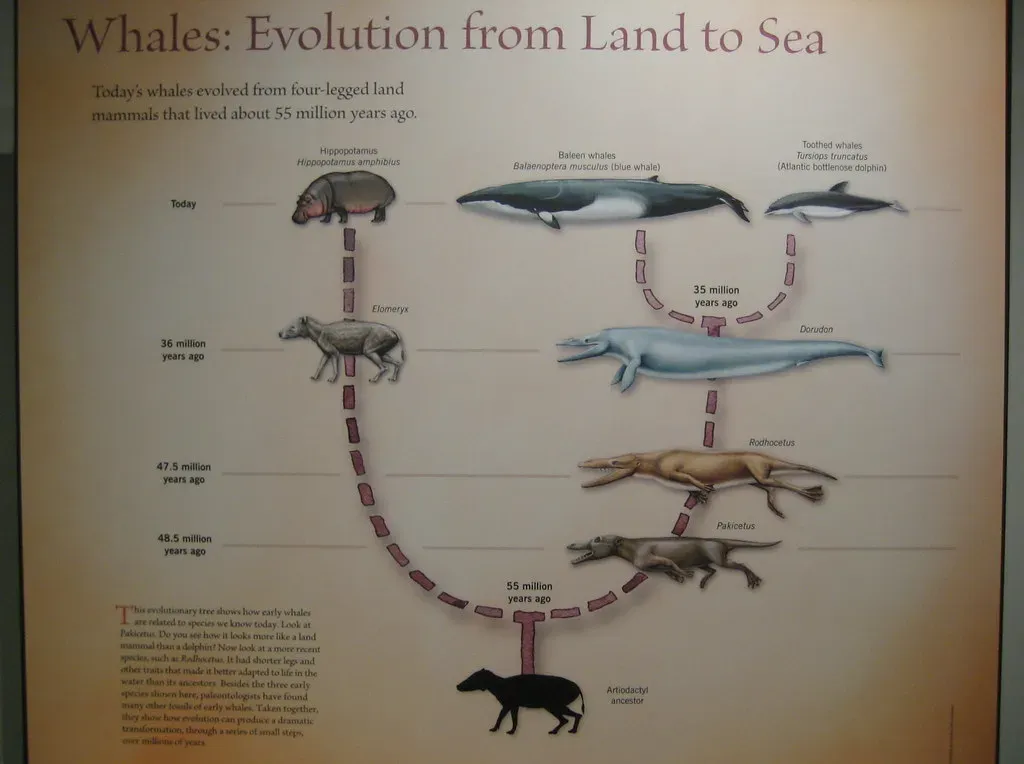
So why would a successful land mammal give up the solid ground that gave it so many advantages? The simplest answer is opportunity. Warm coastal waters and rivers would have been packed with fish, crustaceans, and other easy-to-catch prey, especially for an agile predator willing to paddle and dive. The more rewards these animals found in the water, the more natural selection favored bodies and behaviors that worked better in that environment.
Over millions of years, this meant thicker, more streamlined bodies, stronger tails for propulsion, and limbs increasingly shaped like paddles rather than feet. Land became a backup option instead of a primary home. Eventually, some lineages crossed a point of no return: their legs shrank, their hips detached from the spine, and their bodies became so specialized for swimming that walking was no longer possible. At that stage, returning fully to land was about as realistic as a modern airplane evolving to live in a forest.
Echoes of a Walking Past in Modern Whales
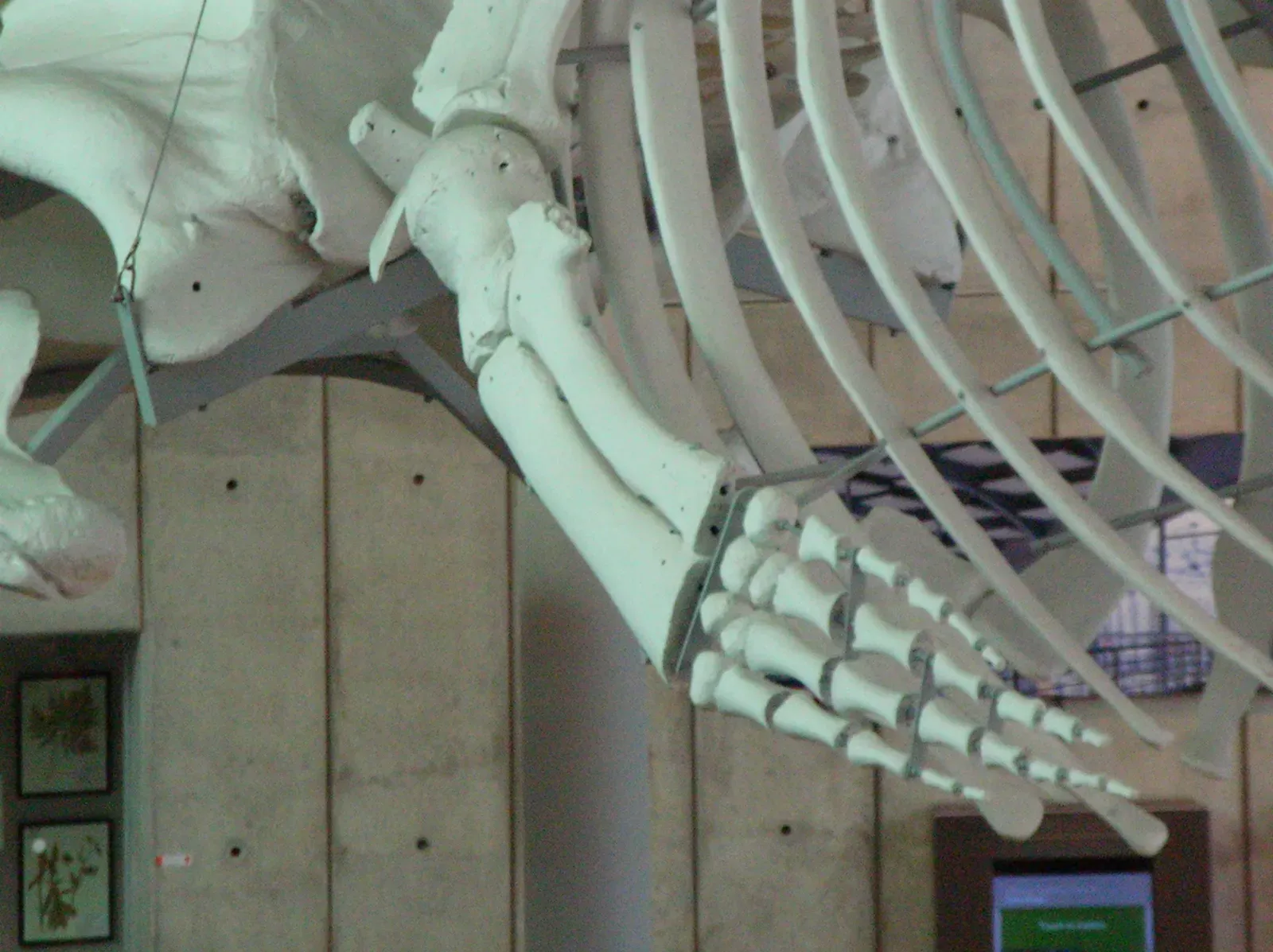
Even though modern whales no longer walk, their skeletons still whisper stories of their land-based ancestors. If you look at the bones of a whale flipper, the shape is eerily familiar: there are arm bones, wrist bones, and finger bones that look like a stretched and flattened version of a mammal’s hand. Hidden under thick layers of tissue and skin, those bones are like a fossil carried around inside a living animal.
Many whales also retain tiny, floating bones near their pelvis area, remnants of hips and hind limbs that are now functionless for walking but still present as anatomical echoes. To me, this is one of the most humbling facts in biology: we all carry our history in our bones, and whales just happen to wear theirs in a more dramatic way. When you see a whale breach or a dolphin twist through the water, you are watching a heavily modified version of the same basic body plan that once trotted over ancient South Asian mudflats.
What This Story Says About Evolution – And About Us
The tale of walking whales crossing ancient South Asia before returning to the sea is not just a weird trivia nugget; it is a sharp reminder of how flexible life can be. Evolution is not a straight ladder from “simple” to “advanced.” It is more like a tangled, branching river system, and whales are one branch that doubled back toward its source. In a way, they broke the script, showing that even highly successful land mammals can reinvent themselves as ocean giants.
I find that oddly reassuring. It suggests that life, including ours, is not locked into a single path, even if it sometimes feels that way. Of course, that does not mean whales chose their destiny in any conscious sense, but it does mean that given time, pressure, and opportunity, biology can rewrite the rules. The next time you see a whale documentary or a tail flicking gracefully through the waves, it is worth pausing to remember: you are looking at the end result of a long, improbable walk across an ancient South Asian shoreline.
Opinionated Conclusion: Why Walking Whales Matter More Than Ever
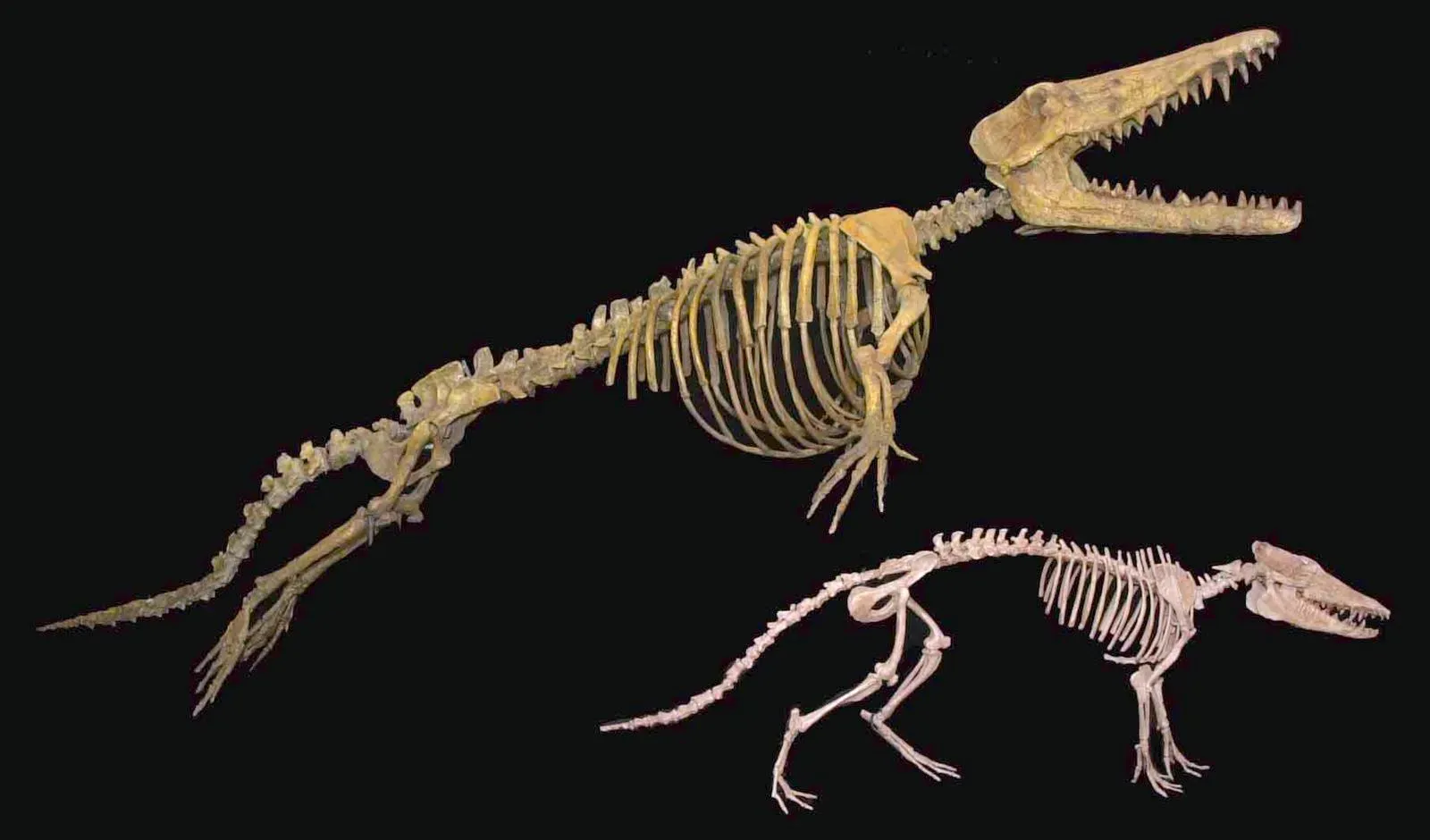
In my view, the story of whales that once walked across ancient South Asia before returning to the sea might be one of the most important evolutionary tales we have, and not just for science nerds. It is a direct, physical rebuttal to the idea that nature is static or that species are fixed in place. These animals literally rewrote their bodies to fit a changing world, step by step, swim by swim, over unimaginable stretches of time. That is not just cool; it is a powerful reality check about how dynamic life really is.
At a time when we are rapidly changing the oceans that modern whales depend on, this history lands with an uncomfortable twist. Yes, whales have an astonishing capacity for long-term transformation, but the kind of changes we are forcing on their environment are brutally fast by evolutionary standards. The ancestors of whales had millions of years to wander those South Asian shores and ease themselves into the sea; today’s whales are having to adapt to ship noise, warming waters, and pollution in just a handful of human generations. To me, that makes their deep past both awe-inspiring and a little haunting. When you picture those four-legged whale ancestors pacing along ancient coasts, do you see a comforting example of nature’s resilience, or a warning that even the most flexible lineages have limits?