Ask any textbook from the 1990s how prehistory unfolded, and it’ll give you a tidy, confident story. Humans evolved in one African valley, marched into Europe, and wiped out the dim-witted Neanderthals. A trickle of hunters crossed into an empty Americas around 13,000 years ago. Dinosaurs were slow, scaly, cold-blooded lizards. Evolution climbed like a ladder, one species neatly replacing the next.
Almost none of that survived contact with modern genetics, geology, and field archaeology. Entire chapters of human and Earth history have been quietly rewritten in the last two decades, and most people never got the memo. Here’s what the evidence actually says now.
#1 – Neanderthals Weren’t the Dim-Witted Brutes We Were Taught About
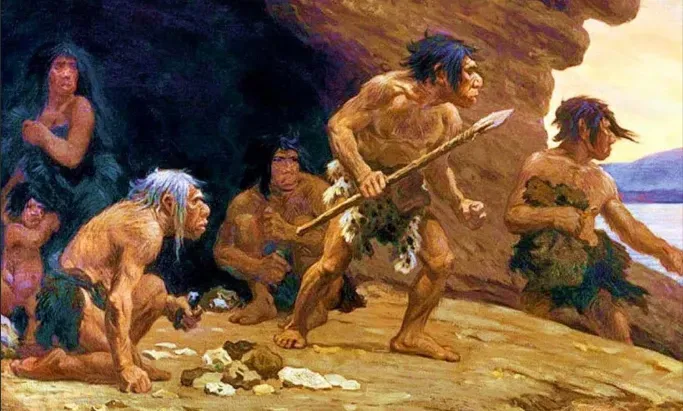
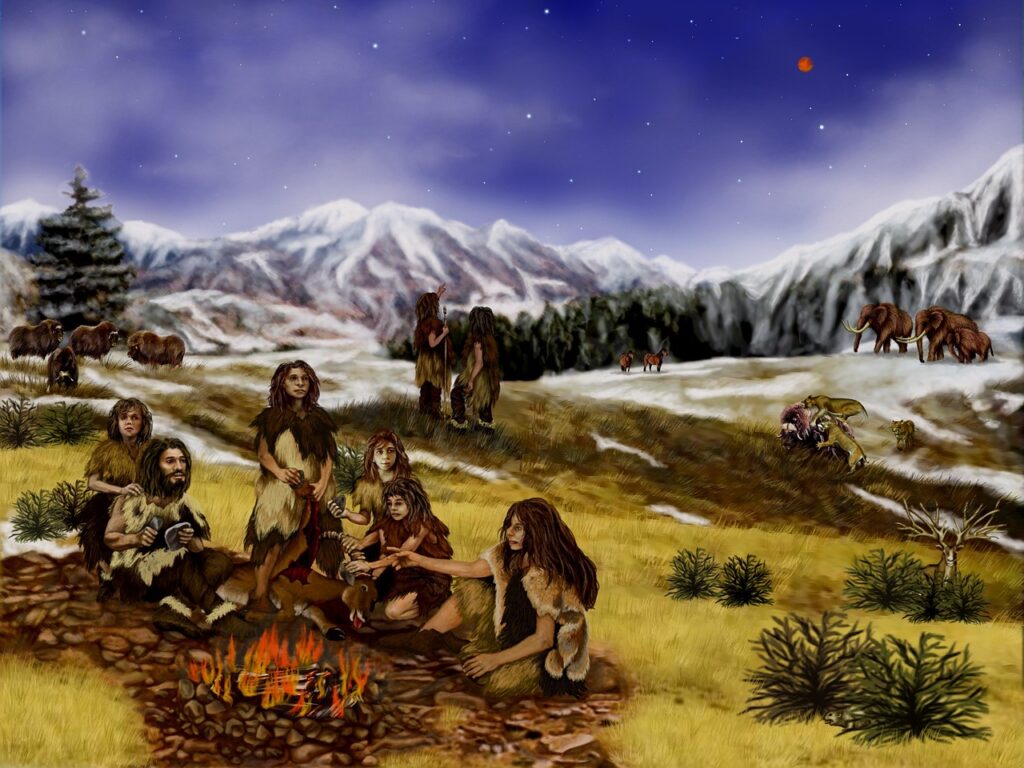
For over a century, Neanderthals were the punchline of human evolution – hulking, grunting, incapable of art or abstract thought. That caricature has been dismantled site by site.
Cave art dated to at least 64,000 years ago in Spain was painted before modern humans ever set foot in Europe, and the only candidates left holding the brush are Neanderthals. They also crafted jewelry from eagle talons, controlled fire, and buried their dead with what looks like ritual care. The “brutish caveman” stereotype has essentially no scientific support left standing. Researchers now describe Neanderthal cognition as broadly comparable to that of early modern humans, not a failed evolutionary experiment.
This matters because it completely reframes the old “replacement” narrative. Neanderthals didn’t lose to smarter humans – they may have been absorbed, out-bred, or hit by climate shifts nobody fully understands yet. But that’s nothing compared to what we found about #2.
#2 – Humans and Neanderthals “Never” Interbred, Until DNA Proved Otherwise
For decades, the official position was blunt: modern humans and Neanderthals were separate species that never mixed. Early studies of Neanderthal mitochondrial DNA seemed to confirm it, and textbooks stated it as settled fact.
Then genome sequencing changed everything overnight. People of non-African descent carry roughly 1 to 4 percent of their genome from this extinct human cousin. A later analysis of ancient DNA pinned the main interbreeding window to about 50,500 years ago, lasting roughly 7,000 years. That single ancient window still shapes immune function and skin pigmentation in living people today.
Fast Facts
- Non-African humans carry roughly 1-4% Neanderthal DNA
- Main interbreeding window: about 50,500 years ago
- That window lasted roughly 7,000 years
- Neanderthal genes still shape immune function and skin pigmentation today
Scientists now say this gene flow left non-African populations with lasting Neanderthal ancestry, including traits like immune resilience. The species-purity story is dead. But that’s nothing compared to what we found about #3.
#3 – Humans Supposedly Reached the Americas 13,000 Years Ago, Clovis First
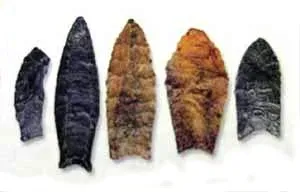
For nearly a century, “Clovis First” was gospel in American archaeology. The story held that the Clovis people were the first humans in the Americas, arriving from the north about 13,000 years ago as the ice sheets retreated.
Then footprints preserved in ancient mud at White Sands, New Mexico, blew the theory apart. Multiple layers of well-dated human tracks in old streambeds show people walking there as long as 23,000 years ago – roughly 10,000 years before Clovis. A field that once dismissed pre-Clovis claims outright is now forced to reckon with footprints it can’t argue away.
One doctoral researcher involved in the dating put it bluntly: “It basically contradicts everything that we’ve been taught about the peopling of North America.” But that’s nothing compared to what we found about #4.
#4 – Modern Humans Evolved in One Single Spot in East Africa
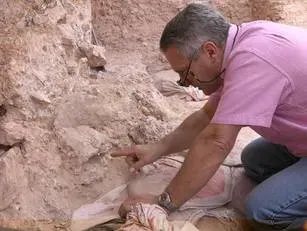
The old story had a single cradle: a small population tucked into East Africa’s Rift Valley, from which all of us descended in one clean, linear migration. It made for a great museum diagram.
Then a decades-old skull from Morocco got a second look. Researchers redated fossils from a cave called Jebel Irhoud to a startling 300,000 years ago, alongside stone tools, pushing back the appearance of our species by 100,000 years and moving the map west and north. Our species may not have a single birthplace at all – it may have emerged across an entire continent at once.
Scientists now argue that early Homo sapiens and the Middle Stone Age technology tied to them appear close in time across multiple African regions, hinting at a pan-African origin rather than one valley. That upends decades of “out of one cradle” thinking. But that’s nothing compared to what we found about #5.
#5 – Only Two Kinds of Humans Ever Coexisted: Us and Neanderthals
Until 2010, the accepted guest list of recent human relatives was short: modern humans and Neanderthals, full stop. Anything else was ancient history, long extinct and irrelevant.
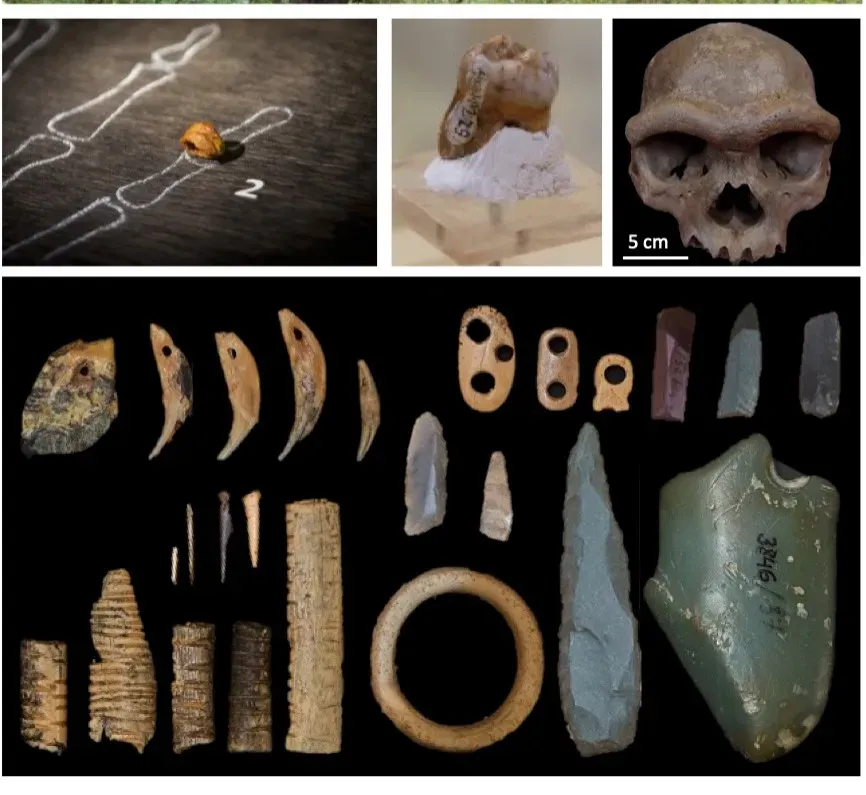
Then a single finger bone in a Siberian cave rewrote the list. In 2010, researchers pulled a finger bone belonging to a previously unknown hominin out of Denisova Cave in Russia’s Altai Mountains, forcing anthropologists to revise their model of human evolution outside Africa. Genetic testing showed this population, the Denisovans, ranged from frigid Siberia to the tropical forests of Indonesia. A third human lineage had been hiding in plain sight, and it left DNA fingerprints in living Pacific Islanders today.
Even stranger, the cave itself turned out to be a shared address. Denisova Cave was, at different times, home to three separate human species – Denisovans, Neanderthals, and modern humans. But that’s nothing compared to what we found about #6.
#6 – Dinosaurs Were Slow, Cold-Blooded, Scaly Lizards
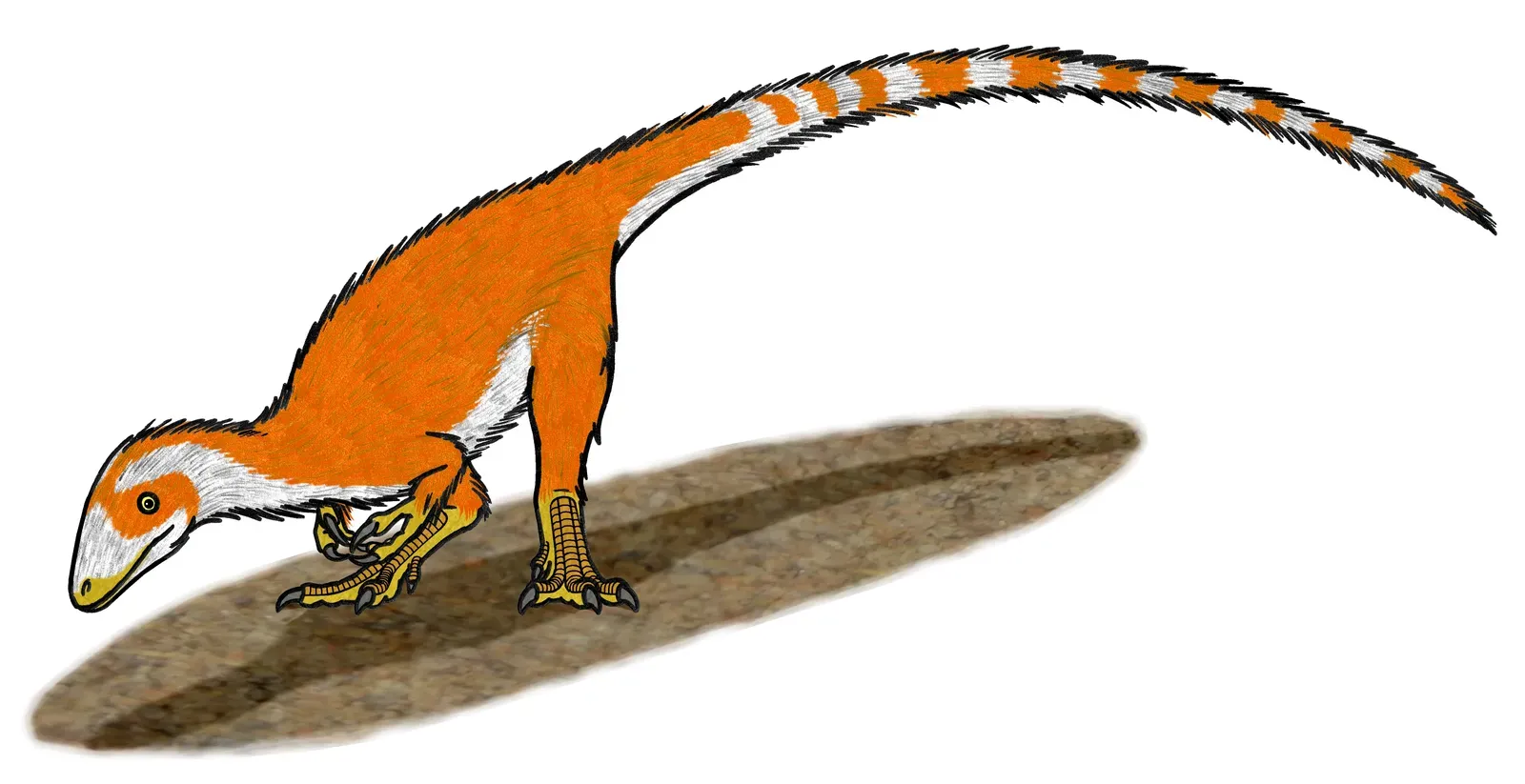
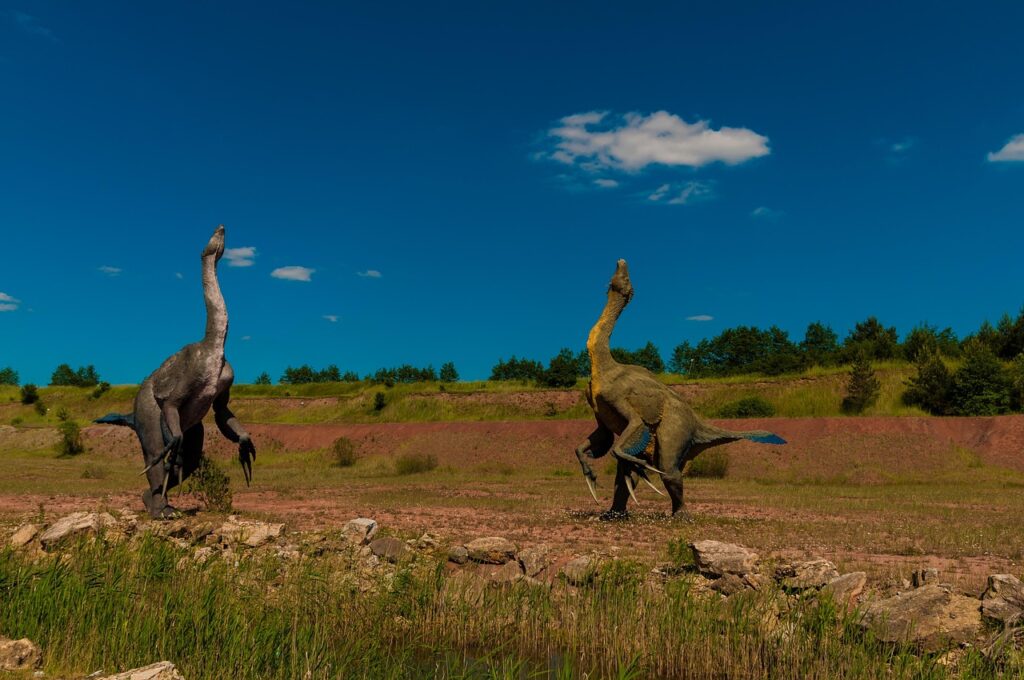
Generations of kids grew up believing dinosaurs were basically oversized, sluggish reptiles – grey, scaly, and about as lively as a lizard sunning itself on a rock. Museums built entire exhibits around this image.
That picture has completely collapsed. Starting with Sinosauropteryx in 1996, paleontologists have uncovered dozens of non-avian dinosaur species preserved with clear evidence of feathers, which function mainly as insulation in birds and would be pointless on a truly cold-blooded animal. Growth-rate studies add more weight: sauropods like Apatosaurus appear to have grown from hatchlings to multi-ton adults in just a few decades, not the centuries a cold-blooded animal that size would need. Many of the dinosaurs in your childhood books should have had fluffy, insulated bodies, not leathery scales.
This “Dinosaur Renaissance” flipped the entire field on its head. But that’s nothing compared to what we found about #7.
#7 – Human Evolution Marched Forward Like a Straight Ladder
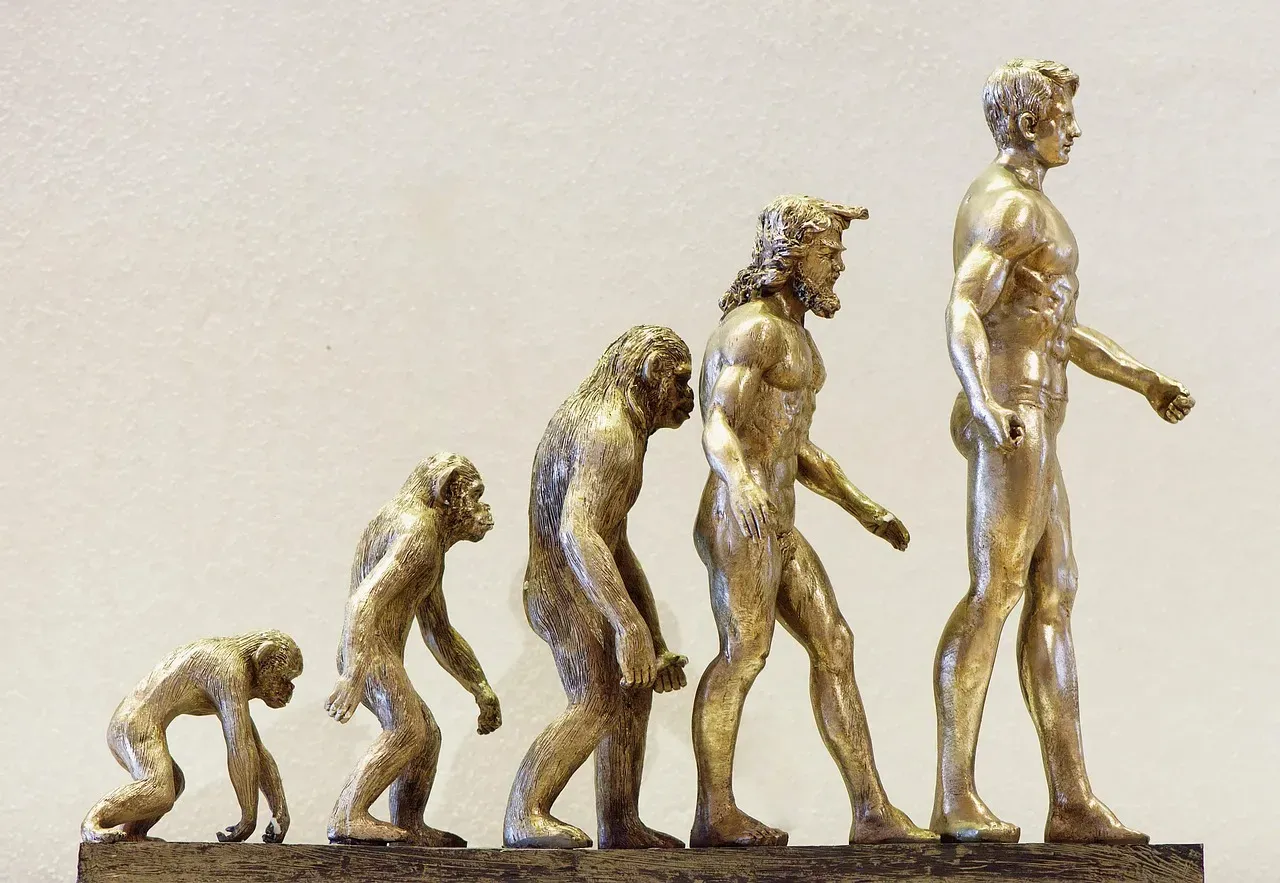
The classic image – a hunched ape gradually straightening into a briefcase-carrying office worker – implies one species always neatly replaced the last, climbing steadily toward “us.”
Fossil discoveries over the last twenty years have blown that up completely. Tiny-brained, meter-tall Homo floresiensis lived on an Indonesian island tens of thousands of years ago, long after “modern” humans should have made it obsolete under the old model. Homo naledi, pulled from deep inside a South African cave system, showed a bizarre mix of primitive and advanced traits that fits no straight line at all. Human evolution looks less like a ladder and more like an overgrown, tangled bush with dead-end branches everywhere.
Quick Compare
- Old model: one species evolves, then the next simply replaces it
- New model: multiple human species overlap in time, and some interbreed
- Old model: “primitive” traits disappear once “advanced” ones show up
- New model: Homo naledi mixes primitive and advanced traits at the same time
Multiple human species overlapped in time and even interbred – something the old “one replaces the next” model never allowed for. Paleoanthropologists now openly describe our family tree as bushy rather than linear. But that’s nothing compared to what we found about #8.
#8 – Only Modern Humans Ever Made Cave Art
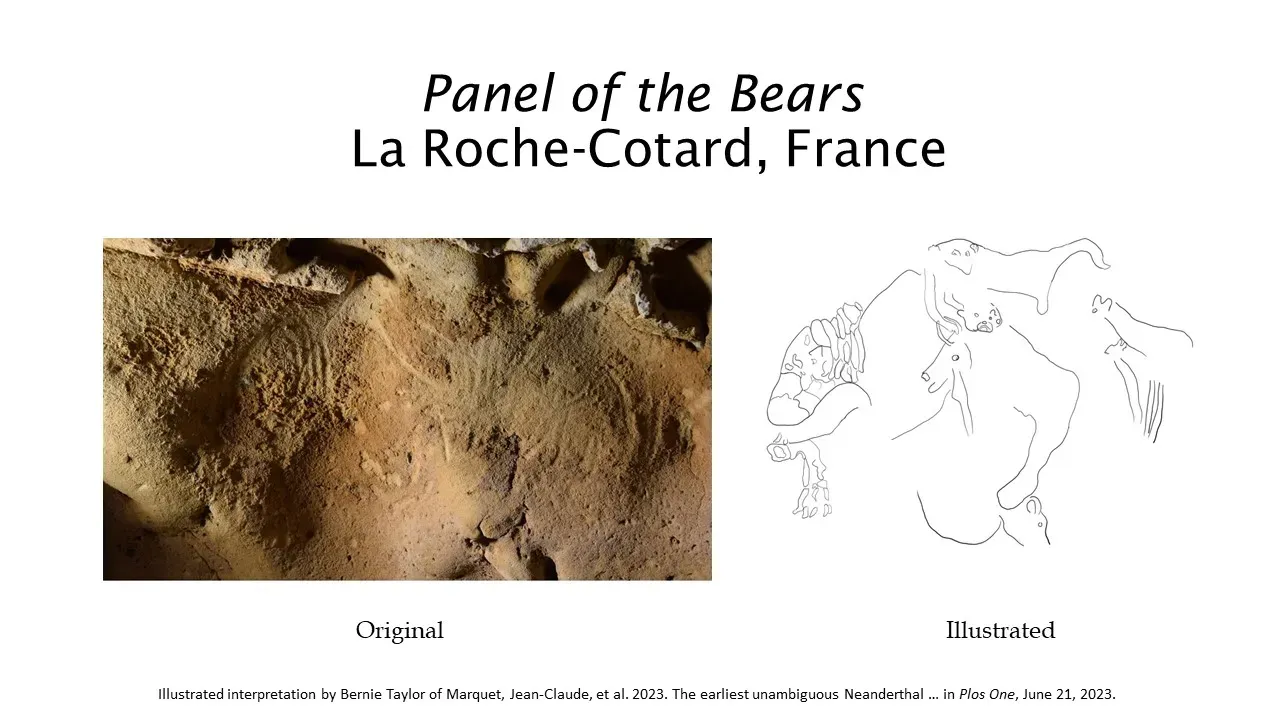
Cave paintings were long treated as proof of a cognitive leap unique to Homo sapiens – the moment symbolic thought supposedly switched on in our species and no other.
That assumption is now in serious trouble. Red pigment paintings and hand stencils in Spanish caves have been dated to periods before modern humans are believed to have reached the region, leaving Neanderthals as the only known occupants capable of making them. If Neanderthals were painting cave walls tens of thousands of years before we arrived, symbolic thinking wasn’t a uniquely modern-human invention. Perforated shells and pigment-stained tools tied to other Neanderthal sites add more weight to the idea that decoration and symbolism predate our species’ arrival in Europe.
This remains one of the more contested findings in paleoanthropology, and plenty of researchers still argue the dating needs more scrutiny. But that’s nothing compared to what we found about #9.
#9 – Ice Age Megafauna Died Out Purely Because Humans Overhunted Them
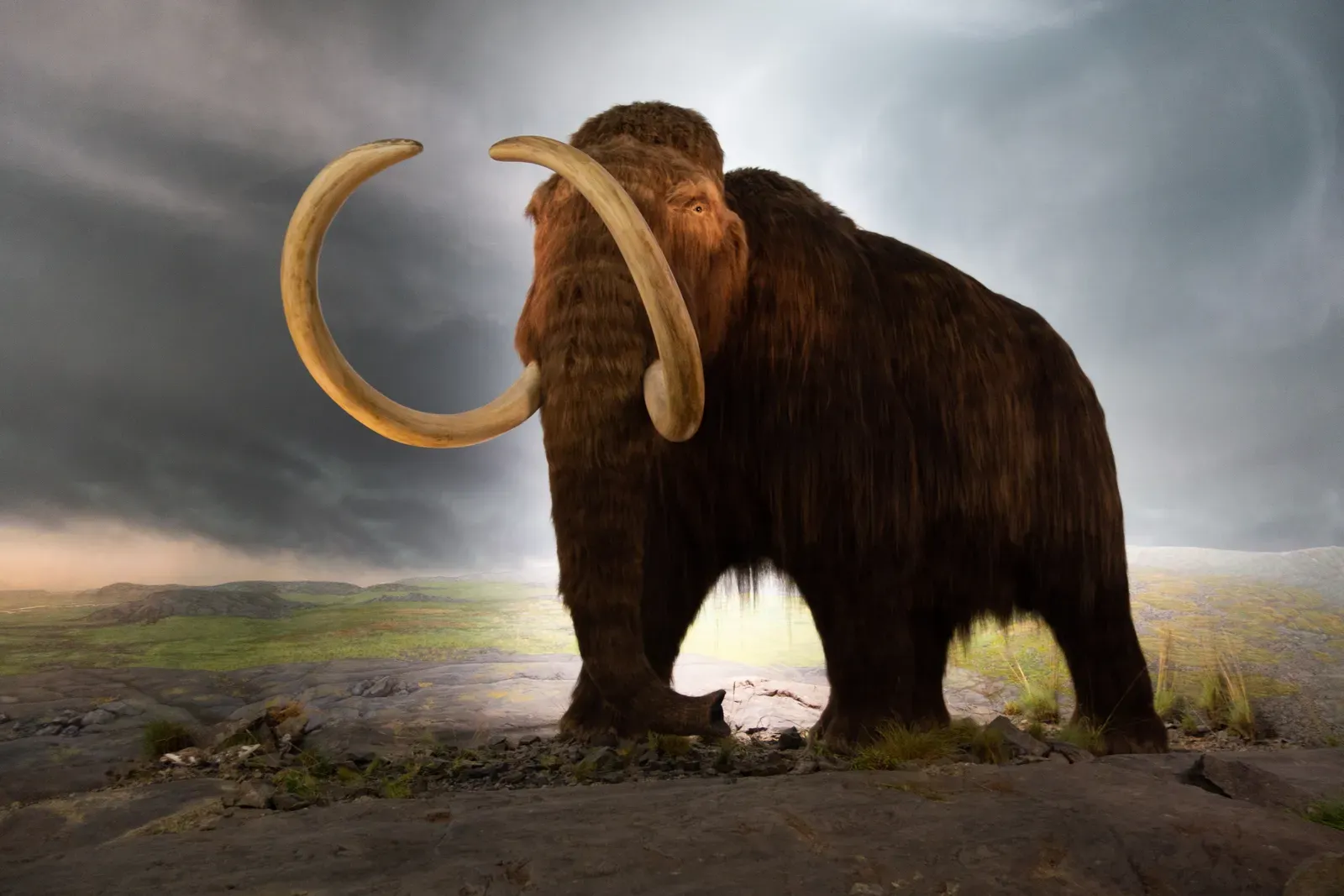
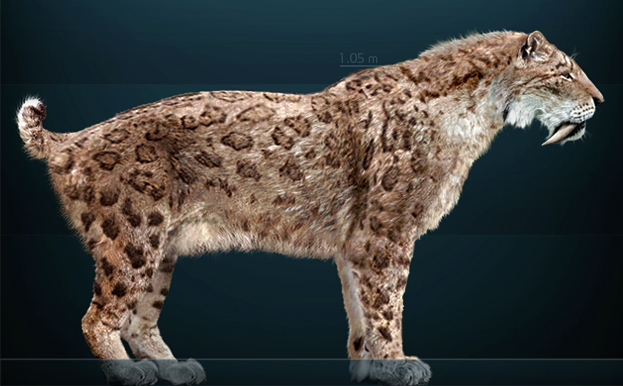
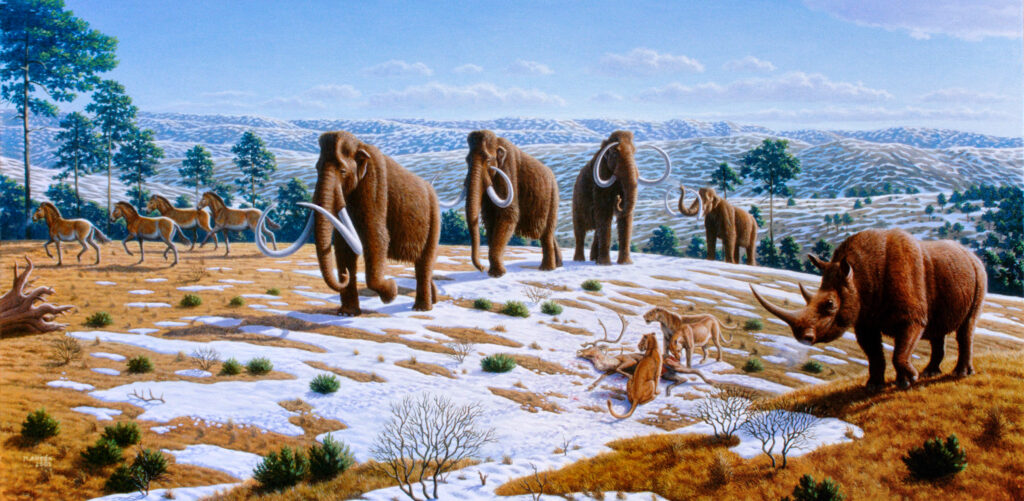
For decades, the extinction of mammoths, giant sloths, and saber-toothed cats got pinned almost entirely on one culprit: spear-wielding humans hunting them into oblivion as we spread across new continents.
The evidence increasingly points to a messier, multi-causal collapse instead. Climate whiplash at the end of the last Ice Age – rapid warming, shifting vegetation, collapsing habitats – hit many megafauna populations hard, independent of any human hunting pressure. Some species vanished in regions humans hadn’t even reached yet, which overhunting alone can’t explain.
Most specialists today argue it was a combination punch: shrinking habitats, wild climate swings, and human predation working together, with the exact mix varying by species and continent. This is a genuinely contested area, and the “humans did it” narrative persists partly because it’s simpler to tell. But that’s nothing compared to what we found about #10.
#10 – Farming Was Invented Once, in the Fertile Crescent, and Spread From There

The Fertile Crescent has long been taught as the single “cradle of agriculture” – the one place humanity figured out farming before exporting the idea outward to the rest of the world.
Archaeological and genetic evidence now shows agriculture was invented independently in multiple places at roughly similar times – separately in China, Mesoamerica, the Andes, and parts of Africa, with little to no contact between these regions. Farming wasn’t a single lightbulb moment that spread outward – it was reinvented from scratch by unconnected groups facing similar pressures.
Worth Knowing
- Fertile Crescent: early wheat and barley farming
- China: independent rice and millet cultivation
- Mesoamerica: maize domestication with no Old World contact
- The Andes: potatoes and other high-altitude crops
- Parts of Africa: separate, homegrown crop traditions
Different crops, different domesticated animals, different timelines, yet strikingly similar shifts from foraging to farming happened on nearly every inhabited continent. Some researchers now call agriculture one of the strongest examples of parallel human innovation ever documented. But that’s nothing compared to what we found about #11.
#11 – The Ice Age Was One Long, Uniform Deep Freeze
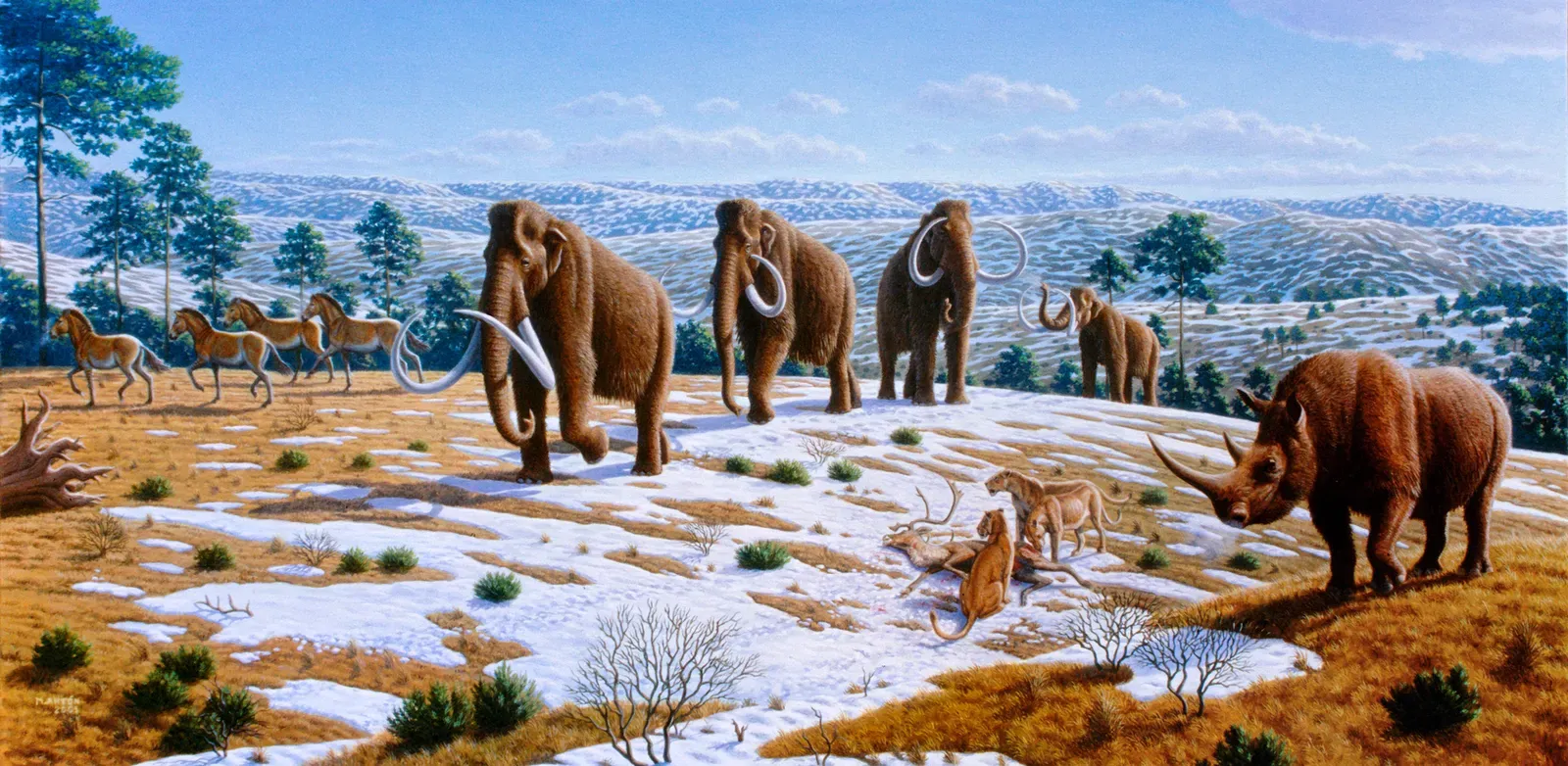
Pop culture treats “the Ice Age” as a single, unbroken cold snap – one long winter that eventually just ended, clearing the way for civilization to begin.
In reality, the planet cycled through dozens of glacial and interglacial periods over the last few million years, with ice sheets advancing and retreating repeatedly, sometimes over just a few thousand years. There wasn’t one Ice Age – there were dozens, and humans lived through many of the brutal transitions between them.
Some of these swings happened astonishingly fast by geological standards, forcing early humans and megafauna alike to repeatedly adapt, migrate, or die out as climates flipped. This constant churn is now considered a major driver of human migration patterns, not a static backdrop. But that’s nothing compared to what we found about #12.
#12 – Stonehenge Was Built and Maintained by the Same Local Farming Population
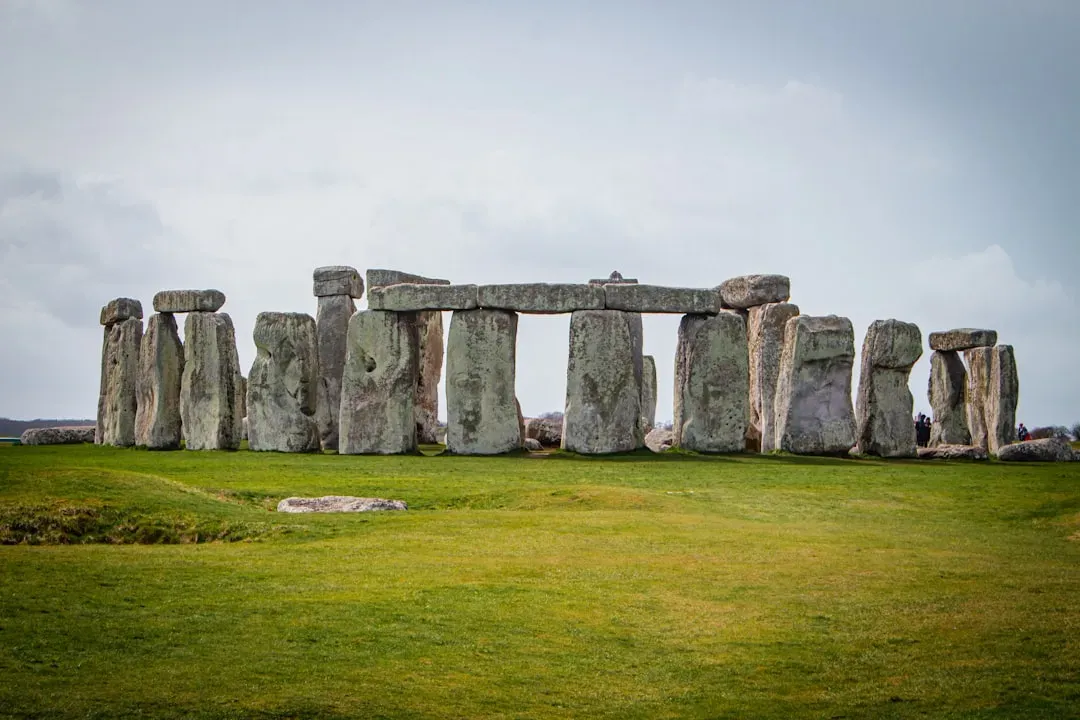
For years, Stonehenge was framed as the work of one continuous community – local Neolithic farmers who built it, then quietly passed the tradition down through their own direct descendants.
Genetic studies of ancient British remains have complicated that picture substantially. There’s growing evidence of large-scale population turnover in Britain not long after the monument’s major construction phases, with new arrivals from continental Europe replacing much of the earlier farming population within a few centuries. The people who built parts of Stonehenge may share little genetic continuity with the people who lived around it later.
This kind of population replacement, rather than gradual cultural evolution, is now recognized as far more common in prehistoric Europe than researchers assumed even fifteen years ago. It’s a controversial reframing, since it suggests waves of migration reshaped ancient Britain more abruptly than the peaceful “same people, evolving traditions” story implied. But that’s nothing compared to what we found about #13.
#13 – Dogs Were Domesticated Once, in One Place, From One Population

Dog domestication has always been presented as a single event: one group of wolves, one moment, one location, with every dog on Earth today descending from that founding population.
Genetic evidence has muddied this considerably. Some studies show dog lineages splitting into eastern and western branches so early and so distinctly that researchers have proposed domestication may have happened more than once, in separate regions, possibly with one lineage later replacing the other. The “one wolf pack, one location” origin story for humanity’s oldest domesticated animal may simply be wrong.
At a Glance
- Dog lineages split into distinct eastern and western branches early on
- Some researchers argue this points to two separate domestication events
- One lineage may have later partly replaced the other
- The single “one wolf pack” origin story is now genuinely disputed
The debate remains genuinely unresolved, but the tidy certainty that once surrounded a single domestication event has given way to real scientific disagreement – one of the messiest fights in archaeogenetics precisely because the evidence keeps contradicting itself between studies.
The Bottom Line
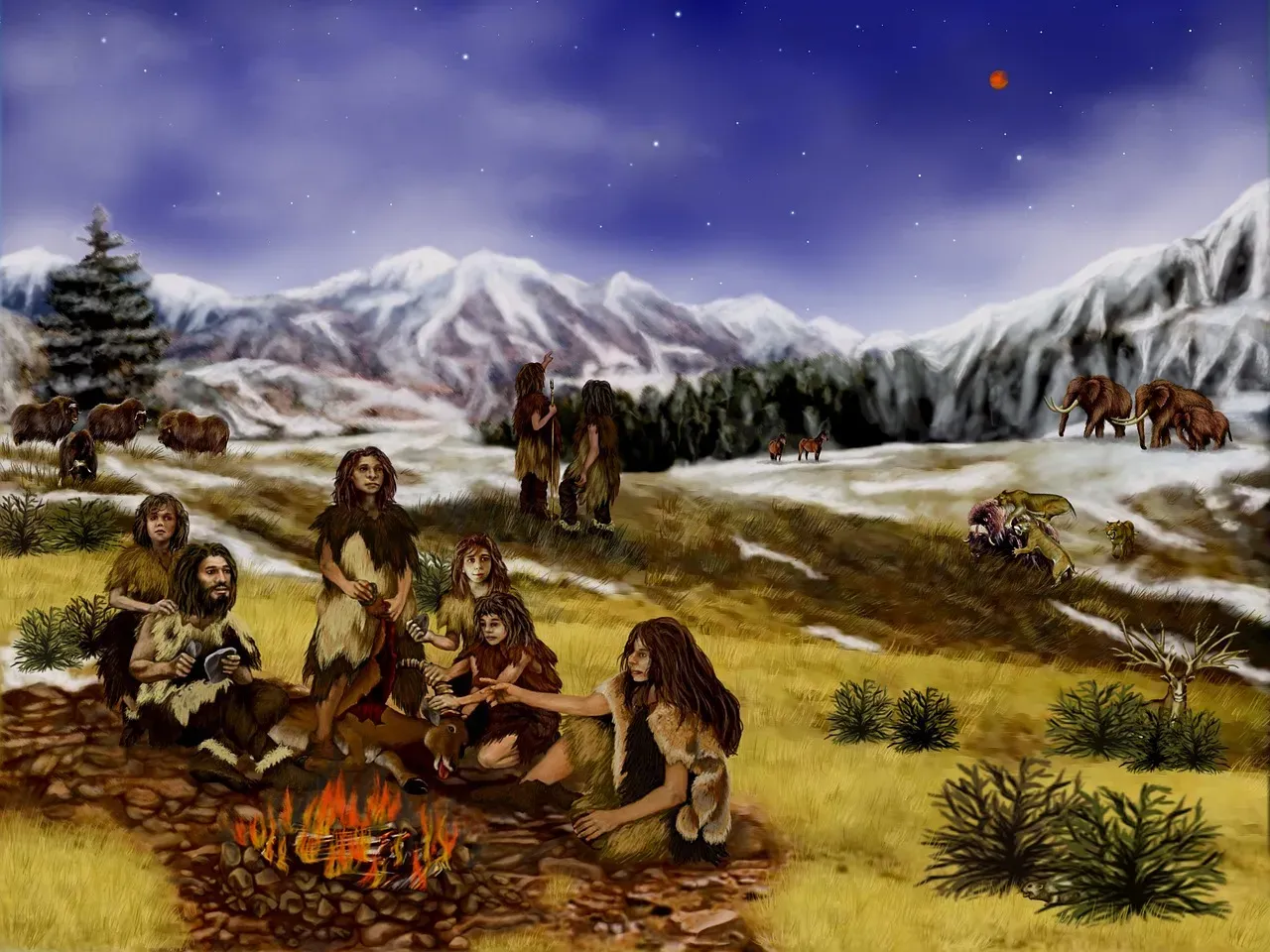
The lesson here isn’t that scientists were lying to us. It’s that prehistory research is only as good as the sites we’ve dug and the DNA we’ve managed to sequence, and both keep expanding fast.
Neanderthals painted caves, interbred with us, and weren’t the brutes we imagined. Humans reached the Americas thousands of years earlier than “settled” science claimed. Our species may have no single birthplace at all.
If you ask me, the real scandal isn’t that these “certainties” collapsed – it’s how confidently they were taught as unshakeable fact for decades on evidence that was always thinner than the textbooks let on. Which of these flipped theories surprised you the most? Did we miss one that deserves a spot on this list? Drop it in the comments.