Most people assume prehistory is basically solved: cavemen banged rocks together, discovered fire, and slowly leveled up into us. That tidy story falls apart the second you look at the actual evidence. Early humans were raising monuments before farming existed, crossing open ocean they couldn’t see across, and painting cave walls tens of thousands of years before anyone thought they were capable of art.
Researchers have spent decades trying to explain these gaps, and in several cases, they’ve come up empty-handed. Some of these mysteries have entire academic camps arguing in opposite directions, with no resolution in sight. Here’s what the evidence actually says, starting with a journey that shouldn’t have been survivable.
#1 – They Sailed Across Open Ocean With No Land in Sight

Roughly 60,000 to 65,000 years ago, humans somehow got to Australia. Not by walking. By crossing water they could not see across, in a direction that offered no guarantee of anything on the other side.
Researchers studying the migration have confirmed people were using boats and making blue-water crossings this early, with the southern route involving an open-water voyage of around 60 miles or more. That’s not a short paddle – that’s a multi-day commitment to a horizon with nothing visible on it. Scientists studying the genetics of the crossing describe it as not one-off accidental drift, but some of the earliest evidence we have for deliberate seafaring.
Fast Facts
- Timing: roughly 60,000 to 65,000 years ago
- Minimum open-water distance: around 60 miles with no visible land
- Destination: Australia, reached before most of Europe was settled
- Genetic evidence points to deliberate seafaring, not accidental drift
The unsettling part: we still don’t know exactly which route they took, how many boats were lost at sea before one succeeded, or what convinced an entire population to gamble everything on open water.
#2 – Their “Modern” Behavior Kept Vanishing For Thousands of Years
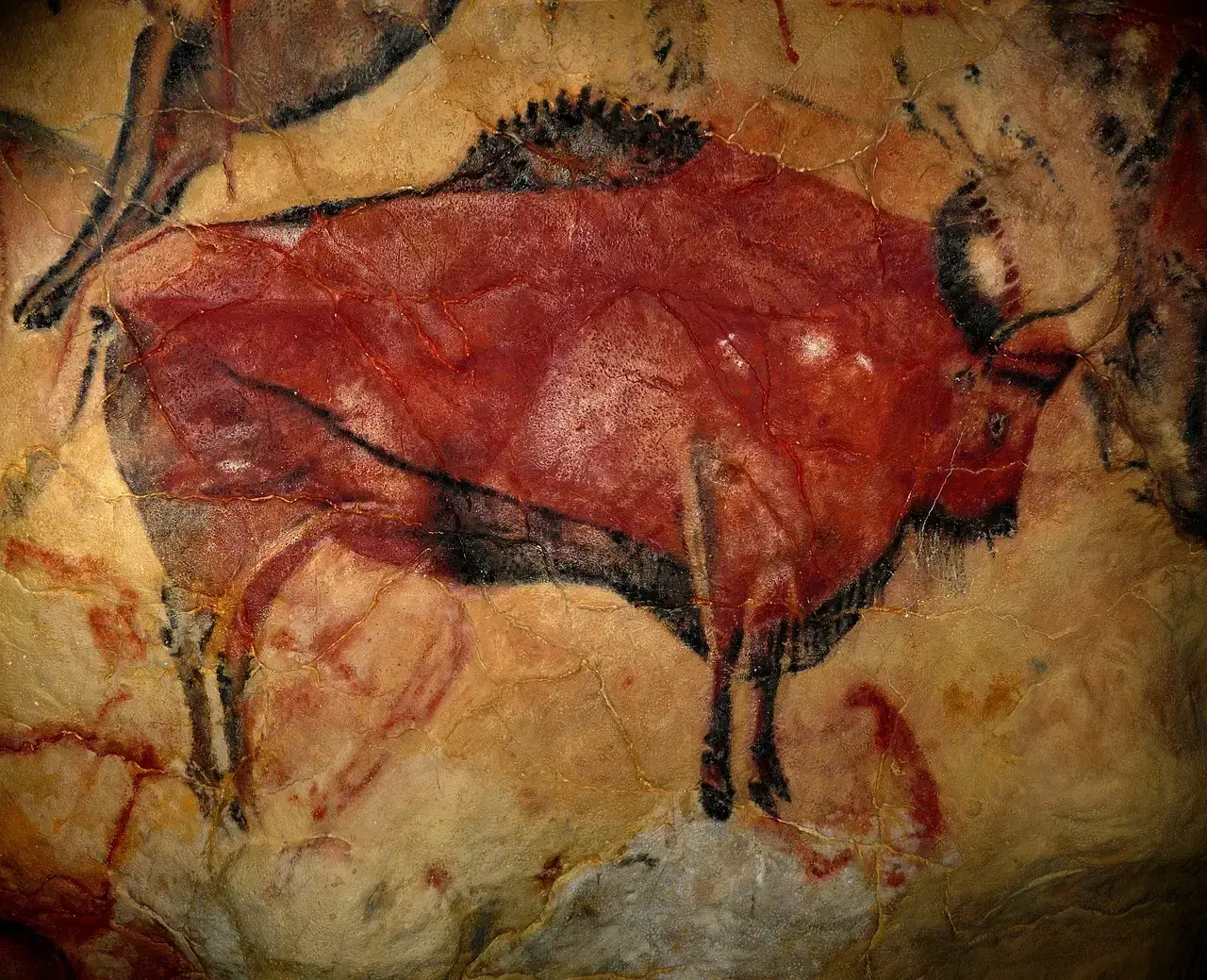
Here’s a fact that breaks the tidy evolution narrative most people were taught in school: humans didn’t develop symbolic thinking once and simply keep it. They apparently lost it. Repeatedly.
Archaeologists studying the Middle Paleolithic record have found that evidence for art, ornamentation, and complex tools isn’t a steady, consistent thread. It shows up at a few sites for a few thousand years, then vanishes completely, only to reappear somewhere else generations later. Groups of early humans seem to have invented sophisticated culture, dropped it, and reinvented it from scratch elsewhere. Some researchers now argue the field never even properly tested whether a real behavioral gap existed between early and later Homo sapiens in the first place.
That inconsistency is a bigger problem for the “steady upward march of progress” story than most textbooks admit. Culture, it turns out, is fragile – and it can disappear just as easily as it appears.
#3 – Neanderthals Were Painting Caves Before We Even Arrived in Europe
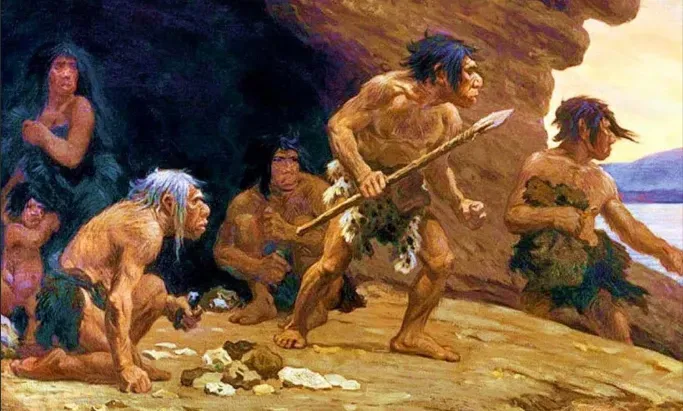
For over a century, cave art was treated as proof of human superiority – something only Homo sapiens’ “advanced” brains could produce. That assumption just collapsed.
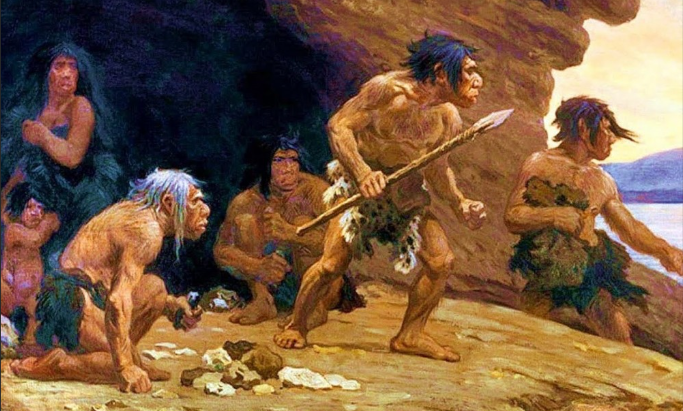
Uranium-thorium dating on paintings in three Spanish caves showed the artwork is more than 64,000 years old, roughly 20,000 years before modern humans ever set foot in Europe. That means the only species around to paint them was Neanderthals. These weren’t crude scratches, either – they included red and black paintings of animals, dots, geometric signs, hand stencils, and engravings. According to the research team, making them required choosing a location, planning a light source, and mixing pigments: deliberate, planned, symbolic behavior from a species we spent 150 years mocking as brutish.
The controversial opinion here: a lot of “human uniqueness” claims in anthropology textbooks are quietly falling apart, and most museums haven’t caught up yet.
#4 – Hunter-Gatherers Built a Massive Stone Temple Before Farming Existed
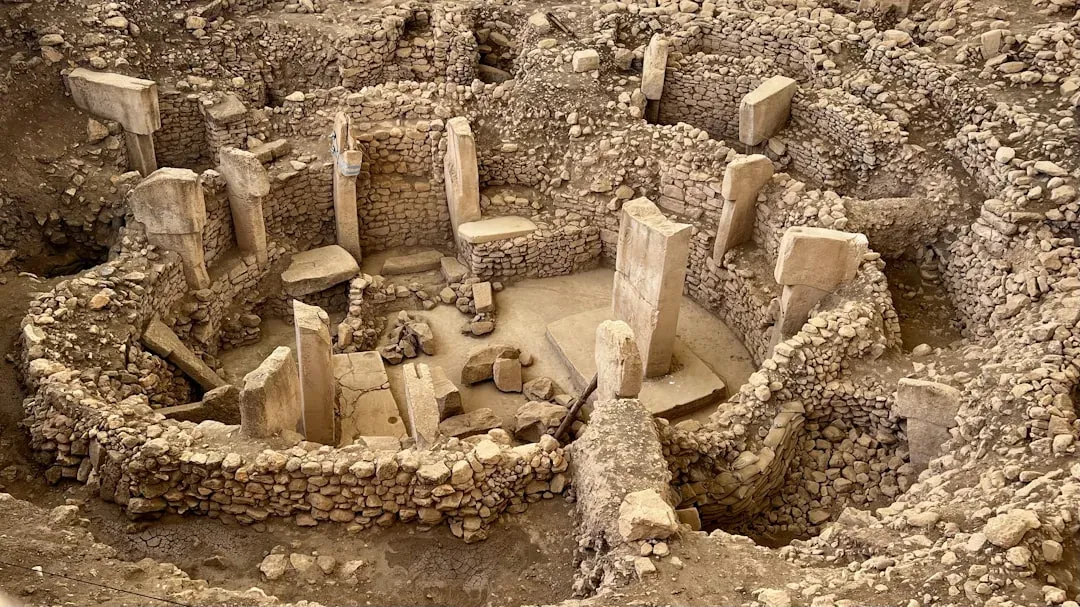
Everything we were taught said agriculture came first, then villages, then religion and monuments. Göbekli Tepe blew that sequence apart.
The site in southeastern Turkey was constructed over 11,000 years ago by people with no domesticated plants or animals found nearby – meaning full-time hunter-gatherers, not farmers, somehow organized the labor to move multi-ton stone pillars, some weighing up to 20 tons, into precise circular formations. Some archaeologists now flip the entire timeline, suggesting it wasn’t agriculture that enabled religion. It may have been religion, or a shared spiritual practice, that spurred agriculture and social organization in the first place.
At a Glance
- Location: southeastern Turkey
- Age: over 11,000 years old
- Builders: full-time hunter-gatherers, not farmers
- Pillar weight: up to 20 tons, arranged in precise circles
That means farming might have been invented to feed the workers building a temple, not the other way around. Most people have never heard this, because it upends the entire “farming came first” narrative schools still teach.
#5 – They Carried Stone Tools Hundreds of Miles From Their Source
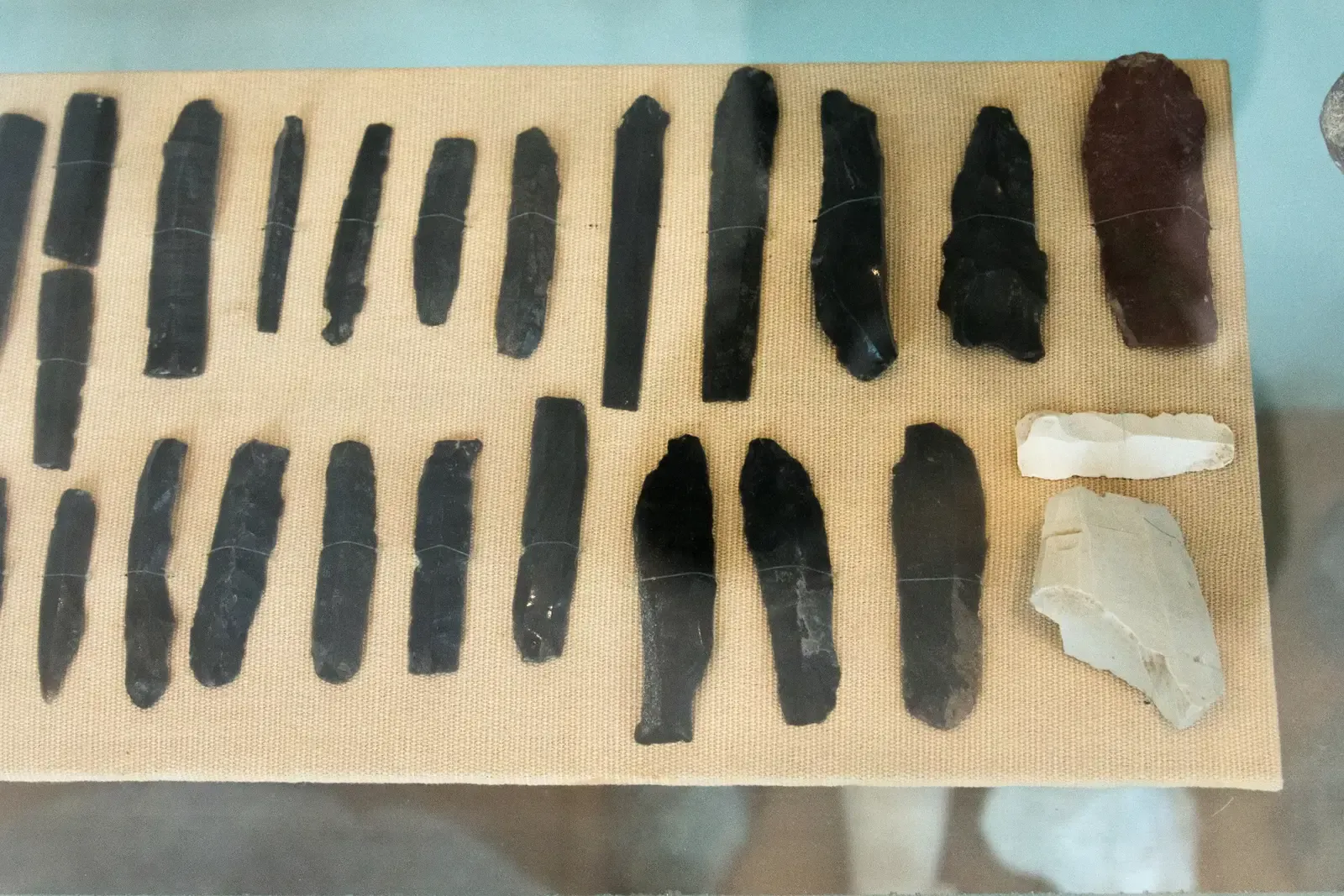
Early humans weren’t just using whatever rock happened to be lying around. In many cases, they were carrying specific materials – particularly obsidian and high-quality flint – across distances that would take a modern hiker weeks on foot.
Archaeologists have repeatedly traced tool materials at prehistoric sites back to quarries located dozens or even hundreds of miles away. That means either individuals traveled extraordinary distances themselves, or the material passed hand-to-hand through trade networks we can barely reconstruct. Either explanation implies something most people don’t associate with “primitive” societies: organized long-distance relationships between groups who never lived near each other.
The mystery that remains unsolved: we don’t know whether these were structured trade routes, seasonal gathering points, or something closer to gift economies binding distant bands together. What we do know is that the logistics required memory, planning, and social trust across huge territories.
#6 – They Buried Their Dead With Objects They Didn’t Need
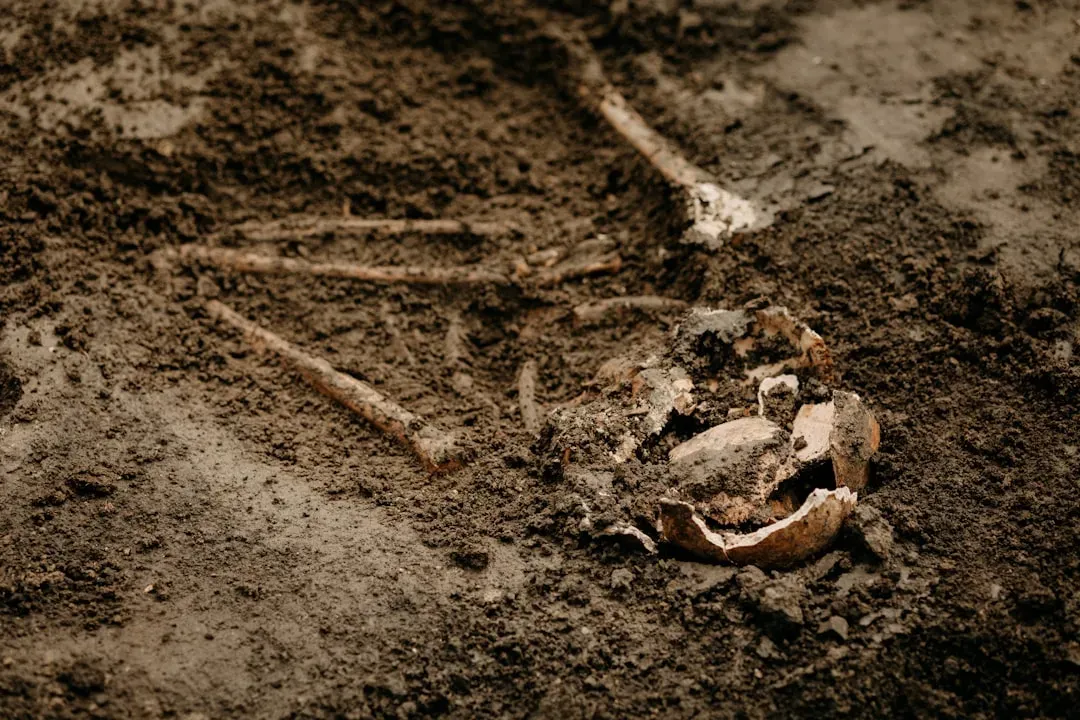
Somewhere in deep prehistory, humans stopped simply discarding bodies and started deliberately burying them, sometimes with tools, ornaments, or other objects placed alongside the deceased.
That shift matters enormously, because it implies a belief that something about the person mattered after death, whether that’s an afterlife, a memory, or a ritual obligation to the living. Most people assume burial was always “just practical,” but grave goods serve no survival function. They’re pure symbolism, and symbolism doesn’t fossilize easily, which is exactly why this behavior is so hard to date precisely or explain with confidence.
Researchers still argue over how early this started, whether every early burial was truly intentional versus incidental, and what specific beliefs, if any, motivated it. Some scientists suspect the debate will never fully settle, since the “why” behind a ritual rarely survives in the dirt the way the bones do.
#7 – They Cared For the Sick and Disabled Long-Term
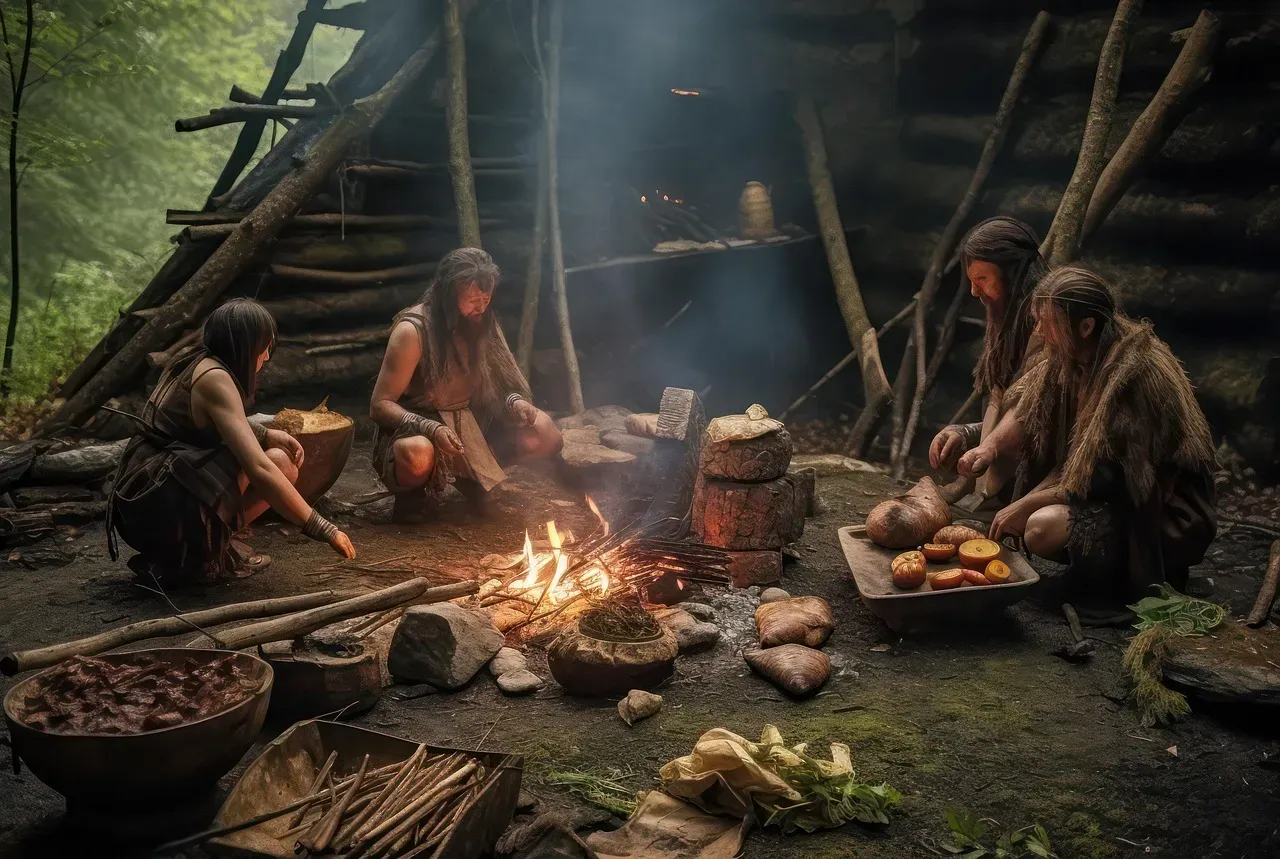
Survival-of-the-fittest logic suggests injured or disabled early humans should have been left behind. The fossil record says otherwise, repeatedly.
Skeletons showing healed but severe injuries – missing limbs, blindness, advanced arthritis that would have made hunting or gathering impossible – turn up at multiple prehistoric sites. For someone with those conditions to survive years afterward, someone else had to feed them, protect them, and keep them alive with zero expectation of a return on that investment. That’s not pure instinct. That’s compassion functioning as a survival strategy for the entire group.
The uncomfortable question scientists keep circling back to: was this universal kindness, or a calculated decision that caregiving strengthened group bonds enough to be worth the cost? We may never know which motivation dominated, because both leave the exact same physical evidence behind – a body that lived far longer than its injuries should have allowed.
#8 – They Used Red Pigment for Tens of Thousands of Years Before Any Clear “Art”
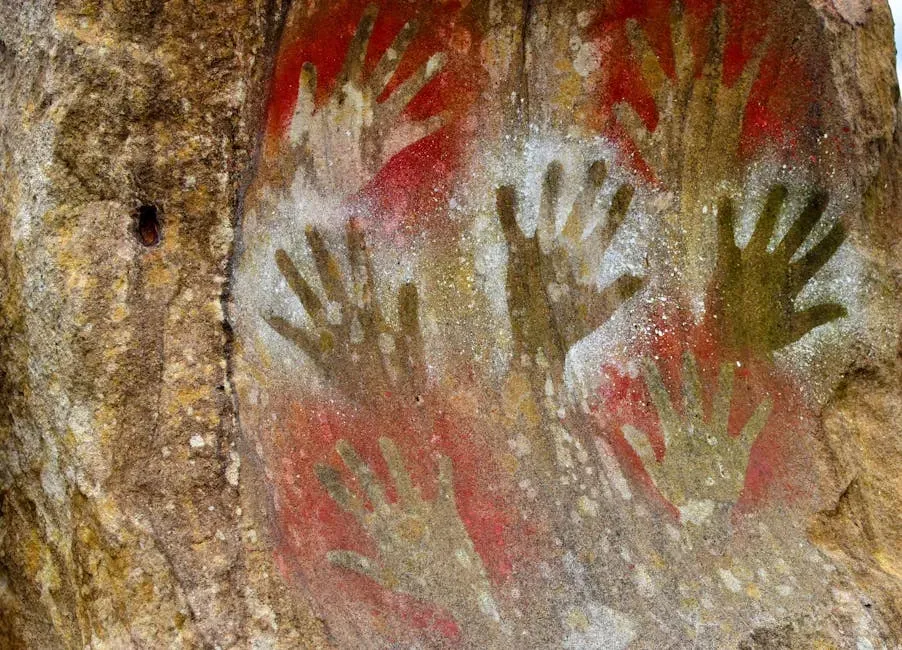
Ochre, a reddish iron-oxide pigment, shows up at human sites going back extraordinarily far, long before anyone was painting recognizable animals or symbols on cave walls.
Excavations at sites like Blombos Cave have produced deliberately engraved ochre pieces reflecting fully modern cognitive abilities in southern African populations by at least 100,000 years ago. But here’s the problem: pigment alone doesn’t tell you what it was used for. Body paint? Tanning hides? Ritual marking? Sun protection? All of these are plausible, and none can be confirmed from a pigment stain alone.
The frustrating truth researchers won’t say loudly enough: we’ve been finding ochre for over a century, and we still can’t agree on its primary purpose. It might not have had just one.
#9 – They Made Music Before They Had Permanent Homes
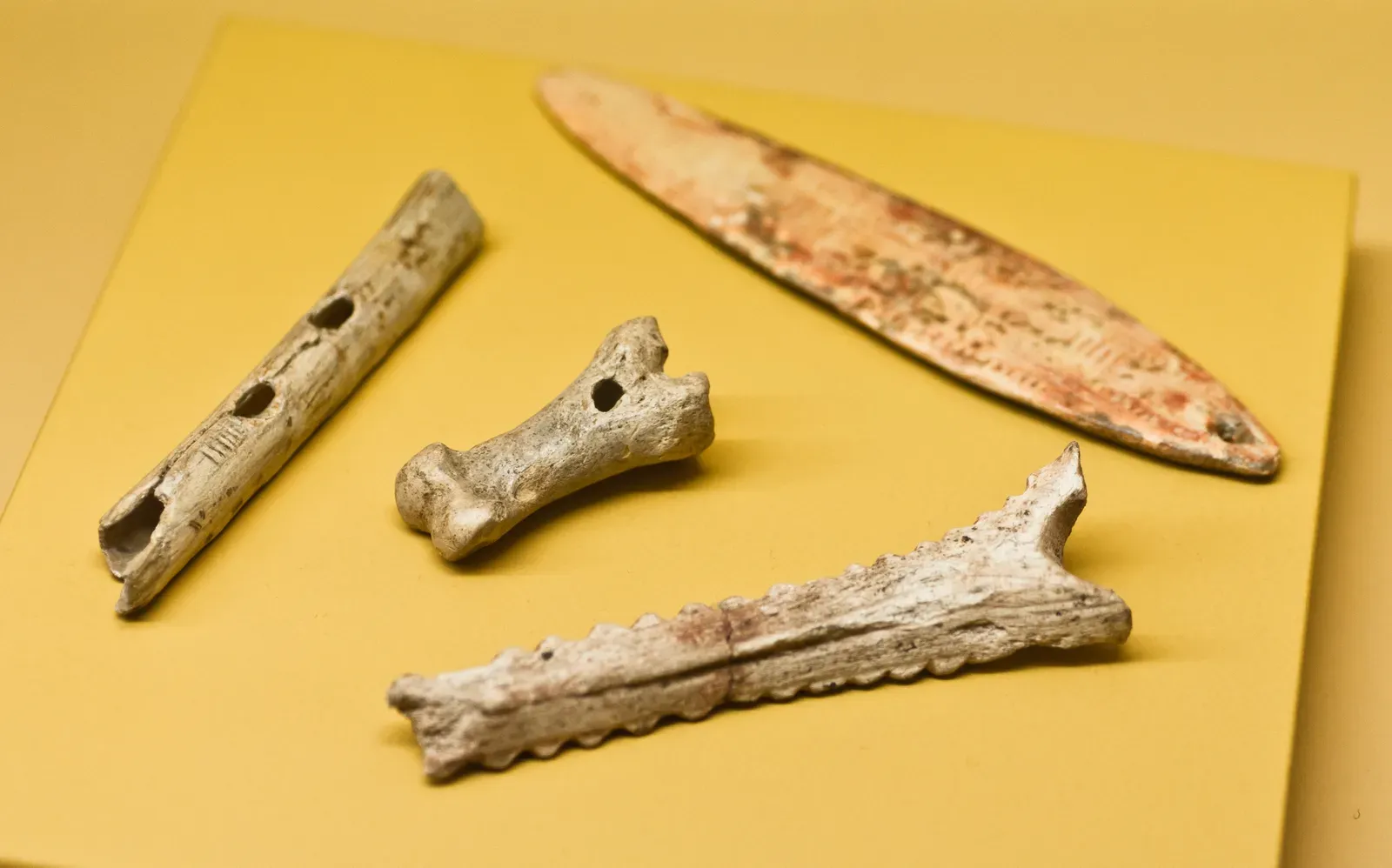
Bone flutes carved from bird bone and mammoth ivory have been recovered from Ice Age sites, some crafted with multiple precisely spaced finger holes – not random punctures, but deliberate tuning.
Building a functioning wind instrument requires understanding acoustics, at least intuitively: hole placement changes pitch, bore width changes tone, and getting it wrong produces something unplayable. That means early humans were experimenting, iterating, and passing down instrument-making knowledge while still migrating seasonally and living hand-to-mouth in brutal Ice Age conditions.
Worth Knowing
- Materials used: bird bone and mammoth ivory
- Era: deep Ice Age, before permanent settlements
- Design detail: multiple finger holes spaced for specific pitches
- Skill implied: working knowledge of acoustics passed between makers
Here’s the controversial take most people don’t want to hear: music likely wasn’t a luxury invented after survival was secured. It may have been foundational to group bonding and cooperation, evolving alongside survival skills rather than after them. Scientists still can’t pin down exactly when music began, because sound leaves no fossil, and any instrument made from wood or hide simply rotted away long before archaeologists arrived.
#10 – They Performed Skull Surgery – and Patients Survived

Trepanation – cutting or drilling a hole into the skull – sounds like a death sentence performed with Stone Age tools. Yet skeletal evidence shows bone regrowth around many trepanation sites, meaning the patient lived for months or years afterward.
That’s a staggering outcome for a procedure done without anesthesia, sterilization, or any understanding of infection as we know it. It implies a working knowledge of skull anatomy, some method of controlling bleeding and infection risk, and enough of a support system to keep a patient alive through recovery.
Nobody has a solid answer for why they did it. Theories range from releasing pressure after head trauma to treating seizures or severe headaches to purely ritual or spiritual reasons tied to “releasing” something from the skull. The survival rates alone prove this wasn’t reckless experimentation – it was a repeated, refined practice.
#11 – They Carved What Might Be the Earliest Math
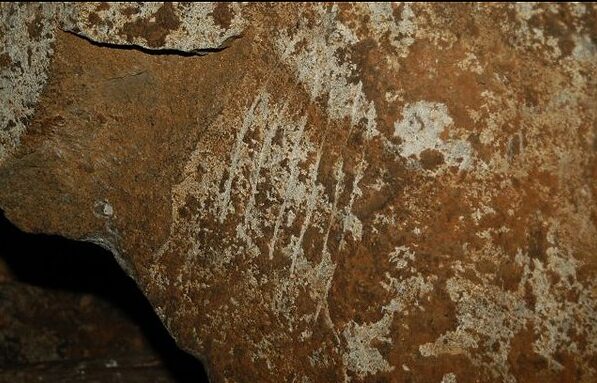
Notched bones from deep prehistory – tally marks etched in careful, repeating sequences rather than random scratches – have led some researchers to argue early humans were tracking quantities, lunar cycles, or both.
If that interpretation holds, abstract counting predates writing, agriculture, and permanent settlements by tens of thousands of years. That’s a far earlier start to mathematical thinking than most people assume, suggesting early humans tracked time or resources with enough precision to bother carving a permanent record of it.
Quick Compare
- Interpretation A: deliberate counting system tracking quantities or lunar cycles
- Interpretation B: ritual or decorative marking with no numerical meaning
- Shared fact: the notches are patterned and repeating, not random
- Unresolved question: intent cannot be confirmed from the marks alone
The catch: notches on a bone don’t come with an instruction manual. Scientists studying these artifacts openly disagree over whether they represent genuine numerical tracking or are being over-interpreted by modern minds eager to find patterns. Until someone finds a Rosetta Stone for tally marks, this one stays a guess dressed up as a theory.
#12 – Their Bodies Kept Genes That Should Have Disappeared

Evolution is supposed to weed out harmful traits over enough generations. It hasn’t. Modern humans still carry a surprising number of genetic variants linked to disease and disorder, and this doesn’t fit cleanly into simple survival-of-the-fittest logic.
One explanation researchers keep returning to is that some of these genes carried hidden benefits that outweighed their costs in ancient environments. A trait that’s harmful today might have protected against famine, infection, or extreme cold tens of thousands of years ago.
The problem: proving a “hidden benefit” existed in a vanished environment is nearly impossible. Scientists can propose it, model it, and argue about it in journals for decades, but they can’t run the experiment on a population that no longer exists.
#13 – Their Languages Left Absolutely No Trace
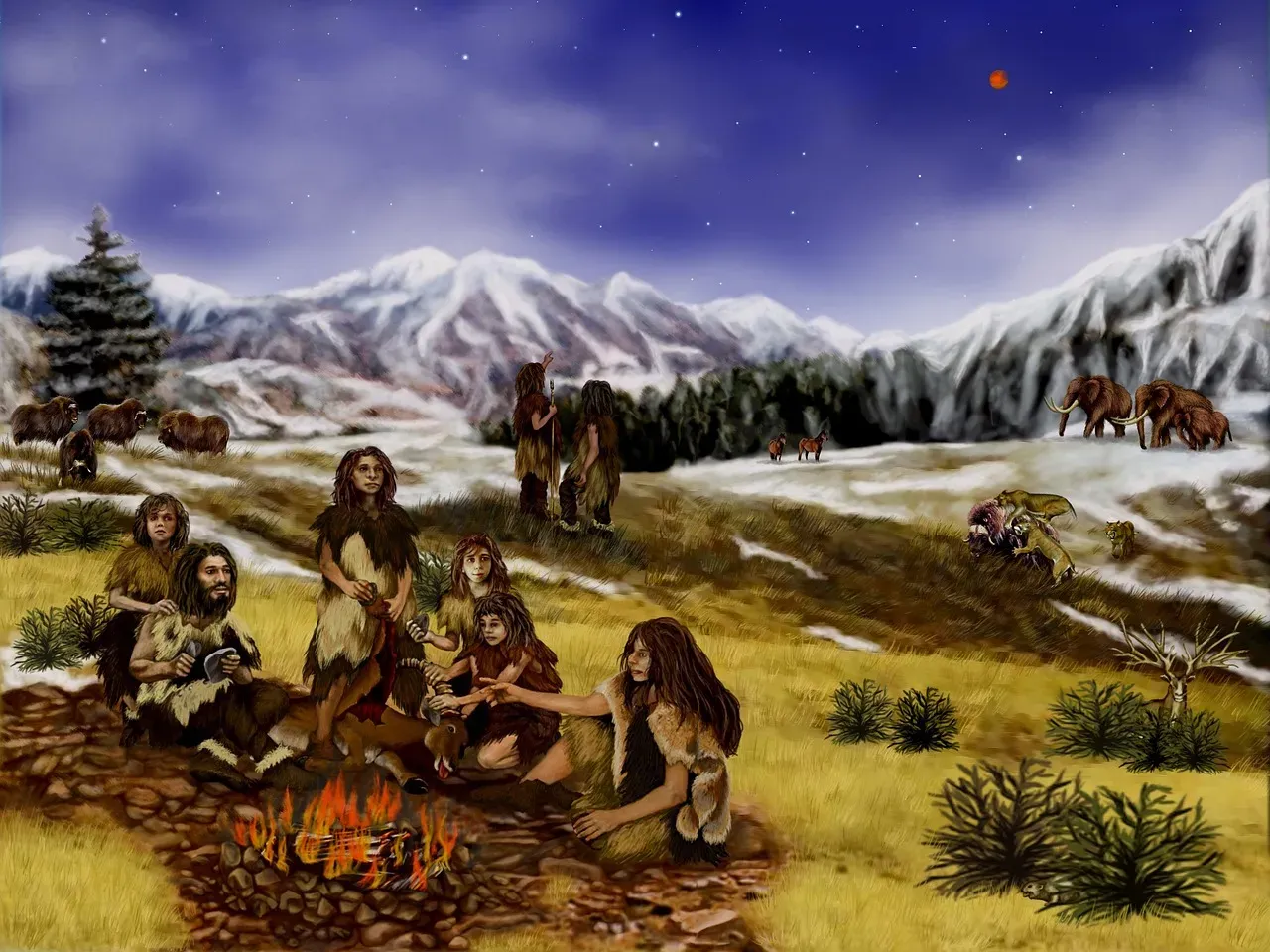
Every other mystery on this list at least has physical evidence – bones, pigment, stone, carved notches. Language has none. It doesn’t fossilize, and it doesn’t leave residue.
Researchers are forced to rely entirely on indirect clues: changes in the vocal tract, symbolic behavior, brain case shape. But the exact path from grunts to complex speech remains unclear. That means the single most consequential invention in human history – the thing that allowed knowledge to pass between generations at all – cannot be directly dated, traced, or observed in the archaeological record.
This is arguably the biggest blind spot in all of human origins research. We can date a hand axe to within a few thousand years. We cannot tell you within 50,000 years when the first full sentence was spoken. That gap alone should humble anyone who thinks prehistory is a solved puzzle.
The Bottom Line
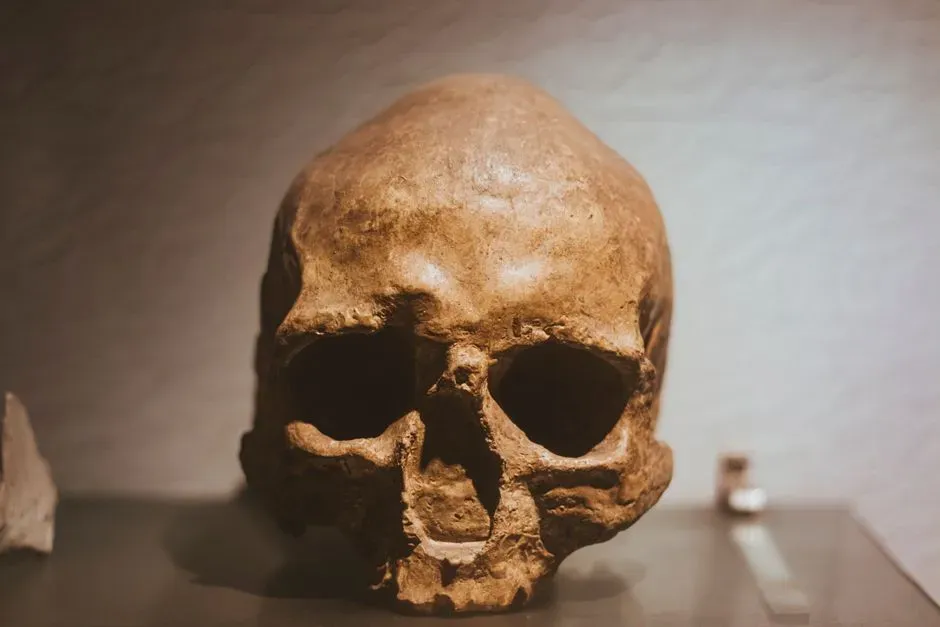
The further you dig into early human behavior, the less “primitive” it looks, and the less settled the science actually is. Ocean crossings, temple-building hunter-gatherers, Neanderthal artists, skull surgery survivors – none of this fits the simple, linear progress story most of us grew up with.
Experts don’t agree on when symbolic thought began, why it disappeared and reappeared, or what half of these behaviors even meant to the people doing them. My honest take: we keep underestimating people who lived tens of thousands of years ago simply because they didn’t leave behind cities or writing. Intelligence doesn’t require concrete – it just requires enough time to leave a trace, and most of what these people did left almost none.
What’s clear is that early humans were smarter, stranger, and more capable than the stereotype suggests, and in several of these cases, science may never fully close the gap. Which of these thirteen mysteries do you think will actually get solved in our lifetime? Drop your theory in the comments.