Most people assume every Ice Age giant died out in one dramatic climate collapse roughly 11,700 years ago, right as the Pleistocene ended. That’s simply wrong. Woolly mammoths were still walking the earth when the Great Pyramid of Giza was already an ancient monument. Giant deer outlived the glaciers by thousands of years, and one so-called “prehistoric” sea creature was hunted to extinction in the 1700s, overlapping with the founding of the United States.
Textbooks compress all of this into a single, tidy “Ice Age extinction event.” The real fossil record is messier, stranger, and in a few cases genuinely unsettling once you line the actual dates up side by side. Here’s what paleontologists actually found when they checked.
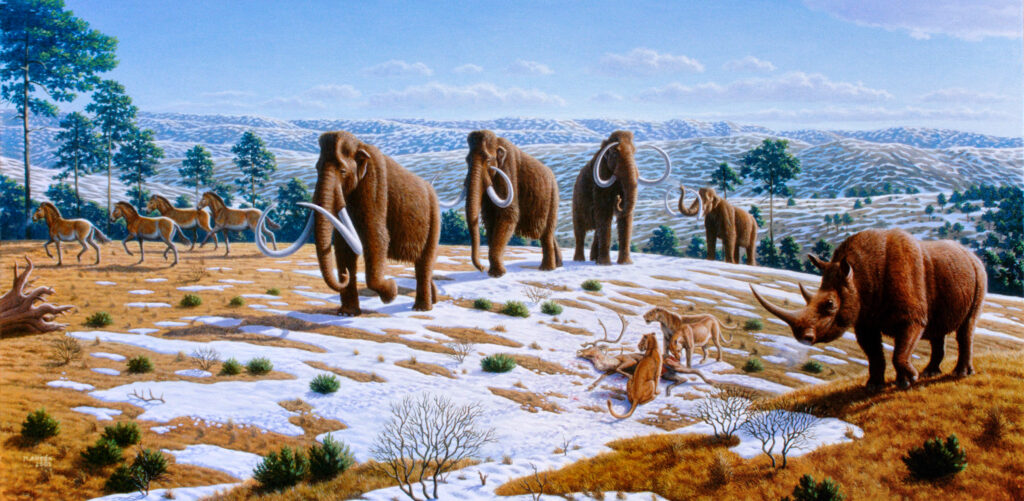
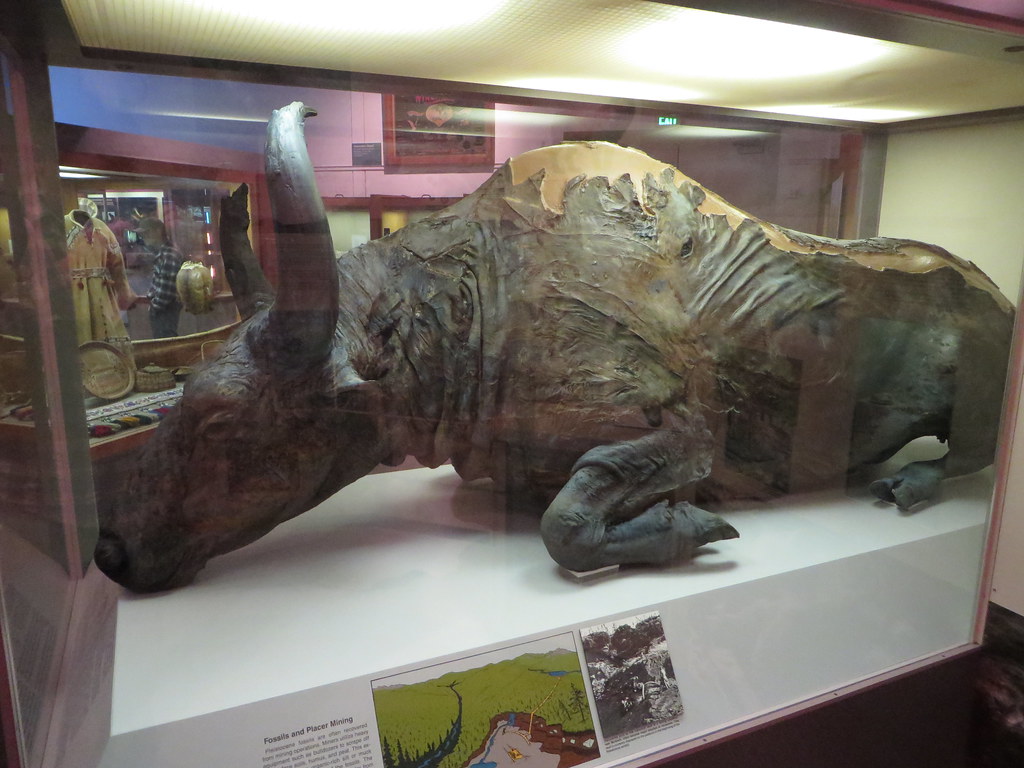
#12 – Woolly Rhinoceros: Still Roaming Siberia 14,000 Years Ago
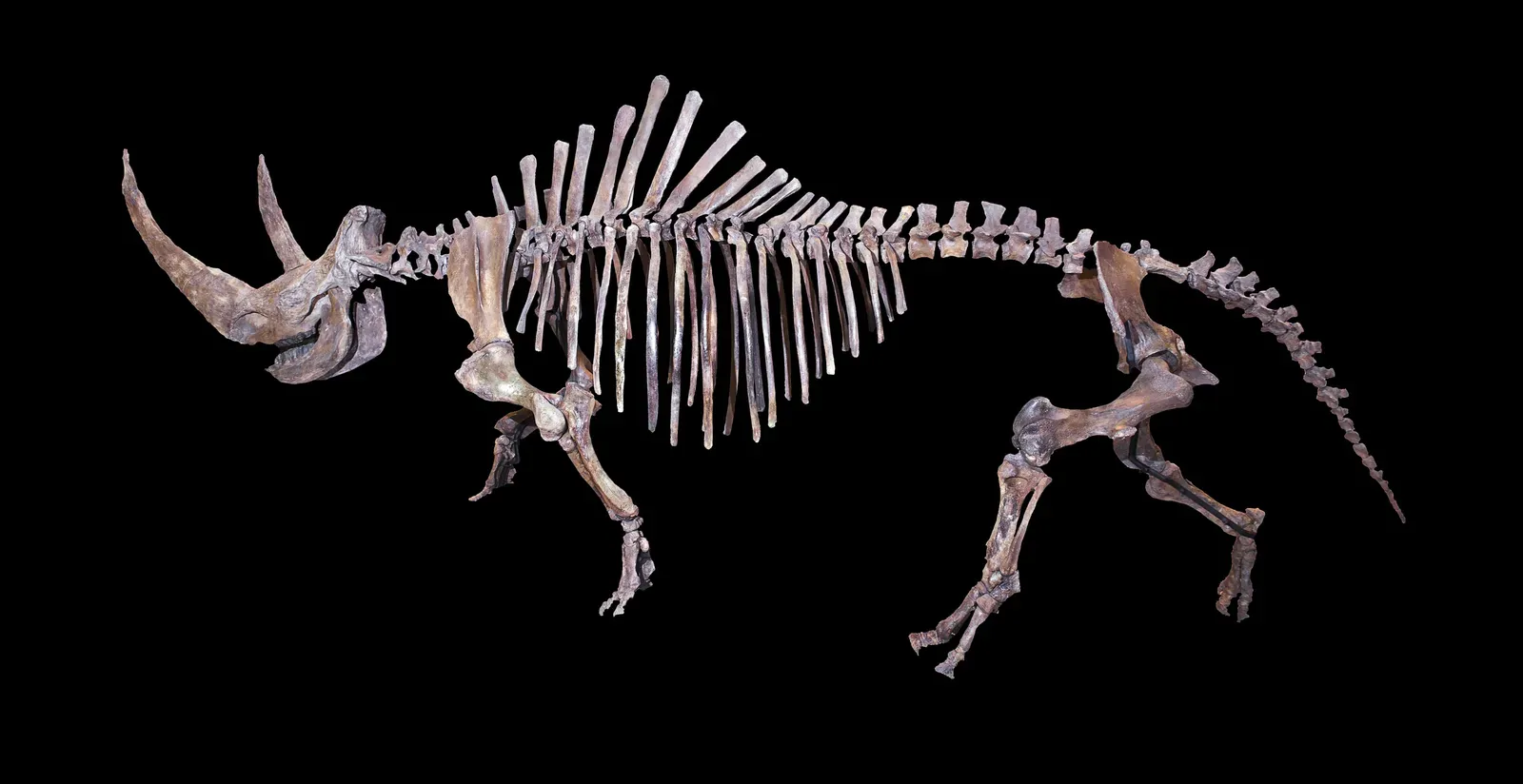
Most people picture the woolly rhino dying off at the peak of the last glacial maximum, tens of thousands of years before humans built anything resembling civilization. That timeline is off by a wide margin.
Radiocarbon evidence shows woolly rhinoceroses remained in northern Eurasia until at least 14,000 years ago, likely dying out from sudden climate shifts during the Bølling-Allerød interstadial, a stretch when the Pleistocene ice sheets retreated rapidly between roughly 14,700 and 12,900 years ago. Even stranger, the youngest known specimen is a 14,400-year-old fragment of muscle tissue found inside the stomach of a wolf pup frozen in Siberian permafrost. Genetic analysis of that tissue showed no evidence of genetic erosion at all, meaning the species likely vanished fast, over a few hundred years, rather than fading out slowly across millennia.
Fast Facts
- Survived in northern Eurasia until at least 14,000 years ago
- Likely wiped out during the Bølling-Allerød warming, roughly 14,700–12,900 years ago
- Youngest known trace: 14,400-year-old tissue found in a frozen wolf pup’s stomach
- No genetic erosion detected, suggesting a fast collapse rather than a slow fade-out
That’s a mystery, not a slow decline. Cave lions have an even stranger overlap on record.
#11 – Cave Lions Outlasted Their Bear Rivals by 14,000 Years
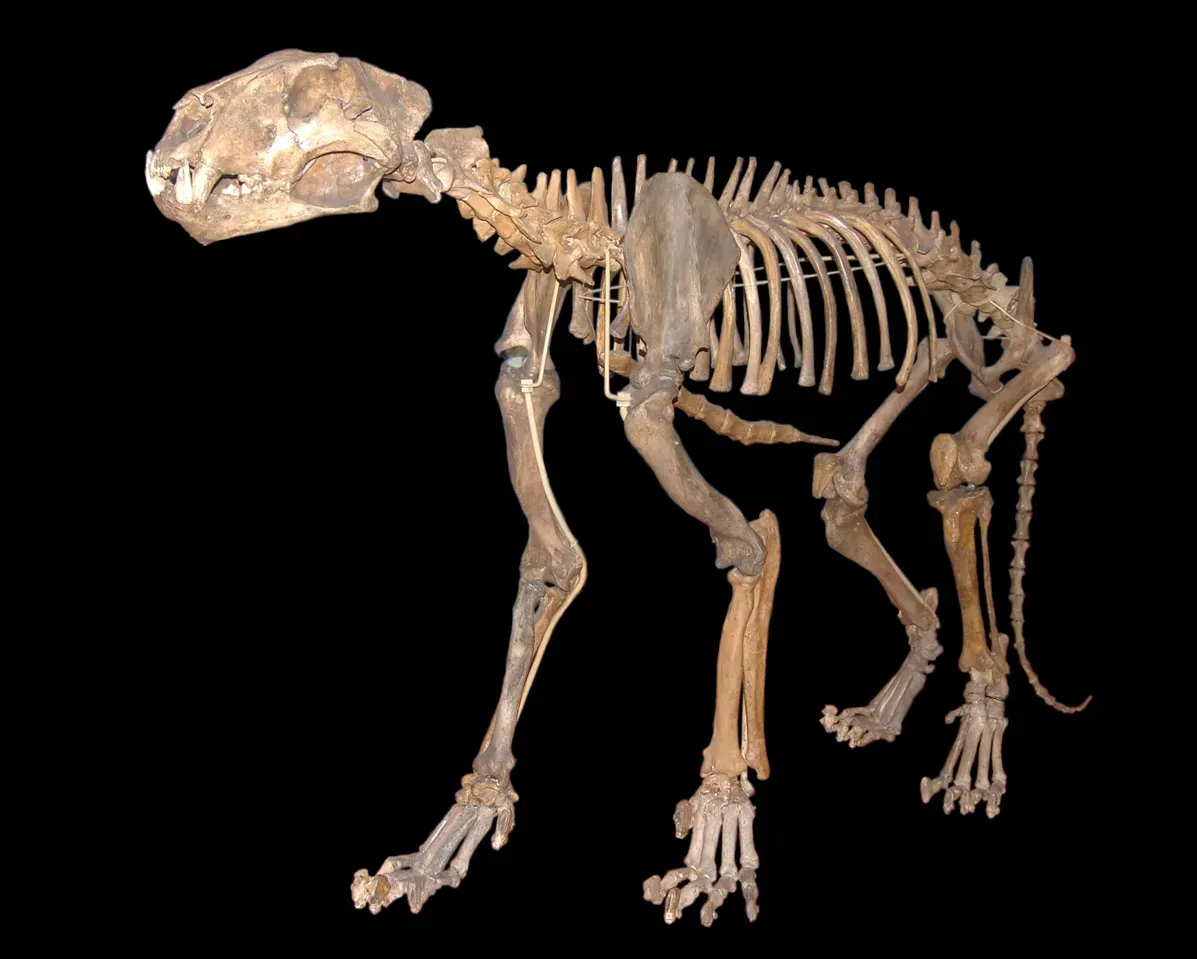
Cave lions and cave bears are often lumped together in the popular imagination, as if they vanished side by side. They didn’t come close.
Research on Eurasian megafauna extinctions shows cave bears probably disappeared around 30,500 to 28,500 years ago, right at the onset of the Last Glacial Maximum, while cave lions survived until the Lateglacial, roughly 14,000 years ago. That’s a 14,000-year gap between two predators most people assume were contemporaries. It’s a reminder that Ice Age extinctions weren’t one event but a staggered collapse spread across tens of thousands of years, with different species ticking off the extinction clock at wildly different speeds.
Cave lions hunted reindeer and horses across a landscape that was already thawing beneath them, watching the tundra shrink generation after generation. Most museum dioramas still get this wrong. The short-faced bear’s story is stranger still.
#10 – The Giant Short-Faced Bear Held On Almost to the Holocene
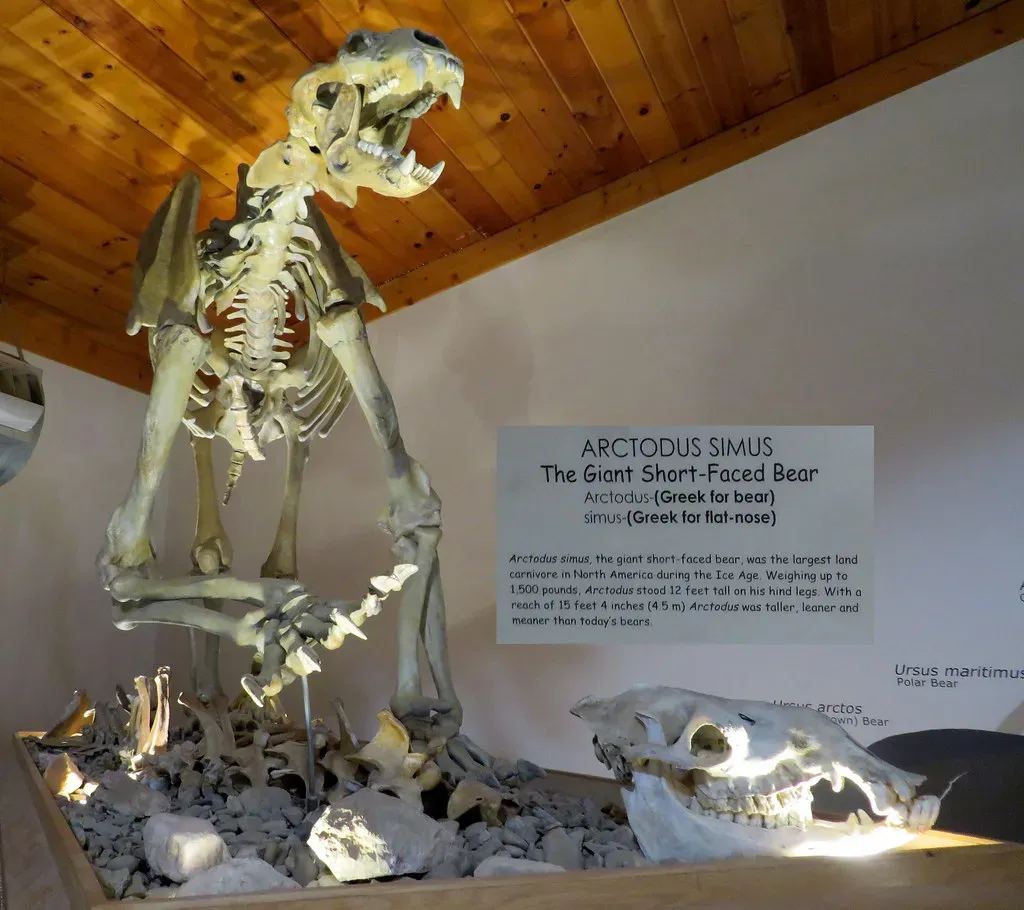
Arctodus simus, the giant short-faced bear, was North America’s largest land predator during the Ice Age, standing taller than a grizzly on its hind legs. It clung on almost to the very edge of the Holocene.
Fossil evidence places this bear among the last of the continent’s apex predators to disappear, surviving right up until roughly 11,000 years ago, just as the first widespread human hunting cultures were expanding across North America. Its sheer size, likely built for scavenging as much as hunting, may have made it uniquely vulnerable once mammoths and giant bison, the carrion sources it depended on, started disappearing.
Unlike the woolly rhino or cave lion, there’s no confirmed Holocene refuge population for this bear anywhere in the fossil record. Once its food web collapsed, it had nowhere left to retreat. Many researchers now argue its extinction is one of the most underrated dominoes in the entire Ice Age collapse. Dire wolves, though, didn’t just miss the memo on extinction, they hunted alongside us.
#9 – Dire Wolves Hunted Alongside Early Humans for Millennia
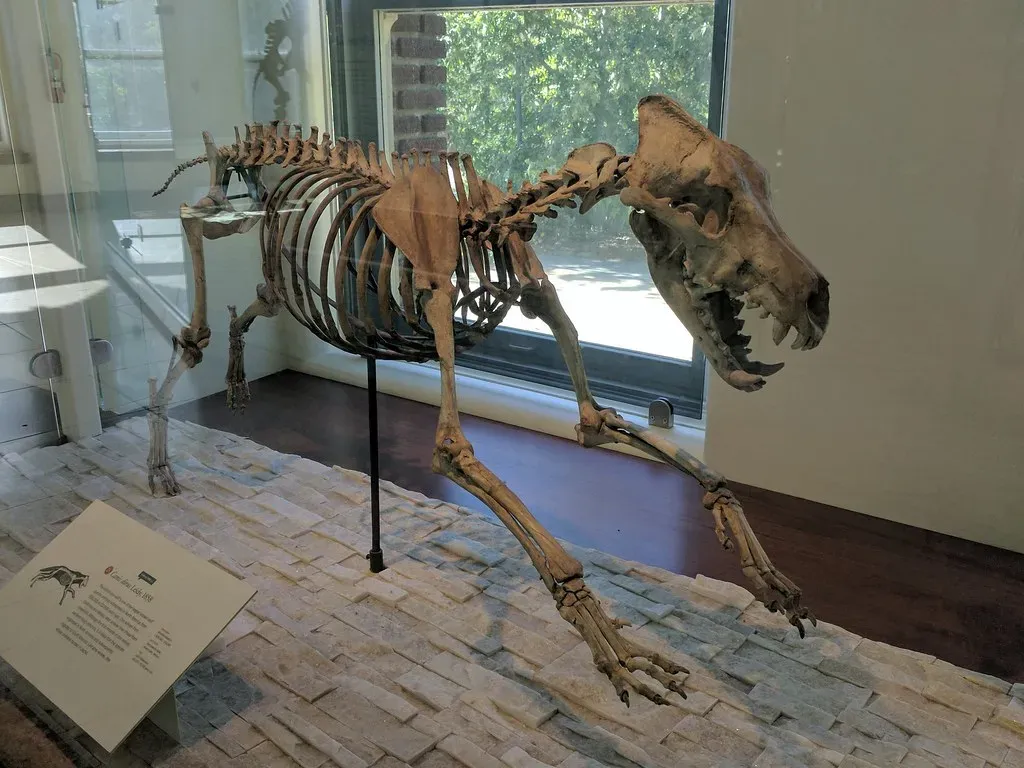
Thanks to pop culture, most people think dire wolves are pure fantasy. They were very real, and they overlapped with human hunter-gatherers for thousands of years.
Fossil sites like California’s La Brea tar pits have preserved thousands of dire wolf remains, showing these pack predators thrived across the Americas until roughly 10,000 years ago. That’s long after the first humans crossed into North America, meaning dire wolves and early Paleo-Indians shared hunting grounds, competed for the same prey, and likely watched each other from opposite ends of the same kill sites.
Unlike the romanticized lone-wolf imagery attached to the species today, dire wolves were pack hunters built for takedown power, not speed, bringing down horses, bison, and young mammoths. Their extinction tracks almost exactly with the collapse of the large herbivore populations they depended on. Once the megafauna buffet disappeared, so did they. Saber-tooths were doing something almost as strange, at almost the same time.
#8 – Saber-Toothed Cats Prowled Long After the “Ice Age Ending”
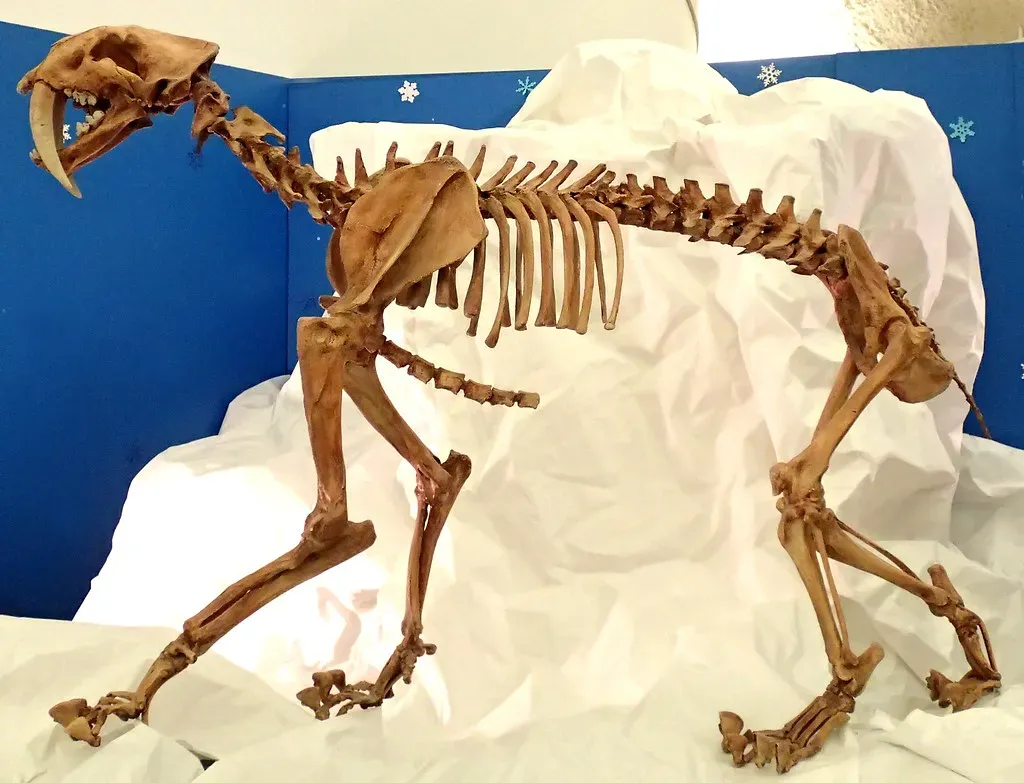
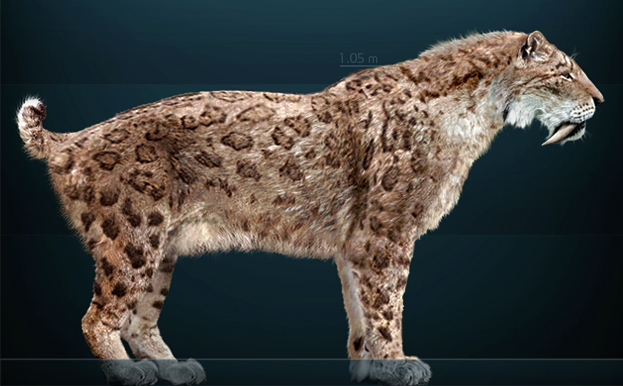
Smilodon is the poster child for Ice Age extinction, yet most people assume it vanished thousands of years earlier than it actually did. The reality pushes its extinction right up against the dawn of agriculture in the Fertile Crescent.
Fossil evidence from North and South America shows saber-toothed cats persisted until approximately 10,000 years ago, meaning these iconic predators were still stalking the plains while people elsewhere on the planet were beginning to domesticate wheat and barley. That overlap is rarely mentioned in documentaries, which tend to frame Smilodon as a relic of a distant, unrelatable past.
Their extinction is tightly linked to the disappearance of large, slow-moving prey like ground sloths and young mastodons, animals that suited their ambush-hunting style far better than the fast, agile herds that dominate landscapes today. When the slow giants vanished, the ambush predators built to kill them had no fallback plan. Mastodons proved even tougher than the cats.
#7 – American Mastodons Survived the Younger Dryas Cold Snap
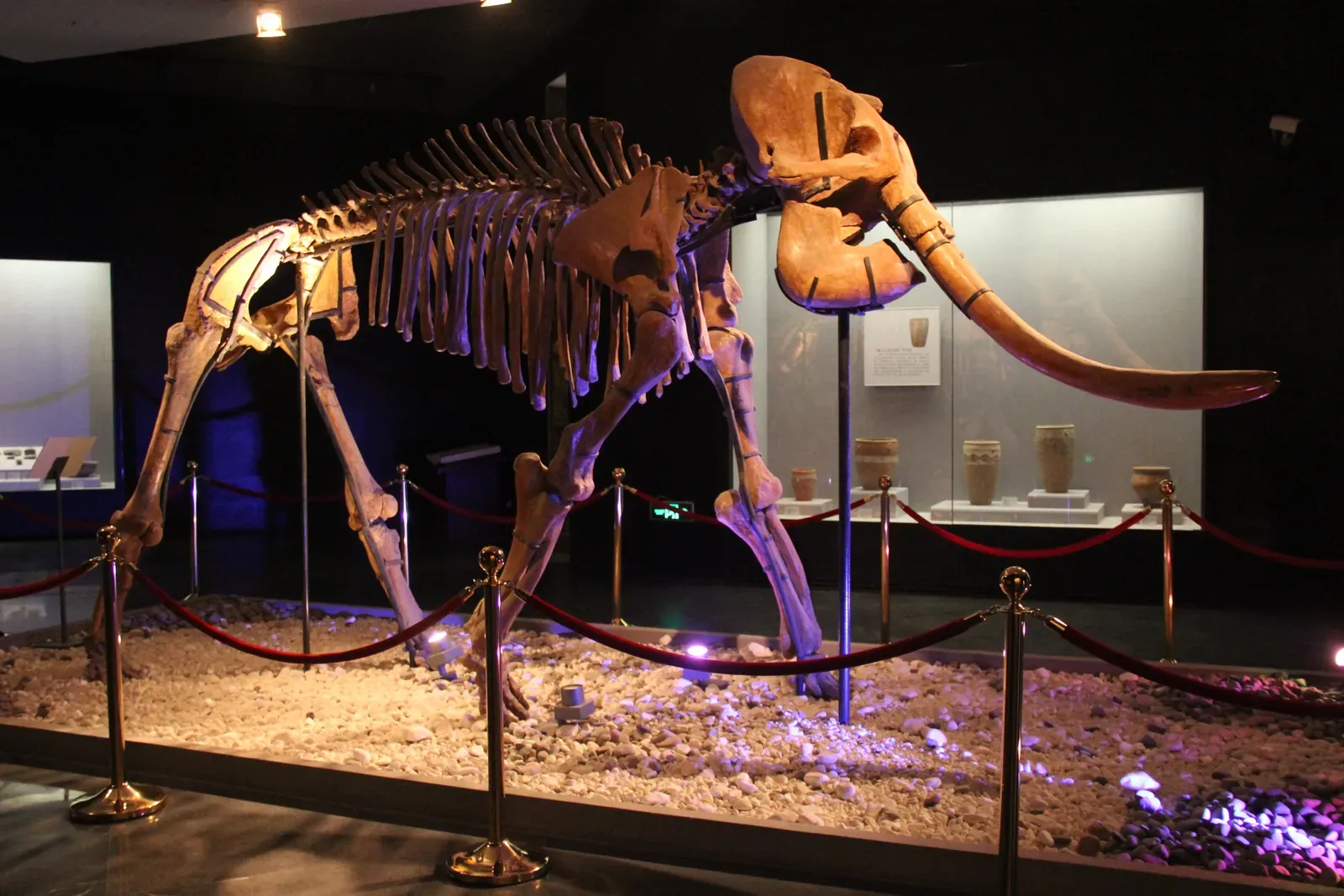
Most timelines lump mastodons in with mammoths as if they died out simultaneously at the Ice Age’s dramatic finale. Direct dating on actual mastodon remains tells a more resilient story.
A mastodon skeleton unearthed in northern Indiana, known as the Overmyer mastodon, was radiocarbon dated to between roughly 10,055 and 10,032 years before present, indicating the animal survived beyond the Clovis period and into the late Younger Dryas. That means this individual outlived the abrupt cold snap many scientists once blamed for wiping out North American megafauna in a single swift blow. Researchers note this late survival doesn’t remove humans or climate change as contributing causes, but it does prove neither Clovis hunters nor the Younger Dryas cold spike killed mastodons off immediately.
This complicates the tidy “one cause, one moment” extinction story many people still believe. Mastodons were tougher and more adaptable than the single-event narrative gives them credit for. Irish elk pushed that resilience even further, in a place nobody expects.
#6 – Irish Elk Survived 4,000 Years Longer in Siberia Than in Ireland
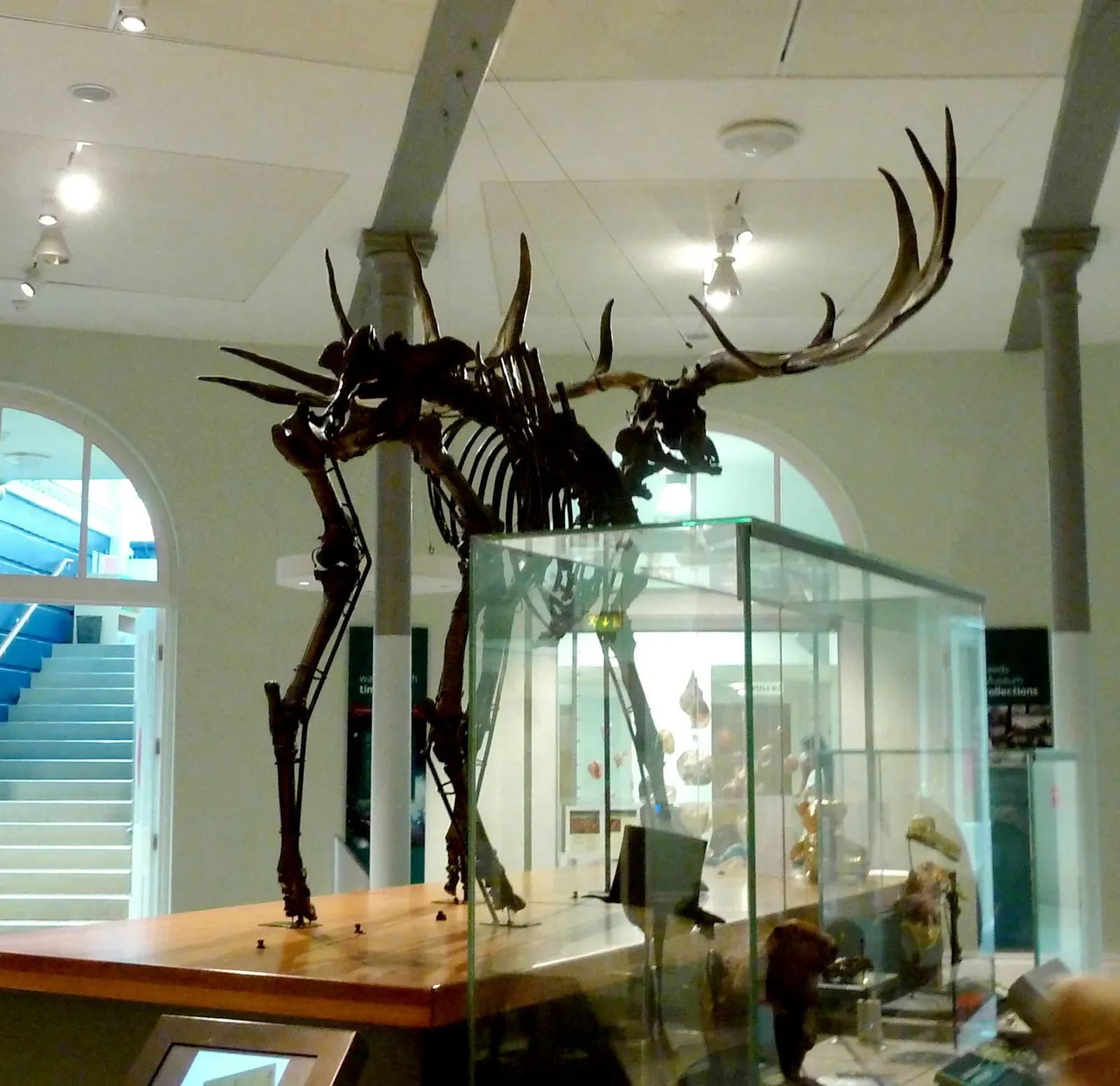
Despite the name, the Irish elk wasn’t really Irish, and it definitely didn’t die out when Ireland’s bogs suggest. Its true last stand happened thousands of miles east, thousands of years later.
The famous peat-bog skeletons that gave this giant deer its nickname date to around 10,600 years ago, marking its disappearance from Ireland and Britain. But fossils found at two sites in western Siberia reveal the Irish elk survived there until at least 7,650 years ago, verified through carbon-dating at two separate laboratories. Even more compelling, the most recent Siberian specimen shows no sign of nutrient stress, despite living well after the last glacial period ended.
Quick Compare
- Ireland & Britain: last confirmed roughly 10,600 years ago
- Western Siberia: survived until at least 7,650 years ago, verified by two labs
- Gap between the two regions: nearly 3,000 years
- The last Siberian specimen shows no sign of nutrient stress
That detail matters. It undercuts the popular theory that antler size alone doomed the species to nutritional collapse. Whatever killed off the last giant deer in Siberia, it wasn’t starvation. Mammoths, though, are where this timeline gets genuinely uncanny.
#5 – A Second, Forgotten Mammoth Population Died Out on St. Paul Island
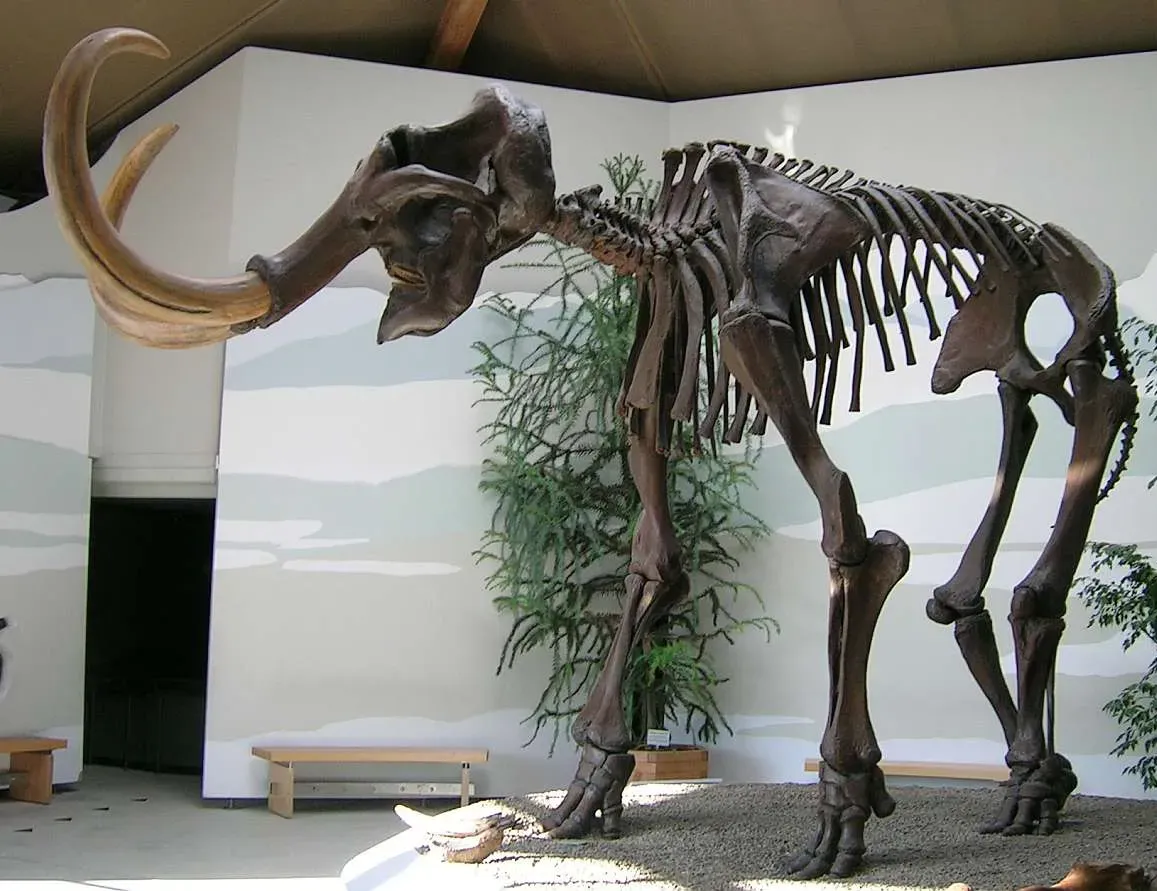
Everyone’s heard of the Wrangel Island mammoths. Almost nobody’s heard of the other isolated mammoth population that outlived the mainland by thousands of years too.
While rising seas cut off the famous Wrangel herd in the Arctic, a separate group of mammoths became stranded on St. Paul Island in the Bering Sea. Genetic and fossil research shows this population survived into the mid-Holocene, going extinct around 5,600 years ago, driven not by hunting but by the combined effects of shrinking island area and freshwater scarcity caused by continued sea level rise.
In other words, these mammoths didn’t starve from lack of food or fall to human spears. They ran out of drinkable water as their entire island physically shrank around them. It’s an eerily specific, almost climate-parable ending for a species most people assume died from cold, not thirst. Caribbean sloths were living an entirely different kind of extinction story, on a totally different timeline.
#4 – Caribbean Ground Sloths Outlived the Egyptian Pyramids’ Construction
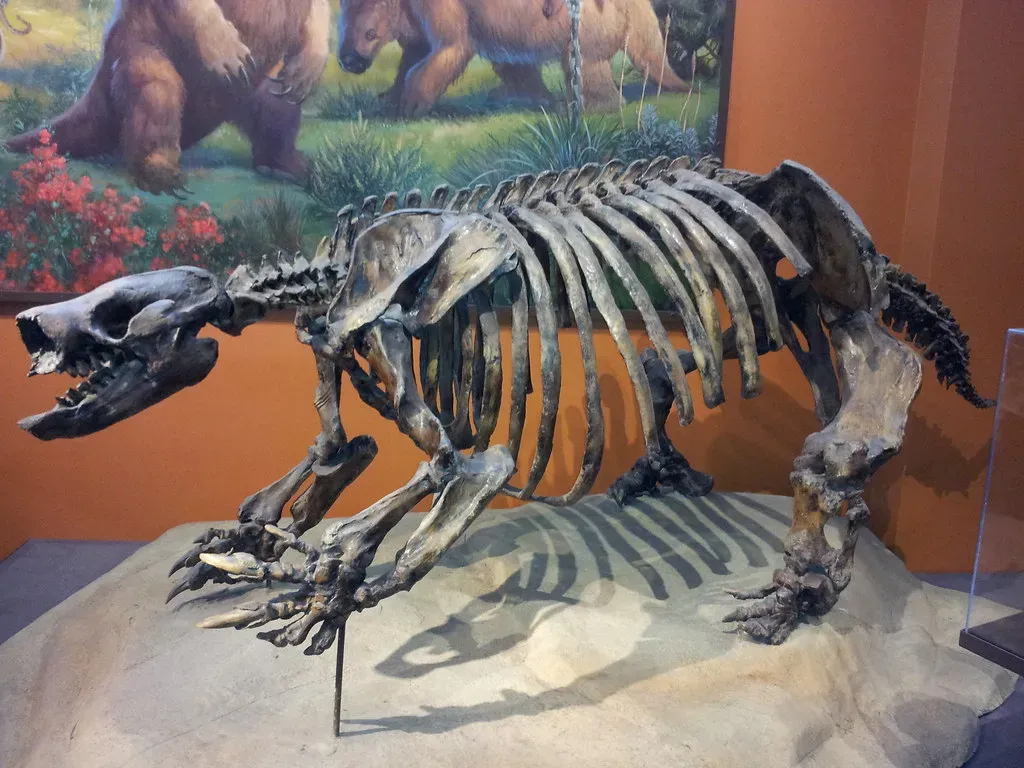
Ground sloths supposedly went extinct alongside mammoths at the end of the Ice Age. On Caribbean islands, that’s off by thousands of years, and the timeline overlaps with recorded human history.
Research on Cuba’s Megalocnus, one of at least thirteen distinct ground sloth species that once lived exclusively on Caribbean islands, found this sloth lived until at least 6,250 years ago based on remains found in a limestone cave, while a later analysis using a tooth sample pushed the survival date to at least 4,200 years ago. Other island sloths tell a similar story: Parocnus lived until about 4,960 years ago, and the smaller Neocnus persisted on Hispaniola until roughly 4,500 years ago.
That places some of the last ground sloths on Earth alive during the exact era the Great Pyramid of Giza was under construction. Mainland sloths were long gone; these island populations simply had nowhere to be chased from. And then there’s Wrangel Island, which breaks the mammoth timeline completely.
#3 – Wrangel Island Mammoths Died Out Younger Than Written Language
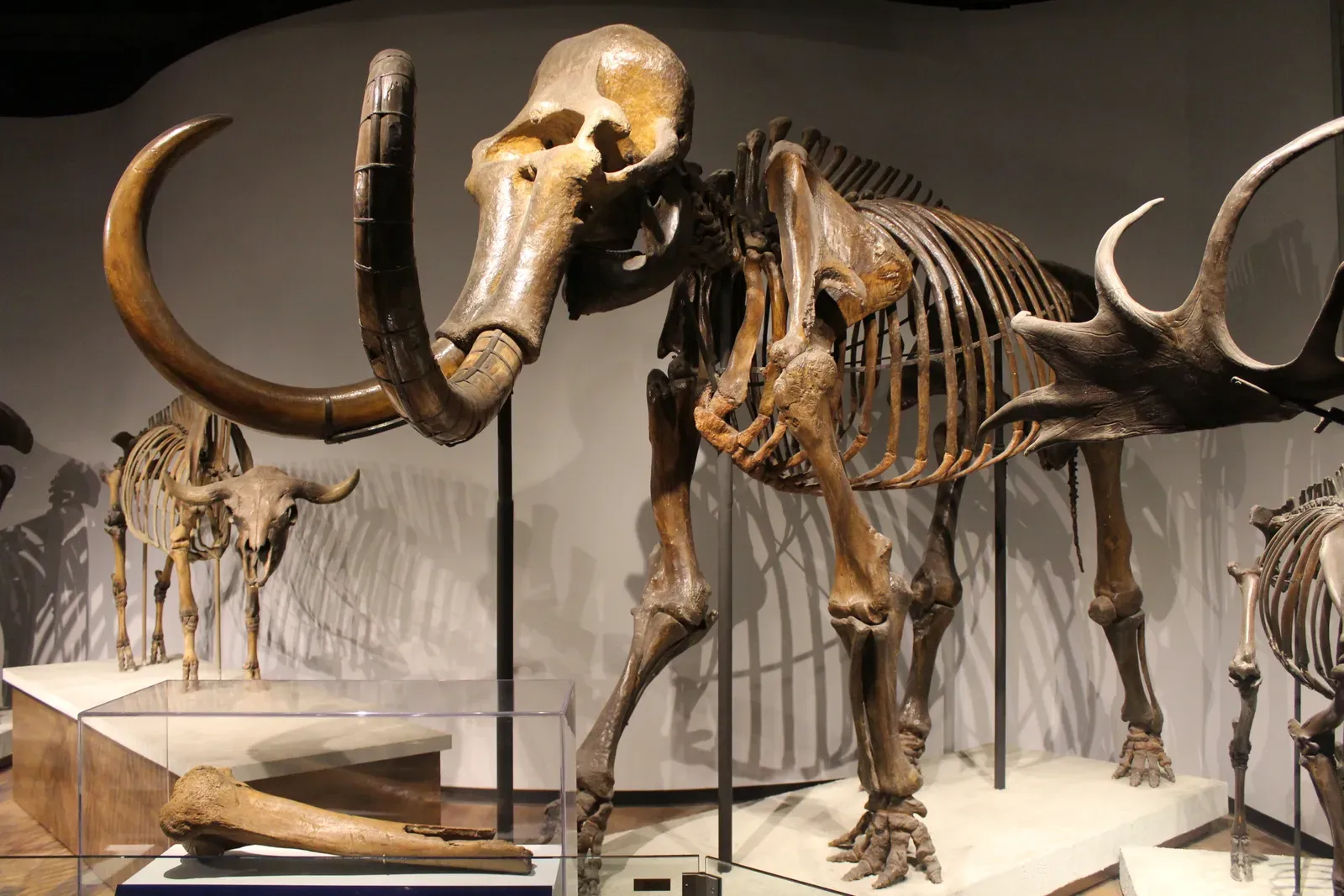
If you take one fact from this entire list, make it this one. Woolly mammoths were alive on Earth after the invention of writing, and long after humans had already built the Great Pyramid.
A small, isolated herd survived on Wrangel Island off Siberia’s coast, becoming cut off around 10,000 years ago and persisting for over 200 generations before going extinct around 4,000 years ago. Genetic research shows this population began with as few as eight individuals, grew to 200-300 mammoths within about 20 generations, and then stayed demographically stable for millennia. They weren’t a dying, inbred remnant limping toward inevitable collapse. They were a stable, functioning population until something changed abruptly.
At a Glance
- Isolated on Wrangel Island roughly 10,000 years ago
- Founding population: as few as 8 individuals
- Grew to 200-300 mammoths within about 20 generations
- Stayed demographically stable for millennia before vanishing around 4,000 years ago
That “something” remains genuinely disputed. A recent genomic study concluded that despite thousands of years of inbreeding and low genetic diversity, these factors probably didn’t doom the Wrangel mammoths outright. The real culprit may have been an isolated, catastrophic event no one has fully identified yet. Moa take this same idea and drag it into recorded human history.
#2 – New Zealand’s Giant Moa Vanished Within Living Cultural Memory
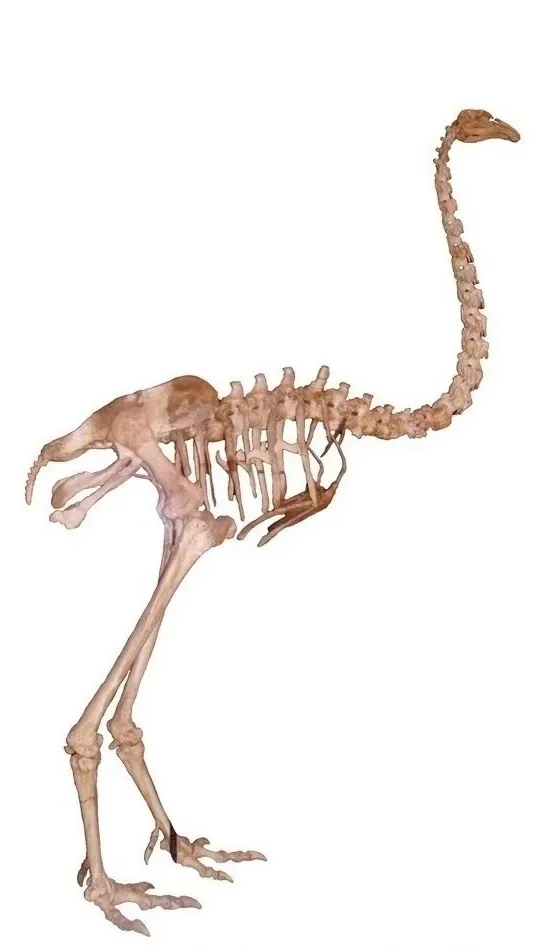
This is where “Ice Age giant” stops sounding like ancient history and starts sounding like recent human history. Giant moa, some standing over 10 feet tall, were still alive in New Zealand within the last thousand years.
These flightless birds evolved without predators for millions of years, growing to sizes unmatched by almost any other bird on the planet. When Polynesian settlers arrived and established themselves on the islands, moa populations collapsed astonishingly fast, vanishing within a few centuries of sustained hunting pressure rather than the gradual, multi-thousand-year decline seen in most Ice Age megafauna.
This is a controversial point worth sitting with: moa extinction wasn’t a slow climate story at all, it was a rapid, almost entirely human-driven collapse that happened well within the timeframe of oral history and cultural memory. Most people mentally file “giant extinct animal” under “ancient past,” but moa were still walking New Zealand’s forests during what Europeans would call the medieval period. Even that pales next to the very last entry on this list.
#1 – Steller’s Sea Cow Was Hunted to Extinction in the 1700s
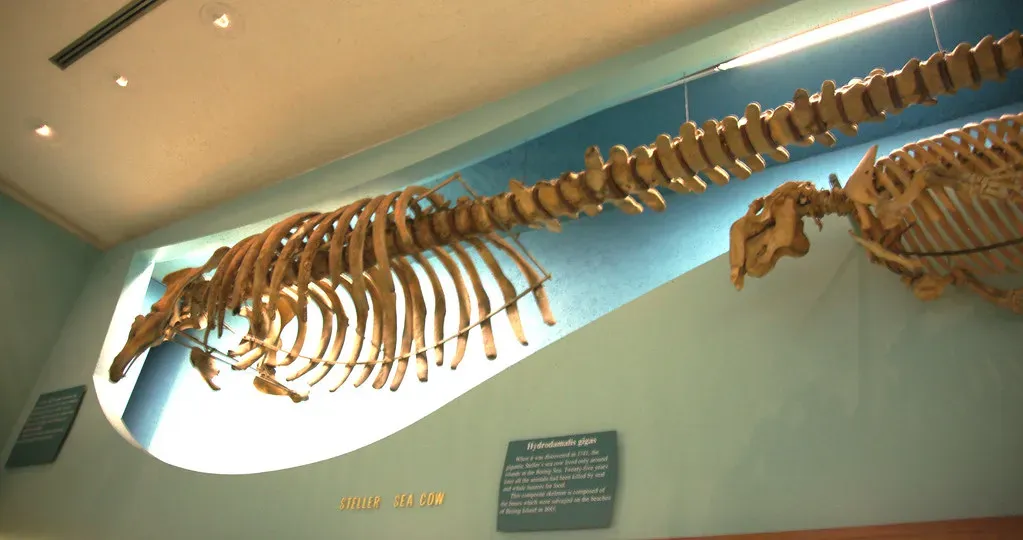
Here’s the fact that breaks everyone’s mental timeline completely. A massive, Ice Age-era marine mammal survived long enough to be personally observed, described, and then eaten into extinction by 18th-century European sailors.
Steller’s sea cow, a relative of the manatee that could grow over 20 feet long, was once widespread across the North Pacific during the Pleistocene. By the time naturalist Georg Steller documented the species in 1741, it had already been reduced to a single remnant population around the remote Commander Islands. Within roughly 27 years of that first scientific description, hunters and fur traders had wiped the species out entirely, with the last confirmed sighting dated to 1768.
Worth Knowing
- First scientifically documented in 1741 by naturalist Georg Steller
- Wiped out just 27 years later, with a last confirmed sighting in 1768
- Outlived Isaac Newton and overlapped with Harvard University’s early years
- Went extinct while American colonists were drafting grievances against Britain
That means this creature, a genuine Ice Age relic, went extinct after the founding of Harvard University, after Isaac Newton had already died of old age, and while the American colonies were actively drafting grievances against the British crown. It’s arguably the single most jarring example on this entire list of how recently “prehistoric” and “historic” actually overlap.
The Bottom Line
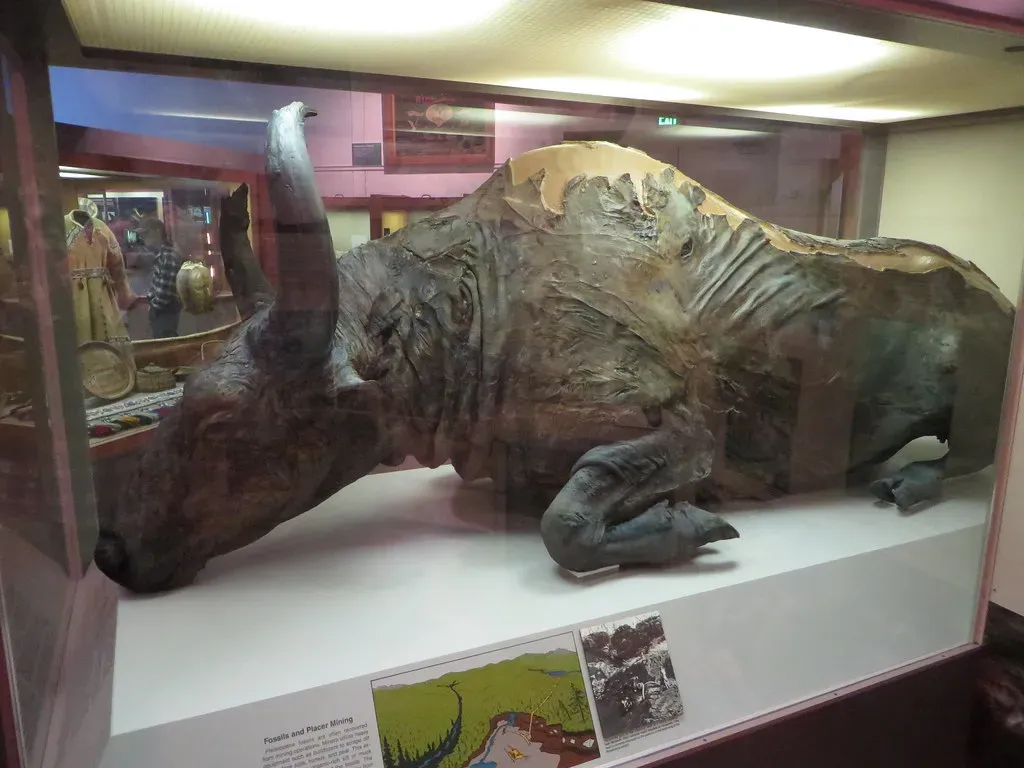
The real lesson here isn’t just that Ice Age giants died out later than people assume, it’s that the entire idea of one clean “Ice Age extinction event” is largely a myth. These animals died out in staggered waves, some four thousand years apart, driven by everything from freshwater shortages to human hunting to causes still not fully understood.
Steller’s sea cow surviving into the age of gunpowder and printed books, or mammoths outliving the pyramids, should reshape how casually we throw around the word “prehistoric.” The Ice Age didn’t end in one dramatic freeze-frame moment eleven thousand years ago. It ended in pieces, unevenly, sometimes accidentally, and in at least one case, with a dinner fork.