Most people assume the human story is a tidy, single-file march from ape to modern man, one species quietly replacing the next until we arrived. That version of events is essentially fiction. Paleoanthropologists have spent the last two decades pulling fossils, teeth, and fragments of ancient DNA out of caves, deserts, and riverbeds that reveal a far messier, more crowded, and more surprising past than any textbook diagram ever showed.
Several human-like species overlapped for hundreds of thousands of years, interbred with each other, and left genetic fingerprints still detectable in your own cells today. Some of these discoveries were pulled from wells, some sat half-buried in solid rock for two decades, and one came from a bone fragment smaller than your fingernail. Here’s what the fossil and genetic evidence actually says.
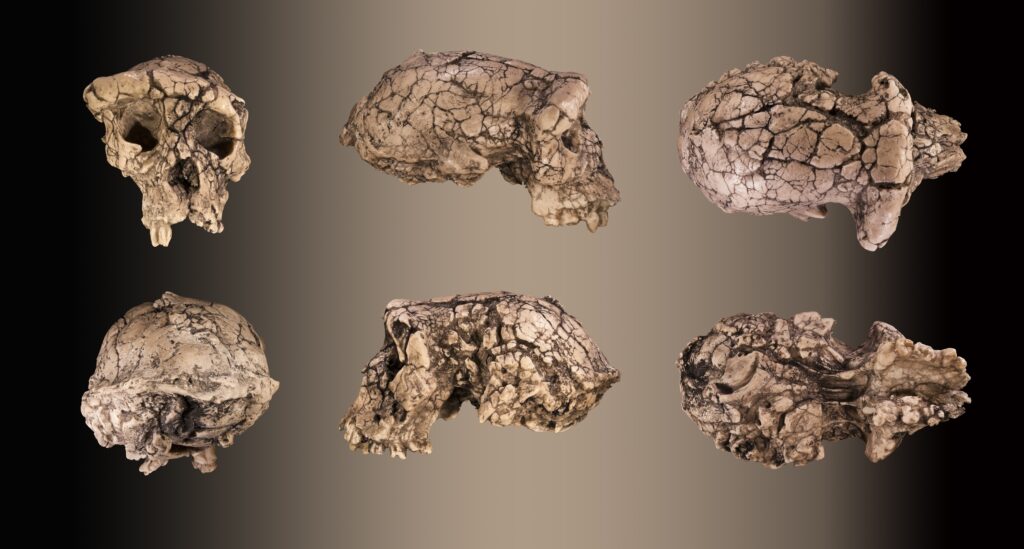
#15 – Sahelanthropus tchadensis: The Skull That Pushed Our Origins Back 7 Million Years
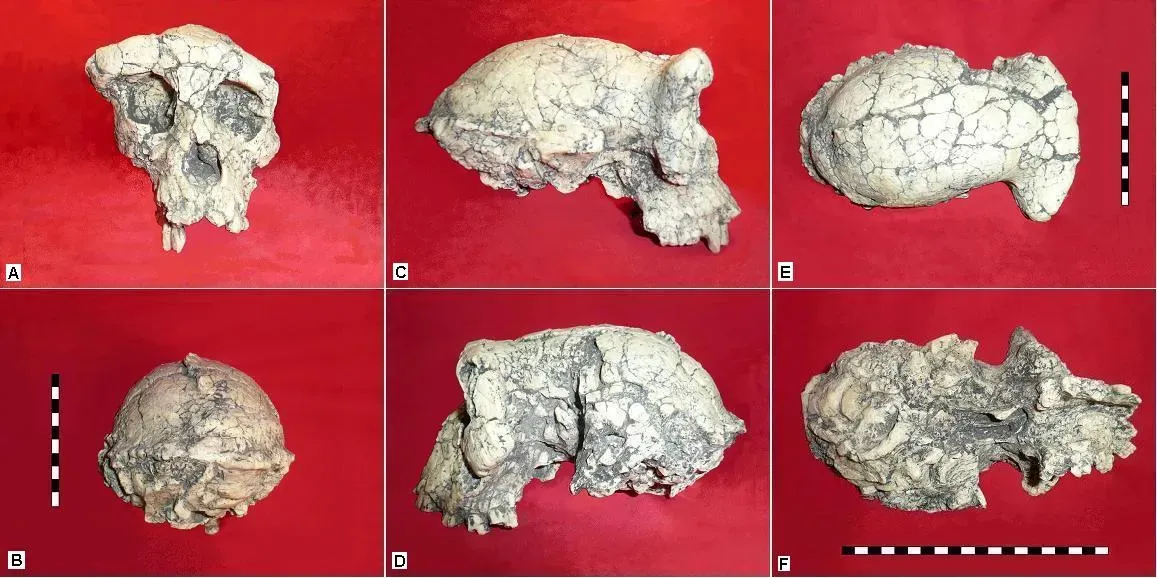
A single battered skull found in the sand dunes of Chad forced scientists to redraw the very base of the human family tree.
Nicknamed “Toumai,” this fossil dates to roughly seven million years ago, placing it near the moment our lineage may have split from the ancestors of chimpanzees. What stunned researchers wasn’t just the age but the anatomy: the position of the opening where the spinal cord connects to the skull suggested this creature may have already been walking upright, far earlier than anyone had predicted for a species with such a small, ape-like braincase.
Not every scientist agrees Toumai belongs on the human branch at all, and that argument still simmers in academic journals today. The debate itself is the point – it shows how thin and contested the earliest chapters of our story really are. It only gets stranger from here, starting with a skeleton that took twenty years just to see daylight.
#14 – “Little Foot”: The Skeleton That Sat Hidden in a Cave for Two Decades
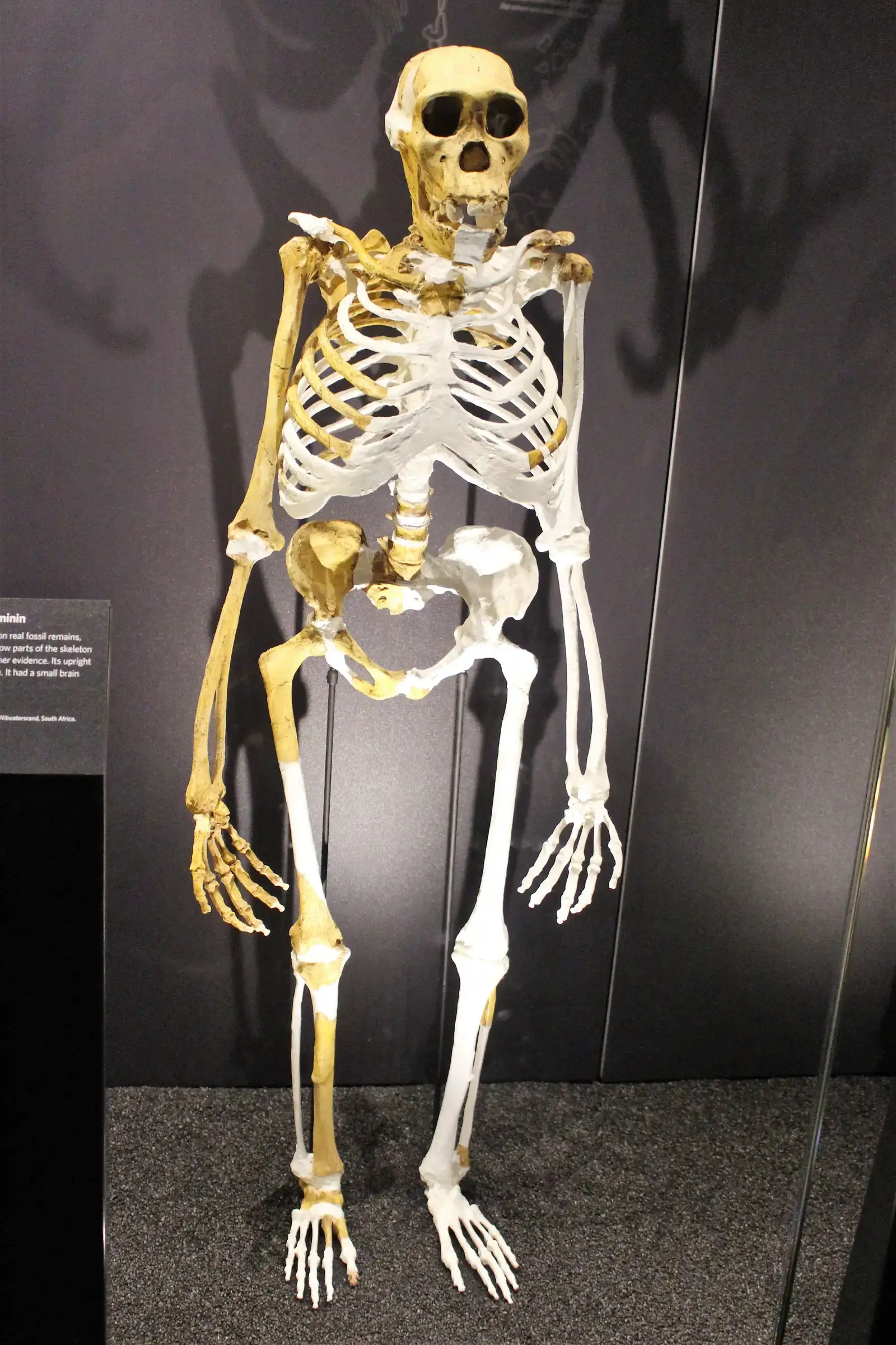
Imagine finding one of the most complete early human ancestor skeletons ever recovered, then taking over 20 years just to dig it fully out of solid rock.
That’s exactly what happened with “Little Foot,” an Australopithecus skeleton discovered piece by piece inside South Africa’s Sterkfontein Caves. Researchers first found four foot bones in 1994, then spent years excavating the rest of the skeleton, which turned out to be nearly complete, an almost unheard-of level of preservation for a fossil this old.
The most surprising part is what the skeleton revealed about climbing. Despite walking on two legs some of the time, this individual still had powerful, ape-like arms suited for climbing trees, proof that bipedalism and tree-dwelling coexisted far longer than scientists assumed. What turned up next, five skulls buried together in the former Soviet republic of Georgia, is even harder to explain.
#13 – The Dmanisi Skulls: Proof Early Homo Left Africa Looking Nothing Like Us
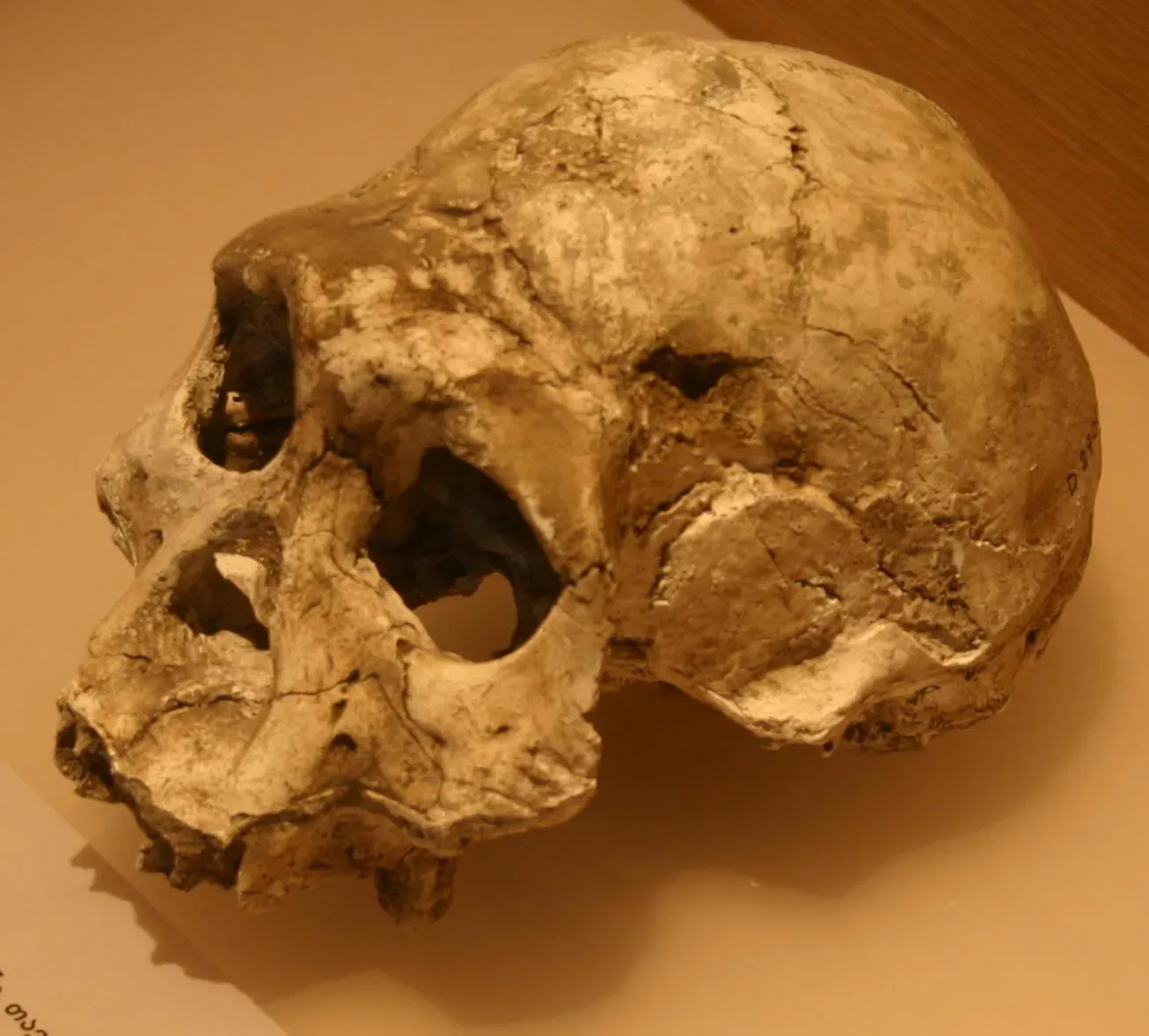
Five skulls buried together in a medieval Georgian hilltown quietly rewrote the story of humanity’s first migration out of Africa.
The Dmanisi site produced skulls dated to roughly 1.8 million years old, making them the earliest hominin fossils found outside Africa. What shocked researchers was how different the five skulls looked from one another, so different that if found separately, they might have been classified as entirely different species. Instead, they appear to represent natural variation within a single early Homo population.
The strangest of the bunch, known as Skull 5, is genuinely startling: it exhibits an exceptionally large jaw and facial structure yet one of the smallest braincase capacities ever found in genus Homo, approximately 546 cubic centimeters. Some researchers have gone further, proposing that Homo erectus was accompanied by a more primitive hominin species during humanity’s first great exodus out of Africa, a claim that, if confirmed, would fundamentally alter our understanding of early human migration.
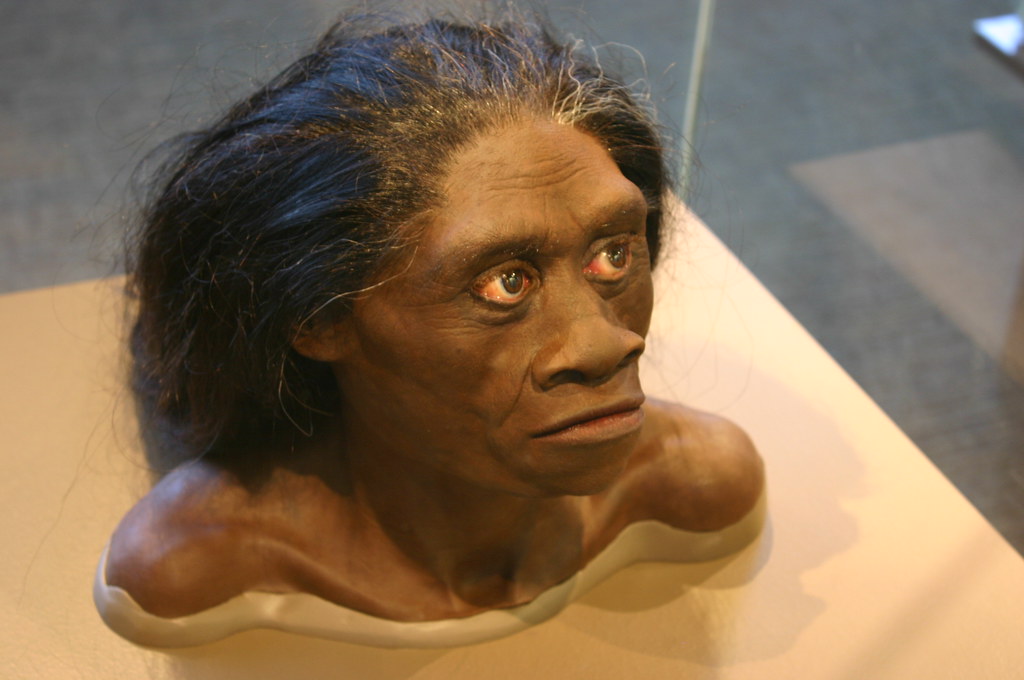
#12 – Homo floresiensis: The “Hobbit” That Survived Alongside Modern Humans
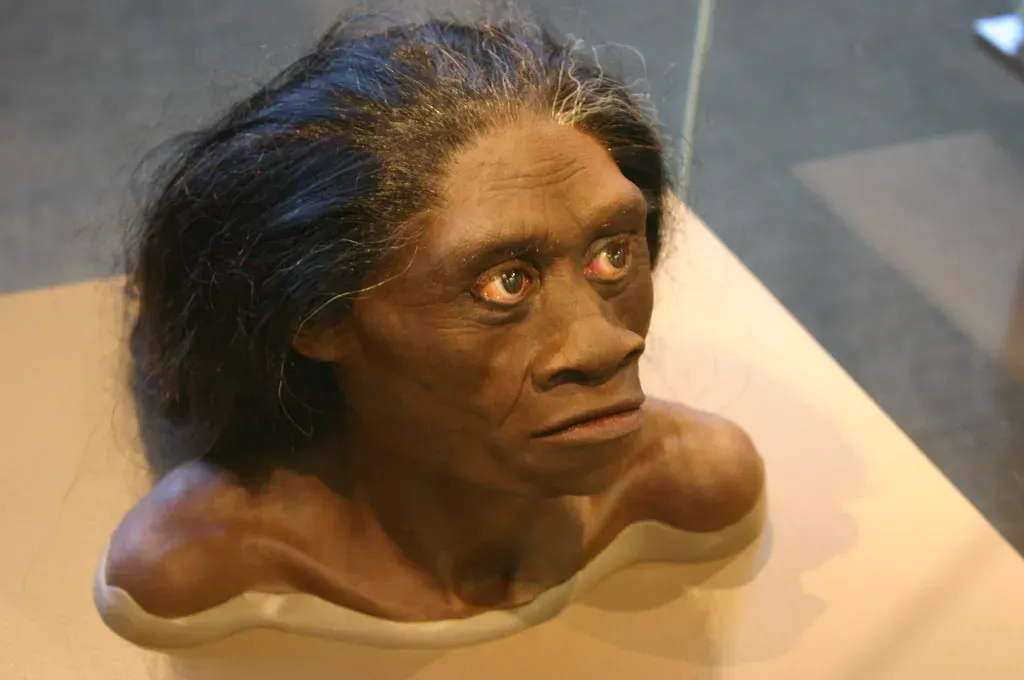
A three-foot-tall human relative living on a remote Indonesian island sounds like fantasy fiction, but it’s a documented fossil find.
Discovered in Liang Bua cave on the island of Flores, Homo floresiensis stood roughly a meter tall and had a brain about the size of a chimpanzee’s, yet apparently made stone tools and hunted small game. Its diminutive size is thought to result from island dwarfism, a well-documented evolutionary process where isolated populations shrink over generations due to limited food and no large predators.
Fast Facts
- Discovered in 2003 inside Liang Bua cave on Flores, Indonesia
- Adult height: roughly one meter (about 3.4 feet)
- Brain size comparable to a modern chimpanzee’s
- Nicknamed the “hobbit” after the fictional Tolkien race
- May have survived until as recently as 50,000 years ago
The most jarring fact is the timing. Some estimates place this tiny species on Flores as recently as 50,000 years ago, meaning it may have overlapped with modern humans moving through Southeast Asia. That single detail forced anthropologists to accept that our species wasn’t the only human-like creature walking the planet in relatively recent prehistory. And that overlap is nothing compared to what a single jawbone in Ethiopia later proved.
#11 – The Ledi-Geraru Jaw: The Oldest Confirmed Piece of Our Own Genus
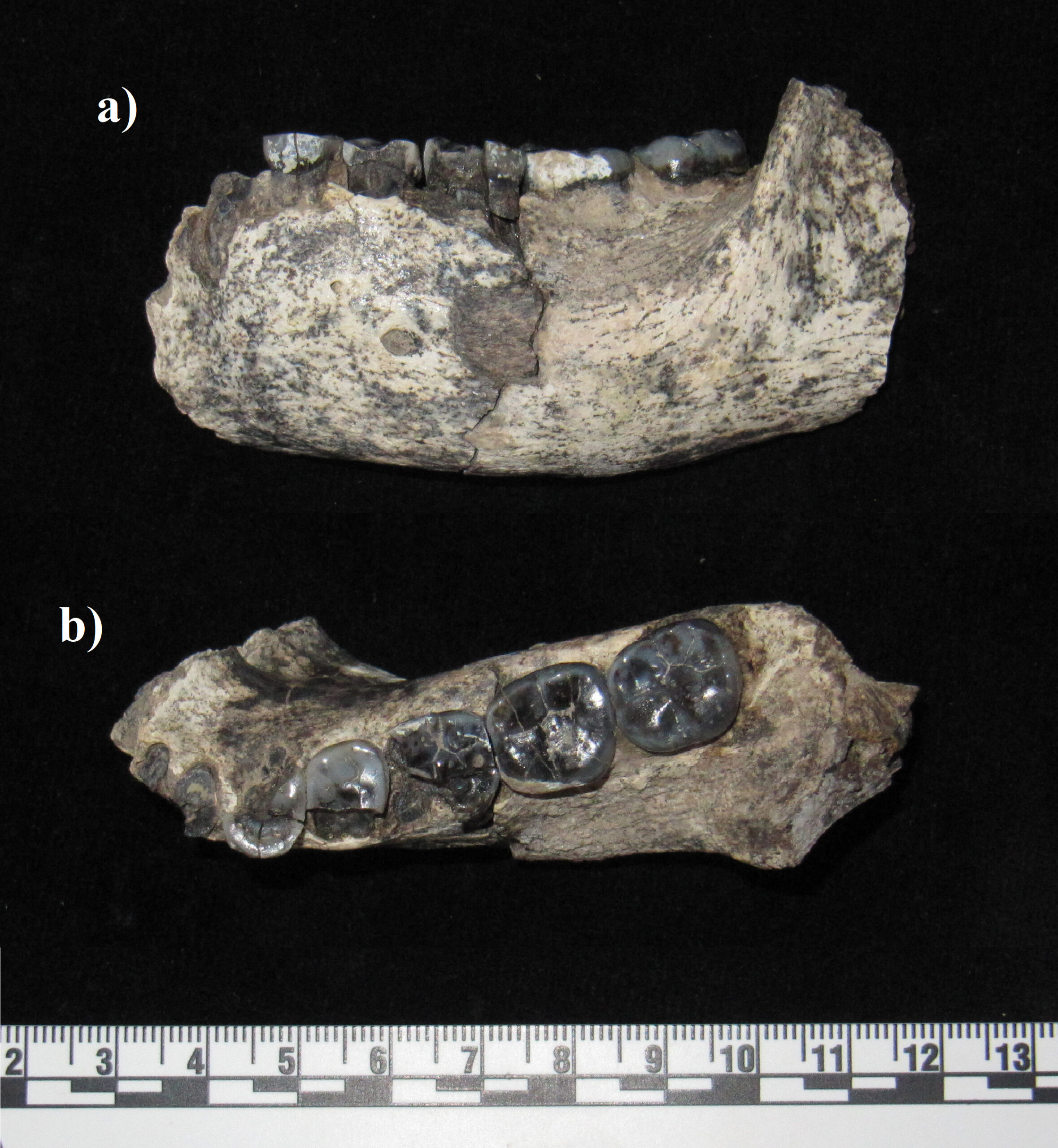
A partial jawbone pulled from Ethiopian sediment became the oldest confirmed fossil evidence of the genus Homo ever found, and it rewrote when our lineage actually began.
The fossil comes from the Ledi-Geraru field site, which has since become a hotspot for early human discoveries. At 2.8 million years old, it pushed the known origin of our genus back several hundred thousand years earlier than previous fossils had suggested, closing a frustrating gap in the record between Australopithecus and true Homo.
What’s remarkable is that this single jaw fragment came with almost no other skeletal context, leaving researchers to essentially reconstruct an entire evolutionary transition from teeth and bone shape alone. As one researcher involved in later work at the same site put it, the new finds “confirm the antiquity of our lineage,” while acknowledging “we know what the teeth and mandible of the earliest Homo look like, but that’s it.” A find in Kenya would soon push the mystery even further back.
#10 – Lomekwi 3: Stone Tools Older Than the Genus Homo Itself
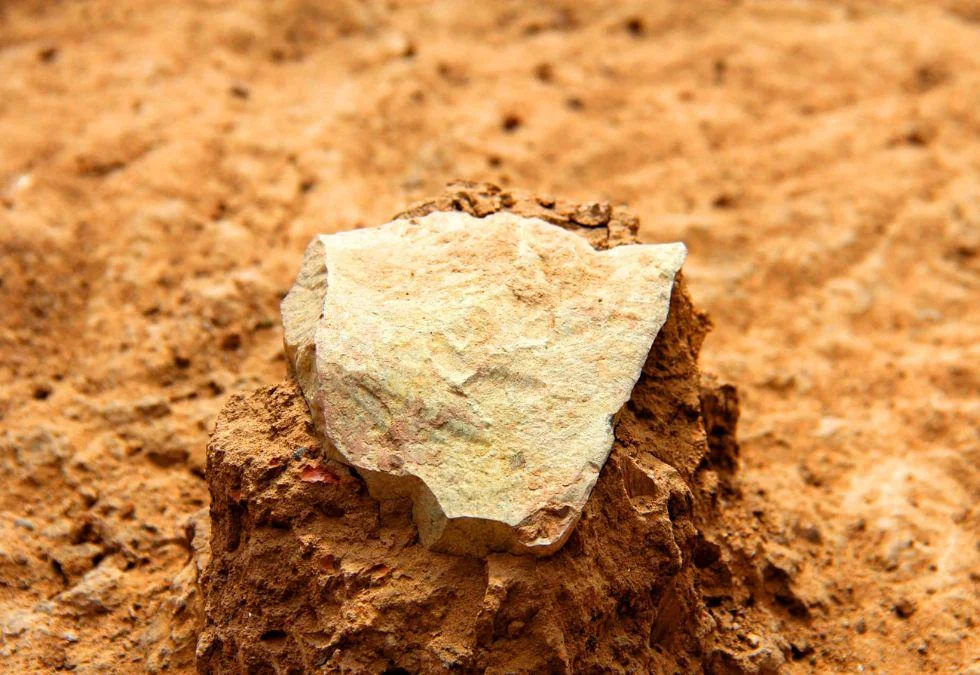
For decades, “man the toolmaker” was considered a defining trait of our genus. Then researchers found tools nearly a million years older than the earliest known Homo fossil.
The Lomekwi 3 site in Kenya produced stone tools dated to roughly 3.3 million years old, a discovery that stunned the field because it meant something other than Homo was deliberately knapping stone long before our genus even existed. The most likely toolmaker is an Australopithecus species, the same general group that produced Lucy.
Worth Knowing
- Tools were uncovered in 2011 and formally published in 2015
- They predate the oldest known Homo fossils by roughly 500,000 years
- They also predate the previous record-holder, the Oldowan toolkit, by hundreds of thousands of years
- The likely toolmaker was an Australopithecus-type species, not Homo
This upended a core assumption of paleoanthropology overnight. Tool use was supposed to track neatly with bigger brains and the arrival of Homo, but Lomekwi proved that smaller-brained, more ape-like ancestors were already engineering solutions to practical problems. It’s a genuinely controversial finding, and some researchers still argue the “tools” could be naturally fractured rocks rather than intentional artifacts.
#9 – The Laetoli Footprints: Frozen Proof of Walking Upright
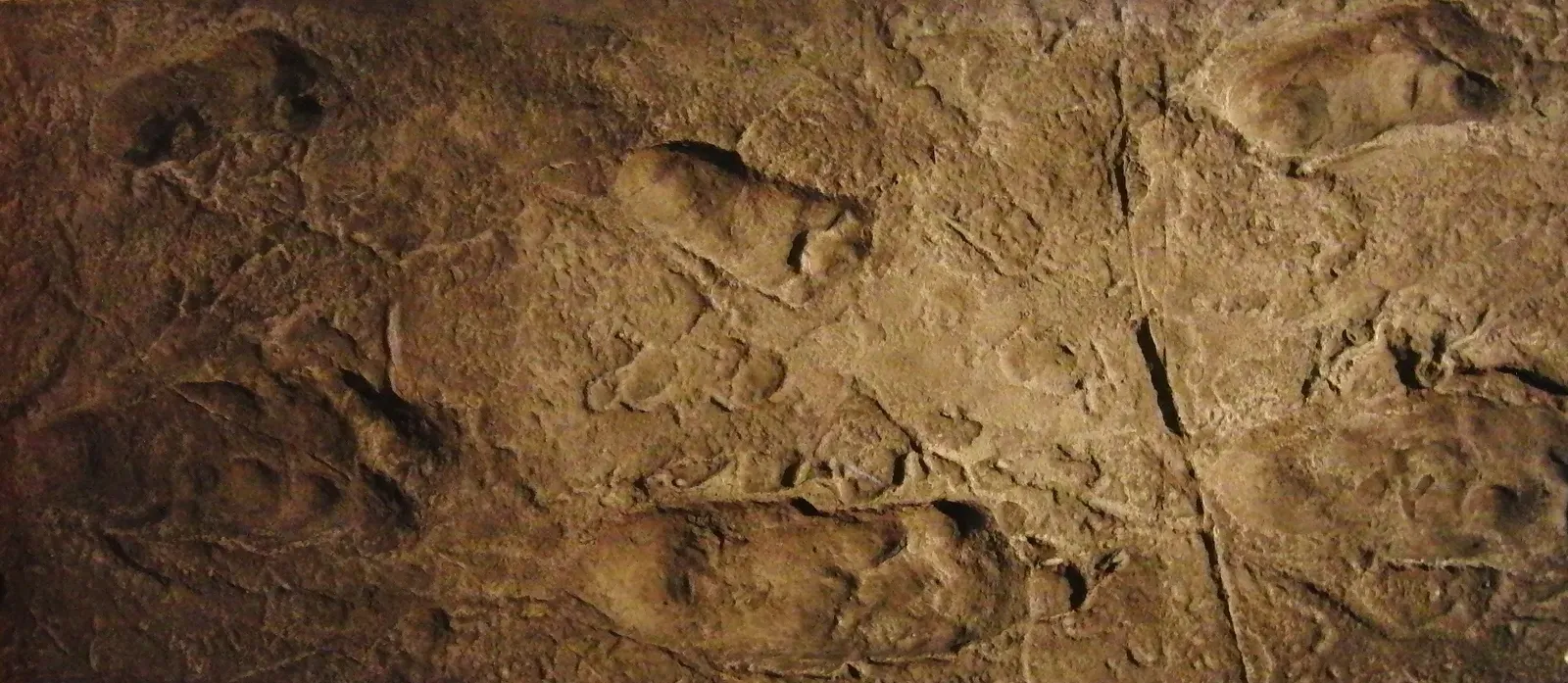
Volcanic ash in Tanzania preserved something no bone ever could: the actual footfalls of an ancestor walking across the landscape 3.6 million years ago.
The Laetoli footprint trails, discovered by Mary Leakey’s team, show a clear heel-to-toe walking pattern nearly identical to how modern humans move. This settled a long-running debate about whether early hominins walked upright the way we do, or shuffled along with a more ape-like, bent-hip gait.
Most people assume bigger brains came first and walking came later. The Laetoli trackway flips that assumption entirely, showing that our ancestors were confidently bipedal long before anything resembling modern intelligence appeared. Recent re-analysis of additional footprint trails at the site has only reinforced how sophisticated this early form of walking really was. Nothing tests that assumption harder than the skeleton that made this walking style famous.
#8 – Lucy: The Skeleton That Became the Face of Human Origins
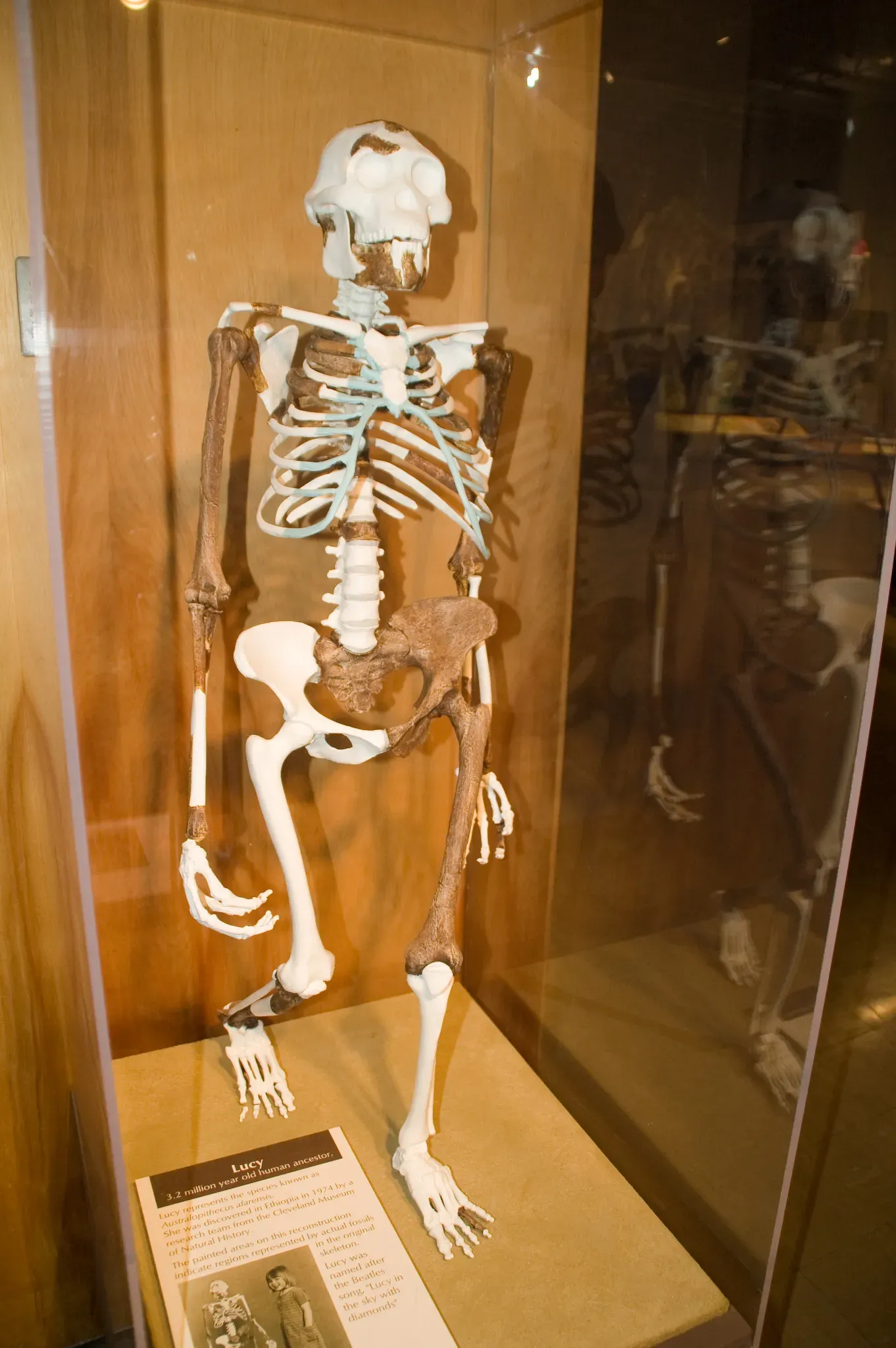
Found in Ethiopia in 1974, a 40%-complete skeleton nicknamed Lucy became arguably the most famous fossil in the history of paleoanthropology, and for good reason.
Lucy belongs to Australopithecus afarensis and lived roughly 3.2 million years ago. Her skeleton showed a striking mix of traits: a small, ape-like brain paired with a pelvis and leg bones clearly adapted for walking upright on two legs. Before Lucy, many scientists assumed large brains evolved before bipedalism. Her skeleton proved the opposite sequence was true.
The most overlooked detail about Lucy is how much debate her bones still generate. Researchers continue to argue about her exact cause of death, with one controversial analysis suggesting a fall from a tree, a claim that reignited fights over how much time her species actually spent above versus below the canopy. Few fossils have sparked this much sustained argument decades after discovery. A skeleton found later, and much older, would push her own story back another million years.
#7 – Ardi: Pushing Upright Walking Back Another Million Years
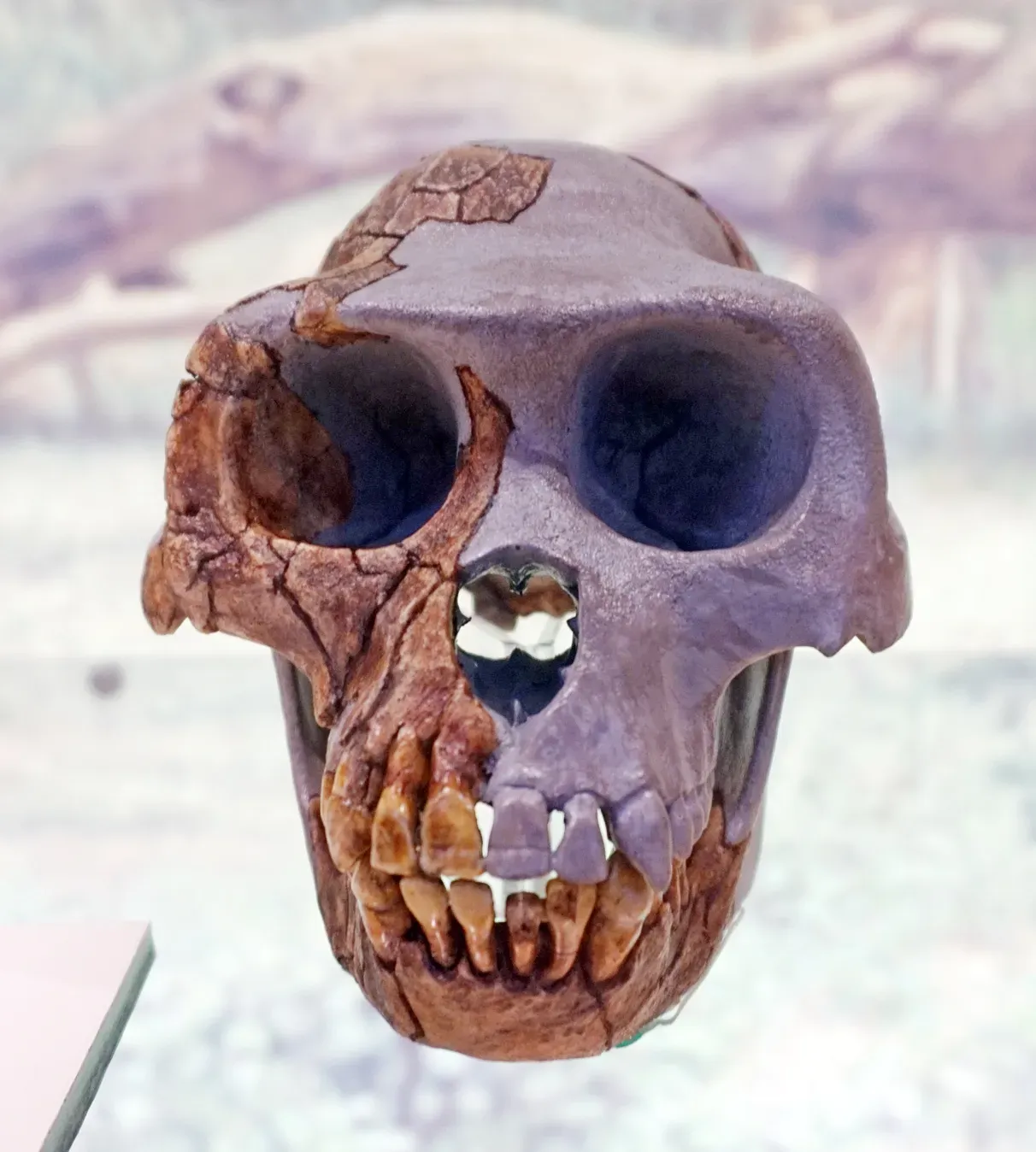
If Lucy proved walking came before big brains, “Ardi” proved that walking started even earlier than Lucy’s species suggests.
Ardipithecus ramidus, represented by a partial skeleton nicknamed Ardi, dates to roughly 4.4 million years ago, making it more than a million years older than Lucy. Ardi’s pelvis and foot bones show early adaptations for upright walking, even while her hands and feet retained strong climbing features suited for moving through trees.
Quick Compare
- Ardi: ~4.4 million years old, lived in a wooded habitat, still built for climbing
- Lucy: ~3.2 million years old, more committed bipedal adaptations
- Gap between them: roughly 1.2 million years of walking still evolving
- Shared lesson: both show upright walking predates significant brain growth
This fossil quietly demolished a popular theory that grasslands drove the evolution of walking. Ardi lived in a wooded environment, not open savanna, which challenged the long-standing assumption that our ancestors stood up specifically to see over tall grass or travel efficiently across open plains. The real explanation for why we started walking upright remains genuinely unresolved, and that unsettled debate continues among specialists today.
#6 – Jebel Irhoud: Moving the Birthplace of Our Species Out of East Africa
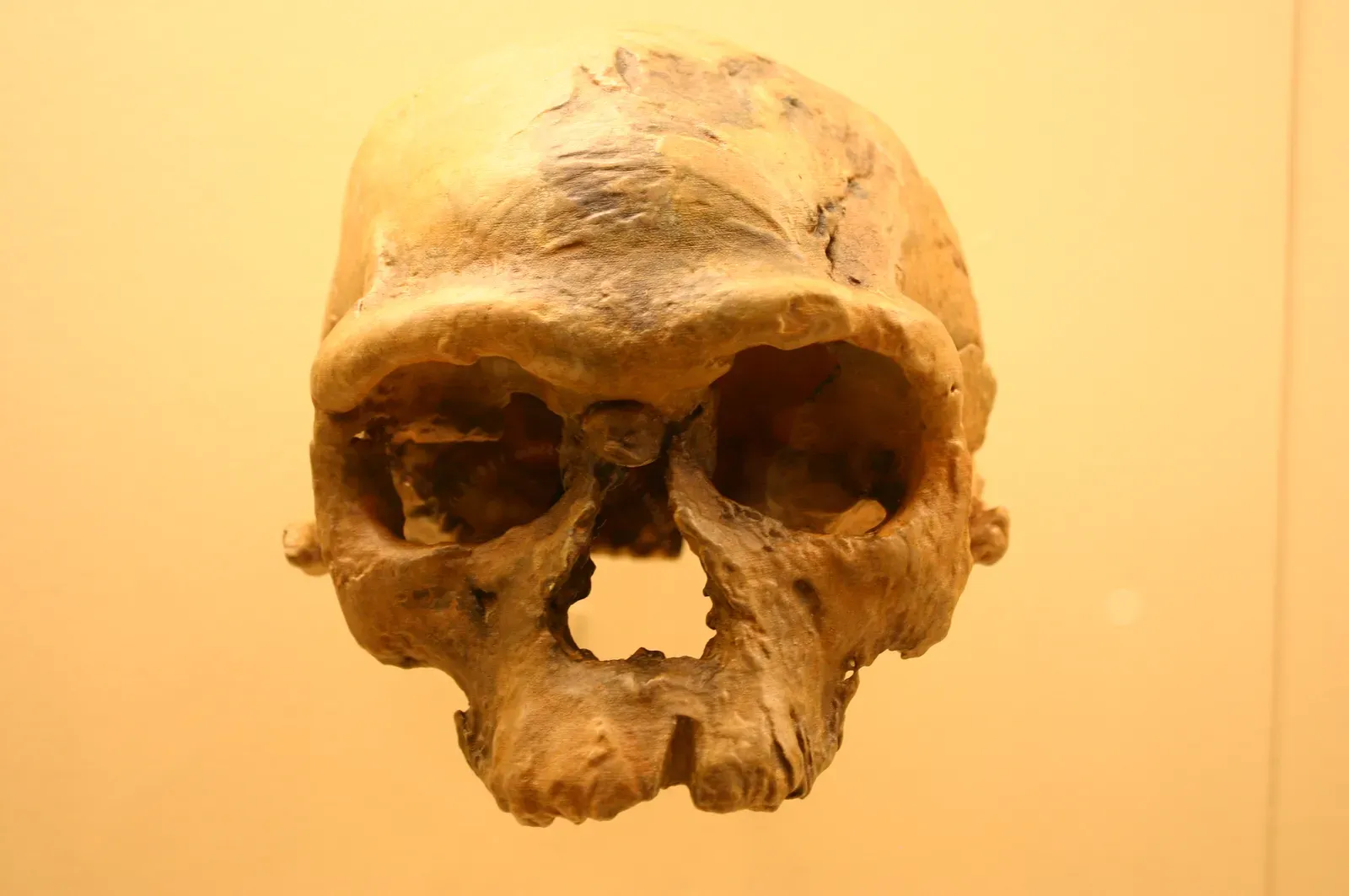
For decades, textbooks confidently declared that Homo sapiens evolved in East Africa around 200,000 years ago. A Moroccan cave demolished that timeline entirely.
Fossils discovered at Jebel Irhoud, first unearthed by miners in 1961 but only properly dated decades later, turned out to belong to early Homo sapiens. The finds are dated to about 300,000 years ago, a hundred thousand years earlier than the previous oldest Homo sapiens fossils. The skulls showed a startling mix of features: large teeth and a long braincase typical of early human species like Neanderthals, but a face, forehead, and jawbone most like those of modern humans.
The location mattered just as much as the age. As lead researcher Jean-Jacques Hublin put it, our species didn’t emerge from one single cradle but evolved gradually across the entire continent.
There is no Garden of Eden in Africa. Or if there is a Garden of Eden, it’s Africa.
Jean-Jacques Hublin
#5 – Denisovans: An Entirely New Human Species Discovered From a Single Finger Bone
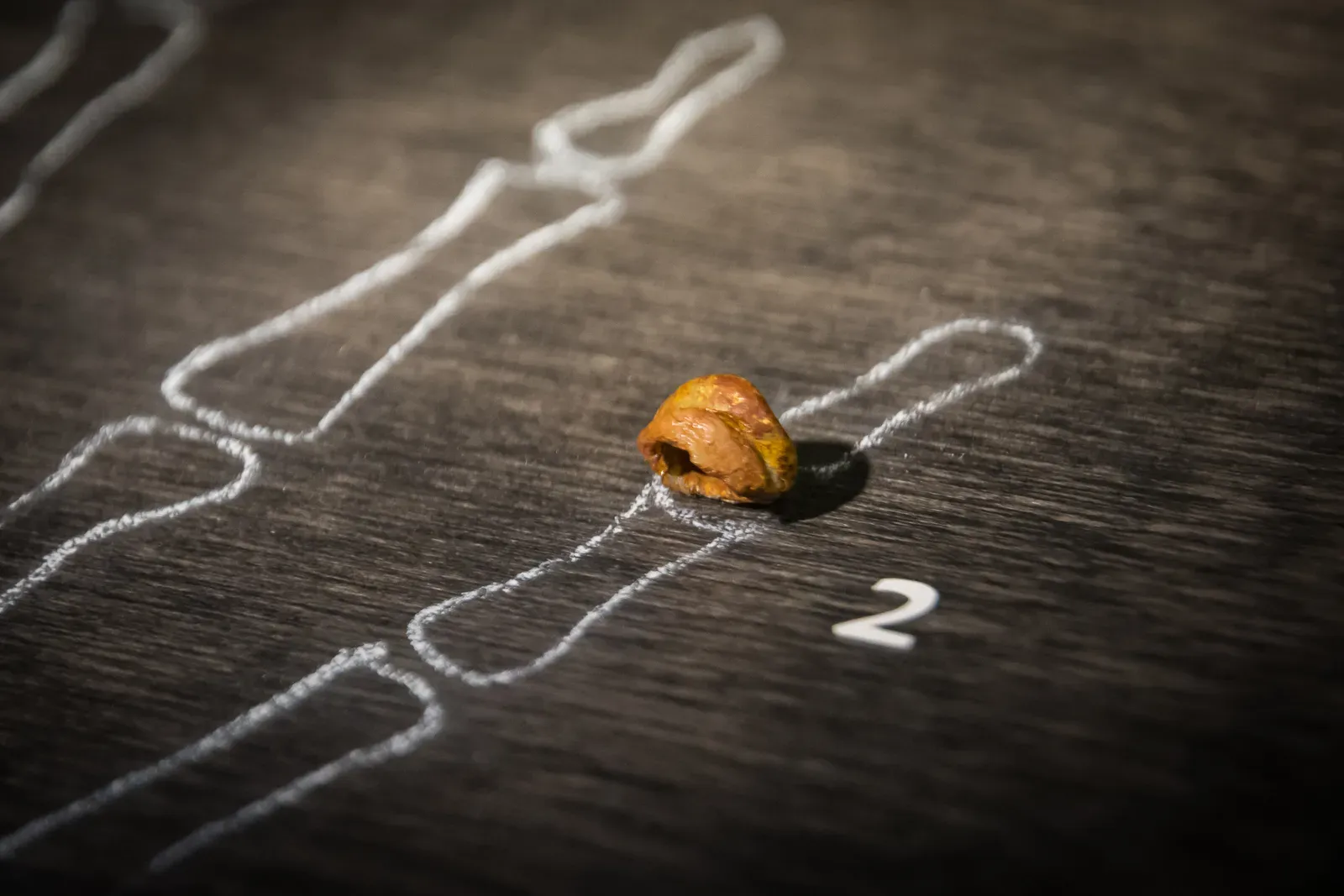
No skull, no skeleton, not even a full tooth. Scientists identified a completely unknown branch of humanity from a tiny fragment of finger bone, and it changed everything we thought we knew about human diversity.
In 2008, archaeologists working in Siberia’s Denisova Cave found a small finger bone that seemed unremarkable at the time. It was initially boxed and labeled “modern human,” but when researchers analyzed its mitochondrial DNA, the results, published in 2010, revealed a previously unknown group of hominins: the Denisovans.
At a Glance
- Discovered: 2008, Denisova Cave, Siberia
- Identified from: a finger bone, plus later teeth and bone fragments
- DNA results published: 2010
- Confirmed to have interbred with both Neanderthals and Homo sapiens
- Modern trace: up to roughly 5 percent of DNA in some Melanesian and Aboriginal Australian populations
The strangest twist came later. A second bone fragment, nicknamed “Denny,” turned out to belong to a first-generation hybrid. The young girl had a Denisovan father and a Neanderthal mother, confirming that interbreeding took place between the two hominin species. Today, Denisovan DNA occurs at roughly 5 percent in Melanesians, Aboriginal Australians, and Filipino Negritos, proof this “ghost species” still lives on inside living people.
#4 – The Neanderthal Genome: Proof They Never Really Went Extinct
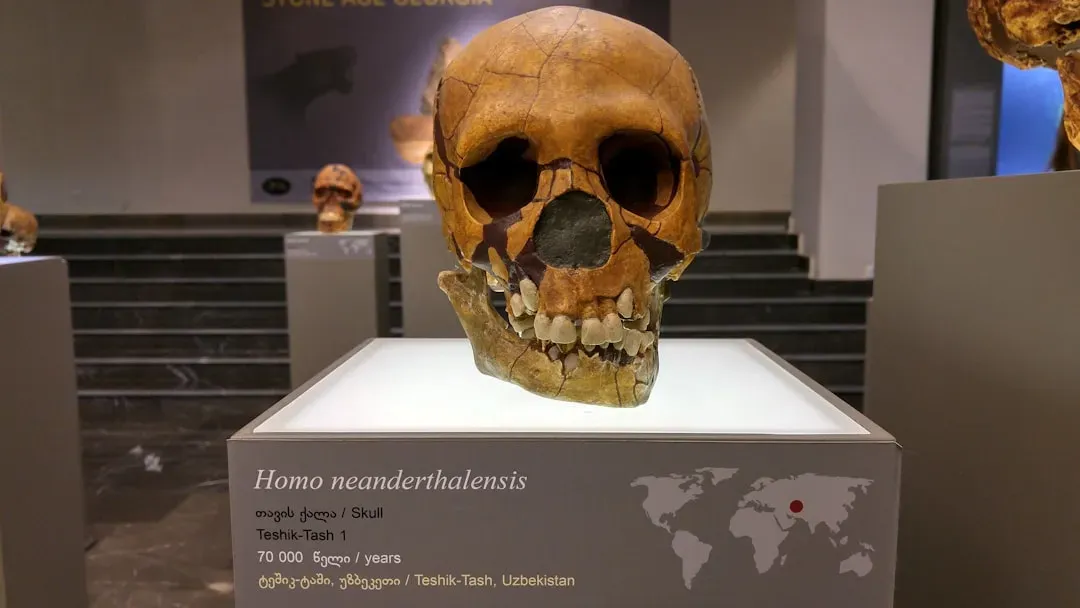
For over a century, Neanderthals were portrayed as an evolutionary dead end, a brutish species that modern humans simply outcompeted and replaced. Their fully sequenced genome proved that narrative badly wrong.
When researchers successfully sequenced the Neanderthal genome and compared it to modern human DNA, they found unmistakable evidence of interbreeding. Roughly 1 to 4 percent of the genome carried by every non-African person alive today traces directly back to Neanderthals. They didn’t simply vanish. They were partially absorbed into our own species through countless generations of mixing.
Most people still picture Neanderthals as primitive brutes, but the genetics tell a different story. That inherited DNA isn’t random junk either; it influences everything from immune response to skin pigmentation in people alive today. Every non-African reading this article is, quite literally, walking around with pieces of Neanderthal biology still doing work inside their cells.
#3 – Homo naledi: A Small-Brained Species That May Have Buried Its Dead
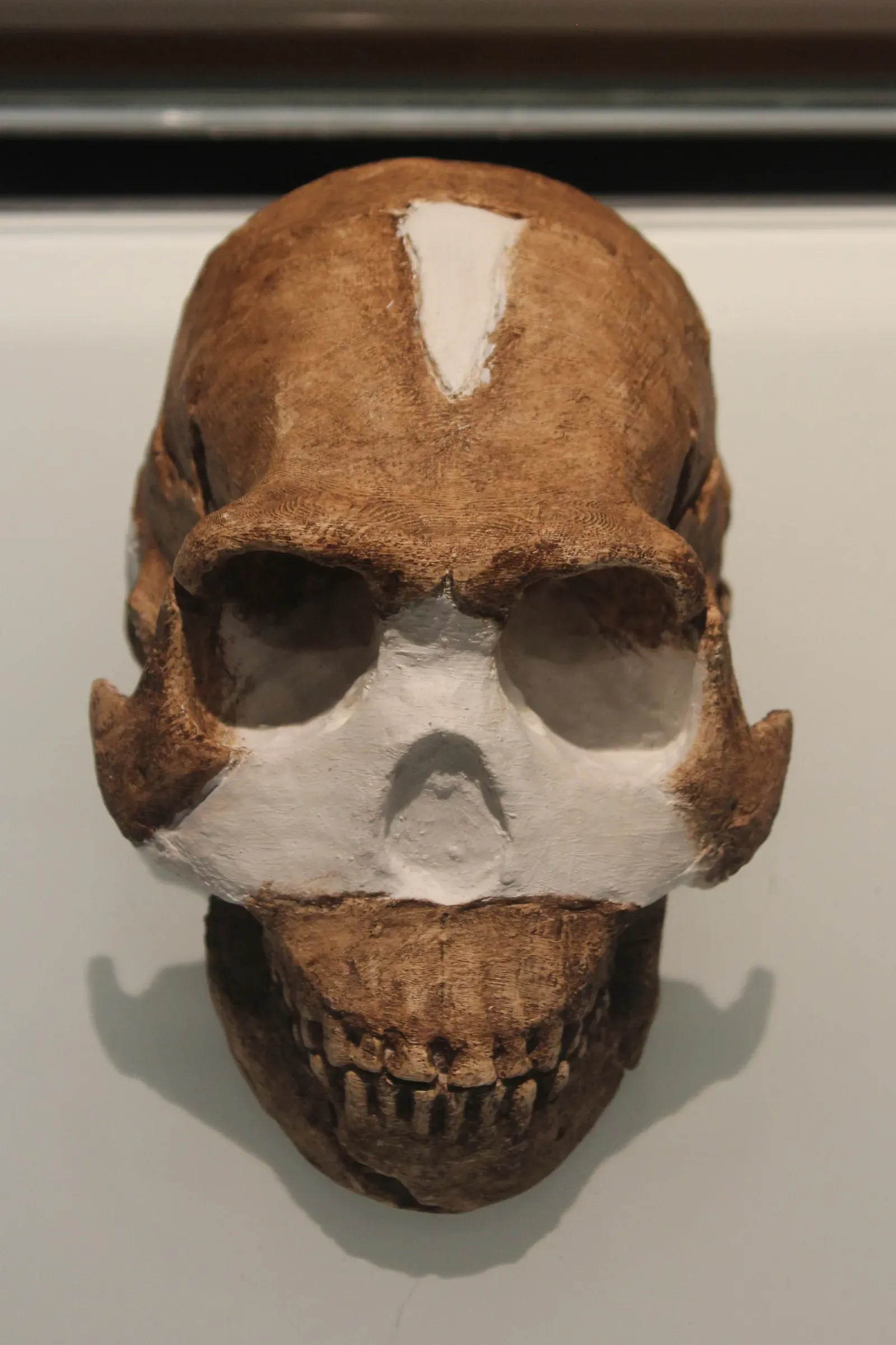
Deep inside a nearly inaccessible South African cave system, researchers found something that shouldn’t exist according to conventional evolutionary theory: evidence that a small-brained, primitive-looking human relative may have deliberately buried its dead.
Homo naledi was discovered when cavers found the first-known fossil bones strewn across the floor of a remote, unmapped chamber in the Rising Star cave system. The species had a brain barely a third the size of ours and a body size similar to small modern humans, but a skull cavity closer to that of an australopith. Astonishingly, dating placed the fossils at between 335,000 and 236,000 years ago, meaning this primitive-brained species was alive at roughly the same time modern humans were emerging elsewhere in Africa.
This single fact broke the assumption that big brains are required for complex behavior. Lead researcher Lee Berger’s team went further, arguing the deep, dangerous location of the remains suggests intentional deposition, a claim that remains hotly contested but impossible to ignore.
These recent findings suggest intentional burials, the use of symbols, and meaning-making activities by Homo naledi.
Lee Berger
#2 – “Dragon Man”: The Skull That Rewrote the Split Between Us and Neanderthals
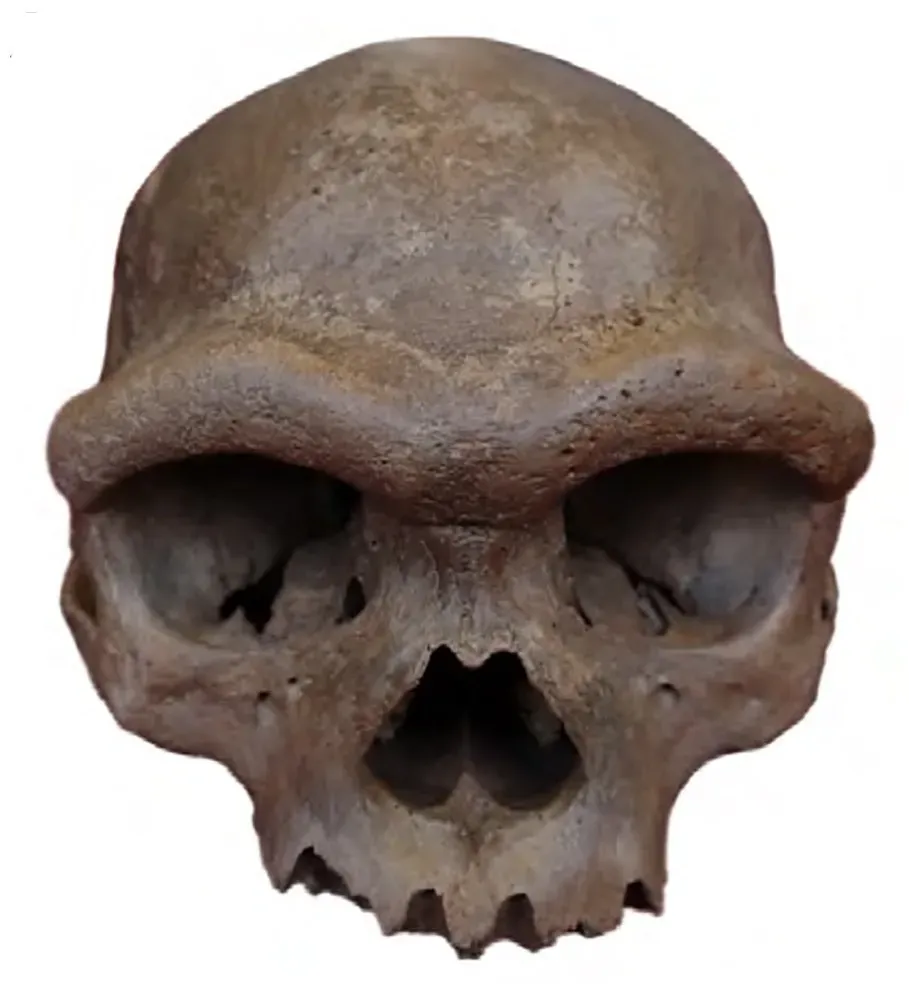
A massive, beautifully preserved skull from China, reportedly hidden down a well for decades before finally reaching scientists, forced a fundamental rethink of how the major human lineages branched apart.
The skull, assigned to a proposed new species called Homo longi and nicknamed “Dragon Man,” showed a striking mix of primitive and derived traits. When researchers ran a full phylogenetic analysis, the results changed how scientists view late hominin divergence entirely: Homo longi and Homo sapiens came out as sister groups, with Neanderthals as the more distant cousin, and all three lineages splitting apart at least 1.2 million years ago, two to three times older than previously thought.
Why It Stands Out
- Found near Harbin, China; reportedly kept hidden in a well for decades
- Represents a proposed new species: Homo longi
- Phylogenetic analysis pairs it with Homo sapiens as sister lineages
- Places Neanderthals as the more distant cousin, not our closest relative
- Pushes the three-way split back to at least 1.2 million years ago
This single skull effectively rewrote the human family tree’s most important branching point. If the analysis holds up, it means our closest evolutionary cousins weren’t Neanderthals after all, but this obscure East Asian lineage. Not every researcher accepts the classification yet, and the debate over Homo longi’s exact placement is far from settled.
#1 – The “Bushy Tree” Discovery: Proof Multiple Human Species Lived Side by Side for Millions of Years
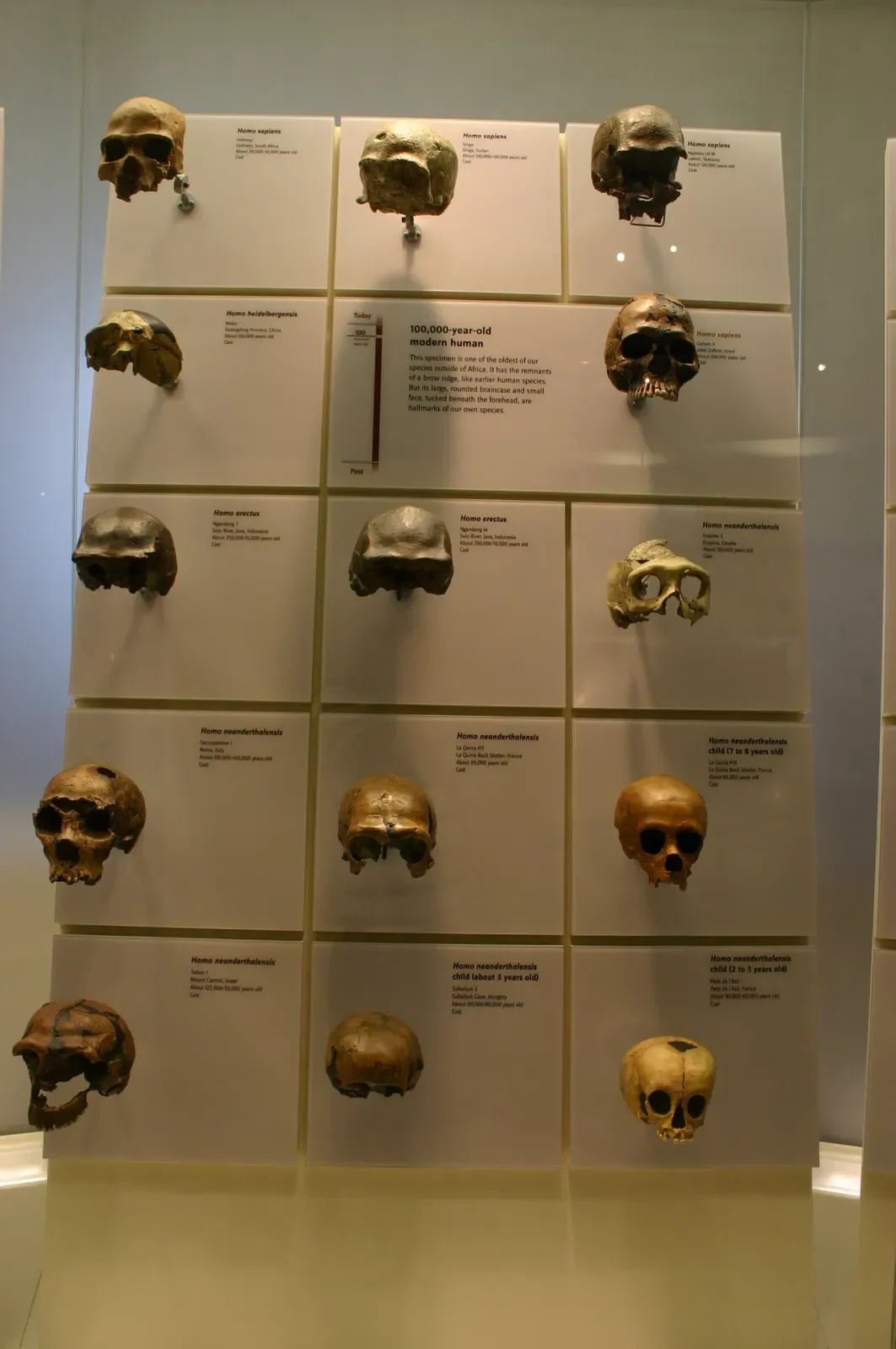
The single discovery that arguably changed everything wasn’t one dramatic skull or one ancient tooth. It was the growing realization that human evolution never looked like a ladder at all, and new fossils from Ethiopia proved it beyond doubt.
Researchers working at the Ledi-Geraru site uncovered fossil teeth from early Homo alongside a distinct, previously unrecognized species of Australopithecus, both dated to nearly three million years ago. This wasn’t a brief, accidental overlap either; the two lineages appear to have coexisted at the exact same location for an extended stretch of time, the kind of evidence that pushes the whole field to picture evolution as a tree with many branches rather than a single line.
This is the discovery that should genuinely bother anyone who grew up picturing evolution as a simple march from ape to human. There was no single “next step” in our story. For millions of years, multiple human-like species shared landscapes, competed for resources, and in some cases even interbred, and our species is simply the branch that happened to survive while the others didn’t. That’s not an inspirational story about destiny. It’s a story about luck.
The Bottom Line
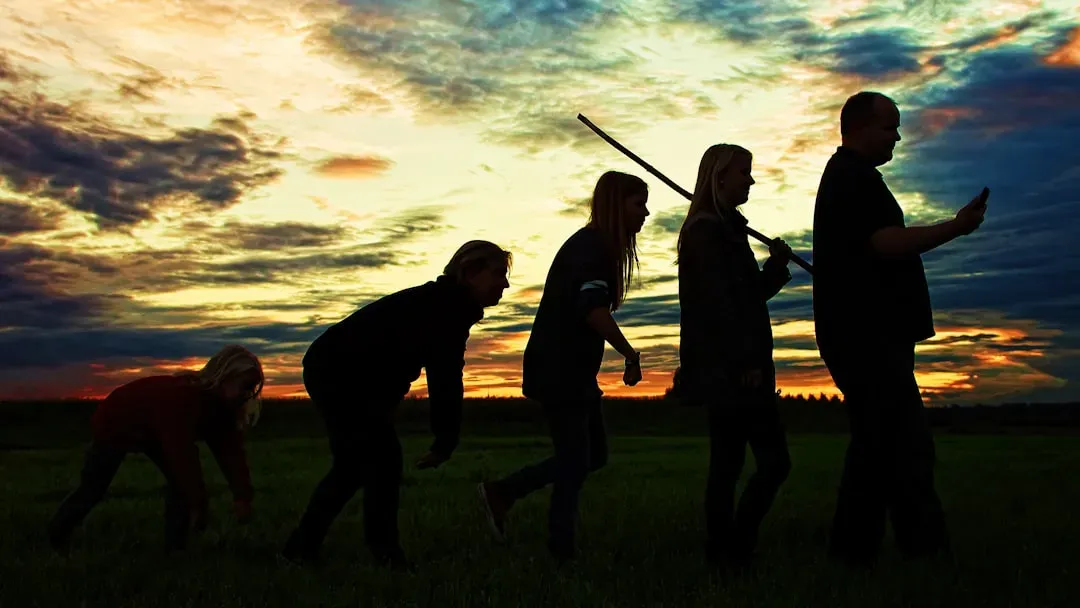
The evidence is now undeniable: human evolution was never a straight line, it was a crowded, overlapping, often brutal competition between multiple species, several of which we now know interbred and left permanent genetic marks on people alive today.
Homo sapiens is the survivor of a family reunion that ended badly for almost everyone else invited. From a single finger bone rewriting Siberian prehistory to a jawbone in Morocco moving our species’ birthplace across an entire continent, each discovery on this list proves the same uncomfortable point: we know far less about our own origins than most people assume, and the next cave, jawbone, or genome could upend this list again within a few years.
Which of these discoveries genuinely surprised you the most? Drop it in the comments.