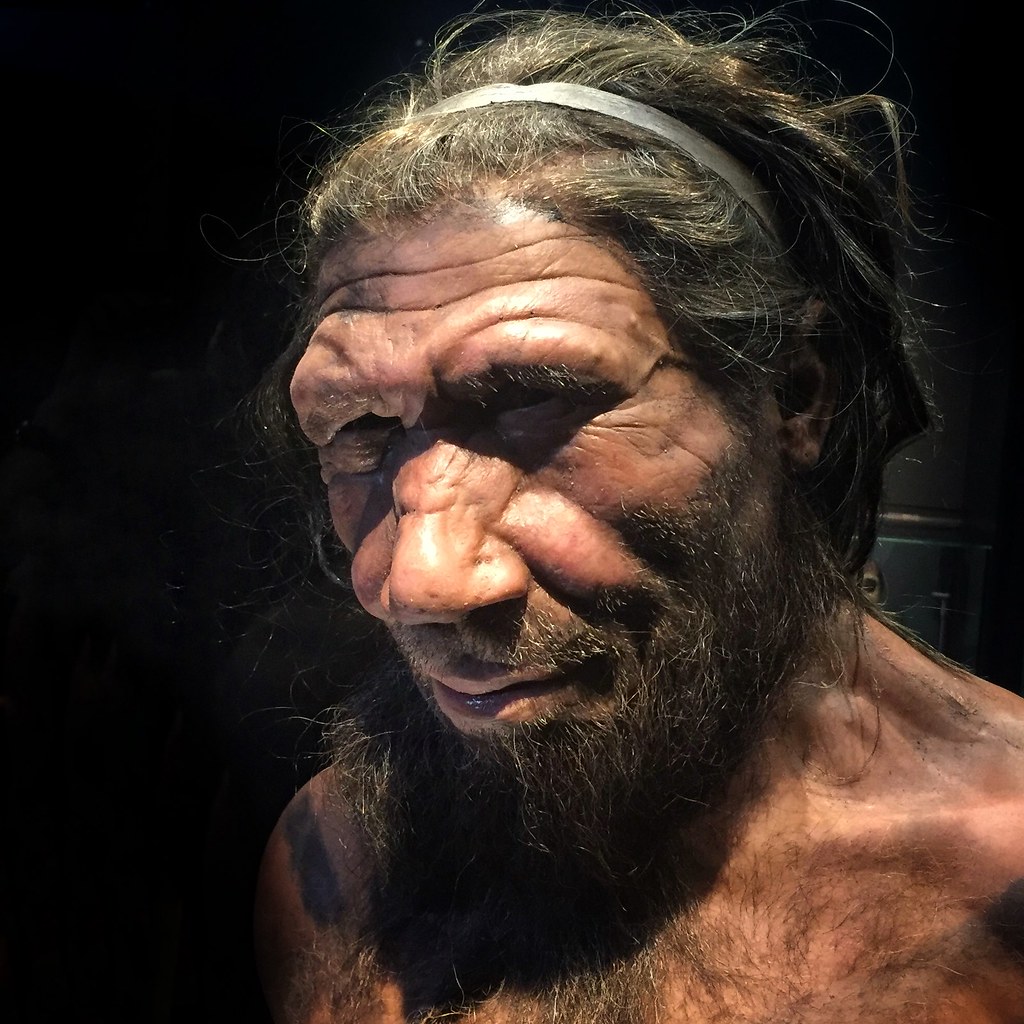
Picture the go-to caricature: a hunched, grunting brute swinging a club, too dim and too slow to compete with sleek, clever Homo sapiens. That image is almost entirely a myth. The real fossil record tells a much more uncomfortable story – one where Neanderthals out-bred, out-lifted, out-saw, and out-cared for each other in ways modern humans have never matched.
They survived multiple Ice Ages with nothing but stone, fire, and each other, and some of their biology still runs quietly inside your own cells right now. So before you feel too proud of your smartphone and central heating, you should know exactly how many categories Neanderthals actually won. Here’s what the fossil evidence and paleoanthropologists actually say – starting with something as basic as a single breath.
#12 – Breathing More Efficiently Than Any Human Ever Has
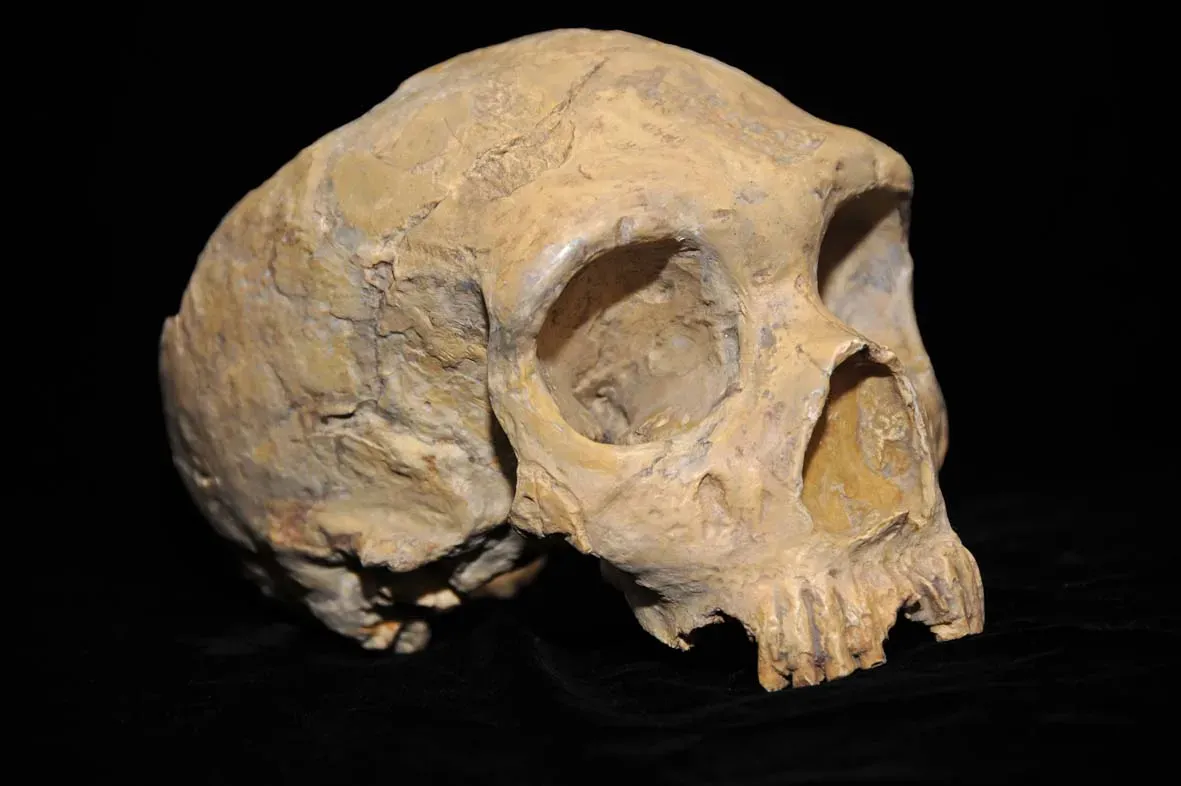
Neanderthals could move air in and out of their lungs almost twice as fast as we can. Researchers comparing Neanderthal, modern human, and Homo heidelbergensis skulls found that Neanderthal nasal passages were 29 percent larger than ours. That’s not a small anatomical quirk – it’s a full respiratory upgrade.
The team, led by Stephen Wroe, ran the numbers and found Neanderthal breathing was roughly twice as effective as modern human breathing. This wasn’t about warming cold air, the old theory. It was about sheer airflow for a high-energy, physically brutal lifestyle – chasing megafauna across frozen tundra, hauling carcasses, surviving on muscle alone. Modern humans breathe like we’re conserving fuel. Neanderthals breathed like they were always mid-sprint, and the next adaptation on this list explains why they needed to be.
Fast Facts
- Nasal passages roughly 29% larger than modern human passages
- Overall breathing efficiency estimated at nearly double modern human capacity
- Comparison drew on skull data from Neanderthals, modern humans, and Homo heidelbergensis
- Built for sustained high-output activity, not resting metabolism
#11 – Surviving Ice Age Winters Without a Single Modern Comfort
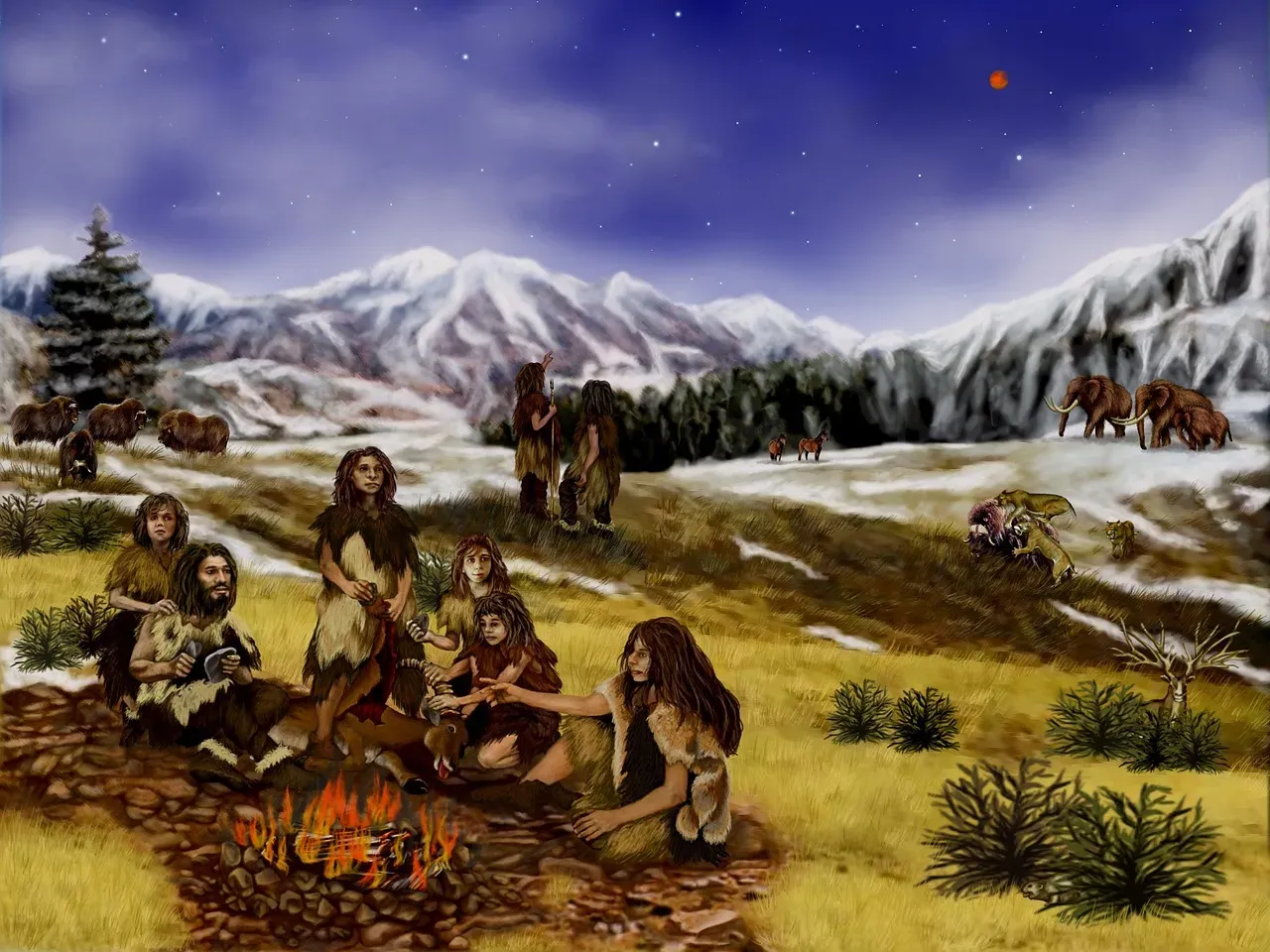
No human population before or since has been better engineered for brutal cold than the Neanderthals. Anthropologists studying their skeletons put it bluntly: Neanderthals appear to be the most cold-adapted of all known fossil hominin groups. Their bodies weren’t just tough – they were precision-built for heat retention.
Researchers explain that Neanderthals had broad trunks and shortened limbs compared to other hominins, giving them a relatively high body volume with a lower surface area. That maximized metabolic heat production while minimizing heat loss. They didn’t have parkas rated for sub-zero temperatures. They had bones, fat, caves, and fire doing all the work – and they lived entire lifetimes in conditions that would kill a modern human dropped in with nothing but stone tools inside a week.
#10 – Raw Upper-Body Power That Modern Gyms Can’t Replicate
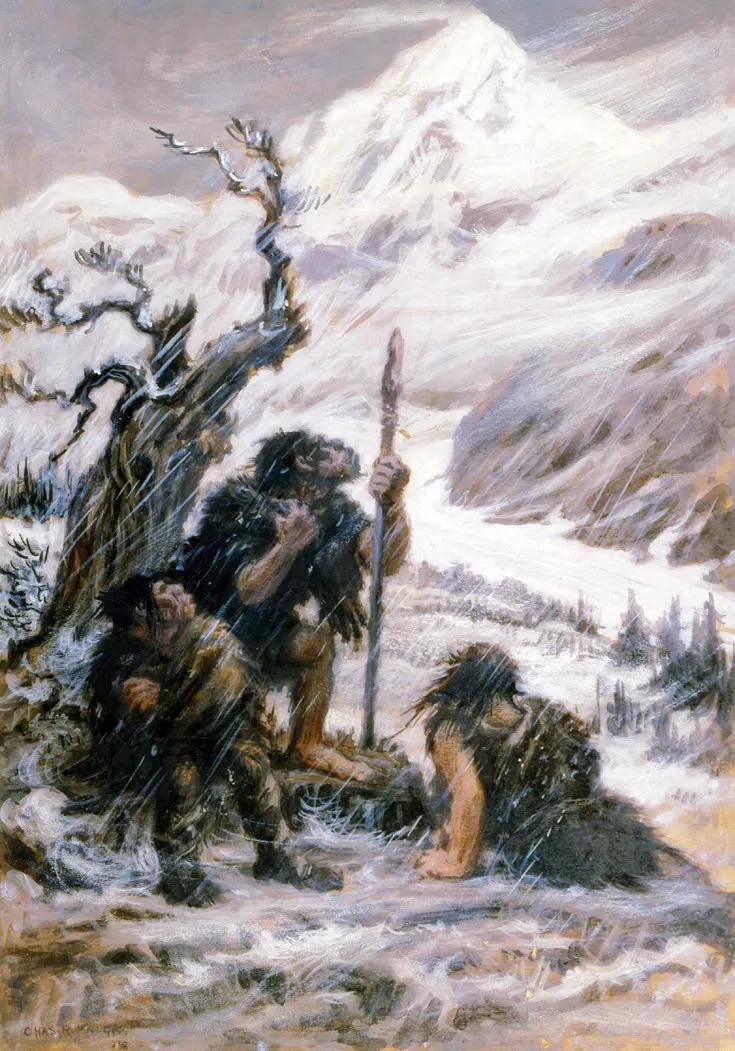
Forget the gym-bro fantasy of “Neanderthal strength” – the real science is still shocking enough on its own. A major review comparing the two species found that, compared with anatomically modern humans, Neanderthals may have been adapted for strength and power rather than endurance, likely fueled by a diet high in animal products.
This wasn’t marathon-runner strength. It was explosive, close-combat, wrestle-a-carcass-to-the-ground strength – short bursts of raw force built for hand-to-hand encounters with dangerous prey, not for jogging. Their broad rib cages, dense bones, and thick, heavily muscled limbs point to bodies built like linebackers. Modern humans traded that raw power for long, lean limbs built for covering distance. Fine trade in a world with cars. Terrible trade when survival meant physically overpowering a wounded elk.
#9 – Seeing in the Dark Better Than We Ever Could
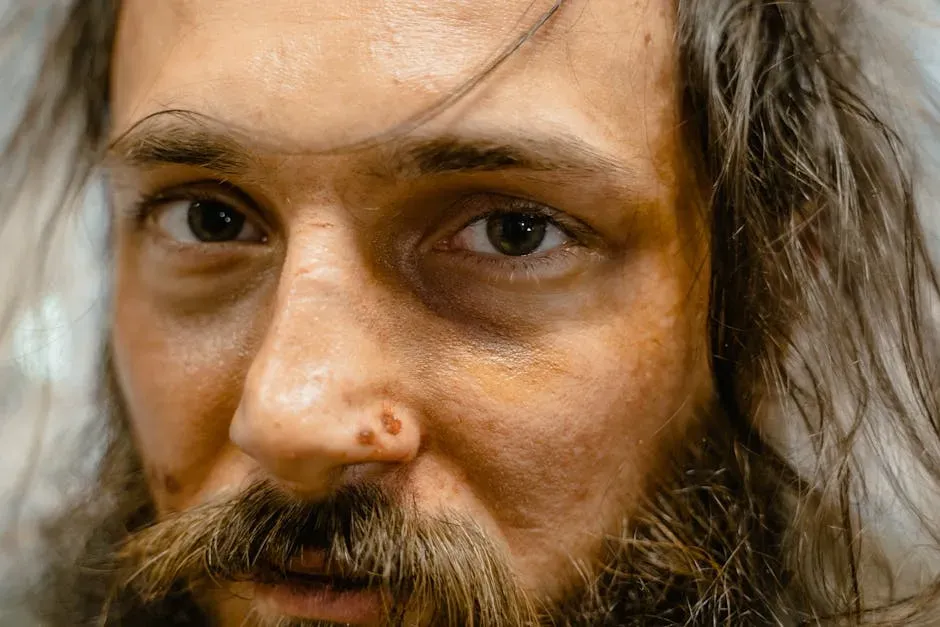
Neanderthals may have had genuinely superior night vision, and the evidence is written directly into their skulls. Researchers comparing 21 Neanderthal endocasts to 38 modern human ones found that Neanderthals had larger orbits, even after controlling for body size, suggesting bigger eyes and bigger visual cortices too.
Bigger eyes plus a bigger visual-processing center is a direct biological upgrade for low-light environments – exactly what you’d need in Ice Age Europe’s short, dim winters. A separate team confirmed the pattern, finding significantly larger eye sockets in Neanderthals than in modern humans. Some researchers even argue Neanderthals traded brain space devoted to social networking for sharper eyesight. Whatever the cost, no modern human, however well-rested, is out-seeing a Neanderthal in a moonless forest.
#8 – Carrying Around a Bigger Brain Than You
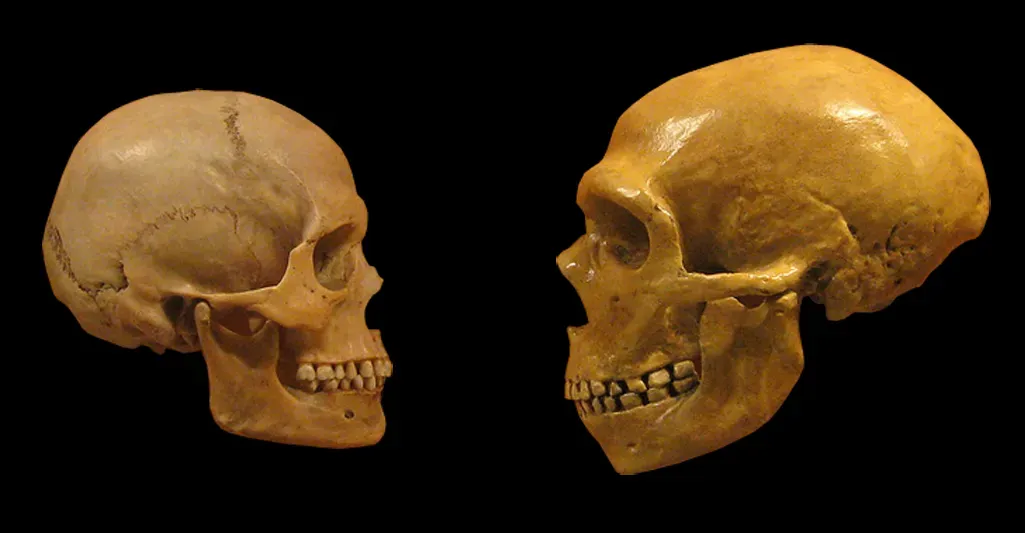
Yes, really – the average Neanderthal skull held more brain matter than yours does. Multiple independent measurements confirm it: roughly 1,410 cm3 (about 6 cups) for Neanderthals versus 1,350 cm3 (5.7 cups) for recent humans. That’s not a rounding error – it’s a quarter-cup of extra brain tissue, on average, per skull. Bigger brain, full stop, in raw volume.
Does that mean smarter? Not necessarily, and this is one of the genuinely contested parts of the science. Oxford researchers who “corrected” the numbers for body size and shape found average corrected Neanderthal brain volume closer to 1,134 cubic centimeters, versus 1,332 for modern humans. So modern humans likely win on wiring efficiency, but Neanderthals objectively win on raw hardware. It’s a bigger hard drive versus a faster processor – and Neanderthals had the bigger drive.
Quick Compare
- Raw average volume: Neanderthal ~1,410 cm3 vs. modern human ~1,350 cm3
- Body-size corrected volume: Neanderthal ~1,134 cm3 vs. modern human ~1,332 cm3
- Raw comparison favors Neanderthals; corrected comparison favors modern humans
- Difference in raw terms works out to roughly a quarter-cup of extra brain tissue
#7 – Building Tools With Sharper Precision and Better Grip
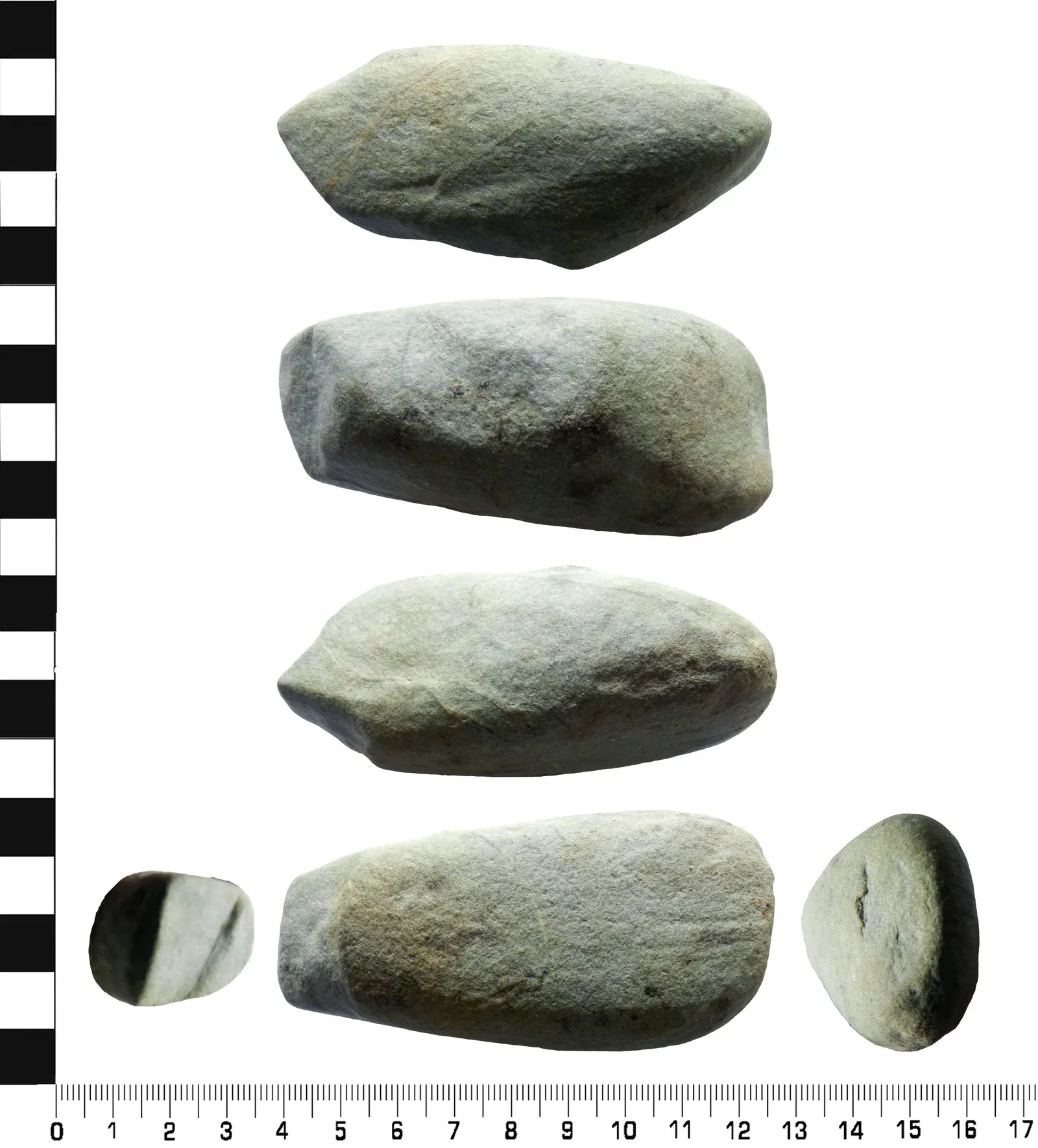
Neanderthal toolmaking wasn’t primitive trial and error. It was a refined, generational craft passed down for hundreds of thousands of years. Comparative anatomical research notes that Neanderthals had wider neural canals than earlier hominins, and these thicker spinal cords likely gave them more manual dexterity – dexterity that shows up in the archaeological record as consistently sharper, more specialized scrapers, blades, and points.
That’s a direct anatomical explanation for noticeably superior fine motor control. They weren’t just knapping rocks, either. A wild ass’s neck bone found in Syria shows traces of tar on an embedded stone point, suggesting it had been a spearhead glued and lashed to a stick. That means Neanderthals were engineering composite weapons – glue, wood, and stone fused into one functional tool – tens of thousands of years before most people assume “technology” began.
#6 – Caring for the Sick and Disabled Like a Full-Time Job
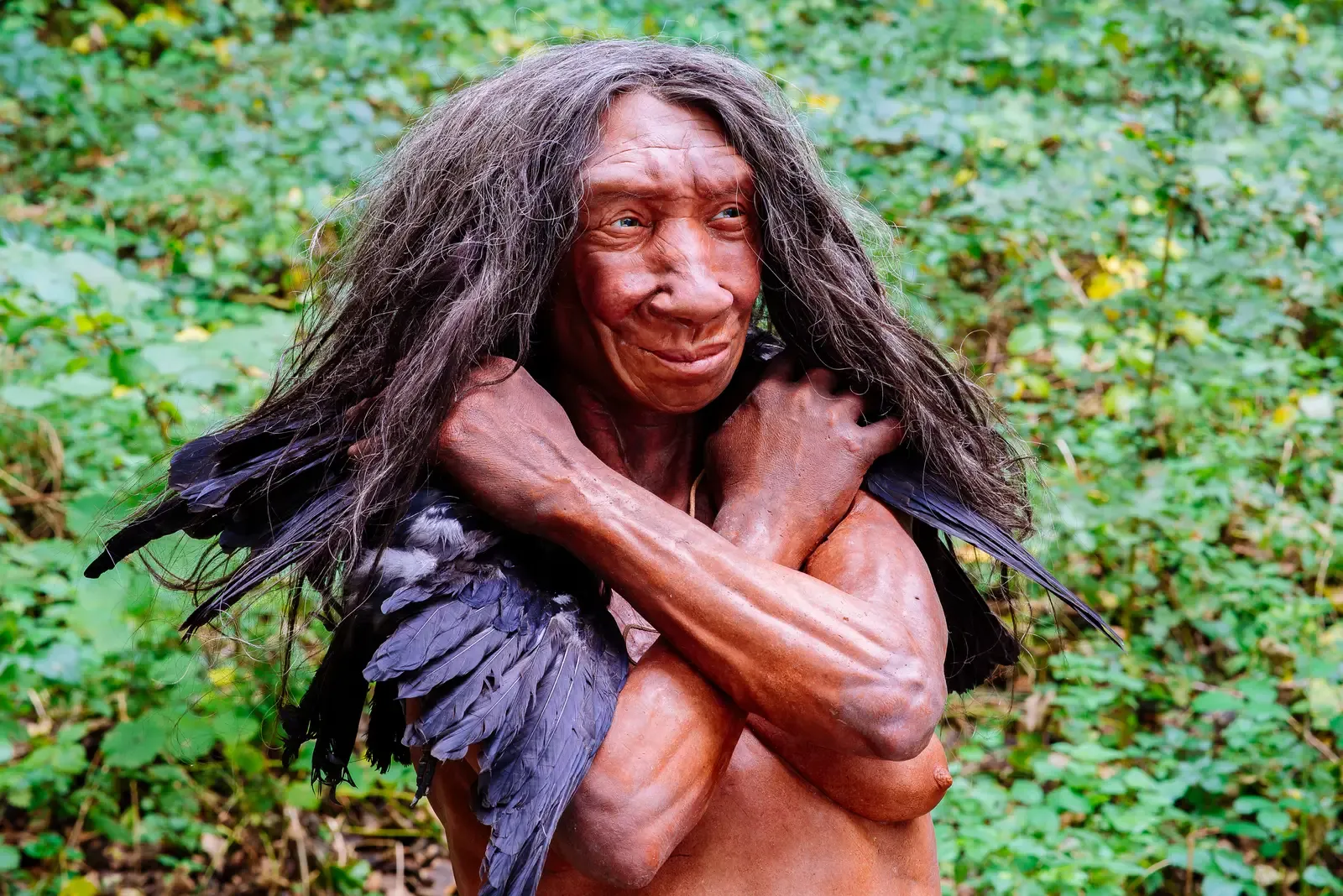
Here’s the fact that should genuinely change how you picture Neanderthal life: they didn’t abandon the injured. They nursed them for decades. The most famous case is Shanidar 1, a Neanderthal who suffered a crushing head injury, a withered arm, and a crippling leg fracture early in life.
All of his injuries show signs of healing, meaning none of them killed him outright – scientists estimate he lived to 35–45 years old, and he almost certainly could not have survived without the sustained care of his group. That’s a decades-long commitment to a member who could contribute almost nothing physically in return. Researchers studying Neanderthal medical practices note plenty of evidence for broken bones that were tended and healed, plus use of natural substances that clean infections and reduce pain. Most people don’t realize prehistoric hominins were running something close to a rudimentary healthcare system.
The idea that Neanderthals were simply too brutish to care for one another just doesn’t survive contact with the skeletal evidence.
Erik Trinkaus, paleoanthropologist
#5 – Surviving Injuries That Would Terrify a Modern Trauma Ward
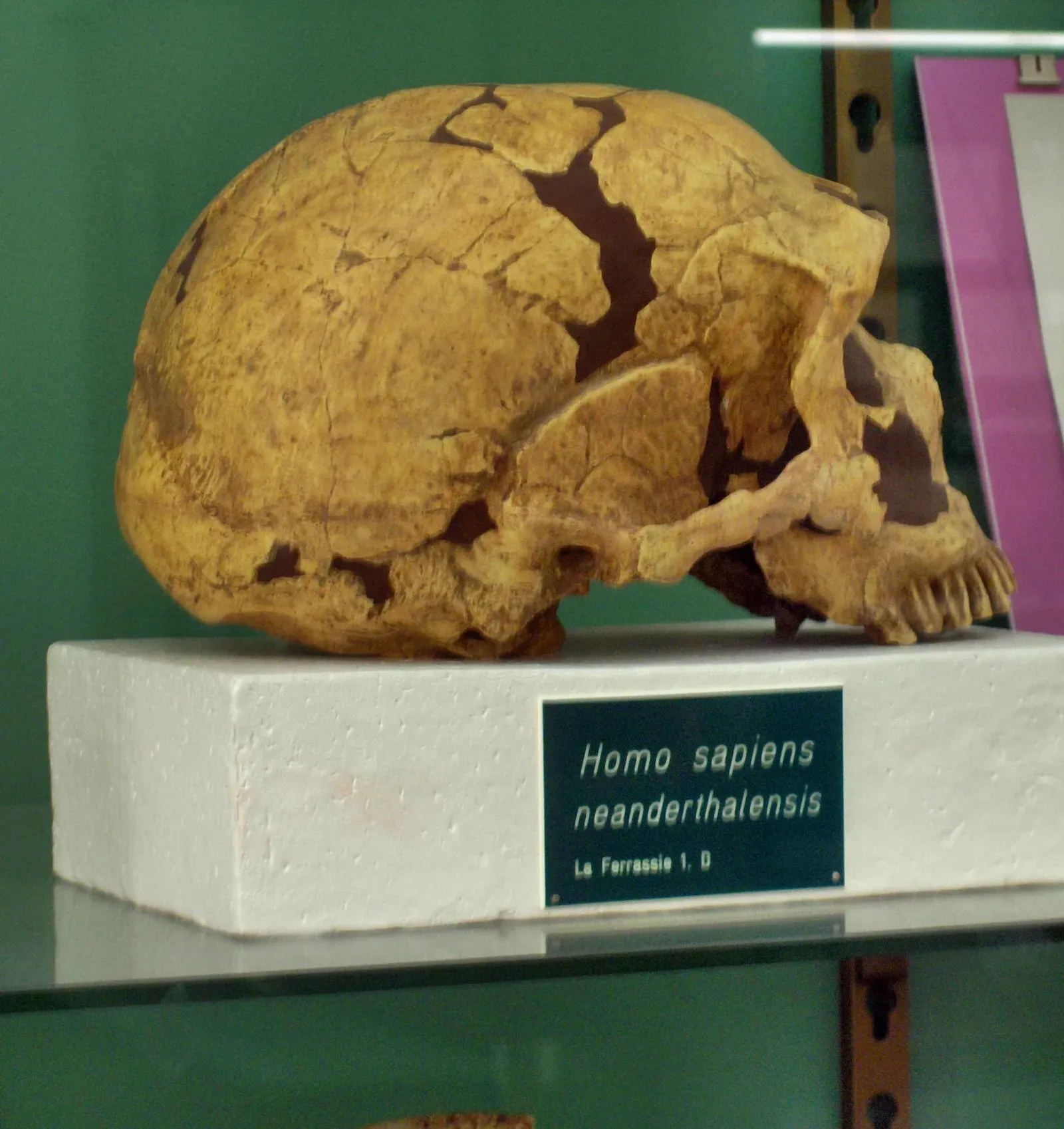
Long before anesthesia, antibiotics, or sterile tools, a Neanderthal underwent what looks like the world’s first known amputation – and lived for years afterward. Shanidar 1, the same individual, had his right hand and forearm missing as the result of amputation, along with bony growths in his ear canals that would have caused serious hearing loss.
That’s a blind-in-one-eye, deaf, one-armed Neanderthal who kept surviving anyway. No modern person facing that combination of impairments, in a world without hospitals, would be expected to live past the initial trauma. Analysis of the healing bone shows recovery lasted not months, but years. That kind of survival implies real medical knowledge – someone recognized infection risk, controlled bleeding, and kept a critically wounded patient alive long enough for bone to remodel. Modern humans didn’t invent compassionate trauma care. We inherited it.
#4 – Out-Hunting Every Modern Human on Earth, No Exceptions
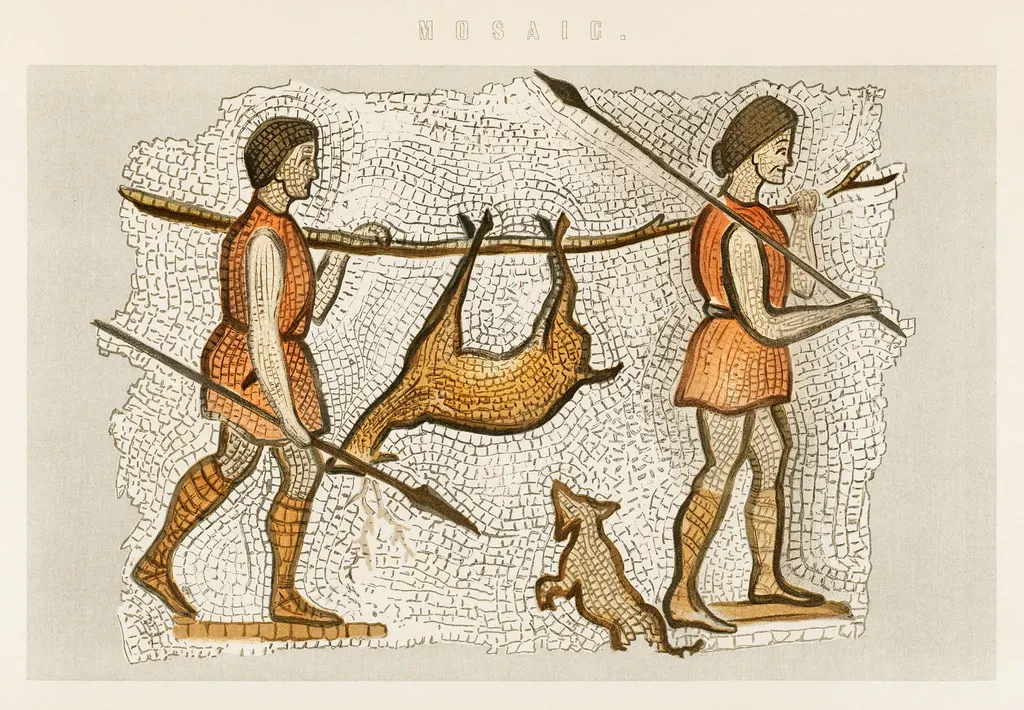
Nobody alive today, with or without a rifle, is bringing down a woolly rhino at close range. Neanderthals did it routinely. Their diet reflects it – researchers describe them consuming a diet high in animal products, with some analyses noting a high-protein, high-fat regimen fit for master hunters whose lifestyle demanded 3,500 to 4,000 calories a day.
That’s an enormous caloric requirement for a population averaging around five feet tall – proof of just how physically demanding their hunting lifestyle actually was. This wasn’t opportunistic scavenging. Close-range confrontation with massive, dangerous megafauna required coordinated tactics, real physical risk, and total commitment from every hunter involved. Most people today couldn’t safely approach a mammoth with a modern rifle, let alone a hand-thrown spear.
At a Glance
- Estimated daily caloric needs: 3,500 to 4,000 calories
- Average height: roughly five feet, despite the massive energy demands
- Diet: heavily weighted toward animal products, high in protein and fat
- Hunting style: close-range confrontation with large, dangerous megafauna
#3 – Skin and Hair Genetically Tuned for a Sunless World
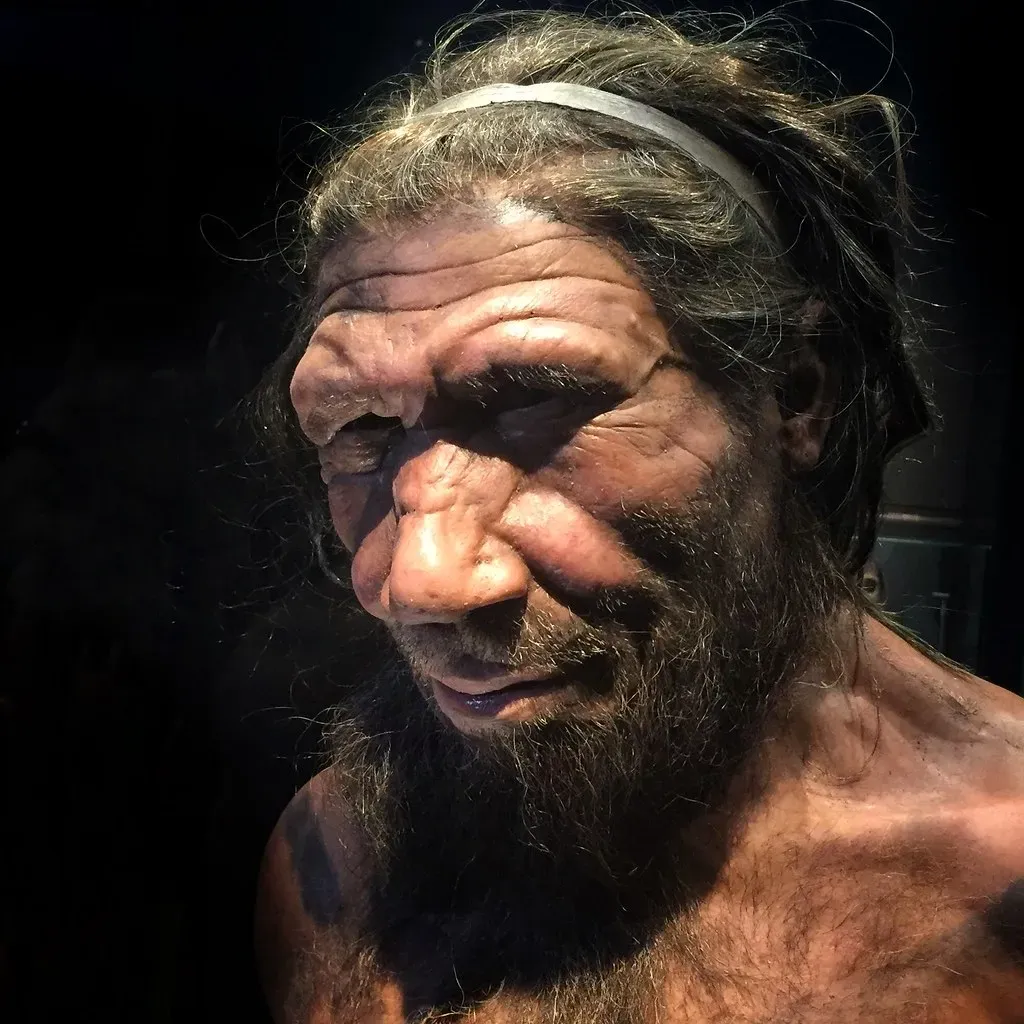
Neanderthals may have solved a problem modern humans at high latitudes still struggle with: getting enough vitamin D without enough sunlight. Genetic research points to a specific fix – pale skin and red hair were likely more common among Neanderthals thanks to a mutation in the MC1R gene, which boosts vitamin D production in places with limited sun.
That’s a precise genetic workaround for a real survival problem, evolved independently to match their exact environment. This wasn’t cosmetic. Vitamin D deficiency causes bone-weakening conditions that would have been catastrophic for a population already dependent on raw strength to survive. Modern humans in northern climates now rely on supplements, fortified milk, and vitamin D pills. Neanderthals had already engineered a biological fix hundreds of thousands of years earlier.
#2 – Outlasting Multiple Ice Ages Without a Single Modern Convenience

This is the achievement that puts everything else in perspective: Neanderthals didn’t survive one brutal cold period. They survived several, across hundreds of thousands of years. Researchers summarizing current understanding of the species put it plainly – Neanderthals thrived through multiple Ice Ages, using nothing but stone tools, fire, animal hides, and each other.
That’s not a metaphor. It’s repeated, generational survival through some of the harshest climate swings the planet has produced, with hundreds of thousands of years to adapt morphologically, physiologically, and behaviorally along the way. Modern humans have spent barely 300,000 years as a species and have never faced a true Ice Age with our current population density and infrastructure. If the power grid failed tomorrow during a genuine climate catastrophe, how many of us would last even one winter the way Neanderthals lasted dozens?
#1 – Leaving Behind Genes That Still Protect You Right Now
Here’s the fact that should end every “Neanderthals were inferior” argument permanently: pieces of them are still alive, inside you. Modern humans whose ancestry traces outside sub-Saharan Africa carry measurable amounts of Neanderthal DNA today, inherited through interbreeding tens of thousands of years ago.
Some of that inherited genetic material is linked directly to immune function – variants that helped early modern humans adapt to unfamiliar pathogens, climates, and environments as they moved into Eurasia for the first time. In other words, Neanderthals didn’t just survive their world. They handed us tools to survive ours. That’s a strange kind of victory for a species we usually call “extinct.” They didn’t disappear so much as merge – quietly folding their genetic advantages into the population that replaced them. Every time someone calls Neanderthals simple evolutionary dead ends, they’re ignoring the fact that a piece of Neanderthal biology may be doing active work inside their own cells right now.
Worth Knowing
- European and Asian genomes today run roughly 1-2% Neanderthal on average
- Humans living around 40,000 years ago carried as much as 6-9% Neanderthal DNA
- Even populations with primarily sub-Saharan African ancestry show small traces today
- Many inherited variants are tied to immune response, skin, and hair traits
The Bottom Line
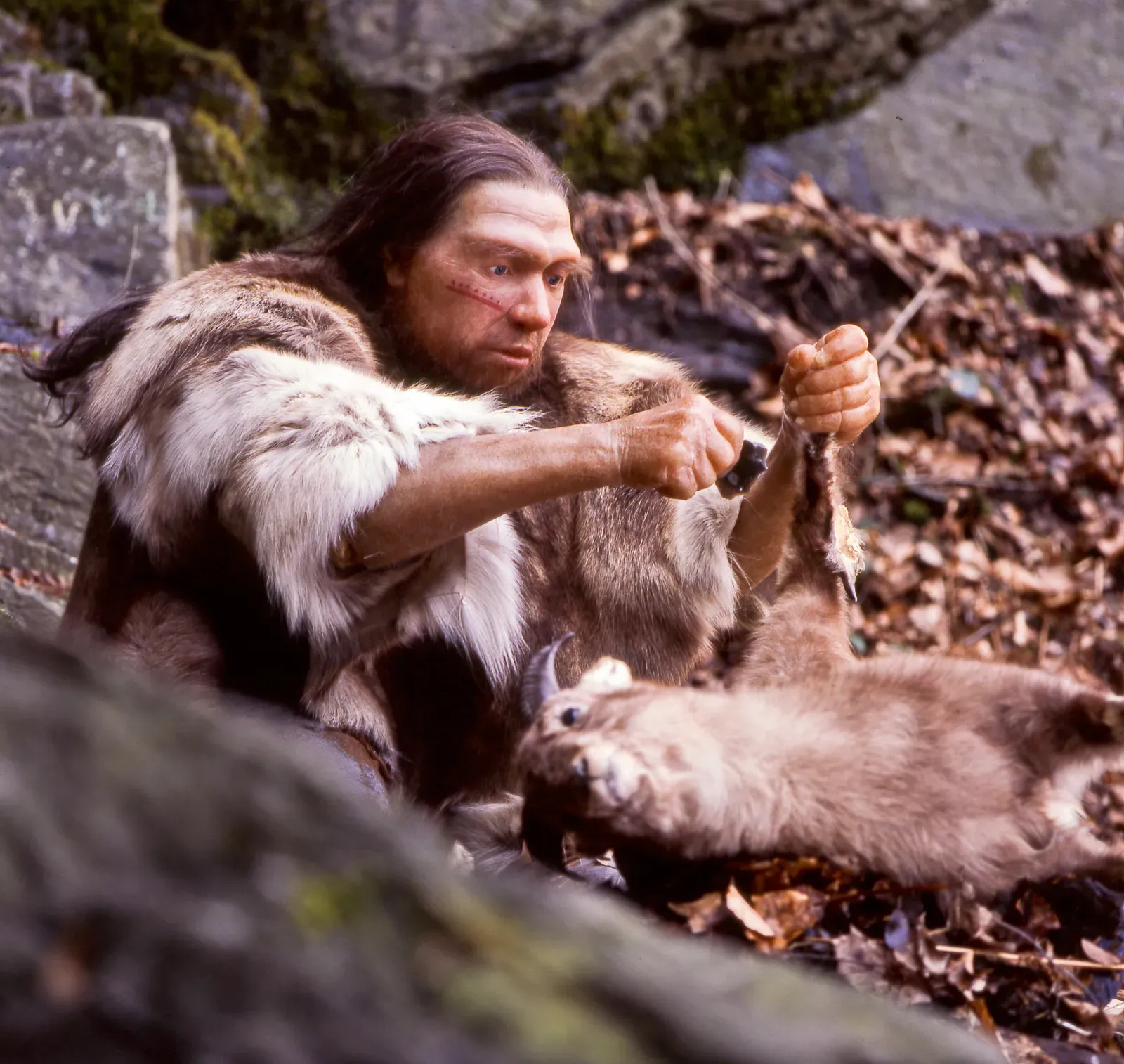
Neanderthals weren’t a failed rough draft of modern humans. They were a highly specialized, successful species that outperformed us in strength, cold survival, night vision, breathing efficiency, and even compassionate long-term care for the disabled.
They hunted animals we’d never dare approach, engineered composite tools, and survived Ice Ages that would flatten modern civilization overnight. Where they actually lost was in social complexity and long-range adaptability, not raw toughness – and even that loss came with a strange asterisk, since some of their genes ended up winning anyway, riding quietly inside us. The uncomfortable truth is that in almost every category of pure physical survival, they beat us, and honestly, I think we’ve spent too many decades treating “extinct” as a synonym for “lesser.” Which of these surprised you the most? Drop it in the comments.