Picture a T. rex, and your brain probably drops it into a wide, grassy plain, the kind of Netflix nature-doc backdrop we’re used to today. But that mental image is wildly off. For most of the age of dinosaurs, grasslands did not exist at all, and the real landscapes they walked through would feel strange, even unsettling, to our modern eyes.
Instead of endless green lawns, there were fern forests, conifer-dominated woodlands, swampy river deltas, and deserts stitched together with low, scrubby plants. The sky was familiar, but the world beneath it was a patchwork of ecosystems that worked on different rules. Let’s walk through some of those ancient environments and see just how alien “home” really looked to a dinosaur.
Dinosaurs Lived in a World Before Grass
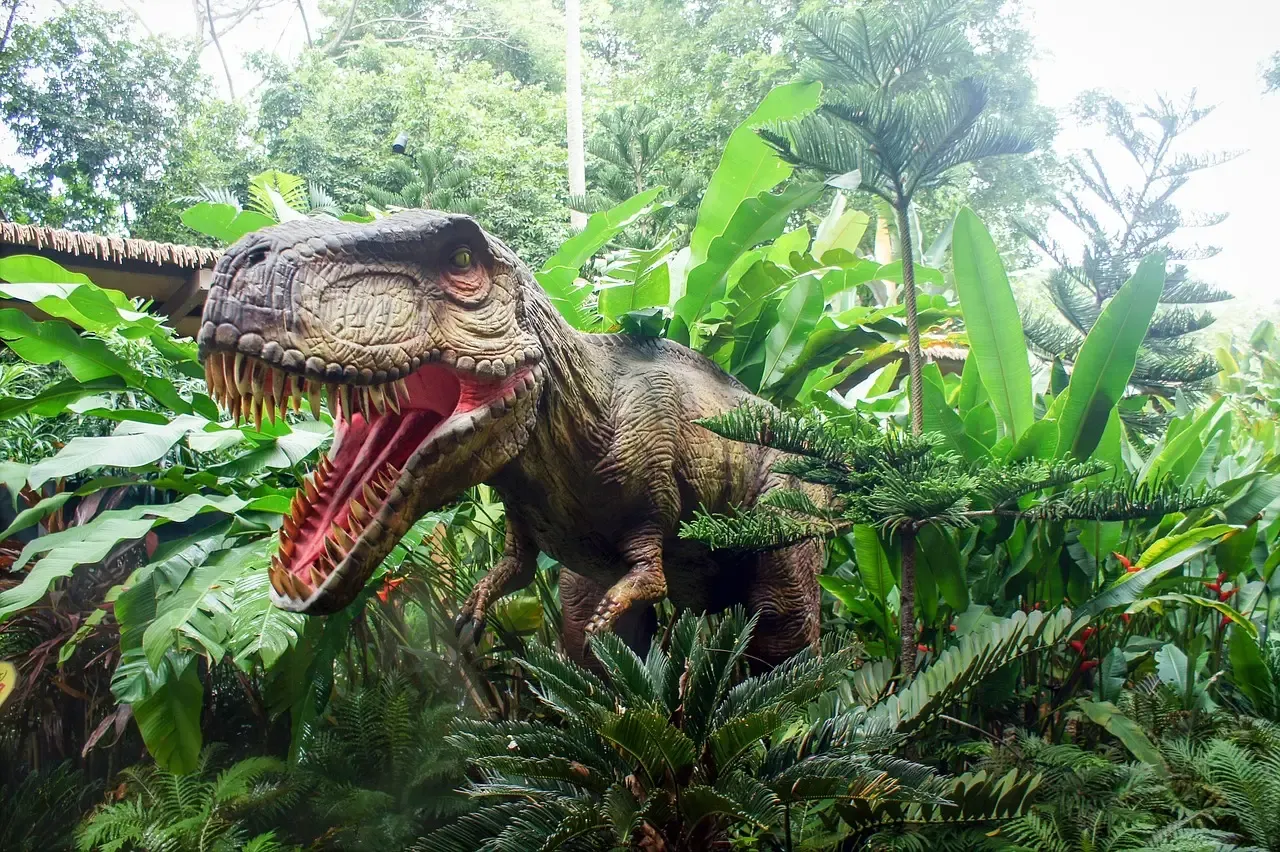
It is hard to overstate how weird it is, from our perspective, that most dinosaurs never saw a single blade of true grass. Grasses as we know them today either did not exist or were extremely minor players until very late in the Cretaceous and really only took over long after the non-avian dinosaurs were gone. If you could time-travel back to the Jurassic with a picnic blanket, you would be hunting for a long time to find anything that even vaguely resembled a lawn.
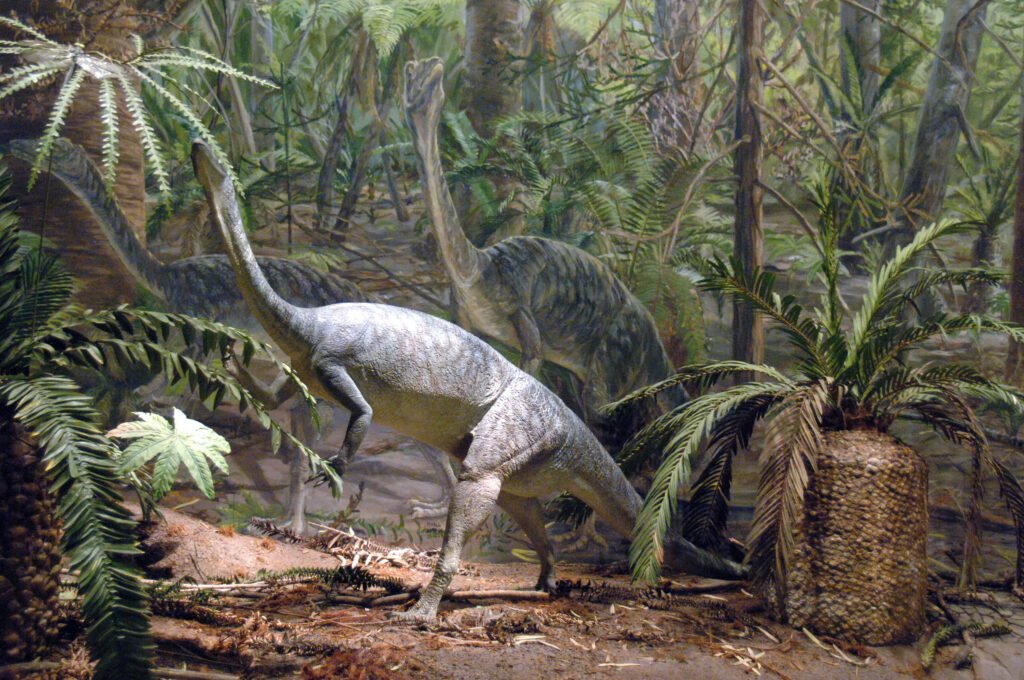
Instead, low vegetation was dominated by ferns, horsetails, and other spore-bearing plants, punctuated by cycads and early seed plants. Imagine kneeling down where you expect turf and instead finding thick mats of fern fronds, scratchy horsetail stalks, and bare soil in between. Herbivorous dinosaurs were browsing these plants, not grazing tender grass, which completely changes how their feeding behavior and even their teeth make sense.
Fern Forests and Cycad Gardens Were the “Default” Green
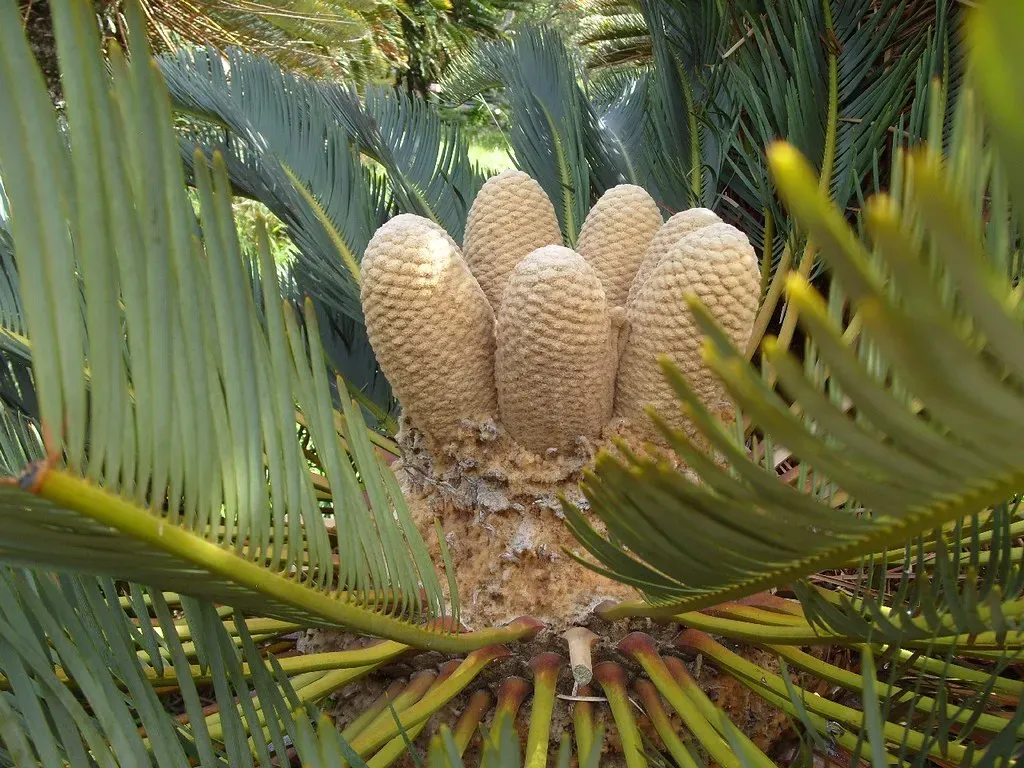
In many dinosaur-age ecosystems, especially during the Jurassic, ferns and cycads were the visual wallpaper of life. These were not the delicate house ferns you keep in your bathroom; some fern relatives grew in dense stands several feet high, while cycads looked a bit like stumpy palm trees with thick trunks and tough, crown-like leaves. If you walked into a valley then, the dominant impression might be dark, layered greenery, not wide-open spaces.
These fern and cycad “gardens” created a very different light and soundscape compared to a grassy savanna. With broad, leathery fronds overlapping each other, sunlight would filter in through a mosaic of shade, while the wind would move in slower, heavier waves through the canopy. Small dinosaurs, early mammals, and insects would have ducked and darted through this undergrowth, hidden by vegetation that we now mostly associate with the corners of botanical gardens rather than entire landscapes.
Conifer Forests Towered Where Modern Flowering Trees Rule
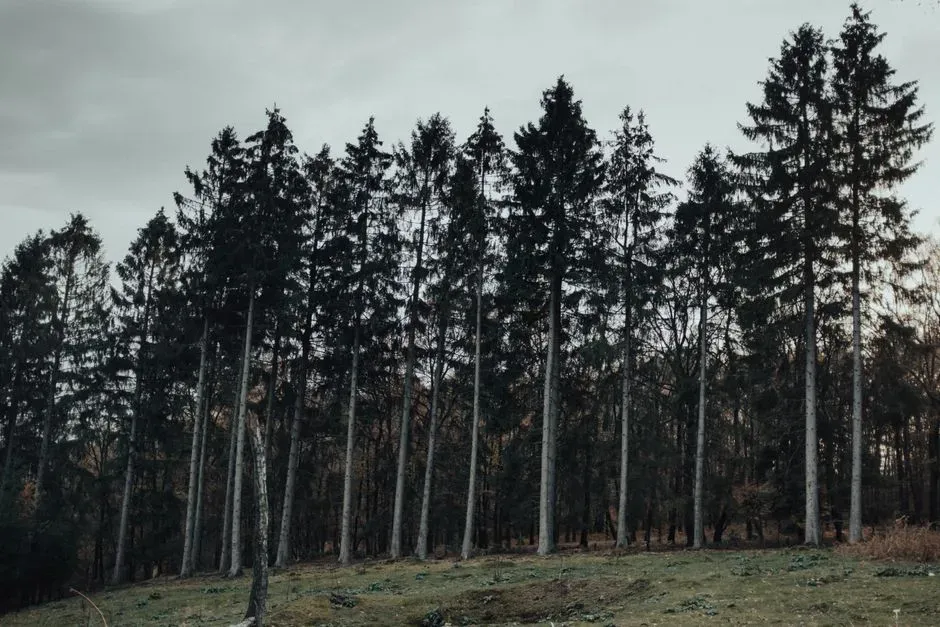
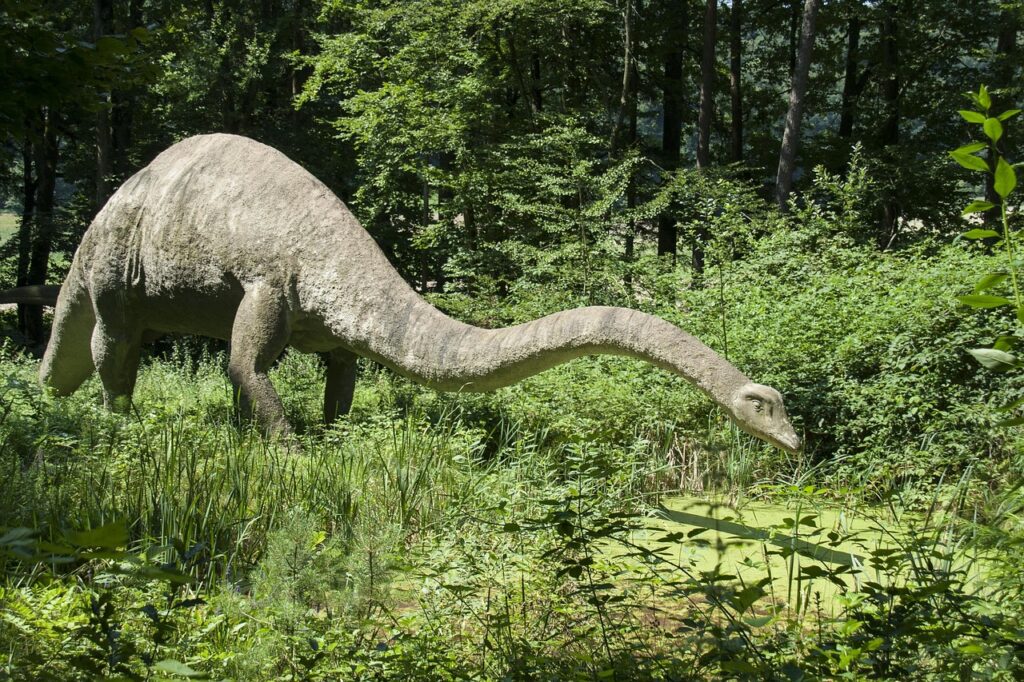
If you looked up instead of down, the big trees of the dinosaur world were usually conifers, not oaks, maples, or beeches. Giant relatives of pines, araucarias, and other conifers formed towering forests, with column-like trunks and high, open crowns. To a modern visitor, parts of it might feel a bit like walking through a strange blend of Pacific Northwest forest and New Zealand podocarp woods, but with fewer flowers and more cones.
These conifer forests were not just scenery; they shaped climate, soils, and animal life. Large sauropods likely browsed from the middle to upper levels of these trees, stripping needles and small branches, while smaller herbivores fed on fallen debris below. Without broad-leaved flowering trees dominating the canopy, seasonal color changes would be subtle, and entire forests might feel more monochrome and austere, but also older and more primeval, like the set of a prehistoric fantasy movie that forgot to add any modern plants.
Swamps, Deltas, and Dinosaur-Filled Wetlands
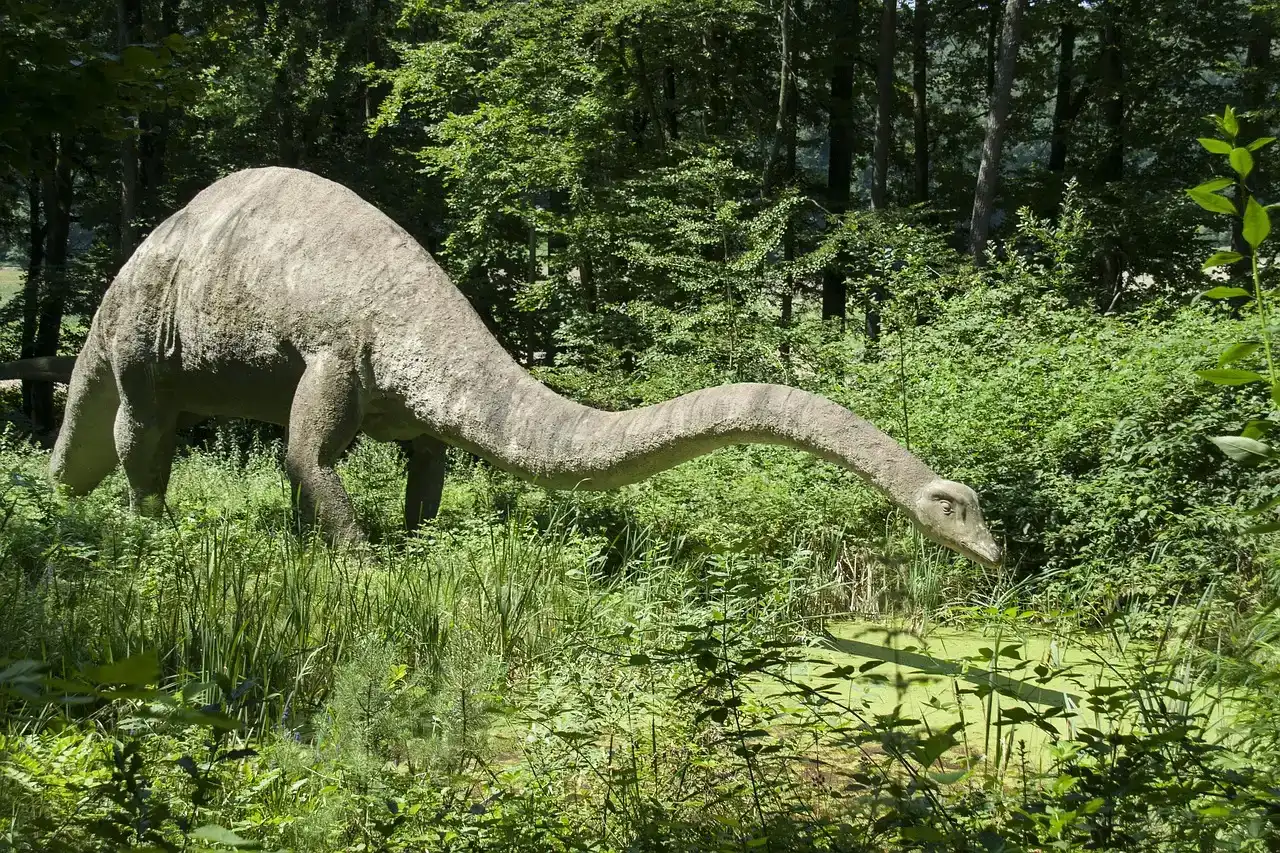
One of the most overlooked dinosaur habitats is also one of the most alien to imagine: the vast swamps and river deltas where water levels constantly shifted. Picture broad, slow-moving rivers winding through floodplains choked with ferns, horsetails, and early flowering shrubs, with muddy banks that preserved footprints in eerie detail. Many fossil bonebeds come from these kinds of environments, where floods drowned animals or washed their bodies into low spots that later turned to stone.
These wet environments would have looked and smelled intense: thick humidity, decaying plant matter, clouds of insects, and the constant danger of getting bogged down in soft mud if you picked the wrong path. Large herbivores could have waded through shallow channels, while predators stalked the edges or used cover along the banks. In some ways, the closest modern analog might be a mix of mangrove forest, Everglades-style marsh, and river delta, but with different plants and a cast of reptiles and early birds instead of alligators and herons.
Volcanic Landscapes and Ash-Covered Valleys
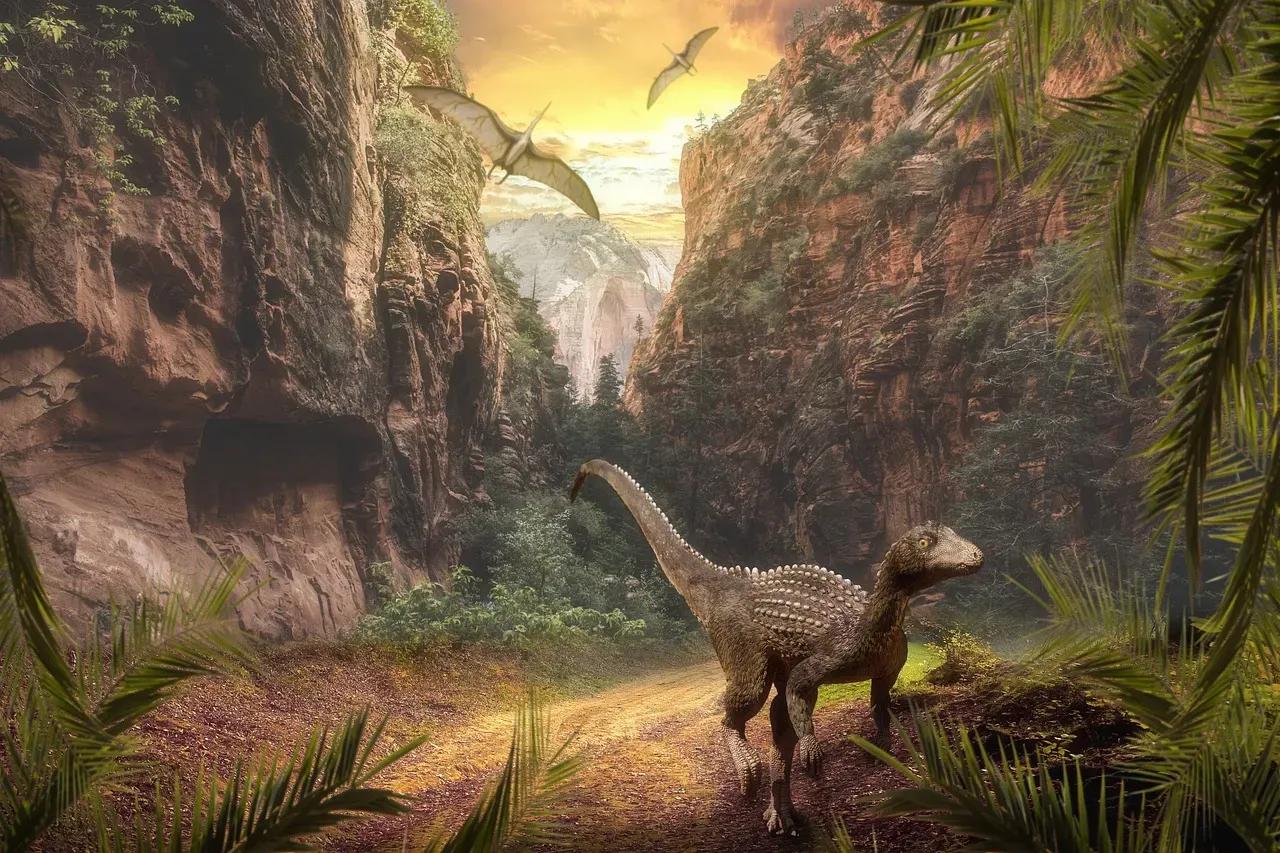
The age of dinosaurs coincided with intense volcanic activity in many regions, which meant some landscapes were shaped directly by eruptions. Imagine herds of dinosaurs moving across fresh, grey ash fields where vegetation had only just started to return, with charred tree stumps poking through like blackened teeth. In some fossil sites, entire communities were abruptly buried by ash falls, preserving them as tragic snapshots of life and death in a dangerous world.
These volcanic zones would have felt both beautiful and threatening: unusual rock formations, hot springs, and fumaroles venting steam, with plant life patchily returning in pioneer communities of hardy species. I always picture it like walking through a national park built over an active hotspot, except instead of tourists with cameras you have theropods navigating unstable ground and herbivores testing the new vegetation. It is a reminder that for dinosaurs, the planet itself was sometimes the biggest predator in the room.
Deserts Without Grassy Edges, Just Sand, Shrubs, and Heat
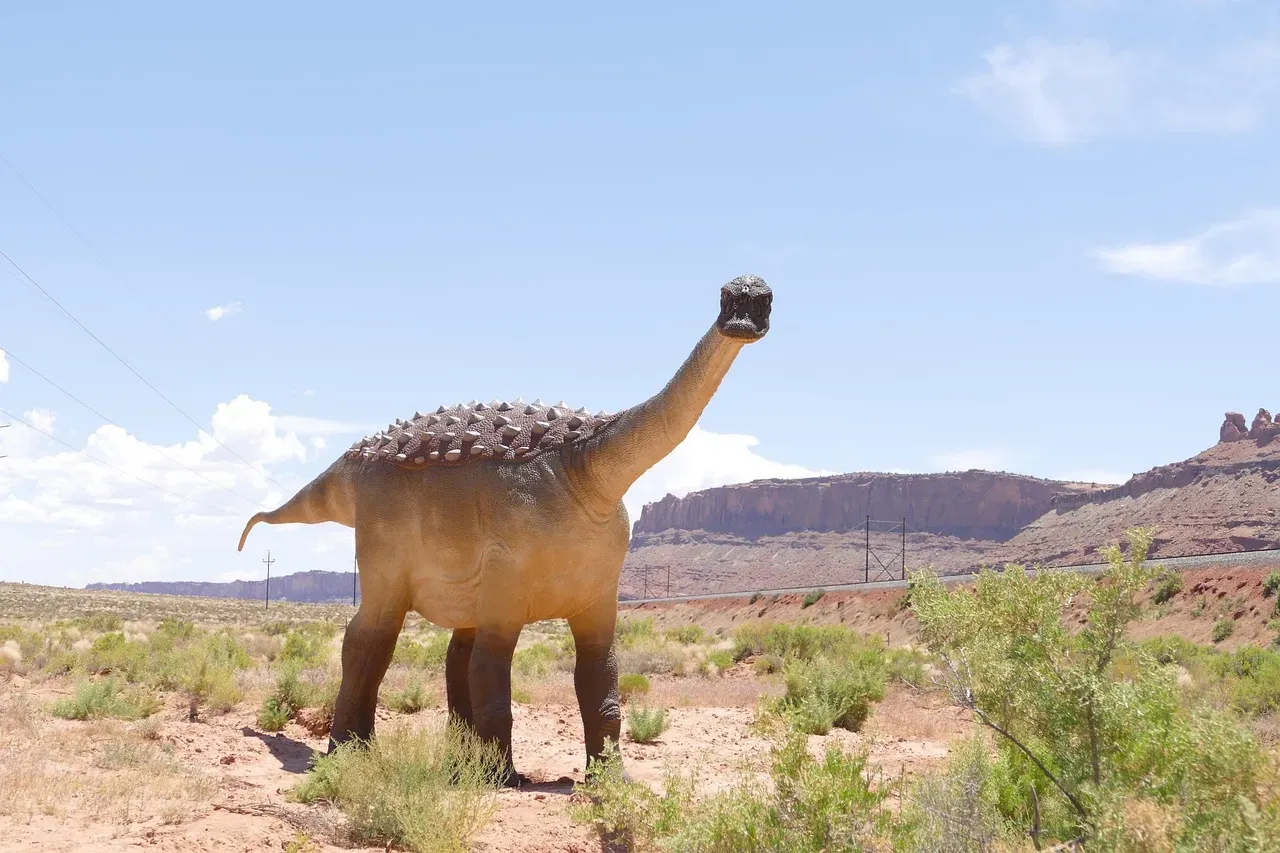
Not all dinosaur environments were lush and green; there were also expansive deserts, some of them among the driest ecosystems of their time. But these deserts did not grade into grasslands at the edges, because the grasses were not there. Instead, dunes, rocky plains, and sparse shrubs or drought-tolerant conifers defined the transition zones, creating a harsher, barer look than many modern semi-arid grasslands.
Fossil trackways show dinosaurs marching across dune fields and dry lake beds, their footprints later hardened into stone. The idea of a big theropod cresting a sand dune probably sounds like a movie shot, but it is closer to reality than many studio depictions of dinosaurs in grassy meadows. With limited shade, extreme temperature swings between day and night, and water sources few and far between, these landscapes would test any animal’s endurance, whether scaly, feathered, or somewhere in between.
The Late Arrival of Flowering Plants Changed Everything
Flowering plants, which now dominate most terrestrial ecosystems, were latecomers in the dinosaur story. They started to appear in the mid–Cretaceous and gradually spread, but for a long time they were part of a mixed cast of older plant groups rather than instant rulers. This slow rise meant that the green world during much of dinosaur history lacked the dense variety of flowers, fruits, and complex forests that we now take for granted.
As flowering plants diversified, they began to reshape ecosystems, influencing soils, insect communities, and even dinosaur diets. Some late Cretaceous dinosaurs likely browsed or grazed on flowering shrubs and early grasses, living in environments that would start to feel a little more familiar to us. But that window was brief on a geological scale, and by the time grasses and flowering plants had the chance to truly take over and form the sweeping grasslands we know, the non-avian dinosaurs were gone, leaving birds and mammals to inherit a transformed planet.
Why Modern Savannas and Prairies Are a Post-Dinosaur Invention
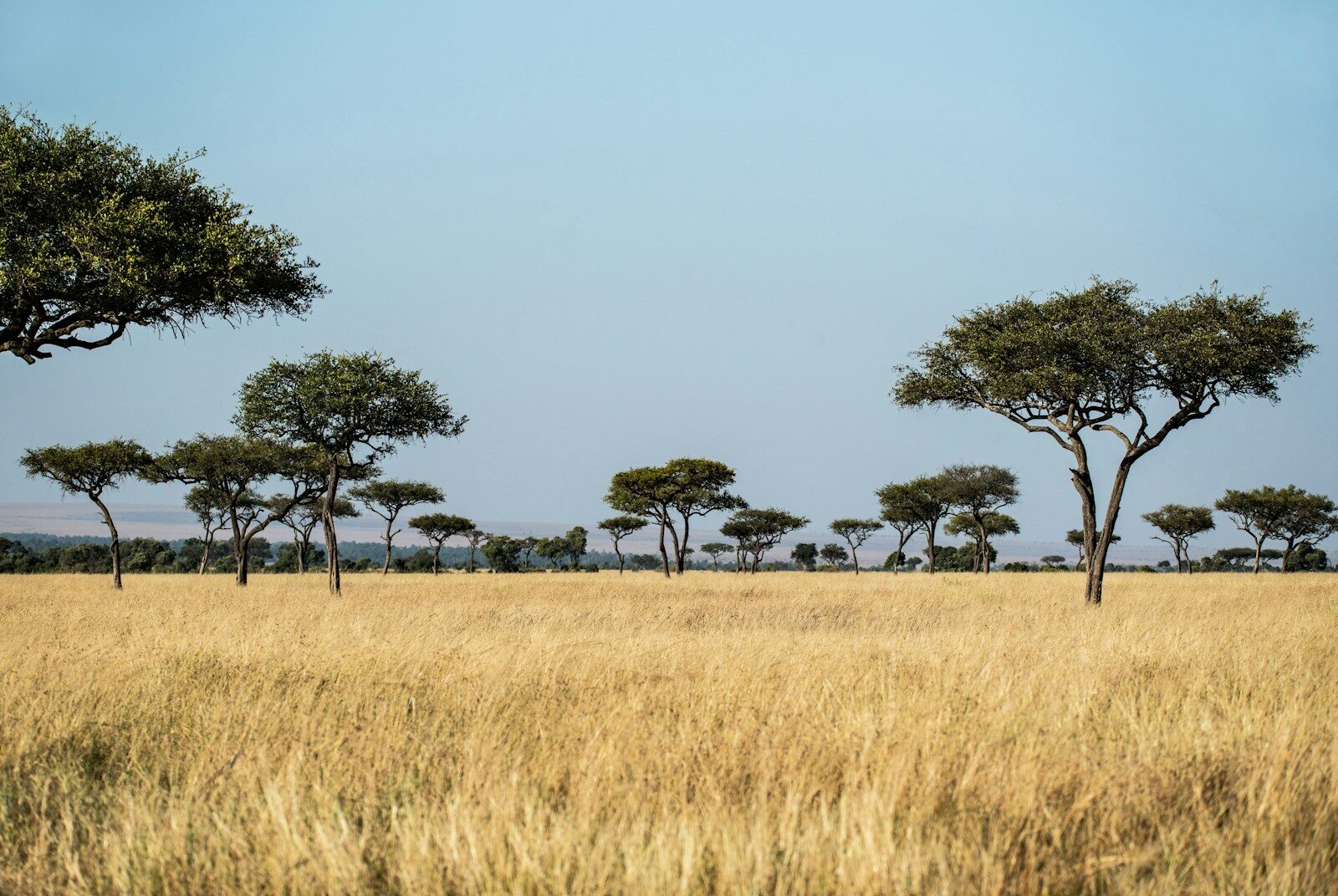
The vast modern grasslands that define so many continents today – African savannas, North American prairies, Eurasian steppes – are relatively young ecosystems in Earth’s history. They really expanded and solidified well into the Cenozoic era, driven by evolving grasses, changing climates, and the rise of grazing mammals with specialized teeth. Dinosaurs simply never got the chance to roam through endless seas of grass the way antelope and bison do now.
This timing matters for how we visualize the past. When artists put a hadrosaur on what looks like a modern prairie, it quietly smuggles our world into theirs and erases just how different the planet used to be. The truth is more dramatic: dinosaurs lived on a version of Earth where the basic ground cover, the pattern of open versus closed habitats, and even the seasonal rhythms of plant life followed different scripts. Our mental picture needs to catch up with what the fossils keep telling us.
Reimagining Dinosaur Worlds Means Letting Go of Our Own
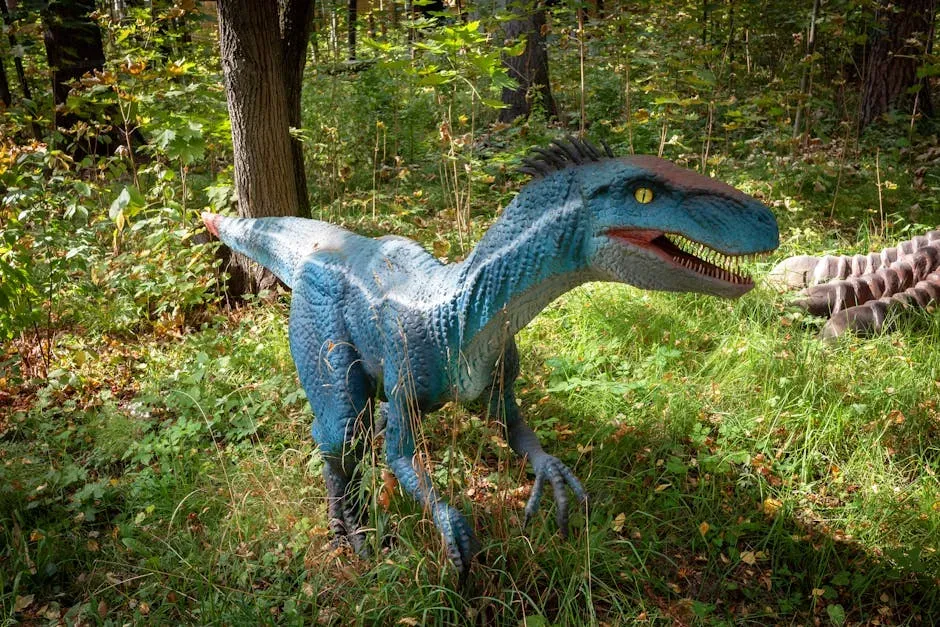
Once you accept that grasslands were not the stage for dinosaur life, your whole sense of their world starts to shift. Suddenly, you are picturing sauropods pushing through dense conifer stands, ceratopsians foraging in fern thickets, and small, feathered dinosaurs darting through swampy undergrowth instead of tiptoeing across manicured green fields. The landscapes become darker, messier, more layered – and honestly, far more interesting.
In my view, clinging to the safe, grassy dinosaur image does both science and imagination a disservice. The real prehistoric Earth was stranger, more experimental, and more varied than our modern ecosystems, and that is what makes it so compelling. When we let go of modern grasslands as the default setting and lean into fern forests, conifer cathedrals, ash-choked valleys, and flowerless wetlands, the age of dinosaurs stops looking like a slightly edited version of today and starts feeling like what it truly was: another world. Which version would you rather wander through in your mind’s eye?