When most people picture “ancient life,” they jump straight to dinosaurs thundering across Jurassic landscapes. But here’s the twist: by the time the first dinosaurs were taking their awkward early steps in the Late Triassic, some animal lineages were already unimaginably old. We’re talking creatures whose ancestors had been around for hundreds of millions of years before any dinosaur hatched from an egg.
That idea bends your sense of time a little, doesn’t it? It is like realizing your great‑great‑great‑grandparents were already senior citizens before the house you live in even existed. In this article, we’ll time‑travel through deep history and meet seven animal groups that were ancient long before dinosaurs appeared. Some are still with us today, some have close living relatives, and all of them tell a story about survival, adaptation, and just how long “old” can really be on a planetary scale.
1. Horseshoe Crabs: Living Fossils from Before the Dinosaurs’ Time
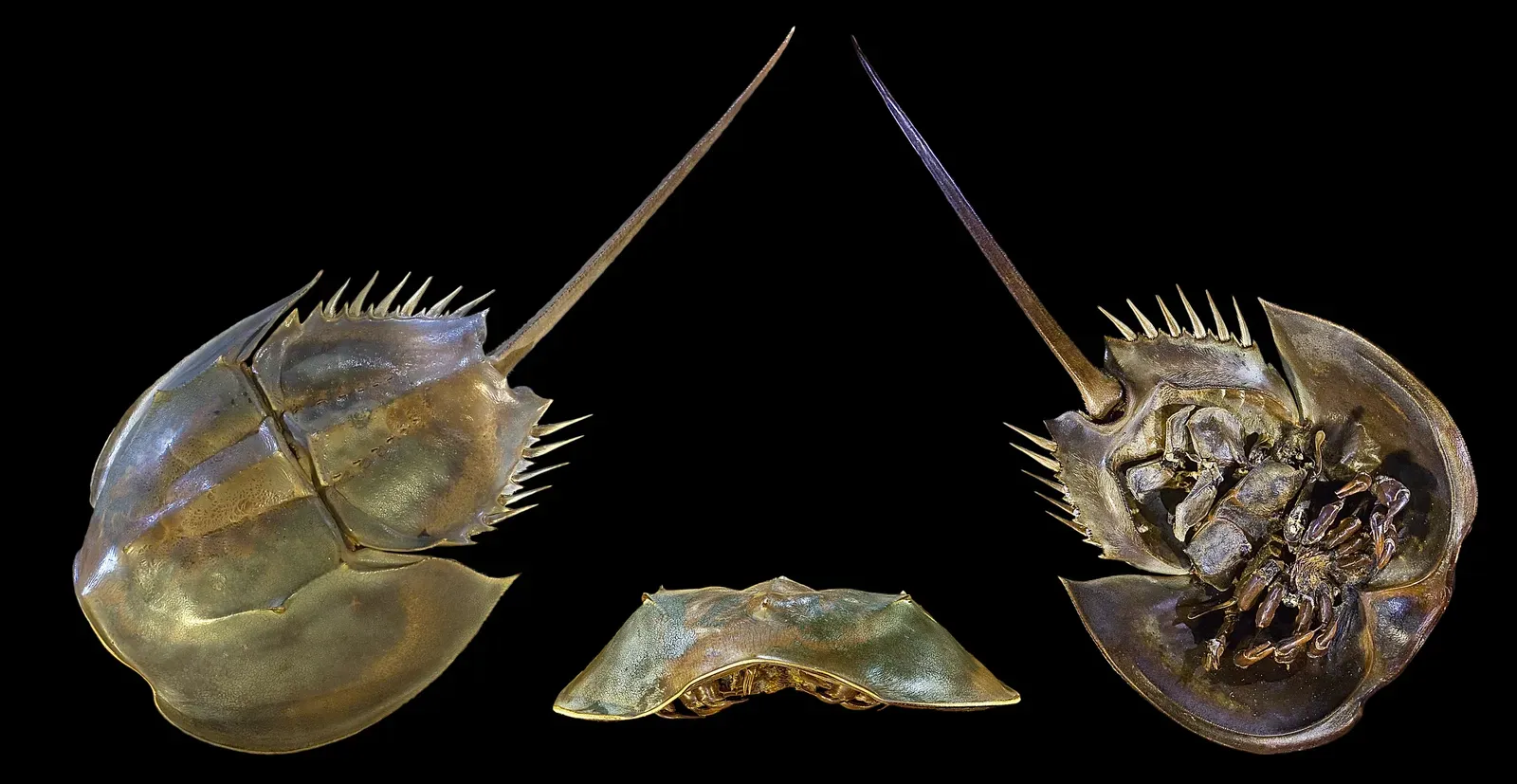
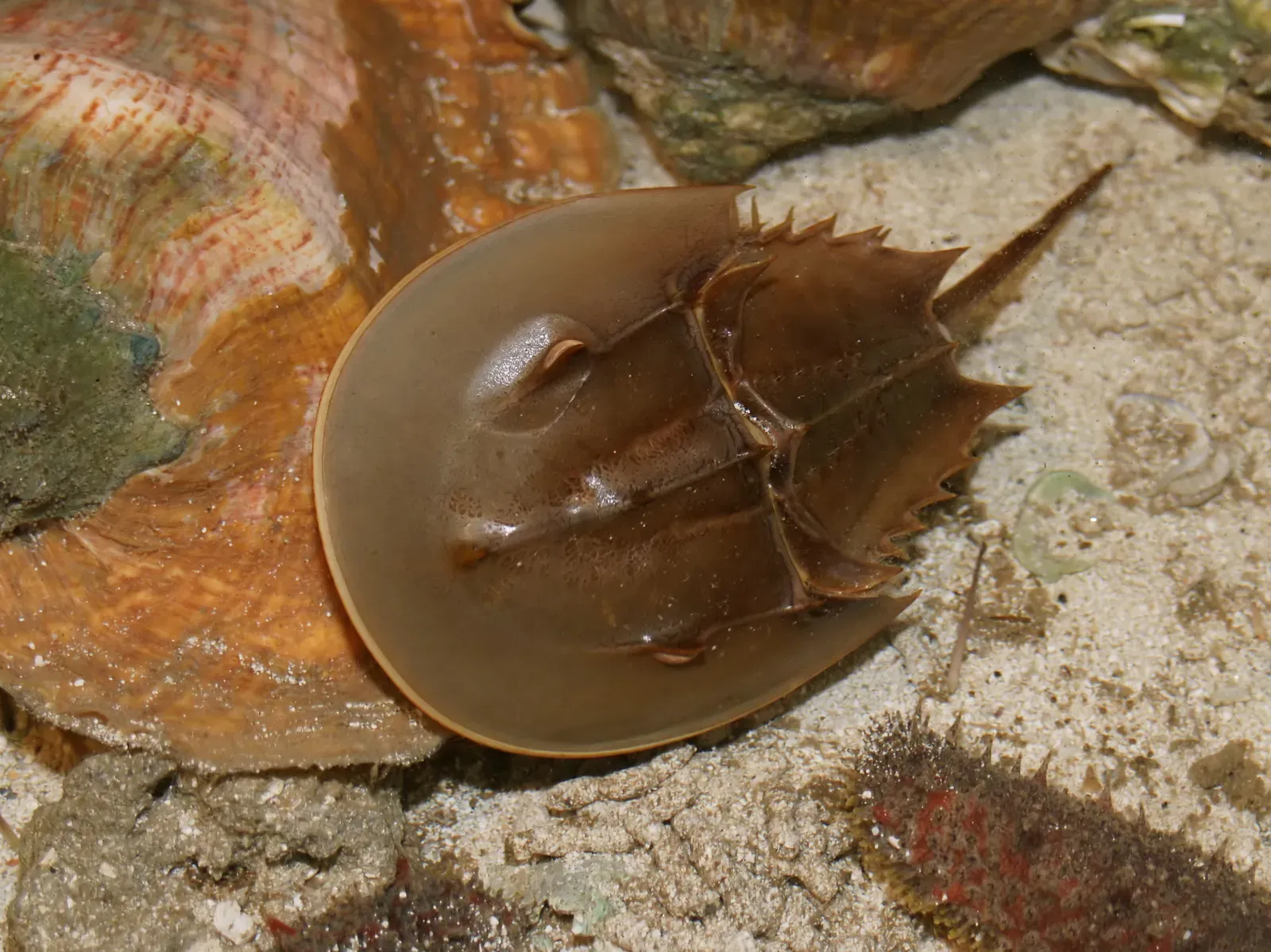
Horseshoe crabs are often called living fossils, and for once that overused phrase really fits. Their lineage dates back more than four hundred million years, to the Paleozoic era, which means their ancestors were crawling through shallow seas long before the very first dinosaurs appeared roughly two hundred thirty million years ago. By the time dinosaurs showed up, horseshoe crabs’ basic body plan was already ancient history.
What blows my mind is how little they have changed in all that time. That helmet‑like shell, the long spike of a tail, and those many legs tucked underneath were already proven designs in a world where fish were just starting to experiment with life on land. Watching one shuffle along a beach today feels like having a small, armored envoy from the Devonian quietly minding its business at your feet, utterly unimpressed by the rise and fall of reptiles, mammals, and humans.
2. Nautiluses: Spiral‑Shelled Survivors from Deep Time
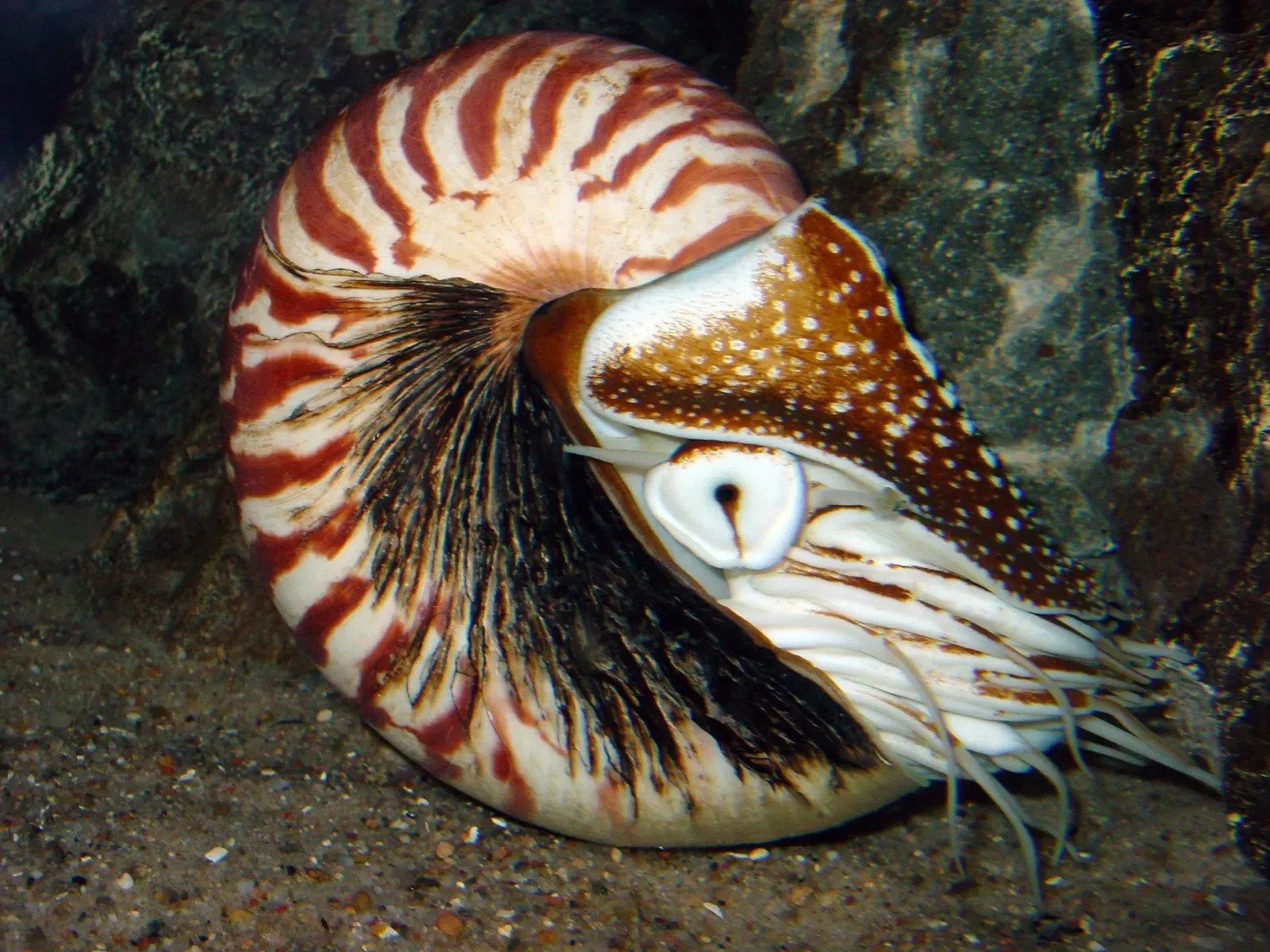
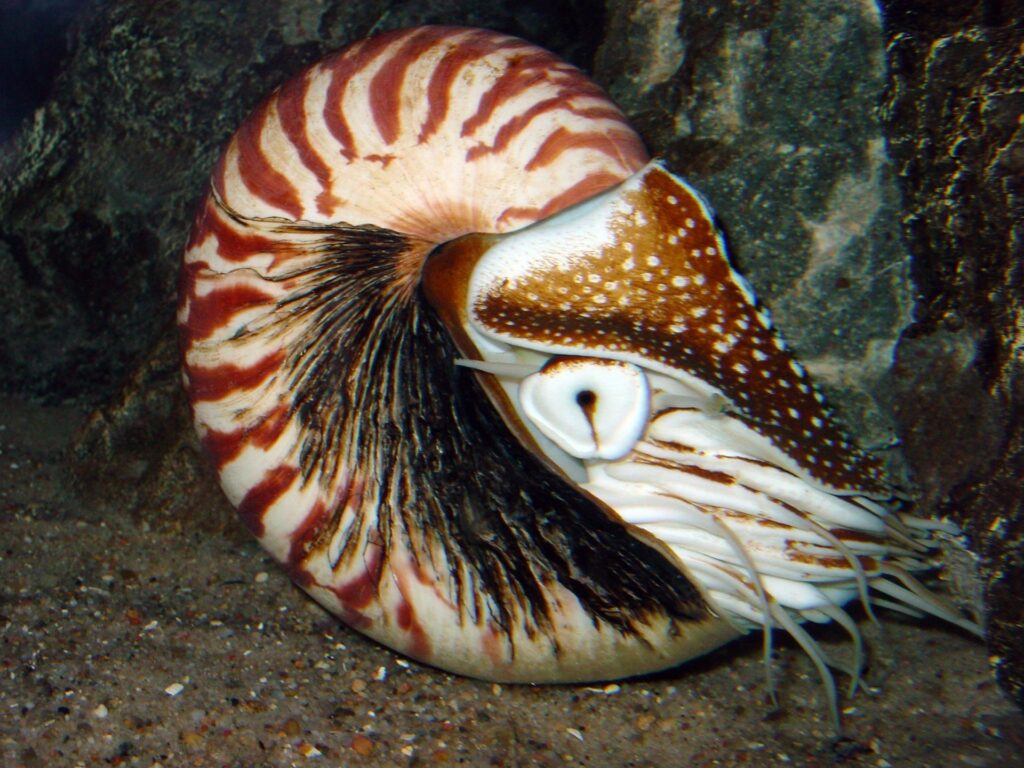
The nautilus looks delicate and almost decorative, with its perfect spiral shell and gentle drifting in the deep ocean, but its lineage is anything but fragile. Relatives of the modern nautilus, part of the cephalopod group, were already present more than four hundred million years ago, evolving coiled shells and jet‑propulsion long before dinosaurs existed. Early ammonoids and nautiloids were exploring the oceans of the Paleozoic era like tiny alien submarines.
By the time dinosaurs emerged, the ancestors of nautiluses had already weathered multiple mass extinctions and reshaped themselves into new species again and again. That continuity is almost unnerving: while entire continents moved and climates flipped from greenhouse to icehouse, these spiral‑shelled animals just kept cruising the depths. To me, a nautilus is like a time capsule that chose to stay alive instead of sitting quietly in a museum case.
3. Sharks: Apex Predators Long Before T. rex
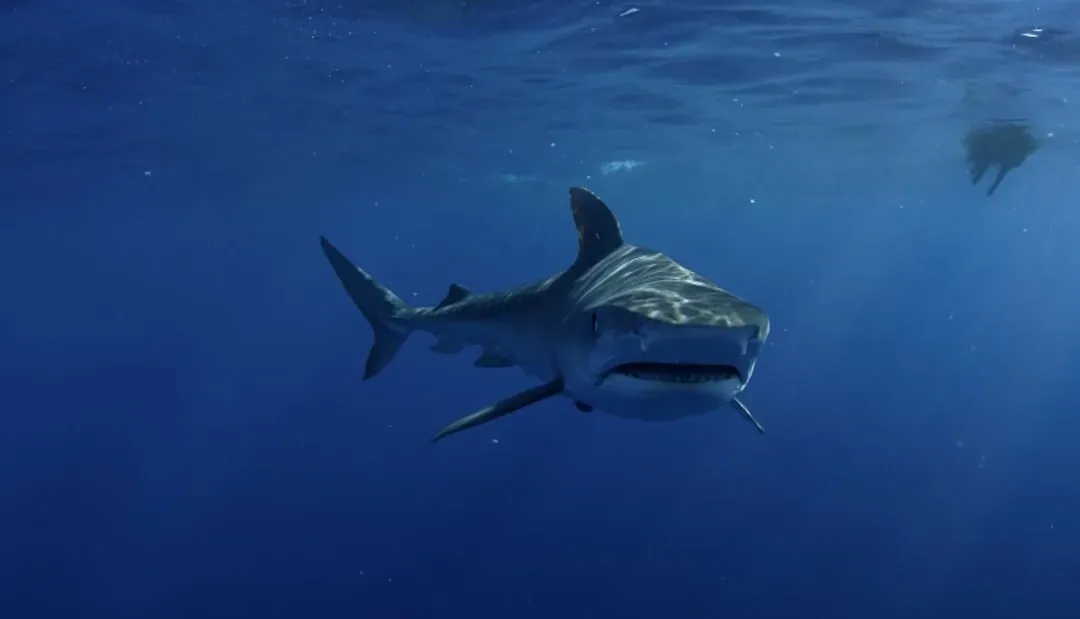
Sharks are so iconic that it is tempting to treat them as a modern symbol of terror, but their story starts way back in the Devonian, more than four hundred million years ago. That means sharks were already established predators for hundreds of millions of years before the first proper dinosaurs walked on land. When you imagine a dinosaur taking a drink from a Triassic shoreline, there is a good chance some ancient shark relatives were cruising just offshore, generations into a lineage already old.
What is most striking is how flexible yet recognizable shark design has been. Teeth, cartilage skeletons, streamlined bodies, and powerful senses evolved early and kept working through changing oceans, competitors, and prey. When you see a shark fin cut through the water today, you are watching a concept so successful that it outlived not just dinosaurs but several planetary catastrophes. In a way, dinosaurs were just a brief chapter in the long book of sharks.
4. Jellyfish: Soft‑Bodied Drifters Older Than Bones
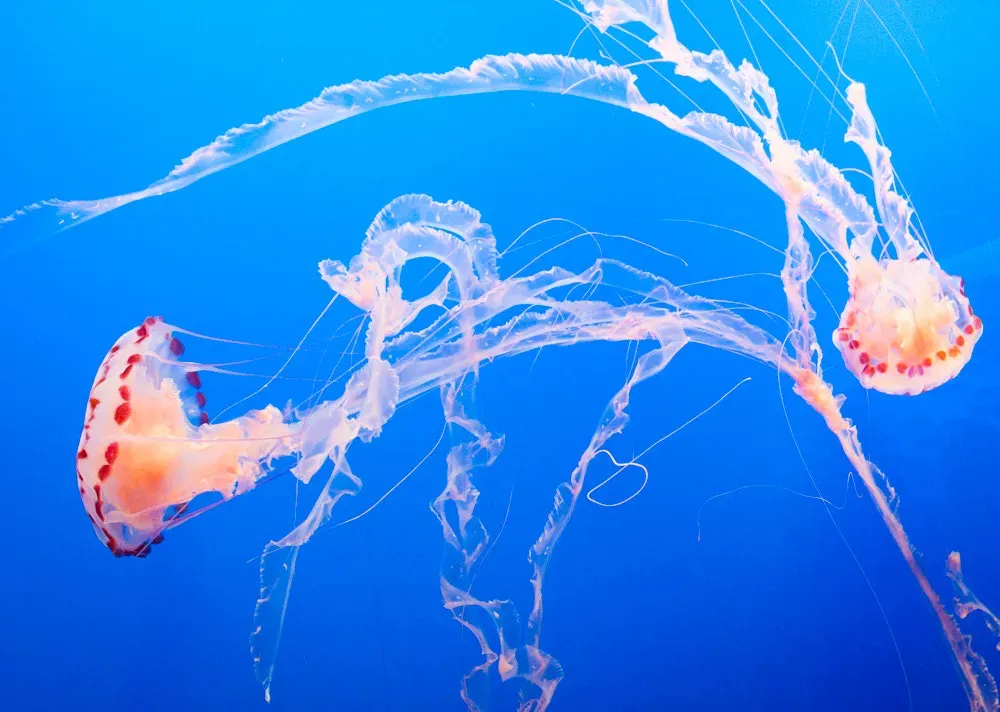
Jellyfish almost feel like minimalistic lifeforms, and that simplicity hides an incredibly long history. Their ancestors show up in some of the earliest complex animal fossils, going back more than five hundred million years to the Ediacaran and Cambrian periods. That puts them on Earth well over twice as long before dinosaurs appeared as dinosaurs have been gone since their extinction.
What really fascinates me is that jellyfish have no bones, no hard shells, not even a brain in the way we think about it, yet their basic design has stayed relevant across half a billion years. Floating bells, trailing tentacles, and stinging cells have been enough to survive in oceans that changed chemistry, temperature, and life around them countless times. If evolution were a design competition, jellyfish would be the quiet contestant that wins by never leaving the stage.
5. Trilobites: Paleozoic Icons That Pre‑Date Dinosaurs by Ages
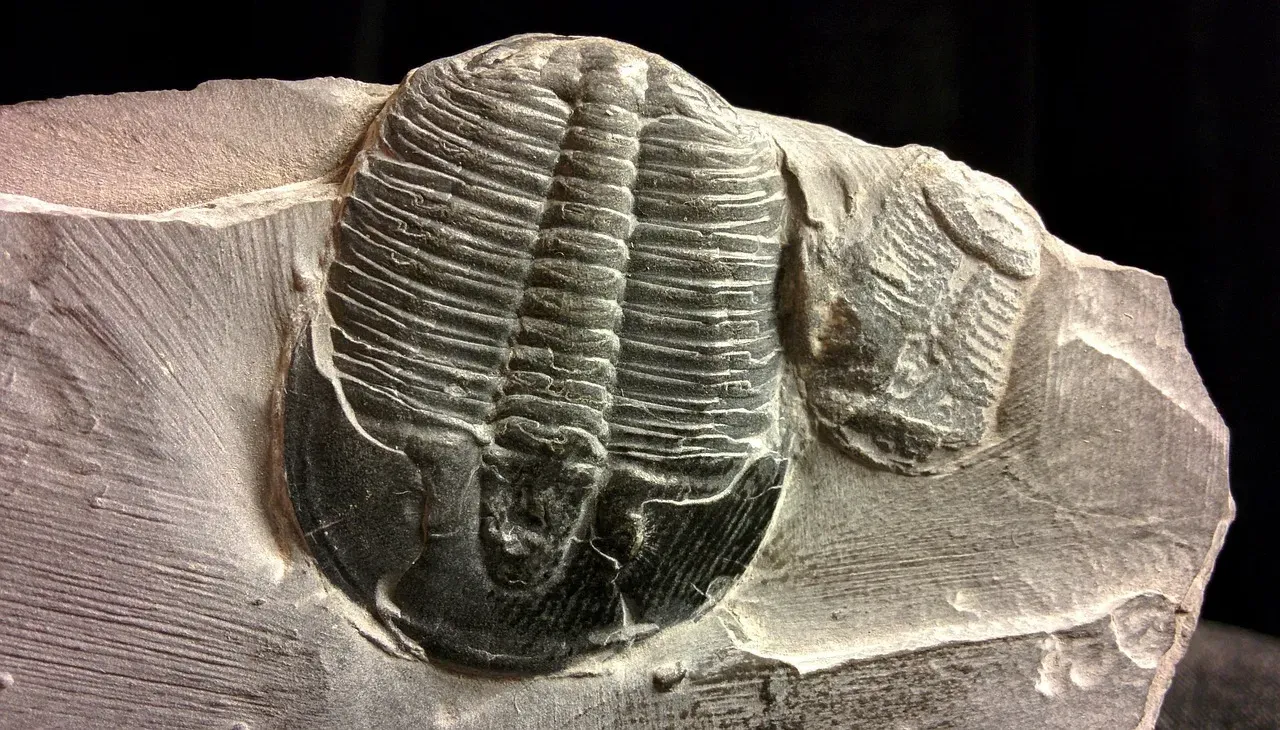
Trilobites are not around today, but they dominated ancient seas for roughly two hundred seventy million years, starting in the early Cambrian more than five hundred million years ago. That means they had already lived out their entire rise and fall, from explosive diversification to final extinction, before the first dinosaurs showed up. To put it bluntly, trilobites were history to dinosaurs in the way dinosaurs are history to us.
These hard‑shelled arthropods came in a wild variety of shapes and sizes, from small, simple forms to elaborate spiny species with complex eyes. They scuttled along seafloors, burrowed, and probably filled roles similar to today’s crustaceans. I always think of them as the classic logo of the Paleozoic ocean, a symbol of a world so old that even its most famous animals were gone long before dinosaur bones started to form in the ground.
6. Sea Sponges: The Almost‑Plants That Preceded Complex Animals
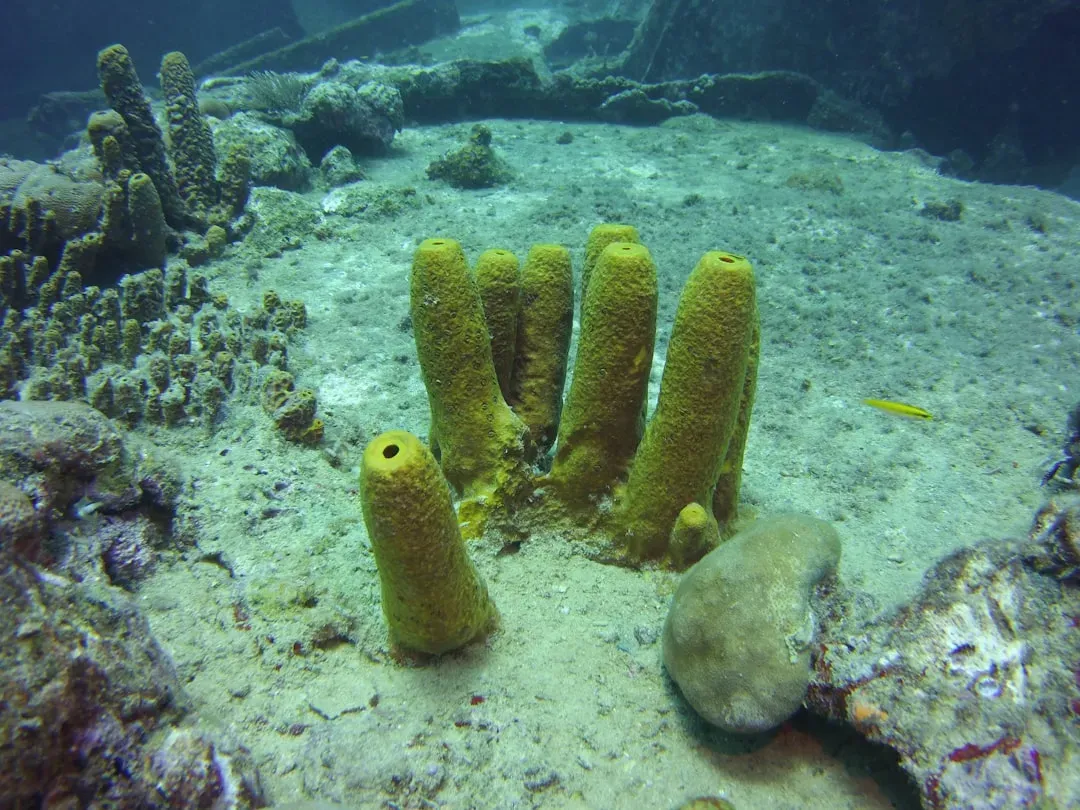
Sea sponges are so simple that people sometimes mistake them for plants or rocks, yet they represent one of the earliest branches of animal life. Fossil and molecular evidence suggests sponge‑like organisms were already present more than six hundred million years ago, even before the big burst of animal diversity in the Cambrian. That puts them unimaginably far back in time compared with the relatively recent appearance of dinosaurs.
Their bodies are basically living filters: porous walls, specialized cells, and flowing water doing all the hard work. In a sense, sponges show how little you actually need to qualify as an animal and still thrive for hundreds of millions of years. While dinosaurs grew horns, crests, and armor plates, sponges just sat quietly on the seafloor, pumping water and minding their own business, proving that complexity is not the only winning strategy.
7. Brachiopods: Shell‑Bearers from a Forgotten World
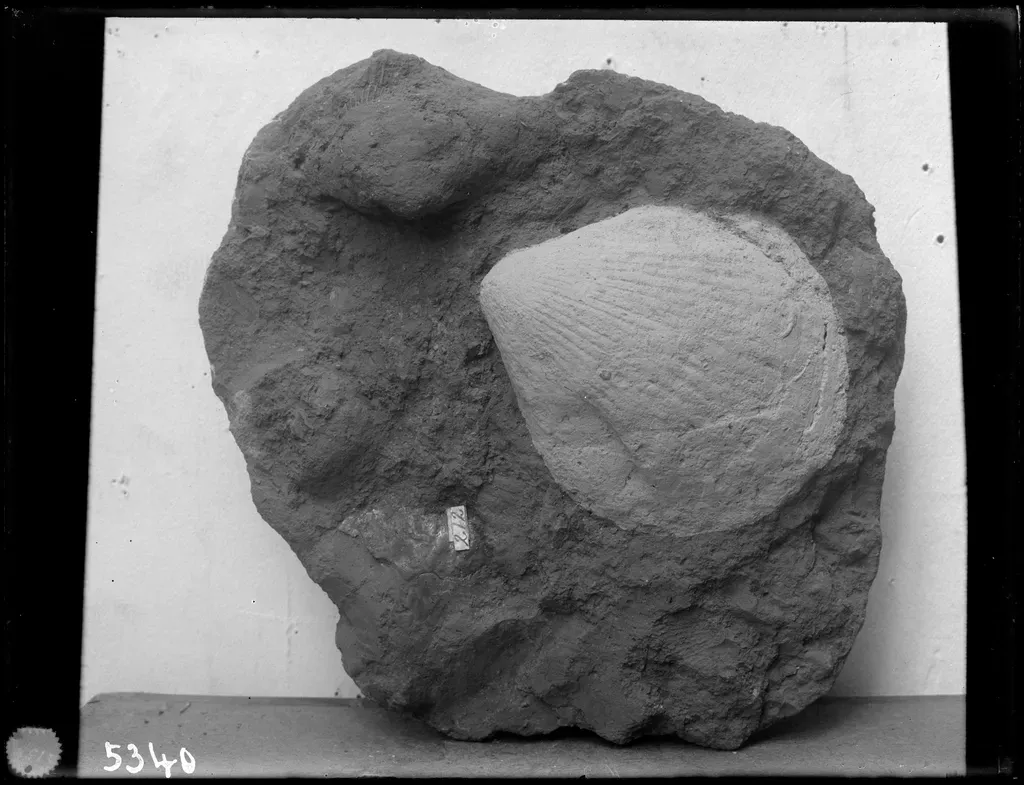
Brachiopods look a bit like clams at first glance, but they belong to a very different and much older lineage. Their fossil record stretches back more than five hundred million years, and during the Paleozoic they were among the most common shelled animals on the seafloor. By the time dinosaurs existed, brachiopods had already survived several mass extinctions and ceded a lot of their former dominance to bivalve mollusks.
What I find strangely charming is that they are still around today, but most people have never heard of them. It is like bumping into an elderly rockstar quietly playing a small venue after having once sold out entire stadiums. While dinosaurs had their meteoric rise and sudden fall, brachiopods just kept hanging on in quieter numbers, a reminder that being ancient does not always mean being gone.
Conclusion: Ancient Does Not Always Mean Dinosaurs
When we talk about ancient animals, our minds jump straight to giant reptiles, but the truth is far more humbling. By the time dinosaurs appeared in the Late Triassic, lineages like horseshoe crabs, nautiluses, sharks, jellyfish, trilobites, sponges, and brachiopods were already seasoned veterans of Earth’s drama, some with histories stretching back hundreds of millions of years before any dinosaur drew breath. Dinosaurs were spectacular, but in the grand timeline they were late arrivals crashing a party that had been going on for ages.
Personally, I think that flips the usual narrative in a really healthy way. Instead of obsessing over size and spectacle, it nudges us to respect quiet resilience and long‑term survival. The world was ancient long before dinosaurs, and many of those early survivors are still here, outlasting even us for now. Next time you see a jellyfish on the beach or a picture of a horseshoe crab, maybe ask yourself: in the story of life on Earth, who are the real legends you did not expect?