When people think of dinosaurs, they usually jump straight to T. rex stomping across a steaming Cretaceous landscape, roaring at anything that moves. But wind the clock back another hundred million years, and you land in a world so alien it makes the age of T. rex look almost familiar. No tyrannosaurs, no flowering meadows, not even the same kinds of continents in the same places.
Roughly one hundred million years before T. rex appeared in the Late Cretaceous, the planet was in the middle of the Jurassic Period, and life was in a very different phase of its story. The giants of that time, the shape of the oceans, even the air itself combined to create a world that would feel like another planet to us. Let’s walk through that older Earth, step by step, and see what was really going on long before the “king” of the dinosaurs ever took its first bite.
A World Without T. rex: Setting the Clock to the Middle Jurassic
T. rex lived around the very end of the Cretaceous Period, roughly about sixty six million years ago. If you jump back another hundred million years, you land somewhere in the middle of the Jurassic, a time when the dinosaurs were already ruling the land but looked nothing like the celebrities you see in movies. The classic heavy-headed tyrannosaurs simply did not exist yet; their ancestors were still small, relatively unremarkable predators in the background.
Instead of a landscape dominated by towering tyrants and frilled ceratopsians, the Middle Jurassic was shaped by different players and different rules. Think of it like tuning into your favorite long-running TV show, but many seasons earlier: the world is familiar enough to recognize, yet the cast, tone, and even the scenery are surprisingly different. The story of life was already deep and complex, but the big plot twists that would bring T. rex onto the stage were still a long way off.
Pangaea Breaks Apart: Continents on the Move
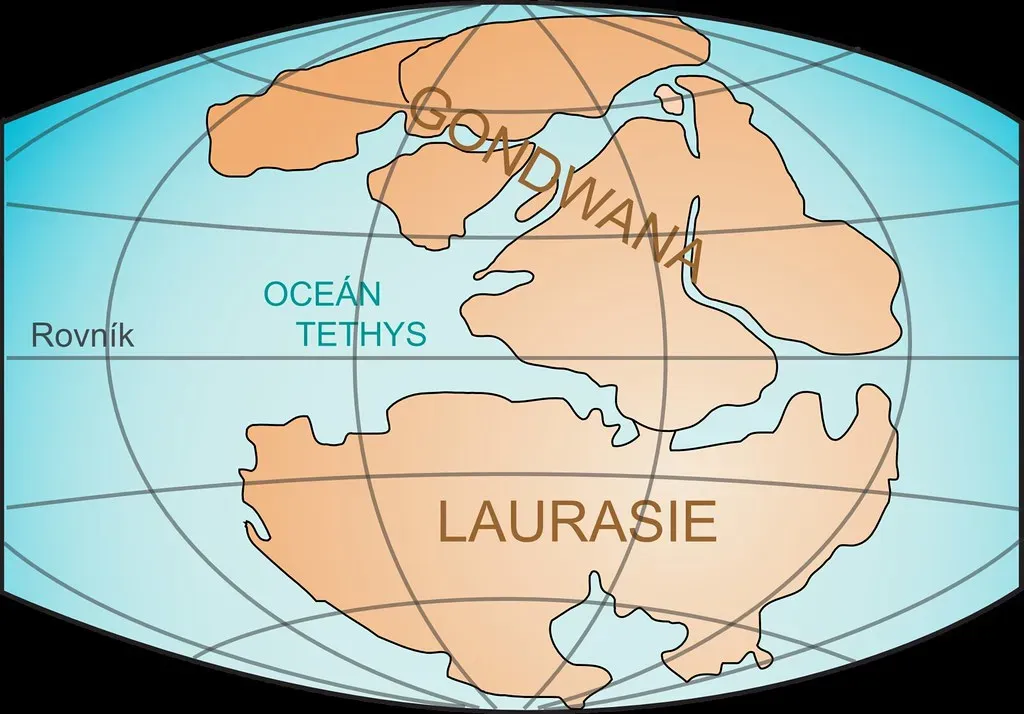
A hundred million years before T. rex, Earth’s continents were still in the process of tearing themselves away from the supercontinent Pangaea. Huge rifts were opening, proto-Atlantic waters were beginning to spread, and land that would one day become North America, Europe, Africa, and South America was stretching and cracking like a slowly ripping phone screen. This slow-motion continental drama reshaped coastlines and created long chains of new shallow seas.
Those shifting plates did more than redraw the map; they sculpted entire ecosystems. As continents drifted apart, populations of animals and plants began to split, adapt, and evolve along separate paths, setting the stage for the huge variety of dinosaur groups that would appear later. New coastlines meant new marine habitats, while rising mountain ranges and expanding deserts created sharp environmental contrasts. The world T. rex inherited much later was already being built, piece by tectonic piece, during this restless Jurassic age.
Warm, Steamy, and Supercharged: The Climate of a Greenhouse Earth
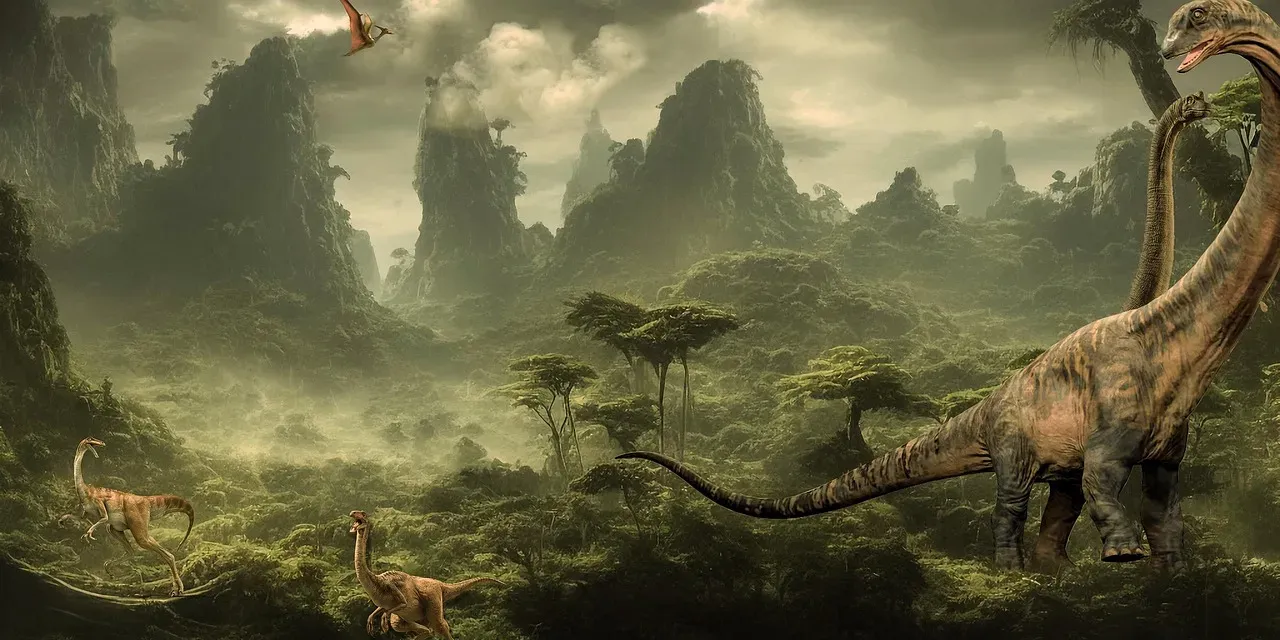
The Middle Jurassic climate was a greenhouse world with no polar ice caps and higher sea levels than today. Temperatures were generally warm from equator to poles, and seasonal extremes were softer, more like a planet wrapped in a slightly too-thick blanket. Instead of icy caps, high latitudes likely hosted conifer forests and wetlands, creating surprisingly lush environments even far from the equator.
This warm, moist climate fueled dense vegetation and long growing seasons in many regions, which in turn supported enormous plant-eating dinosaurs. It also meant that storms, monsoons, and regional droughts could be intense and persistent. If you could stand in a Jurassic floodplain, you might experience humid air, frequent cloud cover, and periodic torrential rains, more like an endless tropical summer than the sharply divided seasons many of us are used to now.
Before Tyrants: The Dinosaur Cast of the Middle Jurassic
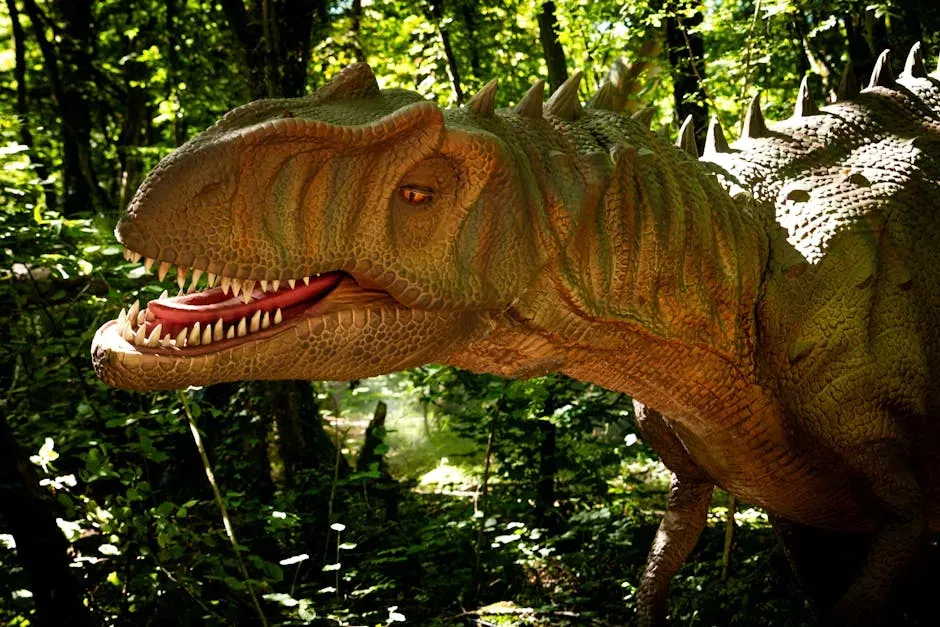
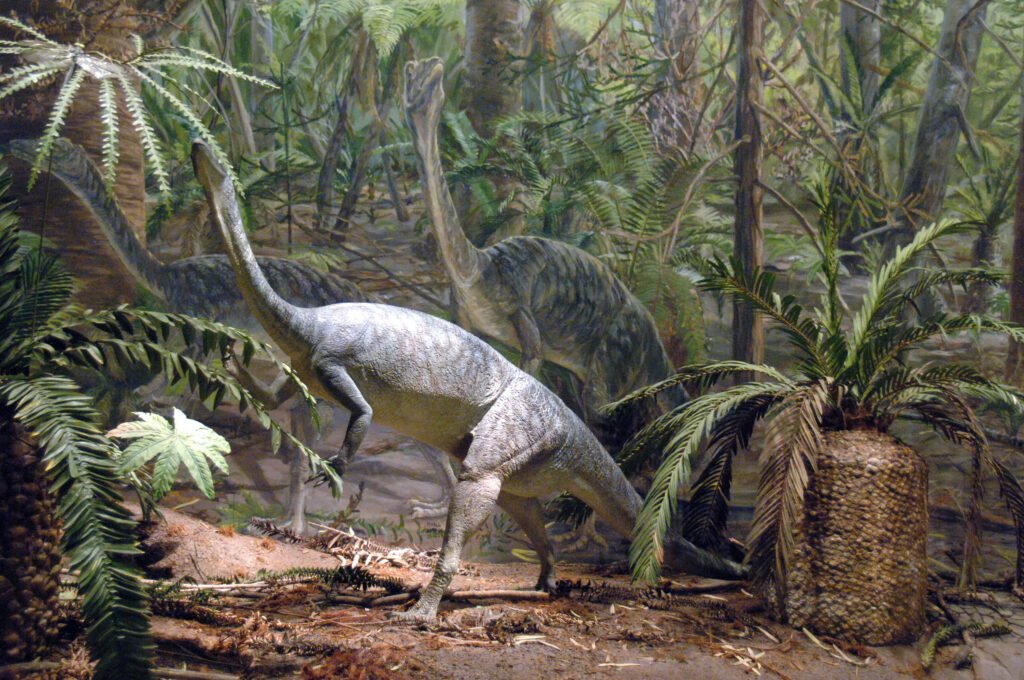
With T. rex still far in the future, other dinosaur lineages dominated the scene. Long-necked sauropods such as early relatives of later celebrities were already stretching their necks to strip leaves from tall conifers, forming living herds that must have looked like moving forests of flesh and bone. These plant-eating giants, some already impressively massive, shaped their environment simply by eating, trampling, and migrating across vast distances.
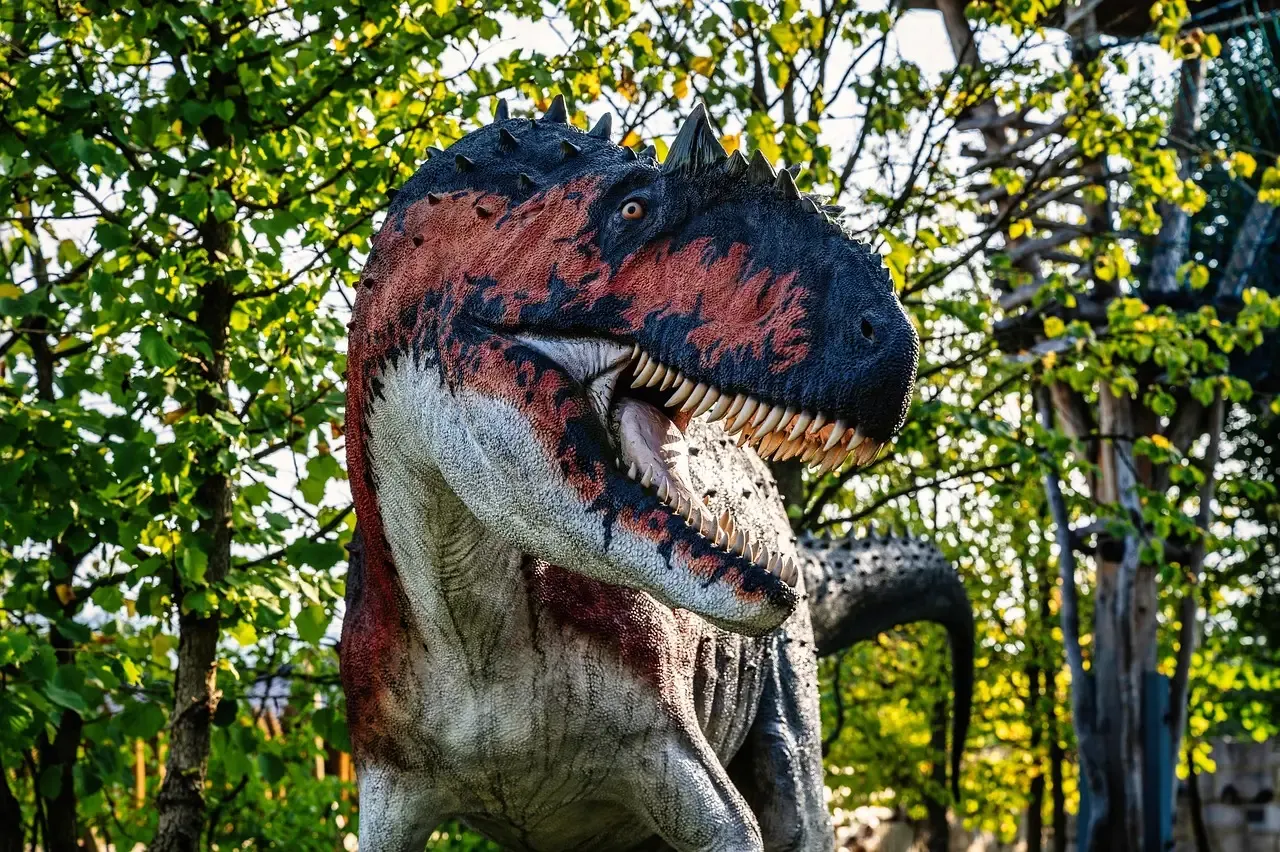
On the predator side, medium to large theropods filled the role of top hunters. Instead of boxy-headed tyrannosaurs, you had more lightly built carnivores with long arms and flexible bodies, well adapted to chasing or ambushing prey in forests and open plains. Smaller dinosaurs scurried underfoot, with early bird-like forms beginning to experiment with feathers and gliding. The overall picture was one of a well-established dinosaur world, but with a different lineup than the one posters and toys usually celebrate.
The True Sea Monsters: Marine Reptiles Rule the Oceans
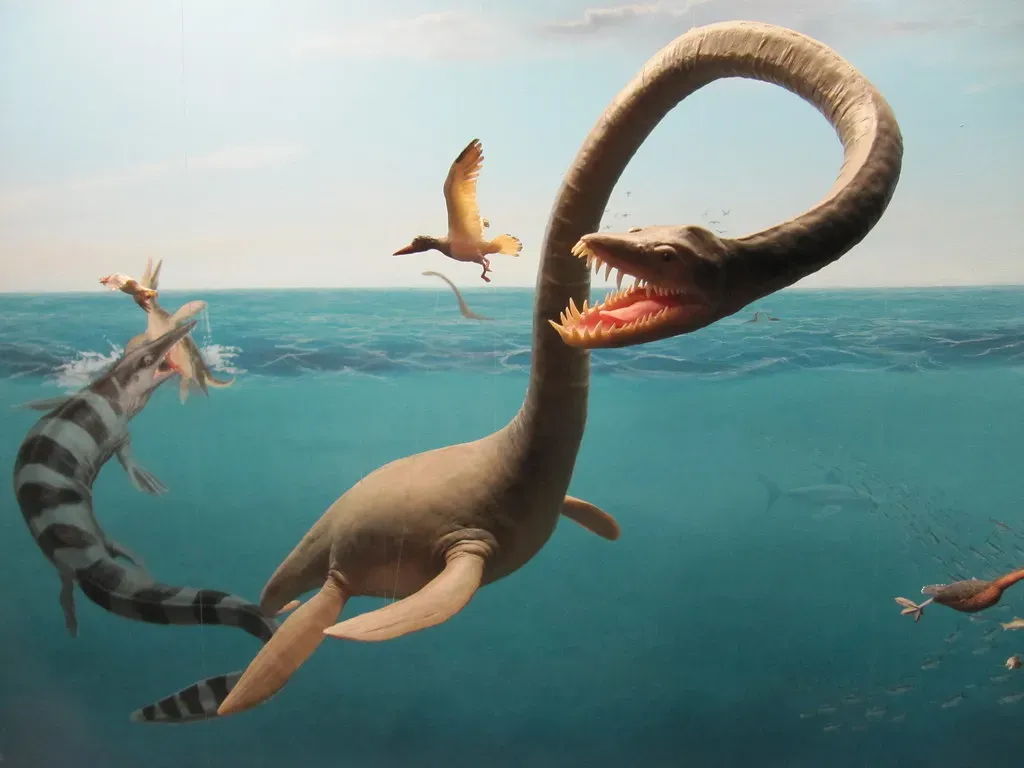
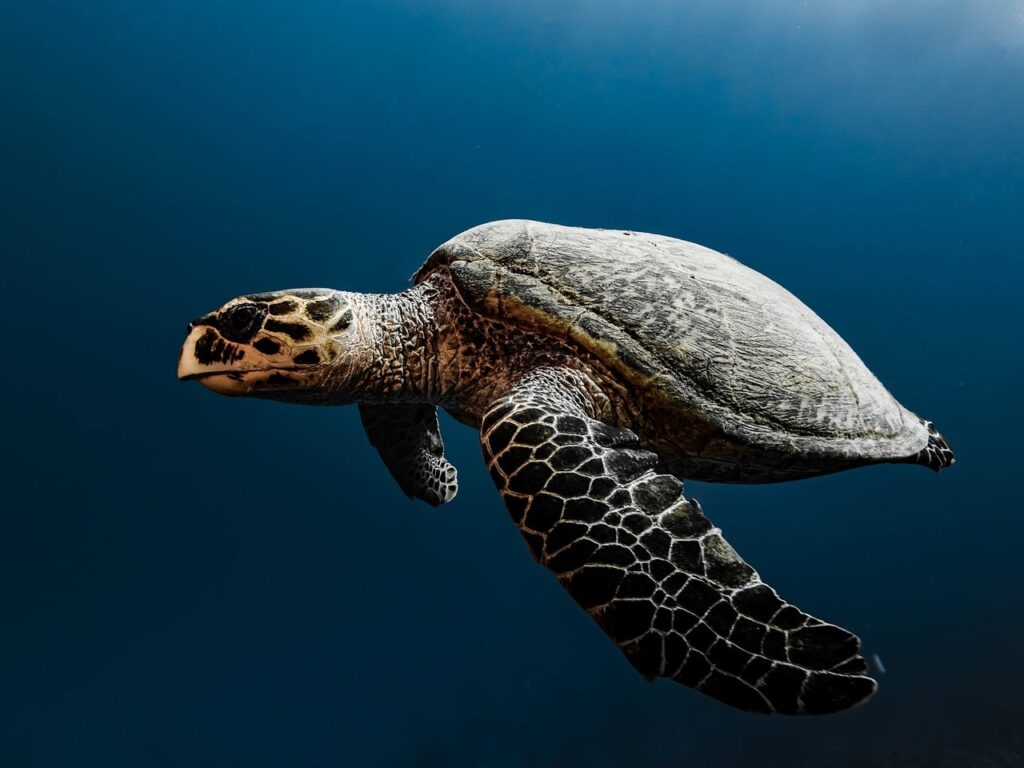
While land was ruled by dinosaurs, the oceans were the realm of marine reptiles that make even T. rex look modest. Ichthyosaurs, shaped like turbocharged dolphins, sliced through the water after fish and squid. Long-necked plesiosaurs cruised above deeper waters, their tiny heads and long necks snaking through schools of prey, while their flippers drove them like underwater rowboats with four oars.
In coastal and shallower seas, pliosaur-type reptiles with massive heads and short necks became some of the most formidable marine predators on Earth. Imagine jaws lined with conical teeth closing around a struggling reptile or giant fish in greenish, sediment-rich water. These animals were not dinosaurs, but in their own domain they were every bit as fearsome and dominant, proving that the age before T. rex had its own apex hunters that would have turned even tyrants into lunch if they ever met in the wrong environment.
Forests of Conifers and Ferns: A Flowerless Plant World
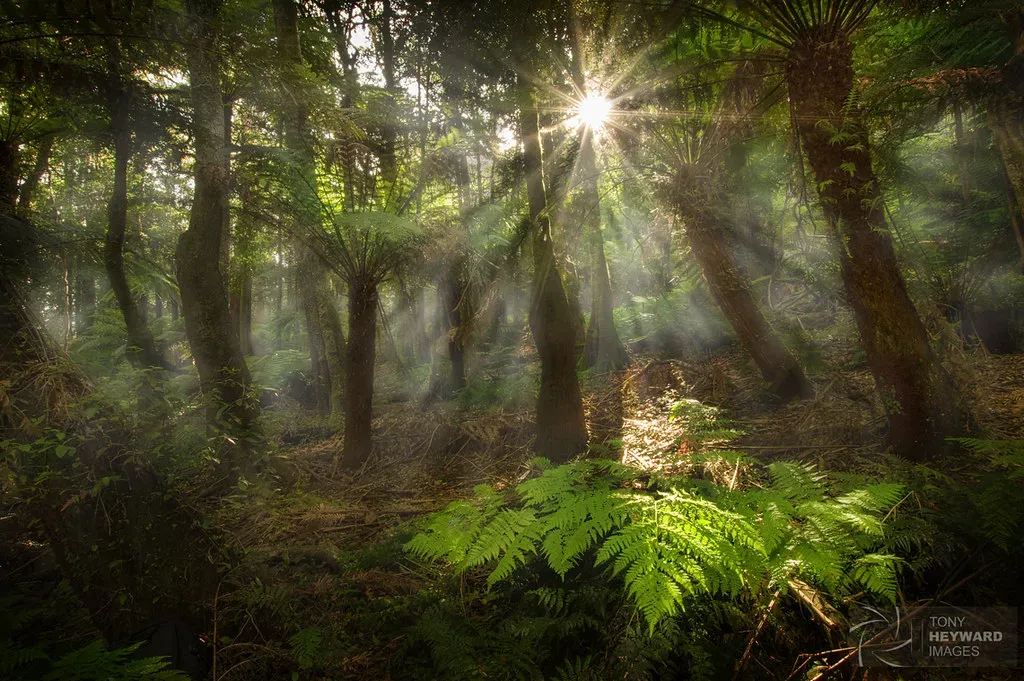
One of the strangest things about walking through a Middle Jurassic landscape would be the complete absence of flowering plants. No grass lawns, no blooming wildflowers, no fruit trees heavy with apples or cherries. Instead, the plant world was dominated by conifers, cycads, ginkgos, and vast carpets of ferns, giving forests a mood closer to a primeval, mossy fantasy world than a modern park.
This different plant base meant herbivores fed in different ways and on different textures: tougher needles, fronds, and woody structures instead of soft leaves and grass. The lack of flowering plants also meant different pollinators and fewer of the buzzing, colorful insect communities we take for granted. Life was thriving, but in a slower, more ancient mode, like a soundtrack without certain familiar instruments yet added.
Small but Crucial: Early Mammals and Other Hidden Players
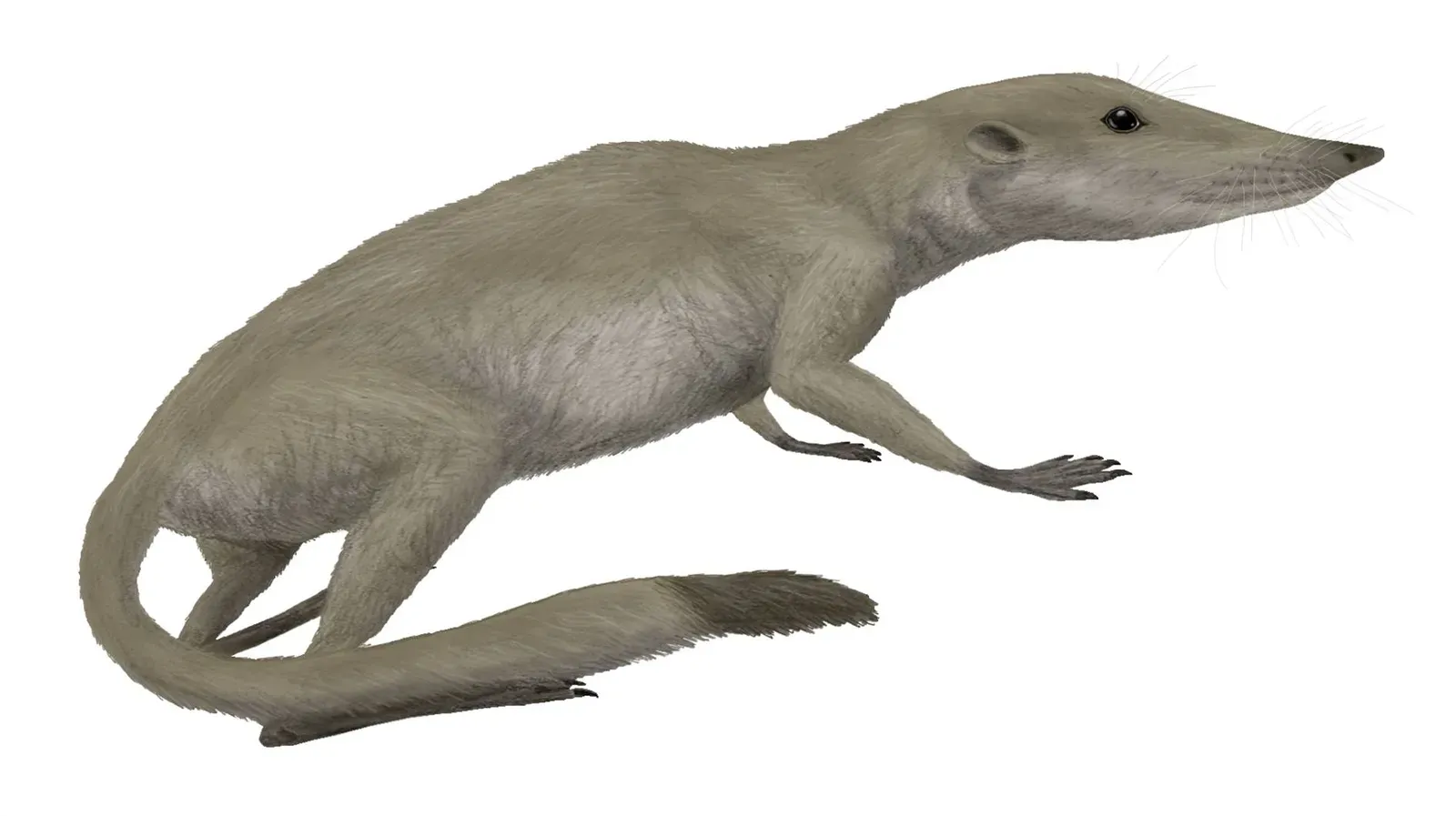
A hundred million years before T. rex, mammals were already around, but you would probably overlook them at first glance. Most were small, shrew-like or rodent-sized creatures, often nocturnal, feeding on insects, seeds, or small vertebrates. They lived in burrows, trees, and crevices, surviving in the shadow of dinosaurs without yet challenging them for center stage.
Yet these tiny, often overlooked animals were quietly laying the groundwork for the future. They were experimenting with new tooth shapes, more advanced brains, and diverse lifestyles that would eventually explode after the end-Cretaceous extinction. Alongside them, early relatives of modern amphibians, reptiles, and countless insect lineages were evolving and diversifying. While the big dinosaurs stole the visual spotlight, the future of life on land was quietly being written in the bodies of these small, persistent survivors.
Rumbles in the Deep: Volcanism, Oceans, and Subtle Crises
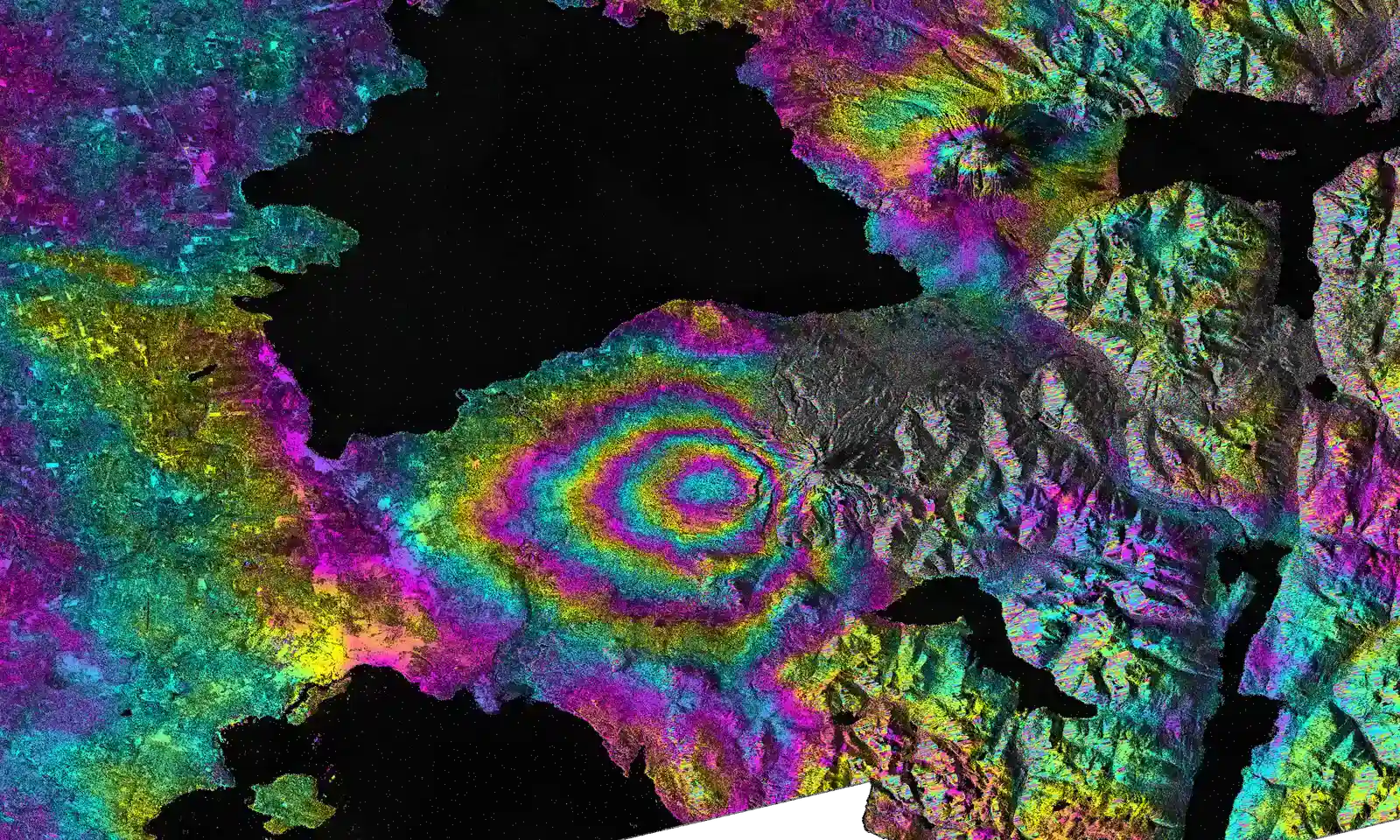
The Middle Jurassic was not just a peaceful, humid paradise; it was a time of powerful volcanic activity and changing ocean chemistry. As continents rifted apart, magma rose, creating new crust and spilling lava over huge areas, belching gases into the atmosphere. These processes could trigger regional warming spikes, shifts in rainfall, and occasional stress on ecosystems already finely balanced with the climate.
In the oceans, changes in circulation and nutrient levels sometimes led to low-oxygen conditions in deeper waters. While not as catastrophic as some later events, these episodes could still reshape marine life, favoring some groups and hurting others. It is a useful reminder that, long before the dramatic asteroid strike that ended the age of T. rex, Earth’s systems were already testing and pressuring life through slower, more drawn-out crises.
Why This Ancient World Matters More Than T. rex’s Stardom
It is tempting to treat T. rex as the peak of dinosaur evolution, as if everything before it was just a warm-up act. But when you look closely at the world one hundred million years earlier, it becomes obvious that the real magic of Earth’s history lies in long, patient change rather than single blockbuster species. The splitting of continents, the rise of early giants, the spread of conifer forests, and the quiet persistence of tiny mammals all shaped the future in ways T. rex could never control.
My opinion is that the Middle Jurassic deserves far more attention in popular culture than it gets, precisely because it shows how deep time really works. The heroes of that age are mostly anonymous to the general public, yet they built the ecological and evolutionary stage that would later produce icons like Tyrannosaurus. When you realize that, T. rex stops looking like the start of the story and becomes what it really is: a late, spectacular twist in a saga that had already been running for hundreds of millions of years. Next time you picture a dinosaur, will you still default to T. rex, or will you imagine the humid, flowerless forests and strange seas of the world that came long before it?