The buzz of bees is one of nature’s most familiar sounds, a constant reminder of these industrious pollinators that help sustain our ecosystems and food supply. But bees haven’t always been part of Earth’s biological tapestry. Their evolutionary history spans millions of years, overlapping with some of Earth’s most iconic prehistoric creatures—the dinosaurs. This fascinating timeline raises intriguing questions about when bees first evolved, how they developed alongside flowering plants, and whether dinosaurs might have interacted with these early pollinators. The story of bees’ emergence takes us on a journey through deep time, revealing surprising connections between creatures separated by millions of years yet bound by ecological relationships that helped shape our modern world.
The Ancient Origins of Bees

Bees first appeared in the fossil record approximately 100 million years ago during the mid-Cretaceous period. This timeline places their emergence squarely within the Age of Dinosaurs, which spanned from about 245 to 66 million years ago. The earliest definitive bee fossil discovered is preserved in amber from Myanmar (formerly Burma) and dates to about 100 million years ago. This specimen, named Melittosphex burmensis, was tiny—only about 3 millimeters long—but displayed characteristics that clearly identified it as a transitional form between wasps and modern bees. Scientists believe bees evolved from predatory wasps that gradually shifted from hunting prey to collecting pollen as their primary food source. This evolutionary leap represented one of nature’s most consequential transitions, setting the stage for the critical pollinator relationships that would eventually become essential to terrestrial ecosystems.
From Wasps to Bees: The Evolutionary Transition

The transformation from predatory wasp to pollen-collecting bee didn’t happen overnight but unfolded through a series of adaptations over millions of years. Ancestral wasps were carnivores that hunted and paralyzed insects to feed their young. Some wasp species began supplementing their protein-rich insect diet with carbohydrate-rich nectar from plants. Gradually, certain wasp lineages specialized more in plant visitation and less in predation. The defining characteristic that separates bees from their wasp ancestors is their branched or plumose body hairs, which are specially adapted for collecting pollen. Early bees developed these specialized hairs along with broadened hind legs that served as pollen baskets. Additionally, their mouthparts evolved to better access and handle flower nectar and pollen. This shift in diet and lifestyle represents one of evolution’s most important transitions, creating an entirely new ecological niche that would prove vital to the success of flowering plants.
The Rise of Flowering Plants and Bees

The emergence of bees is inextricably linked to the evolution and diversification of angiosperms—flowering plants—which first appeared in the fossil record around 130-140 million years ago. This timing is no coincidence, as bees and flowering plants developed a mutually beneficial relationship that helped both groups thrive. As flowering plants evolved increasingly complex blooms, early bees developed specialized adaptations to more efficiently collect and transport pollen. This co-evolutionary relationship, known as mutualism, became one of nature’s most successful partnerships. The diversification of flowering plants accelerated dramatically during the mid-Cretaceous period, coinciding with the appearance of the first bees. By 100 million years ago, flowering plants had begun to dominate many terrestrial ecosystems, providing abundant opportunities for bee species to specialize and diversify. This relationship fundamentally altered Earth’s landscapes and created the foundation for the rich plant diversity we see today.
Amber: A Window into Prehistoric Bee Life

Much of what scientists know about prehistoric bees comes from specimens preserved in amber, fossilized tree resin that can preserve organisms in exquisite detail for millions of years. Amber acts as a time capsule, capturing not just the external features of ancient bees but sometimes even internal structures, pollen they were carrying, and traces of their behavior. The amber from Myanmar has been particularly valuable for bee researchers, yielding several specimens from approximately 100 million years ago. These amber-preserved specimens allow scientists to observe minute details such as wing venation patterns, mouthpart structures, and the all-important branched hairs that define bees. In some remarkable cases, amber has preserved bees in the act of collecting pollen, providing direct evidence of their ecological role in ancient ecosystems. The analysis of pollen grains attached to these prehistoric bees even reveals which plant species they visited, offering insights into ancient pollination networks that would otherwise be impossible to reconstruct.
Did Dinosaurs and Bees Coexist?
Based on the fossil record, bees and dinosaurs definitely shared Earth for at least 35 million years. With bees appearing around 100 million years ago and dinosaurs (excluding birds) going extinct during the Cretaceous-Paleogene extinction event 66 million years ago, there was substantial temporal overlap between these two groups. During this time, the landscape was dominated by dinosaurs while the air buzzed with primitive bees and other flying insects. The Cretaceous period featured a diverse array of dinosaur species, including famous groups like the tyrannosaurs, hadrosaurs, ceratopsians, and the last of the sauropods. These dinosaurs inhabited ecosystems that were increasingly characterized by flowering plants—the same plants that early bees pollinated. While we cannot observe these interactions directly, the ecological stage was certainly set for dinosaurs and bees to have been aware of each other’s presence, even if they didn’t interact directly in the way modern animals interact with bees.
How Bees May Have Influenced Dinosaur Diets

While no direct evidence exists of dinosaurs eating bees, the ecological relationship between dinosaurs and bees likely centered around plants that both groups relied upon. Herbivorous dinosaurs benefited from the pollination services that bees provided to flowering plants, which increasingly became important food sources during the Cretaceous period. As bees helped angiosperms diversify and spread, they indirectly expanded and improved the plant food resources available to herbivorous dinosaurs. Some smaller dinosaurs, particularly bird-like species, might have consumed bees directly as a protein source, similar to how many modern birds eat insects. Additionally, some dinosaurs may have consumed honey if they could access bee nests, as many animals do today. Paleontologists have found evidence of insectivorous behavior in some small theropod dinosaurs, suggesting they might have included bees in their diet when opportunity allowed. Though speculative, these potential interactions highlight the complex food webs that existed in Cretaceous ecosystems.
Did Dinosaurs Get Stung?
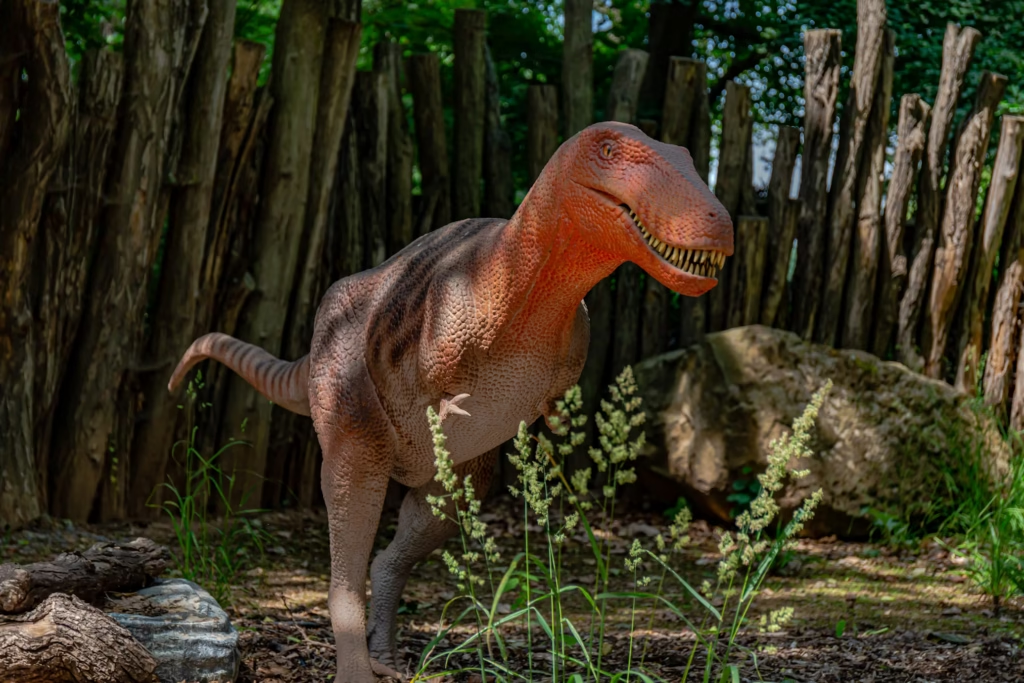
While it’s impossible to know with certainty, dinosaurs likely encountered stinging insects, including early bees. However, the stinging apparatus in early bees was probably less developed than in modern species. The earliest bees evolved from wasps that used their ovipositors (egg-laying structures) as defensive weapons, which gradually evolved into specialized stingers in bees. For larger dinosaurs, bee stings would have been minor irritations at most, given their thick skin and massive size compared to the tiny early bees. Smaller dinosaurs, particularly those with less protected areas like eyelids or mouths, might have been more vulnerable to stings. Some paleontologists speculate that dinosaurs may have developed behavioral adaptations to avoid nests of stinging insects, similar to how many modern animals give beehives a wide berth. Interestingly, some modern birds (which are technically dinosaurs themselves) have developed specific behaviors to deal with stinging insects, suggesting such adaptations could have ancient origins.
Social Structure of Prehistoric Bees

Unlike modern honey bees, which live in complex colonies with specialized castes, most early bees were likely solitary creatures. The sophisticated social structures we associate with bees today—queens, workers, and drones living in organized hives—evolved gradually over millions of years. Early bee species probably resembled modern solitary bees, where females independently build nests, collect pollen, and lay eggs without the cooperative structure seen in honey bees. The first social bees likely emerged sometime after the dinosaur extinction event, meaning that dinosaurs probably never encountered the large, organized hives familiar to us today. Primitive social behavior may have begun with mothers and daughters nesting together or sharing resources, gradually developing into more complex arrangements. Evidence suggests that true eusociality—the highly organized social structure with reproductive division of labor—evolved independently multiple times in bees, with the earliest probable instances appearing in the Eocene epoch, long after dinosaurs had disappeared.
How Bees Survived the Dinosaur Extinction

When the Chicxulub asteroid struck Earth 66 million years ago, triggering the extinction of non-avian dinosaurs, bees somehow managed to survive this catastrophic event. Their survival likely hinged on several key adaptations. The relatively small size of bees may have been advantageous, allowing them to require less food and potentially shelter in protected microhabitats during the immediate aftermath of the impact. Many bee species nest underground, which could have provided crucial protection from the initial heat pulse and subsequent environmental changes. Additionally, bees’ ability to feed on a variety of flowering plants likely helped them adapt as ecosystem composition changed dramatically. The plant-pollinator relationships they had established proved remarkably resilient, with both flowering plants and their bee pollinators persisting through the extinction boundary. This survival represents one of evolution’s most fortunate outcomes, as the continued existence of bees allowed for the recovery and diversification of flowering plant ecosystems in the aftermath of the extinction event.
The Diversification of Bees After Dinosaurs
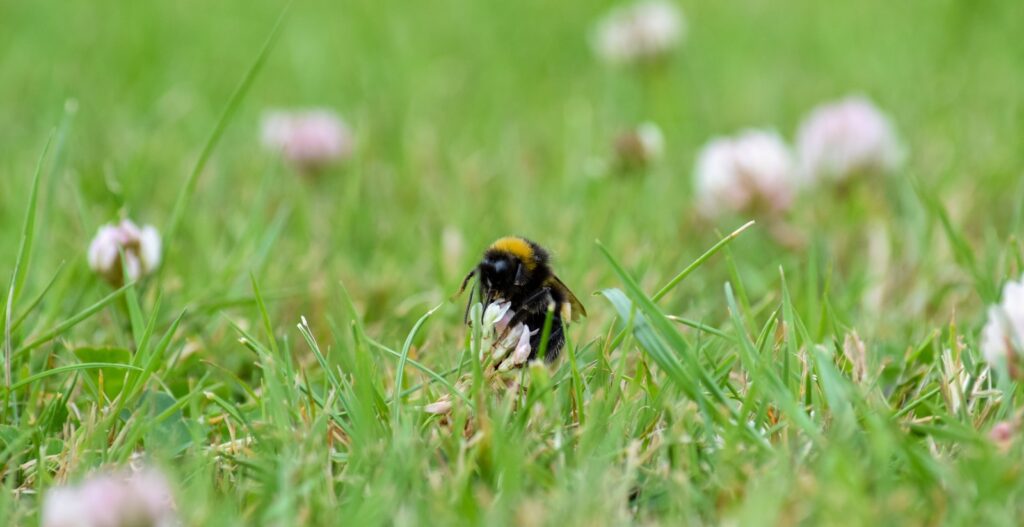
Following the extinction of non-avian dinosaurs, bees experienced a remarkable adaptive radiation during the Cenozoic era. As mammals rose to ecological dominance and flowering plants continued to diversify, bees evolved into the thousands of species we recognize today. Major bee families like Apidae (honey bees and bumble bees), Megachilidae (leafcutter bees), and Halictidae (sweat bees) all diversified during this period. The evolution of grasslands during the Miocene epoch (about 23-5 million years ago) created new niches for both plants and their bee pollinators. Advanced social structures, including the elaborate colonies of honey bees, evolved during this post-dinosaur period as well. Climate fluctuations, including ice ages, drove further adaptations and specializations among bee lineages. By the time humans appeared on Earth, bees had already established themselves as keystone species in most terrestrial ecosystems, though they retained genetic and morphological connections to their Cretaceous ancestors that had once shared the planet with dinosaurs.
Modern Relatives of Cretaceous Bees

Among today’s approximately 20,000 known bee species, some groups represent more ancient lineages that share characteristics with the earliest bees from the Cretaceous period. Melittid bees (family Melittidae) are often considered among the most primitive living bees, retaining features that resemble those of early bee ancestors. These “basal” bee families typically have less specialized pollen-collecting structures and simpler nesting behaviors compared to more derived groups like honey bees. Another ancient lineage is represented by the family Colletidae, which includes plasterer bees that line their nests with a cellophane-like secretion, a behavior thought to have evolved early in bee history. Masarid wasps, while not bees, represent an interesting evolutionary parallel—they’re wasps that independently evolved to feed their young on pollen rather than insect prey, similar to what occurred in the wasp-to-bee transition. By studying these living representatives of ancient lineages, scientists can better understand what early bees might have looked like and how they behaved during the time of dinosaurs.
Reconstructing Ancient Bee-Flower Relationships
Paleobotanists and paleoentomologists work together to reconstruct the relationships between ancient bees and the flowers they pollinated during the Cretaceous period. By analyzing pollen preserved with bee fossils, scientists can identify which plant species early bees visited. These studies reveal that early angiosperms often had simple, open flowers that gradually evolved more complex structures in response to their relationships with pollinators. Some Cretaceous plant groups that were likely pollinated by early bees include magnolias, water lilies, and plants related to modern laurels. The pollen recovered from Cretaceous bees tends to be from a variety of plant species, suggesting they were generalists rather than specialists. This differs from many modern bee species that have evolved to pollinate specific plant types. Through careful analysis of flower and bee fossils from the same time periods and locations, researchers can piece together pollination networks that existed when dinosaurs still roamed the Earth. These ancient ecological relationships provide valuable context for understanding how modern plant-pollinator systems evolved and function.
The Lasting Legacy of Cretaceous Bees
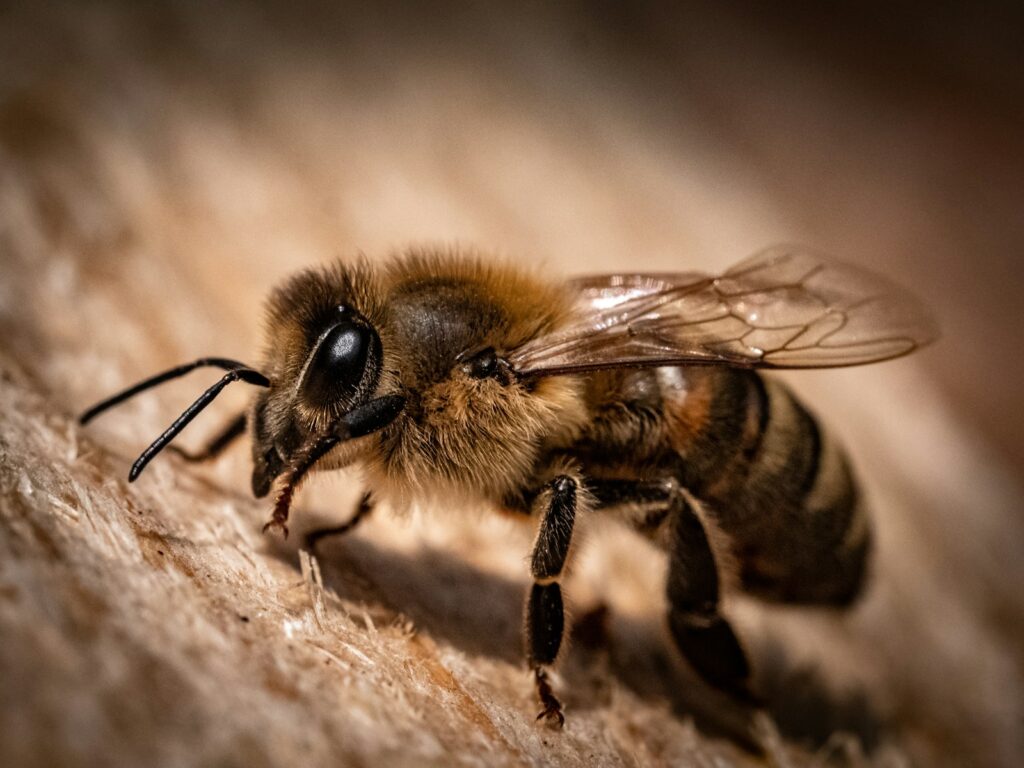
The evolutionary innovations that occurred when bees first appeared during the Cretaceous period continue to reverberate through Earth’s ecosystems today. The plant-pollinator relationships established over 100 million years ago laid the groundwork for the extraordinary diversity of flowering plants that now dominate terrestrial landscapes. Approximately 80% of flowering plant species depend to some degree on animal pollination, with bees being the most important group of pollinators. This relationship, first established when dinosaurs still walked the Earth, now helps produce about one-third of the food humans consume. The co-evolutionary partnership between bees and flowering plants has shaped not just their own evolutionary trajectories, but the development of entire ecosystems and food webs. Even as modern bees face unprecedented threats from habitat loss, pesticides, and climate change, their fundamental ecological role remains unchanged from that of their Cretaceous ancestors. The persistence of this ancient relationship underscores the remarkable stability of some ecological interactions, spanning vast stretches of time from the age of dinosaurs to the present day.
Conclusion

From their humble origins alongside dinosaurs to their current status as essential ecosystem engineers, bees have maintained a consistent evolutionary presence for over 100 million years. Though we’ll never know for certain if a Tyrannosaurus rex ever swatted at an annoying bee or if a Triceratops browsed on flowers that depended on bee pollination, the fossil record makes clear that these ancient pollinators shared their world with dinosaurs for millions of years. As we face modern challenges to bee populations, perhaps there’s wisdom in recognizing that these remarkable insects have already survived one mass extinction event. Their evolutionary story—intertwined with flowering plants and witnessed by dinosaurs—represents one of nature’s most enduring and consequential partnerships, a relationship that has helped shape the living world as we know it today.