You probably grew up with the idea that archaeology is how you learn about the deep past: carbon dates, stone tools, bone fragments, and careful excavation grids. What you rarely get told is that ancient cultures across the Americas were not blindly stumbling through time, unaware of what came before them. They had their own ways of remembering, recording, and reinterpreting the worlds of their ancestors, and a lot of that knowledge still echoes today.
When you start to look closely at rock art, oral traditions, sacred landscapes, and the ways tools and monuments evolved, a pattern appears: people were constantly talking to their own prehistory. They mapped the actions of earlier beings onto cliffs, embedded geological disasters in stories, and built new monuments on top of older sacred places. You are not just looking at scattered, isolated cultures; you are looking at a continent‑wide conversation with the past that lasted thousands of years.
You Read the Land the Way They Once Did
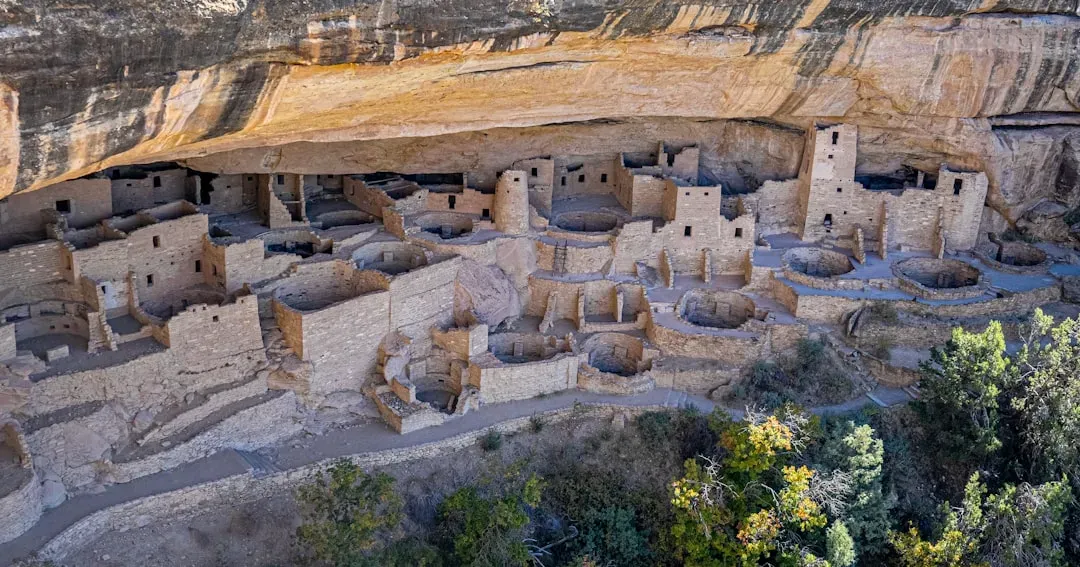
If you walk through a canyon in the American Southwest or the High Plains with an archaeologist and an Indigenous knowledge keeper, you quickly realize you are not just hiking, you are reading. The cliffs, dunes, and old shorelines are full of traces from Paleoindian hunters who tracked mammoths and ancient bison as the last Ice Age ended. Stone projectile points from traditions like Clovis and Folsom, some more than ten thousand years old, still turn up in places where those animals once gathered at water or crossed narrow passes, marking paths that later peoples could see, touch, and learn from.
Over time, later hunter‑gatherers and early farmers moved through those same corridors, seeing ancient kill sites, old camps, and sometimes fossil bones weathering out of the soil. You can imagine how a half‑buried mammoth bone or an old fluted spear point would demand an explanation. Instead of treating these things as meaningless debris, people folded them into their understanding of how the land itself had a biography: an age of giants, an age of powerful hunters, and then their own present. When you train yourself to notice ridges, dune lines, and eroded river terraces, you are starting to see the same layers of time that ancient cultures read into the landscape around them.
You Inherit Stories That Remember Real Catastrophes
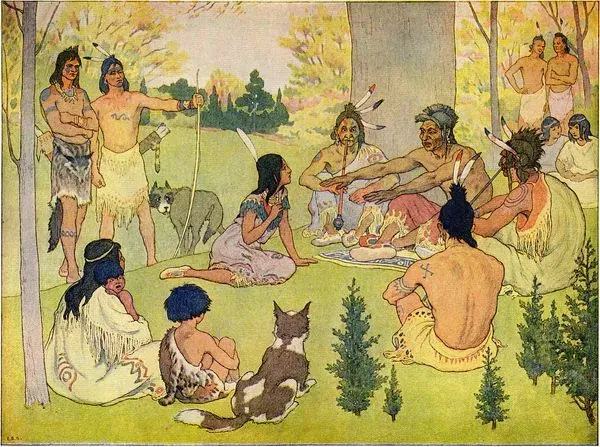
Think about the last time you heard a dramatic story about a great flood, a shaking earth, or a battle in the sky. In the myth traditions of many Native nations along the Pacific Northwest, the tale of a great bird contending with a sea creature, or of the ocean suddenly roaring inland, is not just entertainment. When geologists discovered evidence of a massive earthquake and tsunami along the Cascadia coast just a few centuries ago, they found that Indigenous oral histories already described terrifying waves and sinking villages in striking detail.
Those stories are not limited to one corner of the continent. Across North America, you find narratives of lands that used to be underwater, rivers that suddenly changed course, or mountains that split apart. When you listen closely, you are hearing ancient communities make sense of real geological and climatic events in their own language. The result is that you, today, can use those stories as another line of evidence about what the world looked and felt like thousands of years ago, proof that people were actively interpreting and preserving memories of their own prehistoric disasters.
You Walk Through Rock Art That Maps Deep Time
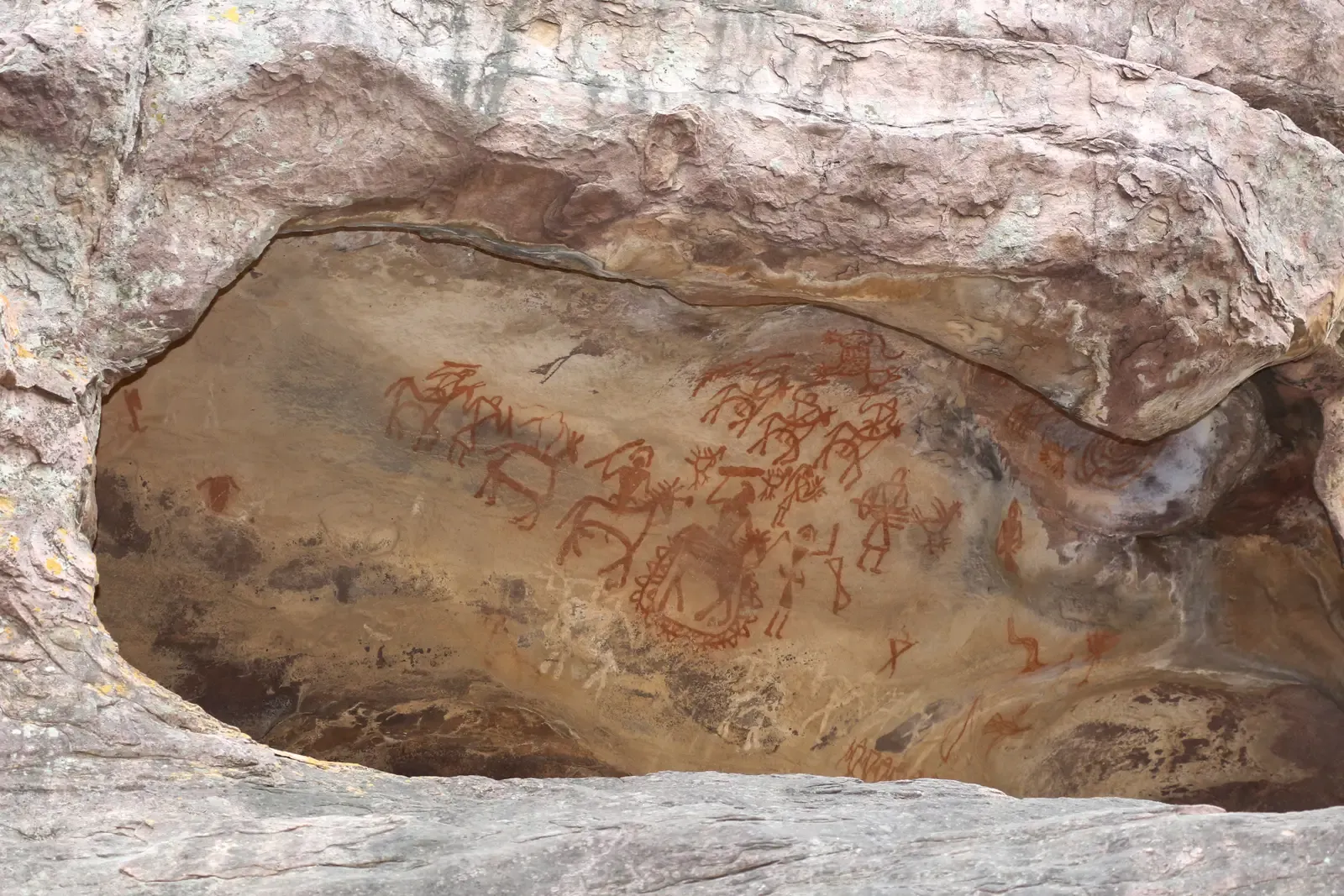
When you stand beneath a rock shelter covered in paintings or petroglyphs, you might first see them as isolated symbols: a deer here, a human figure there, maybe some strange abstract shapes. But along river canyons in Texas, the Southwest, and the Great Basin, researchers have shown that rock art traditions often persisted for thousands of years with remarkable consistency. Generations kept returning to the same cliff faces, painting similar themes with similar techniques, turning these places into visual archives of their cosmology and history.
Some panels show layered figures, superimposed over earlier images, as if you are looking at a palimpsest of beliefs that evolved over time while still respecting what came before. Others sit near ancient campsites or hunting lookouts, suggesting that the artists were literally surrounding themselves with memories of earlier people while living out their own lives. When you trace these images with your eyes, you are following the same lines that storytellers used to point at when they explained how the world used to be, who lived here long ago, and how those beings still shaped the present.
You See Monuments Built on Top of Memories
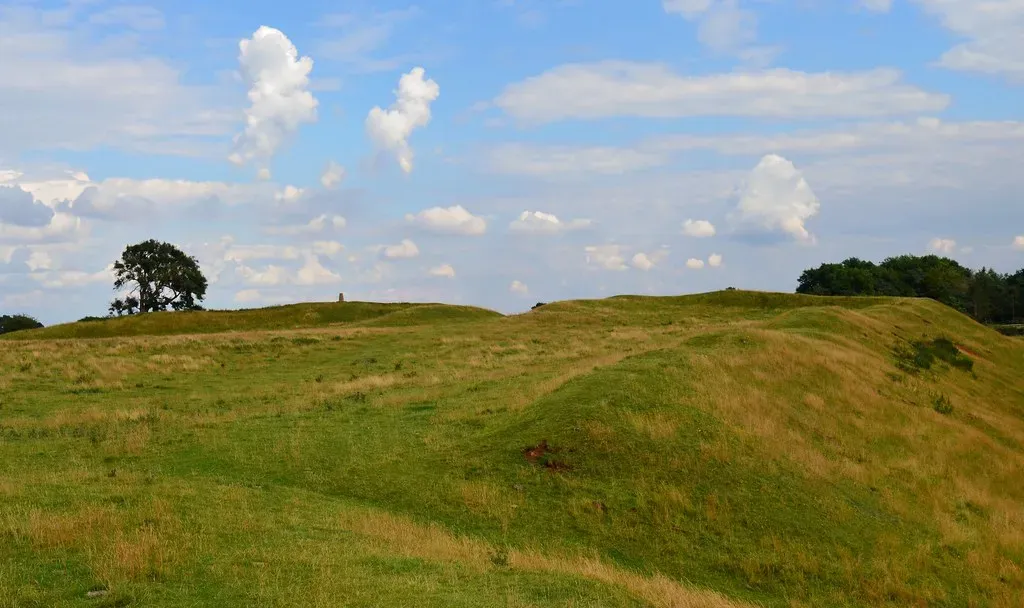
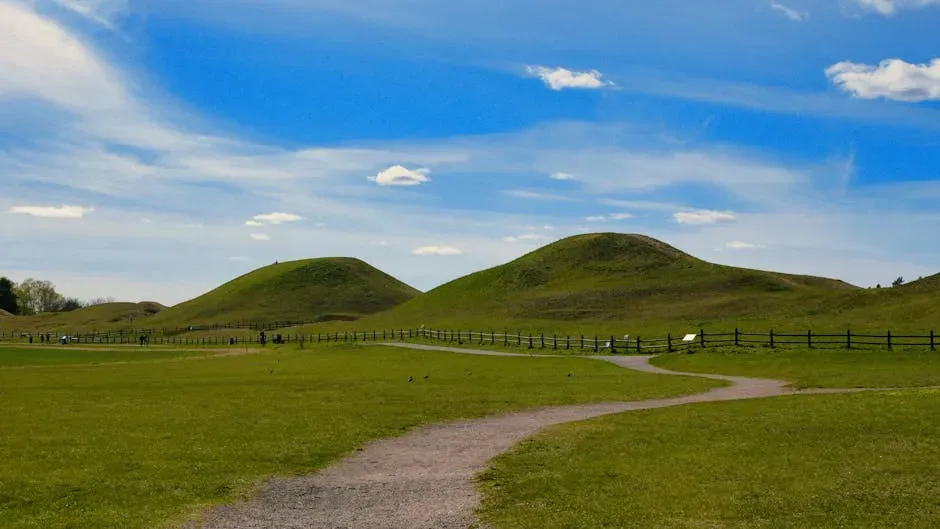
If you have ever visited a large earthwork or mound complex in the Eastern Woodlands, you may have noticed something subtle: big ceremonial centers rarely appear in a blank, empty landscape. They tend to rise in places that already mattered, whether because of an older, smaller mound, a natural landform, or a long‑used gathering spot. Early Woodland mound builders, and later Mississippian city‑builders, often reused and reshaped earlier features, layering their own constructions over previous ones like chapters in the same book.
When you stand on a mound that dominates a river valley, you are not just on a single moment in time; you are literally lifted by centuries of renewed building, rebuilding, and reinterpretation. Each new generation saw the work of their ancestors and decided not to erase it but to enhance or redirect it. That choice tells you they recognized those earlier builders as meaningful predecessors, even when their own culture, religion, and politics had changed. You can think of these places as three‑dimensional timelines, where soil, basketful by basketful, records how people thought about the past and chose to carry it forward.
You Decode Stone Tools That Refer Back to Ancestors
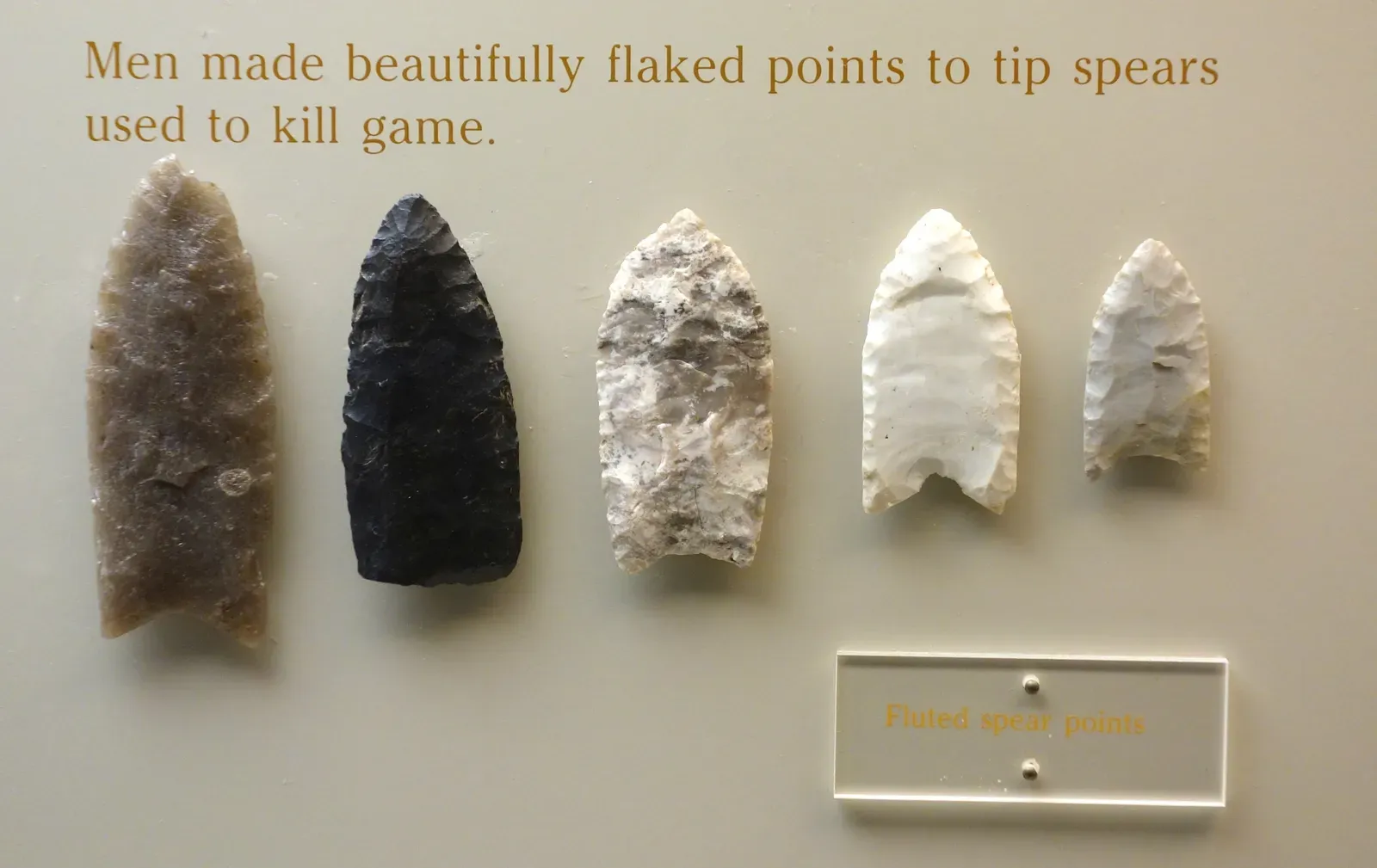
At first glance, a stone spear point or knife looks purely practical to you: something sharpened to hunt or butcher animals. But when you compare tool styles over wide areas and long time spans, patterns emerge that feel almost like signatures or dialects. The fluted points of Paleoindian hunters, the later regional forms that appear on the Plains, in the Southeast, or in the Arctic, all show families and networks of design. When a later group deliberately copies an older point style, even when they have newer options, they are making a statement about continuity with their ancestors.
You can see this same idea in how later cultures treated ancient tools they found. Some groups repurposed older projectile points as ceremonial objects rather than simple cutting edges. Others gathered unusual stones or fossil shells from far away and deposited them in burials or special caches. To you this might look like collecting antiques; to them, it was a way of literally holding the past in their hands. By treating certain old objects as powerful or sacred, they were acknowledging an earlier world and its people, and folding those memories into their own rituals.
You Hear Living Oral Traditions Bridge “Prehistory” and Today
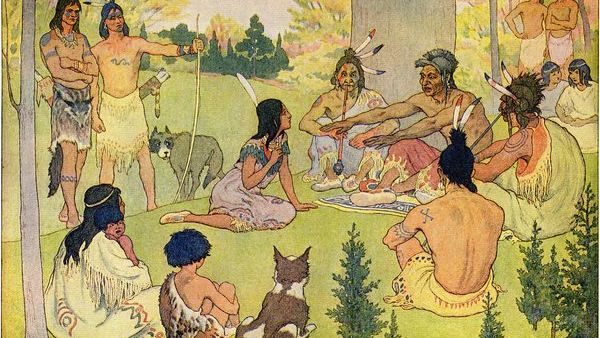
One of the strangest habits you may have picked up from school textbooks is thinking of anything before written records as a blank space labeled “prehistory.” For Indigenous communities across the Americas, that label never made sense. Stories about ancient migrations, lost settlements, long‑ago alliances, and epic journeys are still told today, connecting contemporary families to landscapes their distant ancestors walked. In some cases, those stories align with what archaeology and genetics reveal about movements across the continent, showing that people have been carefully carrying these memories forward for generations upon generations.
When you sit and listen, instead of treating oral tradition as mere legend, you start to see how it functions as a sophisticated archive. A narrative about an ancestor crossing a land bridge, settling near a particular river, or surviving a drastic climate shift is not just metaphor; it can encode real observations in a form that is easy to remember and transmit. You are essentially hearing a community talk about its own prehistoric past as if it were just yesterday, refusing to let the line between then and now be cut by the arrival of writing or outside historians.
You Join a New Conversation Between Science and Ancestral Knowledge
Over the last few decades, archaeologists and Indigenous communities have begun working together in ways that recognize the value of both scientific methods and traditional knowledge. When you look at a site through this collaborative lens, you do not just see dates and artifacts; you also hear how a place fits into songs, stories, and ceremonial responsibilities. In many regions, this partnership has confirmed that oral histories about ancient floods, volcanic eruptions, or long‑distance journeys are consistent with what geology, climate data, and DNA studies now show.
For you, this changes how to think about the prehistoric past of the Americas. Instead of imagining anonymous bands wandering across a featureless map, you can start to picture communities who were paying close attention to their own histories, curating sacred sites, honoring elder stories, and watching the sky and the earth for signs of change. When modern researchers treat those memories as serious evidence rather than side notes, they are, in a way, finally catching up to what many Native nations have always known: that the past is not gone, it is a living presence that shapes identity, law, and belonging right now.
Conclusion: You Live in a Landscape That Still Remembers
Once you start to see it, you cannot unsee it: the American landscape around you is full of reminders that ancient cultures were thinking deeply about their own predecessors. Rock art panels that have been repainted for millennia, earthworks layered over older mounds, stories that match geological upheavals, and tools treated as ancestral relics all show that people here were not amnesiacs drifting through time. They were historians in their own right, using stone, soil, story, and ceremony to keep their prehistoric past close at hand.
When you hike a canyon, cross a prairie, or drive past a river bluff now, you have the chance to imagine more than just scenery: you can see a palimpsest of lives, each generation looking back and deciding what to remember, what to reshape, and what to pass on. If you let that sink in, the idea of “ancient America” stops feeling distant and becomes something you are still part of, simply by living on the same ground. The real question is, now that you know how much the land remembers, how will you choose to listen to it?