When you picture your distant ancestors, you might imagine a small group of people walking along an unknown coastline, not knowing what lies beyond the next hill, but moving forward anyway. That urge to keep going, to push past the familiar and gamble on a better life somewhere else, is one of the oldest human stories you’re connected to. Long before maps, compasses, or GPS, people like you crossed entire continents with nothing but memory, courage, and the sky as their guide.
In a way, every time you move to a new city, take a road trip, or even change careers, you’re echoing decisions that shaped the entire human journey. The prehistoric world was not empty or simple; it was full of danger, shifting climates, and powerful animals that could kill you in seconds. Yet wave after wave of humans kept moving, adapting, and learning. When you look closely at ancient migrations, you start to see a bigger picture: you are here today because generation after generation chose curiosity over comfort, and movement over standing still.
How You Became a World Traveler Without Knowing It
![How You Became a World Traveler Without Knowing It (Skin colour and vitamin D: An updateProvided under Creative Commons free license (p.1, with link to Attribution 4.0 International (CC BY 4.0) page)"This is an open access article under the terms of the Creative Commons Attribution License, which permits use, distribution and reproduction in any medium, provided the original work is properly cited. © 2020 The Authors. Experimental Dermatology published by John Wiley & Sons Ltd" [1], CC BY-SA 4.0)](https://nvmwebsites-budwg5g9avh3epea.z03.azurefd.net/dws/112761d3f08ef6ff4d17e7b089cc7e33.webp)
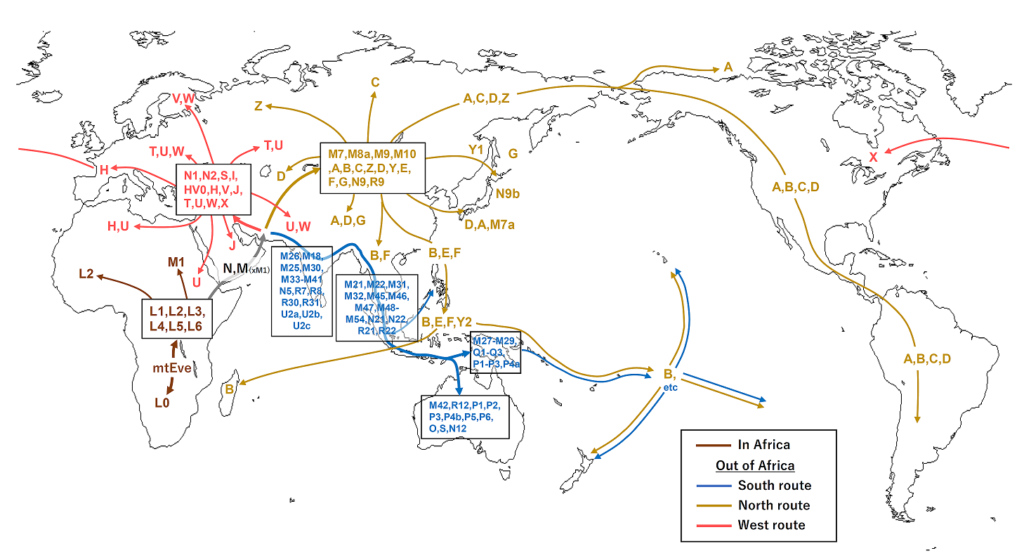
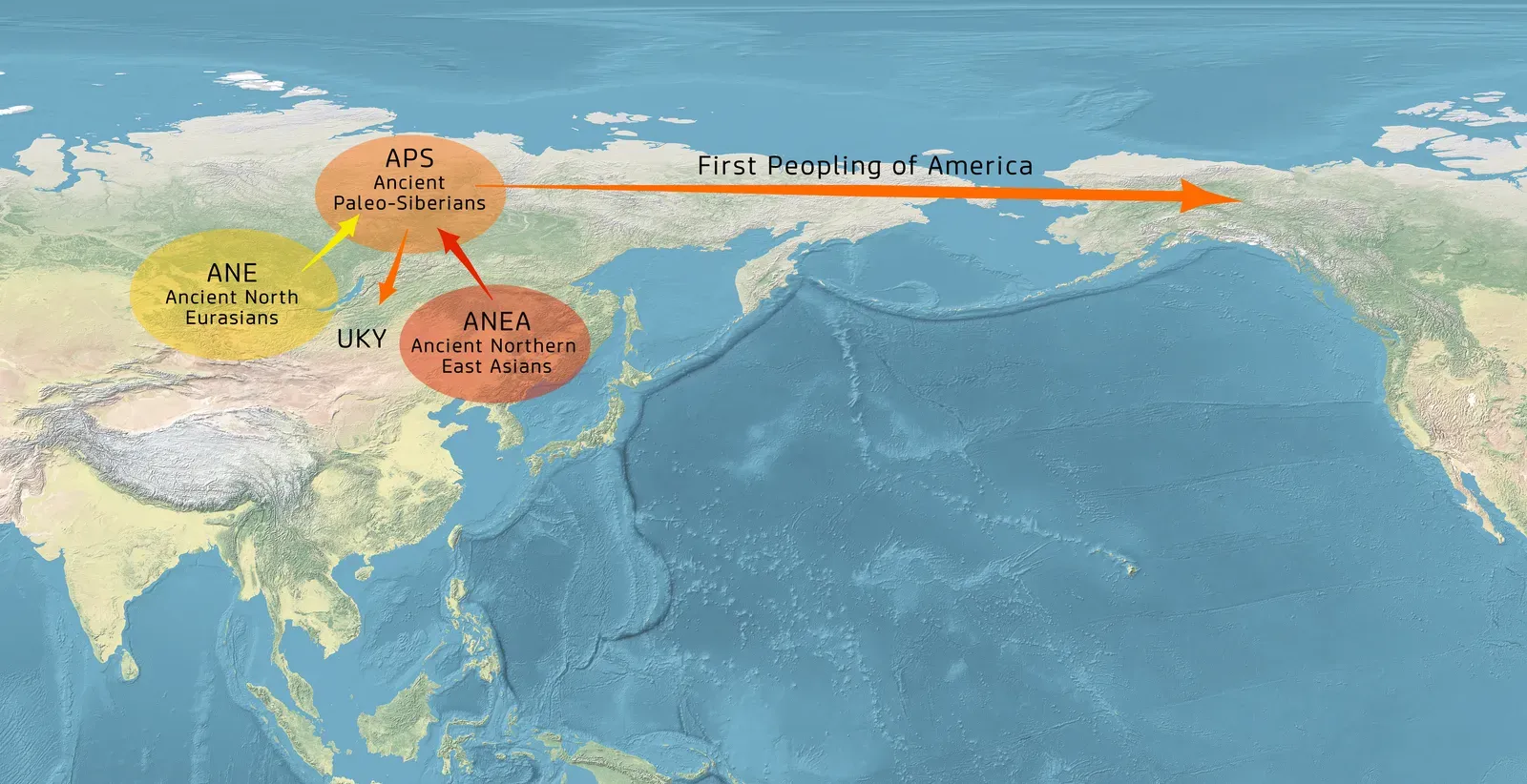
Even if you have never left your hometown, your DNA tells a wildly different story: your ancestors walked out of Africa, crossed deserts, rivers, and mountain ranges, and eventually spread across almost every habitable corner of the planet. When you hear that all modern humans share origins in Africa, you are really hearing that at some point, your family was part of a group that left the familiar and stepped into the unknown. You might not carry their memories, but you carry their choices, written quietly in your genes and in the shape of your face, your immune system, even how your body handles certain foods.
Scientists can actually trace parts of your ancestry back through time by following tiny mutations in your DNA, like breadcrumbs scattered across generations. As groups split, moved, and sometimes reunited, they left patterns that you can still see today in global genetic diversity. People living closer to the original African homeland tend to show more genetic variation, while populations that migrated far away often carry a smaller slice of that original diversity. So when you hear that story about ancient people leaving Africa, you are not hearing about strangers; you are hearing about the early chapters of your own personal travel history.
Following Water, Game, and Seasons: Why You Would Have Moved
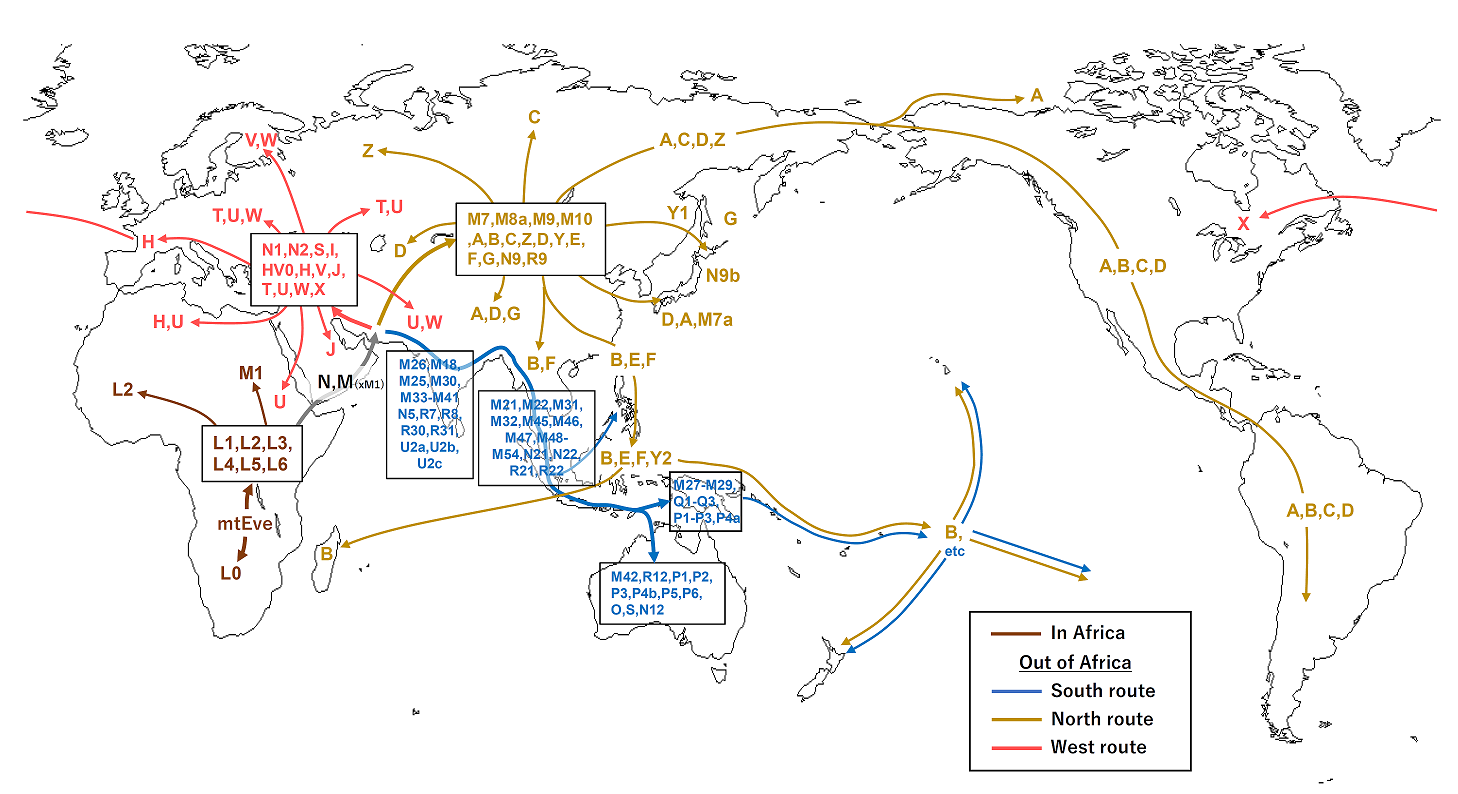
If you suddenly woke up in the world of your Stone Age ancestors, you would realize very quickly that staying put could be deadly. You would watch the animals you hunted follow seasonal routes, rivers swell and dry up, and plants appear and disappear with shifting rains. In that kind of world, you would move because your survival demanded it. You would follow rivers because they promised water, fish, and fertile land. You would track herds across open plains because that was your walking pantry, and falling behind meant hunger.
Climate swings would push you even harder. When ice expanded and glaciers grew, you would feel the cold not just in the air, but in disappearing plants and shifting animal patterns. As landscapes dried or flooded, you would have to choose between staying and starving or risking everything for a better place just beyond the horizon. You would not call it “migration” or “long-term strategy.” You would call it staying alive. When you look back now, it is easy to see patterns and arrows on maps, but in their moment, your ancestors probably just saw another day where they had to keep walking.
Crossing Invisible Borders: When You Met People Who Were Not Like You
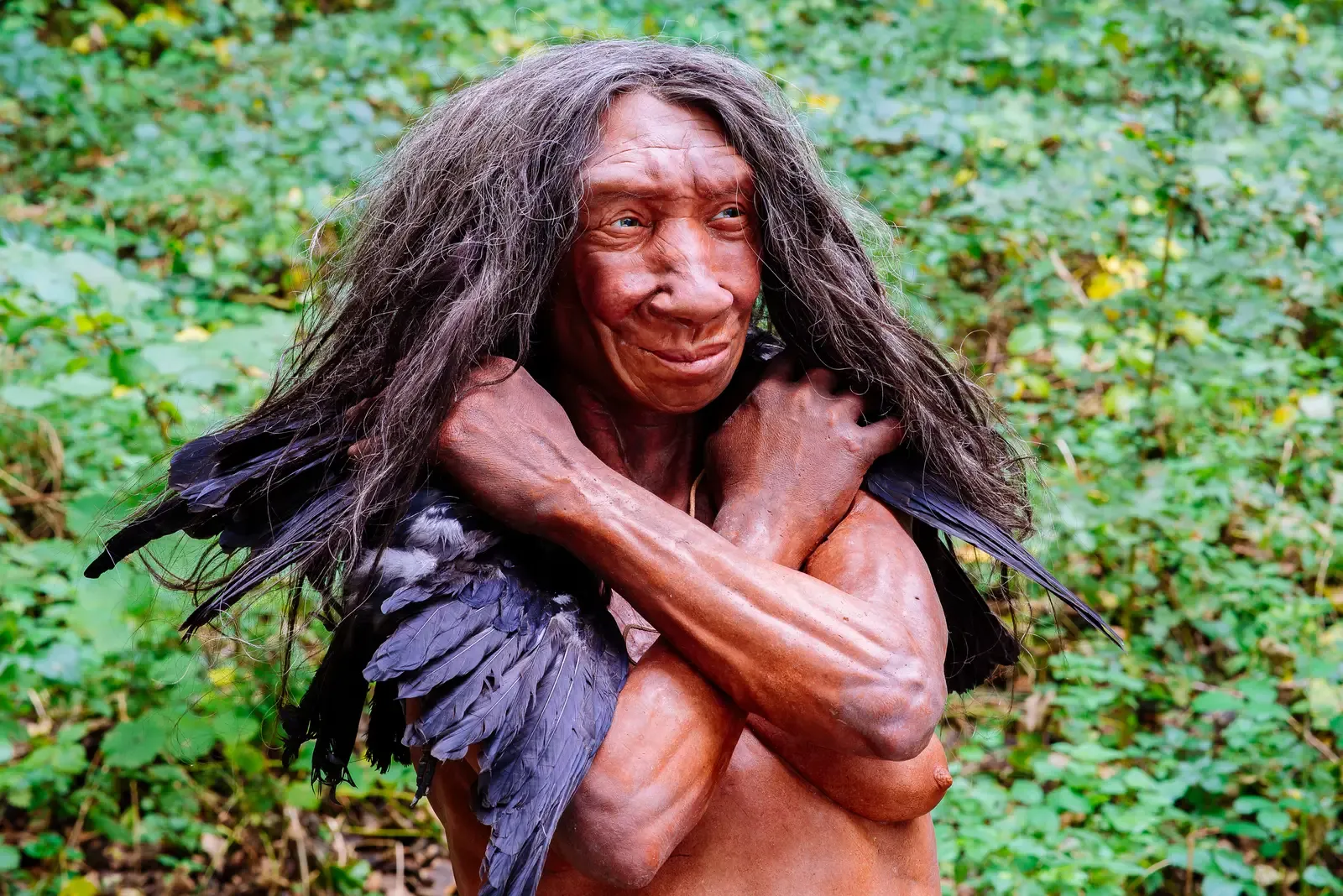
Imagine traveling for weeks or months with your small group, only to stumble onto another band of humans who look a bit different, speak in ways you do not understand, and carry tools you have never seen before. At certain moments in prehistory, that is exactly what your ancestors experienced when they wandered into regions already home to other human groups like Neanderthals or Denisovans. You might think of them as distant cousins: similar enough to recognize as human, different enough to feel a mix of curiosity and caution.
When you hear that modern humans carry small traces of Neanderthal or Denisovan DNA, what you are really hearing is that people from your family tree once formed relationships, had children, and blended cultures with those other groups. You can think of it as the earliest version of cultural exchange and intermarriage. Instead of clear lines and simple stories, your past is messy, braided, and full of encounters where strangers slowly became kin. The borders your ancestors crossed were not lines on maps, but boundaries of language, appearance, and custom – and they crossed them anyway.
Island Hopping and Open Seas: How You Would Have Faced the Water
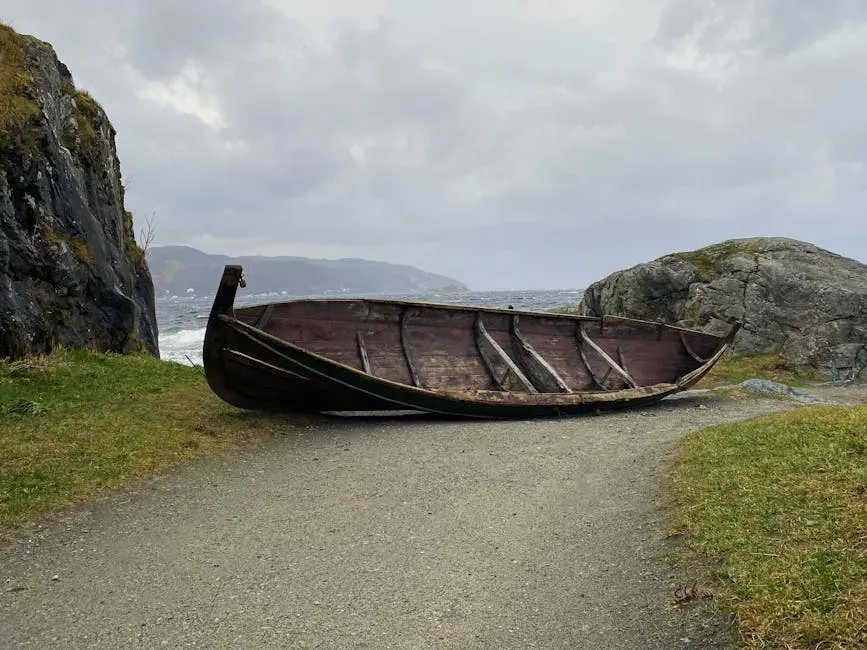
At some point, if you were born into a coastal group thousands of years ago, you might have watched your elders carve simple boats or rafts, then push off toward hazy landforms barely visible across the water. It is easy to underestimate how bold that was. You would not have had charts, lighthouses, or weather forecasts – just stars, ocean currents, and hard-earned experience passed down by word of mouth. Yet people like you managed to reach places such as Australia and remote Pacific islands long before any metal ships existed.
If you had stood on one of those beaches, you would have felt a mix of fear and wonder: that sick feeling in your stomach when you leave everything familiar behind, and the strange thrill of being the first to see a new shore. You would have carried seeds, tools, stories, and maybe a few animals, turning each new island into a fragile experiment in survival. In those moments, your ancestors were not just wandering; they were betting their lives that the world was bigger, richer, and more generous than the horizon made it look.
Adapting Your Body: How Migration Shaped the Way You Look and Live
As your ancestors moved into new climates, your body would have slowly started to change over many generations. If your group settled in a cold, dim region far from the equator, your descendants might have developed lighter skin to make better use of weak sunlight for vitamin production. If your people stayed near intense tropical sun, darker skin would offer protection, like a natural shield against harmful rays. You can see echoes of these ancient environmental challenges every time you notice how varied human appearances are around the world.
Migrations also reshaped what your body can handle. If your ancestors took up farming certain crops or domesticated particular animals, your digestive system gradually adapted to those foods. In some places, people developed the ability to digest milk into adulthood; in others, that never really caught on because it was not useful. Diseases played a role too. When your ancestors crowded into new settlements or encountered unfamiliar germs, those who survived passed on traits that helped your immune system cope. In a very real sense, your face, your metabolism, and your body’s hidden defenses are all souvenirs from the routes your ancestors walked.
Stories, Tools, and Firelight: How Migration Changed What You Knew
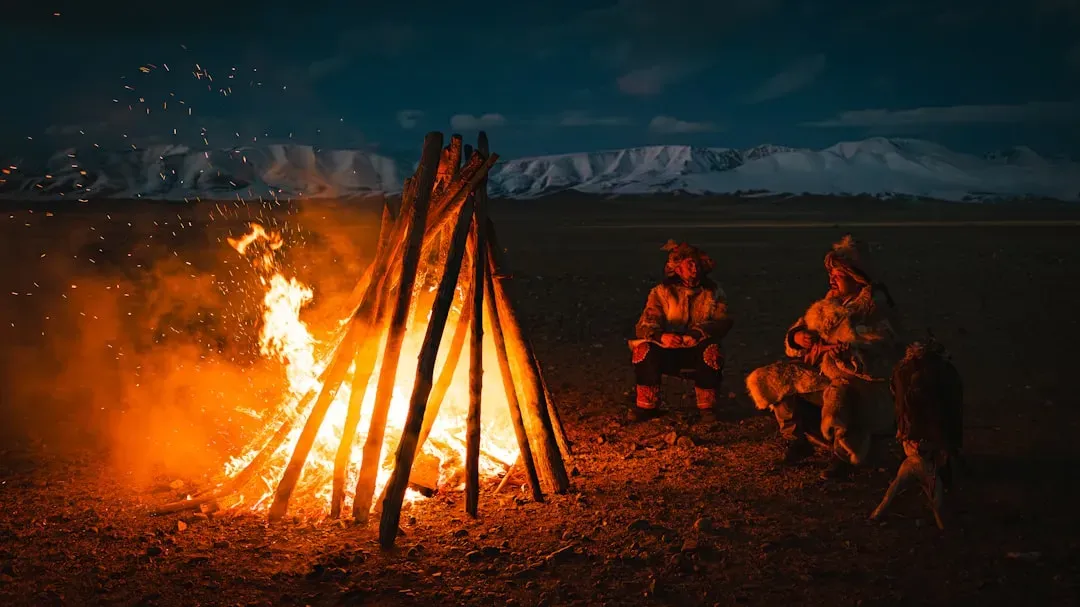
Every time your ancestors arrived somewhere new, they had to figure out the rules of that place from scratch. You would have watched elders test new plants to see which healed and which poisoned, or experiment with stones and bones until they created better tools. Once your group met other people already living in that region, knowledge could suddenly leap forward. You would learn faster ways to hunt, new ways to make clothing, and smarter ways to build shelters that fit the local weather. Migration did not just move bodies; it moved ideas.
Around fires at night, you would have listened to stories about long journeys, lost rivers, and mountains that marked turning points in your people’s path. Those stories were your maps before actual maps existed, teaching you where not to go, which trails led to danger, and which valleys once saved your group from starvation. As generations passed, the memory of those migrations turned into myths and origin tales. When you hear ancient legends today about great wanderings or founding ancestors, you are often hearing distorted but powerful echoes of very real journeys your family once took.
You Are Still Migrating: What Ancient Journeys Mean for Your Life Now
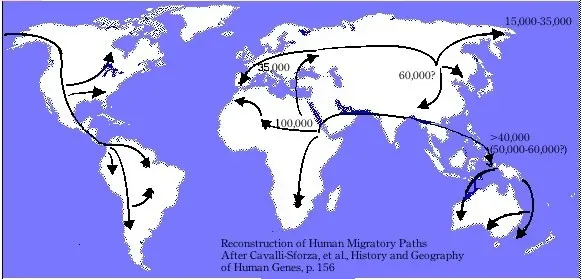
When you move for a new job, fall in love in another city, or decide to travel halfway around the world, you are tapping into a very old pattern. Your desire for a better life, safer conditions, or more opportunity is the same force that pushed your ancestors to walk out of their home valleys and never look back. Modern borders, passports, and airplanes look very different from dirt trails and homemade rafts, but underneath it all, your motivations are surprisingly similar. You are still chasing security, belonging, and a chance to thrive.
If you ever feel out of place in a new environment, you are sharing a feeling your ancestors knew well. They also had to learn new landscapes, adjust to different climates, and sometimes negotiate with unfamiliar neighbors. Remembering that long history can change how you see yourself and others. The stranger crossing a border today, the refugee fleeing danger, even the student arriving in a foreign city for the first time – they are all part of the same human story of movement. When you recognize that, you might start to see less of an “us versus them” picture and more of a single, restless species still exploring its world.
Conclusion: Carrying Their Footsteps into Your Future
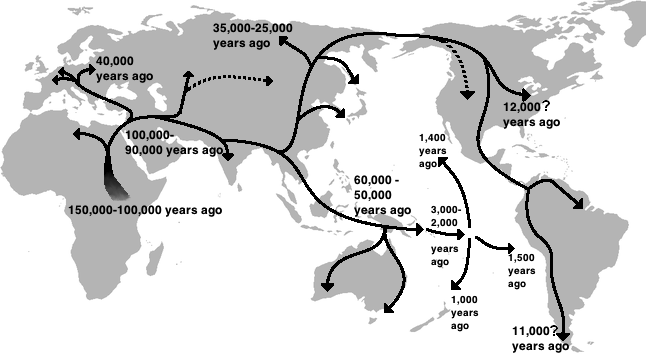
Every step you take in your modern life rests on a path laid down by people who refused to stay still. Your ancestors crossed scorching savannas, glacial valleys, dense forests, and endless coastlines with no guarantee that tomorrow would be kinder than today. Yet they moved anyway, driven by hunger, hope, fear, and curiosity, and you are the living proof that enough of their risks paid off. You are not just a person in the twenty-first century; you are the latest chapter in a story of bold, wandering humans who kept choosing movement over stagnation.
So the next time you look at a map, plan a trip, or even dream about a different kind of life, remember that you are doing something deeply ancient. Your mind and body are tuned to exploration because that is how your line survived ice ages, predators, and harsh landscapes. You might travel by plane instead of on foot, and your “unknown” might be a new career instead of a new continent, but the feeling is the same: a mix of fear and excitement at the edge of the unfamiliar. Knowing that, what new horizon are you willing to walk toward next?